As an Amazon Associate, I earn from qualifying purchases.
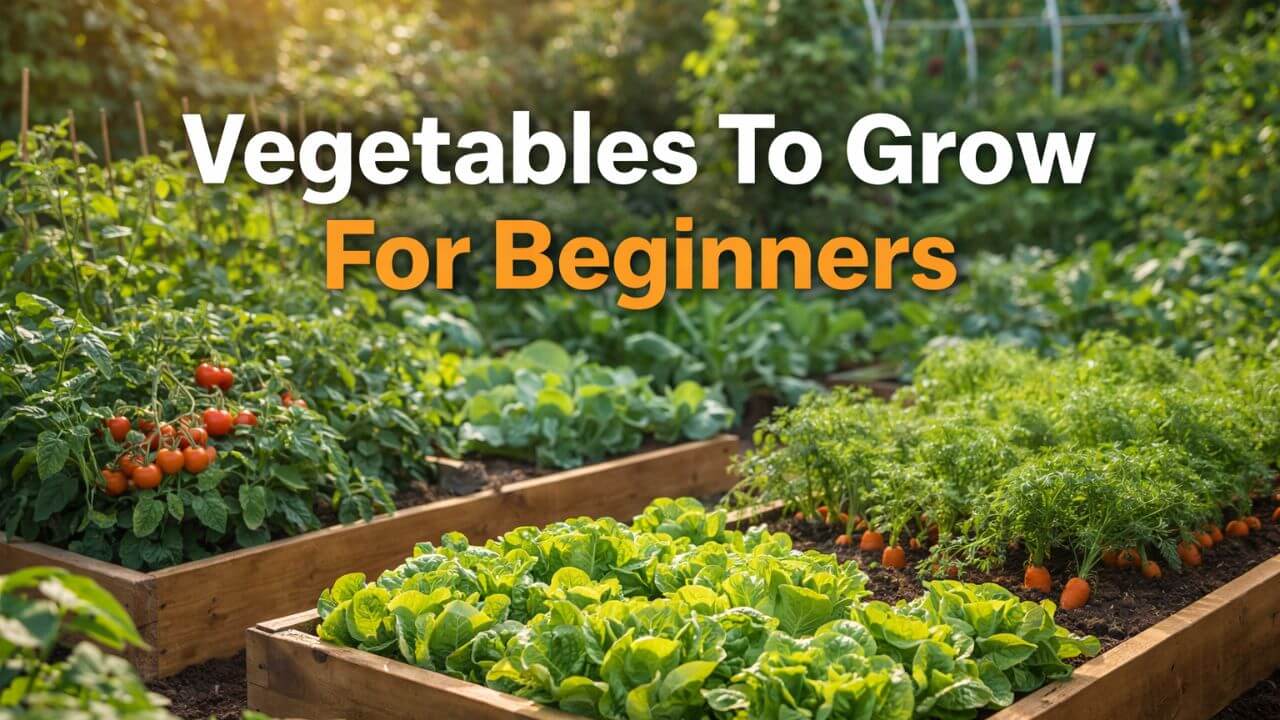
Start with easy, fast crops like lettuce, radishes, beans, and cherry tomatoes.
You can grow a tasty garden even if you have zero experience. In this guide on Vegetables to Grow for Beginners, I’ll show you what to plant, when to plant, and how to care for your first crops. I’ve coached many first-time gardeners, from tiny balconies to backyard beds. I’ll share simple steps, real mistakes to avoid, and the exact vegetables that set you up to win from day one.

What Makes a Vegetable Beginner-Friendly
Some crops are forgiving. Others are fussy. Pick vegetables that grow fast, shrug off small errors, and thrive in many spaces.
Key traits to look for:
- Short time to harvest. Fast crops keep you motivated.
- Broad temperature range. They handle cool nights or hot days.
- Low pest pressure. Fewer headaches and sprays.
- Simple care. No tricky pruning or pollination rules.
- Compact growth. Great in pots, beds, or small yards.
- Reliable seed germination. Big seeds are easier for new hands.
From years of teaching new growers, these traits matter most. When you pick Vegetables to Grow for Beginners with these traits, your odds of success jump fast.

Best Vegetables to Grow for Beginners (Top 12 Easy Crops)
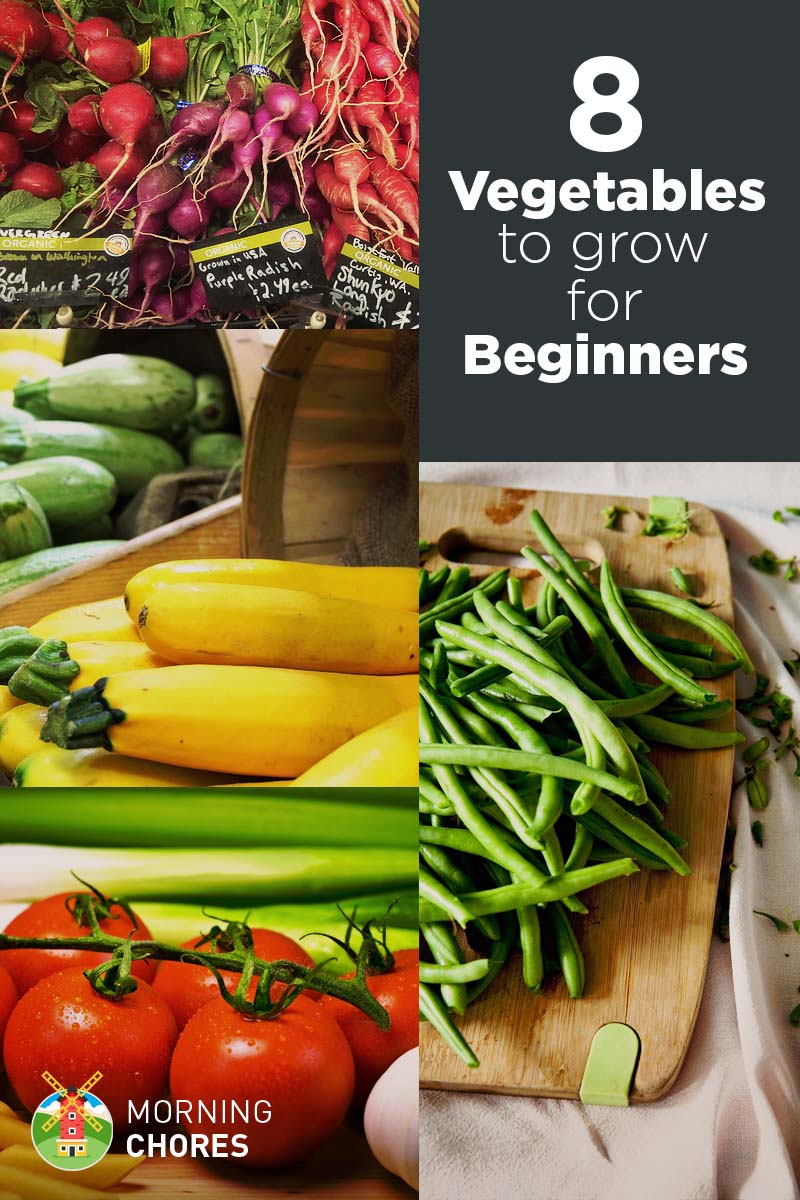
These are my go-to winners for a first garden. They fit raised beds, ground plots, or containers. They are the most trusted Vegetables to Grow for Beginners.
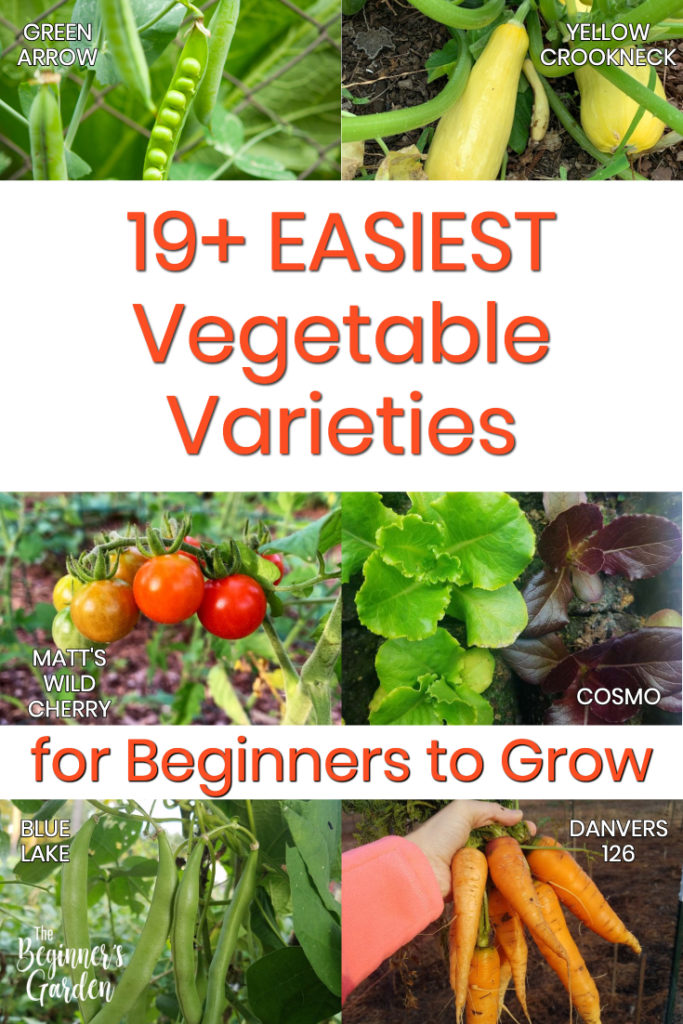
- Lettuce: Sow every two weeks for steady salads. Harvest baby leaves in 25 to 35 days. Likes cool weather and partial shade in heat.
- Radishes: Fast and fun. Ready in 25 to 30 days. Keep soil moist for crisp roots.
- Bush beans: Big seeds and heavy yields. Pick often to keep plants producing. Choose bush types for pots and small beds.
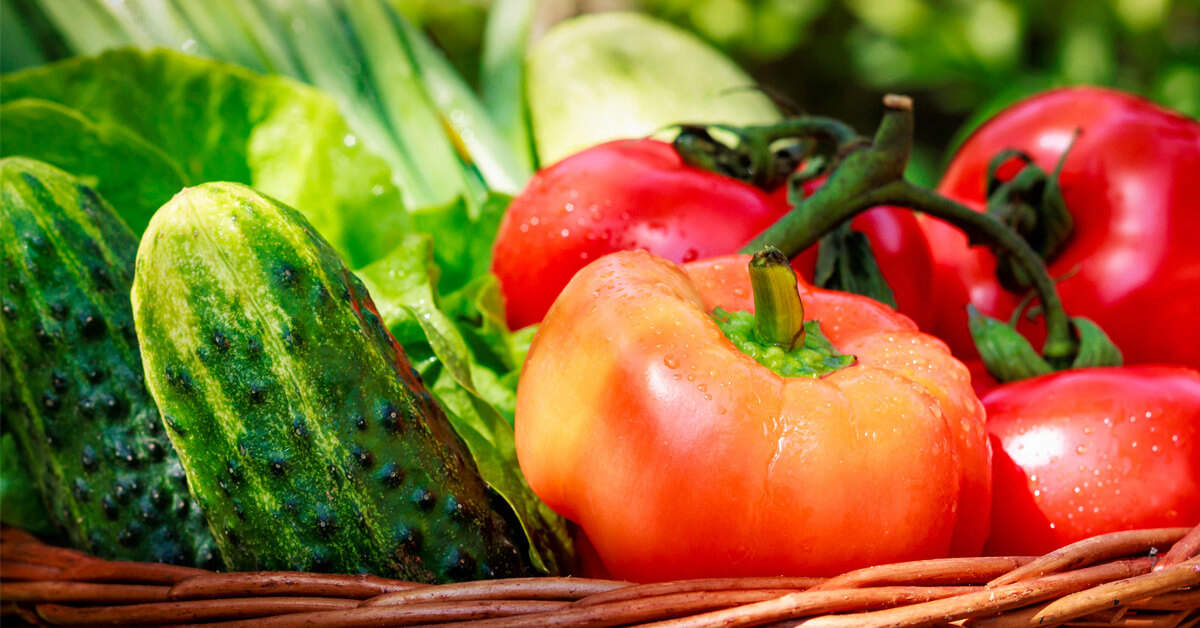
- Cherry tomatoes: More forgiving than big slicers. Plant after frost. Stake early and water deep.
- Kale: Tough and steady. Tastes better in cool weather. Pick outer leaves and let the center grow on.
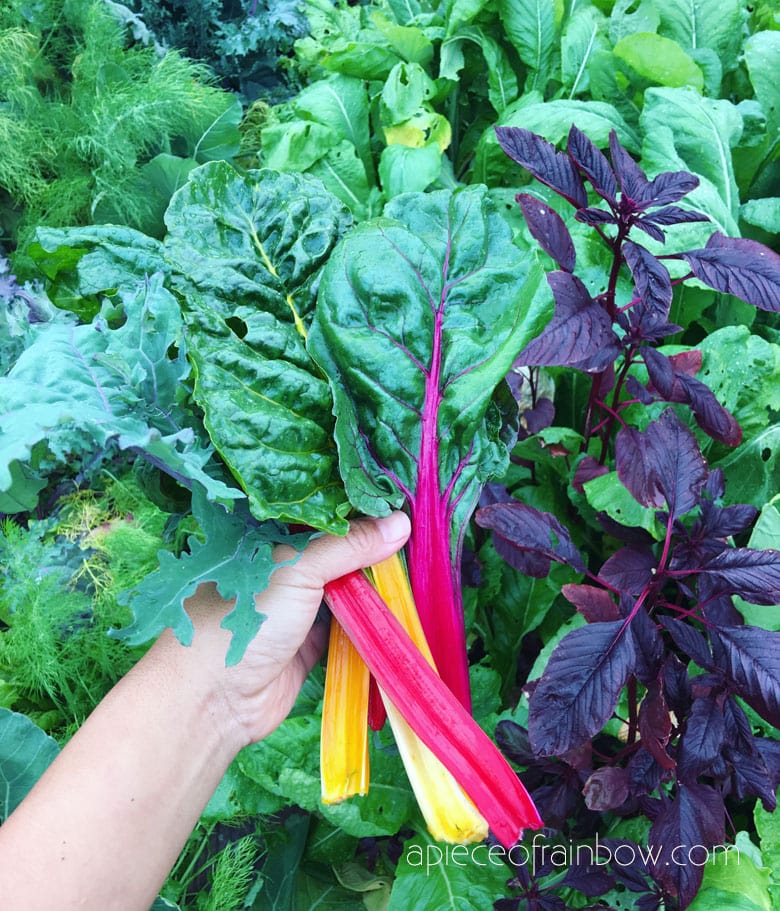
- Swiss chard: Heat and cold tolerant. Cut-and-come-again harvest for months.
- Green onions (scallions): Easy from seed and great in tight spaces. Harvest any time they look right.
- Basil: Loves heat and sun. Pinch tops to make it branch and stay tender.
- Cucumbers (bush or patio types): Choose compact types for containers. Trellis if you can to save space and keep fruit clean.
- Zucchini (bush types): Very productive. Harvest young for best flavor. Give it room and air flow.
- Beets: Grow for roots and greens. Keep soil loose for nice shape. Thin to one plant every few inches.
- Peas (snap or snow): Cool season stars. Give a small trellis. Sweet pods make great snacks in the garden.
Pro tip from my first season: radishes gave me a quick win. That small harvest built my confidence to try beans and tomatoes next. Stack these Vegetables to Grow for Beginners in waves so you always have something to pick.
Planning and Timing for Vegetables to Grow for Beginners
Good timing is half the game. Start by finding your average last spring frost and first fall frost. Warm-season crops go in after the last frost. Cool-season crops can go in earlier or later.
Simple plan:
- Early spring: lettuce, peas, radishes, kale.
- After frost: beans, cherry tomatoes, basil, cucumbers, zucchini.
- Late summer for fall: more lettuce, kale, beets, green onions.
Use succession planting. Sow small amounts every 2 to 3 weeks. This avoids a big glut and keeps plates full. For containers, rotate fast crops like lettuce and radishes around the big plants. This is a smart way to layer Vegetables to Grow for Beginners and boost yield.

Soil, Sun, and Water Basics for Vegetables to Grow for Beginners
Sun: Most vegetables need 6 to 8 hours of direct sun. Leafy greens can handle a bit less or light afternoon shade.
Soil: Aim for loose, well-drained soil rich in compost. In containers, use a quality potting mix. Garden soil in pots is heavy and can harm roots.
Feeding: Mix slow-release organic fertilizer into soil at planting. Side-dress with compost midseason. Avoid heavy feeding of leafy greens or they can turn bitter.
Water: Keep soil moist but not soggy. Stick a finger into the soil. If the top inch is dry, water. Mulch with straw or chopped leaves to cut watering and keep roots cool.
Strong soil and steady water make Vegetables to Grow for Beginners thrive with very little fuss.
Containers and Small Spaces: Vegetables to Grow for Beginners
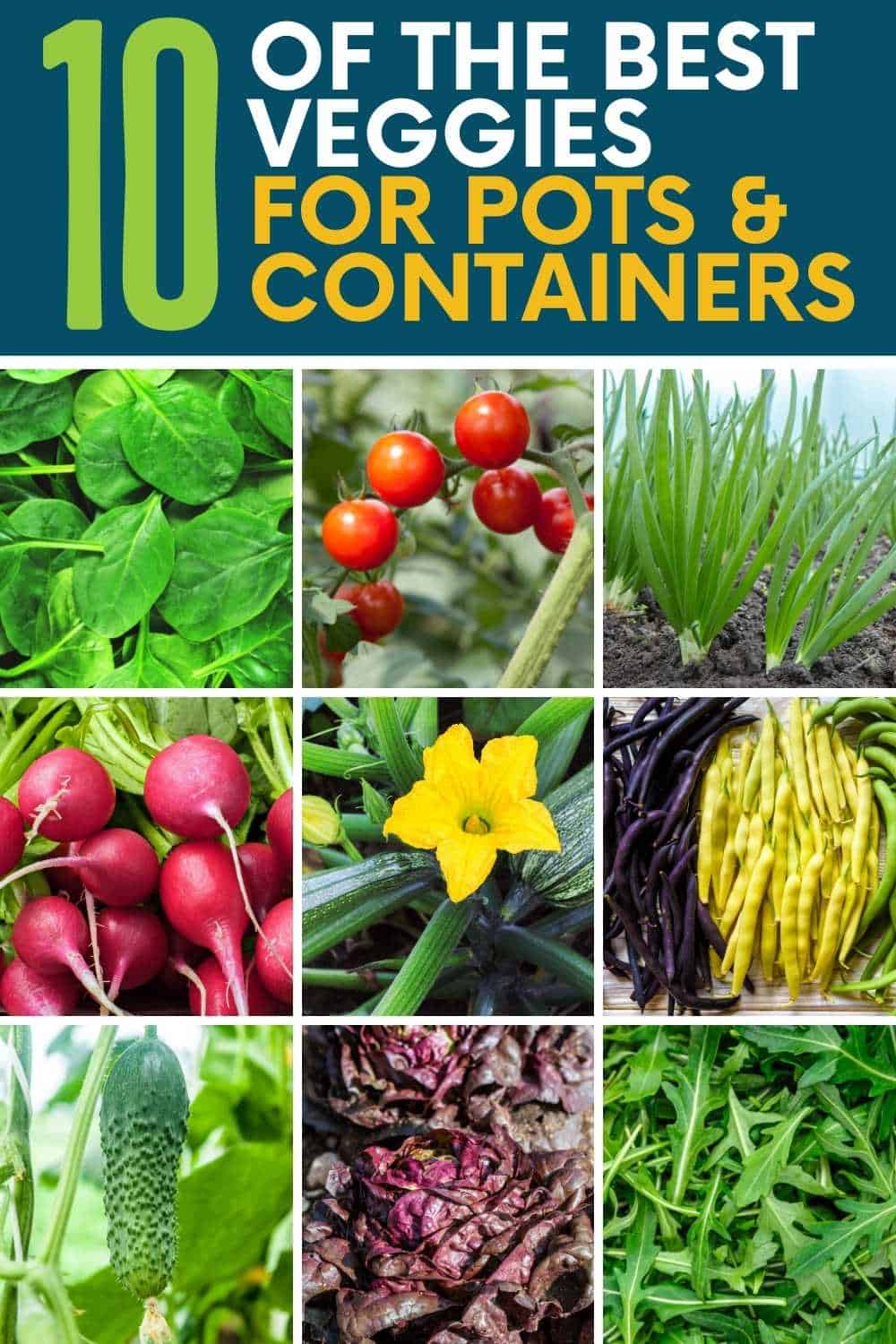
You can grow a lot in pots, tubs, and grow bags. Choose the right size and you are set.
Container size guide:
- Herbs and green onions: 1 to 2 gallons.
- Lettuce and radishes: 2 to 3 gallons.
- Bush beans and peppers: 3 to 5 gallons.
- Cherry tomatoes, cucumbers, zucchini: 7 to 10 gallons.
Tips that work:
- Use a light potting mix and add compost for a nutrition boost.
- Water more often in heat. Containers dry fast.
- Add a simple trellis or stake. It saves space and keeps plants clean.
- Grow mint in a pot. It spreads fast in beds.
Urban growers, this is your lane. Containers make Vegetables to Grow for Beginners easy and tidy.
Pest, Disease, and Problem-Solving
Every garden has a few bumps. You do not need harsh sprays. Simple steps prevent most trouble.
Smart habits:
- Inspect plants twice a week. Early action is easy action.
- Use row cover for young greens. It blocks flea beetles and cabbage worms.
- Knock off aphids with water or use gentle soap spray. Repeat weekly if needed.
- Mulch to reduce soil splash. This helps cut leaf spots.
- Water at soil level in the morning. Wet leaves at night invite disease.
- Rotate crops each season if you can. This breaks pest cycles.
Common issues:
- Yellow leaves on tomatoes: often watering swings or low nitrogen.
- Blossom end rot on tomatoes or squash: uneven water and low calcium access. Keep soil moisture steady.
- Bitter cucumbers: heat stress or water swings. Mulch and harvest young.
Most Vegetables to Grow for Beginners bounce back with these quick fixes. Stay calm, take notes, and adjust.
Easy Seasonal Plans You Can Copy
These small plans are battle tested. Each fits a 3-by-6 bed or a few large pots.
Spring Salad Box
- Two rows lettuce, one row radishes, one row green onions.
- Sow new lettuce every 2 weeks for steady bowls.
Summer Patio Salsa
- One 10-gallon pot with a cherry tomato and a small basil.
- One 7-gallon pot with bush cucumber on a trellis.
- Add a pot of green onions for fresh crunch.
Fall Stir-Fry Bed
- Kale and Swiss chard in the back.
- Beets and lettuce in front.
- Sow peas along a short trellis if you have time before frost.
These templates keep Vegetables to Grow for Beginners simple and tasty.
:max_bytes(150000):strip_icc()/asparagus_bin_main-5c8c8e8ec9e77c0001eb1c02.jpg)
Harvesting, Storing, and Using Your Crops
Harvest timing matters more than you think. Pick often for better taste and more yield.
Quick cues:
- Lettuce and kale: pick outer leaves while they are tender.
- Beans and peas: harvest when pods are full but not bulging.
- Cucumbers and zucchini: pick small and often for best texture.
- Beets and radishes: lift when roots match the seed packet size range.
Storage basics:
- Chill leafy greens fast. Wash, dry, and bag with a paper towel.
- Do not chill tomatoes. Keep them on the counter.
- Use breathable bags for roots. They last longer in the fridge crisper.
Harvest days are the joy of Vegetables to Grow for Beginners. Taste is your best guide.
Common Mistakes Beginners Make (and How to Avoid Them)
These are the classic traps. I made many of them in my first year.
- Planting too early or too late: Check frost dates and seed packet timing.
- Overwatering: Soggy soil starves roots of air. Water when the top inch is dry.
- Crowding plants: Give each plant its space. Airflow prevents disease.
- Skipping mulch: Bare soil dries fast and grows weeds.
- Too little sun: Move pots to chase light. Shade slows growth.
- No support: Stake tomatoes and trellis cucumbers early.
- Ignoring soil: Feed the soil and the soil feeds the plants.
Avoid these and your Vegetables to Grow for Beginners will look and taste great.
Frequently Asked Questions of Vegetables to Grow for Beginners
What are the easiest vegetables for a first garden?
Start with lettuce, radishes, bush beans, kale, and cherry tomatoes. These crops grow fast and forgive small errors.
How much sun do beginner vegetables need?
Aim for 6 to 8 hours of direct sun. Leafy greens can do well with a bit less, especially in hot weather.
Can I grow a beginner garden in containers?
Yes. Use 3 to 10 gallon pots for most crops and a light potting mix. Water often in heat and add a stake or trellis.
When should I start planting outside?
Wait until after your last frost for warm-season crops. Cool-season crops like lettuce and peas can go in earlier.
How often should I water?
Water when the top inch of soil feels dry. In hot weather, containers may need water daily.
Do I need fertilizer?
A slow-release organic fertilizer at planting is enough for many crops. Side-dress with compost midseason if growth slows.
What if pests show up?
Start with simple steps like hand-picking and water sprays. Use row covers for young plants and keep leaves dry.
Conclusion
You do not need acres or years of skill to eat from your garden. Pick a few Vegetables to Grow for Beginners, plant on time, water well, and harvest often. Small wins lead to big harvests.
Ready to grow? Choose two or three crops from this list and plant this week. Share your progress or questions in the comments. Subscribe for more simple guides and seasonal plans you can copy.

I enjoy sharing simple gardening ideas, lawn care tips, and honest product reviews that help make outdoor work easier. From home gardening guides to helpful tools and lawn care advice, I write easy-to-follow content to help readers create a healthier and better-looking outdoor space without wasting time or money.