
As an Amazon Associate, I earn from qualifying purchases.
Use a finish mower for smooth lawns; use a bush hog for rough brush.
If you manage land, you will face the Finish Mower Vs Bush Hog choice. I have cut lawns, pastures, and tangled trails for years. I know the stress of dull blades and hidden stumps. In this guide, I break down Finish Mower Vs Bush Hog in plain words. You will learn what each tool does best, where they struggle, and how to pick with confidence.
What is a finish mower?
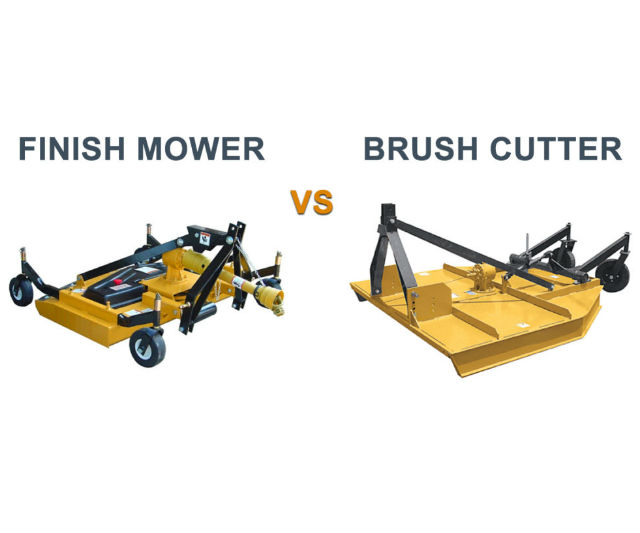
A finish mower is a tractor-powered mower for clean, level turf. It has three or more blades with high tip speed. It rides on caster wheels to hold a steady cut height. The result is a smooth, even lawn look.
You use a finish mower on yards, sports areas, and well-kept pastures. It likes flat ground and short grass. It will not like saplings, vines, wire, or rocks. It cuts fast, but it needs a clean field.
Key traits of a finish mower:
- Deck type: rear discharge or side discharge with baffles for airflow and lift
- Cut height: often 1 to 6 inches in small steps
- Blade style: thin, sharp, and easy to balance for fine stripes
- Power draw: moderate in grass; lighter than brush in most cases
From my seat time, a 6-foot finish mower behind a 30–40 PTO HP tractor is smooth and quick. Keep the blades sharp, and it will stripe like a zero-turn, only slower.
What is a bush hog (rotary cutter)?
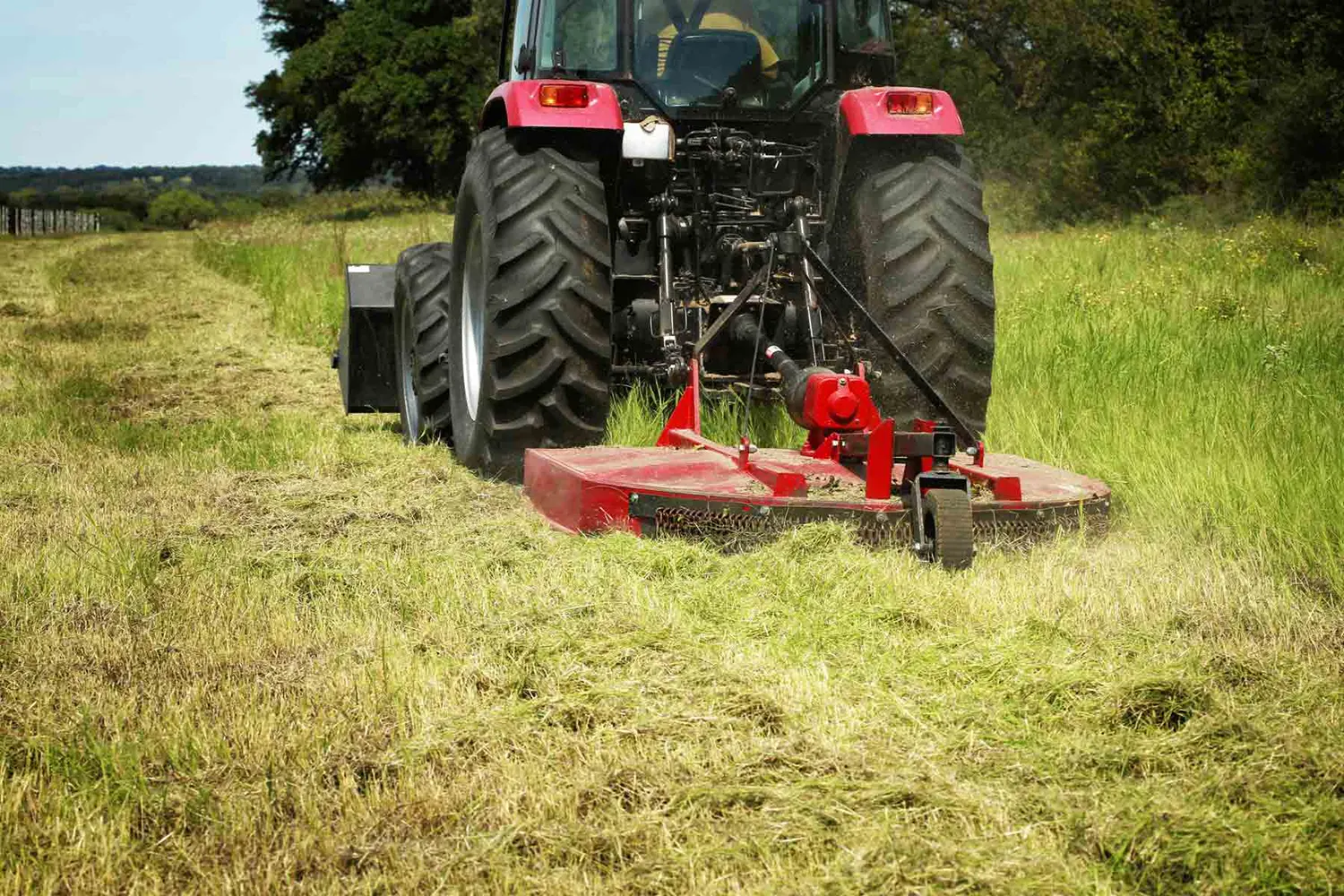
A bush hog, also called a rotary cutter, is a rough-cut machine. It uses thick, heavy blades that swing on a carrier. It buzzes through brush, briars, tall weeds, and saplings. Many have a stump jumper to glide over hits.
You use a bush hog for fields, trails, and fencelines. It does not care about perfect turf. It cares about getting through tough stuff and moving on. The cut is rough, like a shredded look, not a lawn look.
Key traits of a bush hog:
- Deck type: heavy shell with chain or rubber guards for debris control
- Cut height: often 2 to 12 inches, set by tail wheel and top link
- Blade style: thick, duller edge for impact and durability
- Power draw: higher when feeding brush or saplings
On my place, a 6-foot bush hog has chewed saplings near 2 inches thick. It saved me hours with a saw. The finish is not pretty, but the field gets under control fast.
Finish Mower Vs Bush Hog: the key differences
Finish Mower Vs Bush Hog is about purpose. One does fine cuts. The other clears rough ground. Here is how they compare in simple terms.
- Primary job
- Finish mower: lawn-quality cut on smooth ground
- Bush hog: rough cut on brush, weeds, and light saplings
- Blade and deck
- Finish mower: light, sharp blades; airflow baffles; caster wheels
- Bush hog: heavy swinging blades; stump jumper; tail wheel
- Power and speed
- Finish mower: lower load in grass; can travel fast on clean turf
- Bush hog: higher load in brush; slower where strikes are likely
- Cut height and quality
– Finish mower: low cut, very even, stripes possible- Bush hog: higher cut, uneven by design, shredded look
- Terrain tolerance
- Finish mower: flat, obstacle-free, dry areas
- Bush hog: rough ground, hidden debris, uneven fields
- Maintenance
- Finish mower: more frequent sharpening and belt checks
- Bush hog: gearbox checks, blade bolt torque, fewer sharpen cycles
- Safety focus
- Finish mower: discharge control; keep people clear
- Bush hog: higher risk of thrown debris; use guards and slow down
If your land is a park, pick a finish mower. If your land fights back, pick a bush hog. That is the heart of Finish Mower Vs Bush Hog.

How to choose: a simple decision checklist
Use this quick path to decide the Finish Mower Vs Bush Hog question.
- What are you cutting most weeks?
- Lawn or pasture that looks like lawn: finish mower
- Brush, briars, and tall weeds: bush hog
- How rough is your field?
- Few bumps and no hidden junk: finish mower
- Stumps, rocks, wire, or uneven soil: bush hog
- What height do you want?
- Under 3 inches: finish mower
- Over 3 inches or flexible height: bush hog
- How often can you mow?
- Weekly or biweekly: finish mower shines
- Once a month or less: bush hog keeps up
- What is your tractor’s PTO HP?
- 5–7 PTO HP per foot for finish mower in grass
- 8–10 PTO HP per foot for bush hog in brush, more in heavy stands
- What is your budget and time?
- Finish mower saves time on lawns
- Bush hog saves time in cleanups and new fields
I often tell new owners: buy for the worst job you must do. That tilts Finish Mower Vs Bush Hog toward the bush hog when land is wild. Add a finish mower later if you need that polished look.
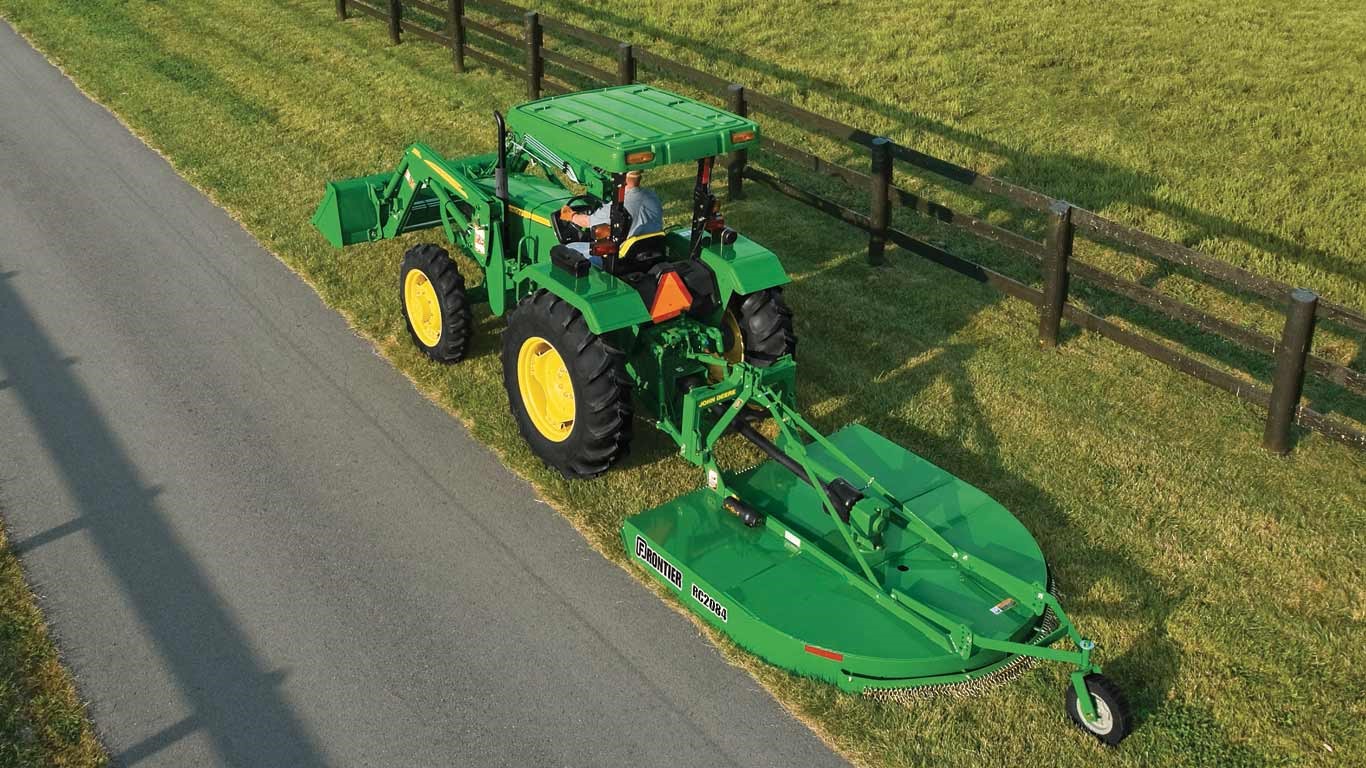
Setup and sizing: match mower, tractor, and terrain
Getting the fit right is half the job. Here is how I size and set up for Finish Mower Vs Bush Hog.
- Width
- Choose a deck a bit wider than your rear tires for easy edge passes
- PTO and driveline
- Check PTO shaft length and overlap; trim if needed
- Use a shear bolt or slip clutch on a bush hog; test the clutch each season
- Hitch and leveling
- Set the top link so the deck is a touch higher in front on a bush hog
- Level a finish mower side to side for an even cut
- Cut height
- Finish mower: use spacers and caster settings
- Bush hog: set tail wheel height and top link length
- Ballast and traction
- Add rear ballast or wheel weights if the deck is heavy
- Run the right tire pressure for stability on slopes
A well-set machine cuts better and saves gearboxes, belts, and knives. A poor setup costs money fast.
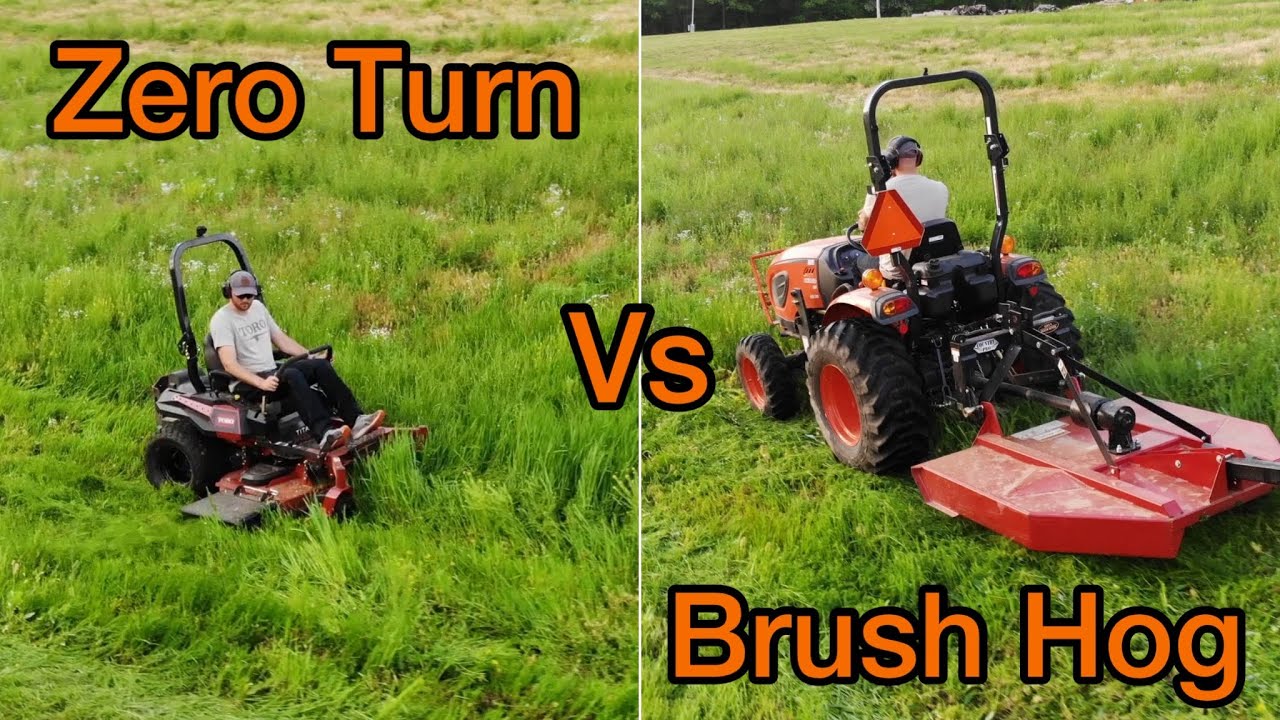
Operating tips from real field work
This is what has worked for me across seasons, and what has not.
- Walk or scout first. Find wire, rocks, and trash. Wire is a blade killer.
- Mow dry. Wet grass packs decks and drags engines down.
- Set a sane speed. Listen for the PTO to stay smooth. If the engine lugs, slow down.
- Overlap 10–20 percent. It boosts cut quality and avoids skips.
- Sharpen smart. Finish mower blades need sharp edges. Bush hog blades need a tough bevel, not razor sharp.
- Protect the gearbox. Grease the PTO shaft and check oil each month in heavy use.
- Watch slopes. Keep the uphill wheel light on steering. Never side-hill past your comfort.
My worst mistake was rushing a new trail with a dull bush hog. I hit a hidden post. The slip clutch saved the gearbox, but I lost an hour fixing twisted wire. Slow is smooth.
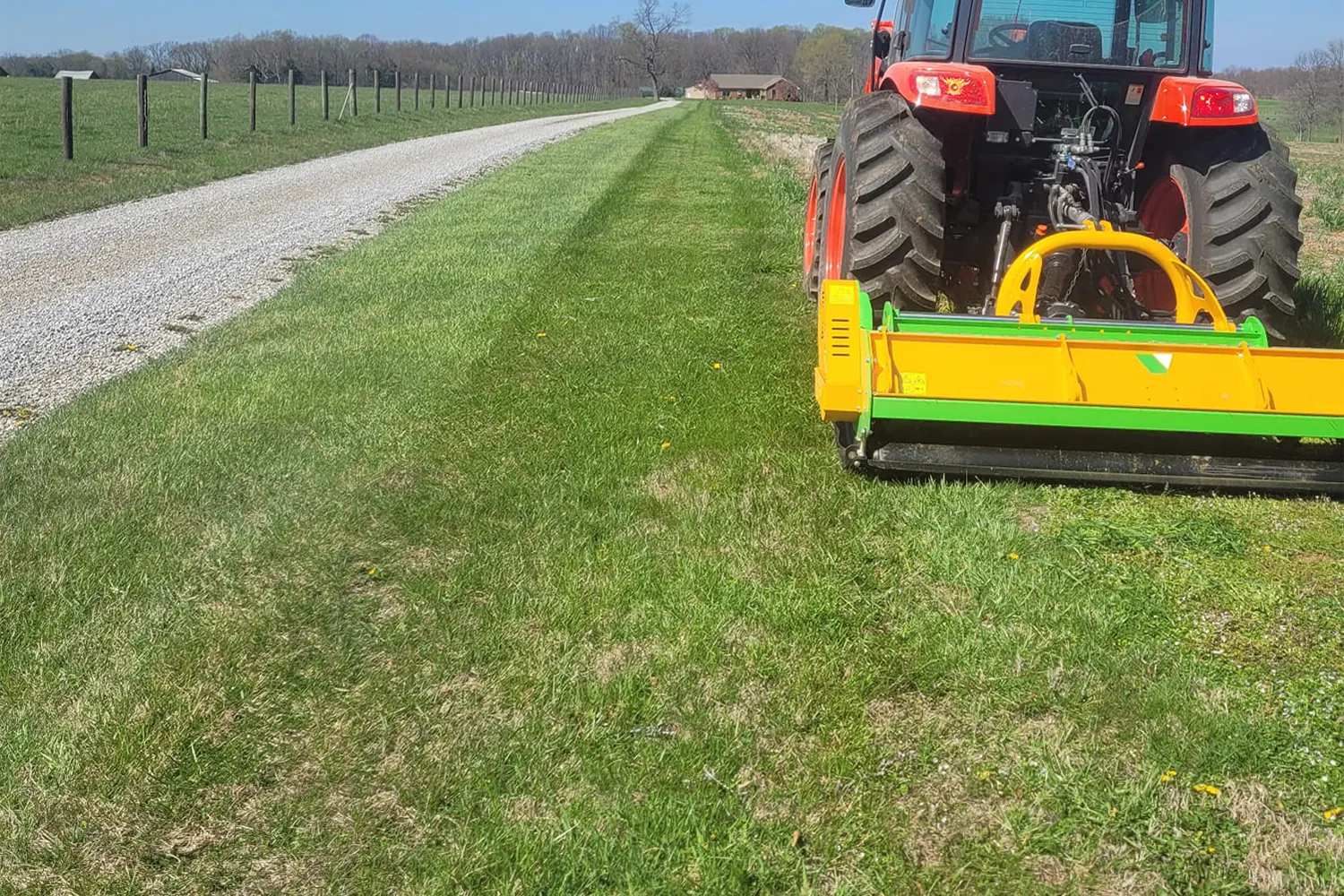
Cost of ownership: budget for the long haul
Finish Mower Vs Bush Hog also comes down to money. Think beyond the sticker.
- Purchase price
- 5–7 foot finish mower: often in the low to mid thousands
- 5–7 foot bush hog: similar range; heavy duty costs more
- Wear parts
- Finish mower blades: lower cost each; sharpen often
- Bush hog blades: higher cost each; sharpen less often
- Belts and spindles on finish mowers add to upkeep
- Time and fuel
- Finish mowers run faster on clean turf
- Bush hogs burn more fuel in brush but save labor on clearing
- Resale
- Clean, straight decks with tight gearboxes hold value well
Total cost depends on your land. If you cut lawn-like acres, a finish mower pays back in speed and look. If you clear rough land, a bush hog pays back by surviving hits you cannot avoid.

Safety and environmental care
Finish Mower Vs Bush Hog both demand care.
- Debris throw
- Keep people and pets at least 300 feet away
- Use guards and never lift the deck to throw discharge
- PPE
- Wear eye and ear protection and sturdy boots
- Wildlife
- Mow from center out to give animals a way to escape
- In nesting season, raise the cut or delay if you can
- Erosion and soil
- Leave a little stubble on slopes to hold soil
- Do not scalp ditches or wet spots
Good mowing is more than a cut. It is how you treat the land and what lives on it.
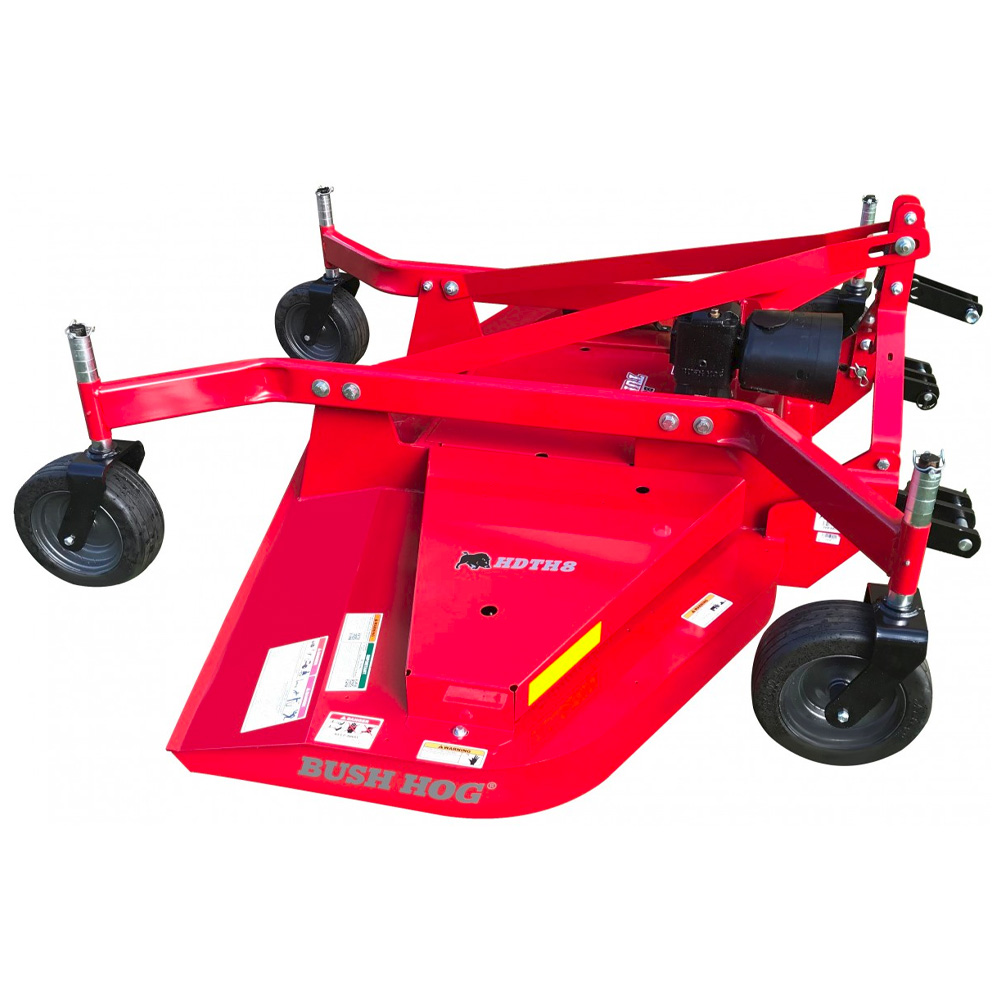
Alternatives and combos worth a look
Sometimes the best answer to Finish Mower Vs Bush Hog is both, or a third tool.
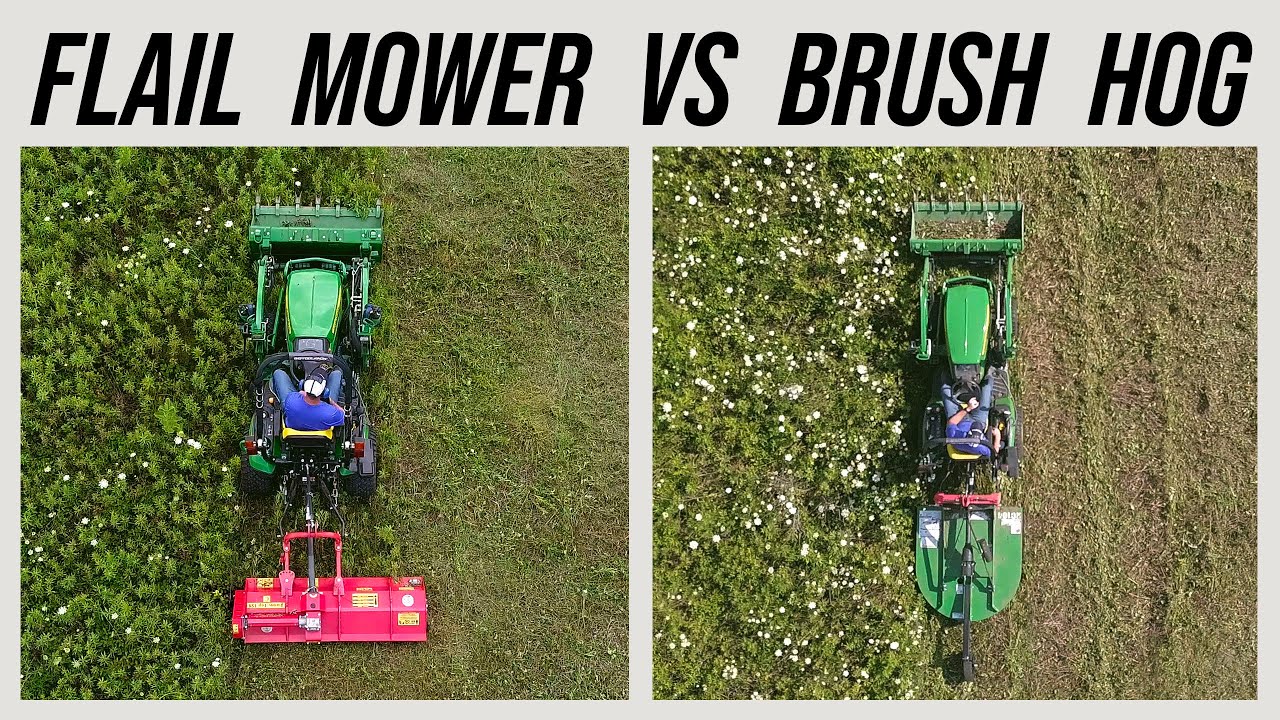
- Flail mower
- Safer near roads; throws less debris
- Handles rough and can leave a fair finish with fine knives
- Costs more and needs more power in some cases
- Sickle bar mower
- Gentle on stems; great for hay and edges
- Not for brush or a manicured look
- Zero-turn mower
- Fast on lawns; not for rough fields or hidden debris
- Combo plan
- Use a bush hog once to reclaim a field
- Follow with a finish mower for a clean look the rest of the season
I run a bush hog in spring to knock down the big stuff. Then I switch to a finish mower on the areas near the house. It keeps the yard neat and saves wear on the heavy cutter.
Frequently Asked Questions of Finish Mower Vs Bush Hog
Which is better for a large pasture: finish mower or bush hog?
If the pasture is smooth and kept short, a finish mower is faster. If the grass is tall or brushy, a bush hog is safer and more effective.
Can a finish mower cut small saplings?
It should not. Finish mower blades and spindles are not built for wood. Use a bush hog for saplings.
How much tractor power do I need per foot of deck?
Plan for about 5–7 PTO HP per foot for a finish mower in grass. Plan for about 8–10 PTO HP per foot for a bush hog in mixed brush.
Will a bush hog leave a nice lawn look?
No. A bush hog leaves a rough, shredded cut. For lawn stripes and even height, choose a finish mower.
Can I own both a finish mower and a bush hog?
Yes. Many landowners do. Use the bush hog for clearing and the finish mower for regular lawn or pasture grooming.
Is a flail mower a good middle-ground option?
Often, yes. It handles rougher material than a finish mower and can leave a decent finish with fine knives.
How often should I sharpen blades?
Sharpen finish mower blades every 10–20 hours in heavy use. Sharpen bush hog blades less often; keep a durable bevel rather than a razor edge.
Conclusion
Finish Mower Vs Bush Hog comes down to the work in front of you. If you want a clean, even lawn finish, go with a finish mower. If you need to tame tall weeds, briars, and saplings, pick a bush hog. Many folks start with a bush hog to reclaim land, then add a finish mower for polish.
Walk your field, list your main jobs, and match the tool to the task. Set it up right, mow safe, and your tractor will feel twice as strong. Ready to go deeper? Share your land goals or questions, and subscribe for more hands-on tractor guides.

I enjoy sharing simple gardening ideas, lawn care tips, and honest product reviews that help make outdoor work easier. From home gardening guides to helpful tools and lawn care advice, I write easy-to-follow content to help readers create a healthier and better-looking outdoor space without wasting time or money.