As an Amazon Associate, I earn from qualifying purchases.
Pick a sunny spot, enrich soil, start small, plant easy crops.
If you want to learn how to start a vegetable garden at home, you are in the right place. I have coached new gardeners for years and grown food in tiny balconies and large backyards. In this guide, I share clear steps, smart shortcuts, and real lessons learned. Read on to plan, plant, and harvest with confidence, even if this is your first time.
:strip_icc()/woman-haarvesting-vegetables-in-garden-ad4e9942-6c2139192aec49aeb46256594d1fc8bb.jpg)
Choose the right spot
Good light makes everything easier. Aim for at least 6 to 8 hours of direct sun. Morning sun is gentle and dries leaves, which helps prevent disease.
Watch how water moves after rain. You want soil that drains well but does not dry to dust. Stay a few feet away from big trees, since roots will steal water and nutrients.
Keep it close to home. A garden near your door gets more care. You will see problems sooner and harvest at the right time. This one step is key to how to start a vegetable garden at home.
- Track sun for a day. Note where shade lands at 9 am, noon, and 3 pm.
- Choose level ground if you can. Slopes lose water and soil.
- Check for a hose tap. Carrying buckets gets old fast.
Plan your layout and goals
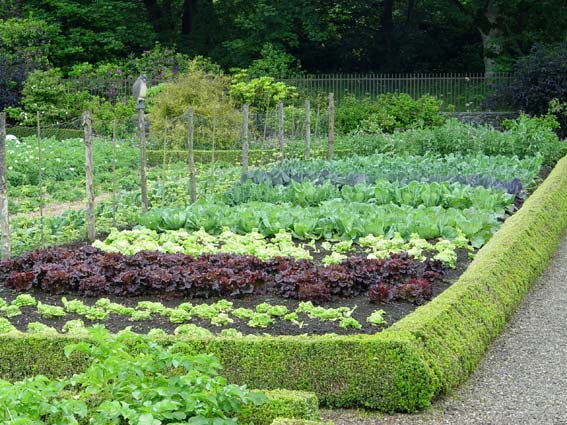
Start small. A 4×8 raised bed or four big containers is plenty for beginners. You can add more later once you learn the rhythm.
Pick crops you eat often. A plan keeps costs down and reduces waste. When I began, I drew a simple map and stuck to six crops. It kept me calm and on track with how to start a vegetable garden at home.
- List top foods you buy each week.
- Group by season. Cool season crops first, then warm season.
- Space plants to full size. Crowding cuts yields and invites disease.
- Rotate crops each season to protect soil and reduce pests.
Test and build your soil
Great soil grows great food. A basic soil test tells you pH and nutrients. Many county extensions offer low-cost kits. Most vegetables like a pH near 6.0 to 7.0.
Add organic matter. Compost improves structure and life in the soil. If your soil is heavy clay, mix in compost and coarse material like fine bark. If it is sandy, compost helps hold water and nutrients.
Use a no-dig bed if your soil is poor. Lay cardboard to smother grass. Add 6 to 8 inches of compost and topsoil mix. This is a fast way for how to start a vegetable garden at home without tilling.
- Blend compost into the top 6 inches.
- Aim for soil that crumbles, not dust or clumps.
- Mulch bare soil right after planting.
What to grow first
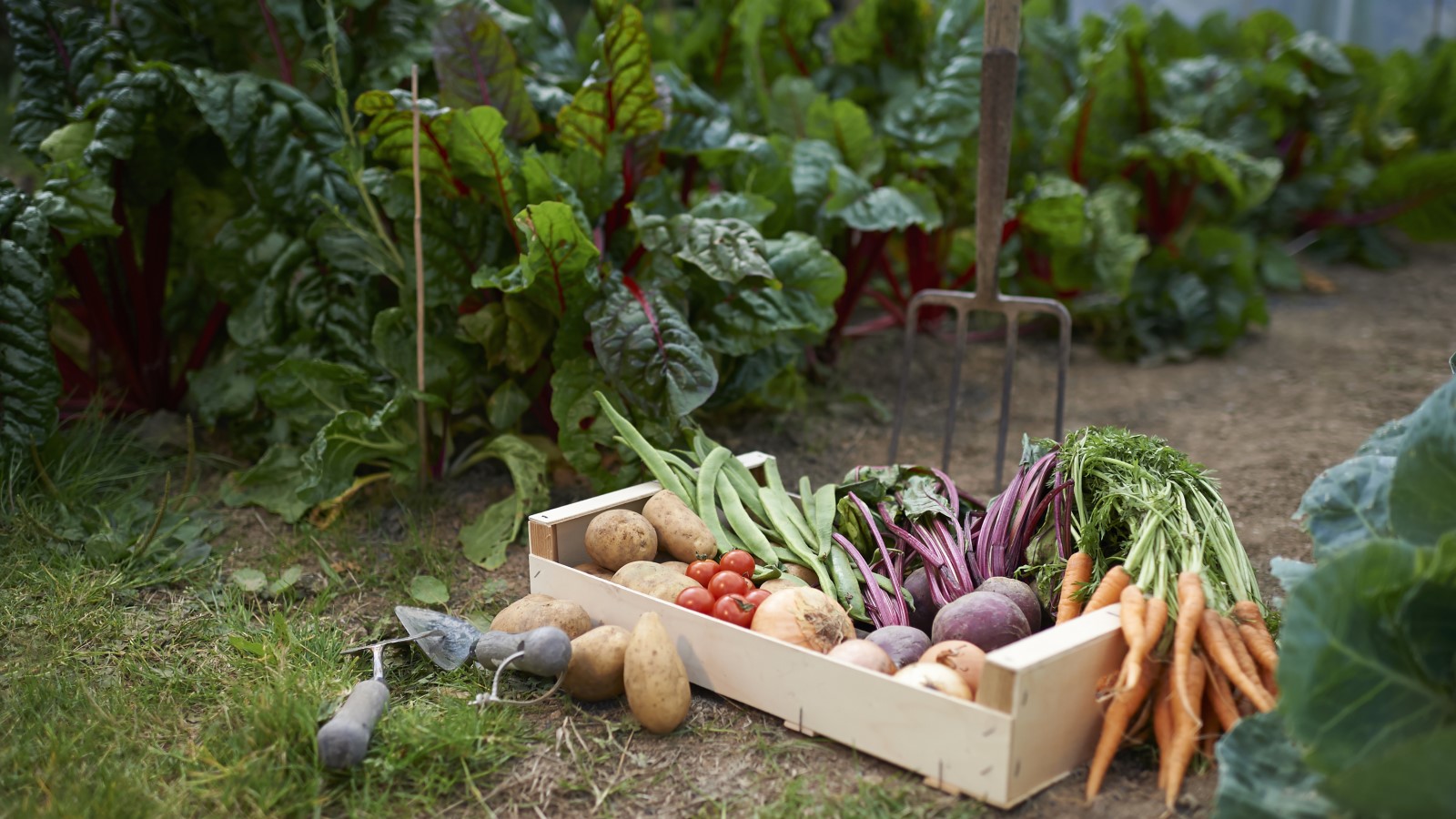
Choose easy, fast growers. Success builds joy and keeps you going. Here are beginner stars that work in most regions.
- Lettuce and salad mixes grow fast and love cool weather.
- Radishes are quick and teach you timing.
- Bush beans are forgiving and set lots of pods.
- Cherry tomatoes are reliable and sweet.
- Zucchini and cucumbers need space but yield well.
- Herbs like basil, parsley, and chives thrive in pots.
Match crops to your season. Warm season plants need frost-free nights. Check your frost dates and local zone. This small step is central to how to start a vegetable garden at home the smart way.

Seeds, seedlings, and timing
Use seedlings for tomatoes, peppers, and eggplants to save time. Sow quick crops, like lettuce and beans, from seed in place. Read packets for days to maturity and spacing.
Know your last spring frost and first fall frost. Count back from these dates to plan sowing. I mark a calendar, then add a 1-week buffer in case of swings. This adds grace to how to start a vegetable garden at home without stress.
Harden off seedlings. Give them a week of outdoor time in shade and gentle sun. This prevents shock.
- Start cool crops early in spring or late summer.
- Start warm crops after nights stay above 50°F.
- Stagger plantings every two weeks for steady harvests.

Watering, mulching, and feeding
Water deeply, not often. Aim for 1 inch per week, more in heat. Morning watering reduces disease. Drip lines or soaker hoses save time and water.
Mulch is your best friend. It keeps roots cool, limits weeds, and holds moisture. Use straw, shredded leaves, or fine wood chips around, not on, stems.
Feed the soil first. Mix compost before planting. Side-dress heavy feeders like tomatoes midseason. Balanced organic fertilizers or fish and seaweed blends work well. Keep notes on what you use so you refine how to start a vegetable garden at home each season.
- Check soil moisture with your finger, two inches down.
- Add mulch to a depth of 2 to 3 inches.
- Stop fertilizing tomatoes once fruit sets to avoid leafy growth.
.JPEG?ver=VdKOaK08f7zzHVAsgOJA1A%3D%3D)
Pests, disease, and weeds made simple
Focus on prevention. Healthy plants resist trouble. Observe daily and act early.
Keep leaves dry and air flowing. Space plants right. Water at the base. Remove sick leaves at once and toss in the trash, not compost.
Use barriers first. Row covers stop insects on brassicas and squash. Hand-pick pests in the cool morning. Invite helpers like ladybugs by planting flowers such as calendula and alyssum.
Weeds compete for light, water, and nutrients. Mulch most of the surface. Pull young weeds when the soil is moist. A weekly 10-minute walk-through beats a monthly battle and is core to how to start a vegetable garden at home with less fuss.
- Rotate crops to break pest cycles.
- Clean tools to avoid spreading disease.
- Spot-treat, do not blanket-spray.

Seasonal care and succession planting
Grow in waves. Plant quick crops first. Follow with a second round as space opens. This keeps beds productive.
Pair crops that share space. Radishes grow fast under young tomatoes. Lettuce fits between peppers early on. This boosts yield in a small area.
Use cover crops in off months. Clover or rye protects soil and adds organic matter. This practice levels up how to start a vegetable garden at home for long-term health.
- In spring, sow peas, spinach, and lettuce.
- In summer, plant beans, tomatoes, and squash.
- In fall, return to greens and roots.
Small spaces: containers, raised beds, and vertical tricks
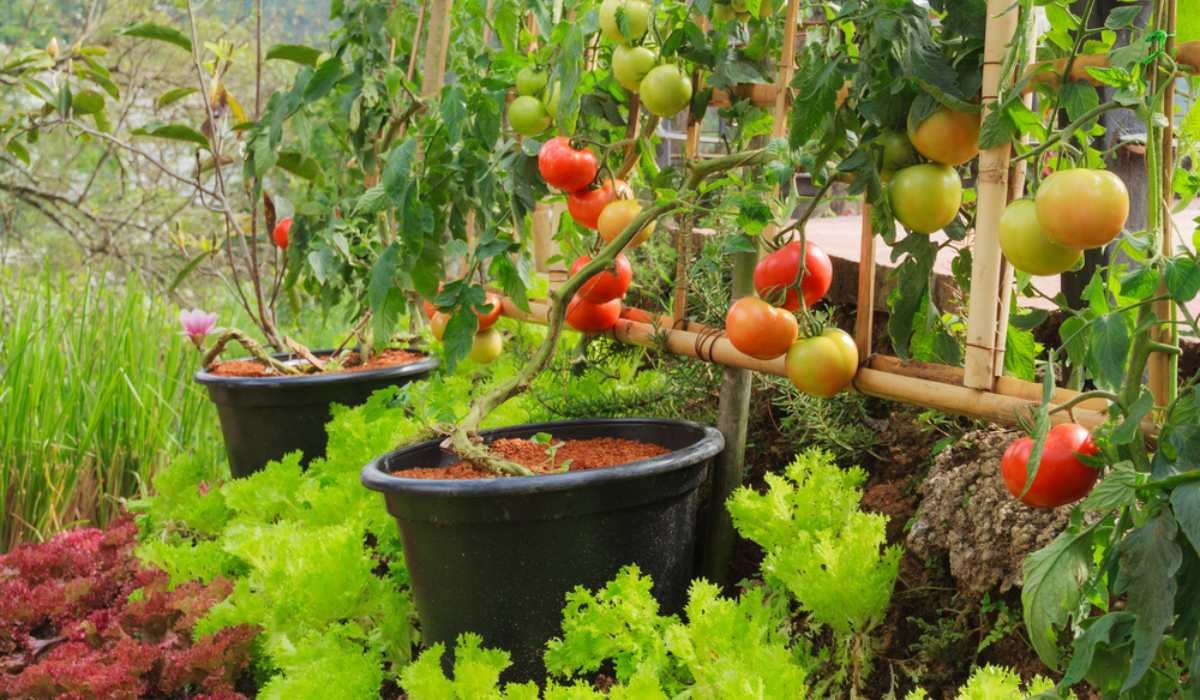
You can grow food anywhere. Containers on a patio or steps can feed you well. Use pots at least 5 gallons for tomatoes and peppers. Herbs thrive in 8 to 10-inch pots.
Use a high-quality potting mix. It drains well and holds air. Containers dry faster, so check water daily in heat.
Grow up, not out. Add a trellis for cucumbers and pole beans. Use wall planters for strawberries and herbs. If space is tight, microgreens on a sunny sill give fast wins. This flexible approach shows how to start a vegetable garden at home even in a studio.
- Choose fabric pots for better root air flow.
- Add a saucer to protect decks and floors.
- Fertilize containers lightly every 2 to 3 weeks.
Tools, budget, and time
You do not need many tools. A hand trowel, pruners, a hoe, a rake, and gloves cover most jobs. Add a watering wand or drip kit if you can.
Set a simple budget. Start with seeds, a few seedlings, and quality soil. Spend on soil first. You can add fancy gear later. This is a budget-wise way for how to start a vegetable garden at home.
Make time a habit. Ten minutes a day beats two hours on Sunday. Walk, observe, and act early.
- Keep a garden log for dates, weather, wins, and misses.
- Use phone reminders for sowing and feeding.
- Save seeds from easy crops like beans to cut costs.
Harvesting, storing, and replanting
Pick at peak. Morning harvests are crisp and cool. Cut lettuce and herbs with clean scissors. Twist beans and cucumbers to avoid tearing stems.
Taste is your guide. Tomatoes shine when slightly soft and fragrant. Pull carrots when shoulders look full. Do not wait for giant size. Tender beats huge.
Store smart. Greens like a damp towel in a bag. Tomatoes prefer room temp. Replant open spots at once. This habit cements how to start a vegetable garden at home and keep it thriving all season.
- Keep a basket by the door to nudge daily harvests.
- Wash roots outside to keep soil in your beds.
- Share extra to build community and reduce waste.
Common mistakes to avoid and lessons learned
Do not overplant. A few healthy plants beat a jungle. Crowding reduces air and light.
Avoid overwatering. Wet feet stress roots and invite rot. Use your finger test, not the calendar.
Do not skip mulch. It saves water, cuts weeds, and protects soil life. It is the easiest upgrade in how to start a vegetable garden at home.
From my early years, I learned three big lessons. Start smaller than you think. Put the garden where you will see it. Keep notes so next season is even better. Those notes turned my trial and error into steady, tasty harvests.
Frequently Asked Questions of how to start a vegetable garden at home
What is the best month to start planting?
It depends on your frost dates. Start cool season crops a few weeks before the last frost and warm crops after nights stay above 50°F.
How many hours of sun do vegetables need?
Aim for 6 to 8 hours of direct sun. Leafy greens can handle less, while fruiting crops like tomatoes need the full dose.
Should I start with seeds or seedlings?
Use seedlings for slow, warm-loving plants like tomatoes and peppers. Sow quick crops like lettuce, beans, and radishes from seed in place.
How often should I water a new garden?
Water deeply 2 to 3 times per week, depending on heat and soil. Check moisture two inches down and adjust as weather changes.
What soil mix is best for containers?
Use a high-quality potting mix with compost and perlite. Avoid garden soil in pots since it compacts and drains poorly.
How do I keep pests off my vegetables?
Focus on prevention with row covers, clean spacing, and daily checks. At first sign of trouble, hand-pick, remove sick leaves, and use targeted organic controls.
Can I grow vegetables indoors?
Yes, with strong light and the right crops. Try herbs, microgreens, and dwarf peppers near a south window or under LED grow lights.
Conclusion
You now have a clear path for how to start a vegetable garden at home, from picking a sunny spot to harvesting dinner. Keep it simple, start small, and let daily habits drive steady wins. Learn a little each week, and your soil, skills, and harvests will grow together.
Ready to begin? Choose your first three crops, map a small space, and plant this weekend. Subscribe for more step-by-step guides, or share your first harvest story in the comments.

I enjoy sharing simple gardening ideas, lawn care tips, and honest product reviews that help make outdoor work easier. From home gardening guides to helpful tools and lawn care advice, I write easy-to-follow content to help readers create a healthier and better-looking outdoor space without wasting time or money.