
As an Amazon Associate, I earn from qualifying purchases.
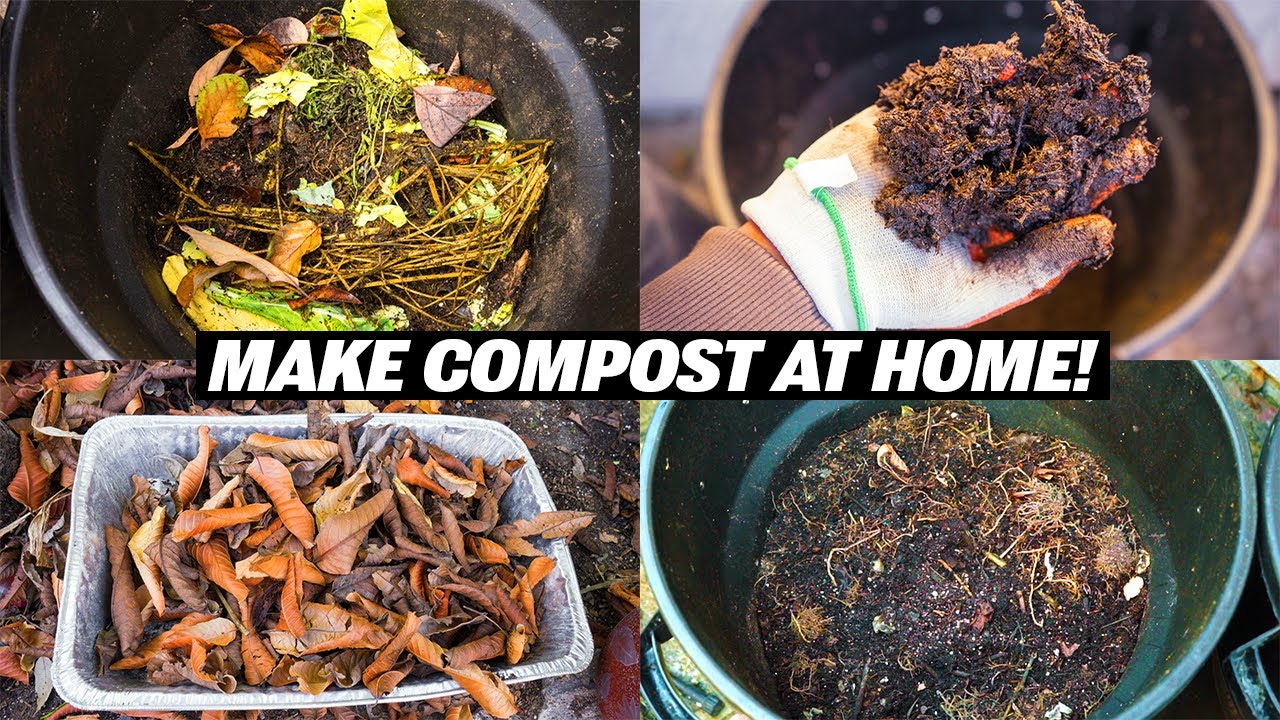
Mix green scraps with brown matter, keep it moist, turn often, and let microbes work.
If you want to learn how to make organic fertilizer at home, you are in the right place. I have tested many methods in small city yards and larger beds. I know what works, what fails, and why. In this guide, I show you how to make organic fertilizer at home with easy steps, low cost tools, and safe, proven tips.
What Is Organic Fertilizer?
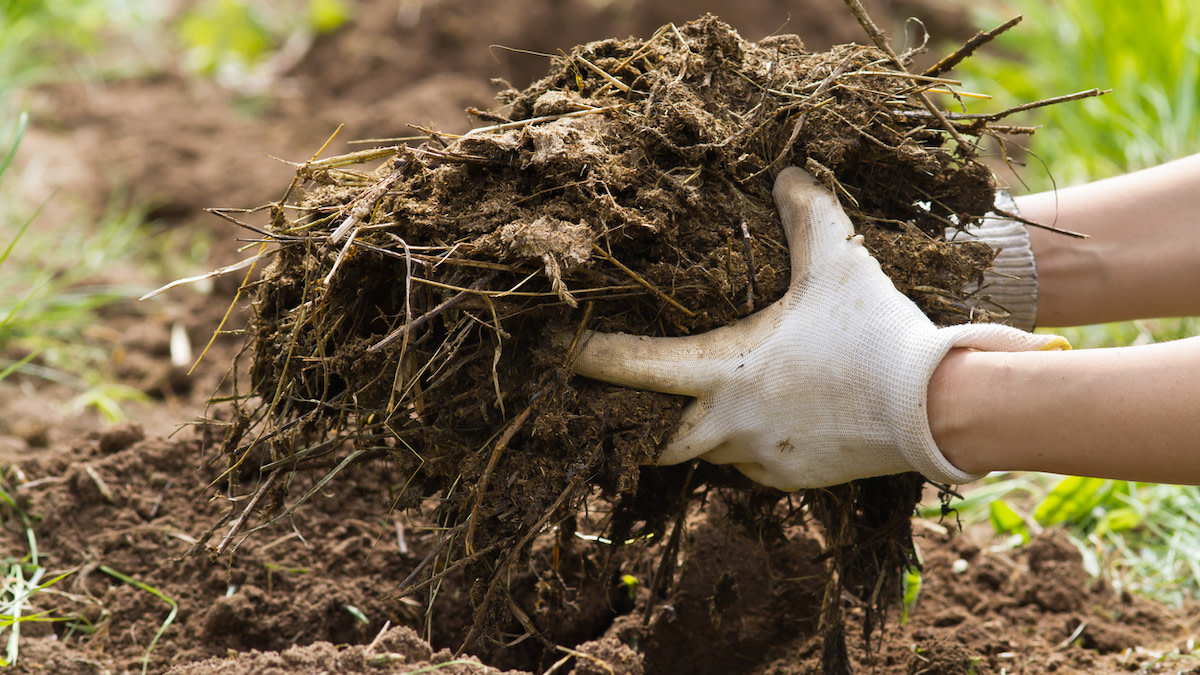
Organic fertilizer is plant food made from natural materials. It feeds soil life first. Then soil life feeds your plants. You can make it from kitchen scraps, leaves, grass, paper, and more.
Unlike salt-based products, it releases nutrients slowly. It also adds carbon. That helps water hold in the soil. It helps roots grow deep and strong.

- Common forms include compost, worm castings, compost tea, and fermented scraps.
- Nutrients include nitrogen, phosphorus, potassium, plus calcium, magnesium, and trace elements.
- Good organic fertilizer improves soil structure, air flow, and microbial health.
Why Make It Yourself: Benefits and Limits
When you learn how to make organic fertilizer at home, you cut waste and save money. You get steady, gentle nutrition. Your soil becomes soft and rich. You also support bees, worms, and fungi.
There are limits. Nutrients vary by inputs. It is not a quick fix for a starved plant. Some methods smell if you do them wrong. Time and space matter.

- Benefits
- Lower cost over time.
- Less trash sent to landfills.
- Healthier soil and steady growth.
- Limits
- Needs space for bins or buckets.
- Needs patience for full breakdown.
- Overuse of any one input can unbalance soil.
Tools and Ingredients You Already Have
You do not need fancy gear to start. For how to make organic fertilizer at home, the key is air, moisture, and the right mix of browns and greens. Most supplies are in your kitchen or yard.

- Tools
- A bin, tote, trash can, or simple pile.
- A garden fork or shovel.
- A drill for air holes if using a bin.
- A kitchen pail for scraps.
- Browns (carbon)
- Dry leaves.
- Shredded paper or cardboard.
- Straw.
- Sawdust from untreated wood.
- Greens (nitrogen)
- Fruit and veggie scraps.
- Fresh grass clippings.
- Coffee grounds.
- Manure from herbivores.
- Water
- Clean water to keep the pile like a wrung-out sponge.
The Core Method: Compost That Works
This is the backbone of how to make organic fertilizer at home. Compost turns mixed wastes into dark, crumbly humus. Aim for a carbon to nitrogen ratio near 25–30 to 1. Keep moisture near 50–60 percent. It should feel damp but not drip.

- Cold compost (easy, low effort)
- Layer browns and greens in a 2:1 volume ratio.
- Keep the top covered with browns to cut flies and smell.
- Turn every few weeks. Add water if dry.
- Ready in 3–9 months, based on season and size.
- Hot compost (fast, more effort)
- Build at least a 3x3x3 foot pile for heat.
- Mix well to spread air pockets.
- Check heat. It should reach 135–160°F within days.
- Turn when the core cools. Reheat. Do this 3–5 times.
- Finished in 3–8 weeks when cool, dark, and sweet smelling.
- Signs it is done
- You cannot see old scraps.
- It smells like forest soil.
- It no longer heats up after turning.
Fast Options: Liquid Teas and Simple Extracts
Sometimes you want quick help. Liquid feeds move through soil fast. They are great add-ons to how to make organic fertilizer at home. Use clean tools. Do not spray raw, smelly brews on leaves you plan to eat soon.
- Simple compost extract
- Fill a bucket with water.
- Add a shovel of finished compost in a mesh bag.
- Swish for 30–60 minutes. Squeeze and remove.
- Dilute 1:2 with water. Drench soil around plants.
- Aerated compost tea (requires a pump)
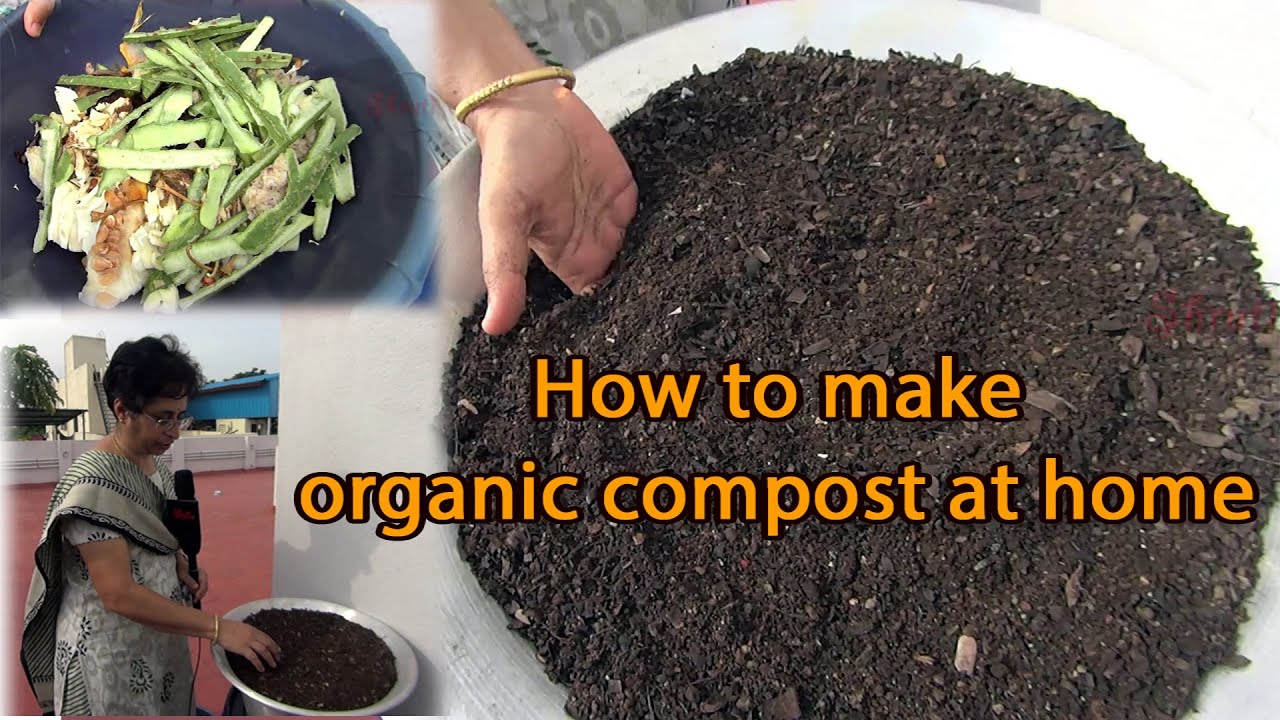
- Add compost and a small food source like unsulfured molasses.
- Bubble air for 24 hours.
- Use the same day on soil. Avoid leaf spray on food crops.
- Banana peel soak
- Chop peels. Soak in water 24–48 hours.
- Strain and dilute 1:4 with water for potassium-loving plants.
- Bury peels in the compost after use.
- Seaweed soak
- Rinse fresh seaweed. Soak in water for 2–3 days.
- Dilute 1:10. Use as a micro-nutrient boost.
Note: If it smells rotten, do not use it. Add it to the compost pile instead.
Worm Composting at Home (Vermicompost)
Vermicompost is gentle, rich, and clean. It shines in small spaces. It is one of my favorite ways for how to make organic fertilizer at home. Red wigglers are the best worms to use.
- Setup
- Use a tote with air holes and a tight lid.
- Add moist bedding like shredded paper and a handful of soil.
- Add worms. Start with about one pound if you can.
- Feeding
- Feed small amounts of chopped scraps under the bedding.
- Avoid meat, dairy, and lots of citrus or onions.
- Keep it moist and cool. Aim for 55–77°F.
- Harvest
- In 2–4 months, castings look like coffee grounds.
- Move old food to one side and feed the other. Worms move.
- Scoop finished castings from the cleared side.
- Use
- Mix a handful into planting holes.
- Top-dress pots. Water in.
Bokashi for Small Spaces
Bokashi ferments food waste without stink. It works well in apartments. It is a fast path for how to make organic fertilizer at home when you have a tight area. You will need a bucket with a drain and bran inoculated with microbes.

- Steps
- Add a layer of bokashi bran to the bucket.
- Add chopped food scraps in thin layers. Sprinkle more bran.
- Press down to push out air. Keep it sealed.
- Drain liquid every few days. Dilute 1:100 for outdoor use only.
- After 2–3 weeks, bury the fermented mix in soil or add to compost.
- Tips
- Avoid liquids pooling in the bucket.
- Do not add moldy food. White fuzz is fine; green or black is not.
Safe Nutrient Boosters and When to Use Them
You can blend small, targeted inputs into your plan. This helps round out how to make organic fertilizer at home. Test soil every year or two for best results.
- Crushed eggshells
- Rinse, dry, and bake to make brittle.
- Grind fine. Add to compost or planting holes for calcium.
- Coffee grounds
- Good for nitrogen. Best mixed with browns.
- Do not pile thick. They can mat.
- Wood ash
- Adds potassium and raises pH.
- Use very lightly. Avoid if your soil is already alkaline.
- Seaweed or kelp meal
- Adds micronutrients and natural growth hormones.
- Great for seedlings and stressed plants.
- Diluted urine
- High in nitrogen. Only from healthy adults.
- Dilute at least 1:10 with water. Apply to soil, not leaves.
How to Use Your Homemade Fertilizer
How to make organic fertilizer at home is only half the job. You also need to apply it right. Feed steady, not heavy. Healthy soil makes feeding easier each season.
- Application by type
- Compost: 1–2 inches on beds in spring and fall.
- Worm castings: 0.5 inch on pots every 4–6 weeks.
- Liquid feeds: every 2–3 weeks during active growth.
- Bokashi: bury 6–8 inches deep. Wait 2 weeks before planting.
- Timing
- Feed leafy crops early for nitrogen.
- Add phosphorus sources before flowering or root growth.
- Stop high nitrogen feeds late in the season.
- Safety
- Keep raw manures off food beds for at least 90–120 days.
- Wash hands and tools after handling fresh inputs.
Troubleshooting and Mistakes to Avoid
Even experts slip up. I have had smelly piles and fruit fly swarms too. The fix is almost always balance, air, and moisture. Keep using how to make organic fertilizer at home, but adjust fast when you see signs.
- If the pile smells
- Add dry browns.
- Turn to add air.
- If the pile is dry and slow
- Add water in stages.
- Mix in some fresh greens.
- If you see pests
- Bury food scraps deeper.
- Cover with a thick brown layer.
- If leaves yellow after feeding
- You may have overwatered or overfed.
- Flush with water and pause feeding for a week.
- If pots get fungus gnats
- Let the top inch dry between waterings.
- Add a thin layer of sand or fine bark on top.
Real-World Results and Cost Savings
I started with hard clay and weak herbs. After one year of steady compost and teas, my beds held water longer and needed less weeding. Tomatoes resisted blight longer. Yields rose by a third. This is the payoff of how to make organic fertilizer at home.
- Cost notes
- A DIY bin and kitchen pail can cost less than a bag of store feed.
- Worm bins pay back fast in potting mixes and seed starts.
- Time notes
- Ten minutes a week to feed and turn is often enough.
- Keep a simple log to track what works.
Frequently Asked Questions of how to make organic fertilizer at home
Is compost enough, or do I need extra nutrients?
For most gardens, good compost plus mulch is enough. If a crop shows a need, use a targeted booster like kelp or castings.
How long does it take to make compost at home?
Cold compost takes 3–9 months. Hot compost can finish in 3–8 weeks with enough air, moisture, and mass.
Can I compost meat, dairy, and oily foods?
Skip them in open piles. Use bokashi for small amounts, then bury the fermented mix deep.
Is coffee ground compost acidic?
Used grounds are near neutral. Mix them with browns to avoid clumping and odor.
How do I know my soil needs more phosphorus or potassium?
Look for weak blooms or poor root growth. For accuracy, get a soil test and then adjust with bone meal, rock phosphate, or kelp as needed.
Can I use compost tea on edible leaves?
Use soil drenches for safety. Avoid spraying raw or smelly teas on leaves you will eat soon.
What should the compost moisture feel like?
Like a wrung-out sponge. If you can squeeze water out, it is too wet; add browns and turn.
Conclusion
You now know how to make organic fertilizer at home with simple steps and common tools. Start a small compost bin. Add a worm tote if you grow in pots. Try a gentle liquid feed when plants push new leaves. Watch, adjust, and note what works in your space.
Small actions, done each week, build rich soil and strong plants. Start today with one bucket and a handful of scraps. Share your wins, ask questions, and tell me what you want to learn next.

I enjoy sharing simple gardening ideas, lawn care tips, and honest product reviews that help make outdoor work easier. From home gardening guides to helpful tools and lawn care advice, I write easy-to-follow content to help readers create a healthier and better-looking outdoor space without wasting time or money.