
As an Amazon Associate, I earn from qualifying purchases.
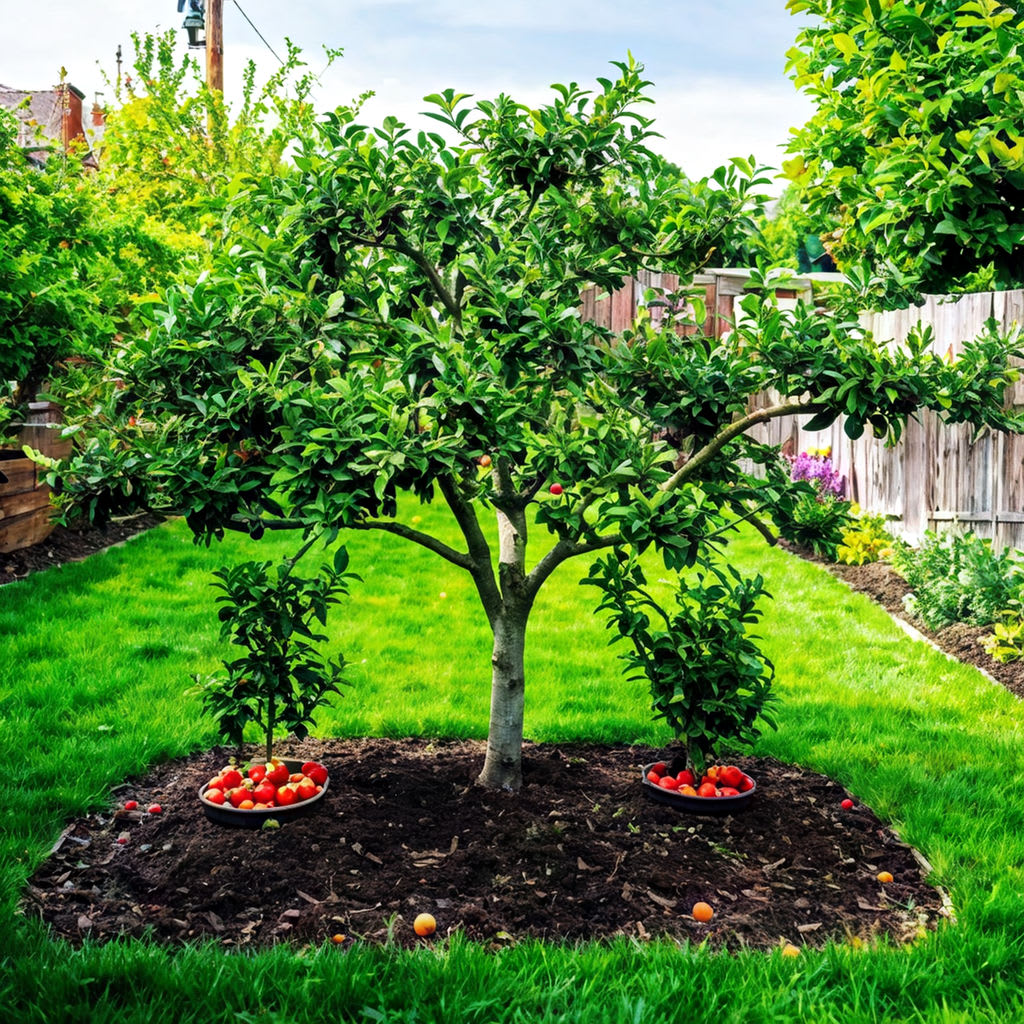
Best fruit trees to grow in a small backyard: dwarf apples, figs, citrus, pears, peaches, and plums.
If you want sweet harvests from tight spaces, you’re in the right place. I’ve helped many new gardeners choose the best fruit trees to grow in a small backyard, and I grow them myself in a modest city lot. This guide breaks down what to plant, why it works, and how to keep trees healthy and productive for years.

How to choose fruit trees for small spaces
Picking the right tree matters more than anything else. The best fruit trees to grow in a small backyard are compact, productive, and easy to train. Focus on size, climate fit, and pollination needs.
Key factors to weigh:
- Rootstock Choose dwarf or semi-dwarf rootstock to keep height under control.
- Mature size Check final height and width, not just the pot size in the store.
- Chill hours Make sure the variety matches your local winter chill.
- Disease resistance Pick varieties bred to resist common local issues.
- Pollination needs Some apples and pears need partners; figs and citrus often do not.
- Sun and airflow Aim for 6 to 8 hours of sun and good air movement.
- Harvest spread Mix early, mid, and late varieties for a longer season.
Personal tip: My first tree was a standard peach. It hit the eaves in three years. Now I choose dwarf trees only, and I prune for shape from year one. That small choice triples success in small yards.
The best fruit trees to grow in a small backyard
When space is tight, choose trees that stay small, fruit young, and thrive in pots or near fences. These are the best fruit trees to grow in a small backyard based on yield, care needs, and taste.
Dwarf and columnar apples
- Best for Crisp fruit and great storage.
- Size 6 to 10 feet on dwarf rootstock; 2 feet wide for columnar.
- Pollination Most need a buddy; columnar apples pair well with each other.
- Notes Look for scab-resistant types; try multi-graft trees to save space.
Asian and European pears
- Best for Sweet crunch and easy care.
- Size 8 to 12 feet on dwarf rootstock.
- Pollination Often need two different varieties.
- Notes Asian pears bear early and handle heat well.
Figs
- Best for Pots and patios; few pest issues.
- Size 6 to 10 feet in a pot.
- Pollination Most common figs are self-fertile.
- Notes Hardy varieties can be wrapped or stored in a garage in cold zones.
Citrus (Meyer lemon, kumquat, calamondin)
- Best for Containers and indoor-outdoor growing.
- Size 4 to 8 feet in pots.
- Pollination Self-fertile.
- Notes Meyer lemon is forgiving; kumquat handles cooler weather and tastes bright.
Dwarf peaches and nectarines
- Best for Juicy fruit and fast payoff.
- Size 6 to 8 feet on dwarf rootstock.
- Pollination Many are self-fertile.
- Notes Choose leaf curl resistant types if your area is wet in spring.
Plums (Japanese and hybrid)
- Best for Fresh eating and jam.
- Size 8 to 10 feet on dwarf rootstock.
- Pollination Many need a partner; check your variety.
- Notes Santa Rosa is a classic for flavor and size.
Bush cherries and compact sour cherries
- Best for Pie lovers with limited space.
- Size 5 to 8 feet.
- Pollination Often self-fertile, but check the tag.
- Notes Bush forms are tidy and easy to net against birds.
Pomegranate
- Best for Heat, drought, and fall color.
- Size 6 to 10 feet; can be kept smaller.
- Pollination Many are self-fertile.
- Notes Great for arid and warm zones; also suits large containers.
Persimmon (Fuyu-type)
- Best for Easy care and sweet, crisp fruit.
- Size 8 to 12 feet on dwarf or kept small with pruning.
- Pollination Many are self-fertile.
- Notes Fuyu can be eaten firm; low pest pressure in many areas.
Feijoa (pineapple guava)
- Best for Coastal zones and edible hedges.
- Size 6 to 10 feet.
- Pollination Some need cross-pollination; plant two to be safe.
- Notes Flowers are edible; fruit tastes like tropical candy.
Real-world note: My top trio for a tiny yard is a columnar apple, a fig in a pot, and a Meyer lemon by the back steps. That mix covers spring bloom to fall harvest with little fuss.
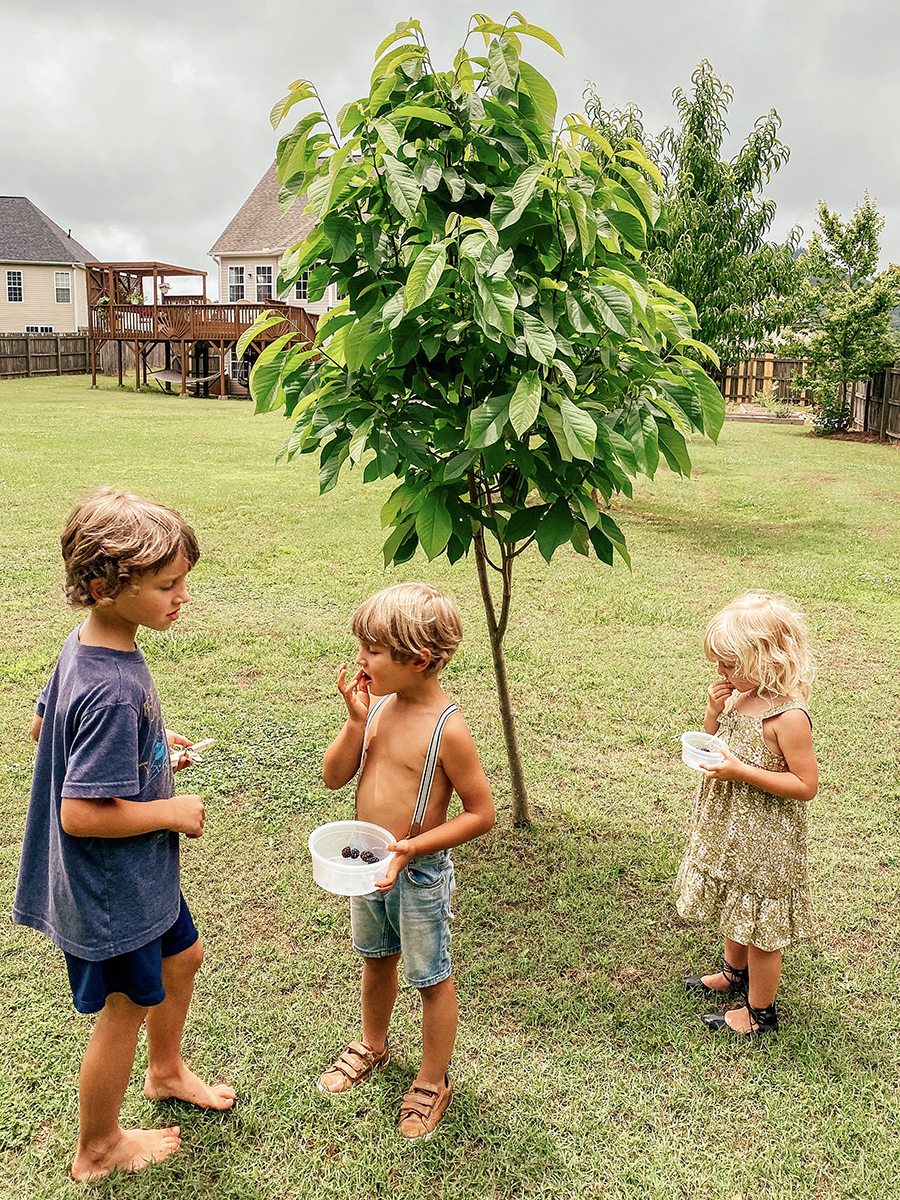
Container fruit trees and espalier
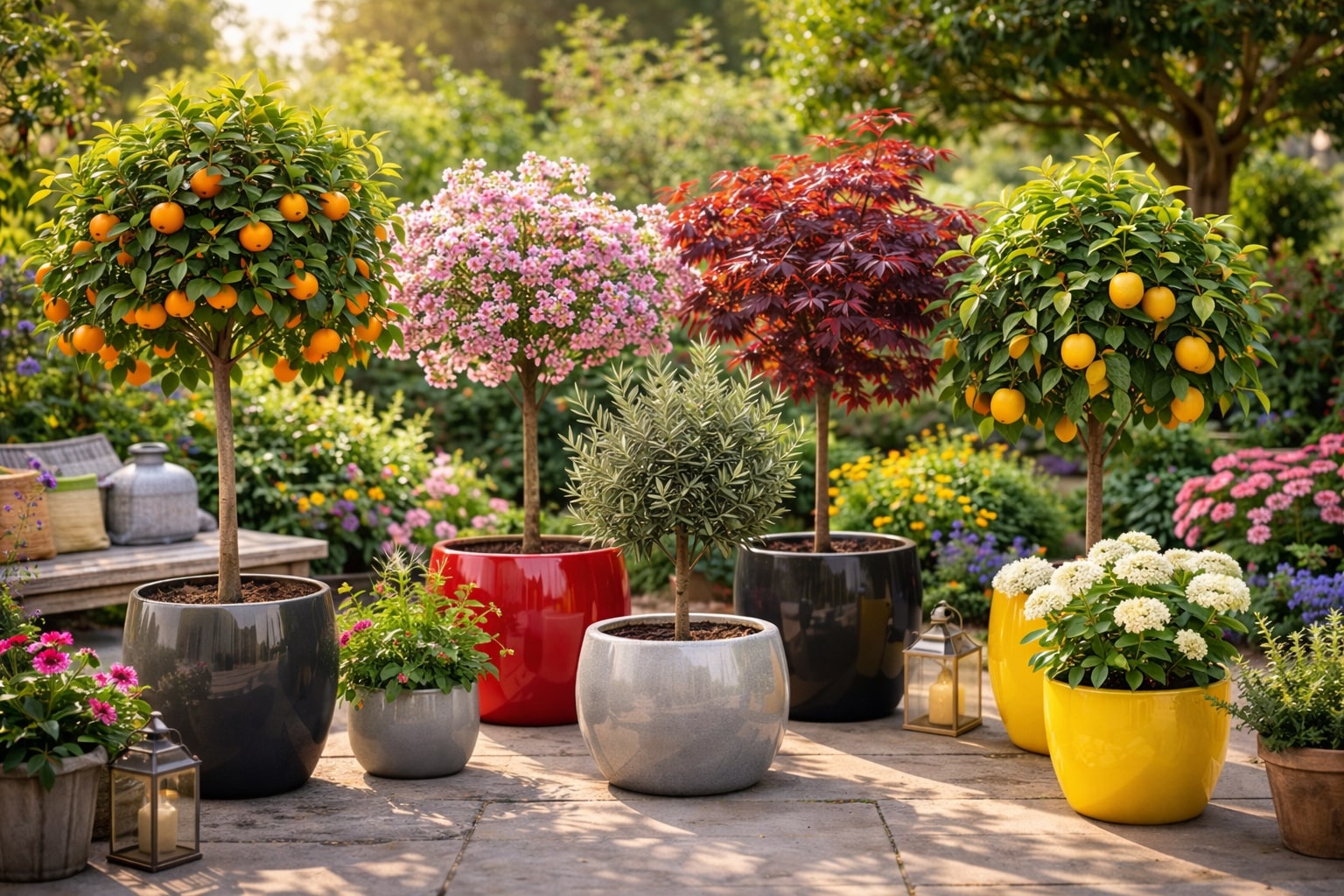
You can fit more trees when you go vertical or use pots. The best fruit trees to grow in a small backyard often shine in containers or as flat, trained forms on a fence.
Container basics:
- Pot size Start with 15 to 20 gallons for dwarf trees.
- Soil Use a high-quality potting mix, not garden soil.
- Water Water when the top inch is dry; pots dry faster in wind and heat.
- Feeding Use slow-release fertilizer in spring; add light liquid feed in summer.
- Repotting Refresh the top few inches of soil each year; up-pot every 3 to 4 years.
Espalier tips:
- Choose flexible trees Apples and pears train well.
- Support Use strong wire or a trellis along a sunny fence.
- Training Prune in late winter to build tiers; pinch in summer to hold shape.
From experience, my espaliered pear takes only 8 inches of depth along a fence and still yields a sink full of fruit each fall.
:max_bytes(150000):strip_icc()/dwarf-fruit-trees-4588521-12-c3291bb59a7446cbaa05c368263ee548.jpg)
Pollination, spacing, and sunlight
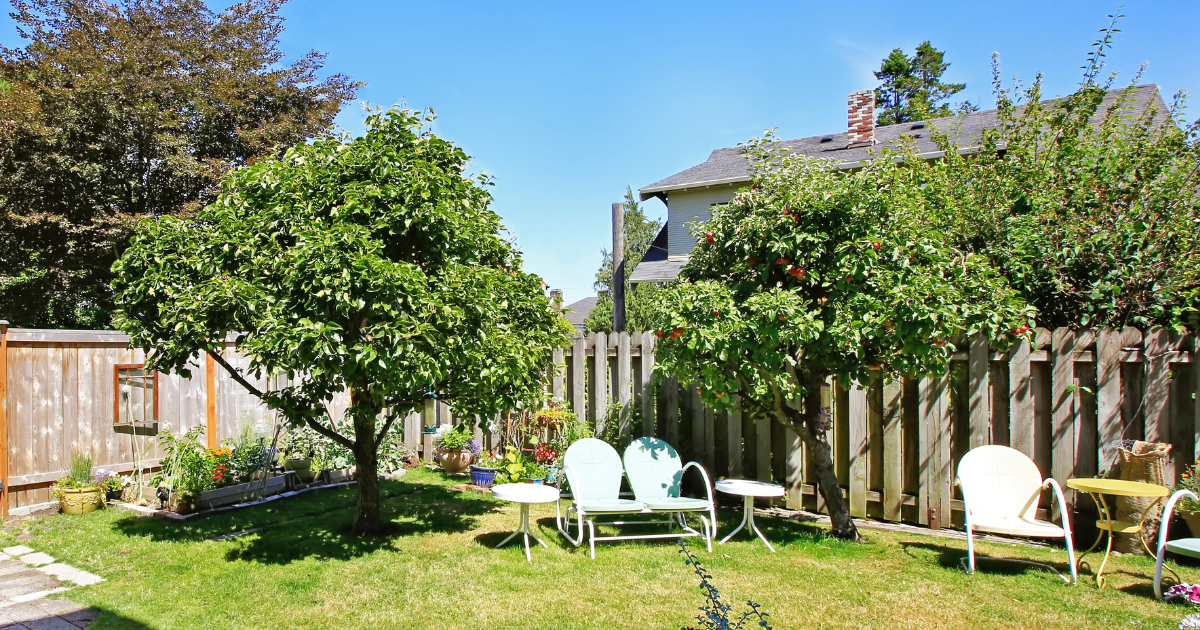
The best fruit trees to grow in a small backyard still need partners, space, and light to fruit well. A little planning avoids empty branches.
What to plan:
- Sun Aim for 6 to 8 hours daily. Morning sun dries dew and reduces disease.
- Spacing Dwarf trees do well at 6 to 8 feet apart. Columnar trees fit at 2 to 3 feet.
- Pollination Pair apples with different, overlapping bloom times. Many figs and citrus are fine alone.
- Multi-graft trees One trunk, many varieties. Great for partners in one hole.
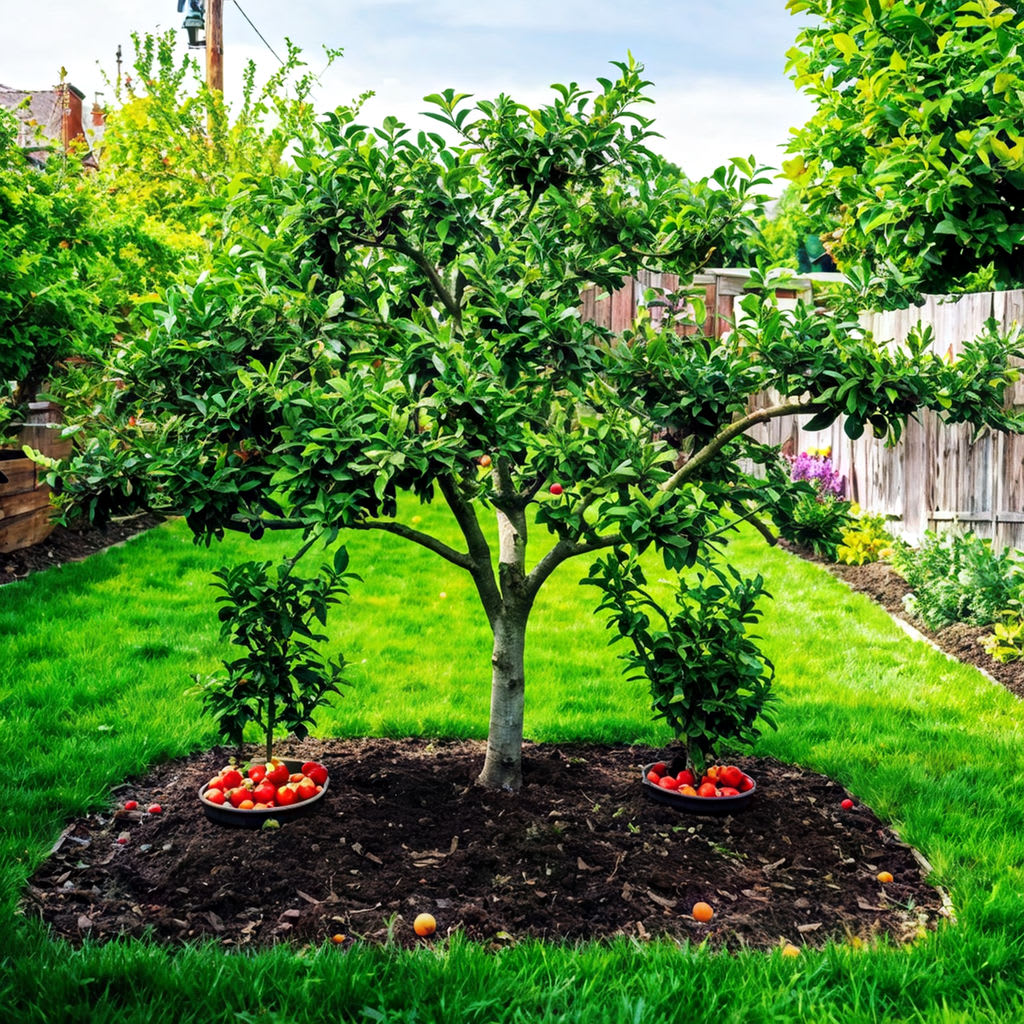
If space is tight, plant two apples 3 feet apart and prune as a single V. That trick saves space and boosts pollination.
Climate and chill hours
Match your tree to your climate for strong crops. The best fruit trees to grow in a small backyard are the ones that meet your zone and chill.
Key points:
- USDA zones Check cold limits first. Citrus hates frost; figs and pomegranates love heat.
- Chill hours Many apples and pears need 500 to 800 chill hours. Low-chill peaches and plums can do well with 200 to 300.
- Microclimates A south wall is warmer. A low spot can frost late.
Data from field trials show that low-chill varieties fruit better in mild winters. If your winters are warm, pick low-chill options, or focus on figs, citrus, or persimmons.
:max_bytes(150000):strip_icc()/dwarf-fruit-trees-4588521-12-c3291bb59a7446cbaa05c368263ee548.jpg)
Year-round care made simple
Solid care keeps trees small, neat, and loaded. The best fruit trees to grow in a small backyard respond well to light, steady care.
Seasonal plan:
- Late winter Prune for shape. Remove crossing, weak, and inward branches.
- Spring Feed once. Thin heavy fruit to avoid broken limbs.
- Summer Water deep but not often. Pinch long shoots to keep size in check.
- Fall Clean up fallen fruit and leaves. Mulch 2 to 3 inches away from the trunk.
I keep a 5-gallon bucket by the back door. When I see weeds or suckers, I handle them on the spot. Small, regular tasks beat big weekend jobs.

Pests and diseases: simple, organic steps
Small yards need clean, low-spray routines. The best fruit trees to grow in a small backyard can thrive with light, targeted care.
Low-tox strategies:
- Sanitation Pick up fallen fruit fast. It breaks pest cycles.
- Barriers Use fine bags on apples and pears once fruit is marble-sized.
- Traps Use sticky cards for flying pests. Place them low and out of sun.
- Sprays Use dormant oil in late winter for scale and mites. Copper helps with leaf curl on peaches if local advice suggests it.
- Netting Cover cherries and berries before they color to beat birds.
Extension tests show that fruit bagging cuts sprays and still gives clean fruit. It is slow at first, but it pays off.
:max_bytes(150000):strip_icc()/dwarf-fruit-trees-4588521-01-5dd100fb457a4bc8b3491fb7c54ad3b3.jpg)
Common mistakes to avoid and pro tips
Even the best fruit trees to grow in a small backyard can fail with a few easy-to-fix errors. Here is what I see most.
Avoid these:
- Buying standard trees They outgrow small yards fast.
- Planting too deep Keep the root flare at soil level.
- Skipping thinning Heavy sets break branches and stunt next year’s crop.
- Ignoring chill hours The wrong match means few flowers.
- Overwatering Pots need water, but soggy roots rot.
Pro tips:
- Start with one or two trees Learn the rhythm before adding more.
- Use white paint on trunks in hot zones It prevents sunscald.
- Choose staggered ripening You avoid gluts and enjoy longer harvests.
Harvest, storage, and yield expectations
Know what to expect so you can plan recipes and storage. The best fruit trees to grow in a small backyard can feed a family with ease.
Typical yields for healthy dwarf trees:
- Apple or pear 20 to 60 pounds per tree.
- Fig 15 to 50 pounds, often in two crops in warm areas.
- Peach or nectarine 20 to 40 pounds, best within the first 10 years.
- Plum 30 to 50 pounds.
- Meyer lemon 20 to 40 lemons, more as the tree ages.
Storage tips:
- Pick when fruit lifts with a slight twist.
- Cool fruit fast. Use the crisper drawer or a cool room.
- Dry or freeze extras. Jam and compote save the season.
Frequently Asked Questions
What are the absolute best fruit trees to grow in a small backyard?
Dwarf apples, figs, Meyer lemons, peaches, and plums top the list. They stay small, fruit fast, and handle pruning well.
Can I keep fruit trees under 6 feet tall?
Yes. Choose dwarf rootstock and prune in late winter and mid-summer. Espalier or columnar forms also help.
Do I need two trees for fruit?
Some trees do. Many apples and pears need partners, while figs and Meyer lemons are self-fertile.
How many hours of sun do small fruit trees need?
Aim for 6 to 8 hours per day. Morning sun helps dry leaves and keeps disease low.
Will fruit trees grow in pots year-round?
Yes, with the right pot size and care. Use a large container, quality potting mix, and steady water and feed.
What is the easiest fruit tree for beginners?
Fig and Meyer lemon are very forgiving. Both handle pots, need little pruning, and resist many pests.
How long until my tree fruits?
Most dwarf trees fruit in 1 to 3 years. Full crops often start in years 3 to 5.
Conclusion
Small yards can be powerhouses with the right choices. Pick compact, climate-fit varieties, and shape them from the start. You will enjoy a long, steady harvest without losing space.
Start with one or two of the best fruit trees to grow in a small backyard, like a columnar apple and a fig. Set a simple care plan, and keep up with small tasks each week. Ready to plant? Share your yard zone and sun hours in the comments, and I’ll help you choose your first tree.

I enjoy sharing simple gardening ideas, lawn care tips, and honest product reviews that help make outdoor work easier. From home gardening guides to helpful tools and lawn care advice, I write easy-to-follow content to help readers create a healthier and better-looking outdoor space without wasting time or money.