
As an Amazon Associate, I earn from qualifying purchases.
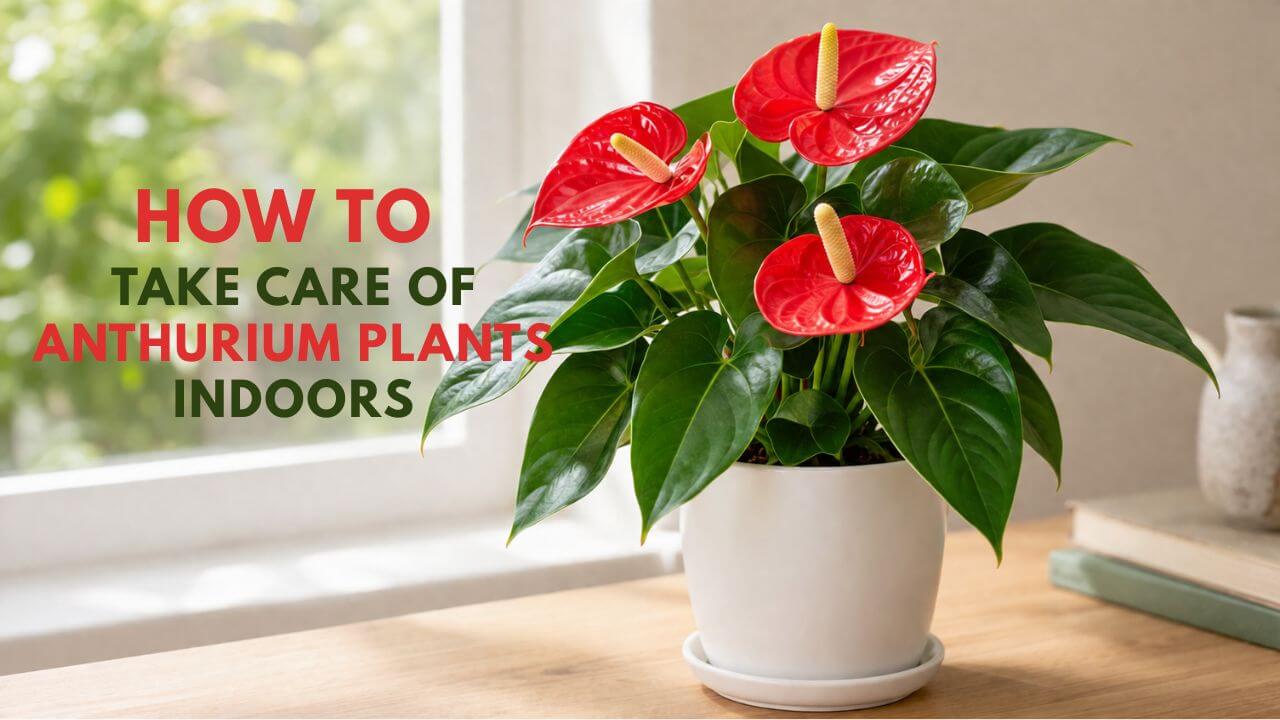
How to take care of anthurium plants indoors starts with bright, indirect light, well-draining soil, moderate humidity, and careful watering. Keep them warm and feed lightly during active growth.
Anthuriums can grow beautifully inside your home, but they struggle in dark rooms and soggy soil. I recommend placing an anthurium near a bright window with filtered light and watering when the top inch of soil feels dry. With a few simple adjustments, you can keep the leaves healthy and encourage colorful blooms.
What Anthuriums Need to Grow Well Indoors
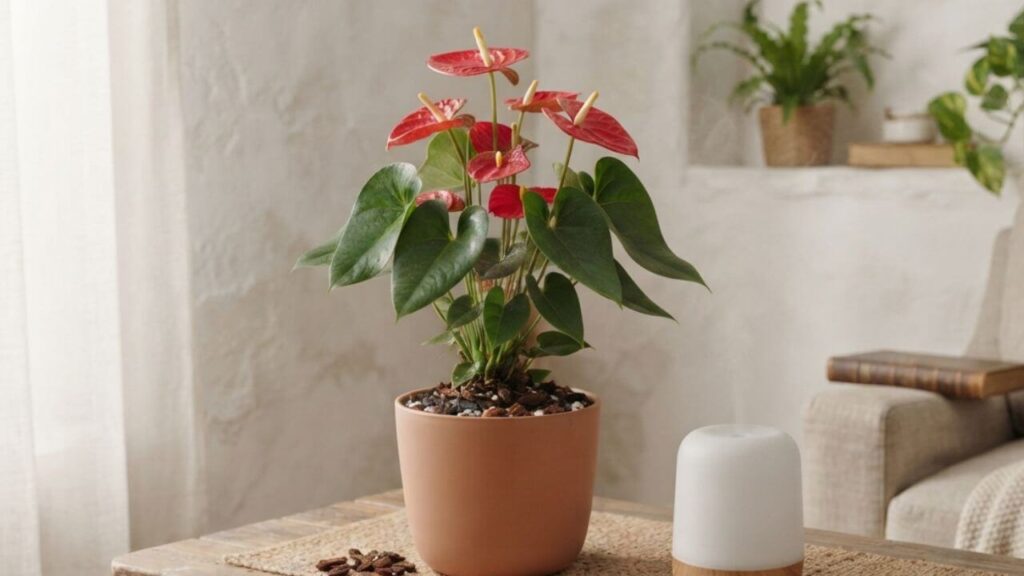
Anthuriums are tropical plants that grow naturally in warm, humid environments. Their thick leaves and colorful flower-like structures make them popular houseplants, but their tropical nature affects how they should be grown indoors.
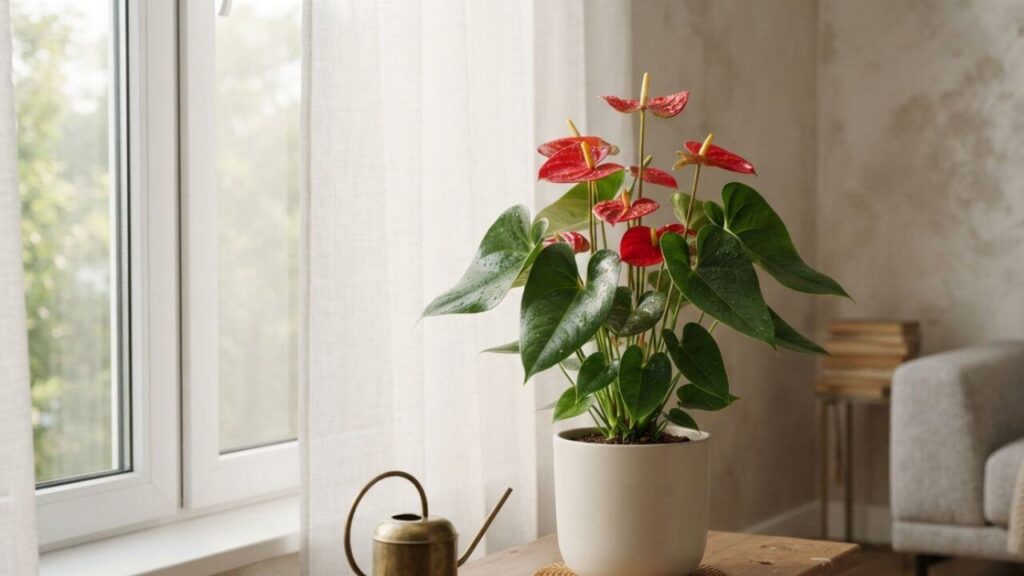
The colorful part is called a spathe, while the small flower spike in the center is the spadix. The spathe is not the true flower, but it is the feature that gives anthuriums their bold appearance.
For successful anthurium plant care indoors, try to recreate the plant’s natural growing conditions without making your home overly wet or humid.
| Need | Best Indoor Condition |
|---|---|
| Light | Bright, indirect light |
| Soil | Loose and well-draining |
| Water | When the top inch dries |
| Humidity | Around 50% or higher |
| Temperature | About 65–80°F |
| Fertilizer | Light feeding during active growth |
Your exact routine will depend on your home’s temperature, light, pot size, and season. A plant near a sunny window may need water more often than one in a cooler room.
Anthurium Light Requirements
Light is one of the most important parts of indoor anthurium care. Anthuriums need enough light to support healthy leaves and flowering, but harsh direct sunlight can scorch their foliage.
A bright room with filtered or indirect sunlight works well. An east-facing window is a good choice because it provides gentle morning sun. A south- or west-facing window can also work if you place the plant several feet away or use a sheer curtain.
Watch the plant rather than relying only on a fixed schedule. Pale leaves, slow growth, and a lack of flowers may indicate insufficient light. Brown, crispy patches can appear when strong direct sunlight hits the leaves for long periods.
If your home does not receive enough natural light, a grow light can help. Keep the light at an appropriate distance and follow the manufacturer’s instructions. Avoid placing the plant directly against a hot window during summer.
Anthurium Watering Needs: How Often Should You Water?
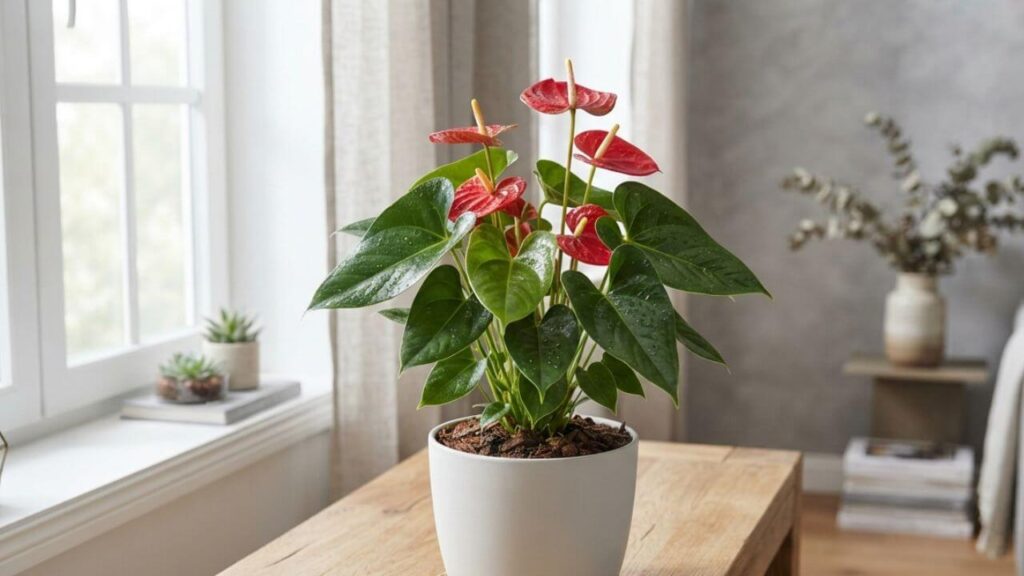
Correct watering is one of the biggest factors in anthurium plant care. Anthuriums like consistent moisture, but they do not like sitting in water. Overwatering can damage the roots and lead to root rot.
Instead of watering on a strict calendar, check the soil first. Push your finger about an inch into the potting mix. If the top inch feels dry, it is time to water. If it still feels damp, wait a few more days and check again.
When you water, do it thoroughly. Slowly add water until some drains from the bottom of the pot. Then empty the saucer so the plant does not sit in standing water.
Your anthurium watering needs may change throughout the year. Plants can dry faster during warm summer months or when placed near a bright window. In winter, cooler temperatures and lower light can slow growth and reduce water use.
Common Watering Mistakes to Avoid
A common beginner mistake is watering an anthurium every Sunday simply because it is Sunday. Indoor conditions change, so the soil should determine your schedule.
Another mistake is giving a small amount of water every day. This can leave the topsoil wet while the root zone remains poorly aerated. Thorough watering followed by partial drying is a better approach.
Use a pot with drainage holes and never let the container sit in collected water. If your tap water leaves heavy mineral deposits, consider using filtered water or rainwater when practical.
Best Soil for Anthurium Plants
The best soil for anthuriums should hold some moisture while allowing excess water to drain quickly. Dense garden soil is a poor choice for indoor containers because it can compact around the roots.
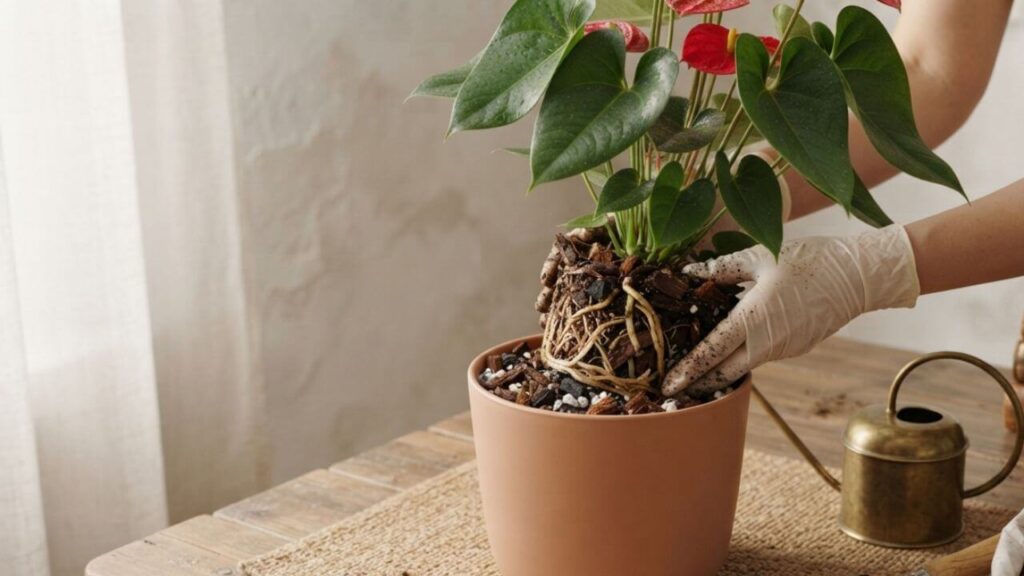
A loose, airy mix works better. You can make a simple blend using:
- High-quality indoor potting mix
- Orchid bark
- Perlite or pumice
- A small amount of compost or worm castings
The goal is good airflow around the roots. Anthuriums are epiphytic or semi-epiphytic in nature, depending on the species, so their roots benefit from a chunky, well-aerated growing medium.
If water sits on the surface for a long time, the mix may be too dense. If water runs straight through and the soil dries within a day, the mix may be too loose or the plant may need a larger container.
Choose a pot with drainage holes. A decorative cover pot is fine, but remove the growing pot when watering and let it drain fully before placing it back.
Anthurium Humidity Requirements and Temperature
Humidity plays an important role in how to grow anthurium indoors. These tropical plants prefer moderate to high humidity, especially when the air inside your home becomes dry during winter.
Aim for humidity around 50% or higher if possible. A small humidifier is one of the easiest ways to raise humidity around several houseplants. Grouping plants can also create a slightly more humid microclimate.
A pebble tray may provide some local humidity, but it should not replace proper watering. Make sure the plant pot sits above the water rather than directly in it.
Keep anthuriums in a warm room. A range of about 65–80°F works well for active growth. Protect the plant from cold drafts, air-conditioning vents, heaters, and sudden temperature changes.
My recommendation: If your home feels comfortable to you, the temperature is often suitable for anthuriums. The bigger issue is usually placing the plant next to a drafty window or heat source.
Anthurium Fertilizing: Feed Lightly
Anthuriums do not need heavy feeding to grow well indoors. Too much fertilizer can cause salt buildup in the soil and damage the roots.
During active growth, use a balanced liquid houseplant fertilizer at a reduced strength. Follow the product label and avoid applying more than recommended. Water the plant first if the soil is very dry, then fertilize according to the product directions.
Feed less frequently during winter if the plant’s growth slows. Plants growing under strong grow lights may continue growing through winter and may need a lighter feeding routine.
If you notice a white crust on the soil surface or around the pot, fertilizer salts may have accumulated. Flush the soil with plenty of water and allow excess water to drain completely.
Remember that fertilizer cannot fix poor light or improper watering. If an anthurium is not growing well, check light, roots, moisture, and temperature before adding more fertilizer.
How to Repot an Anthurium
Knowing how to repot anthurium plants can help keep mature specimens healthy. You do not need to repot every year. Move the plant when the roots have filled the container, growth has slowed, or water runs through the pot unusually fast.
Choose a container only one size larger than the current pot. A pot that is too large can hold excess moisture around the roots and increase the risk of root problems.
Gently remove the plant and inspect the roots. Healthy roots should feel firm. Remove any soft, dark, or damaged roots with clean scissors. Place the plant at the same depth as before and fill around the roots with fresh, airy potting mix.
Water lightly after repotting and keep the plant in bright, indirect light. Avoid heavy fertilizing right away while the roots adjust to their new container.
Anthurium Propagation: How to Make New Plants
Anthurium propagation is easiest for mature plants that have developed multiple stems or natural offsets. Division is often more practical for home gardeners than growing anthuriums from seed.
Remove the plant from its pot and look for separate sections with their own roots. Gently separate the sections by hand when possible. Use a clean, sharp tool if roots are tightly connected.
Each division should have healthy roots and enough foliage to support growth. Plant each section in a small container with fresh, well-draining mix.
Keep newly divided plants warm and humid. Give them bright, indirect light and avoid keeping the soil constantly wet.
Propagation takes patience. A newly divided plant may need time to recover before producing strong new growth. Avoid repeatedly disturbing the roots during this adjustment period.
Anthurium Plant Problems and Simple Solutions
Even with good anthurium houseplant care, problems can appear. Most issues come from watering, light, humidity, or pests.
Anthurium Leaves Turning Yellow
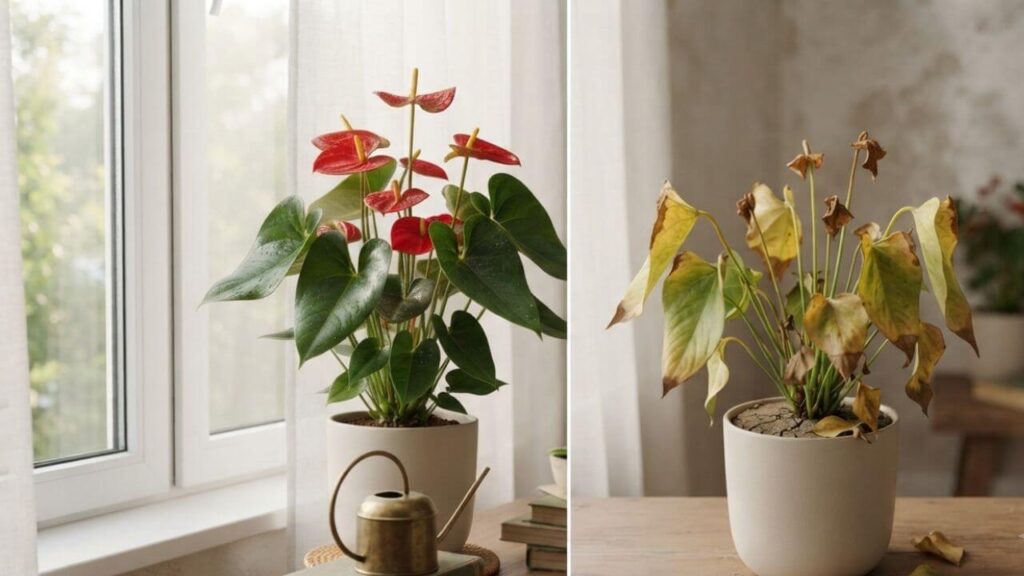
Anthurium leaves turning yellow can have several causes. Overwatering is one of the most common problems, especially when the soil stays wet for long periods.
Check the roots and soil before changing your routine. If the soil is constantly damp, improve drainage and allow the top inch to dry before watering again.
Older leaves may also yellow naturally as the plant replaces them. If several leaves turn yellow at once, check the roots, light, and watering habits.
Anthurium Leaves Turning Brown
Anthurium leaves turning brown may result from dry air, inconsistent watering, direct sunlight, or fertilizer buildup. Brown, crispy edges can point to dry conditions, while bleached or scorched patches may indicate too much direct sun.
Check the soil moisture and move the plant away from harsh afternoon sunlight. If your indoor air is very dry, increase humidity with a humidifier.
Do not automatically water more when you see brown leaves. First identify the cause.
Anthurium Root Rot
Root rot is often linked to excessive moisture and poor drainage. Signs can include yellow leaves, wilting despite wet soil, and soft or dark roots.
Remove the plant from its pot and inspect the roots. Trim away damaged roots with clean tools, then repot the plant in fresh, airy soil.
Use a container with drainage holes and adjust your watering routine. Root rot can return if the soil remains constantly wet.
Anthurium Not Blooming
An anthurium not blooming often needs more suitable light. Plants may produce healthy leaves but few flowers when light levels are too low.
Move the plant closer to a bright window with filtered light. Avoid harsh direct sun that can burn the foliage.
Consistent care also matters. Keep the plant warm, avoid major watering swings, and provide light feeding during active growth. A mature plant may also need time to recover after repotting or propagation.
If you want to know how to make anthurium bloom, focus on light first. Increasing fertilizer alone will not solve a lighting problem.
Easy Anthurium Care Guide: A Simple Routine
A simple routine makes caring for anthurium plants at home much easier. You do not need to check every plant every day, but a quick weekly inspection can prevent many problems.
Weekly
- Check the top inch of soil before watering.
- Look under leaves for pests.
- Check for yellow or damaged foliage.
- Rotate the pot if growth leans toward the window.
- Make sure drainage holes are not blocked.
Monthly
- Inspect roots if the plant looks unhealthy.
- Clean dust from broad leaves with a soft, damp cloth.
- Check for fertilizer buildup.
- Review the plant’s light and humidity conditions.
During Active Growth
- Feed lightly according to the fertilizer label.
- Prune damaged leaves with clean scissors.
- Repot only when the plant becomes root-bound or the soil breaks down.
This routine is simple enough for beginners and helps you notice problems before they become serious.
Is Anthurium Safe Around Pets?
Anthuriums contain calcium oxalate crystals and can irritate if chewed or eaten. Keep the plant away from pets and young children who may try to bite the leaves.
If you have curious pets, place your anthurium somewhere they cannot reach. If you suspect a pet has eaten part of the plant, contact your veterinarian or a pet poison service for guidance.
Good plant care also includes choosing a safe location. A beautiful plant is not worth risking the health of a curious pet.
Frequently Asked Questions
How often should I water an anthurium indoors?
Water when the top inch of soil feels dry. The exact schedule depends on light, temperature, humidity, pot size, and soil. Always check the soil before watering rather than following a fixed weekly schedule.
How much light does an indoor anthurium need?
Anthuriums grow best in bright, indirect light. Gentle morning sunlight can be helpful, but strong direct afternoon sun may scorch the leaves. If the plant grows slowly or rarely blooms, try moving it closer to a bright window.
Why are my anthurium leaves turning yellow?
Yellow leaves can result from overwatering, poor drainage, low light, or natural aging. Check the soil first. If it stays wet for a long time, reduce watering and improve drainage.
How can I make my anthurium bloom indoors?
Provide bright, indirect light, warm temperatures, appropriate humidity, and consistent care. If the plant has healthy leaves but does not bloom, insufficient light is a common factor. Avoid overfertilizing in an attempt to force flowers.
Can anthuriums grow indoors year-round?
Yes. Anthuriums can grow indoors throughout the year when they receive suitable light, warmth, moisture, and humidity. Growth may slow during winter when natural light levels drop.
Conclusion
Learning how to care for anthurium plants indoors becomes much easier once you understand what they need. Give your anthurium bright, indirect light, loose soil, good drainage, and steady moisture without keeping the roots soggy. Maintain moderate humidity and warm temperatures, then feed lightly during active growth.
Start by checking your plant today. Feel the soil, look at the roots if drainage is poor, and assess the light near its current location. If the plant receives bright filtered light and the soil dries slightly between waterings, you already have the foundation for healthy growth and beautiful blooms.

I enjoy sharing simple gardening ideas, lawn care tips, and honest product reviews that help make outdoor work easier. From home gardening guides to helpful tools and lawn care advice, I write easy-to-follow content to help readers create a healthier and better-looking outdoor space without wasting time or money.