
As an Amazon Associate, I earn from qualifying purchases.
Healthy indoor plants need the right light, steady watering, drainage, and clean leaves.
If you want thriving greenery at home or work, you are in the right place. This indoor plants care guide blends years of hands-on practice with clear, science-backed advice. I will show you what to do, what to avoid, and how to read plant signals fast. By the end, you will feel calm, confident, and ready to grow.
Light: the fuel your plants can’t live without
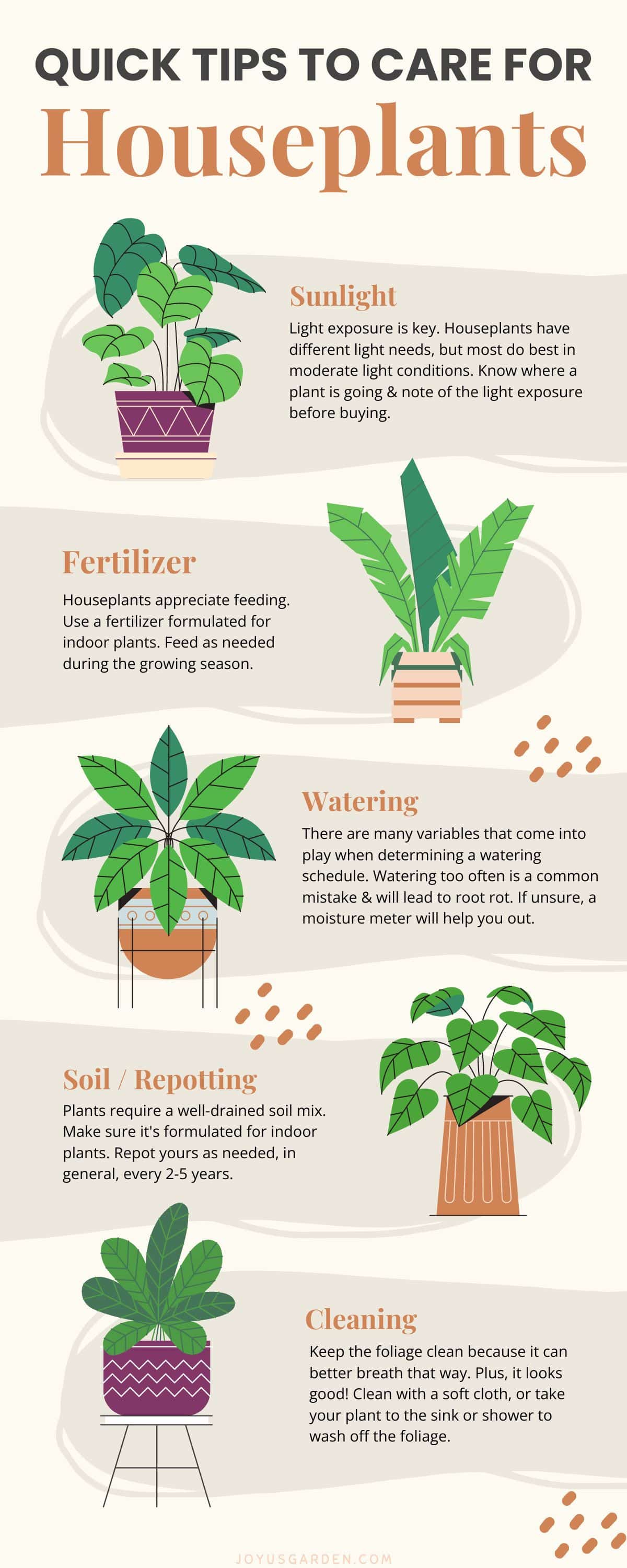
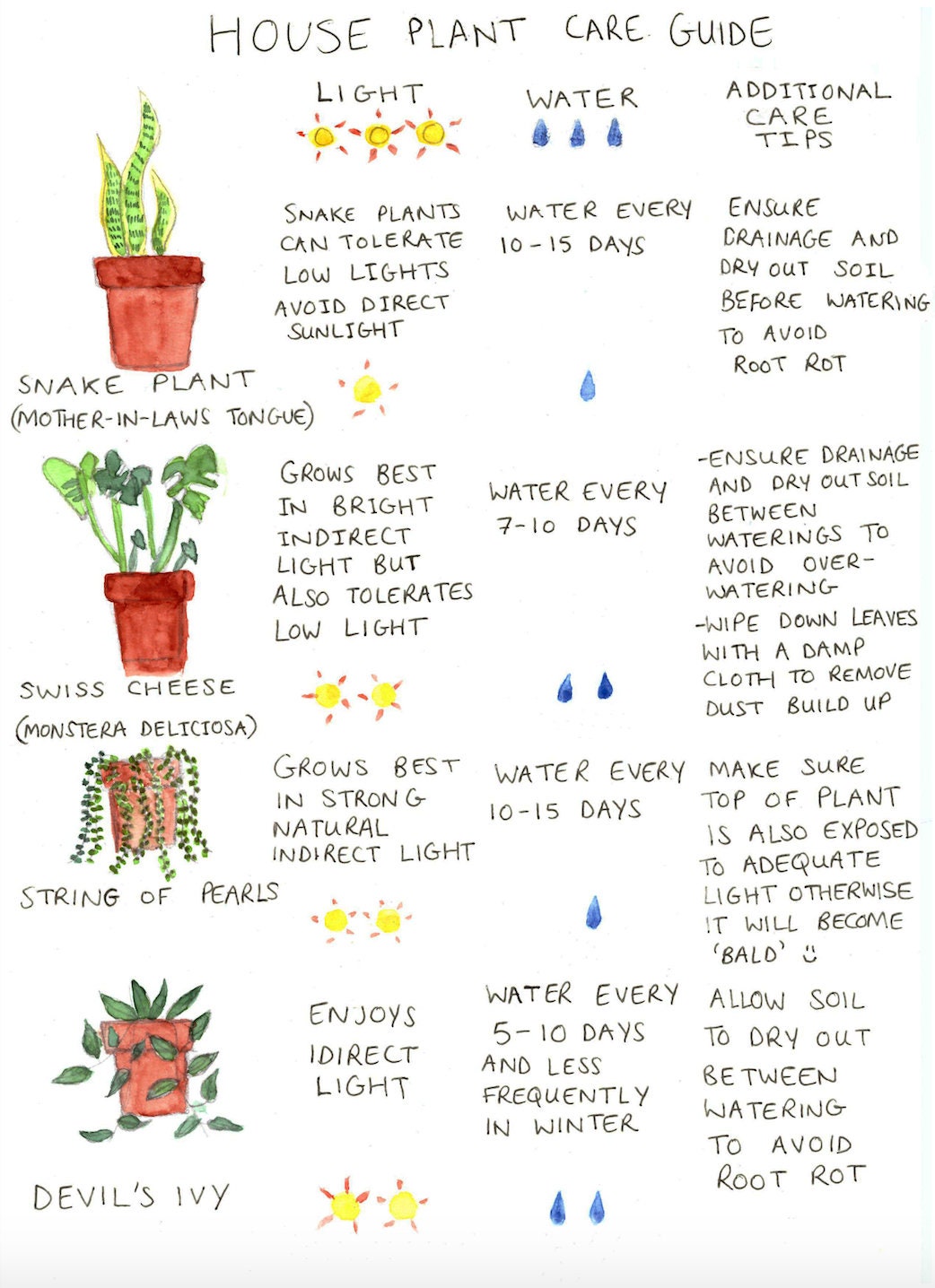
Light drives growth. Most tropical houseplants like bright, indirect light. That means near a window, but not in harsh sun. In this indoor plants care guide, light is the first step.
How to judge light fast
- South and west windows are brightest. Use a sheer curtain for tender leaves.
- East windows give soft morning sun. Many plants love this.
- North windows are gentle. Choose low-light plants here.
Common signs to watch
- Too little light: slow growth, small new leaves, long gaps on stems.
- Too much light: crisp edges, bleached patches, dry soil very fast.
Easy upgrades
- Rotate your plants a quarter turn weekly.
- Move plants one to three feet back from hot glass.
- Add a full-spectrum LED grow light for dark rooms.
Personal note: I once scorched a fern in a sunny studio. A thin curtain fixed it in a day. The fronds came back lush within weeks.
Watering with confidence, not fear
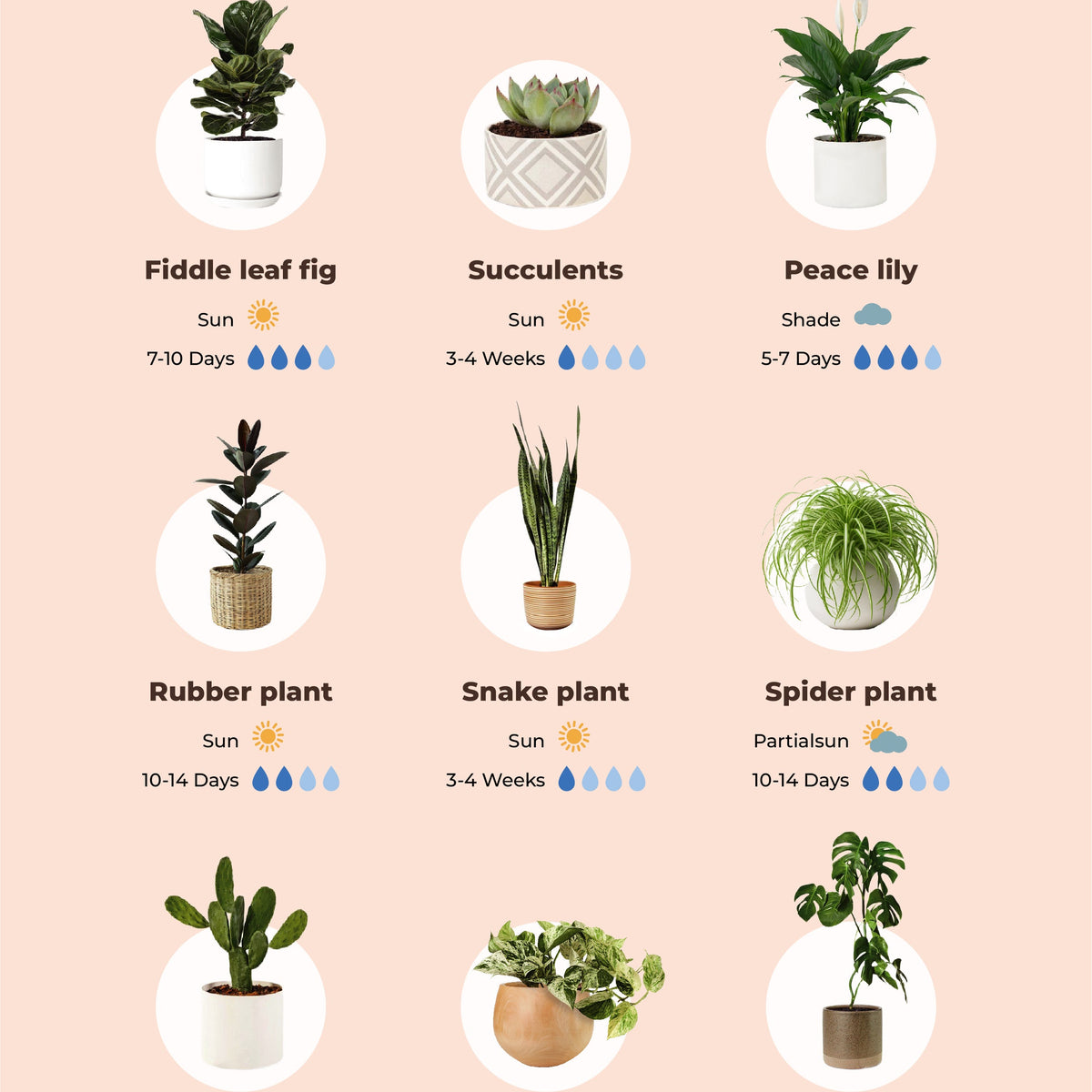
Overwatering is the top cause of trouble. The trick is rhythm, not rules. This indoor plants care guide keeps watering simple.
Smart steps
- Check soil before you pour. Press a finger one inch deep. If dry, water. If damp, wait.
- Water until it drains. Empty saucers after 10 minutes.
- Bottom water now and then. Place the pot in a shallow tray and let roots sip.
Water quality tips
- Let tap water sit overnight to off-gas chlorine.
- Use room-temperature water to avoid shock.
- Flush the pot every few months to wash away salts.
Clues from the plant
- Droopy and soft leaves can mean overwatering.
- Droopy and crisp leaves can mean underwatering.
- Mushy stems or a sour smell suggest root rot. Let the soil dry more between drinks.
Potting mix and repotting made easy
Roots need air and moisture. A fresh, airy mix helps both. In this indoor plants care guide, you will learn when to repot and how to mix soil.
Simple mixes
- Most foliage plants: all-purpose potting mix with perlite for airflow.
- Aroids like monstera: add bark and perlite for chunky structure.
- Cacti and succulents: fast-draining mix with extra sand or grit.
Repot timing
- Repot when roots circle the pot or water runs right through.
- Size up by only one to two inches.
- Spring is best. Avoid deep winter unless needed.
Pot choices
- Terracotta breathes. Great for damp-prone mixes.
- Plastic holds moisture longer. Great for fast-drying rooms.
- Always choose pots with drainage holes.
Personal tip: I refresh the top inch of soil each spring if a full repot is not needed. It perks plants up fast.
Humidity and temperature sweet spots
Most houseplants come from warm, humid places. This indoor plants care guide keeps it cozy and stable.
Targets
- Temperature: 65–80°F for most tropical plants.
- Humidity: 40–60 percent is a good aim.
How to raise humidity
- Group plants to create a microclimate.
- Use a small room humidifier near, not on, the plants.
- Place pots on a pebble tray with water below the pot base.
Avoid stress
- Keep plants away from vents, drafts, and hot radiators.
- Do not place leaves right against cold windows.
Fertilizing without the guesswork
Food supports growth, but more is not better. This indoor plants care guide favors light, regular feeding.
Basics
- Use a balanced, water-soluble fertilizer at half strength.
- Feed monthly in spring and summer. Pause or reduce in winter.
- Flush the soil with plain water now and then to prevent salt build-up.
Watch for signs
- Pale new leaves and slow growth can mean low nutrients.
- Brown tips can be from salt burn. Flush and scale back.
Personal note: I once burned a pothos with a double dose. It recovered after a good flush and a month off feeding.
Pests and diseases: prevent, spot, and act
Healthy plants fight pests better. Still, bugs happen. This indoor plants care guide helps you act fast.
Common culprits
- Spider mites: fine webs and speckled leaves.
- Mealybugs: white cottony clumps on stems.
- Fungus gnats: tiny flies near wet soil.
- Scale: brown bumps that stick to stems.
Action plan
- Quarantine new plants for two weeks.
- Wipe leaves with soapy water or alcohol on a cotton swab.
- Use gentle sprays like neem oil, and repeat weekly for a few cycles.
- Let the top inch of soil dry to deter gnats.
Hygiene habits
- Clean tools and pots before use.
- Remove dead leaves from soil surfaces.
Pruning, cleaning, and training for shape and shine
Regular care keeps plants tidy and bright. This indoor plants care guide shows easy wins.
Quick habits
- Dust leaves with a damp cloth every few weeks. Dust blocks light.
- Snip yellow or damaged leaves near the base.
- Pinch tips to encourage fuller growth on vining plants.
Training aids
- Use soft ties to guide stems.
- Add a moss pole for plants that climb, like monstera or pothos.
- Rotate to keep even growth and avoid leaning.
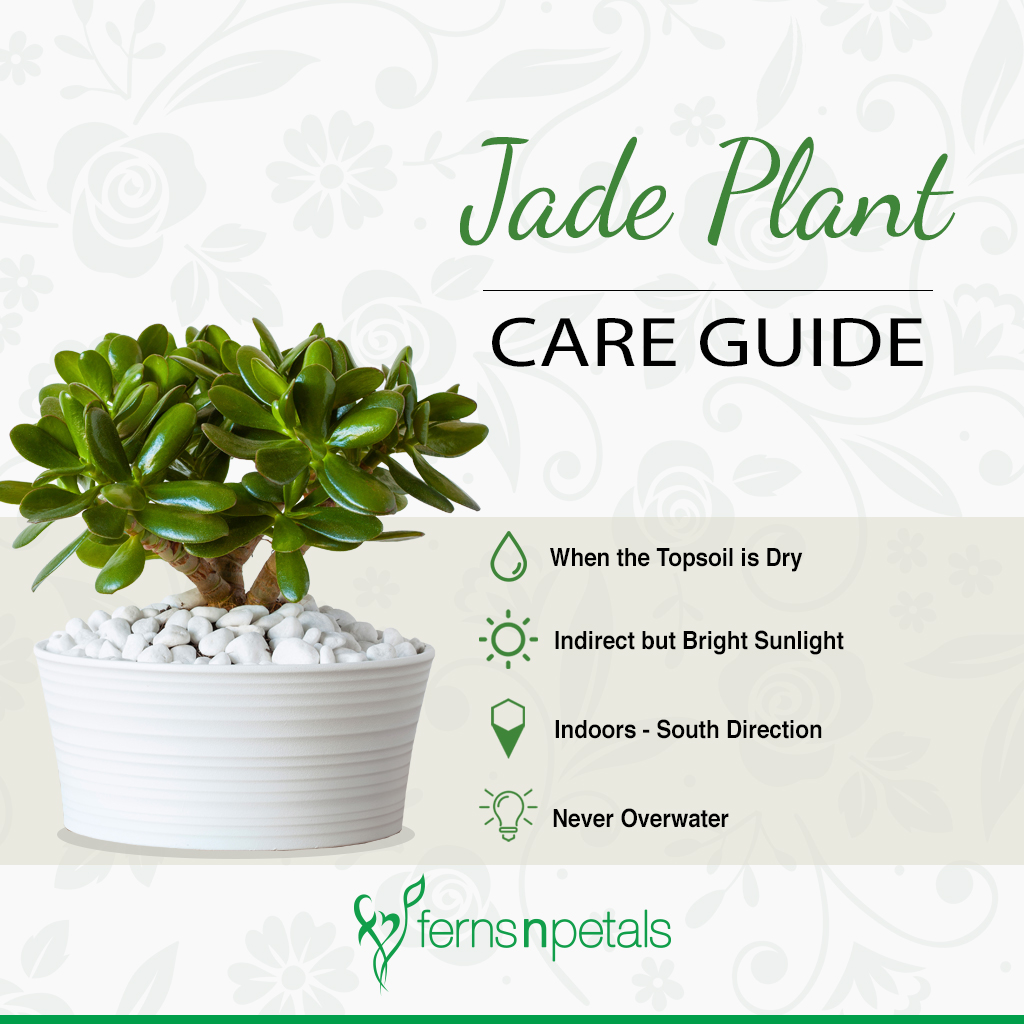
Choose the right plant for your space
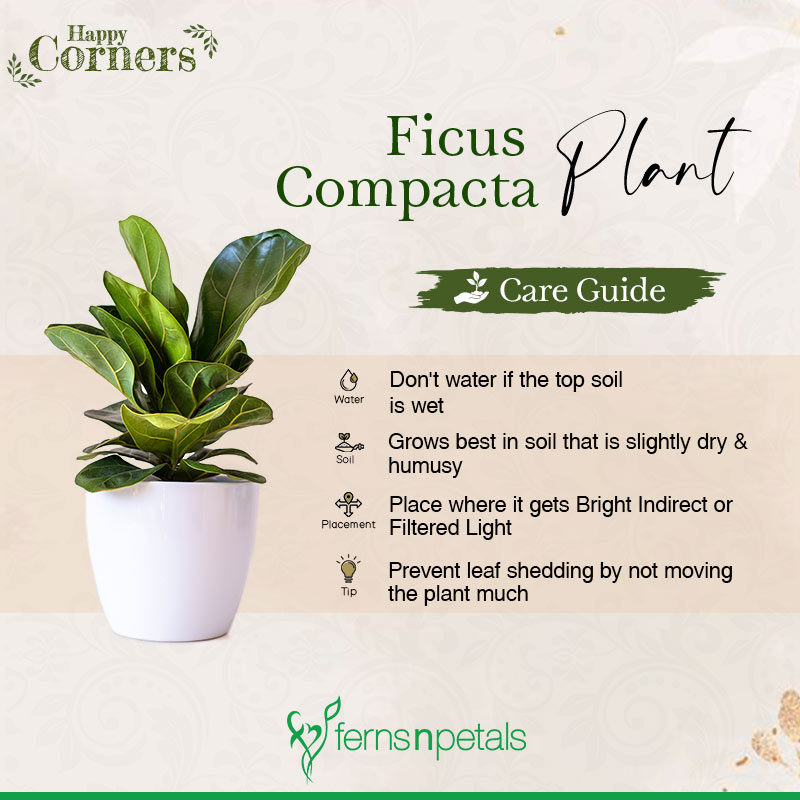
Match the plant to the place. This indoor plants care guide saves you time and money by starting right.
Low light heroes
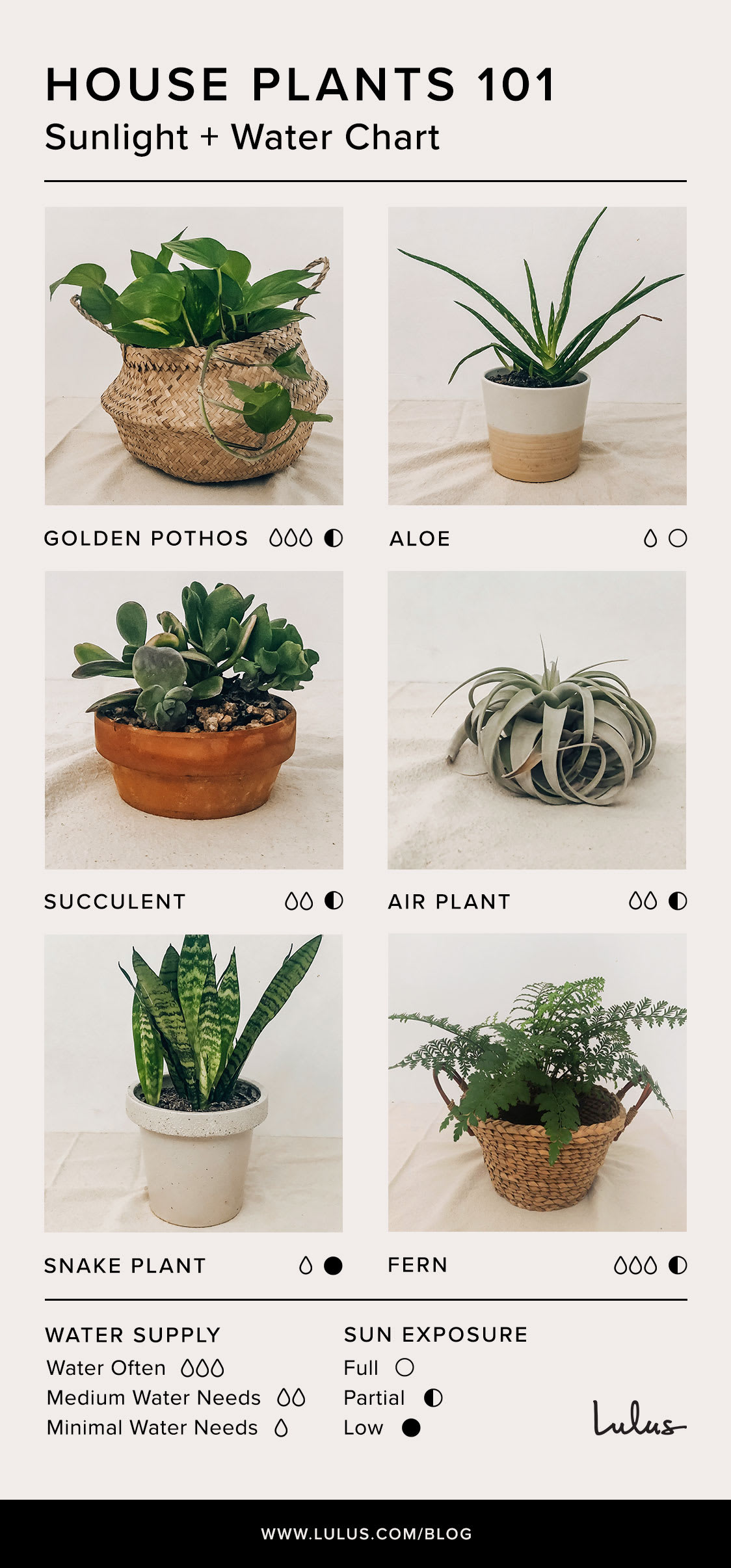
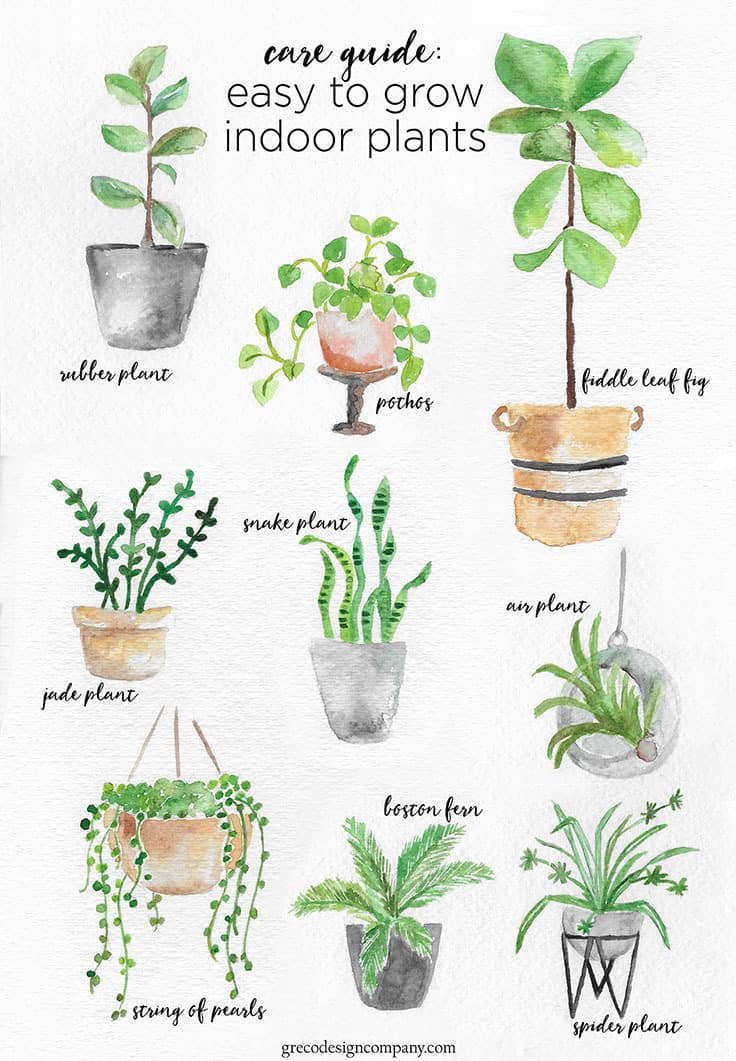
- ZZ plant
- Snake plant
- Pothos
Bright, indirect champions
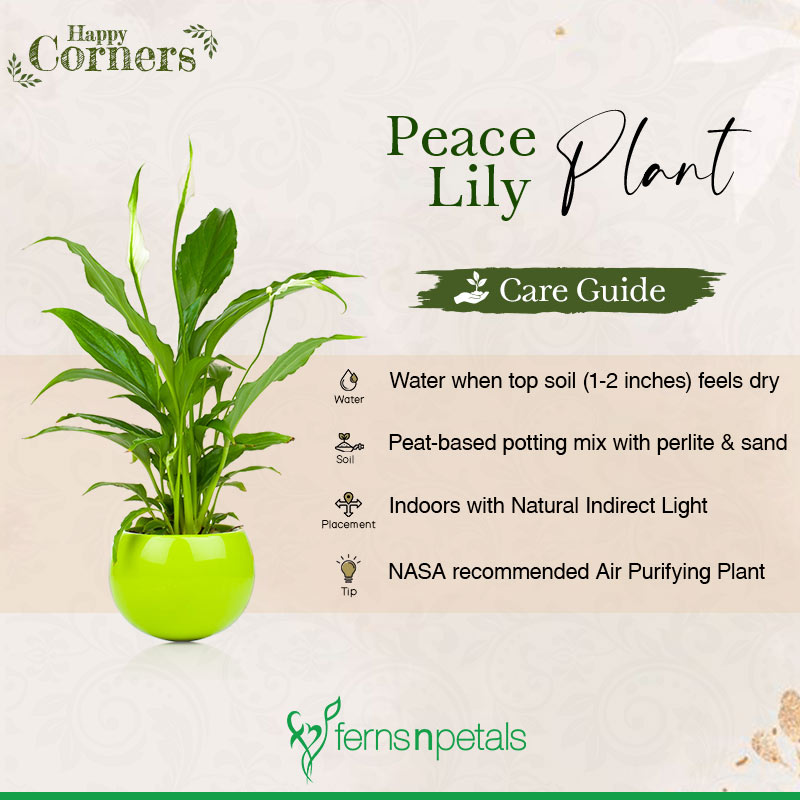
- Peace lily
- Monstera
- Philodendron
Direct sun lovers
- Jade
- Aloe
- String of pearls
Pet-aware picks
- Avoid toxic species if pets nibble. Research before you buy.
- Place plants out of reach or use shelves and hangers.
Personal tip: My snake plant thrives in a dim hallway. It asks for water only once a month.
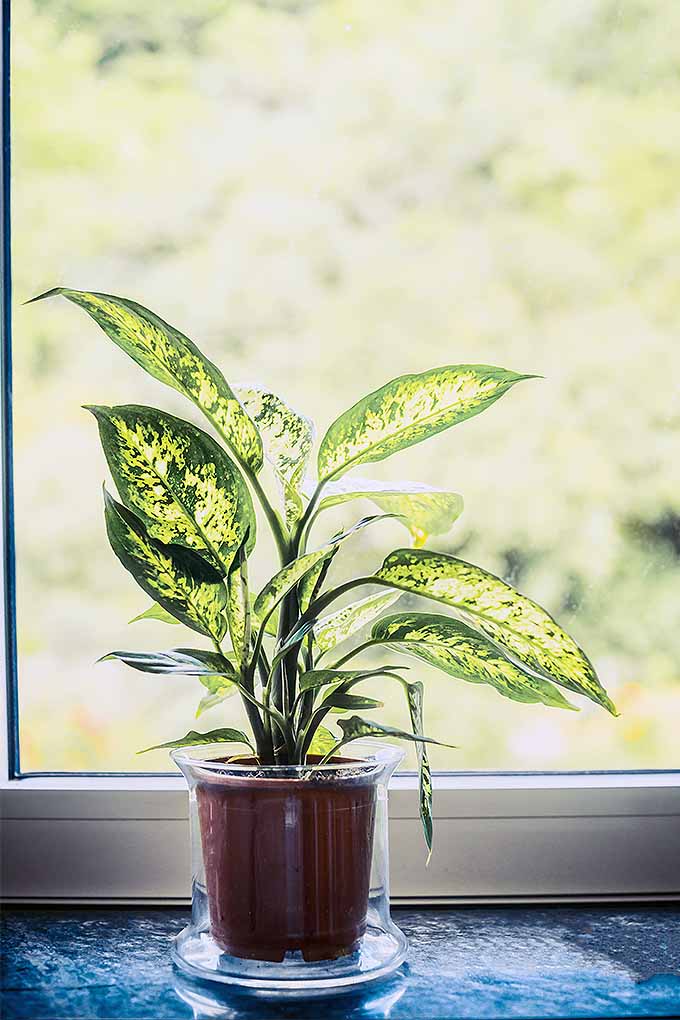
A simple seasonal care calendar
Seasons change, and so do plant needs. This indoor plants care guide keeps you on track.
Spring
- Resume feeding.
- Repot if roots are tight.
- Increase water as days lengthen.
Summer
- Watch for faster drying.
- Check for pests every week.
- Shield from harsh midday sun.
Fall
- Reduce feeding.
- Ease back on watering.
- Clean and inspect plants.
Winter
- Give more light or add a grow lamp.
- Water less but do not let plants bone-dry.
- Keep plants away from heaters and drafts.
Troubleshooting: quick symptom decoder
When something looks off, read the signs. This indoor plants care guide helps you diagnose fast.
Yellow leaves
- Common causes: overwatering, low light, or old age.
- Fix: improve light, adjust watering, remove old leaves.
Brown tips
- Common causes: dry air or salt build-up.
- Fix: raise humidity, flush soil, use distilled water if needed.
Leggy growth
- Common cause: not enough light.
- Fix: move closer to a window or add a grow light.
Dropping leaves
- Common causes: sudden change, cold draft, or underwatering.
- Fix: stabilize conditions and set a steady water routine.
Tools and supplies worth having
The right tools make care easy. This indoor plants care guide keeps the kit simple.
Essentials
- Watering can with a narrow spout
- Clean pruners or scissors
- Plant ties and stakes
- Balanced fertilizer
- Potting mix, perlite, and bark as needed
- Sticky traps for gnats
- A small humidifier if air is dry
Nice to have
- A moisture meter can help you learn your plant’s pattern, but your finger and notes are often enough.
Propagation basics to grow your collection
Propagation is fun and budget friendly. This indoor plants care guide covers the core methods.
Easy methods
- Stem cuttings in water or soil for pothos, philodendron, and tradescantia.
- Division for snake plants, peace lilies, and ferns.
- Leaf cuttings for some succulents.
Tips for success
- Use clean tools.
- Take cuttings with at least one node.
- Keep cuttings warm and in bright, indirect light.
Personal note: I root pothos in jars on a kitchen shelf. New roots form in two to four weeks, then I pot them up.
Budget and sustainability tips
Grow green, spend less. This indoor plants care guide also cares for the planet.
Simple wins
- Swap cuttings with friends or neighbors.
- Repurpose containers with drainage added.
- Mix your own soil to reduce bag waste.
- Buy from local growers to cut transport time.
Care habits that last
- Track watering and feeding in a small notebook.
- Fix problems early. It saves plants and money.
Frequently Asked Questions of indoor plants care guide
How often should I water indoor plants?
Check the soil first. Water when the top inch is dry, then drain the saucer.
Do indoor plants need fertilizer year-round?
Feed in spring and summer when growth is active. Reduce or pause in winter.
What is bright, indirect light exactly?
It is strong light without harsh sun on leaves. Think near a bright window with a sheer curtain.
How do I get rid of fungus gnats?
Let the top inch of soil dry between waterings. Use sticky traps and consider a soil drench if needed.
When should I repot a plant?
Repot when roots circle the pot or water runs right through. Move up one to two inches in pot size.
Are pebble trays helpful for humidity?
Yes, they raise local humidity a bit. Keep water below the pot base so roots do not sit in water.
Can I use tap water for all plants?
Most plants are fine with tap water left out overnight. Sensitive plants may prefer distilled or rainwater.
Conclusion
Caring for houseplants is a calm, steady routine. Match light, water with care, use airy soil, and keep leaves clean. Watch for small changes, and act early.
Pick one tip today from this indoor plants care guide and try it. Move a plant for better light, or flush a pot to reset salts. Small steps compound into lush growth. Share your wins, ask questions, and subscribe for more plant-smart tips.

I enjoy sharing simple gardening ideas, lawn care tips, and honest product reviews that help make outdoor work easier. From home gardening guides to helpful tools and lawn care advice, I write easy-to-follow content to help readers create a healthier and better-looking outdoor space without wasting time or money.