As an Amazon Associate, I earn from qualifying purchases.
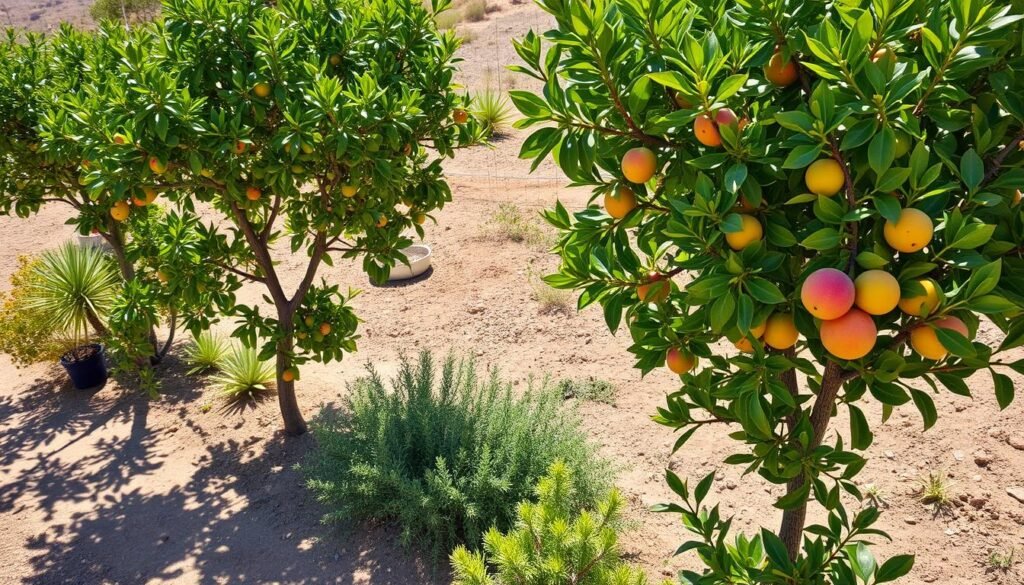
The best drought tolerant fruit trees for U.S. gardens include fig, pomegranate, olive, jujube, loquat, persimmon, and established mulberry trees. The right choice depends on your local winter lows, summer heat, soil drainage, and access to water during the first few years.
Across the United States, dry summers and water limits can make growing fruit a challenge. Homeowners in California, Arizona, New Mexico, Texas, and other water-stressed areas often need trees that can handle heat and make good use of limited moisture. Yet gardeners in cooler parts of the country may face the same problem during a hot, dry summer. Choosing a tree that fits the local climate is the first step toward a healthy home orchard.
Drought tolerance does not mean a fruit tree can grow without water. Most young trees need regular watering while their roots spread into the soil. Even mature trees may need deep watering during a long drought, especially when they are flowering or forming fruit. A tree may survive dry weather but produce a smaller crop, smaller fruit, or no fruit at all.
For many warm, dry U.S. gardens, figs, pomegranates, jujubes, and olives are useful choices. Persimmons and some mulberries can also cope with dry spells once established, while loquats suit mild-winter regions. This guide explains their strengths, limits, climate needs, and care requirements so you can choose a tree that fits your yard rather than relying on a broad drought-tolerance label.
A drought-tolerant fruit tree can cope with periods of low soil moisture better than a tree that needs steady water. Some trees develop deep or wide roots. Others reduce water loss through small leaves, tough leaf surfaces, or seasonal growth patterns. These traits can help a tree stay alive when rain is scarce, but they do not guarantee a large harvest.
A tree’s water needs also depend on its age, rootstock, cultivar, soil, and weather. A mature tree in deep loam may handle a dry spell better than the same type growing in a shallow, rocky bed. High winds, very hot air, and low humidity can increase water loss even when the soil looks damp at the surface.
For fruit growers, the goal is not only survival. The tree should also flower, set fruit, and ripen a useful crop. Moderate water stress may reduce fruit size or yield, while severe stress can cause leaf drop, sunburn, poor fruit quality, or lasting damage.
Source: Balcony Garden Web
Survival versus harvest
A tree may live through drought yet produce little fruit. Plan for enough water to support both tree health and the crop you want.
Young versus mature trees
New trees have small root systems and need regular irrigation. Mature trees are often more resilient, but their roots cannot always reach enough water during a severe drought.
Climate fit
A tree suited to hot Arizona summers may not tolerate a cold northern winter. Check both summer heat and the lowest winter temperatures in your area.
Why Soil and Root Space Matter
Deep, well-drained soil lets roots spread and reach stored moisture. Heavy clay can hold water for a long time but may suffocate roots when it stays saturated. Very sandy soil drains fast and may need more frequent irrigation, even for drought-tolerant trees. Before planting, check drainage and break up compacted areas across the intended root zone.
Avoid waterlogged roots
Drought tolerance does not mean tolerance of poor drainage. Standing water can harm roots and raise the risk of root disease.
The Best Drought Tolerant Fruit Trees for Home Gardens
The trees below offer a useful starting point for a water-wise orchard. No single species is best in every region, so compare fruit quality, winter hardiness, mature size, and water needs before you buy. Local extension services and reliable nurseries can help identify cultivars that perform well in your area.
Source: artofit.org
1. Fig
Figs are among the most practical choices for warm, dry gardens. Once established, many fig trees can handle dry periods and still produce sweet fruit. They grow well in full sun and prefer soil that drains freely. Extended drought can reduce fruit size and crop quality, so deep watering during severe dry spells is useful. Cold hardiness varies by cultivar, and young trees may need protection in colder regions.
2. Pomegranate
Pomegranates suit hot summers and can tolerate dry conditions after their roots become established. They grow as large shrubs or small trees and produce fruit with edible red arils. Full sun and well-drained soil support flowering and fruit development. Regular moisture helps young trees settle in, while severe stress during fruit growth can reduce fruit size or cause fruit to split after watering resumes. Some cultivars tolerate cool weather better than others.
3. Jujube
Jujube, also called Chinese date, is a strong option for hot, dry locations. It tolerates heat and a range of soils once established, and its crisp fruit can be eaten fresh or dried. Jujube trees often have thorns and may produce root suckers, so allow room for growth and plan to manage unwanted shoots. Fruit production varies by cultivar, and some trees benefit from cross-pollination.
4. Olive
Olive trees are well suited to Mediterranean-style climates with hot, dry summers and mild winters. Their narrow, leathery leaves help limit water loss. They need full sun and excellent drainage and can struggle in wet soil or areas with harsh winter freezes. Many olive cultivars are grown mainly for oil or curing rather than for eating straight from the tree. Pollination needs and fruit set vary by cultivar.
5. Persimmon
Persimmons can be a useful choice where summers are warm and the cultivar matches local winters. Established trees may handle moderate dry spells, although steady moisture helps fruit size and quality. Asian persimmons generally need milder winters than many American persimmons. American persimmons are often more cold hardy, but fruit traits differ among seedlings and named cultivars. Check pollination requirements before planting.
6. Mulberry
Established mulberry trees can cope with some dry weather, particularly when grown in suitable soil with room for roots. They produce abundant berries that attract birds and other wildlife. The fruit can stain paving and decks, and some types grow very large. Choose a suitable species or cultivar for the site, and check local restrictions before planting because some mulberries can spread or are considered invasive in certain areas.
7. Loquat
Loquat is an evergreen fruit tree for mild-winter areas. Mature trees may tolerate short dry spells, but they usually perform best with some moisture during fruit development. Their flowers and developing fruit can be damaged by frost, so they are poor choices for locations with regular hard freezes. Loquat is most useful in warm coastal areas and other sheltered parts of the southern United States.
8. Almond
Almond trees are grown commercially in dry-summer regions, including California, but commercial production relies on managed irrigation. They should not be treated as no-water trees. Almonds need suitable winter chill, spring conditions, and often a compatible pollination partner. They can be an option for an experienced grower in the right climate, but are less forgiving when water is severely limited during nut development.
9. Apricot
Apricots may cope with moderate drought after establishment, especially in dry-summer areas with well-drained soil. However, they flower early, so spring frost can damage blossoms and reduce the crop. Many cultivars also need winter chill and can struggle where winters are too mild. Deep watering during fruit growth helps avoid small fruit and stress-related decline.
10. Citrus
Some citrus trees can survive short dry periods once established, but most need more consistent moisture for reliable fruit production than figs, olives, or jujubes. Lemons, limes, and oranges also vary in cold tolerance. Citrus is best viewed as a possible choice for water-conscious gardeners in mild climates, not as a top pick for severe, long-term drought without irrigation.
Which Trees Are Best for Hot, Dry Summers?
For hot, dry regions such as parts of the Southwest and inland California, start by comparing fig, pomegranate, jujube, and olive. These trees have useful traits for warm climates, but local winter lows remain a key limit. Olive and loquat are especially sensitive to cold compared with many figs or jujubes, so a suitable summer climate alone is not enough.
Best starting shortlist
Consider fig for fresh fruit, pomegranate for edible arils, jujube for fresh or dried fruit, and olive for a Mediterranean-style landscape where winters are mild.
Which Trees Suit Cooler Parts of the United States?
Gardeners in cooler regions should focus on cold-hardy cultivars first, then compare drought tolerance. Some figs can grow in protected sites, and American persimmons can suit a broader range of winters than many subtropical fruit trees. Local extension guidance is especially useful because winter hardiness differs within a species.
Do not ignore winter lows
A tree that thrives through summer heat may die after a severe freeze. Match the cultivar to local minimum temperatures and the length of the growing season.
Compare Fruit Trees by Water Needs and Climate
Use this comparison as a first screen, not as a fixed watering schedule. Water needs change with tree age, soil, weather, crop load, and rootstock. The terms low, moderate, and higher describe broad tendencies under suitable growing conditions, not a measured ranking of every cultivar.
Source: artofit.org
Fig
Water need: Low to moderate after establishment. Climate fit: Warm summers; cold tolerance depends on cultivar. Main trade-off: Fruit quality and size fall when stress is severe.
Pomegranate
Water need: Low to moderate after establishment. Climate fit: Hot summers and suitable winter lows. Main trade-off: Fruit splitting and reduced size can occur when moisture swings sharply.
Jujube
Water need: Low after establishment in suitable soil. Climate fit: Hot, dry areas and many climates with cold winters, depending on cultivar. Main trade-off: Thorns, suckers, and variable pollination needs.
Olive
Water need: Low to moderate in a suitable climate. Climate fit: Mild winters and dry summers. Main trade-off: Cold injury and poor drainage can limit success.
Persimmon
Water need: Low to moderate after establishment. Climate fit: Depends strongly on species and cultivar. Main trade-off: Pollination and fruit traits differ among selections.
Mulberry
Water need: Low to moderate once established. Climate fit: Varies by species. Main trade-off: Large size, messy fruit, and possible invasiveness.
Loquat
Water need: Moderate for reliable fruit. Climate fit: Mild winters with little frost. Main trade-off: Cold-sensitive flowers and fruit.
Almond
Water need: Moderate to high for commercial-quality crops. Climate fit: Regions with suitable chill and spring weather. Main trade-off: Not a dependable choice where irrigation is severely restricted.
Apricot
Water need: Moderate during fruit growth. Climate fit: Suitable winter chill and low spring frost risk. Main trade-off: Early bloom makes crops vulnerable to late freezes.
Citrus
Water need: Moderate, often higher during active growth and fruit development. Climate fit: Mild-winter areas or protected sites. Main trade-off: Cold injury and the need for steady moisture.
A Simple Way to Choose
First, remove trees that cannot handle your winter lows. Next, choose species that fit your summer heat and soil drainage. Finally, decide how much water you can provide during the first two or three growing seasons and during severe drought. If water access is very limited, a smaller number of well-suited trees is usually easier to maintain than a large orchard of mixed species.
For the lowest water demand
Start by researching jujube, fig, pomegranate, and olive for your local conditions.
For cold climates
Compare cold-hardy cultivars of jujube, persimmon, and fig, and verify local performance before buying.
For mild coastal climates
Loquat and olive may be options where winter frost is limited and drainage is good.
How to Plant Fruit Trees for Better Drought Resistance
Good planting practices can make a real difference in how well a fruit tree handles dry weather. The aim is to help roots spread into healthy soil and to reduce water loss without keeping the root zone constantly wet. Start with the planting site, not with fertilizer or a watering gadget.
Source: southernsoilsunshine.com
1. Choose the right site
Most fruit trees need at least six to eight hours of direct sun for good fruiting, although local heat can affect site choice. Avoid low spots that collect water and areas where tree roots will be boxed in by paving or foundations. Allow enough space for the mature canopy.
2. Check the soil
Dig a test hole and see how quickly water drains. If the soil stays saturated, choose a better-drained site or seek local advice about a raised planting area. Do not plant into a small pocket of loose soil surrounded by hard, compacted ground and expect roots to thrive.
3. Plant at the right depth
Set the tree so the root flare is at or slightly above the finished soil level, following nursery guidance for the specific tree. Keep the graft union above the soil on grafted trees. Backfill with the native soil unless a local soil test or extension recommendation indicates otherwise.
4. Mulch the root zone
Apply a layer of organic mulch about two to four inches deep over the soil, extending toward the edge of the canopy as the tree grows. Keep mulch several inches away from the trunk to reduce rot and pest problems. Mulch helps slow evaporation and moderates soil temperature.
5. Water deeply
Apply water slowly enough to soak the root zone rather than running off the surface. A drip system or soaker hose can help, but check the soil to confirm that water reaches the roots. Avoid brief daily sprinkling that wets only the top layer.
6. Control weeds and grass
Keep grass and weeds from competing with young trees for moisture. A mulched, weed-free ring around the trunk gives new roots a better chance to establish. Do not cultivate deeply near the tree, since this can damage surface roots.
When Is the Best Time to Plant?
In many U.S. regions, planting during dormancy gives deciduous fruit trees time to establish roots before summer heat. Mild-winter areas may offer a wider planting window, but hot weather increases the need for careful irrigation. Follow local nursery and extension advice for evergreen trees, bare-root stock, and species that are sensitive to frost.
Plan around local weather
Avoid planting just before a heat wave or when the soil is frozen or waterlogged. If you must plant during warm weather, monitor moisture closely and protect the root ball from drying.
How to Water Established Trees During Drought
Established trees generally do better with a thorough soak followed by time for the soil to drain than with frequent, shallow watering. However, there is no single schedule that works for every yard. Soil texture, temperature, rainfall, tree size, and local water restrictions all affect how often you should irrigate.
Source: artofit.org
Check below the surface
Use a trowel or soil probe to inspect moisture in the root zone. Dry soil at the surface does not always mean the deeper roots need water, and a damp surface does not prove the whole root zone is moist.
Water slowly and widely
Place drip emitters or a soaker hose across the active root area rather than only next to the trunk. As the tree grows, expand the watered area toward the canopy edge. Avoid runoff and standing water.
Give young trees priority
Trees planted within the last few growing seasons are more vulnerable to drought. Follow the nursery’s establishment guidance and adjust for heat, rainfall, and soil. Do not assume a drought-tolerant species can survive its first summer without irrigation.
Protect fruit development
Flowering, fruit set, and fruit enlargement can be sensitive to water stress. If your goal is a harvest, provide moisture when the soil dries during these stages, within local watering rules.
Follow local restrictions
During drought emergencies, water districts may limit outdoor irrigation. Check the rules before setting a schedule, and prioritize tree survival with permitted, efficient watering methods.
Signs a Fruit Tree Needs Attention
Wilting leaves, curled leaf edges, premature leaf drop, shriveled fruit, and dry soil can point to water stress. These signs are not proof of drought by themselves; root disease, salt buildup, pests, and heat injury can look similar. Check soil moisture first, then inspect drainage, irrigation coverage, and the trunk for damage.
If leaves wilt in hot weather
Check soil moisture several inches below the surface. If the root zone is dry, water slowly and deeply. If it is wet, do not add more water until drainage and root health have been assessed.
If fruit drops early
Review recent heat, soil moisture, pollination, and the tree’s crop load. Some fruit drop is natural, but persistent loss may require local horticultural advice.
Soil Care, Pruning, and Fertilizer for Dry Climates
Healthy soil and modest, well-timed care help fruit trees use available water. You do not need to add large amounts of fertilizer or prune heavily to make a tree drought tolerant. In fact, excess nitrogen can encourage soft new growth that needs more water, while severe pruning can expose branches and fruit to sun damage.
Source: everythingbackyard.net
Use soil tests
A soil test can help identify pH and nutrient issues before you add fertilizer. Follow local recommendations rather than applying a standard blend every year.
Keep organic matter in place
A surface layer of compost or organic mulch can support soil structure and slow moisture loss. Avoid piling fresh material against the trunk or burying the root flare.
Prune with a clear goal
Remove dead, damaged, or crossing branches as appropriate for the species. Maintain an open structure where needed, but avoid heavy pruning just before severe heat unless local guidance supports it.
Manage weeds without harming roots
Use mulch or shallow weed control near the tree. Avoid deep digging and repeated tilling in the root zone, where they can break roots and speed soil drying.
Should You Fertilize During a Drought?
Do not use fertilizer as a quick fix for drought stress. Fertilizer cannot replace water, and strong new growth may raise the tree’s demand for moisture. If a soil test or visible growth pattern points to a nutrient problem, correct it using local recommendations and avoid applying fertilizer to severely stressed roots without guidance.
Watch for excess growth
Long, soft shoots and very dark foliage can sometimes signal excess nitrogen. Review fertilizer use and irrigation before adding more.
Common Mistakes When Growing Fruit Trees With Less Water
The most common mistake is treating drought tolerance as a promise that a tree will thrive without irrigation. Good results depend on the right species, a suitable site, and sound care during establishment. Avoiding a few common errors can save water and protect your investment.
Source: artofit.org
Choosing a tree for heat alone
A species may tolerate scorching summers but fail during winter freezes. Check local hardiness information and cultivar recommendations before purchase.
Planting too close to structures
A tree with restricted root space may struggle to access deep moisture. Allow for mature canopy width and root growth, and keep roots away from vulnerable pipes or paved areas where appropriate.
Watering only at the trunk
Mature feeder roots extend beyond the trunk. Spread irrigation over the active root zone and expand it as the canopy grows.
Ignoring drainage
More water will not fix a tree planted in waterlogged soil. Check whether the problem is drought or root damage before changing the watering schedule.
Expecting a full crop in severe drought
A tree under strong water stress may survive but set less fruit or produce a smaller harvest. Set realistic goals and follow local water-use rules.
Skipping pollination checks
Some cultivars produce better crops with a compatible second tree, while others are self-fruitful. Confirm the needs of the exact variety before planting.
A Practical Checklist Before Buying
A few minutes of planning can prevent years of poor growth. Compare the cultivar’s mature size, chill needs, cold tolerance, pollination requirements, and expected fruit use. Ask the nursery how the tree performs under local conditions, and verify key claims with your county extension service when possible.
Confirm local fit
Check winter lows, summer heat, soil drainage, and whether the growing season is long enough for fruit to ripen.
Estimate the water commitment
Plan for regular establishment watering and extra care during extended dry weather. A drought-tolerant tree still needs a realistic water source.
Check the fruit and tree traits
Confirm fruit quality, harvest timing, mature size, thorns, suckering, mess, and pollination needs.
Frequently Asked Questions
Q
What is the most drought-tolerant fruit tree?
Jujube is a strong choice for many hot, dry locations, while established figs, pomegranates, and olives can also tolerate dry periods. There is no single winner for every garden. Winter lows, soil, cultivar, and the amount of water available during fruit development can change the best choice.
Q
Can fruit trees grow without irrigation?
Some established trees can survive on rainfall in suitable climates, but reliable fruit production without irrigation is not guaranteed. Young trees need help as their roots establish, and long droughts can damage mature trees. Check local rainfall patterns and soil moisture before deciding whether supplemental water is needed.
Q
Which fruit trees are best for hot, dry climates?
Figs, pomegranates, jujubes, and olives are useful options for many hot, dry areas. Choose according to winter temperatures and soil drainage. Olives need mild winters, while cultivar choice affects the cold tolerance of figs and pomegranates.
Q
How often should I water a drought-tolerant fruit tree?
There is no fixed schedule that suits every tree. Young trees need more frequent checks than established trees, and sandy soil dries faster than many loamy soils. Check moisture in the root zone, water deeply when needed, and adjust for rainfall, heat, and local watering rules.
Q
Do drought-tolerant fruit trees still produce fruit during drought?
They may produce fruit, but severe water stress can reduce fruit size, yield, and quality. Some trees may drop fruit or shed leaves to conserve moisture. Water management during flowering and fruit growth can help protect the crop when irrigation is available and permitted.
Q
Can I grow drought-tolerant fruit trees in containers?
Yes, some figs, dwarf citrus, and other suitable cultivars can grow in large containers, but pots dry out much faster than garden soil. Choose a container with drainage holes and a suitable growing mix, and check moisture often during hot weather. Container-grown trees usually need more frequent watering than established trees planted in the ground.
✦ Wrapping Up
Conclusion
The best drought tolerant fruit trees are those that match your climate and can produce useful fruit with the water you can reasonably provide. For many warm, dry U.S. gardens, figs, pomegranates, jujubes, and olives are strong starting points. Persimmons and mulberries may suit other regions, while loquats need mild winters and almonds, apricots, and citrus require careful attention to their growing conditions and crop needs.
Choose a locally adapted cultivar, give it enough room to root, improve water retention with mulch, and use deep irrigation when the soil needs it. During a long drought, protect young trees first and remember that survival and a good harvest are different goals. Local cooperative extension guidance can help refine your choice for your county, soil, and climate.
💡 Key Takeaway
Before buying, shortlist two or three fruit trees suited to your winter lows, summer heat, and soil. Confirm their pollination needs and mature size, then make a realistic plan for establishment watering and drought care.
I enjoy sharing simple gardening ideas, lawn care tips, and honest product reviews that help make outdoor work easier. From home gardening guides to helpful tools and lawn care advice, I write easy-to-follow content to help readers create a healthier and better-looking outdoor space without wasting time or money.