As an Amazon Associate, I earn from qualifying purchases.
Pepper plants usually drop flowers because of extreme heat, cold nights, uneven watering, poor pollination, or excess nitrogen. Check the weather and soil first, then adjust care to help new flowers develop into peppers.
Across the United States, pepper plants thrive in warm summer gardens, from backyard beds in Texas to raised planters in Ohio and containers on sunny California patios. Yet a healthy-looking pepper plant can produce flowers one day and shed them the next. This problem, called blossom drop, can leave gardeners with lush green plants but few or no peppers.
A small amount of flower drop is normal. Pepper plants do not turn every flower into fruit, and young plants may shed early blossoms while they establish roots and leaves. However, repeated flower loss during the main growing season can point to stress that needs attention.
The best way to solve the problem is to identify what changed before the flowers fell. Check daytime highs, nighttime temperatures, soil moisture, fertilizer use, and signs of pests. These clues often reveal whether the plant needs steadier care or simply better weather.
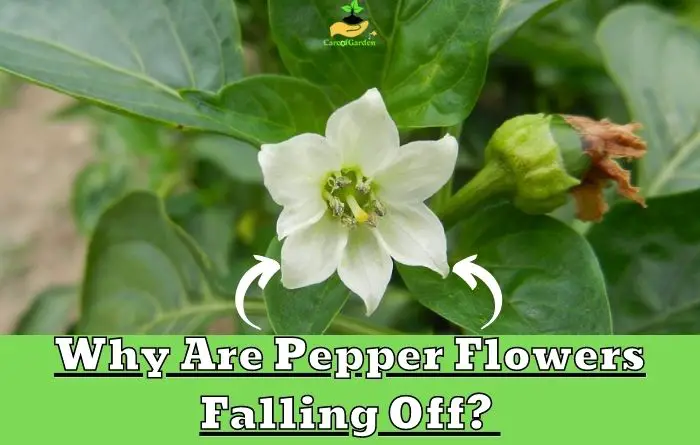
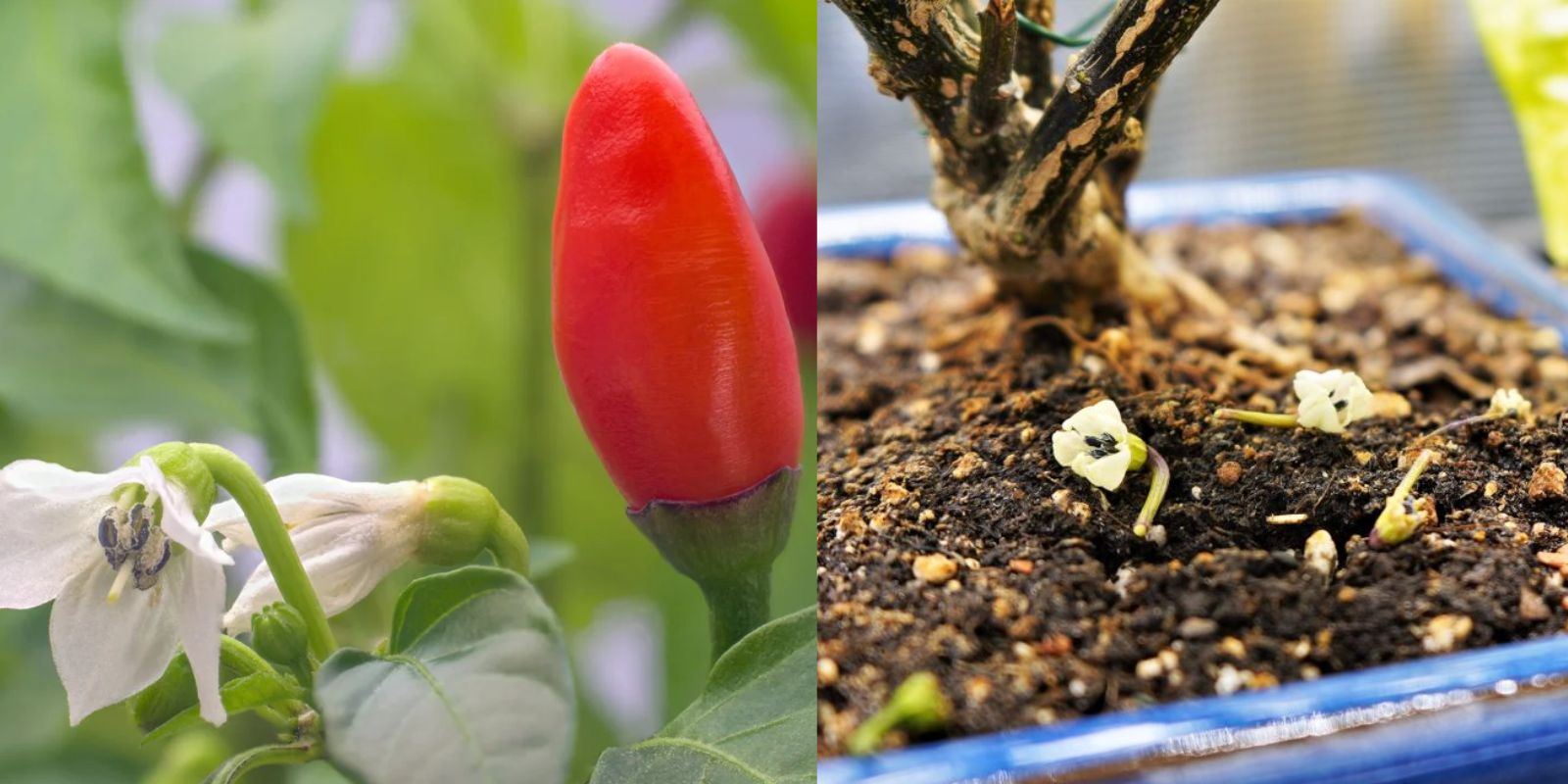
Blossom drop occurs when a pepper plant sheds flowers before they develop into fruit. A flower may dry up, turn yellow or brown, and fall from its stem. In some cases, the flower falls while the plant and its leaves still look healthy.
Pepper flowers contain the reproductive parts needed for fruit production. After successful pollination and fertilization, the base of a flower begins to enlarge into a tiny pepper. If this process fails or the plant experiences severe stress, the flower may fall instead.
Blossom drop is not always a sign of disease. It can result from short-term weather stress, limited water, poor pollen function, or the plant’s natural growth cycle. The key is to determine whether the loss is occasional or affects nearly every new flower.
Source: pepperjoe.com
Normal flower loss
A few flowers fall while others form small peppers, and the plant continues to produce healthy new growth.
Possible environmental stress
Many flowers fall after a heat wave, a cold spell, a dry period, or a sudden change in watering.
Possible pest or care problem
Flower loss occurs alongside damaged buds, curled leaves, sticky residue, weak growth, or persistently wet soil.
Why Do Pepper Plants Shed Flowers Instead of Making Peppers?
Producing fruit requires energy, suitable temperatures, healthy pollen, and enough water and nutrients. When conditions become unfavorable, the plant may fail to set fruit and shed its flowers. This can happen even when the plant has plenty of green leaves.
A pepper plant also needs time to establish itself after transplanting. Young plants may shed their first flowers as they direct energy toward roots and new shoots. If the plant is otherwise healthy, removing severe stress and allowing it to mature may be enough.
Flower buds fall before opening
Look for temperature stress, irregular watering, or damage from insects.
Open flowers fall without fruit
Check heat, cold nights, pollen conditions, and moisture levels.
Leaves grow well but fruit does not form
Review fertilizer use, light exposure, plant maturity, and growing temperatures.
1. Extreme Heat Is a Leading Cause of Flower Drop
Excessive heat is one of the first things to check when pepper plants lose many flowers during summer. Peppers are warm-season crops, but prolonged high temperatures can interfere with pollen production, pollen viability, and fruit set. A plant may survive the heat yet fail to turn its flowers into peppers.
Many pepper varieties perform best when daytime temperatures are warm and nighttime temperatures remain moderate. Problems with fruit set become more likely during sustained heat, especially when daytime temperatures rise above about 90°F and nights remain unusually warm. The exact response varies by variety, plant condition, and how long the heat lasts.
Hot weather can also increase water loss from leaves and soil. If roots cannot replace that water quickly enough, the plant experiences additional stress. A pepper plant exposed to hot afternoons, dry soil, and warm nights may shed more flowers than one facing heat alone.
Source: gardentruth.com
Signs of heat stress
Flowers fall during a hot spell, leaves droop in the afternoon, and small fruit fail to develop. Some plants recover overnight, but repeated stress may continue to reduce fruit set.
Water deeply
Water the root zone early in the morning. Check the soil before watering again rather than relying on a fixed schedule.
Use temporary shade
During extreme heat, a light shade cloth can reduce afternoon stress. Avoid blocking too much sunlight for long periods.
Protect roots
Apply a layer of organic mulch to help keep soil moisture more stable and reduce rapid temperature changes near the roots.
What Should You Do During a Heat Wave?
Start by checking the local forecast and the moisture level in the root zone. If the soil is dry, water slowly enough to reach the deeper roots. Container peppers may need more frequent checks because pots heat up and dry out faster than garden beds.
If very hot weather is expected to continue, provide afternoon shade while preserving morning and late-day light where practical. Do not respond to flower drop by adding fertilizer. Fertilizer cannot correct heat-damaged pollen, and excess nutrients may create another problem.
Once temperatures return to a suitable range, healthy plants often produce another flush of flowers. Allow time for recovery before judging whether your changes have worked.
Best first action
Stabilize soil moisture and reduce severe afternoon heat stress.
What to avoid
Do not keep the roots constantly saturated or heavily prune the plant during extreme heat.
2. Cold Nights Can Stop Fruit From Setting
Pepper plants can drop flowers when nighttime temperatures become too cool, even if daytime weather feels pleasant. Cold conditions can slow pollen development and interfere with fertilization. This is common early in the growing season when gardeners transplant peppers before nights have settled into a warm pattern.
Peppers generally grow best in warm conditions, and chilly nights can delay growth and fruit production. Temperatures below roughly 55°F may stress many pepper varieties, though sensitivity differs among cultivars and growing conditions. Cool soil can add to the problem by slowing root activity.
If flowers begin falling after a cold spell, avoid assuming the plant needs more food. Check nighttime forecasts and soil temperature instead. New flowers may set fruit when the weather becomes warmer and more stable.
Source: careofgarden.com
Plant at the right time
Wait until frost danger has passed and local nighttime conditions are suitable for peppers.
Protect container plants
Move portable pots to a sheltered spot when cold nights are forecast, provided the location still offers adequate light.
Use row covers when needed
A suitable garden cover can reduce overnight heat loss. Remove or vent it when daytime temperatures rise so plants do not overheat.
Should You Remove Flowers From a Young Pepper Plant?
Removing the first flowers is sometimes suggested to help a young plant establish itself, but it is not necessary for every pepper plant. A healthy, well-rooted plant growing in suitable conditions may keep its first fruit without trouble.
If a small transplant is struggling with cold nights or has very little new growth, focus on root establishment and stable conditions. You may choose to remove a few early flowers, but do not treat this as a universal cure for blossom drop.
Keep early flowers
Reasonable for established, healthy plants that are growing well.
Consider removing a few
May help a weak or newly transplanted plant focus on vegetative growth, depending on its condition.
3. Uneven Watering Stresses Pepper Plants
Both dry soil and waterlogged roots can cause pepper flowers to fall. When soil dries too much, the plant struggles to move water and nutrients to its leaves and flowers. When soil stays saturated, roots receive less oxygen and may become damaged, which also limits water uptake.
The goal is steady moisture, not constant wetness. Pepper roots need water, air, and room to grow. Repeated cycles of severe drying followed by heavy watering can stress the plant during flowering and early fruit development.
Water needs vary with weather, soil type, plant size, and container volume. A pepper in a small pot on a sunny patio may dry out far faster than a plant in a mulched garden bed. Check the soil rather than assuming every plant needs water at the same time.
Source: homestead-acres.com
Check soil moisture
Feel the soil a short distance below the surface near the root zone. If it is dry, water; if it is wet and sticky, wait and investigate drainage.
Water at the base
Direct water to the soil instead of repeatedly wetting the flowers and leaves.
Improve drainage
Use pots with drainage holes and avoid leaving containers standing in water.
Add organic mulch
Once the soil has warmed, a suitable mulch can slow evaporation and reduce sharp changes in moisture.
How Often Should You Water Pepper Plants?
There is no single watering schedule that works for every pepper plant. Sandy soil drains quickly, clay soil holds water longer, and container mixes behave differently from native garden soil. Weather and plant size also change how much water is needed.
Water deeply when the root zone begins to dry, then allow excess water to drain. During hot, windy weather, check containers daily. In cooler or rainy weather, check less often and avoid watering soil that is already moist.
If the plant wilts while the soil is wet, do not automatically add more water. Inspect the drainage holes and roots if the problem persists. Brown, soft roots and a sour smell can indicate serious root damage.
Dry soil and wilted leaves
Water the root zone thoroughly and check whether the plant recovers as moisture returns.
Wet soil and ongoing wilt
Pause watering and check for poor drainage or root damage.
4. Too Much Nitrogen Produces Leaves Instead of Fruit
Excess nitrogen can encourage a pepper plant to grow lots of leaves and stems while producing fewer flowers or setting less fruit. Nitrogen supports leafy growth, but plants also need a balanced supply of other nutrients and suitable growing conditions to reproduce.
This problem can develop when gardeners apply frequent doses of lawn fertilizer, use a high-nitrogen product, or combine several fertilizers without checking their nutrient content. A plant may look dark green and vigorous even when its flowering performance is poor.
Do not assume every plant with many leaves needs less nitrogen. Poor fruit set can also result from heat, low light, or water stress. Review the fertilizer label and your application history before changing the feeding plan.
Source: storage.googleapis.com
Review fertilizer labels
Look at the nitrogen, phosphorus, and potassium analysis and compare it with the product directions and your soil needs.
Avoid repeated heavy feeding
Do not add more fertilizer simply because flowers fall. Excess nutrients can damage roots or build up salts in containers.
Use soil-test guidance
A soil test can help identify nutrient shortages or excesses and guide amendments for garden beds.
Does Phosphorus Fertilizer Prevent Blossom Drop?
Not unless a phosphorus shortage is actually contributing to the problem. Phosphorus supports energy transfer and root development, but extra phosphorus does not automatically increase flowering or fruit set in a plant that already has enough.
Before using a bloom booster, check the soil, growing conditions, and existing fertilizer routine. Excess phosphorus can contribute to nutrient imbalances and may harm the surrounding environment when it moves into waterways.
Use fertilizer for a clear reason
Follow a soil test or an appropriate product label rather than applying nutrients at random.
5. Poor Pollination Can Keep Flowers From Setting Fruit
Pepper flowers usually contain both male and female reproductive parts, so most varieties can pollinate themselves. However, pollen still needs to move from the anthers to the stigma, and suitable conditions help this process work. A flower that fails to pollinate successfully may fall without producing a pepper.
Outdoor plants often receive enough movement from wind and visiting insects. Plants grown indoors, inside enclosed structures, or in sheltered patios may have less air movement. Very high humidity can also make pollen transfer difficult, while heat can reduce pollen viability.
Poor pollination is worth checking when the plant has healthy foliage and suitable moisture but flowers repeatedly fall without any swelling at the base. Before trying hand pollination, rule out major temperature stress, since moving pollen cannot correct pollen damaged by heat or cold.
Source: myindoorflora.com
Encourage gentle air movement
Provide reasonable ventilation around greenhouse and indoor plants without exposing them to harsh, drying drafts.
Gently shake the plant
When flowers are open and dry, lightly tap a stem or support to help release pollen.
Use a small soft brush if needed
Touch the inside of an open flower gently to move pollen. Avoid damaging the delicate reproductive parts.
How Can You Tell Whether a Pepper Flower Was Pollinated?
After successful fertilization, the base of the flower, called the ovary, begins to enlarge into a tiny fruit. The petals may fade and fall while the small green pepper remains attached. This is normal and does not mean the plant has lost its flower in a harmful way.
If the entire flower and its small base fall off, fruit set may have failed. However, the appearance alone cannot identify the exact cause. Temperature, water stress, and flower maturity can produce similar symptoms.
Tiny green fruit remains
Fruit development has started, so leave it attached and continue normal care.
Whole flower falls
Check environmental conditions and consider whether pollen transfer or viability may be an issue.
6. Not Enough Sunlight Can Reduce Flowering
Pepper plants need ample light to support strong growth, flowering, and fruit development. A plant growing in deep shade may survive and produce green leaves but struggle to make enough energy for a good crop. Limited light can also make stems weak and growth sparse.
Most garden peppers do best with at least six hours of direct sunlight daily, with more sun often helping when temperatures are suitable. The ideal amount depends on local heat, variety, and whether the plant grows in a garden bed, greenhouse, or container.
If a plant receives only a few hours of direct sun, check whether a fence, building, or taller crop casts shade during the day. Move a container gradually to a brighter spot if practical, and avoid sudden exposure to intense afternoon sun that can scorch leaves.
Source: storage.googleapis.com
Track direct sunlight
Observe the plant at different times of day rather than judging light from one quick look.
Give plants enough space
Avoid crowding pepper plants between taller crops that block light and limit airflow.
Balance light and heat
In very hot regions, morning sun with some afternoon protection may reduce stress while preserving useful light.
7. Pests Can Damage Pepper Buds and Flowers
Some pests feed on flower buds, young shoots, or tender plant tissue. Thrips, aphids, and certain mites can weaken pepper plants, while other insects may damage flowers directly. Pest injury is more likely when blossom drop occurs alongside stippled leaves, distorted growth, sticky residue, or visible insects.
Not every fallen flower indicates an infestation. Inspect the plant closely before applying a pesticide, because unnecessary treatments can harm beneficial insects and add stress. Look at the undersides of leaves, growing tips, flower stems, and the flowers themselves.
A hand lens can help reveal tiny pests. Gently tap a flower over a white sheet of paper to check for small moving insects. If you find a pest, identify it as accurately as possible before selecting a treatment.
Source: healthy-juice.co
Aphids
These small insects often cluster on tender shoots and leaf undersides. Heavy infestations can distort new growth and leave sticky honeydew.
Thrips
These slender insects may scar tender tissue and flowers. Their small size can make them difficult to see without close inspection.
Mites
Some mites cause fine leaf stippling, yellowing, or webbing. Confirm the pest before treating, since several issues can look similar.
How to Treat Pest Problems Without Harming Pollinators
Start with the least disruptive method that fits the pest. Remove badly infested plant parts when practical, rinse accessible pests from leaves with water, and keep weeds or debris from sheltering large pest populations. Recheck the plant to see whether the problem is improving.
If a pesticide is necessary, choose a product labeled for the identified pest and edible pepper plants. Follow every label direction, including protective equipment and the interval before harvesting. Avoid spraying open flowers when pollinators may visit them, and never assume that a homemade spray is harmless.
Inspect before treating
Confirm that insects or mites are present and identify the likely cause of damage.
Protect beneficial insects
Use targeted methods and avoid unnecessary broad-spectrum pesticide applications.
8. Container Size and Root Problems Can Affect Flower Retention
Pepper plants in small containers can lose flowers when roots have little room to grow or the pot dries out too quickly. Root restriction does not always cause blossom drop by itself, but it can make water and nutrient stress harder to manage during flowering.
A container that lacks drainage can create a different problem. Roots need oxygen, and waterlogged potting mix can reduce root function. A plant may wilt despite wet soil because damaged roots cannot take up water normally.
Check the pot for drainage holes and examine whether roots densely circle the root ball or emerge from the drainage openings. If the plant is severely root-bound and still has time to grow, repot it into a suitable container with fresh, well-draining potting mix.
Source: homestead-acres.com
Choose a suitable pot
Use a container large enough for the pepper variety and its expected root system, with open drainage holes.
Avoid compacted soil
Use a well-draining potting mix rather than dense garden soil in containers.
Limit transplant stress
Handle roots gently and water the new potting mix evenly after repotting.
Should You Repot a Pepper Plant While It Is Flowering?
Repot only when there is a clear reason, such as severe root restriction, poor drainage, or a container that dries out too rapidly. Moving a healthy plant during flowering can add avoidable stress, so do not repot merely because a few blossoms fall.
When repotting is necessary, choose a suitable pot, keep the root ball as intact as possible, and protect the plant from intense heat while it settles in. Some flowers may still fall, but healthier root conditions can support later growth.
Repot when needed
Address serious root restriction or drainage problems rather than disturbing a healthy plant without cause.
9. Use a Simple Troubleshooting Plan Before Changing Care
The fastest way to narrow down blossom drop is to look for the condition that changed just before the flowers fell. Do not change watering, fertilizer, shade, and pest treatment all at once. Making one or two evidence-based changes helps you see what actually improves the plant.
Begin with weather and soil moisture because both can affect flowering across an entire plant. Next, review fertilizer use and sunlight. Inspect for pests when the damage is uneven, concentrated on new growth, or accompanied by visible marks.
Keep a short record of daily temperatures, watering, and new flowers. This can help you see whether flower loss follows heat waves or inconsistent moisture. It also helps separate a temporary setback from a continuing problem.
Source: farmerflints.com
Step 1: Check the weather
Review recent daytime highs and nighttime lows. Note whether flower loss began during a hot or cold spell.
Step 2: Check the root zone
Feel the soil, assess drainage, and look for repeated drying or prolonged saturation.
Step 3: Review fertilizer
Record what you applied, how much you used, and whether multiple products contain the same nutrients.
Step 4: Assess light and plant maturity
Check direct sun exposure, transplant timing, and whether the plant is still building roots and stems.
Step 5: Inspect flowers and leaves
Look for pests, distorted buds, leaf stippling, sticky residue, or other signs of damage.
Step 6: Make a measured adjustment
Correct the most likely cause first, then observe new flowers before adding further treatments.
Quick Guide to Symptoms and Likely Causes
Use the following table as a starting point rather than a definitive diagnosis. Several stresses can happen at the same time, so confirm each possibility by checking the plant and its growing conditions.
Flowers fall during very hot weather
Likely factor: heat stress. Action: stabilize moisture and reduce severe afternoon heat where practical.
Flowers fall after cold nights
Likely factor: cool temperatures. Action: protect the plant and wait for more suitable growing conditions.
Leaves wilt and soil feels dry
Likely factor: inadequate water. Action: water deeply and reassess how quickly the root zone dries.
Leaves wilt while soil remains wet
Likely factor: poor drainage or root injury. Action: stop adding water until the cause is clearer.
Dark green leaves with few fruits
Possible factor: excess nitrogen or inadequate light. Action: review fertilizer history and sunlight exposure.
Flowers fall with damaged buds or leaves
Possible factor: pests or physical injury. Action: inspect the affected areas and identify the source of damage.
Healthy plants in sheltered indoor spaces lose flowers
Possible factor: limited air movement or temperature stress. Action: improve ventilation and check growing conditions.
10. How Long Does It Take for Pepper Plants to Recover?
Recovery depends on the cause and how long the plant has been stressed. If the problem is a short period of dry soil, correcting moisture may improve the plant’s condition relatively quickly. Flowers already damaged by extreme heat or cold may not recover, even after growing conditions improve.
Look for fresh flower buds, healthy new leaves, and small green peppers forming at the base of open flowers. These are more useful signs of recovery than whether a previously fallen flower can be saved. Once a flower has detached, it will not produce fruit.
After a heat wave, cold spell, or transplant shock, a plant may need additional time to resume normal flowering. The timing varies by variety, local weather, plant size, and the severity of stress. Continue steady care rather than repeatedly applying fertilizer or changing several conditions at once.
Source: homestead-acres.com
Signs of improvement
New buds develop, leaves remain firm through most of the day, and some flowers begin forming fruit.
Signs of continuing stress
Flower loss persists, new growth weakens, leaves show increasing damage, or the soil remains too wet or too dry.
When to seek local advice
If the plant continues declining despite suitable weather, moisture, and care, contact a local Cooperative Extension office or qualified gardening professional for diagnosis.
Should You Prune a Pepper Plant That Drops Flowers?
Avoid heavy pruning as a general response to blossom drop. Removing healthy leaves reduces the plant’s ability to make energy, and sudden pruning can add stress when the plant is already struggling.
Remove dead, broken, or clearly diseased material when needed, using clean tools. If the plant is crowded, improve spacing around it when possible instead of removing large amounts of healthy growth.
Keep healthy leaves
They supply energy for new flowers and developing peppers.
Remove damaged material selectively
Prune only when there is a clear reason, such as broken stems or diseased tissue.
Frequently Asked Questions
Q
Is it normal for pepper plants to drop some flowers?
Yes. Pepper plants do not turn every flower into fruit, and a small amount of blossom drop can occur naturally. It is more concerning when nearly all flowers fall over a prolonged period or the plant also shows signs of stress.
Q
Can pepper plants recover after dropping all their flowers?
Yes, many healthy pepper plants can produce another flush of flowers after stressful conditions improve. Check temperatures, soil moisture, sunlight, and fertilizer use, then give the plant time to recover. Flowers that have already fallen cannot be restored.
Q
Do pepper flowers need bees to make peppers?
No. Most common garden peppers have flowers with both male and female reproductive parts and can self-pollinate. Air movement can help transfer pollen, and gentle hand pollination may help plants grown in sheltered indoor spaces when conditions are otherwise suitable.
Q
Should I use Epsom salt when pepper flowers fall off?
Not unless there is a clear reason to suspect a magnesium shortage. Epsom salt supplies magnesium and sulfur but does not correct heat stress, poor pollination, or uneven watering. Unneeded applications can add salts to the soil without solving the real problem.
Q
Why does my pepper plant have flowers but no peppers?
Common causes include high heat, cool nights, excess nitrogen, poor light, and unsuccessful pollination. Start by checking recent weather and soil moisture. If the plant looks healthy, review its fertilizer history and confirm that it receives enough direct sunlight.
Q
Should I water pepper plants every day during flowering?
Not always. Water when the root zone begins to dry, taking weather, soil type, and container size into account. Small pots may need daily checks in hot weather, while plants in larger beds may need water less often.
Q
Does picking the first peppers help stop flower drop?
Harvesting ripe peppers can allow the plant to direct more resources toward continued growth and new fruit. However, picking peppers does not directly fix blossom drop caused by heat, cold, poor pollination, or root stress. Address those conditions first.
✦ Wrapping Up
Conclusion
Pepper plants dropping flowers can be frustrating, especially when the plants look healthy and have plenty of buds. In many cases, the cause is a change in temperature, uneven watering, excess nitrogen, limited sunlight, or difficulty with pollination. A few fallen flowers are normal, but repeated loss is a reason to inspect the growing conditions.
Start with the simplest checks. Review recent daytime and nighttime temperatures, feel the soil near the roots, and make sure excess water can drain. Then look at fertilizer use, sunlight, and signs of pests. Correct the most likely problem and avoid adding several treatments at once.
A healthy pepper plant can often resume flowering after stress passes. Watch for fresh buds and tiny green fruits, keep care steady, and remember that fruit set depends on more than the number of flowers a plant produces.
💡 Key Takeaway
Today, check your pepper plant’s soil moisture and the last few days of temperatures. Correct any clear watering or weather stress first, then inspect fertilizer use, sunlight, and flower damage. Give new flowers time to show whether the changes are working.
I enjoy sharing simple gardening ideas, lawn care tips, and honest product reviews that help make outdoor work easier. From home gardening guides to helpful tools and lawn care advice, I write easy-to-follow content to help readers create a healthier and better-looking outdoor space without wasting time or money.