As an Amazon Associate, I earn from qualifying purchases.
The easiest way to create a low maintenance garden is to choose plants suited to your local climate, cover bare soil with mulch, group plants by water needs, reduce unnecessary lawn space, and use simple landscape layouts. These choices can cut routine work while keeping your yard attractive throughout the growing season.
Across the United States, a well-planned yard can make outdoor life more enjoyable without adding hours of work each week. A homeowner in Texas may need plants that handle heat and dry spells, while someone in Minnesota may need hardy plants that survive freezing winters. The best low maintenance landscape starts with the weather, soil, sunlight, and rainfall in your own part of the country.
A low maintenance garden does not mean a yard without plants or care. It means making smart choices before planting so that watering, mowing, weeding, pruning, and cleanup take less time. A few durable plants, clear garden edges, and well-placed mulch can do more for long-term ease than a yard packed with plants that need constant attention.
The goal is to build a garden that fits your time, budget, and local growing conditions. Start with the areas that cause the most work, then make small changes that solve those problems. With a clear plan, you can create a useful and welcoming outdoor space without turning every weekend into a list of chores.
A simple plan is the first step toward a garden that stays easy to manage. Before buying plants or digging beds, walk around your property and note where the sun falls, where water collects, and which areas need the most work. Look at how you use the yard, including places for children, pets, outdoor meals, or quiet rest.
Divide the yard into basic areas, such as lawn, planting beds, paths, and seating spaces. Keep each area large enough to serve a clear purpose. A simple design with a few connected beds is often easier to maintain than many small beds scattered across the lawn.
Draw a rough map on paper. Mark trees, doors, windows, utility lines, slopes, and existing plants worth keeping. Add notes about morning and afternoon sun, wet spots, and dry areas. This quick plan helps you avoid placing a plant where it will struggle or building a bed that is hard to reach.
You do not need to change the entire yard at once. Work on one problem area first, such as a narrow strip that is hard to mow or a sunny bed that dries out quickly. Once the change works well, use what you learned in the next area.
Source: i.pinimg.com
Keep shapes simple
Use broad curves or clean straight lines instead of many tight corners. Simple edges are easier to mow, trim, and maintain.
Plan access
Leave enough room to reach plants, turn a mower, carry mulch, and move a wheelbarrow without stepping on beds.
Set a realistic budget
Include plants, soil improvements, mulch, edging, watering equipment, and waste removal. Spread larger changes over several seasons if needed.
Measure the work before you begin
Estimate how much time you spend mowing, weeding, watering, and trimming. This gives you a clear starting point and helps you choose the right changes. If mowing takes the most time, reducing lawn area may help more than replacing a few flowers.
Think about the care a new feature will need after the first year. A large stone area may need little plant care but can cost more to install. A new shrub bed may need regular watering while plants establish. Choose improvements based on their full upkeep, not just how they look on planting day.
Make a short priority list
Rank tasks by time, cost, and how often they return. Fix the biggest source of routine work first.
2. Choose Plants That Suit Your Local Climate
Plants that fit local conditions usually need less extra care. A plant suited to your region is more likely to handle its normal summer heat, winter cold, rainfall, and soil conditions than a plant that needs constant help. This can reduce watering, winter protection, replacement costs, and pest problems.
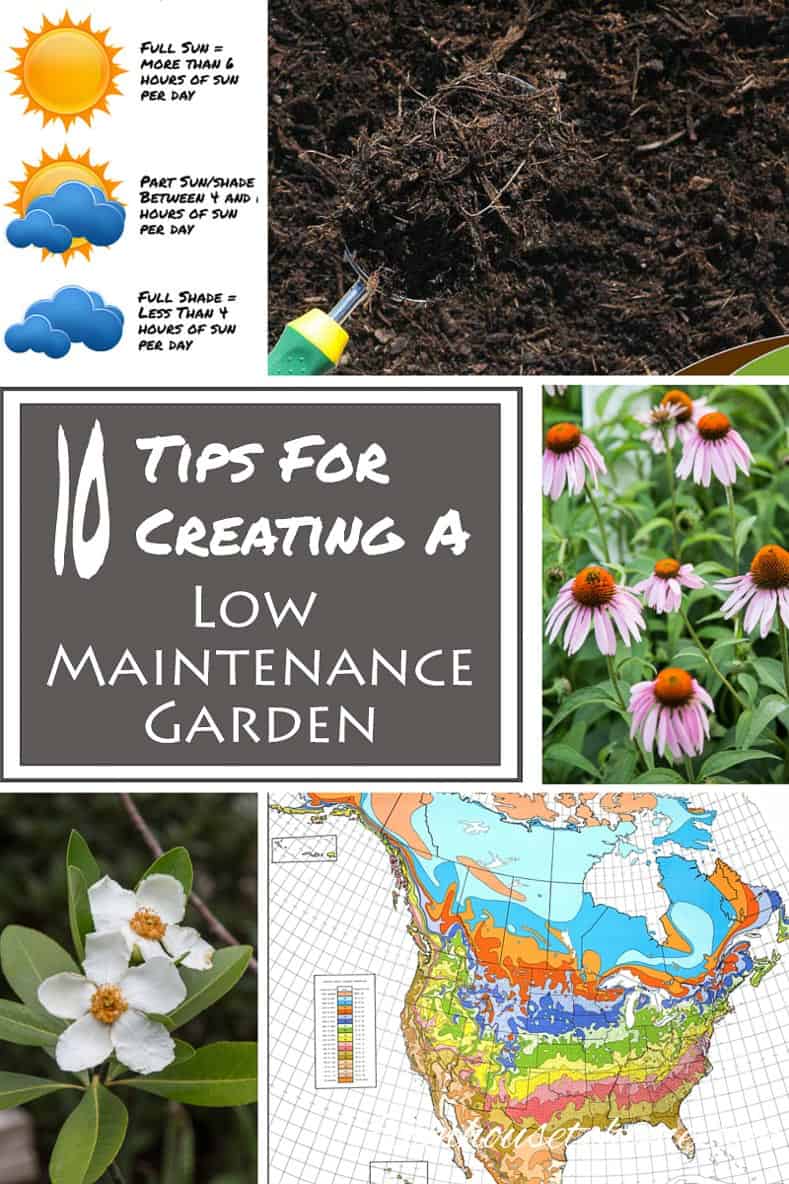
In the United States, the USDA Plant Hardiness Zone Map is a useful starting point for checking winter cold tolerance. However, a hardiness zone does not tell you everything about a plant’s needs. Sun exposure, summer heat, soil drainage, humidity, and rainfall also affect whether a plant will thrive.
Look for native plants that naturally grow in your region. Once established in a suitable site, many native species support local wildlife and need less extra water than plants poorly matched to the climate. Native does not always mean drought-proof or maintenance-free, so check the needs of each species before planting.
For example, some regions of the Southeast support native flowering perennials that tolerate humid summers, while parts of the Southwest may favor desert-adapted shrubs and succulents in appropriate locations. Northern gardens may benefit from cold-hardy perennials and shrubs that survive winter without special protection. Choose plants based on your own location rather than copying a design from a different climate.
Source: i.pinimg.com
Match plants to sunlight
Use full-sun plants in sunny beds and shade-tolerant plants beneath suitable trees or beside north-facing walls. Check the plant label for its actual light needs.
Check soil and drainage
Some plants thrive in sandy soil, while others prefer moisture-retentive soil. Avoid placing plants that need dry roots in areas where water stands after rain.
Avoid invasive species
Check state and local invasive plant lists before buying fast-growing vines, shrubs, or ground covers. A plant that spreads beyond its bed can create more work and harm local habitats.
Use a limited plant palette
Choose a small group of reliable plants and repeat them across the garden. Repeated shapes and colors make a yard look connected without requiring a large collection of species. They also make plant care easier because you can learn the needs of each type.
A simple bed might include one or two shrubs for structure, a few groups of flowering perennials, and a ground cover for open soil. Leave enough room for mature growth. Dense planting can look full at first, but crowded plants may need frequent trimming and can develop poor airflow.
Choose plants with a long season of interest
Combine foliage, flowers, and evergreen structure so the garden still looks good when some plants are not in bloom.
Read mature size labels
Check expected height and width before planting. Space plants according to their mature size rather than the size of the pot.
3. Reduce Lawn Space Where It Does Not Serve a Purpose
A smaller lawn can mean less mowing, edging, watering, and fertilizer use. Keep grass where it has a clear job, such as a play area, a place for pets, or open space for outdoor games. Replace awkward strips and steep corners with planting beds or other surfaces that suit the site.
Lawn is not always the wrong choice. A healthy lawn can be practical for active families, and some grass types perform well with limited inputs when matched to the local climate. The goal is not to remove every patch of grass but to avoid maintaining areas that offer little value.
Look at narrow strips beside fences, steep banks, and small islands around trees. These spots can be hard to mow and may need repeated trimming. Converting them to a suitable planting bed or ground cover can simplify the yard, provided the new planting does not create drainage issues or block access.
Before removing grass, check the conditions of the proposed replacement. Ground covers still need weeding and watering while they establish, and some spread aggressively. Gravel or paving can reduce mowing but may increase heat, cost more to install, or require weed control. Compare the work each option will need over time.
Source: wondermomwannabe.com
Keep useful lawn areas
Retain grass where people walk or play. Choose a suitable grass species and mow at the recommended height for your region.
Replace hard-to-mow corners
Use a mulched bed, suitable ground cover, or a stable path in places where mowing is awkward.
Avoid grass around every tree
Create a broad bed beneath suitable trees where conditions allow. Keep mulch away from trunks and avoid damaging surface roots.
Pick the right lawn alternative
Ground covers can form a green surface in areas where grass grows poorly. Native sedges and other low-growing plants may suit some regions, while drought-tolerant ground covers may work in dry, sunny areas. Confirm that the chosen plant tolerates the site’s light, soil, foot traffic, and climate.
A path or seating area may be more useful than plants in a place that receives heavy traffic. Stable pavers, stepping stones, or a properly built walkway can reduce muddy tracks and provide easy access. Design the base and slope so rainwater drains safely instead of flowing toward the house or a neighbor’s property.
Match the surface to its use
Use durable surfaces for frequent foot traffic and plants for areas that are mainly decorative.
4. Add Mulch to Reduce Weeds and Save Soil Moisture
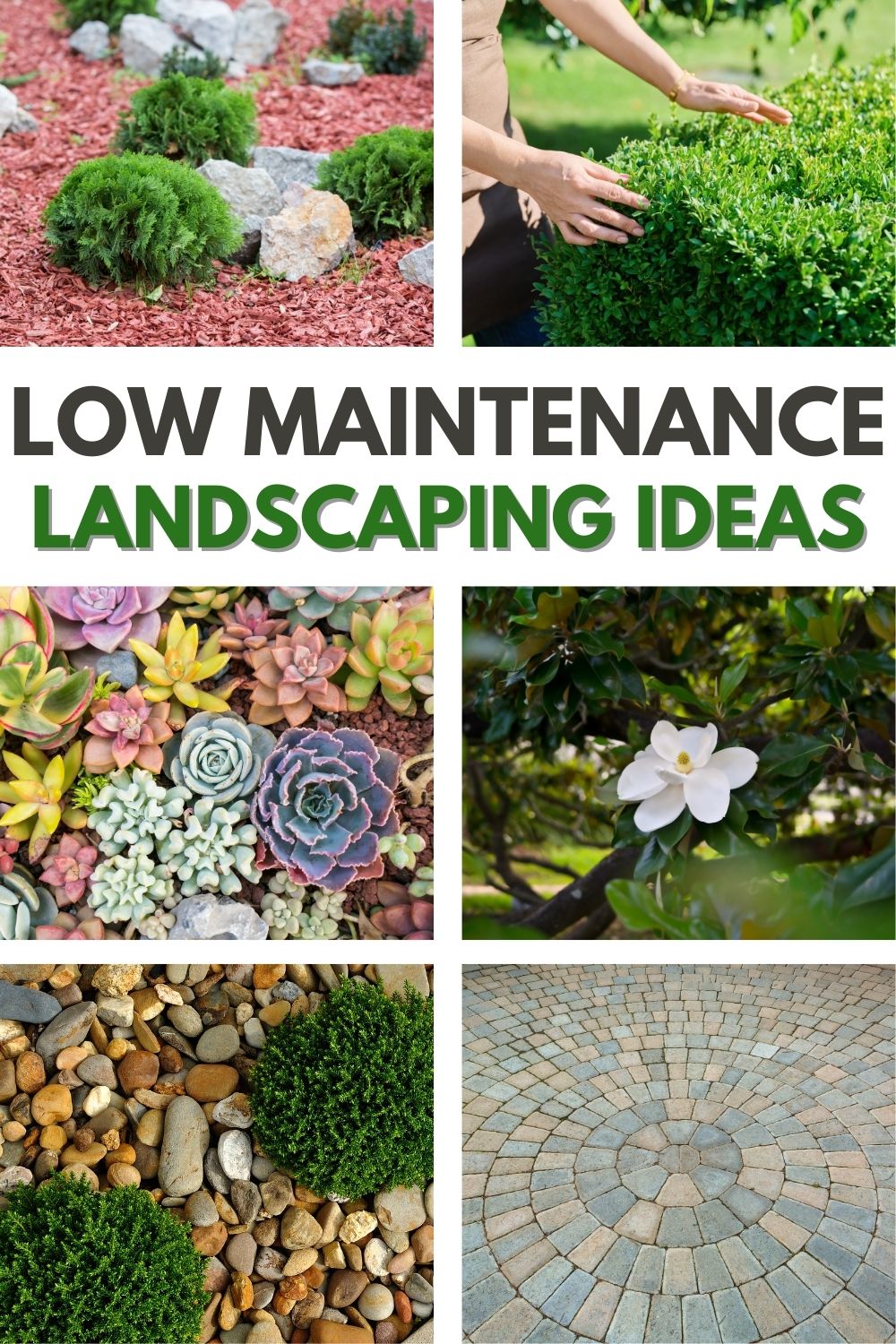
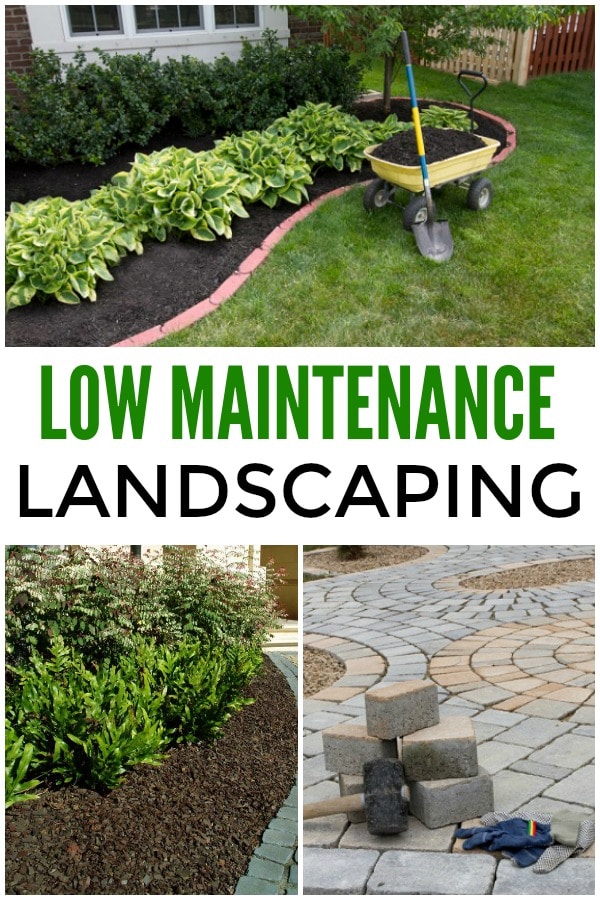
Mulch is one of the simplest ways to reduce routine garden work. A layer of suitable mulch covers bare soil, limits light reaching many weed seeds, slows moisture loss, and protects soil from heavy rain. Organic mulch can also add organic matter as it breaks down.
For many planting beds, a layer around 2 to 3 inches deep is a useful starting point for coarse organic mulch. The exact depth depends on the material and site. Keep mulch away from tree trunks, shrub stems, and the crowns of plants that are sensitive to excess moisture. Do not build a thick mound around a tree base.
Wood chips, shredded bark, and leaf mulch can work well in ornamental beds. Compost is useful as a soil amendment but may not last as long as coarse mulch when used as a surface cover. Stone mulch may suit certain dry gardens, but it can absorb and radiate heat and is not a good fit for every plant or climate.
Remove large weeds before applying mulch. If the soil is very dry, water it first. Spread the material evenly and leave enough space around stems for air movement. Check the bed during the growing season and add more only where the layer has thinned.
Source: i.pinimg.com
Choose organic mulch for many garden beds
Wood chips and shredded bark can protect soil and break down over time. Use a material suited to the plants and local conditions.
Do not pile mulch against stems
Keep a clear gap around trunks and stems to reduce moisture buildup, decay, and pest shelter.
Do not assume mulch stops every weed
Some weeds grow through mulch or arrive as seeds from the air. Remove them early before they spread.
Use landscape fabric with care
Landscape fabric may help with certain installations, but it is not a permanent cure for weeds. Dust, leaves, and decaying plant matter can build up above the fabric, allowing new weeds to grow. Roots may also become tangled in the material over time.
In many perennial beds, organic mulch without fabric is easier to refresh and allows organic matter to reach the soil. Fabric can make sense beneath some paths or stone areas when installed correctly, but consider drainage, future plant changes, and repair needs before using it.
Prioritize good soil cover
Whether you use mulch alone or a suitable barrier beneath a path, keep exposed soil to a minimum and inspect the area each season.
5. Make Watering Easier and More Efficient
An efficient watering plan saves time and helps plants develop strong roots. Start by choosing plants that fit local rainfall and grouping plants with similar water needs together. Keep plants that need frequent moisture separate from those that prefer drier soil.
Water deeply enough to reach the active root zone, then allow the soil and plant needs to guide the next watering. Frequent shallow watering can encourage shallow roots in some plants. The right schedule varies with soil texture, temperature, rainfall, plant type, and how recently the plants were installed.
A drip irrigation system or soaker hose can deliver water near plant roots and reduce wetting of paths and foliage. Use a timer if appropriate, but check the soil rather than assuming the timer always provides the right amount. Rain sensors and smart controllers may help avoid unnecessary watering when conditions permit.
Water early in the morning when practical. This can reduce evaporation and give foliage time to dry. Follow local watering restrictions, especially in areas that face drought or seasonal limits. New plants often need closer attention during establishment, even if they are considered drought tolerant once mature.
Source: homefourexperts.com
Group plants by water needs
Place plants with similar moisture needs together to make irrigation more direct and prevent overwatering drought-adapted species.
Check the soil before watering
Feel the soil below the surface or use a suitable moisture tool. A dry surface does not always mean the root zone is dry.
Repair leaks and blocked emitters
Inspect hoses, connectors, and drip outlets regularly. Uneven flow can leave some plants stressed while wasting water elsewhere.
Know when drought-tolerant plants need water
Drought-tolerant plants still need water while they establish roots. During the first growing season, check them more often and adjust watering to the weather and soil. A newly planted shrub in sandy soil may dry out faster than the same shrub in deeper, moisture-retentive soil.
Once plants are established, many need less supplemental water, but long heat waves and extended dry spells can still cause stress. Look for changes such as wilting, scorched leaf edges, or early leaf drop, while remembering that these signs can have other causes. Check soil moisture before adding more water because excess moisture can also damage roots.
Use weather as a guide
Reduce irrigation after useful rainfall and increase checks during hot, windy, or unusually dry periods.
6. Improve Soil Before You Plant
Healthy soil supports roots, holds useful moisture, and helps plants use nutrients. Before adding fertilizer or large amounts of compost, learn what your soil needs. A soil test can identify pH and nutrient concerns and help you avoid adding materials that do not solve the problem.
Soil texture affects water movement. Sandy soil often drains quickly, while clay soil can hold more water and become difficult to work when wet. Compacted soil can limit root growth and drainage. The right response depends on the cause, so avoid treating every problem with the same product.
Organic matter such as finished compost can improve the structure of many soils when used in suitable amounts. Work it into a new planting bed according to soil-test guidance and local extension recommendations. Avoid digging or tilling wet soil, which can damage its structure.
Do not add fertilizer simply because a plant grows slowly. Poor growth may come from shade, root damage, poor drainage, pests, or the wrong plant for the site. Correcting the real cause is often more effective than adding more nutrients.
Source: i.pinimg.com
Test before adding nutrients
Use a soil test from a reliable laboratory or local cooperative extension service when nutrient levels or soil pH are uncertain.
Protect soil from compaction
Avoid repeated foot traffic over planting beds and do not work soil when it is saturated.
Feed plants according to need
Use fertilizer only when the plant and soil conditions call for it, following label directions and local guidance.
Fix drainage before adding plants
Water that stands for long periods can harm roots that need oxygen. Watch the yard after rain to see where water collects and how long it remains. A low spot may need a moisture-tolerant planting, a properly designed rain garden, or a drainage solution suited to the site.
Do not simply direct water toward a foundation, public sidewalk, septic system, or neighboring property. Large grading changes and drainage work can affect nearby land and buried services. Seek qualified local help when the problem is severe or the correct solution is unclear.
Choose plants for the actual site
Where drainage cannot easily be changed, select plants that tolerate the site’s normal moisture conditions instead of repeatedly replacing failed plants.
7. Choose Hardscape Features That Reduce Routine Work
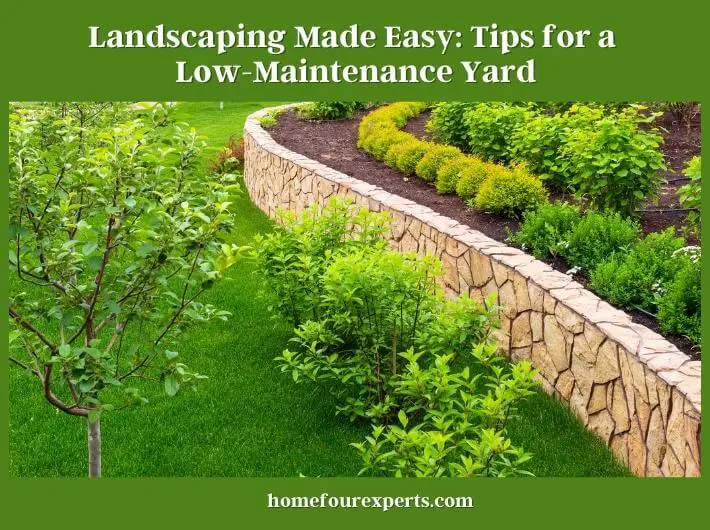
Hardscape features such as paths, patios, steps, and edging can make a garden easier to use and maintain. A stable path keeps foot traffic off planting beds, while a small patio can create a useful outdoor area without adding more lawn. Choose features that solve a real problem rather than filling every open space with stone.
The right material depends on the site, climate, budget, and intended use. Pavers can create a defined walkway, while gravel may suit some paths and dry garden settings. Both require suitable preparation and occasional upkeep. Weeds can still grow in joints or on accumulated debris, and gravel may move underfoot or spread into nearby beds.
Keep paths wide enough for normal use and maintenance tools. Avoid tight turns where a mower or wheelbarrow must pass. Use edging where it clearly separates grass from beds or keeps loose materials in place, but do not add decorative borders that create more corners to trim.
Plan for rainwater before installing a large hard surface. A poorly designed patio can send runoff toward the home or leave water standing in nearby beds. Permeable paving may allow some water to soak through, but its performance depends on the base, soil, slope, and upkeep.
Source: gardenersoasis.com
Build paths where people already walk
Use the natural route between doors, seating, sheds, and gates to reduce worn grass and muddy tracks.
Keep borders easy to reach
Set beds and paths so you can weed, prune, and refresh mulch without stepping into the planting area.
Choose materials for the weather
Consider freeze-thaw cycles, summer heat, rain, and soil movement before choosing paving, gravel, or other hardscape materials.
Use edging only where it helps
Edging can keep lawn grass from creeping into flower beds and make mowing easier. Metal, stone, brick, and other materials can all work when installed for the site. The most useful option is one that creates a clear boundary without becoming a hazard or a barrier to drainage.
A simple trench edge may work for some garden styles, while a physical edging strip may better contain grass or loose materials. Check it each season for movement, exposed sharp edges, or places where roots and grass cross the boundary.
Avoid unnecessary complexity
Use a small number of consistent border materials to make repairs and seasonal upkeep simpler.
8. Plant Shrubs and Perennials That Need Little Pruning
The easiest plants to maintain are often those that keep a useful shape without frequent cutting. Choose shrubs and perennials whose mature size fits the space. This avoids the cycle of planting too close, trimming hard, and then trimming again when the plants regrow.
Compact shrubs, clump-forming perennials, and well-behaved ground covers can create structure with limited shaping. Evergreen plants may provide year-round cover, while flowering perennials add seasonal color. The right combination depends on your climate and the amount of sunlight the bed receives.
Check whether a plant flowers on old or new growth before pruning it. Cutting at the wrong time can remove flower buds for the next season. Some plants need only dead or damaged growth removed, while others benefit from a specific annual trim.
Avoid planting shrubs too close to windows, walkways, utility boxes, or air-conditioning equipment. Leave room for airflow and access. Plants that block paths or equipment can quickly turn a low maintenance bed into a regular trimming job.
Source: wondermomwannabe.com
Choose natural forms
Select plants that look good at their natural mature size rather than shrubs that must be clipped into a tight shape.
Remove dead growth when appropriate
Prune damaged or diseased branches with clean, suitable tools, and follow the plant’s recommended pruning season.
Allow room for growth
Check mature width and height so plants do not crowd one another or block access.
Use ground covers where they fit
Ground covers can reduce the amount of open soil that needs weeding and can soften the edge of a planting bed. Some grow well under trees, while others prefer sunny, dry sites. Match the plant to the location and leave enough space for it to spread without invading paths or lawns.
Ground covers do not remove all maintenance. Young plants need water and weed control until they fill in, and some species require boundaries to limit spread. Native or noninvasive options suited to your area are usually a safer starting point than plants selected only for rapid growth.
Plant in suitable groups
Use spacing guidance to help plants fill their intended area without creating overcrowded patches or leaving large weed-prone gaps.
9. Make Seasonal Garden Care Short and Predictable
A low maintenance garden still needs regular checks, but those jobs can be easier when they follow a simple routine. Short, frequent visits often prevent small issues from becoming large ones. Pulling a few young weeds is usually easier than clearing a bed after weeds have spread and set seed.
In spring, inspect winter damage, refresh mulch where needed, and check irrigation before hot weather arrives. During summer, monitor soil moisture, remove weeds, and look for signs of pests or plant stress. In fall, clear diseased plant debris, protect vulnerable plants where appropriate, and prepare the garden for winter based on local conditions.
Do not cut back every perennial or remove every fallen leaf by habit. Some stems provide shelter for wildlife, and healthy leaf litter can add organic matter in suitable places. Remove diseased material and keep leaves from smothering lawns, clogging drains, or covering plants that need light and airflow.
Keep basic tools clean and ready to use. Sharp pruning tools make cleaner cuts, while a well-maintained mower can reduce effort and improve lawn care. Store tools safely and follow the instructions for powered equipment.
Check plants once a week
Look for weeds, dry soil, broken branches, pest damage, and clogged irrigation outlets before problems spread.
Refresh mulch as needed
Top up thin spots rather than adding a thick new layer over existing mulch every season.
Keep a short garden record
Note which plants struggle, where water collects, and which tasks take the most time. Use these notes to guide future changes.
Know when to replace a struggling plant
Repeated plant failure can point to a mismatch between the plant and its location. Before replacing it, check sunlight, drainage, watering, soil conditions, and nearby root competition. A different species suited to those conditions may need less care and last longer.
If the same problem affects many plants, investigate the site before buying replacements. Poor drainage, irrigation problems, pests, or soil issues may be the underlying cause. Fixing the cause can prevent repeated costs and wasted effort.
Replace plants with a plan
Choose a suitable alternative only after identifying why the original plant struggled.
10. Balance Upfront Costs With Long-Term Upkeep
The cheapest landscape to install is not always the cheapest to maintain. A lawn may cost less at first but need repeated mowing, watering, and edging. A planted bed may require more work during its first season but less routine care after the plants establish. Compare both installation and ongoing needs before deciding.
You can estimate the likely benefit of a change by recording the time spent on a task each week. For example, if reducing a difficult lawn section saves 20 minutes per week over a 26-week growing season, the estimated time saved is about 8 hours and 40 minutes per year. This is a hypothetical calculation, not a guaranteed result; actual savings depend on weather, lawn size, and the replacement design.
Some changes have higher upfront costs. Paths, patios, irrigation systems, and drainage work may require materials, equipment, or skilled installation. Smaller changes, such as adding mulch, correcting plant spacing, or replacing a few struggling plants, can often be done in stages.
Do not remove a useful feature just because it requires some care. A healthy shade tree, a small lawn for children, or a productive vegetable bed may be worth maintaining. The best plan lowers unnecessary work while preserving the parts of the garden that matter most to you.
Start with low-cost changes
Try better plant spacing, targeted mulching, and repairs to watering equipment before starting a major redesign.
Compare recurring needs
Consider watering, weeding, mowing, pruning, material replacement, and repairs over several years.
Use qualified help when needed
Seek local professionals for major grading, complex drainage, large tree work, or projects involving buried utilities and difficult access.
A simple low maintenance garden checklist
Use this checklist before buying materials or beginning work. It helps you focus on the changes most likely to reduce routine tasks while keeping the yard useful and attractive.
Study the site
Record sun, shade, soil moisture, drainage, slope, and the areas you use most.
Select suitable plants
Check hardiness, mature size, water needs, invasive status, and soil preferences.
Cover bare soil
Remove existing weeds and use a suitable mulch or ground cover.
Simplify difficult areas
Reduce awkward lawn strips, unnecessary bed edges, and places that are hard to reach.
Set a maintenance routine
Plan short weekly checks and seasonal tasks, then adjust the plan based on what the garden actually needs.
11. Common Low Maintenance Landscaping Mistakes to Avoid
Some landscaping choices look easy at first but create extra work later. The most common problems are choosing plants for appearance alone, installing too many different species, covering unsuitable areas with stone, and ignoring how large plants will grow. A little planning can prevent many of these issues.
Do not assume that every drought-tolerant plant belongs in every dry area. A plant that tolerates drought may still need well-drained soil and may struggle in a humid, waterlogged bed. Likewise, a shade plant may fail in a hot, sunny location even if it is easy to grow elsewhere.
Avoid placing large amounts of fertilizer or pesticide on a garden without a clear need. Extra fertilizer can cause excessive growth or contribute to water pollution, while unnecessary pesticide use can harm beneficial insects. Identify the problem first and follow product labels and local rules when treatment is justified.
Do not use mulch, soil, or paving to cover drainage openings or raise ground against siding. Keep utility access clear and check for buried lines before digging. Call the appropriate utility locating service before excavation, following the requirements in your area.
Planting too close
Crowded plants compete for light and space, restrict airflow, and require frequent pruning. Use mature-size information when setting spacing.
Choosing high-spread plants
Fast-spreading species can escape beds and need repeated cutting. Check local invasive lists and select controlled alternatives.
Overwatering
Wet soil can cause root stress and disease. Check moisture below the surface before adding more water.
Ignoring local conditions
A landscape designed for another region may need more water, winter care, or pest control. Adapt plant and material choices to your own site.
What to do when the garden still needs too much work
If upkeep remains high, list the tasks that keep returning and identify their cause. Repeated weeds may point to bare soil or spreading weeds nearby. Frequent pruning may mean plants are too large for the space. High water use may come from unsuitable plants, leaks, or poor watering practices.
Change one factor at a time when practical and observe the result. Replace a poorly placed plant, adjust the irrigation schedule, or simplify an awkward border. This approach helps you learn which changes actually reduce work instead of spending money on a complete redesign that may not solve the problem.
Review the design each season
Use your maintenance notes to decide whether a plant, path, bed edge, or watering practice should change.
Frequently Asked Questions
Q
What is the easiest landscaping style to maintain?
A simple landscape with climate-suited plants, a limited plant palette, broad beds, clear paths, and covered soil is often easier to manage than a complex garden. The best style depends on your climate, soil, sunlight, budget, and how you use the yard. A native plant garden, a simple shrub border, or a smaller lawn with defined planting beds can all work well.
Q
Which plants are best for a low maintenance garden in the USA?
There is no single plant list that suits the entire United States. Choose plants that match your USDA hardiness zone, summer conditions, soil, drainage, and local rainfall. Native perennials, suitable shrubs, and well-behaved ground covers can be good options, but check each plant’s growing needs and local invasive species guidance before buying.
Q
How can I landscape my yard on a small budget?
Start with changes that address the biggest sources of work. Improve plant spacing, mulch existing beds, repair leaks, and replace only the hardest areas to mow. Divide suitable perennials when the species allows it, reuse sound materials, and complete the project in stages. Avoid cheap plants that are poorly suited to the site because repeated replacements can cost more over time.
Q
Does gravel make a garden maintenance-free?
No. Gravel can reduce mowing in some areas, but leaves, dust, and other debris collect between stones and allow weeds to grow. Gravel may shift, spread into beds, and absorb heat in sunny locations. It is most useful where the material suits the climate, plants, drainage, and intended use.
Q
How much mulch should I use in a low maintenance garden?
For many ornamental beds, about 2 to 3 inches of coarse organic mulch is a reasonable starting point. Adjust the depth to the material, soil, and plants, and avoid covering plant crowns or piling mulch against trunks and stems. Check the existing layer before adding more so the mulch does not become excessively deep.
Q
How do I make my garden use less water?
Choose plants suited to local rainfall, group plants with similar moisture needs, use mulch, and repair irrigation leaks. Water according to soil moisture and weather rather than following a rigid schedule. New plants still need regular checks while their roots establish, and local watering rules should guide your plan.
Q
Can a low maintenance garden still attract birds and pollinators?
Yes. Native flowering plants, shrubs, and suitable trees can provide nectar, pollen, seeds, shelter, and nesting habitat. Choose a mix of plants that offers resources at different times of the year, avoid invasive species, and limit pesticide use. Leave some healthy stems or leaf litter where appropriate, while keeping paths, drains, and heavily used areas clear.
✦ Wrapping Up
Conclusion
A low maintenance garden begins with smart choices, not a larger collection of tools or a long list of chores. Match plants to your local climate, keep the layout simple, cover bare soil, reduce lawn where it serves little purpose, and make watering more efficient. These steps can help create a garden that stays attractive while asking less of your time.
Start with one area that causes the most trouble. Study its soil, light, drainage, and use, then choose a practical change that fits your budget. Give new plants time to establish and adjust your routine as you learn what works. A garden that fits your home and local conditions is easier to care for and more likely to remain useful for years.
💡 Key Takeaway
This week, identify the three garden tasks that take the most time, choose the easiest one to reduce, and make a simple plan based on local growing conditions. Begin with one manageable change, such as mulching a bare bed, repairing a leaking hose, or replacing an awkward lawn strip with a suitable ground cover.
I enjoy sharing simple gardening ideas, lawn care tips, and honest product reviews that help make outdoor work easier. From home gardening guides to helpful tools and lawn care advice, I write easy-to-follow content to help readers create a healthier and better-looking outdoor space without wasting time or money.