As an Amazon Associate, I earn from qualifying purchases.
Prevent bud rot by reducing excess moisture, improving airflow, spacing plants well, checking dense buds often, and removing infected plant tissue safely. In humid parts of the United States, especially during late summer and fall, careful moisture control can help reduce the risk of this destructive fungal disease.
For American gardeners, bud rot can become a serious problem when warm days give way to cool, damp nights. Rain, heavy dew, poor air movement, and crowded plants can leave flowers wet long enough for fungal pathogens to grow. The risk can be high in humid regions of the Southeast, the Mid-Atlantic, and parts of the Pacific Northwest, but no region is entirely free from favorable conditions.
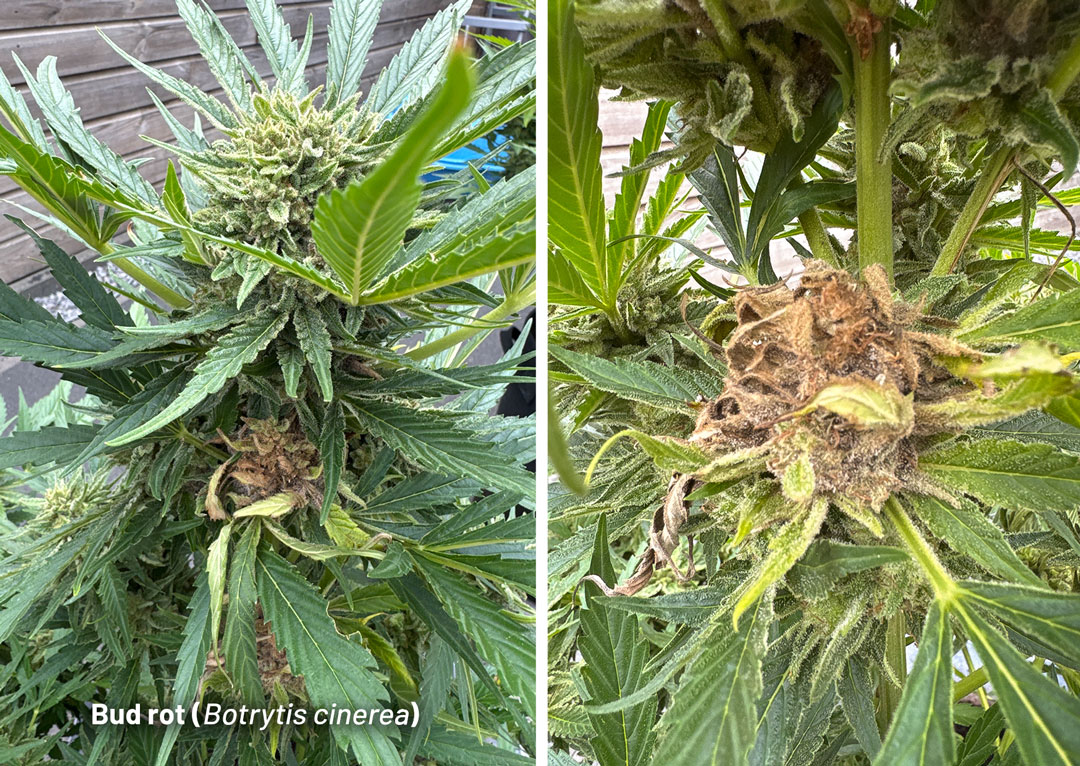
Bud rot commonly refers to flower or bud tissue that decays after infection by fungi such as Botrytis cinerea, also called gray mold. The disease can affect several flowering plants, including cannabis, ornamental flowers, and other susceptible crops. It often starts inside dense tissue, so the outer surface may look healthy while the center begins to turn brown or gray.
The best prevention plan focuses on the conditions that let the fungus thrive. Keep plants from staying wet, give leaves and flowers room to dry, inspect hidden areas, and respond quickly when symptoms appear. No single method guarantees complete protection, particularly during prolonged wet weather, but a steady routine can reduce risk and limit losses.
Bud rot is the decay of a plant’s flower or bud tissue. In many cases, Botrytis cinerea is responsible, although other pathogens can cause similar symptoms. The fungus can infect damaged or aging tissue and spread when conditions support spore germination and growth.
Botrytis produces spores that can move through the air or travel on splashing water, tools, clothing, and infected plant debris. When spores land on a suitable host and remain in favorable conditions, infection may develop. Dense flowers and tightly packed leaves can trap moisture and limit air movement, creating a favorable setting for decay.
The fungus does not need a dramatic storm to become a problem. A long period of dew, repeated light rain, or poor ventilation in a greenhouse may be enough to increase risk. Damage from insects, rough handling, or pruning can also create entry points or weaken plant tissue.
Bud rot is not caused by a single humidity reading alone. Risk depends on the host plant, temperature, how long tissue remains wet, local humidity, airflow, and the presence of a pathogen. A short humid period may not lead to disease, while repeated damp conditions can allow an infection to develop and spread.
Source: cdn.shopify.com
Excess moisture
Rain, dew, overhead watering, and condensation can keep vulnerable tissue wet for extended periods.
Poor air circulation
Crowded growth and stagnant air slow drying and can create humid pockets within the plant canopy.
Dense flowers and buds
Tightly packed tissue can hold moisture inside, where early decay is difficult to see.
Plant wounds and debris
Injuries, dead flowers, damaged leaves, and infected debris can support infection or help the pathogen persist.
Which Plants Can Develop Bud Rot?
The term is often used for cannabis flower rot, but Botrytis can also affect grapes, strawberries, tomatoes, ornamentals, and many other crops. The exact symptoms and management options depend on the host plant and the disease involved. Advice designed for one crop should not automatically be applied to another.
Cannabis
Dense flowers may hide internal decay, particularly during humid flowering periods.
Ornamental flowers
Petals, stems, and flower clusters may develop brown lesions or gray mold under damp conditions.
Fruit crops
Botrytis can cause blossom blight and fruit rot, with sanitation and moisture management tailored to each crop.
How to Prevent Bud Rot Before Symptoms Appear
The most effective approach is to make the growing area less favorable for prolonged moisture and fungal growth. Start with the location, plant spacing, watering method, and daily inspection routine. These basic steps often matter more than buying a specialized treatment after the disease appears.
Prevention works best when it begins early in the growing season. Check the garden after rain and before long periods of humid weather. In indoor spaces and greenhouses, review ventilation and condensation before flowering plants develop dense clusters.
Source: mediseedman.com
Choose a site with good airflow
Where practical, place susceptible plants where air can move freely around them. Avoid tight corners, crowded greenhouse benches, and spots where water routinely collects.
Space plants appropriately
Follow spacing guidance for the crop and variety. Leave enough room for mature leaves and branches so neighboring plants do not form a dense, damp wall.
Water at the right time
Water early enough for incidental splashes to dry during the day. Direct water toward the soil or root zone when practical, while avoiding overwatering and poor drainage.
Remove dead and damaged material
Clear away fallen flowers, decaying leaves, and other plant debris. Inspect the area around the plant, not just the visible foliage.
Check weather conditions
After rain, fog, or several damp nights, inspect susceptible plants more closely. If possible, protect vulnerable plants from repeated wetting without restricting ventilation.
Build a Simple Daily Prevention Routine
A short, consistent check is more useful than waiting for obvious damage. Look at the outer leaves, stems, flower clusters, and shaded parts of the canopy. When flowers are dense, inspect them from several angles without squeezing or tearing healthy tissue.
In the morning, look for water that remains on leaves or flowers, signs of condensation, and new brown or soft areas. Later in the day, check whether the growing area has dried and whether fans, vents, or open sides are helping air move. Record repeated problem spots so you can correct the cause instead of treating the same symptom each week.
Before watering
Check soil moisture and drainage. Do not water simply because the surface looks dry if the root zone remains wet.
After wet weather
Inspect dense growth, remove fallen debris, and look for plant sections that remain damp longer than the rest.
During flowering
Increase inspection frequency when flowers become dense or the forecast calls for repeated rain and humid nights.
Use Pruning Carefully
Selective pruning can improve airflow, but excessive pruning can injure plants and add stress. Remove dead, diseased, or badly damaged material first, and make only the additional cuts needed to reduce crowding. Use clean, sharp tools and avoid working with wet plants when you can choose a drier time.
Remove only what is needed
Follow crop-specific pruning guidance and preserve healthy growth. Large cuts can create wounds and may reduce plant vigor.
Clean tools between plants
Remove plant residue and use an appropriate tool disinfectant according to its label, especially after handling suspected infected tissue.
Control Humidity and Improve Airflow
Humidity control helps prevent bud rot by reducing condensation and shortening the time plant surfaces stay wet. The right approach differs between an outdoor garden, a greenhouse, and an indoor growing room. A single humidity target cannot suit every crop and growth stage, so use crop-specific guidance rather than treating one number as universal.
Outdoors, you cannot control the weather, but you can improve spacing, select suitable planting locations, remove debris, and avoid practices that leave foliage wet for long periods. Greenhouses and indoor spaces offer more control, but poor ventilation can still create damp pockets even when the main room feels dry.
Source: reefertilizer.com
Increase air movement
Use suitable fans indoors or in enclosed growing areas to prevent stagnant air. Aim for gentle, even circulation rather than a strong stream directed at one plant.
Ventilate when outside conditions help
Open greenhouse vents or use exhaust ventilation when doing so will lower moisture without creating other crop or temperature problems.
Watch for condensation
Check walls, roofs, windows, and leaves for water droplets. Condensation signals that moisture and temperature conditions may need attention.
Use a hygrometer
A hygrometer measures relative humidity. Place it near the plant canopy and compare readings over time, rather than relying only on a sensor near a doorway.
Manage irrigation
Avoid excess water in containers and beds. Ensure drainage holes remain clear and irrigation schedules match the plant’s actual needs.
How Should You Manage Humidity Indoors?
Measure both temperature and relative humidity because they affect moisture behavior together. Check conditions at plant height and at different times of day. A room can have an acceptable average reading while dense foliage still holds moisture.
Use ventilation, suitable air circulation, and a properly sized dehumidifier when needed. A dehumidifier can help remove moisture from the air, but it cannot correct waterlogged soil, leaking irrigation, or a badly overcrowded canopy on its own. Keep electrical equipment away from water and follow the manufacturer’s installation and operating instructions.
Track changes over time
Record readings during the dampest part of the night and early morning, when condensation may be most likely.
Check hidden areas
Inspect the center of dense plants, areas behind equipment, and corners where air movement is weak.
Avoid overreliance on fans
Fans move air but do not necessarily remove water vapor. Pair circulation with ventilation or moisture removal when required.
What Can Outdoor Gardeners Do During Rainy Weather?
Outdoor growers cannot stop humidity or prevent every shower. They can reduce avoidable exposure by using well-drained sites, allowing enough space between plants, and choosing weather-tolerant varieties suited to the local climate. A temporary rain shelter may help some crops, but it must allow airflow and should not trap warm, moist air around the plants.
Prepare before storms
Secure suitable covers, clear drainage channels, and remove debris that could block air movement.
Inspect after rain
Look for damaged flowers, lodged branches, and water trapped within dense growth.
Avoid handling wet plants unnecessarily
Wet tissue is more easily damaged, and working among infected plants can spread contaminated material.
Recognize the Early Signs of Bud Rot
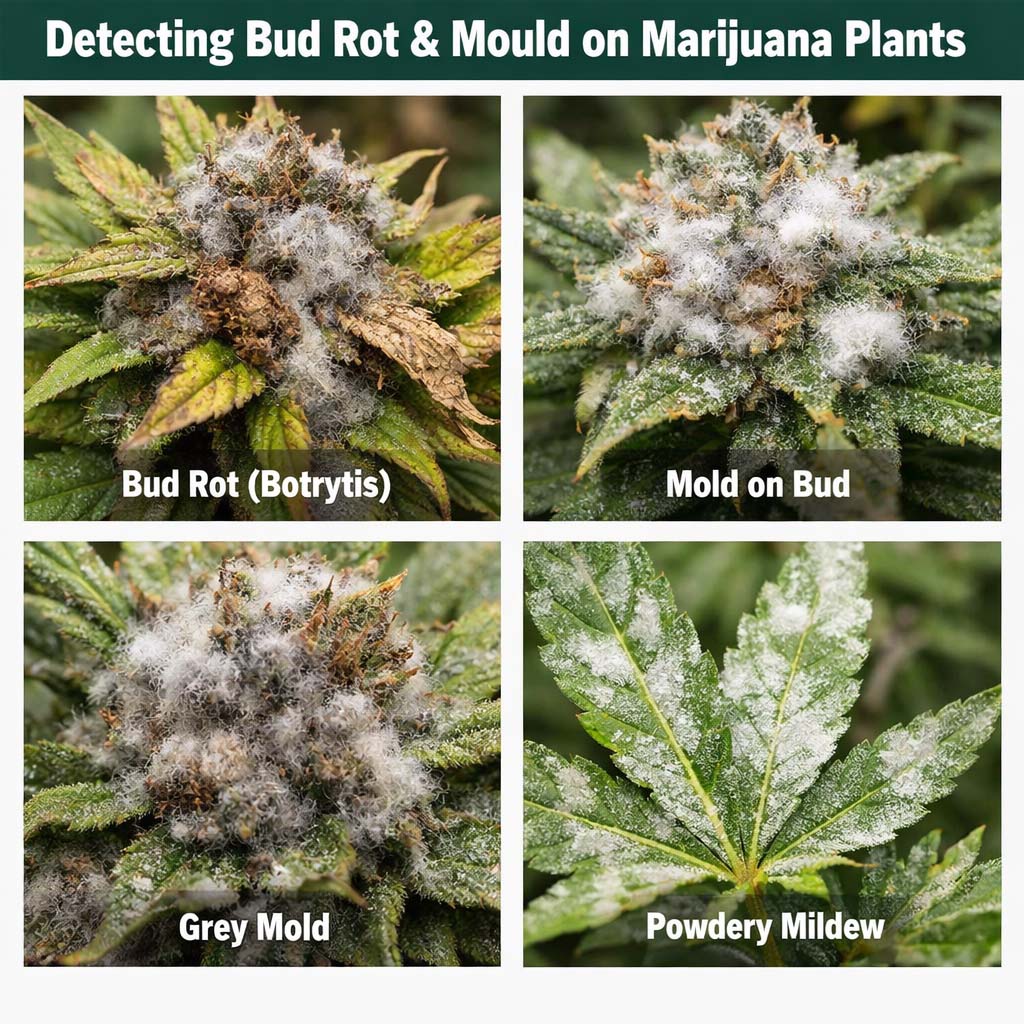
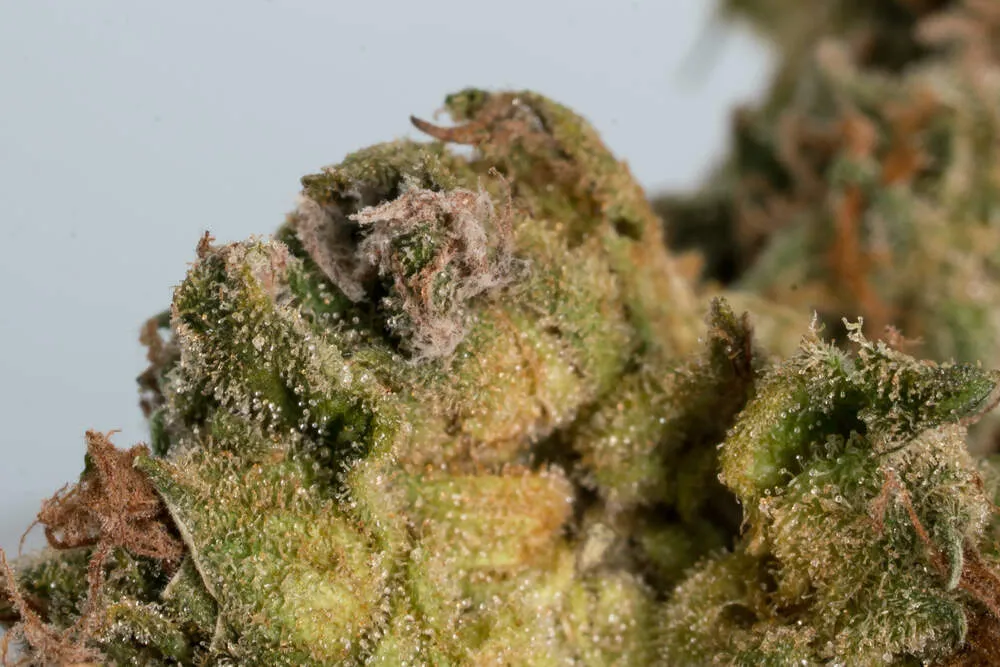
Early detection can limit the amount of plant tissue lost. Look for localized discoloration, soft or collapsing tissue, and mold growth. Bud rot may begin inside a dense flower or cluster, so an apparently healthy outer surface does not rule out infection.
The first visible sign is not always gray mold. Infected tissue may become pale, yellow, tan, or brown before a fuzzy gray coating develops. Leaves near an affected flower may wilt or change color even when the rest of the plant appears healthy.
Source: cropkingseeds.com
Brown or tan tissue
A small area of discoloration within a flower or bud may indicate decay, especially if it spreads or the tissue becomes soft.
Gray, fuzzy growth
A dusty or fuzzy gray coating can be a sign of Botrytis, although visual inspection alone cannot confirm the pathogen.
Unexpected wilting
Leaves attached to a localized damaged flower or branch may droop or die despite adequate water.
Soft or collapsing tissue
Healthy plant tissue usually retains its normal structure. Mushy, brittle, or decaying tissue deserves close inspection.
A musty smell
A damp, moldy odor may accompany decay, but smell alone cannot identify the fungus or determine whether material is safe.
How to Inspect Dense Flowers Safely
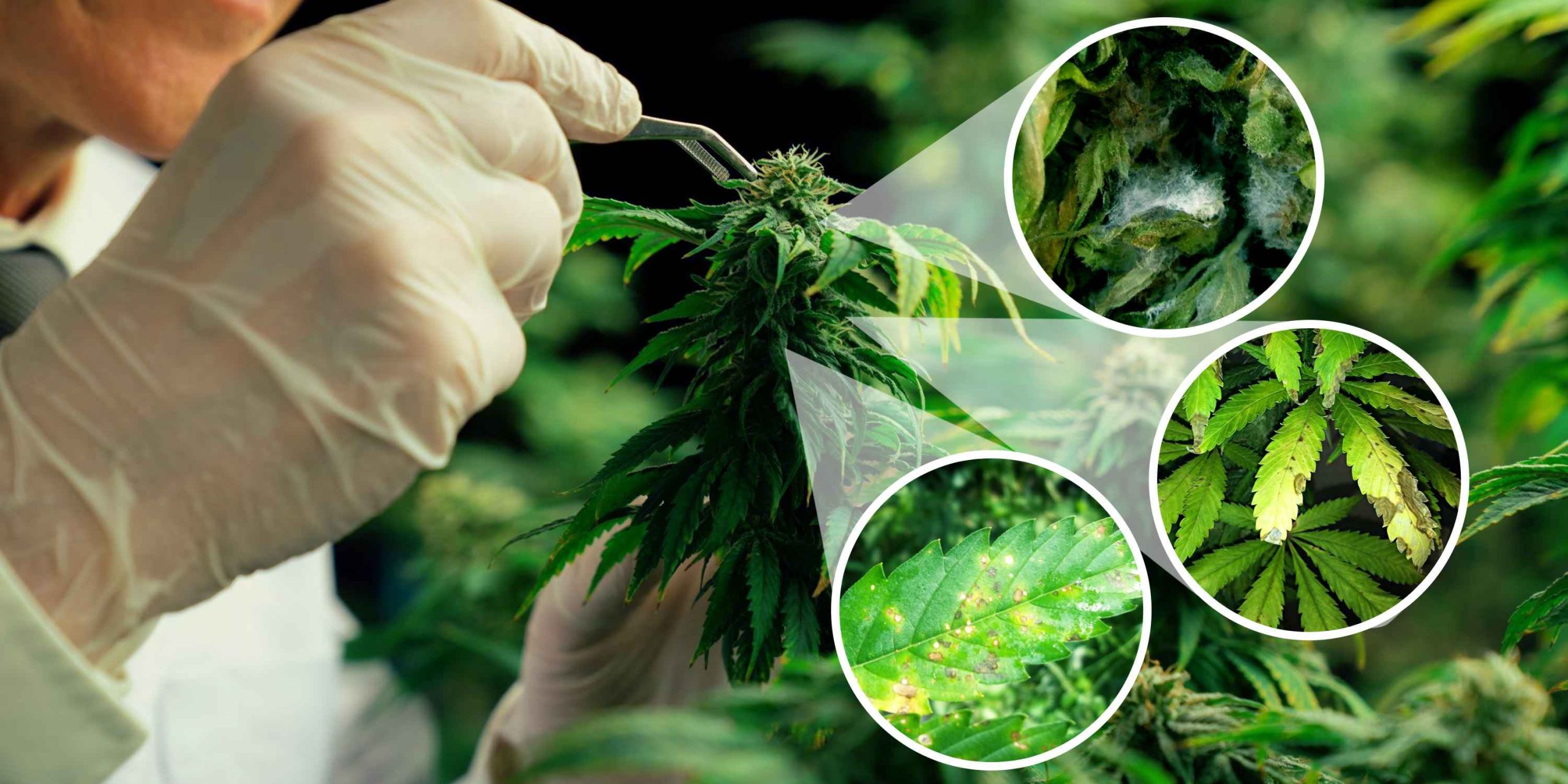
Begin with a visual check before touching suspicious tissue. Look into natural openings between flower parts and examine the base of the flower cluster. If you find a discolored area, avoid shaking, squeezing, or brushing it because this can dislodge spores or damage nearby tissue.
If identification matters for crop management, contact a local Cooperative Extension office or plant diagnostic laboratory. Several diseases and noninfectious problems can resemble bud rot, and laboratory diagnosis may be needed when symptoms are unusual or widespread.
Use clean tools
Do not move pruning tools directly from a suspect plant to a healthy one without cleaning them.
Avoid inhaling spores
Do not deliberately sniff or disturb moldy material. People with asthma, mold allergies, or weakened immune systems should avoid handling mold.
Mark affected areas
Keep track of affected plants and locations so you can determine whether the problem is spreading.
What to Do If You Find Bud Rot
When you find suspected bud rot, isolate the problem area and prevent unnecessary contact with healthy plants. The next step depends on the crop, the extent of the damage, and whether the material is intended for food, ornamental use, or another purpose. Do not assume that a plant can be made safe simply by cutting away the part that looks moldy.
For ordinary garden and ornamental plants, removing a small, clearly infected section may help limit local spread when the disease is confirmed or strongly suspected. Use clean tools, contain the removed material, and avoid leaving infected debris on the ground. If a large part of the plant is affected, removal of the whole plant may be the more practical disease-management choice.
Source: static.wixstatic.com
Stop handling the affected area
Avoid shaking the plant or moving through healthy plants with contaminated gloves and tools.
Remove infected tissue when appropriate
For susceptible ornamental or garden plants, use clean tools to remove confirmed infected tissue, cutting into apparently healthy tissue as recommended for that crop.
Contain plant waste
Place infected material in a suitable bag or covered waste container. Follow local waste rules rather than assuming all plant waste can be burned or discarded anywhere.
Clean equipment
Remove organic debris from tools and disinfect them using a product and contact time appropriate for the equipment.
Correct the cause
Review drainage, watering, spacing, condensation, and ventilation so the same conditions do not persist.
Can You Save a Plant With Bud Rot?
A plant with one small affected area may remain viable if the problem is limited and the crop can tolerate removal of diseased tissue. However, apparent recovery does not prove that every part is free from infection. Check nearby flowers and stems, then continue monitoring during damp weather.
If the disease is widespread, repeatedly returns, or affects a crop whose edible or inhaled material may be contaminated, the safest decision may be to discard the affected crop. For valuable plants or uncertain diagnoses, seek advice from a local Extension specialist or plant pathologist.
Limited symptoms
Remove affected tissue when appropriate, improve growing conditions, and monitor the plant closely.
Widespread decay
Consider removing the plant or affected crop to limit further spread and avoid using contaminated material.
Repeated infection
Investigate persistent moisture, poor airflow, susceptible varieties, and possible misidentification of the disease.
Is Moldy Plant Material Safe to Use?
Do not eat or smoke plant material that is visibly moldy or suspected of being contaminated with bud rot. Trimming away the visible mold does not reliably remove fungal growth, spores, or any potentially harmful substances elsewhere in the material. Washing, drying, heating, or processing should not be treated as a guaranteed way to make contaminated plant material safe.
People with asthma, allergies, or weakened immune systems may be especially vulnerable to mold exposure. Avoid inhaling spores, and seek medical advice if significant exposure causes breathing problems or other concerning symptoms.
Do not salvage visibly moldy flowers for consumption
Discard contaminated material according to applicable local rules and avoid using it in food, smoking products, or other inhaled products.
Do not spread the contamination
Keep suspect material contained and clean surfaces and tools that contacted it.
Do Fungicides Prevent Bud Rot?
Some fungicides can help manage Botrytis on specific crops, but their effectiveness depends on the active ingredient, application timing, disease pressure, and local pathogen sensitivity. A fungicide cannot reliably rescue tissue that has already rotted, and spraying does not replace proper airflow, sanitation, or moisture control.
Before using a product, check its label for the named plant, disease, application site, permitted use, protective equipment, reentry interval, and any preharvest interval. In the United States, pesticide labels are legally binding, and a product approved for ornamental plants is not automatically suitable for food crops or cannabis. Always follow federal and state requirements.
Source: drygair.com
Confirm the disease
Make sure the symptoms are consistent with the disease named on the product label. Seek a diagnosis if the problem is unclear.
Check legal crop use
Use only products whose labeling permits the specific crop and application. Do not infer permission from a product’s general antifungal claims.
Follow application directions
Use the labeled dose, protective gear, application method, and timing. Never increase the dose or mix products unless the label permits it.
Consider resistance management
Where fungicides are appropriate, follow label directions for rotating modes of action and limiting repeated use to help reduce resistance risk.
Why Prevention Must Come First
Fungicides generally work best as part of an integrated disease-management plan. Depending on the product, they may protect uninfected tissue or limit new infections, but they often have little effect on established decay inside a dense flower. A spray can also fail to reach hidden tissue.
Some products may damage sensitive plants or leave residues when used incorrectly. For edible crops and crops intended for inhalation, never rely on an ornamental-use label or an unverified online recipe. When legal crop-specific options are limited, focus on sanitation, environmental control, and safe disposal.
Avoid unapproved home remedies
Household bleach, concentrated alcohol, dish soap mixtures, and other improvised sprays can injure plants and may create health risks.
Do not spray visibly moldy flowers as a cure
Chemical treatment cannot be assumed to remove contamination or make affected plant material safe to consume.
Common Bud Rot Prevention Mistakes
Many prevention failures happen because growers focus on one visible factor and overlook the rest. A fan cannot solve every humidity problem, and a dry-looking flower may still contain decaying tissue. Consistent monitoring and several complementary practices provide better protection than a single fix.
Source: msnlseeds.com
Relying on one humidity reading
Relative humidity varies by location and time. Measure near the plant canopy and look for condensation and prolonged wetness as well as high readings.
Watering too late in the day
Late watering may leave some foliage wet overnight, depending on the method and conditions. Adjust timing so incidental moisture can dry sooner.
Crowding plants to save space
Overcrowding reduces airflow and can make early symptoms harder to spot. Use spacing suitable for the mature size of the crop.
Ignoring the inside of dense flowers
Surface checks alone may miss decay inside tightly packed tissue. Inspect carefully without tearing or squeezing healthy growth.
Keeping infected debris nearby
Dead and diseased plant matter can support fungal growth. Remove it promptly and clean the growing area.
Assuming more fertilizer means healthier plants
Excess fertilizer can harm plant roots and tissue, while nutrient stress can complicate diagnosis. Follow crop-specific feeding guidance instead of adding nutrients to treat a fungal disease.
Using a fungicide without checking its label
The wrong product or application can damage plants, expose people to hazards, or violate pesticide rules. Verify the crop and use site before applying any treatment.
A Practical Prevention Checklist
Use this checklist during periods of wet weather or heavy flowering. It is designed to catch the most common sources of risk before symptoms become widespread.
Daily
Inspect susceptible flowers and leaves, check for lingering water, and remove newly fallen debris.
After rain or fog
Look for trapped moisture, damaged tissue, and areas where plants remain wet longer than expected.
Weekly
Review spacing, ventilation, drainage, and equipment performance. Clean tools and growing surfaces as needed.
When symptoms appear
Limit handling, remove affected tissue where appropriate, contain waste, and seek a reliable diagnosis if uncertainty remains.
How Climate and Growing Conditions Change the Risk
Bud rot risk changes with local weather, crop structure, and the growing environment. In the United States, gardeners in humid southeastern states may face repeated warm, wet periods, while growers in cooler regions may deal with persistent dew and slow drying. Dry climates can still experience problems in dense indoor rooms or after unusual periods of rain.
A good prevention plan responds to the actual conditions around the plant instead of relying on broad regional labels. Check the forecast, measure conditions where the plant grows, and adjust irrigation, airflow, and inspection frequency as needed.
Humid outdoor gardens
Prioritize spacing, drainage, prompt removal of infected debris, and close inspection after wet weather.
Cool or foggy areas
Watch for prolonged dew and slow drying, especially in sheltered spots with limited sunlight and airflow.
Greenhouses
Monitor condensation, vent when conditions permit, and avoid dense plant arrangements that trap moisture.
Indoor growing spaces
Use environmental sensors, suitable ventilation, and moisture removal where needed. Check hidden canopy areas rather than relying on room averages.
Should You Choose a More Resistant Variety?
Where reliable crop-specific information is available, choosing a variety with documented tolerance to Botrytis or the relevant disease can reduce risk. Resistance is not immunity, and results can vary with local pathogen populations and growing conditions.
Consider mature plant size, flower density, local climate, and disease information from university Extension services or reputable crop advisers. Do not rely on a seller’s general claim that a variety is mold-proof unless credible evidence supports that specific claim.
Check local performance data
Look for information relevant to the crop and growing region rather than broad claims without trial details.
Match plants to the site
Select plants that suit the local season, available space, and expected moisture conditions.
Frequently Asked Questions
Q
What is the fastest way to prevent bud rot?
Start by reducing prolonged moisture and improving airflow. Space plants properly, avoid unnecessary overhead watering, remove dead plant debris, and inspect dense flowers after rain or humid nights. These steps reduce favorable conditions, although no method can guarantee complete prevention.
Q
Does bud rot spread from one plant to another?
Yes, the fungi that cause bud rot can spread through airborne spores, water splash, contaminated tools, and infected plant debris. The rate of spread depends on the pathogen, susceptible plants, and environmental conditions. Isolating affected material, cleaning tools, and reducing prolonged moisture can help limit further infection.
Q
Can bud rot develop even when humidity seems low?
Yes. A sensor may not capture the moisture conditions inside a dense flower or at a cool surface where condensation forms. Localized wetness, poor airflow, and earlier periods of high humidity can contribute to infection. Check several areas of the canopy and look for water droplets and slow drying, not just one room reading.
Q
Can you remove the moldy part and use the rest of the flower?
No. Visible mold may not show the full extent of contamination, and trimming cannot reliably make affected flowers safe to eat or smoke. Do not consume or inhale material suspected of having bud rot. Contain and discard it according to applicable local rules.
Q
Will a fan alone stop bud rot?
No. A fan can improve air movement and help surfaces dry, but it may not lower the amount of water vapor in an enclosed space. Combine suitable circulation with ventilation, moisture control, good spacing, sanitation, and regular inspections.
Q
When should I contact a plant disease specialist?
Seek help when symptoms spread quickly, the diagnosis is uncertain, repeated infections occur despite changes in growing conditions, or the crop has significant financial or food-safety value. A local university Cooperative Extension office or plant diagnostic laboratory may help identify the disease and recommend crop-specific management.
✦ Wrapping Up
Conclusion
Preventing bud rot starts with a simple goal: keep susceptible plant tissue from staying wet for too long. Good airflow, suitable spacing, careful watering, clean growing areas, and frequent inspections all help reduce the conditions that favor fungal growth. These habits are useful across many gardens, although the exact methods should fit the crop and local climate.
If you find brown, soft, or moldy tissue, act carefully. Limit contact with affected material, remove infected sections when appropriate, clean tools, and correct the moisture problem that may have allowed the disease to develop. When the diagnosis is unclear or the crop may be unsafe to consume, seek qualified advice instead of relying on appearance alone.
💡 Key Takeaway
Today, inspect your plants for hidden brown or soft tissue, clear away dead debris, check drainage and airflow, and review the next few days of weather. If you grow plants indoors, measure humidity near the canopy and look for condensation. Keep visibly moldy material out of food and inhaled products, and use crop-specific guidance whenever treatment decisions are needed.
I enjoy sharing simple gardening ideas, lawn care tips, and honest product reviews that help make outdoor work easier. From home gardening guides to helpful tools and lawn care advice, I write easy-to-follow content to help readers create a healthier and better-looking outdoor space without wasting time or money.