As an Amazon Associate, I earn from qualifying purchases.
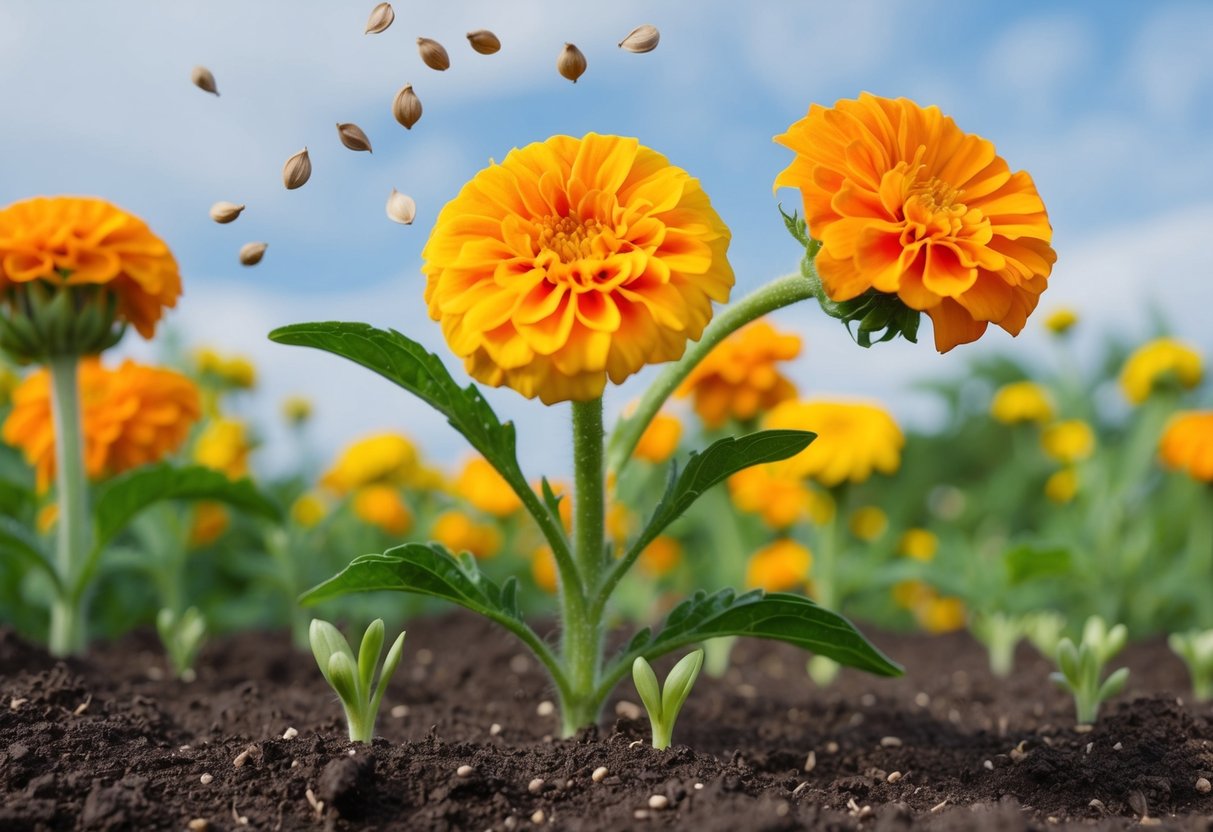
Most garden marigolds do not survive winter and return as the same plant. However, they may grow again from dropped seeds, and a few less common species are perennial in suitable climates.
Across the United States, marigolds bring bright shades of yellow, orange, and gold to flower beds, vegetable gardens, porch pots, and mailbox borders. Gardeners often plant them in spring after the danger of frost has passed. When autumn arrives and the first cold nights turn their leaves brown, many wonder whether those cheerful flowers will return next year.
The answer depends on the kind of marigold you grow, your local winter weather, and whether the plant leaves viable seeds behind. Common French marigolds and African marigolds are usually grown as annuals, which means they complete their life cycle in one growing season. Some plants drop seeds that sprout in spring, so a new crop can appear without another trip to the garden center.
This guide explains which marigolds return, how self-seeding works, and what you can do to enjoy another season of blooms. It also covers winter care, seed saving, common growing problems, and the differences between annual marigolds and true perennial species.
Most marigolds grown in American home gardens do not come back as the same plant each year. They are annual flowers, which means they complete their life cycle in one growing season. After flowering, they produce seeds and eventually die, especially when frost arrives.
However, marigolds can appear in the same garden the following spring. This usually happens when seeds from the previous season remain in the soil through winter and germinate when temperatures become favorable. The new plants can look much like the old ones, even though they grew from seeds rather than from surviving roots.
The distinction matters when you plan your flower beds. If you want the same plants to survive year after year, most common marigolds will disappoint you. If you are happy to let nature sow some seeds, you may see a fresh group of flowers with very little effort.
Source: storage.googleapis.com
The original plant
Most French and African marigolds die after their growing season or when exposed to damaging frost.
New plants from seeds
Seeds left by mature flowers may sprout during a later growing season when moisture, warmth, and light conditions are suitable.
True perennial species
Some less common marigold relatives and species can live for multiple years in suitable climates, but they are not the typical bedding marigolds sold in spring.
Annuals Versus Perennials
An annual completes its life cycle in one growing season. It grows from seed, develops leaves and flowers, makes seeds, and dies. Common French marigolds, Tagetes patula, and African marigolds, Tagetes erecta, are generally grown this way.
A perennial can live for more than two years. Depending on the species, its roots or stems may survive an unfavorable season and send up new growth when conditions improve. Some perennial plants lose their aboveground growth during cold or dry periods while their roots remain alive.
Marigold names can cause confusion because several plants share the common name. Before expecting a marigold to survive winter, check its botanical name and growing requirements rather than relying on the word marigold alone.
Annual marigolds
Best treated as seasonal flowers that need new seeds or plants for the next growing season.
Perennial marigolds
May return from living roots in regions where local temperatures and growing conditions suit the particular species.
Which Types of Marigolds Come Back?
The type of marigold is the first thing to check when you want flowers to return each year. Most plants sold as French or African marigolds are annuals, while some other plants called marigolds have different growth habits. A plant’s botanical name offers a more reliable clue than its common name.
In most US gardens, the familiar bedding varieties will not survive a freezing winter as living plants. In warmer parts of the country, some may flower for longer because frost arrives late or rarely occurs. Even there, an annual can eventually decline after completing its life cycle.
Source: dopegardening.com
French marigolds
Tagetes patula produces compact plants with small to medium flowers. It is usually grown as an annual and often self-seeds when mature flowers remain on the plant.
African marigolds
Tagetes erecta produces larger blooms and taller plants in many varieties. It is also generally an annual, even in places with long, warm growing seasons.
Signet marigolds
Tagetes tenuifolia has fine, divided leaves and small flowers. It is usually grown as an annual, but it can drop seeds that produce new plants later.
Perennial species called marigolds
Some plants with marigold in their common name can live for multiple years. Their hardiness varies, so identify the exact species and check its climate needs before planting.
Are French Marigolds Perennials?
No, French marigolds are generally annuals. They grow during the warm season, bloom repeatedly under good conditions, and produce seeds before they die. Their compact size makes them popular in borders, containers, and the edges of vegetable beds.
If French marigolds appear in the same spot the following year, they most likely grew from fallen seeds. These seedlings may not look exactly like the parent plant, particularly if the original variety was a hybrid. You can keep the strongest seedlings or remove them if they appear where you do not want flowers.
How to recognize returning seedlings
Look for small pairs of young leaves and the first true leaves near last year’s planting area once spring conditions become warm enough.
Are African Marigolds Perennials?
African marigolds are also usually grown as annuals. Their large flower heads and upright growth make them useful for summer displays, but these features do not make them winter-hardy. A light frost can damage flowers and leaves, while a hard freeze can kill the plant.
In a frost-free location, an African marigold may remain alive longer than one in a cold northern garden. That does not mean every plant will live for several years. Its natural life cycle, growing conditions, disease, and heat stress still affect how long it lasts.
Practical advice
Plan to grow African marigolds as seasonal plants unless the specific cultivar or species is documented as perennial.
Why Marigolds May Appear Again in Spring
Marigolds can return to a garden through self-seeding. This happens when flowers mature, form seeds, and release them onto the soil. If those seeds remain viable and conditions are right, they may sprout during a later growing season.
Self-seeding is one reason a garden can look familiar from year to year without the original plants surviving. The new seedlings may emerge around the old planting holes, along a sunny border, or in cracks near a patio. They may also appear in unexpected places after rain, wind, or soil movement carries seeds away from their original spot.
Not every marigold produces enough viable seeds to create a new crop. Some flowers are removed before they mature, while other seeds are eaten, decay, or fail to germinate. Weather, soil moisture, competition, and the type of marigold all affect the result.
Source: storage.googleapis.com
How Self-Seeding Works
After a marigold flower fades, the flower head may develop a cluster of long, narrow seeds. When the seed head dries, the seeds can fall to the ground. Some remain near the parent plant, while others may be moved by wind, water, garden tools, or loose soil.
A seed needs the right mix of warmth, moisture, oxygen, and other conditions to germinate. If it sprouts too early during a warm spell and cold weather returns, the young plant may die. Seeds that remain dormant until conditions improve have a better chance of establishing themselves.
Self-seeding is not guaranteed, so treat it as a helpful bonus rather than a dependable replacement for planting. If you want a neat and predictable display, collect seeds and sow them where you want flowers.
Leave a few flower heads
Allow selected blooms to fade and dry naturally so the plant can form mature seeds.
Avoid disturbing every seed
Leave some seed heads in place or gently scatter mature seeds over suitable soil.
Watch for seedlings
Check the planting area during the next warm growing season, then thin crowded seedlings if needed.
Will Self-Seeded Marigolds Look the Same?
Not always. Seeds from open-pollinated varieties often produce plants with similar traits, though small differences can still occur. Seeds from hybrid marigolds may produce offspring with different flower colors, sizes, shapes, or growth habits.
Cross-pollination can also affect the next generation when different varieties grow near each other. If you want a uniform bed with a specific flower color or height, buy seeds from a reliable source or keep plants separated when practical. If you enjoy surprises, self-seeding can add variety to an informal garden.
For predictable results
Use fresh seeds from a named variety and follow the packet’s planting directions.
For a natural garden
Allow suitable seedlings to grow and remove those that are weak, crowded, or poorly placed.
Can Marigolds Survive Winter Outdoors?
Most common garden marigolds cannot reliably survive a freezing winter outdoors. Their leaves and flowers are sensitive to frost, and a hard freeze can kill the entire plant. Once the growing season ends, it is usually better to save seeds or plan for new plants than to expect the old marigolds to return.
The risk depends on your local climate. Gardeners in northern states often face an early end to the growing season, while parts of the southern United States may have much milder winters. Even in warm regions, an annual marigold may eventually decline because of age, stress, or disease.
A plant that looks dead after a cold snap should not be assumed to be dormant. Annual marigolds generally do not have the same winter survival strategy as hardy perennials. If the plant is a known perennial species, check its specific hardiness range before deciding whether to remove it.
Source: pngland.com
What Frost Does to Marigolds
Frost can damage tender plant tissue by causing water within and around cells to freeze. Leaves may become dark, limp, or water-soaked, and flowers often lose their color and shape. After a hard freeze, the stem and roots of a common annual marigold may also be dead.
Do not judge survival only by the top of the plant if you are growing a species known to be perennial. Wait until conditions are suitable and check for healthy growth at the base, but do not expect ordinary French or African marigolds to regrow after a severe freeze.
Light frost
May damage exposed flowers and foliage, especially when temperatures fall below freezing.
Hard freeze
Can kill common annual marigolds and end their outdoor growing season.
Mild winter
May allow some marigolds to flower longer, but it does not turn an annual into a true perennial.
Can You Bring Marigolds Indoors for Winter?
You can try growing a healthy marigold indoors before frost arrives, but success depends on light, temperature, space, and plant health. A sunny window may not provide enough light for strong growth, especially during short winter days. A suitable grow light can help, but indoor care does not guarantee that the plant will remain attractive until spring.
Inspect the plant for insects before bringing it inside. Wash the pot and check the leaves, stems, and soil surface for pests. Keep the plant away from other houseplants at first so you can spot any pest problems before they spread.
For most gardeners, collecting seeds is simpler than keeping an annual marigold alive indoors all winter. Seeds take up little space, and sowing new plants in spring gives you a fresh start.
Choose a healthy plant
Avoid bringing in plants with severe disease, heavy pest infestations, or extensive frost damage.
Provide bright light
Place the plant in a bright location and use supplemental lighting if natural light is insufficient.
Water with care
Let excess water drain and avoid keeping the potting mix constantly wet.
How to Get Marigolds to Grow Again Next Year
The most dependable way to grow marigolds again next year is to save mature seeds or buy fresh ones. You can also leave a few flowers on the plant and allow nature to handle the sowing. Both methods work best when seeds mature fully and remain dry until you are ready to plant them.
You do not need special equipment to save marigold seeds. A healthy plant, a few mature flower heads, a paper envelope, and a cool, dry storage spot are usually enough. Labeling the envelope with the variety and collection date helps you keep track of what you have saved.
Source: pngland.com
Step 1: Choose Healthy Plants
Select vigorous marigolds that have produced healthy leaves and flowers. Avoid collecting seeds from plants with serious disease symptoms or heavy pest damage. If you want to preserve a certain flower color, choose a plant with the traits you like, while remembering that hybrid offspring may not match the parent.
Look for strong growth
Choose plants with sturdy stems, healthy foliage, and flowers that match your garden goals.
Step 2: Let Flower Heads Mature
Leave several flowers on the plant after their petals fade. The seed heads should dry and turn brown rather than remaining soft and green. Seeds collected too early may not be fully mature and may fail to germinate.
If rainy weather threatens mature seed heads, you can cut them and finish drying them indoors in a dry, airy place. Keep the heads away from damp surfaces and check them regularly for mold.
Wait for dryness
Dry flower heads are usually easier to open, and their seeds are easier to separate.
Step 3: Collect and Clean the Seeds
Hold a dry flower head over a clean surface and gently pull it apart. Marigold seeds are long, narrow, and often dark at one end, with a lighter tip. Remove loose petals and bits of flower tissue, but handle the seeds gently so they remain intact.
Spread the seeds in a single layer for a short final drying period if needed. Do not seal seeds that still feel damp in an airtight container because trapped moisture can encourage mold.
Keep varieties labeled
Write the plant variety or flower description on the storage envelope as soon as you collect the seeds.
Step 4: Store Seeds Properly
Place fully dry seeds in a paper envelope or another suitable dry storage container. Keep them in a cool, dry, dark place away from heat and moisture. A cupboard in a stable indoor environment is often more suitable than a hot shed or a damp garage.
Seed life varies with maturity, storage conditions, and the variety. Older seeds may still germinate, but their success can decline over time. If you are unsure whether saved seeds remain viable, test a small batch on a damp paper towel before sowing the full amount.
Avoid damp storage
Moisture can cause seeds to mold or begin germinating before planting time.
Use a clear label
Record the variety and collection date so you can identify the seeds when spring arrives.
Step 5: Sow Seeds at the Right Time
In much of the United States, gardeners sow marigolds after the last expected spring frost or start them indoors a few weeks earlier. The exact timing depends on the local climate and the variety. Follow the seed packet for planting depth, spacing, and expected germination conditions.
Marigolds generally grow best in warm soil and a sunny spot. Keep the seedbed lightly moist while the seeds germinate, but do not leave it waterlogged. Once seedlings have developed true leaves, thin crowded plants so each one has enough room to grow.
Check local frost dates
Use local extension guidance or regional gardening resources to estimate when outdoor sowing is suitable.
How to Care for Marigolds During the Growing Season
Healthy marigolds are more likely to produce plenty of flowers and mature seeds. They usually need a sunny location, soil that drains well, and regular but not excessive water. You do not need a complicated care routine to grow a colorful display.
The best approach is to match care to your climate and soil. A marigold in a hot, dry container may need water more often than one planted in a garden bed with moisture-retaining soil. Check the plant and the soil rather than following a rigid watering schedule.
Source: pngland.com
Choose a Sunny Planting Spot
Most common garden marigolds bloom best in full sun, generally meaning around six or more hours of direct sunlight per day. Too much shade can lead to weaker stems and fewer flowers. In areas with intense summer heat, some afternoon shade may help reduce stress, although flowering can change with the amount of light.
For garden beds
Choose an open area that receives ample sun and has good drainage.
For containers
Place pots where they receive strong light, and move them if the plants become stretched or produce few blooms.
Water Without Overwatering
Water marigolds when the soil begins to dry, adjusting for heat, rainfall, pot size, and soil type. Water near the base when possible so the roots receive moisture without repeatedly wetting the foliage. Containers often dry faster than in-ground beds, especially during hot summer weather.
Overwatering can deprive roots of oxygen and encourage root problems. Soil that stays soggy for long periods is a warning sign, particularly if leaves turn yellow or the plant begins to wilt despite wet soil. Improve drainage and adjust watering before adding more water.
Check the soil first
Feel the upper layer of soil before watering, and check container drainage holes.
Water deeply when needed
Aim to moisten the root zone rather than giving frequent, shallow splashes.
Use Well-Drained Soil
Marigolds grow in many ordinary garden soils as long as excess water can drain away. Very heavy soil that stays wet can damage roots, while extremely sandy soil may dry quickly and need more frequent watering. Adding suitable organic matter can improve soil structure, depending on the starting conditions.
Avoid giving marigolds excessive nitrogen fertilizer. Too much nitrogen can encourage leafy growth at the expense of flowers. If your soil is reasonably fertile, a heavy feeding program may not be needed.
Improve drainage
Use a raised bed or suitable container with drainage holes when the garden soil remains wet for too long.
Feed only when needed
Follow a soil-based approach and the fertilizer label rather than assuming more fertilizer means more blooms.
Remove Old Flowers or Save Them for Seeds
Removing faded flowers, a practice called deadheading, can encourage many marigolds to produce more blooms. It also keeps the plants looking tidy. However, deadheading every flower prevents those flowers from maturing into seeds.
You can balance both goals by removing most faded blooms while leaving a few healthy ones to form seed heads. This approach can extend flowering during the season and still provide seeds for the next year.
For more flowers
Remove faded flower heads before they develop mature seeds.
For future plants
Leave selected flower heads until they dry and produce mature seeds.
Common Reasons Marigolds Do Not Return
Even when you leave flowers to produce seeds, marigolds may not appear the next year. Seeds need to remain viable and encounter suitable growing conditions. A bare patch does not necessarily mean you did something wrong.
Look at how the previous plants were cared for and what happened to their seed heads. If flowers were removed before seeds matured, or the planting area was heavily disturbed, there may be few seeds left to germinate. Cold, excess moisture, drought, and competition from weeds can also affect seedling survival.
Source: shuncy.com
The flowers were deadheaded
Removing every faded bloom before seeds mature prevents the plant from leaving a natural seed supply.
Seeds were not mature
Green, immature seed heads may not contain fully developed seeds capable of successful germination.
The soil stayed too wet
Excess moisture can cause seeds to decay or young seedlings to develop problems.
The seedbed was disturbed
Digging, heavy mulching, or repeated cultivation can move seeds or make conditions less suitable for germination.
Young seedlings were removed
A gardener may mistake new marigold seedlings for weeds and pull them before they can develop.
Weather was unsuitable
A cold spell, dry period, or poorly timed warm spell followed by frost can prevent seedlings from establishing.
How to Troubleshoot Missing Marigolds
Start by checking whether mature seed heads were left on the plants last season. If not, sow saved or fresh seeds instead of waiting for natural regrowth. If seeds were left, check the area after the soil warms and moisture conditions become suitable.
Next, look at the soil surface. A thick layer of mulch can make it harder for some seeds to reach the light and conditions they need, while compacted or waterlogged soil can hinder growth. Gently clear a small patch of soil and sow a few seeds as a simple test.
If the test seeds germinate but natural seedlings do not appear, the problem may be seed supply, seed maturity, or conditions where the old seeds landed. If neither group germinates, review temperature, moisture, planting depth, and seed viability.
Test a small area
Sow a few seeds according to the packet directions to find out whether the soil and weather support germination.
Avoid disturbing the whole bed
Make small changes first so you can see which conditions help the seedlings emerge.
Should You Leave Marigolds in the Ground After Frost?
Once frost has killed your annual marigolds, you can remove the dead plants or leave a few seed heads in place until they dry. The best choice depends on whether you want a tidy garden, natural reseeding, or seeds to collect by hand. There is no need to keep dead stems standing if they are diseased or attracting unwanted pests.
If you want self-seeded plants, leave a few healthy seed heads until they mature. Then allow seeds to fall naturally or collect them for storage. If you prefer a clean bed, remove the spent plants after checking for mature seeds and place healthy, disease-free plant material in your compost system if appropriate.
Do not compost plants with serious disease problems unless your composting method can reliably manage the affected material. A typical cool home compost pile may not reach conditions that destroy every plant pathogen. When in doubt, follow local waste guidance for diseased garden debris.
Source: gardentruth.com
When to Remove Old Plants
Remove dead annual marigolds when they no longer have healthy growth and you have finished collecting any seeds you want. Cut the stems near the soil line or pull the plants gently if the roots come out easily. Avoid damaging nearby perennials or seedlings that you want to keep.
If the plants remain healthy in a frost-free climate, you can continue caring for them while they flower. Watch for declining growth, disease, or heat stress rather than removing a plant simply because the calendar says autumn has arrived.
Keep the area tidy
Remove dead or diseased plants when they no longer serve a purpose in the bed.
Preserve seeds first
Collect mature seed heads before discarding plants if you want to grow the same type again.
Marigolds in Different US Climates
Your local climate changes how long marigolds flower and whether they can reseed successfully, but it does not change the usual annual life cycle of common garden varieties. Frost dates, winter temperatures, summer heat, rainfall, and soil drainage all affect results. Use local growing guidance to decide when to plant and whether natural reseeding is likely to work in your yard.
In colder northern states, marigolds usually grow through spring, summer, and early fall before frost ends the season. Saving seeds is often the simplest way to prepare for the next year. In warmer southern areas, the plants may flower longer, and seeds may have a greater chance of surviving until favorable conditions return.
In hot, humid regions, drainage and airflow can be especially useful because wet foliage and crowded plants may develop disease problems. In dry areas, young seedlings need enough moisture to establish, even when mature marigolds can tolerate short periods of less-than-ideal conditions. No single regional rule replaces the needs of the specific variety and planting site.
Source: pngland.com
Cold-winter regions
Expect common marigolds to die after frost and plan to sow seeds or plant new seedlings after the next suitable spring planting date.
Mild-winter regions
Plants may flower longer, and self-seeding may be successful, but annual plants still complete their life cycle.
Hot and humid regions
Provide good drainage, suitable spacing, and careful watering to help reduce stress and foliage disease.
Dry regions
Check soil moisture during germination and early growth, especially in containers and exposed beds.
Do Marigolds Come Back in Florida?
Florida’s mild winters can allow many common marigolds to flower longer than they would in colder states. In suitable locations, plants may survive a mild period without frost or produce new seedlings from dropped seeds. However, French and African marigolds remain generally annual, and their performance depends on local temperatures, rainfall, and plant health.
Florida gardeners should pay attention to summer heat, heavy rain, drainage, and local planting conditions. A sunny, well-drained bed can help, but prolonged wet soil may harm roots. Natural reseeding is possible, yet sowing fresh seeds provides more control over timing and placement.
Practical approach
Treat common marigolds as seasonal flowers, keep a few mature seed heads, and use local extension advice for planting dates.
Do Marigolds Come Back in Texas?
Texas includes several climate zones, so winter conditions vary widely across the state. A garden in a mild coastal area may experience a much longer flowering season than a garden in a region with regular hard freezes. Even where winter is mild, common annual marigolds may decline and need replacement.
For a reliable display, choose a suitable planting window, protect young seedlings from cold snaps, and save seeds near the end of the season. In regions with very hot summers, monitor soil moisture and avoid keeping the roots waterlogged after heavy rain.
Practical approach
Use local frost information and the seed packet’s growing guidance instead of assuming the whole state has the same planting schedule.
Frequently Asked Questions
Q
Will marigolds grow back after winter?
Most common garden marigolds will not grow back as the same plant after a freezing winter. They are annuals that usually die at the end of the growing season. New plants may appear if seeds dropped by the old flowers survive and germinate when conditions improve.
Q
Do marigolds reseed themselves?
Yes, many common marigolds can reseed themselves. Leave some flowers on the plant until their seed heads mature and dry, then allow the seeds to fall. Whether seedlings appear depends on seed maturity, soil conditions, moisture, temperature, and competition from other plants.
Q
Should I cut back marigolds in the fall?
If frost has killed your annual marigolds, you can remove the dead plants after collecting any seeds you want to keep. If you want natural reseeding, leave a few mature seed heads long enough for the seeds to dry and fall. Remove diseased plants carefully and follow local guidance for disposing of affected garden waste.
Q
Can marigolds survive winter in pots?
Common annual marigolds generally do not survive freezing winter conditions in outdoor pots. Container soil can become very cold, leaving roots exposed to damaging temperatures. You can try bringing a healthy plant indoors before frost, but providing enough light and avoiding pests or root problems may be difficult. Saving seeds is often easier.
Q
When should I plant marigolds for summer flowers?
In most US gardens, plant marigold seeds or seedlings after the last expected spring frost, when the soil and weather are warm enough. You can also start seeds indoors a few weeks before outdoor planting time if you have suitable light and space. Check your local frost dates and the seed packet for variety-specific instructions.
Q
Can I save marigold seeds for next year?
Yes. Allow selected flowers to dry on the plant, collect the mature seeds, and finish drying them in a dry, airy place if needed. Store fully dry seeds in a labeled envelope in a cool, dry location. Keep in mind that seeds from hybrid varieties may produce plants that differ from the original flowers.
Q
Do marigolds come back every year in warm climates?
Warm climates can extend the life and flowering period of common marigolds, and mild conditions may help dropped seeds germinate. However, most familiar French and African marigolds are still annuals. Their appearance in a garden year after year usually results from new seedlings or from gardeners planting them again.
✦ Wrapping Up
Conclusion
Most marigolds do not come back every year as the same living plant. The French, African, and signet marigolds commonly grown in US gardens are usually annuals, so frost or the end of their natural growing cycle eventually brings the season to a close.
The good news is that you may still enjoy marigolds year after year without starting from scratch every time. Allow a few flowers to form mature seeds, collect and store those seeds, or let some fall naturally into the garden. When warm weather returns, check for seedlings and give the strongest plants room to grow.
If you want a marigold that survives for several years, identify a genuine perennial species and make sure its hardiness matches your local climate. For most home gardeners, however, saving seeds is a simple and dependable way to bring another burst of golden color to next year’s beds and containers.
💡 Key Takeaway
Before removing your marigolds at the end of the season, leave a few healthy flower heads until they turn dry and brown. Collect the mature seeds, label them, and store them in a cool, dry place for planting after the next suitable spring frost date.
I enjoy sharing simple gardening ideas, lawn care tips, and honest product reviews that help make outdoor work easier. From home gardening guides to helpful tools and lawn care advice, I write easy-to-follow content to help readers create a healthier and better-looking outdoor space without wasting time or money.