As an Amazon Associate, I earn from qualifying purchases.
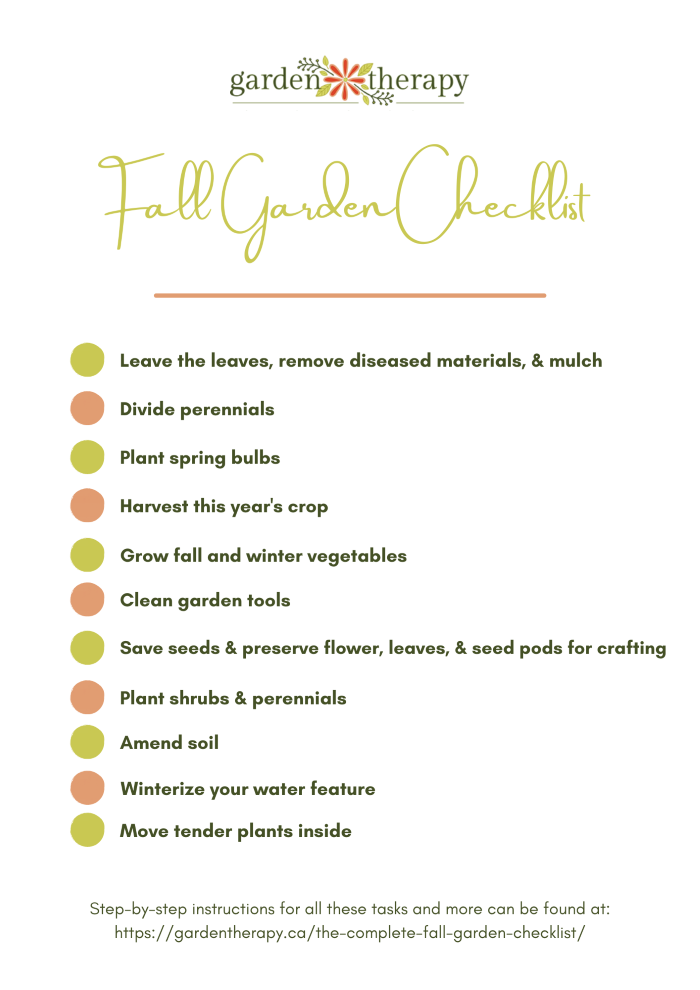
A fall garden cleanup checklist helps you remove diseased plant debris, harvest remaining crops, protect tender plants, improve soil, clean garden tools, and prepare beds for winter without removing every leaf or seed head.
Across the United States, fall brings a change in garden chores. Gardeners in Minnesota may face frost and frozen soil while gardeners in Georgia can keep growing cool-season crops for months. In Texas, a mild autumn may offer time to plant herbs and greens, while gardeners in the Pacific Northwest may need to manage wet soil and fallen leaves. Your cleanup plan should match your local climate, first frost date, and the plants in your yard.
The best fall cleanup is not about making every bed bare. It is about removing material that could spread disease, protecting plants that need help, and leaving useful shelter and food for wildlife. Some leaves belong in the compost pile, while others can protect soil through winter. A little planning now can reduce spring work and help your garden start the next growing season in better shape.
Use this guide as a practical checklist for vegetable beds, flower borders, containers, shrubs, lawns, and garden tools. Work through the tasks in a sensible order, but skip anything that does not apply to your yard. If your region has mild winters, you may still have planting and harvesting to do after the first cool nights.
What Should Be on a Fall Garden Cleanup Checklist?
A useful fall garden cleanup checklist covers plant health, soil care, winter protection, and tool storage. Start with jobs that prevent disease or protect crops from frost. Then move to soil improvement, pruning where appropriate, and general yard maintenance.
You do not need to complete every task in one weekend. Begin a few weeks before your area’s typical first hard freeze, if your climate has one, and continue as plants finish growing. In warmer parts of the country, fall cleanup may overlap with planting a winter vegetable garden.
The checklist below gives you a simple way to plan your work. Adjust it for local weather, plant type, and whether your garden is ornamental, edible, or both.
Source: couponsforyourfamily.com
Harvest and inspect
Pick ripe vegetables, collect usable herbs and seeds, and check plants for disease, insects, and damaged fruit.
Remove problem debris
Pull invasive weeds and remove diseased or heavily pest-infested plant material. Dispose of it according to local waste guidance.
Care for soil
Add suitable organic matter, mulch bare soil, and sow cover crops where they fit your garden plan.
Protect plants
Move tender containers, water plants before the ground freezes when needed, and protect vulnerable roots from temperature swings.
Store equipment
Clean tools, drain hoses, empty suitable irrigation lines, and store pots and supplies in a dry location.
Choose the Right Time for Cleanup
Start when summer crops begin to decline and the weather becomes cooler. Do not wait until every leaf has fallen if a frost warning could damage tender plants or containers. In cold northern states, finish urgent protection tasks before the ground freezes. In warm southern states, allow healthy crops to keep growing while you clear only finished beds.
Use local frost forecasts rather than a calendar date alone. Average first frost dates are planning guides, not guarantees, and a light frost differs from a hard freeze. Check local university extension guidance when you are unsure whether a plant can remain outdoors.
Cold winter regions
Prioritize harvesting tender crops, protecting exposed roots, and preparing hoses and irrigation systems for freezing weather.
Mild winter regions
Clear finished summer crops while leaving room for cool-season vegetables, herbs, and suitable fall flowers.
Wet winter regions
Keep soil covered, avoid walking on saturated beds, and improve drainage without disturbing established roots.
1. Harvest Remaining Vegetables, Herbs, and Seeds
Harvest crops that are ready before frost or prolonged wet weather damages them. Check tomatoes, peppers, squash, beans, leafy greens, and root crops. Some vegetables tolerate cool weather well, while others suffer when temperatures drop below freezing.
Remove rotting produce from plants and the ground. Spoiled fruit can attract pests and make garden cleanup harder. Keep sound produce for eating, preserving, or storage according to the needs of each crop.
If you grow herbs, harvest healthy leaves before a cold snap affects tender plants. You can dry suitable herbs, freeze chopped leaves, or use them fresh. Do not harvest so heavily that perennial herbs lose the foliage they need to stay healthy.
Source: modernfrontierswoman.com
Check frost-sensitive crops
Pick mature tomatoes, peppers, beans, and other tender crops before a damaging freeze. Green tomatoes may ripen indoors if they are healthy and mature enough.
Leave cold-tolerant crops when appropriate
Kale, some cabbages, carrots, and other cool-season crops can remain in the ground if local weather and variety permit.
Save seeds carefully
Collect seeds only from healthy plants when they are mature and dry. Seeds from hybrids may not grow true to the parent, and some crops cross-pollinate.
Clear spoiled produce
Remove fallen fruit and vegetables that are rotting or showing disease symptoms rather than leaving them to decay in the bed.
Should You Pull Out Every Vegetable Plant?
No. Remove plants that have finished producing, are badly diseased, or cannot survive the coming weather. Leave healthy crops that can keep growing in your region, especially in areas with mild winters.
Some plants, such as beans and peas, can leave useful roots in the soil after the tops are cut. Their roots contribute organic matter as they decay. However, do not assume every legume provides a large amount of nitrogen to the next crop; the benefit depends on plant growth, root nodules, and how the residue is managed.
Remove
Dead, rotting, badly diseased, or heavily infested plants that no longer offer a useful harvest.
Keep
Healthy crops that tolerate cool conditions and can continue producing safely.
2. Remove Diseased Plants and Problem Weeds
Plant health should guide what you remove from the garden. Dead leaves and stems are not always harmful, but material that carries a known disease or pest may create problems next season. Look for unusual leaf spots, mold, rotting stems, wilt, insect egg masses, and damaged fruit before deciding what to clear.
Remove weeds before they set seed whenever possible. Annual weeds can add thousands of seeds to the soil, while some perennial weeds spread through roots or underground stems. Pull small weeds after rain when the soil is moist but not saturated, and remove as much of the root system as practical.
Do not place every diseased plant in a home compost pile. Many home piles do not reach or maintain the temperatures needed to kill all plant pathogens and weed seeds. Follow local municipal composting rules or discard heavily diseased material through an approved waste route.
Source: i.pinimg.com
Inspect before pulling
Identify whether a plant is healthy, naturally dying back, or showing signs of a problem that needs removal.
Remove invasive weeds
Bag seed heads and dispose of invasive weeds according to local guidance so seeds and root fragments do not spread.
Clean tools after diseased plants
Remove soil and plant residue from pruners and cutting tools. Disinfect tools when needed for the specific disease and follow product directions.
Avoid unnecessary clearing
Keep healthy plant material when it can provide soil cover, winter structure, or wildlife habitat without increasing disease risk.
Can Diseased Plants Go in the Compost?
The answer depends on the disease, the plant material, and the composting process. A properly managed hot composting system can reduce many pathogens and weed seeds, but a small backyard pile may heat unevenly and leave cool pockets. If the cause of a disease is unknown or the infection is severe, use a more cautious disposal method.
Do not burn yard debris unless local rules allow it and conditions are safe. Open burning can create smoke, start fires, and violate local restrictions. Check your town, county, or waste service for accepted options.
Usually suitable for compost
Healthy leaves, untreated plant trimmings, and disease-free garden waste that can break down without spreading weeds.
Handle with care
Material with suspected soilborne disease, persistent weeds, mature weed seeds, or severe pest infestations.
3. Manage Fallen Leaves Without Removing Their Benefits
Fallen leaves can protect soil, add organic matter, and provide shelter for beneficial wildlife. You do not need to rake every leaf out of every garden bed. The key is to keep leaves from forming thick, wet mats that smother grass or small plants.
Shred leaves with a mower or leaf shredder when practical. Smaller pieces break down more readily and are easier to spread as mulch. Add a thin, loose layer around suitable plants, keeping the material away from tree trunks, shrub stems, and the crowns of perennials.
Leaves can also become leaf mold, a crumbly soil conditioner made from decomposed foliage. Put collected leaves in a dedicated pile or breathable enclosure and allow them to break down over time. The process can take many months, depending on leaf type, moisture, particle size, and weather.
Source: makingmanzanita.com
Use leaves as mulch
Apply shredded leaves around established beds in a layer that allows air and water to reach the soil.
Keep lawns clear enough
Mow or rake leaves from turf when they accumulate in thick layers that block light and trap moisture.
Make leaf mold
Collect healthy leaves in a pile, keep them slightly moist, and let them decompose into a useful soil amendment.
Protect wildlife
Leave some leaves in suitable garden corners and under shrubs where they will not smother plants or create a safety hazard.
How Much Leaf Mulch Should You Use?
Spread shredded leaves loosely rather than pressing them into a dense blanket. A layer around 2 to 3 inches deep can work in many established garden beds, but adjust the depth for the plant and the texture of the leaves. Fine, wet leaves may mat more easily than coarse, shredded material.
Keep mulch several inches away from trunks and woody stems. Piling leaves against bark can hold excess moisture and encourage rot or provide cover for pests. If a plant has a low crown, use less mulch and keep its growing point uncovered.
Good sign
The soil stays covered, water can reach the ground, and plant crowns remain free of dense, wet debris.
Warning sign
Leaves form a soggy mat, smell sour, or cover small plants completely. Loosen or remove the excess.
4. Prepare Garden Soil for Spring
Fall is a useful time to protect bare soil and plan improvements for the next growing season. Healthy soil supports roots, stores water, and helps plants access nutrients. You can make progress without digging every bed or adding a long list of amendments.
Start by checking soil condition and reviewing how plants performed during the growing season. If vegetables grew poorly or leaves showed possible nutrient problems, a soil test can help identify pH and nutrient needs. A test is more useful than adding lime, phosphorus, or other amendments by guesswork.
Spread finished compost over suitable beds when the soil is workable. Compost adds organic matter and can improve soil structure over time, but it is not a substitute for every fertilizer need. Use the amount recommended for your soil and crop, and avoid placing fresh manure on vegetable beds when its use could contaminate produce or violate food-safety guidance.
Source: preview.redd.it
Test soil when needed
Use a soil test through a local cooperative extension service or another reputable laboratory before making major pH or nutrient changes.
Add finished compost
Spread mature compost over beds and let natural weather and soil life help incorporate it.
Avoid wet-soil work
Do not till, dig, or drive equipment across soil that is saturated. Working wet soil can damage its structure and cause compaction.
Cover exposed soil
Use suitable mulch, a cover crop, or retained healthy plant residue to reduce erosion and protect soil from heavy rain.
Should You Till the Garden in Fall?
Not every garden needs fall tilling. Repeated or deep tillage can disrupt soil structure, damage roots, and bring buried weed seeds closer to the surface. In many home gardens, spreading compost and maintaining soil cover is enough.
Some beds may need limited soil preparation to incorporate specific amendments or establish a cover crop. If tilling is necessary, wait until the soil is suitably dry and follow the needs of the crop and soil type. Heavy clay soil is especially vulnerable to damage when worked wet.
Choose minimal disturbance
Use surface compost and mulch when these methods meet the garden’s needs.
Correct known problems
Use test results and a clear planting plan to decide whether deeper soil work or a specific amendment is justified.
5. Mulch Perennials, Trees, and Shrubs
Mulch helps moderate soil temperature, reduce moisture loss, and protect roots from sudden temperature changes. Apply it after the soil has cooled when that timing suits your climate and plant needs. In areas with mild winters, mulch can still help conserve moisture and reduce weed growth.
Use organic mulch such as shredded leaves, clean wood chips, or suitable bark. Match the material to the location and plant. Keep mulch away from trunks and stems rather than building a mound around the base of a tree.
Do not assume every plant needs a heavy winter covering. Some perennials are hardy in their local climate and do well with little intervention. Plants at the edge of their hardiness range, recent transplants, and shallow-rooted specimens may need extra protection.
Source: i.pinimg.com
Protect root zones
Spread a suitable layer of mulch over the root area without covering crowns or piling it against woody stems.
Check newly planted trees
Keep the root zone moist as needed before the ground freezes and maintain clear space around the trunk.
Avoid excessive mulch
Thick, compacted layers can hold too much moisture, restrict air movement, and create problems around plant crowns.
Match protection to the plant
Check local hardiness information and use extra protection for tender plants that may not tolerate your winter lows.
Should You Cover Every Perennial for Winter?
No. Many hardy perennials can remain in place without covers. Some benefit from a loose mulch after the ground cools, especially where freeze-thaw cycles may lift shallow roots. Tender plants may need a different form of protection or may need to be moved indoors.
Wait to cut back plants that provide useful winter structure or seed for birds unless disease, pests, or local conditions make removal necessary. The best approach depends on the species, your climate, and whether the plant is healthy.
Leave suitable stems
Healthy ornamental grasses and selected perennial seed heads can provide shelter, visual interest, and food for wildlife.
Remove problem growth
Cut back plants with serious disease or pest issues when removal is recommended for that specific problem.
6. Clean Flower Beds and Plan for Winter Interest
Clean flower beds with a selective approach. Remove spent annuals, weeds, broken stems, and plant material known to carry disease. Keep healthy perennials that can survive the winter and contribute to the garden’s structure.
Some flower stems and seed heads add shelter for insects and food for birds. Leaving them in place can also help the garden look less bare during winter. If you prefer a tidy look, clear selected areas while leaving a few suitable plants standing.
Fall is also a good time to check plant labels, mark the locations of dormant perennials, and note gaps that need attention in spring. This simple planning step can prevent accidental digging where roots or bulbs are resting below the surface.
Source: i.pinimg.com
Remove spent annuals
Pull annual flowers that have finished blooming and remove unhealthy roots or stems when practical.
Retain healthy seed heads
Keep selected coneflowers, ornamental grasses, and other suitable plants for winter texture and wildlife value.
Mark dormant plants
Use durable labels or a simple garden map to identify bulbs and perennials that disappear below ground.
Divide only when suitable
Divide perennials in fall only when the species, local climate, and remaining time before hard frost make it appropriate.
Which Flower Stems Should You Cut Back?
Cut back stems when they are diseased, damaged, or likely to create a problem. Healthy stems can often remain through winter, especially when they offer seed or shelter. Different plants respond differently to pruning, so check the needs of each species before cutting.
Avoid broad pruning of shrubs and flowering plants simply to make the yard look neat. Some shrubs form next season’s flower buds on older growth, and an untimely cut can reduce flowering. Remove dead or hazardous branches as needed, but save major shaping for the correct season.
Cut back
Diseased growth, broken stems, and spent annuals that no longer provide a useful purpose.
Consider leaving
Healthy seed heads and sturdy stems that offer winter habitat or protect the garden’s structure.
7. Protect Potted Plants and Empty Garden Containers
Container plants often face colder conditions than plants growing in the ground. Their roots have less surrounding soil to buffer temperature changes, so a plant that survives outdoors in a garden bed may suffer in a pot. Check the hardiness of each plant and the winter conditions on your patio, porch, or balcony.
Move tender plants indoors before temperatures fall below their safe range. Choose a bright location when the plant needs light, and check for insects before bringing it inside. Reduce watering to match slower growth, but do not let plants that remain actively growing dry out completely.
Empty annual containers and clean them before storage. Remove old roots and soil when disease or pest problems occurred, then wash pots with soap and water. If you reuse containers that held diseased plants, use a suitable disinfection method for the container material and follow product directions.
Source: gardentherapy.ca
Move tender plants
Bring tropical plants, tender herbs, and other cold-sensitive containers to a suitable protected location before damaging temperatures arrive.
Inspect for pests
Check leaf undersides, stems, and the soil surface for insects before moving pots indoors.
Store empty pots
Clean and dry containers, and protect pots that may crack when water freezes inside them.
Review potting mix
Discard mix that has serious disease or pest issues, and use fresh suitable potting mix when planting next season.
Can You Reuse Potting Soil Next Spring?
Sometimes. Potting mix from healthy plants may be reused for some purposes if it remains loose, drains well, and has no signs of serious disease or pests. However, old mix can lose structure and nutrients, and its condition varies with the plants grown in it.
Do not reuse mix from containers with root rot, serious soilborne disease, or persistent pests for sensitive new seedlings. When in doubt, use fresh mix for seed starting and demanding container crops. Never assume that adding compost or fertilizer will make contaminated mix safe.
Reuse with care
Consider healthy, well-drained mix for suitable established plants after checking its condition.
Replace when needed
Use fresh mix when the old material is compacted, badly depleted, contaminated, or unsuitable for the next crop.
8. Water Plants and Prepare Irrigation for Cold Weather
Plants still need water in fall, especially newly planted trees, shrubs, and perennials. Cooler air may reduce water loss, but dry soil can still stress roots. Check soil moisture before watering rather than following a fixed schedule.
Water when the root zone is dry and the weather allows moisture to soak in. Avoid frequent shallow watering that wets only the surface. Do not water saturated soil or areas where drainage is poor, since excess water can reduce oxygen around roots.
Before freezing weather, disconnect and drain garden hoses, shut down suitable outdoor irrigation systems, and protect exposed pipes according to the system instructions. Irrigation equipment differs, so use the manufacturer’s winterization directions rather than assuming every line can be drained in the same way.
Source: letsgrowakron.org
Check root-zone moisture
Feel the soil below the surface near newly planted trees and shrubs, then water if the root zone is dry and conditions are suitable.
Disconnect hoses
Remove hoses from outdoor faucets before freezing weather and store them after draining.
Winterize irrigation
Follow the irrigation system instructions for draining, shutting off, or protecting exposed components.
Avoid waterlogged beds
Do not add water when soil is already saturated or rain is likely to keep it wet.
Should You Water the Garden Before Winter?
Watering can help if the soil is dry, especially for plants that have not yet established deep roots. A thorough watering before the ground freezes may help some trees and shrubs enter winter with adequate moisture. The need depends on recent rainfall, soil texture, plant age, and local conditions.
Do not treat pre-winter watering as a universal rule. In rainy climates or poorly drained beds, extra water can create more harm than benefit. Check soil moisture and local extension advice when you are unsure.
Water when dry
Give suitable plants a deep, measured watering when the root zone needs moisture and the soil can drain.
Skip when saturated
Allow wet soil to drain naturally rather than adding more water before cold weather.
9. Prepare the Lawn and Garden Paths
Fall lawn care depends on grass type and regional climate. Cool-season grasses often grow actively in fall, while warm-season grasses slow as temperatures drop. The right cleanup plan protects turf without removing all organic material from the yard.
Mow when grass is still growing, using a suitable cutting height for the grass type. Avoid cutting too short just before winter. Remove or shred thick leaf layers so the grass receives enough light and air, but you can leave a light layer of finely chopped leaves when they break down without smothering the turf.
Check paths, steps, drains, and outdoor work areas for leaves, mud, and loose debris. Clear storm drains and surface channels so water can flow away from structures. Use care when working on wet or slippery surfaces, and keep tools and cords out of walking routes.
Source: i.pinimg.com
Mow as needed
Continue mowing while grass grows, adjusting the height and frequency to the turf species and local guidance.
Manage leaf buildup
Remove thick leaf mats from lawns or shred them so they can break down without blocking light.
Clear drainage areas
Remove leaves and debris from safe, accessible drains and channels to reduce water pooling.
Repair simple hazards
Mark uneven paths and remove trip hazards before winter weather makes outdoor work more difficult.
Should You Fertilize the Lawn in Fall?
That depends on your grass type, soil test results, and local lawn-care guidance. Cool-season lawns may benefit from properly timed fertilization, while warm-season lawns have different seasonal needs. Applying fertilizer without considering grass type and timing can waste nutrients or harm the lawn.
Do not spread fertilizer on frozen ground or before heavy rain. Follow the product label and local nutrient rules, and avoid letting fertilizer wash into storm drains, streams, or ponds.
Identify your grass
Determine whether your lawn contains cool-season or warm-season grass before choosing a fall treatment.
Use evidence
Base fertilizer decisions on soil needs, the product label, and local recommendations rather than applying it automatically.
10. Clean, Maintain, and Store Garden Tools
Clean tools before storing them for winter. Soil and plant residue can hold moisture, dull cutting edges, and carry pathogens from one plant to another. A short maintenance session now can make spring planting easier and help tools last longer.
Brush dirt from spades, forks, hoes, and trowels, then wash off remaining residue when needed. Dry metal parts thoroughly to reduce rust. Clean pruners and saws according to their design, and disinfect cutting tools when there is a known disease concern.
Check handles, bolts, blades, and moving parts for damage. Sharpen tools only when you can do so safely and understand the correct method. Store sharp tools out of reach of children and keep fuel, chemicals, and other garden supplies in suitable storage areas.
Source: makingmanzanita.com
Remove soil
Brush off dirt and wash tools when needed, paying attention to joints and places where debris collects.
Dry metal surfaces
Wipe tools dry before storage and apply a suitable protective coating where recommended by the manufacturer.
Check cutting tools
Inspect pruners, loppers, and saws for loose parts, damaged handles, and dull or damaged blades.
Store equipment safely
Keep tools dry, organized, and secured so they cannot fall or create a hazard.
How Should You Store Garden Hoses and Watering Cans?
Drain hoses fully, disconnect them from outdoor faucets, and coil them without sharp bends. Store them in a sheltered location where they are less likely to freeze, crack, or become damaged by equipment. Check hose fittings and washers before putting them away.
Empty watering cans and clean containers that held fertilizer or other garden products according to their labels. Do not pour leftover chemicals into storm drains or onto bare soil. Keep all products in their original containers when possible and follow storage instructions.
Drain and coil
Remove standing water from hoses and store them where they will not be crushed or exposed to unnecessary weather damage.
Inspect fittings
Check connectors, washers, and watering equipment for leaks or damage that should be repaired before spring.
11. Decide Whether to Plant a Cover Crop
A cover crop can protect open garden soil during the off-season. Depending on the species, cover crops may reduce erosion, compete with weeds, add organic matter, or contribute nitrogen. They are most useful when their growing season and management needs fit your local climate and next planting date.
Common options include winter rye, oats, crimson clover, and other locally suitable species. Their best planting dates vary across the United States, so use regional planting recommendations instead of one national calendar. A crop planted too late may fail to establish before cold weather, while one left too long in spring can interfere with vegetable planting.
Plan how you will terminate the cover crop before you sow it. Some species die in winter, while others survive and resume growth in spring. You may need to cut, mow, or otherwise manage the crop before planting the next vegetable.
Source: gardentherapy.ca
Protect bare beds
Choose a suitable cover crop when the planting window allows enough time for establishment.
Match the species to the goal
Select a crop based on winter survival, weed control, soil cover, and any nutrient goals.
Plan spring removal
Check how and when the cover crop must be terminated so it does not compete with the next crop.
Use local timing
Follow recommendations from a regional cooperative extension service for planting dates and suitable varieties.
Is Mulch Better Than a Cover Crop?
Neither option is best for every garden. Mulch is simple to apply and can be useful where you need immediate soil cover with little extra work. A cover crop grows living roots that can hold soil and, depending on the species, provide other benefits.
Choose mulch when you have limited time or a short planting window. Consider a cover crop when you have a suitable open bed and can manage the planting and termination steps. You can also use both methods in different parts of the same yard.
Choose mulch
When you need fast soil cover and a simple method that fits the bed and available materials.
Choose a cover crop
When the local planting window, crop species, and spring management plan support successful growth.
12. Follow a Practical Fall Garden Cleanup Schedule
A simple schedule helps you finish the most important tasks before bad weather arrives. Work in stages rather than trying to clear the whole yard at once. Give priority to harvests, diseased plants, frost-sensitive crops, and equipment that could be damaged by freezing temperatures.
The timing below is a general planning framework, not a fixed national calendar. In some regions, the first stage may begin in late summer; in warmer areas, cleanup may continue well into winter. Adjust each task to your climate, soil conditions, and the plants you grow.
Source: i.pinimg.com
Several weeks before expected frost
Review crops, harvest mature produce, inspect plant health, collect suitable seeds, and decide which beds need mulch or cover crops.
As summer crops finish
Remove unhealthy plants, clear weeds, compost suitable debris, and spread finished compost over beds that need it.
As leaves fall
Shred or collect excess leaves, leave useful material in suitable areas, and keep lawns and paths free of thick mats.
Before freezing weather
Move tender pots, drain hoses, winterize irrigation, protect vulnerable plants, and store tools.
After the main cleanup
Make a short list of spring repairs, soil tests, seed orders, and planting changes while the season is still fresh in your mind.
A Short Checklist for Busy Gardeners
If you have only an hour, start with the jobs that prevent immediate damage. Harvest tender crops, remove clearly diseased plants, protect vulnerable containers, and disconnect hoses when freezing weather is near. Leave optional cosmetic tasks for another day.
For a small garden, several short sessions may be easier than one long cleanup day. For a large yard, divide the work by area, such as the vegetable beds, flower borders, lawn, and storage shed. A written list can help you stop when the essential tasks are complete.
Essential
Harvest at-risk crops, remove problem debris, protect tender plants, and prepare water equipment for freezing weather.
Helpful
Add compost where needed, cover bare soil, tidy paths, and clean tools.
Optional
Redesign beds, move healthy plants, or complete cosmetic pruning that can safely wait.
Common Fall Garden Cleanup Mistakes to Avoid
The biggest cleanup mistake is assuming that a neat garden must be bare. Removing every leaf, stem, and seed head can waste useful organic matter and eliminate habitat. Focus on plant health, safety, and winter needs rather than appearance alone.
Another common mistake is doing too much work at the wrong time. Digging saturated soil, pruning plants before the right season, or planting a cover crop too late can create problems that are harder to fix in spring. When a task depends on a specific plant or regional condition, check local guidance first.
Source: i.pinimg.com
Removing all leaves
Keep healthy leaves where they can serve as mulch or habitat, but prevent thick mats from smothering turf and small plants.
Composting all debris
Separate healthy plant material from debris carrying serious disease, persistent weeds, or pest problems.
Adding amendments without testing
Avoid adding lime, phosphorus, or other amendments without a clear reason and suitable guidance.
Pruning everything in fall
Check the flowering cycle and pruning needs of each shrub or perennial before cutting.
Working wet soil
Wait for workable soil conditions to reduce compaction and preserve soil structure.
Ignoring winter water damage
Drain hoses and prepare irrigation systems before a freeze can damage exposed components.
Use Safe Methods for Outdoor Cleanup
Wear sturdy shoes, gloves, and eye protection when the task calls for them. Use hearing protection for loud powered equipment, and follow the tool manual. Keep children and pets away from active machinery and never clear a jam while a powered tool can still start.
Use extra care with ladders, chainsaws, and overhead branches. Do not attempt to remove large limbs near power lines or work beyond your training. Contact a qualified tree professional or the utility provider when a hazard involves overhead wires or a large unstable tree.
Store fertilizers, pesticides, fuel, and other garden chemicals in their original labeled containers. Keep them away from children, pets, food, and drains. Follow all label directions and local disposal rules.
Use the right protective gear
Choose gloves, eye protection, hearing protection, and footwear that suit the equipment and task.
Know when to stop
Get qualified help for dangerous tree work, unstable limbs, power-line hazards, or tasks that exceed your equipment and skill.
Handle chemicals correctly
Follow the product label for use, storage, spill response, and disposal.
How to Tell When Your Garden Is Ready for Winter
Your garden is ready for winter when urgent harvests are complete, problem debris has been handled, vulnerable plants have suitable protection, and water equipment is prepared for local weather. The garden does not need to look perfectly tidy. Healthy soil cover and selected standing plants can be part of a successful cleanup.
Walk through the yard once more after completing the main tasks. Look for pots that may crack, hoses still connected to outdoor faucets, leaves blocking drains, and bare soil that could wash away in heavy rain. Check that labels and plant markers remain visible where you will need them in spring.
Finish by writing down what worked and what needs attention next year. Note crops that struggled, beds that drained poorly, tools that need repair, and plants that suffered from winter exposure. These details turn fall cleanup into a practical plan for a better growing season.
Source: gardentherapy.ca
Plant health
Diseased debris and invasive weeds have been addressed, while healthy plants remain where appropriate.
Soil protection
Bare beds are covered with suitable mulch, retained plant residue, or a suitable cover crop.
Winter readiness
Tender plants have been moved or protected, and irrigation and hoses have been prepared for the expected weather.
Safe storage
Tools are clean and dry, containers are stored appropriately, and garden products are secured.
What to Record for Next Spring
A short garden record can save time and money. Write down which crops produced well, where pests appeared, and which beds needed more compost or better drainage. Include dates for frost events or unusual weather if they affected the garden.
Use those notes to plan crop rotation, order seeds, repair irrigation, and choose plants suited to your conditions. You do not need a complex journal. A few clear notes and a simple garden map are often enough to guide the next season.
Crop performance
Record good producers, failed crops, pest damage, and varieties worth growing again.
Soil and water
Note areas that stayed wet, dried too quickly, or need a soil test or drainage review.
Spring jobs
List repairs, new plantings, tool maintenance, and soil improvements to complete before planting.
Frequently Asked Questions
Q
When should I start fall garden cleanup?
Start when summer crops begin to decline and local temperatures begin to fall. In colder regions, complete frost-sensitive tasks before the first damaging freeze. In mild climates, cleanup can happen gradually while cool-season crops continue growing.
Use local forecasts and plant needs rather than relying on a single date. The right timing varies across the United States.
Q
Should I remove all dead plants in the fall?
Remove plants that are diseased, heavily infested, invasive, or no longer useful. Healthy plants can often remain if they provide winter interest, wildlife shelter, or useful soil cover.
Check the needs of each plant before cutting it back. Some perennials and shrubs should be pruned at a different time of year.
Q
Can I leave fallen leaves in my garden over winter?
Yes, when leaves are healthy and spread in a loose layer that does not smother plants. Shredded leaves can work as mulch, and a separate leaf pile can break down into leaf mold.
Remove thick mats from lawns, drains, and small plants. Keep wet leaves away from plant crowns and tree trunks.
Q
Should I fertilize my garden before winter?
Not automatically. Fertilizer needs depend on the crop, soil test results, local climate, and timing. Adding nutrients without a clear need can waste money and increase nutrient runoff.
A soil test can help determine whether the garden needs a pH adjustment or specific nutrients. Follow local recommendations for the plants you grow.
Q
What should I do with vegetable garden soil after harvest?
Remove unhealthy crop debris, pull weeds, and cover the soil with suitable mulch, healthy plant residue, or a locally appropriate cover crop. Add finished compost when it suits the bed and its nutrient needs.
Avoid digging or tilling saturated soil. If you plan to grow vegetables again in spring, record crop locations to help with rotation and pest management.
Q
Can I plant anything after fall cleanup?
Yes. Depending on your region and the remaining growing season, you may be able to plant garlic, suitable bulbs, cover crops, or cool-season vegetables. Some areas have a long fall planting window, while colder regions need earlier timing.
Check local planting calendars, soil conditions, and the time each crop needs to establish before winter.
Q
How do I prepare my garden for a hard freeze?
Harvest tender crops, move or cover vulnerable plants as appropriate, and check newly planted trees and shrubs for soil moisture. Bring sensitive container plants into a suitable protected place before temperatures fall below their tolerance.
Disconnect hoses and winterize irrigation according to the equipment instructions. Do not use improvised heating devices or unsafe coverings around plants, and follow local guidance for frost protection.
✦ Wrapping Up
Conclusion
A fall garden cleanup checklist helps you prepare for winter without stripping your yard of everything useful. Harvest remaining crops, remove diseased material, control weeds, protect soil, and give vulnerable plants the care they need. Clean tools and prepare hoses and irrigation systems before freezing weather arrives.
Keep your local climate in mind as you work. A gardener in the Northeast may need to finish most cold-weather tasks early, while a gardener in the Southeast may still be planting and harvesting. Healthy leaves, seed heads, and standing stems can remain where they benefit soil and wildlife, so aim for a healthy garden rather than a perfectly bare one.
Once the main tasks are done, make a short note of what your garden needs next spring. A soil test, a few repaired tools, a better mulch plan, or a change in crop rotation can make a real difference. Small steps in fall can give you a smoother start when the next growing season arrives.
💡 Key Takeaway
Start today by harvesting ripe crops, removing diseased plant debris, and checking your local forecast. Then work through soil care, plant protection, leaf management, and tool storage in the order that best fits your garden and winter climate.
I enjoy sharing simple gardening ideas, lawn care tips, and honest product reviews that help make outdoor work easier. From home gardening guides to helpful tools and lawn care advice, I write easy-to-follow content to help readers create a healthier and better-looking outdoor space without wasting time or money.