As an Amazon Associate, I earn from qualifying purchases.
Mini garden ideas at home include windowsill herb gardens, small container gardens, vertical plant walls, tabletop gardens, succulent bowls, and compact patio beds. Start with a bright spot, a few suitable plants, and containers with drainage.
You do not need a large backyard to enjoy a garden. In the United States, a sunny apartment window, a narrow townhouse patio, a front porch, or a small corner beside the kitchen can hold a useful patch of green. Even a rented home can offer enough room for herbs, leafy plants, flowers, or a tiny landscape in a pot.
The best mini garden ideas at home work with the space you already have. A bright south-facing window may suit basil and small succulents, while a shaded porch may be better for ferns and other shade-tolerant plants. Before buying pots or seeds, check how much sunlight the area gets, how much room you can spare, and whether you want flowers, food, or easy-care greenery.
A small garden also needs less setup than a large yard, but it still needs the right care. Containers dry out faster than many garden beds, crowded roots can limit growth, and indoor plants may struggle when light is too weak. With a simple layout and a few well-chosen plants, you can build a garden that looks good and stays manageable through the seasons.
The easiest way to plan a mini garden is to study your space before choosing plants. Look at windows, balconies, porches, patios, kitchen counters, and unused corners. Measure the area if you plan to add shelves or large pots, and leave enough room to walk, open doors, and clean around the garden.
Light is often the biggest factor. Spend a few days checking where direct sunlight falls and how long it lasts. A window that looks bright may still provide too little light for herbs or fruiting vegetables, especially if a nearby building blocks the sun.
Think about water, too. A garden near a kitchen sink may be easy to maintain, while pots on an upper-floor balcony may need a watering can or hose attachment. Choose a place where you can water without spilling onto furniture, floors, neighbors, or walkways.
Source: lushome.com
For a sunny window
Try basil, thyme, compact peppers, or succulents if the light and temperature suit them.
For a shaded porch
Consider begonias, ferns, or other plants that tolerate the available shade and local outdoor conditions.
For a narrow balcony
Use railing planters approved for the railing type, slim containers, and a small plant stand that does not block access.
For a dim room
Choose houseplants that tolerate lower light or add a suitable grow light instead of expecting sun-loving herbs to thrive.
Check Sunlight Before Buying Plants
Full sun generally means at least six hours of direct sunlight per day, while partial sun or partial shade often refers to about three to six hours, depending on the plant and the label. Shade does not always mean complete darkness; many shade plants still need indirect daylight.
Indoor light changes with the season, window direction, curtains, and nearby buildings. A plant that grows well beside a sunny window in summer may receive much less light in winter. If growth becomes weak or stems stretch toward the window, try a brighter location or a grow light.
Simple light check
Observe the space in the morning, around midday, and in the afternoon. Record when direct sun reaches the area and whether it is blocked.
Match the plant label
Use the light requirements for the exact plant rather than assuming all herbs, flowers, or succulents need the same conditions.
2. Create a Mini Herb Garden in the Kitchen
A kitchen herb garden is one of the most useful small garden projects because it gives you fresh leaves for everyday meals. You can grow herbs in separate pots on a sunny sill, in a long planter near a bright window, or on a small stand beside the kitchen. The best setup is one you can reach easily when cooking.
Basil, parsley, chives, thyme, and mint are common choices, but they do not all have identical needs. Basil likes warmth and bright light, while mint spreads quickly and is usually easier to manage in its own pot. Rosemary prefers a well-drained mix and can be less forgiving of constantly wet roots.
Use containers with drainage holes and a commercial potting mix made for containers. Place a waterproof tray beneath each pot to catch excess water, but empty standing water rather than letting roots sit in it. Keep leaves clear of cooking grease and avoid placing plants where heat from a stove or oven can damage them.
Source: i.pinimg.com
Best for beginners
Start with two or three herbs that match your light. Growing a few healthy plants is easier than managing a crowded row of different species.
Save counter space
Use a narrow tray or a small shelf beside a bright window. Make sure the shelf is stable and that pots cannot tip when you harvest leaves.
Harvest the right way
Snip only part of the healthy growth at a time. Regular light harvesting can encourage branching in some herbs, but removing too many leaves weakens the plant.
A Simple Three-Pot Herb Layout
Place basil in one pot, chives or parsley in a second, and thyme in a third if the window offers enough light. Individual pots let you adjust watering for each herb and move a plant when its needs change. Use labels if you grow several similar-looking herbs.
If the window does not provide enough sun, use a grow light designed for plants and follow the manufacturer’s distance and timing guidance. A bright room alone does not guarantee enough light for steady herb growth.
Pot size
Choose a pot that gives the roots room to grow and fits the mature size of the herb. A tiny decorative cup may look charming but can dry out very quickly.
Watering
Check the potting mix with a finger. Water when the plant’s needs and mix dryness indicate it is time, and let excess water drain freely.
3. Build a Tiny Succulent or Cactus Garden
A succulent garden works well for people who want a compact display with strong shapes and varied textures. Many succulents store water in their leaves or stems, so they often need less frequent watering than leafy tropical houseplants. However, they still need the right light and a growing medium that drains well.
Choose a shallow planter with drainage holes, then arrange plants with enough space for their mature size. Rosette-shaped echeverias, compact haworthias, and small sedums can create an attractive mix when their light and watering needs are compatible. Cacti can also work, but many require very bright light and careful handling.
Use a potting mix made for cacti and succulents, or choose a suitable fast-draining mix for the species. Decorative stones may add a finished look, but a thick layer can make it harder to judge soil moisture. If you use a container without drainage, watering becomes more difficult to control, so a pot with drainage is usually the safer choice.
Source: myamazingthings.com
Pick plants with similar needs
Do not mix plants that need frequent moisture with species that prefer the mix to dry thoroughly.
Give them enough light
Place sun-loving succulents near a bright window and rotate the container occasionally if growth leans toward the light.
Avoid routine overwatering
Check the mix before watering. The surface alone can be misleading, so consider the moisture deeper in the pot.
How to Arrange a Mini Succulent Bowl
Start with the tallest plant toward the back or center, depending on where the bowl will sit. Add lower plants around it, leaving small gaps so leaves can spread and air can move between them. Keep the arrangement simple instead of filling every inch with plants.
After planting, water according to the species and allow excess water to drain. Watch for soft, translucent leaves or stems that may signal excess moisture, and for stretched growth that may indicate inadequate light. Change the care routine based on what the plants show rather than following a fixed weekly schedule.
A good display
Combine contrasting leaf shapes and colors while keeping plant needs compatible.
A practical limit
Avoid very crowded bowls. Plants need room to grow, and tightly packed roots can make watering and maintenance harder.
4. Use Vertical Gardening to Save Floor Space
Vertical gardening lets you grow upward instead of spreading pots across the floor. It suits apartments, small patios, townhouse yards, and narrow side areas where every inch matters. A stable shelf, tiered plant stand, wall-mounted planter, or hanging pot can create several planting levels in a small footprint.
Before mounting anything, check the wall or railing, the weight of wet soil, and the container’s attachment system. Water makes pots heavier, and a loose planter can fall and injure someone. For a rental, a freestanding shelf may be easier to use than drilling into a wall.
Choose plants based on their position. Upper shelves and hanging baskets often dry out faster, while lower plants may receive less light. Put sun-loving plants where they receive adequate light, and use lower levels for plants that tolerate the conditions there.
Source: i.pinimg.com
Tiered plant stand
Use different levels for small pots, leaving enough space for leaves and easy watering.
Wall-mounted pockets
Choose a system that holds moisture without damaging the wall, and protect the surface from leaks.
Hanging baskets
Use secure hooks attached to suitable supports. Avoid placing heavy, water-filled baskets above seating or walkways.
Railing planters
Confirm that the mounting system fits the railing and will remain secure in wind and rain.
Make a Small Vertical Herb Garden
Place a narrow, stable rack near a bright window or on a suitable patio. Arrange herbs so the taller plants do not shade the shorter ones, and make sure you can remove every pot without disturbing the rest. Individual containers are often easier to maintain than one deep planter with herbs that need different amounts of water.
Water each level carefully and check the pots after warm, windy weather. If water drips from an upper pot onto a lower plant, adjust the layout or use separate trays. Keep the rack away from door swings and make sure it cannot tip when you reach for a pot.
Light access
Leave enough space between levels so each plant gets the light it needs.
Weight and stability
Use a rack rated for the load and place it on a firm, level surface.
5. Design a Mini Flower Garden for a Porch or Patio
A few flower pots can bring color to a small porch, balcony, or patio without taking over the space. Use one larger container as the main feature, then add two smaller pots to create a balanced group. Choose flower colors that work together, or keep one color family for a calm, simple look.
Annual flowers provide seasonal color, while many perennials can return year after year when the climate and container conditions suit them. Petunias, compact marigolds, and some begonias can work in containers, but their light and water needs differ. Check the plant tag before combining varieties in one pot.
For a mixed container, a useful layout includes a taller focal plant, a plant that fills the middle, and a trailing plant along the edge. This is a design approach rather than a strict rule. You can use one plant type for a cleaner display, especially when the pot is very small.
Source: worldinsidepictures.com
Sunny patio
Try sun-loving flowers that suit your local heat and seasonal conditions.
Shady entryway
Look for shade-tolerant flowering plants and foliage plants rather than forcing full-sun flowers to grow in weak light.
Small front porch
Use a compact group of pots beside the entrance, leaving the door, steps, and walking route clear.
Choose Flowers for Your Local Climate
Growing conditions differ across the United States. A summer container in Arizona may face intense heat and rapid drying, while a porch in the Pacific Northwest may stay damp and receive less direct sun. In colder regions, frost dates and winter temperatures also affect which flowers can remain outdoors.
Use your local cooperative extension service or a trusted regional gardening resource to check planting times and suitable varieties. For a container that stays outside, choose plants that tolerate the actual conditions at the site, not just the general climate zone.
Check heat tolerance
Hot pavement and reflected sun can make a container warmer than the surrounding garden.
Plan for weather
Move vulnerable pots to shelter during severe weather when practical, and make sure outdoor containers can drain after heavy rain.
6. Grow Compact Vegetables in Containers
A mini vegetable garden can provide fresh food even when you have no yard. Containers can hold lettuce, radishes, green onions, compact peppers, and some bush-type vegetables. Start with crops that fit the size of your container and the light available, rather than choosing a plant simply because it looks small at the garden center.
Leafy greens and radishes may be practical choices for a bright balcony or patio, while tomatoes and peppers usually need several hours of direct sun and enough root space. A small cherry tomato variety can still grow much larger than its seedling suggests. Check the mature height, spread, and container guidance before planting.
Use a potting mix made for containers, not dense soil dug straight from the yard. Garden soil can compact in a pot, limiting air and drainage around the roots. Add fertilizer only as needed and follow the label for the crop and product; too much fertilizer can damage roots or encourage leafy growth at the expense of flowers and fruit.
Source: i.pinimg.com
Lettuce
Choose compact varieties and provide suitable light and steady moisture. Harvest outer leaves when the plant is established.
Radishes
Use a container deep enough for the selected variety and keep the mix evenly moist while roots develop.
Green onions
Grow them in a long pot with drainage and enough light. Thin plants if they become crowded.
Compact peppers
Give them a sunny position, a suitably sized pot, and steady care through flowering and fruiting.
A Small Salad Garden Near the Door
Place a container of leaf lettuce beside a bright kitchen door or on a sunny patio. Add a separate pot for radishes or green onions so you can adjust planting depth and moisture for each crop. If you sow a few seeds at intervals, you may spread harvests over a longer period instead of having everything mature at once.
Check moisture more often during hot or windy weather. Small pots can dry quickly, especially when plants have filled the container with roots. If the leaves wilt, check the mix before watering, because both dry soil and overly wet roots can cause stress.
Use clean containers
Reuse food-safe containers only when they are suitable for growing plants, have drainage holes, and have not held hazardous substances.
Wash produce under clean running water before eating, and manage pests with methods suitable for edible crops.
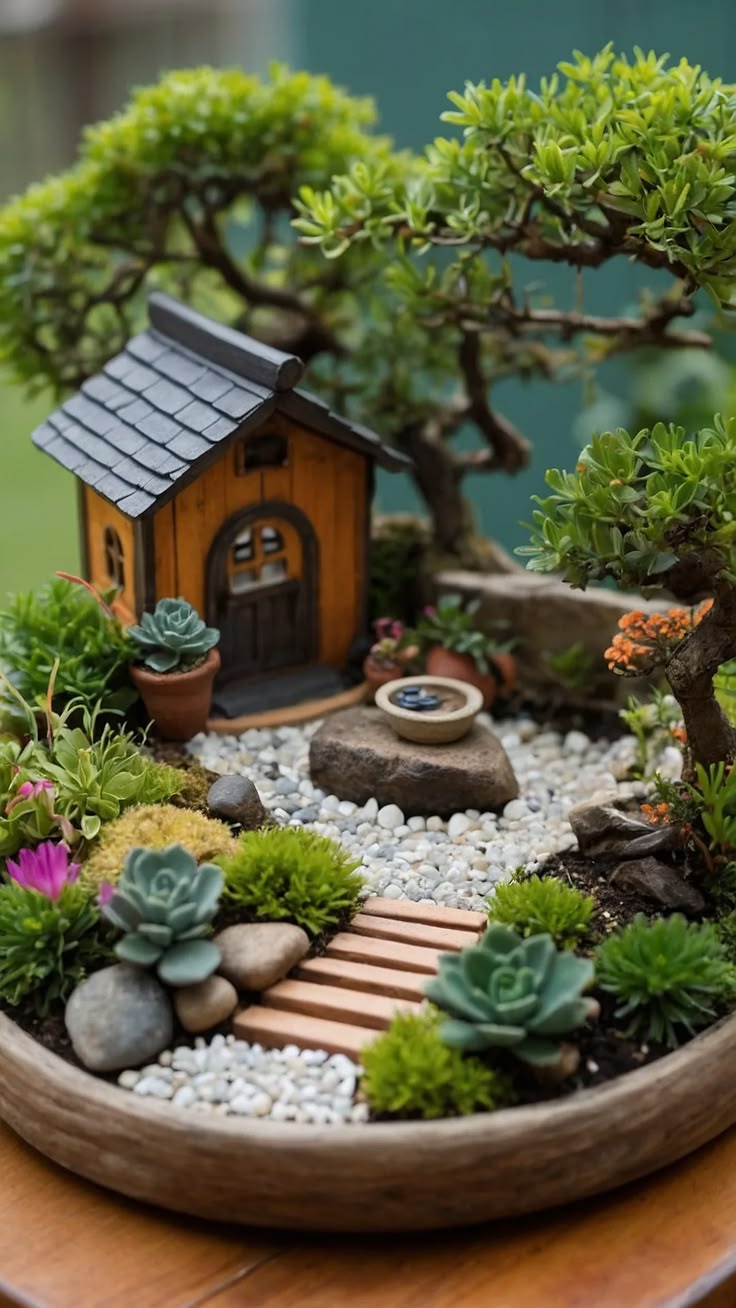
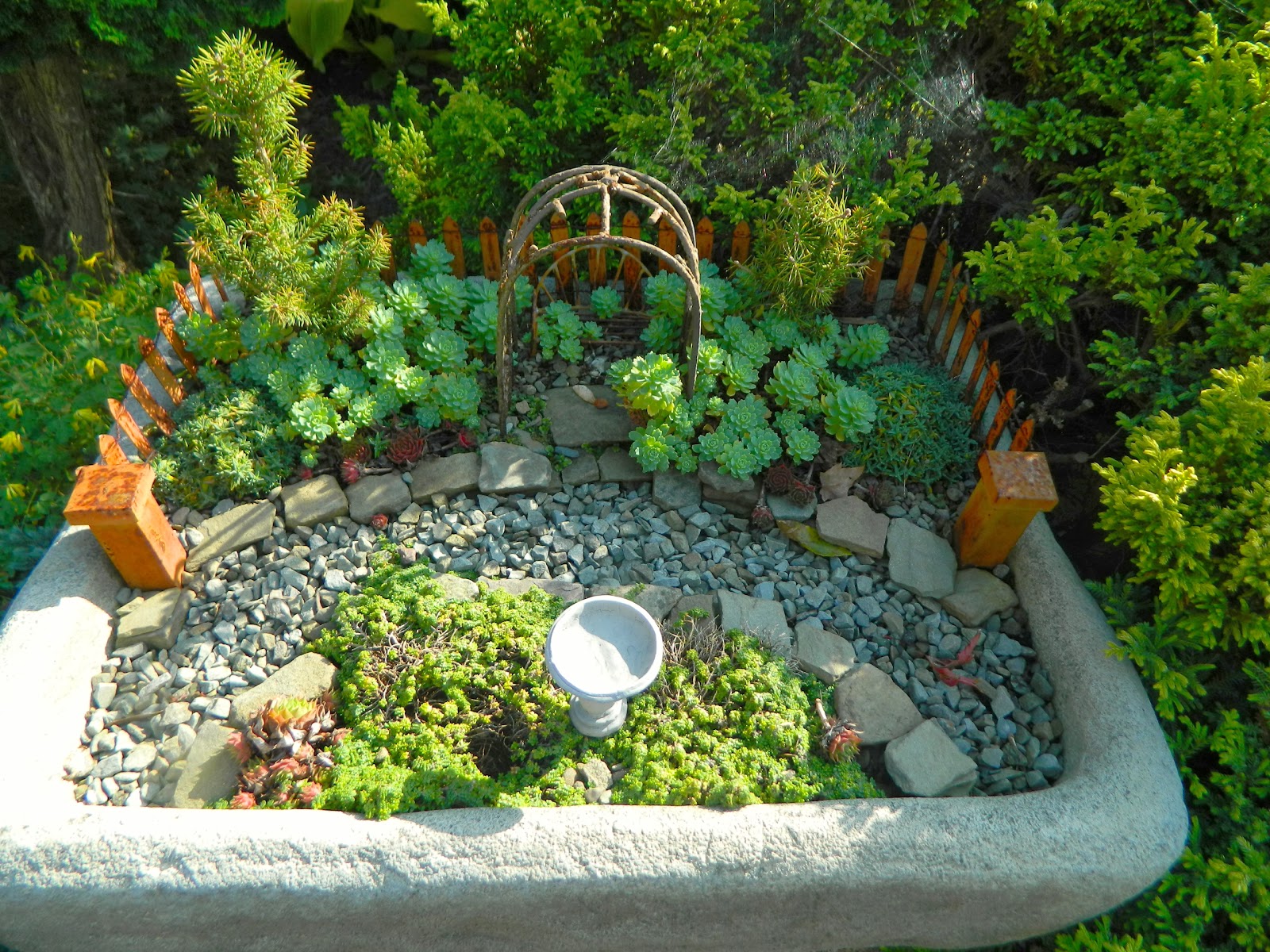
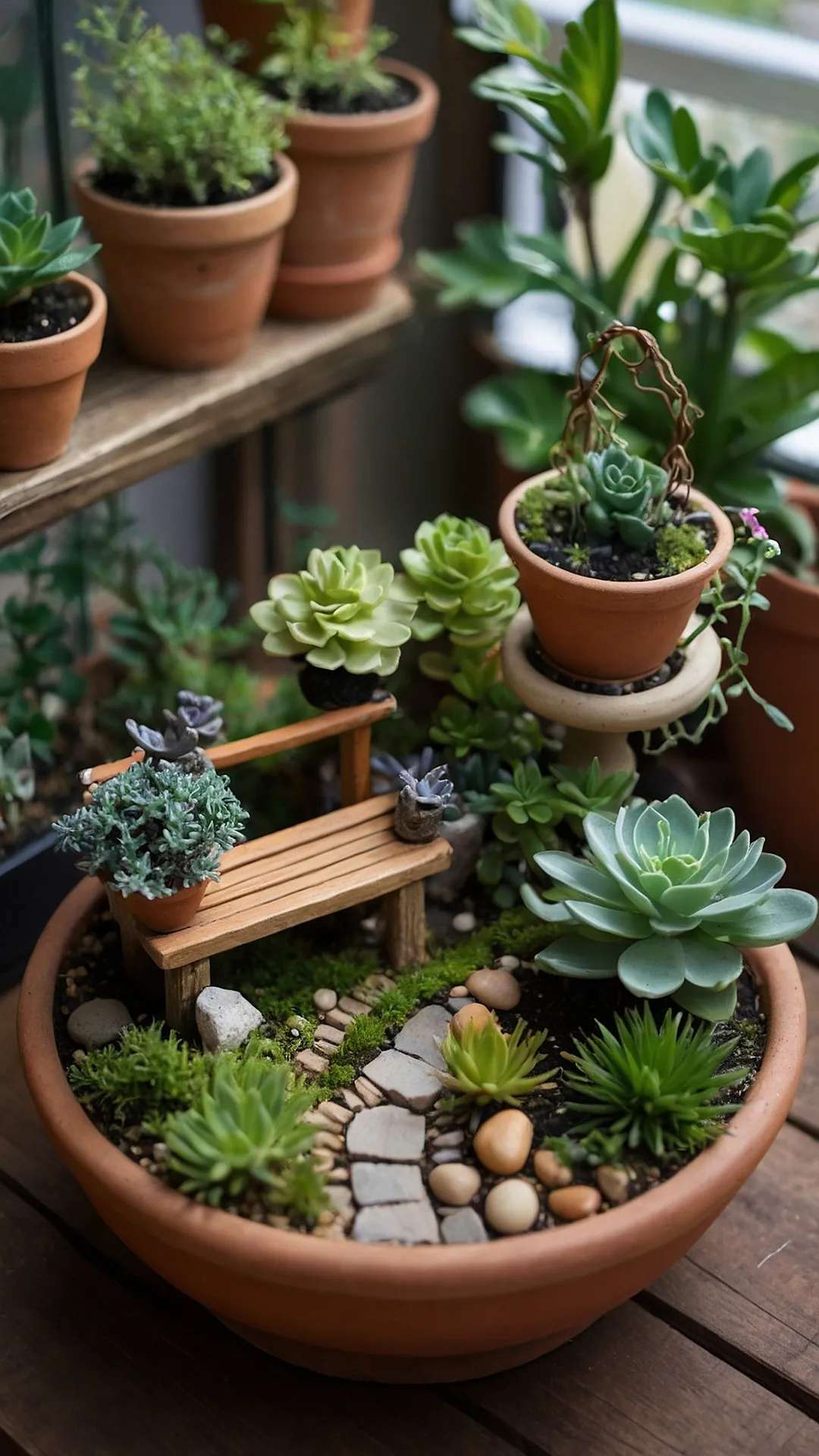
7. Make a Mini Fairy Garden or Tiny Landscape
A miniature landscape turns one container into a tiny scene with small plants, stones, and a few decorative details. You can create a woodland corner, a cottage garden, a desert scene, or a simple mossy landscape. This style works well on a patio table, a sturdy shelf, or a protected outdoor spot.
Start with the plants, not the decorations. Choose small, slow-growing species that fit the light and moisture conditions, then add a little open space for a path or focal object. A container that is too crowded can look messy and leave little room for roots to grow.
For a dry landscape, suitable small succulents may work well together. For a moist woodland look, choose plants that genuinely tolerate the conditions and avoid assuming that all mosses will thrive indoors. Many mosses need steady moisture and suitable light, and they may struggle in a warm, dry room.
Source: myquickurl.com
Create a tiny path
Use small, clean pebbles or flat stones to make a path between plants without covering all the growing mix.
Add one focal point
A small house, bench, or arch can give the design a theme without overwhelming the plants.
Keep plants accessible
Leave room to remove dead leaves, inspect for pests, and water the root zone.
How to Build a Miniature Garden Step by Step
Choose a container with drainage holes and fill it with a mix that suits the selected plants. Position the largest plant first, then arrange smaller plants and leave a clear area for the path or decorative feature. Step back and view the layout from the angle where you will normally see it.
Water according to the plants’ needs, not according to the decorations or the shallow appearance of the container. Keep small objects clean and remove any that trap water against stems or block airflow. As the plants grow, trim or replace them before they crowd the whole scene.
Use suitable scale
Choose plants whose mature size matches the container, rather than relying on how tiny they look when first purchased.
Avoid toxic or sharp materials
Keep sharp wire, brittle decorations, and small loose pieces away from young children and pets.
8. Turn a Windowsill Into a Green Garden
A windowsill garden is one of the simplest ways to add plants when floor space is limited. Use a few small pots, a narrow planter, or a tray that fits without blocking the window. Choose plants based on the window’s light and temperature, since cold drafts and hot glass can affect growth.
Not every windowsill is safe for every plant. A narrow ledge may not support heavy pots, and a window that receives intense afternoon sun can heat leaves and soil. Make sure containers sit securely and that water cannot leak onto wood, paint, or electrical equipment.
Small houseplants can add greenery to a living room, bedroom, or home office. Compact peperomias, some pothos varieties, and certain small ferns may suit different indoor conditions, but no plant can thrive indefinitely without enough light. Check each plant’s care requirements and leave room for future growth.
Source: myquickurl.com
Use a waterproof tray
Choose a tray large enough to catch drips, and empty it after watering so the roots do not sit in standing water.
Rotate plants when useful
Turn pots occasionally if growth leans toward the window, provided the plant tolerates the change in light.
Keep glass access clear
Leave enough room to open and clean the window without knocking pots over.
Small Garden Ideas for a Home Office
Place a compact plant on a stable desk corner or on a nearby shelf where it will not interfere with work. A small foliage plant can be easier to manage than a large pot that takes up valuable surface area. If the desk is far from a window, use a plant that tolerates the available light or provide supplemental lighting.
Avoid watering plants directly over computers, power strips, or other electronics. Carry the pot to a suitable watering area when possible, then allow it to drain before returning it to the desk. This simple habit helps prevent spills and protects equipment.
Choose a compact plant
Look for a plant that stays small or can be pruned without harm.
Keep the area practical
Leave room for a keyboard, papers, cables, and other daily tasks.
9. Reuse Containers for a Budget-Friendly Mini Garden
You can start a mini garden without buying a full set of matching pots. Reuse suitable containers, wooden crates, sturdy tubs, or clean planters you already own. The main requirements are enough root space, a safe material, and a way for excess water to escape.
A container made for storage or food may need drainage holes before it can hold plants. Only drill materials that can be modified safely, and wear appropriate eye protection when using tools. Do not drill glass or ceramic pots unless you have the right equipment and experience; buying a suitable planter may be safer.
Avoid containers that previously held pesticides, solvents, fuel, or other hazardous chemicals. Do not assume that any painted or treated container is suitable for growing edible crops. When the material or its history is uncertain, use a known plant-safe pot or a food-safe growing container instead.
Source: myquickurl.com
Repurpose a sturdy tub
Confirm that the material is suitable for plants, make drainage holes if appropriate, and use a tray to protect the surface beneath it.
Use an old wooden box
Check for rot, splinters, and unknown chemical treatments. Add a suitable liner only if it does not block drainage.
Group mismatched pots
Use a shared color scheme or similar plant shapes to make different containers look coordinated.
Spend Money Where It Matters
For a first garden, put most of your budget toward healthy plants, suitable potting mix, and containers that drain well. Decorations can come later. A small number of healthy plants in the right conditions usually works better than a large collection that is difficult to water or light properly.
You can expand gradually after you learn which plants thrive in your home. Save seeds where appropriate, divide suitable plants when they are ready, or reuse clean pots for new seedlings. Do not crowd new plants into a container simply to avoid buying another pot.
Start small
Begin with two or three plants and add more when you understand their care needs.
Choose useful supplies
A watering can with a narrow spout, a small hand trowel, and a suitable potting mix may be more useful than decorative accessories.
10. Choose the Right Containers and Growing Mix
The container and growing mix affect how well a mini garden grows. A pot that is too small can dry out quickly and restrict roots, while a pot that holds excess water can cause root problems. Match the container to the plant’s expected size and choose a mix that supports its water and air needs.
Plastic pots are light and tend to lose moisture more slowly than unglazed terracotta. Terracotta allows moisture to pass through its sides, which can help some plants but may require more frequent watering. Ceramic pots can be attractive and heavy, so check their weight and drainage before placing them on shelves or balconies.
Most container plants grow best in a suitable potting mix rather than ordinary garden soil. Potting mixes are designed for containers and often provide more air space than dense yard soil. Some plants need a special mix, such as the faster-draining medium used for many cacti and succulents.
Source: i.pinimg.com
Drainage holes
Use pots with holes and catch excess water in a tray. Do not let the pot sit in a pool of water.
Root space
Choose a pot that suits the plant’s current root ball and expected growth. A very large pot can hold moisture longer than a small plant can use.
Suitable potting mix
Use a mix intended for the plant type, and avoid compact garden soil in most small indoor containers.
Safe placement
Check the combined weight of the pot, wet mix, and plant before putting it on a shelf, ledge, or balcony rail.
How to Water a Mini Garden Correctly
Watering needs depend on the plant, pot size, growing mix, temperature, light, and season. Instead of watering every plant on the same day, check the mix and the plant’s needs. Some plants prefer evenly moist soil, while others need the mix to dry more between waterings.
When a plant needs water, apply enough to moisten its root zone and let excess drain out. Empty trays after watering, and do not leave pots standing in water unless the specific growing system is designed for it. If water runs straight down the sides of a very dry root ball, apply it slowly and check that the mix absorbs it.
Signs of dry soil
The mix may feel dry below the surface, the pot may feel lighter, or the plant may show signs of thirst. Confirm the cause before watering.
Signs of excess water
Persistently wet soil, yellowing leaves, and soft stems can indicate overwatering or poor drainage, although other problems can cause similar symptoms.
11. Make a Mini Garden Easy to Maintain
A small garden stays enjoyable when its care fits your daily routine. Put plants where you can see them, keep watering tools nearby, and remove dead leaves before they collect around the base. A short, regular check can help you spot dry soil, pests, or damaged leaves before a small problem spreads.
Inspect new plants before bringing them indoors. Look under leaves and near stems for insects, webbing, sticky residue, or unusual spots. Keep a new plant apart from established houseplants for a while when practical, especially if you see signs of pests.
Fertilizer can support growth when plants need it, but more is not always better. Follow the label for the product, plant type, and application rate. Some plants need less fertilizer during slower winter growth, and excess fertilizer can build up in containers or damage roots.
Source: 3.bp.blogspot.com
Check plants weekly
Look for pests, wilted growth, yellow leaves, and changes in the potting mix. Adjust care based on what you find.
Prune with clean tools
Remove dead or damaged growth with clean scissors or pruners suited to the task.
Keep the growing area tidy
Clear fallen leaves and spilled mix, and clean trays when residue or algae builds up.
Adjust for the season
Recheck light, temperature, and moisture as the weather changes. Indoor heating can dry the air, while shorter winter days can slow plant growth.
Troubleshoot Common Mini Garden Problems
If a plant struggles, check light, water, drainage, temperature, and pests before buying a treatment or adding fertilizer. Change one factor at a time when possible so you can see whether the change helps. A sudden change in several conditions can make it harder to identify the cause.
Plants can show similar symptoms for different reasons. Yellow leaves may reflect excess water, low light, normal aging, or a nutrient problem. Wilting may mean the mix is dry, but roots damaged by excess moisture can also leave a plant unable to take up water.
Leggy or stretched growth
Check whether the plant needs more light. Move it gradually to a brighter suitable spot or add a grow light.
Yellow leaves
Check soil moisture, drainage, and light. Remove only leaves that are dead or badly damaged, and avoid adding fertilizer without a clear reason.
Mold on the mix
Improve airflow, remove affected surface debris, and review watering. Persistent mold or poor drainage may signal that the conditions need to change.
Tiny flying insects
Inspect the plant and mix to identify the insect before treating it. Sticky traps can help monitor some flying pests but do not solve every pest problem.
12. Compare Mini Garden Ideas Before You Begin
The best mini garden depends on what you want to grow and how much care you can provide. Use the table below to compare common setups by space, light, and maintenance. These are general planning guides; the needs of each plant and the conditions in your home will determine the final choice.
If you are new to gardening, begin with a setup that has clear access to light and water. A few separate pots are often easier to manage than one elaborate arrangement because you can move plants and change their care without disturbing the whole garden.
Source: worldinsidepictures.com
Choose a purpose
Decide whether the garden is mainly for cooking, flowers, foliage, or a decorative miniature landscape.
Match the effort
Choose plants and containers that fit the time you can spend checking moisture, pruning, and cleaning.
Which Mini Garden Is Best for Your Home?
Use this comparison as a starting point rather than a guarantee of success. Light levels, container size, local weather, and plant variety can change how much care a garden needs. If two setups seem equally suitable, choose the one that is easiest to reach and maintain.
Windowsill herb garden
Best for cooking herbs when the window provides enough bright light. Needs regular moisture checks and occasional harvesting.
Succulent bowl
Best for a compact decorative display in bright light. Needs careful watering and a well-drained growing mix.
Vertical plant shelf
Best for making use of a small floor area. Needs a stable structure, safe load capacity, and access to every pot.
Mini flower patio
Best for seasonal color near an entrance or seating area. Needs suitable light, watering, and weather protection.
Container vegetable garden
Best for small food crops when enough sun and root space are available. Needs crop-specific watering and feeding.
Fairy garden
Best for a decorative miniature scene. Needs careful plant selection, room for growth, and decorations that do not interfere with care.
Frequently Asked Questions
Q
How do I make a mini garden at home for beginners?
Start with a spot that receives suitable light, two or three plants, containers with drainage holes, and a potting mix made for those plants. Check the plants’ mature size before arranging them, and place them where watering is easy. Learn the needs of your first plants before adding more.
Q
Which plants are best for a small indoor garden?
The best plants depend on light, temperature, and the amount of care you can provide. Some pothos varieties, peperomias, and certain ferns can suit indoor displays, while basil and other herbs need brighter conditions. Succulents usually need strong light and careful watering, so they are not ideal for every room.
Q
Can I make a mini garden without a balcony or backyard?
Yes. A windowsill, bright kitchen corner, sturdy shelf, or small tabletop can hold a few plants. Choose compact species and make sure the location provides enough light, safe support, and room to water without damaging the surface.
Q
How often should I water a mini garden?
There is no single schedule that works for every mini garden. Watering depends on plant type, pot size, potting mix, temperature, light, and season. Check moisture and plant needs before watering, then let excess water drain and empty the tray.
Q
Can vegetables grow in a mini garden at home?
Yes. Lettuce, radishes, green onions, and compact pepper varieties can grow in suitable containers. Fruiting crops usually need more direct sunlight and root space than leafy greens. Check the selected variety’s growing requirements before choosing a pot.
Q
Are pots without drainage holes suitable for mini gardens?
Pots without drainage holes are harder to manage because excess water cannot escape easily. For most beginners, a pot with drainage holes and a waterproof tray is a more forgiving choice. If you want to use a decorative outer pot without holes, keep the plant in a separate draining nursery pot and remove it for watering.
Q
How can I make a mini garden look attractive on a small budget?
Use a few plants with contrasting leaf shapes, repeat a simple color, and group clean containers of different heights. Reuse suitable pots and make a clear focal point rather than filling every gap with decorations. Spend first on healthy plants, suitable growing mix, and containers that meet the plants’ needs.
✦ Wrapping Up
Conclusion
Mini garden ideas at home can turn a bare windowsill, narrow balcony, small patio, or quiet room corner into a useful green space. You can grow fresh herbs, enjoy colorful flowers, build a tiny succulent display, or raise compact vegetables in containers. The most successful setup is one that suits your light, space, budget, and daily routine.
Start with a small plan and choose plants that share similar growing needs. Use suitable containers, provide enough light, and check the mix before watering. Keep the layout open enough for plants to grow, and make sure shelves, hooks, and outdoor planters are secure.
You do not need to create the whole garden in one day. Begin with a few healthy plants, observe how they respond, and make changes as needed. Once you know what works in your home, you can add a new pot, a vertical shelf, or another small growing area with confidence.
💡 Key Takeaway
Choose one suitable spot today, check its light, and start with two or three plants in containers with drainage. Build your mini garden around the conditions you have rather than trying to change your whole home for the plants.
I enjoy sharing simple gardening ideas, lawn care tips, and honest product reviews that help make outdoor work easier. From home gardening guides to helpful tools and lawn care advice, I write easy-to-follow content to help readers create a healthier and better-looking outdoor space without wasting time or money.