
As an Amazon Associate, I earn from qualifying purchases.
Shield roots with mulch, water before freezes, and cover plants on frosty nights.
If you want smart, simple, and proven ways to keep your garden alive through cold snaps, you’re in the right place. I’ve spent years testing methods in real backyards and balconies. This guide explains How To Protect Plants In Winter with clear steps, science-backed tips, and down-to-earth advice you can use tonight.

How winter damages plants (and How To Protect Plants In Winter)
Cold harms plants in more ways than frost on leaves. The real threats are freeze–thaw cycles, dry winter winds, and sudden warm sun on cold bark. Roots suffer when soil swings between frozen and soggy.
Here’s what causes damage:
- Frost and radiative cooling Night skies pull heat from leaves. Ice forms on tissues and ruptures cells.
- Freeze–thaw heaving Soil expands, then contracts. Shallow roots lift and tear.
- Desiccation Dry wind and sun drive moisture out faster than roots can replace it in frozen soil.
- Sunscald and frost cracks Bright winter sun warms bark by day. Night drops cause sudden splits.
- Salt stress Road salt burns roots and foliage. Meltwater moves salt into beds.
How To Protect Plants In Winter starts by reducing these swings. Keep roots insulated, leaves shielded from wind, and bark shaded on clear days. Good prep beats any last-minute fix.
Plan your strategy by zone and microclimate
Gardeners in zone 3 face different risks than zone 8. Know your USDA hardiness zone and average first and last frost dates. Then look for microclimates that help or hurt your plants.
What to check on your site:
- Warm pockets South-facing walls, stone paths, and raised beds hold heat.
- Cold sinks Low spots collect heavy, cold air at night.
- Wind tunnels Alleys and corners funnel gusts that dry evergreens.
- Drip lines Eaves and gutters can soak and then freeze beds.
How To Protect Plants In Winter always starts with a map. Place tender plants in warm pockets. Shield windy spots. Raise low beds where frost lingers. These small moves pay off all season.

Core tactics: soil and root care
Roots decide if a plant lives or dies. Focus here first.
- Mulch right Apply 2–4 inches of shredded leaves, compost, or bark after the first light freeze. Mulch locks in soil moisture and prevents heaving. Keep mulch a few inches off trunks and crowns to avoid rot.
- Water before cold Front coming? Water the day before if the soil is dry. Hydrated cells resist freeze damage better, and moist soil holds heat longer.
- Improve drainage Soggy soil plus cold equals root rot. Add compost, raise beds, and keep downspouts away.
- Use snow as a blanket Clean snow insulates. Gently pile it around hardy perennials, but never on brittle shrubs.
- Block road salt Create a low fence of burlap or plastic on the road side. Water beds in late winter to flush salts when the ground thaws.
For me, one change made the biggest difference: a deep watering before each hard freeze. After I started that in my zone 6b garden, winter burn on my lavender dropped by half. That is the practical heart of How To Protect Plants In Winter.
Covers, wraps, and simple structures
Top growth needs calm air and a few degrees of protection. You don’t need a greenhouse to get it.
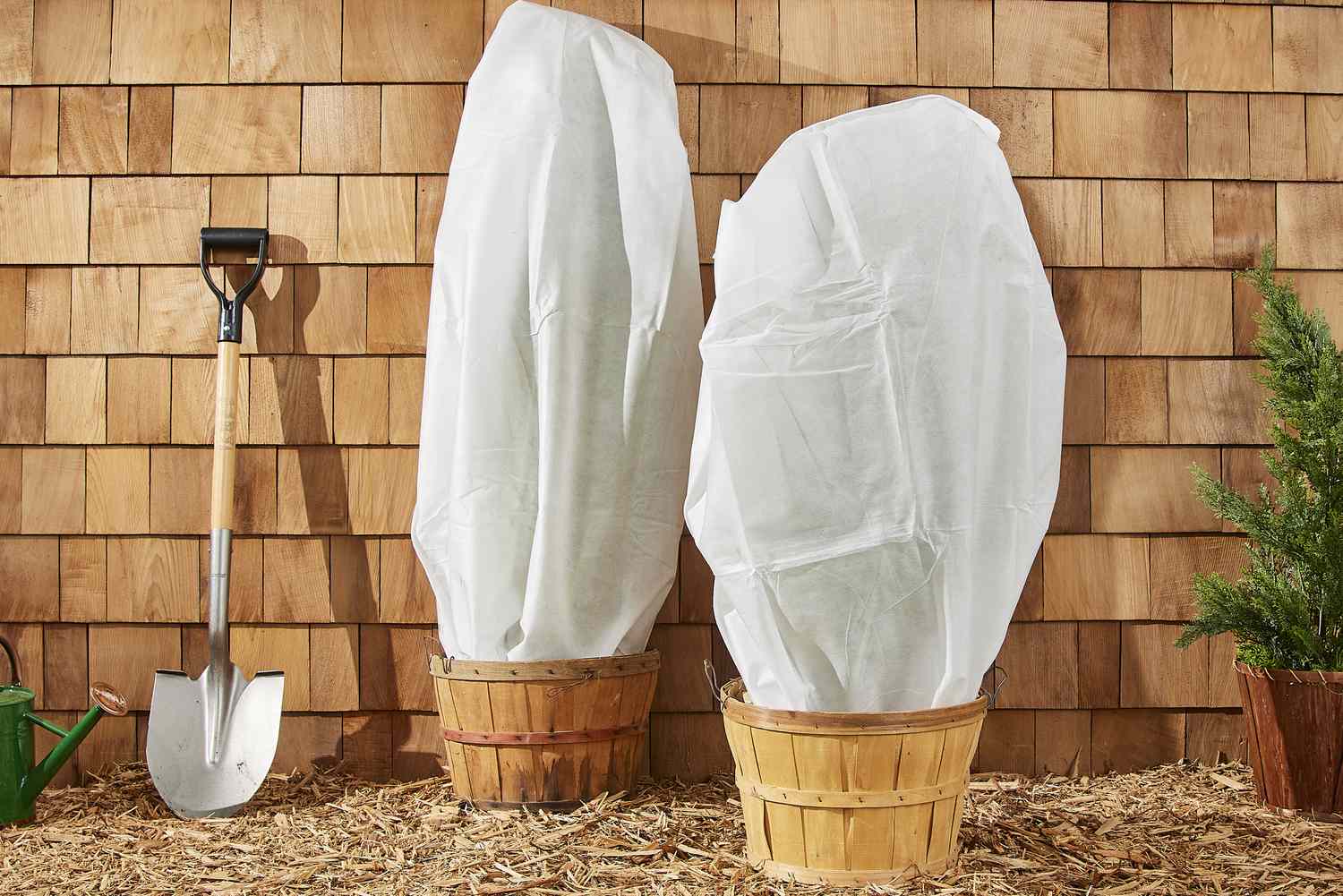
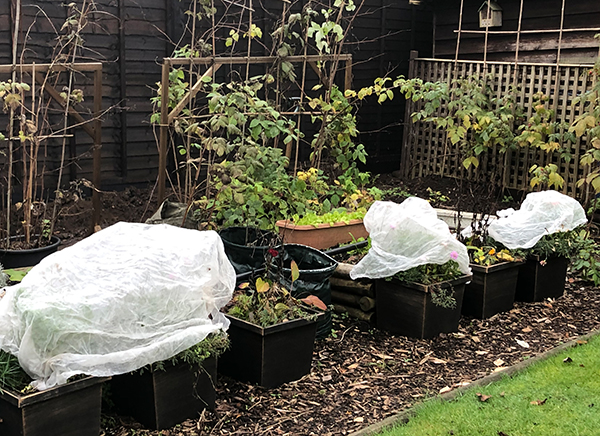
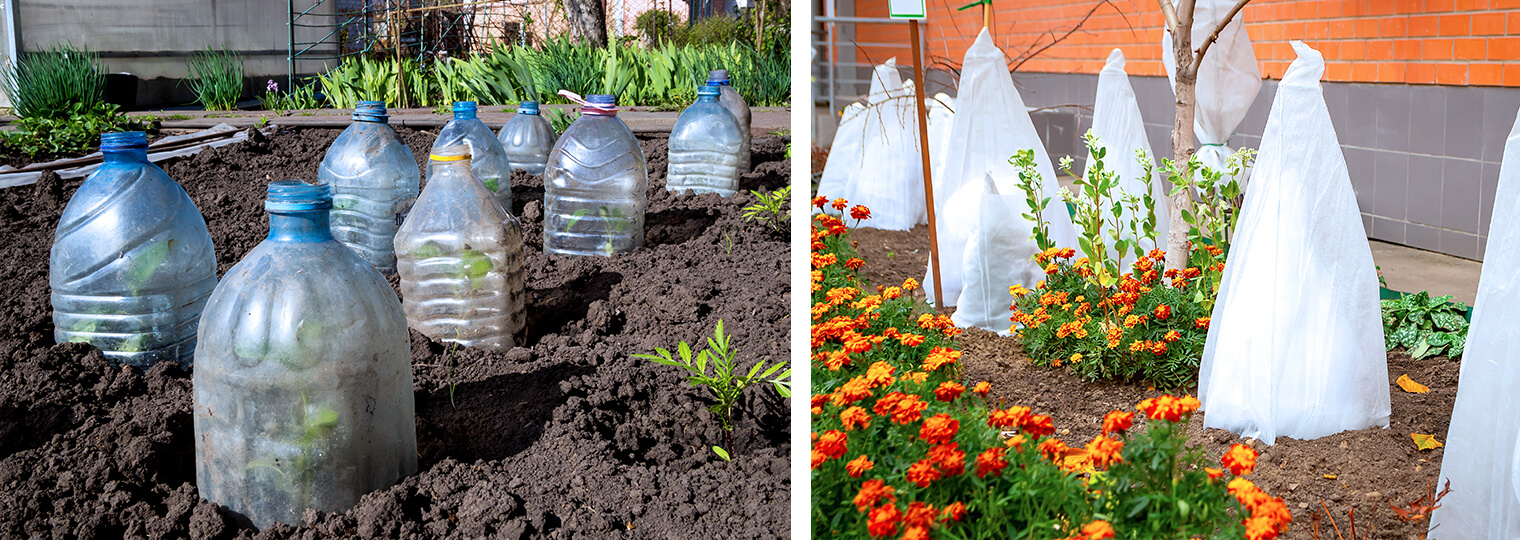
- Frost cloth Use breathable fabric on nights near or below freezing. Drape to the ground and secure the edges to trap warmth. Remove or vent in the morning to prevent heat build-up.
- Blankets and sheets In a pinch, use old linens. Keep fabric off foliage with stakes. Do not use plastic directly on leaves.
- Cloches and cut-bottle domes For single plants, clear jugs or glass cloches trap daytime heat. Vent on sunny days.
- Row covers Lightweight covers can stay on for weeks. They reduce wind and add a few degrees. Water through them if needed.
- Burlap wraps For evergreens and roses, wrap loosely to reduce windburn. Do not wrap airtight. Leave tops open for airflow.
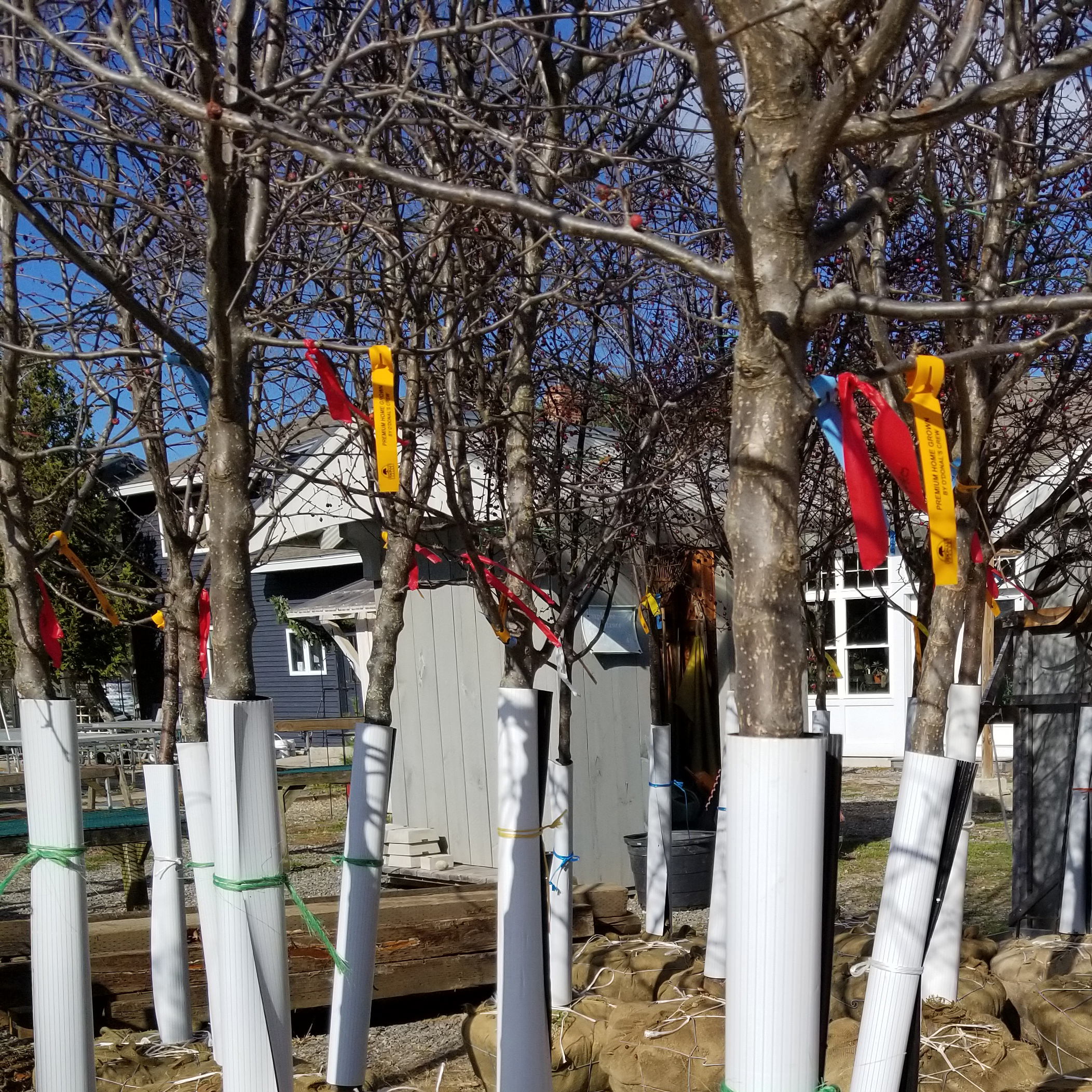
- Trunk guards Use white tree wrap or guards on young fruit trees to prevent sunscald and rodent damage.
I trialed frost cloth on kale during a 14°F cold snap. Covered plants bounced back in two days. Uncovered plants turned limp and mushy. That simple test sold me on How To Protect Plants In Winter with basic covers.

Special cases: containers, evergreens, fruit, perennials, and bulbs
Each plant group has its winter quirks. Tailor your approach for better results.
Containers and patio pots
- Cluster pots side by side. Wrap the group with bubble wrap or burlap.
- Raise pots on feet so they drain. Water before cold, then sparingly.
- Move the tender ones into a garage or porch where temps stay 25–45°F.
Evergreens and broadleaf shrubs
- Water deep before ground freeze. Wind strips moisture in winter.
- Wrap with burlap screens on the windward side. Use anti-desiccant sprays only if advised for your species.
- Brush off heavy snow upward to avoid snapped branches.
Fruit trees and small trees
- Wrap young trunks with white guards from base to first branches.
- Mulch the root zone wide, not deep. Keep mulch off the trunk.
- Prune when fully dormant on a dry day. Avoid cutting just before a deep freeze.
Perennials and ornamental grasses
- Wait to cut back until after several hard frosts. Leave some stems to catch snow.
- Mulch crowns lightly, especially for borderline-hardy plants.
- Mark plant locations so you don’t disturb them during thaws.
Bulbs and tender perennials
- Plant spring bulbs at proper depth and water once to settle soil.
- Lift dahlia, canna, and gladiolus in cold zones. Cure, label, and store cool and dry.
- In mild zones, a thick mulch may be enough.
If you grow on a balcony, How To Protect Plants In Winter focuses on container insulation and wind shields. If you grow fruit, How To Protect Plants In Winter includes trunk protection and smart pruning. Adjust to your plant list.
Overwintering indoors and houseplant care
Some plants are happier inside for the cold months.
- Acclimate Bring pots in before nights drop below 50°F. Check for pests first.
- Light and humidity Place near bright windows or use grow lights. Add a small humidifier or pebble trays.
- Water less Growth slows in winter. Let soil dry a bit more between waterings.
- Quarantine new arrivals Keep newcomers separate for two weeks to catch hitchhikers.
I lost a rosemary once by parking it near a heat vent. Now I keep herbs in bright, cool spots and water with care. These small changes are a big part of How To Protect Plants In Winter for tender herbs and citrus.

Timing calendar for How To Protect Plants In Winter
Use this simple, repeatable plan. It blends science with real-world timing.
- Clean up disease-prone leaves. Compost only healthy debris.
- Add compost to beds and fix drainage trouble spots.
- Start reducing fertilizer on perennials and shrubs.
Late fall, before first hard freeze
- Water deeply if soil is dry.
- Mulch beds after a light freeze.
- Set up burlap windbreaks and trunk guards.
When frost is forecast
- Cover tender plants by dusk with frost cloth or sheets.
- Water containers lightly if dry. Move the tender ones to shelter.
- Close cold frames at night. Vent in the morning.
Midwinter
- Check moisture on mild days. Water evergreens if the soil thaws.
- Brush off heavy snow. Watch for salt spray and flush when you can.
- Re-secure covers after storms.
Early spring thaw
- Pull mulch back from crowns to wake plants slowly.
- Remove wraps and covers in stages to harden growth.
- Prune winter damage once new growth starts.
This calendar makes How To Protect Plants In Winter feel simple. It spreads the work and helps you act before damage happens.
:max_bytes(150000):strip_icc()/SPR-how-to-protect-plants-from-frost-8730681-HERO-1e6b826dd6e84cdc87440e9fd094d61a.jpg)
Common mistakes and myths to avoid
Learn from what I’ve seen (and done).
- Over-fertilizing late in fall New growth is tender and freezes fast.
- Smothering plants with plastic Plastic on leaves traps moisture and burns tissue.
- Skipping water in winter Dry roots kill even hardy evergreens.
- Mulch volcanoes against trunks Moisture invites rot and pests.
- Leaving covers on during sunny days Heat and humidity can cook plants.
The biggest myth? That snow alone kills plants. Dry wind, sudden thaws, and poor drainage do more harm. How To Protect Plants In Winter is about balance, not brute force.

Monitor, measure, and adjust
You cannot fix what you do not track. Simple tools help you act in time.
- Soil thermometer Check root zone temps to time covers and watering.
- Moisture meter Avoid guesswork, especially with evergreens and containers.
- Local forecast alerts Set freeze and wind alerts on your phone.
- Visual checks Look for wilting on cold, sunny days, bark splits, and lifted crowns.
Monitoring is the steady heartbeat of How To Protect Plants In Winter. A five-minute walk after a cold night often saves a season’s work.
Frequently Asked Questions of How To Protect Plants In Winter
What is the single best way to protect plants in winter?
Mulch the root zone and water before hard freezes. Those two steps prevent heaving and reduce stress from cold and wind.
Can I use plastic to cover plants?
Use plastic only over a frame and never touch leaves. Breathable frost cloth is safer for overnight cold and lets moisture escape.
How do I protect potted plants on a balcony?
Group pots together, wrap them, and lift them off the floor. Water before freezes and move tender plants near a wall or inside.
Should I prune before winter?
Avoid heavy pruning right before deep cold. Prune when plants are fully dormant, then fine-tune in early spring.
How can I protect plants from road salt?
Erect a burlap screen and water the soil to flush salts during thaws. Add extra mulch and consider salt-tolerant shrubs near roads.
Do I need to cover plants every cold night?
Cover only when frost or hard freezes are likely. Remove or vent covers each morning to prevent heat and moisture build-up.
How To Protect Plants In Winter without a greenhouse?
Use mulch, frost cloth, burlap windbreaks, and simple cloches. These low-cost tools add a few life-saving degrees and cut wind stress.
Conclusion
Winter care is not about fighting nature. It is about guiding it. With mulch, water at the right time, smart covers, and steady checks, you can steer your garden through the cold. You now know How To Protect Plants In Winter with calm, simple steps that work.
Pick three actions from this guide and do them this week. Your spring self will thank you. If this helped, subscribe for more practical garden guides or share your own winter wins in the comments.

I enjoy sharing simple gardening ideas, lawn care tips, and honest product reviews that help make outdoor work easier. From home gardening guides to helpful tools and lawn care advice, I write easy-to-follow content to help readers create a healthier and better-looking outdoor space without wasting time or money.