As an Amazon Associate, I earn from qualifying purchases.
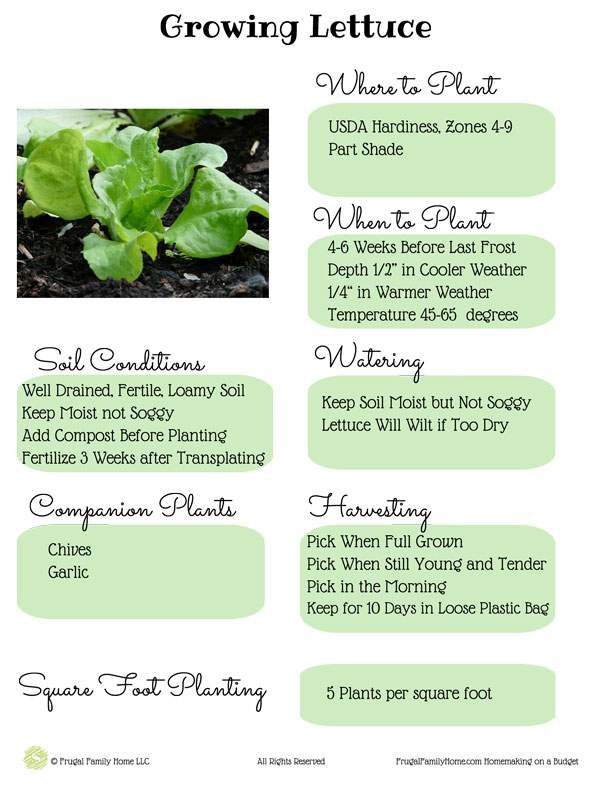
You can grow about 4 to 16 lettuce plants per square foot, depending on the type of lettuce, the size of each plant, and whether you want full heads or small leaves. For full-size lettuce heads, start with 4 plants per square foot. For smaller leaf lettuce, you can often grow 9 to 16 plants in the same space.
In American home gardens, lettuce is a useful crop for small raised beds, patio planters, and backyard vegetable plots. A single square foot can hold several plants, so even a small garden can supply fresh leaves for salads and sandwiches. The key is to match plant spacing to the size you want at harvest.
The best spacing depends on the lettuce variety and your growing conditions. Loose-leaf lettuce needs less room than many full-size heads, while romaine and crisphead types often need more space to form firm, healthy heads. Good spacing also helps air move between leaves and makes watering and harvesting easier.
This guide explains how many lettuce plants fit in one square foot, how to lay them out in a raised bed, and when to thin crowded seedlings. It also covers seasonal planting, container growing, and common problems that can reduce your harvest.
For most home gardens, the practical range is 4 to 16 lettuce plants per square foot. The lower end suits large, mature heads, while the higher end suits smaller leaf lettuce or plants harvested young. Your best number depends on the variety, the expected harvest size, and the time you plan to let each plant grow.
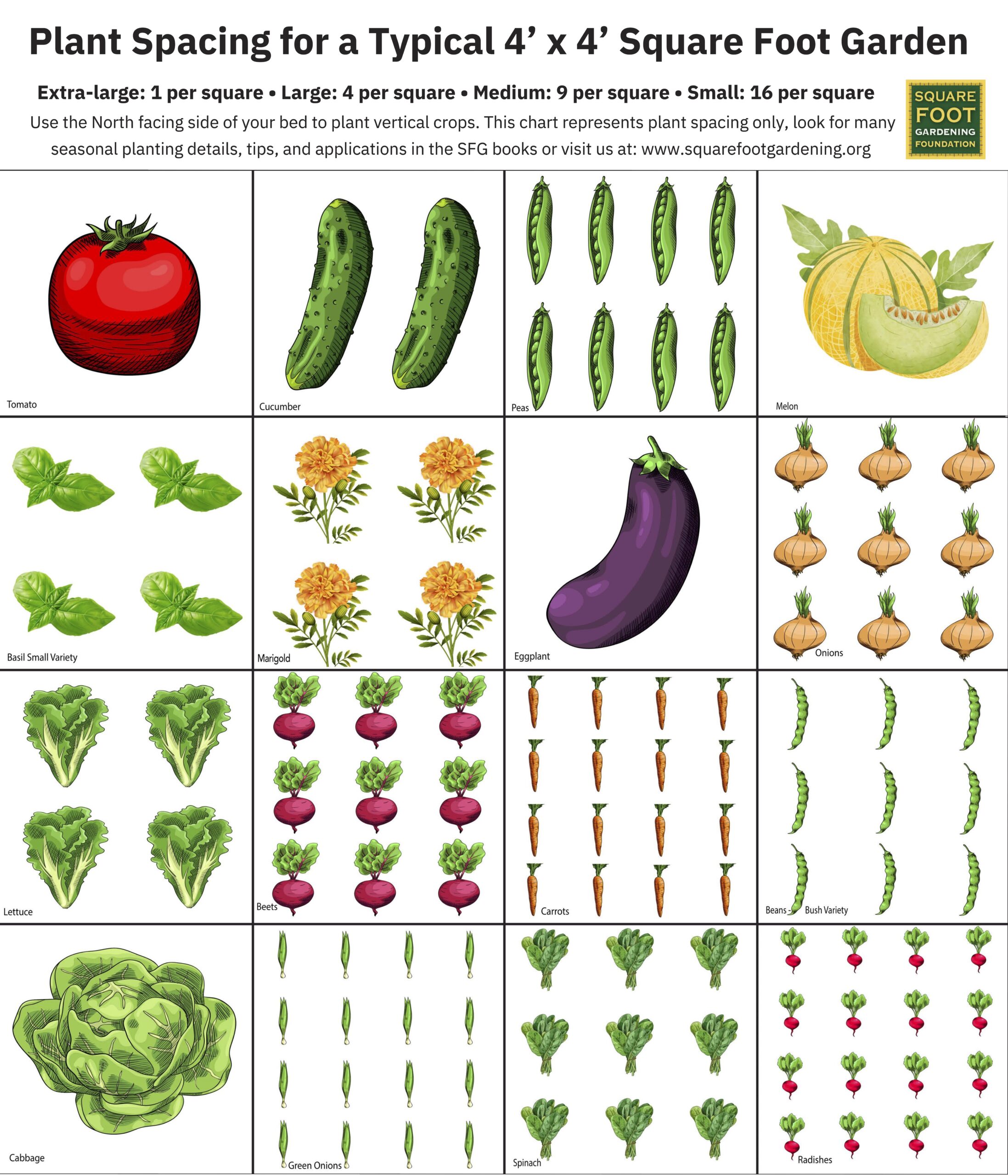
Square foot gardening divides a growing bed into one-foot sections. Each section covers 12 inches by 12 inches, or 144 square inches. Once you know the spacing needed for each plant, you can use that square to plan a simple planting pattern.
The numbers below are useful starting points, not strict limits. Some varieties grow compactly, while others spread wide. Always check the seed packet for mature size and recommended spacing before planting.
Source: i0.wp.com
4 plants per square foot
A practical starting point for many full-size lettuce heads, including varieties that need room to spread.
6 to 9 plants per square foot
A useful range for compact lettuce varieties or medium-size plants, depending on their mature width.
9 to 16 plants per square foot
A common planning range for smaller leaf lettuce grown for individual leaves or baby greens, provided the variety and growing conditions support close spacing.
Lettuce Spacing Chart
Use this chart to plan a square-foot garden. The listed spacing is a starting point for typical home-growing conditions. A larger variety may need more space, and baby greens can be planted more closely when you plan to harvest them early.
Full-size lettuce heads: 4 per square foot
Space plants about 6 inches apart in a two-by-two grid. This gives each plant roughly 36 square inches of growing space.
Compact head lettuce: 4 to 6 per square foot
Use the variety’s mature width to decide whether a tighter arrangement is suitable. Do not crowd plants simply to reach a higher count.
Medium leaf lettuce: 9 per square foot
Arrange plants in a three-by-three grid, leaving about 4 inches between plant centers.
Small leaf lettuce: 16 per square foot
Use a four-by-four grid with about 3 inches between plant centers. This works best for compact plants or lettuce that will be harvested young.
Baby lettuce: closely spaced rows or blocks
Sow a small patch more densely when harvesting young leaves, but plan to cut the crop before plants become crowded. This method is different from growing full-size heads.
Why the Number Changes by Lettuce Type
Loose-leaf lettuce forms a cluster of leaves rather than one tight head. Many varieties can be harvested a few leaves at a time, so you can grow more plants in a small area. Romaine forms upright heads, while butterhead develops a soft, rounded head that needs enough room to spread.
Crisphead lettuce, including iceberg types, usually needs more space and a suitable growing season to form firm heads. A compact variety may tolerate closer spacing than a large one, but the mature size listed by the seed supplier is the better guide.
Loose-leaf lettuce
Often suitable for 9 to 16 plants per square foot when grown for small leaves or compact plants.
Romaine lettuce
Start with about 4 plants per square foot for full-size heads, then adjust based on the variety.
Butterhead lettuce
About 4 plants per square foot is a useful starting point for full-size heads.
Crisphead lettuce
Allow generous room for full heads and follow the recommended spacing on the seed packet.
How to Calculate Lettuce Spacing per Square Foot
You can estimate how many lettuce plants fit in a square foot by using the spacing between plant centers. Plant centers are the points where each seedling sits, not the outer edges of its leaves. This distinction matters because mature leaves can overlap even when the roots and growing points have enough room.
For a simple estimate, divide 12 inches by the spacing you want in each direction. Then multiply the number of positions across by the number of positions down. This gives a useful grid estimate, although bed edges and the exact layout can change the final count.
Source: s-media-cache-ak0.pinimg.com
At 6-inch spacing
A two-by-two layout provides 4 planting positions per square foot.
At 4-inch spacing
A three-by-three layout provides 9 planting positions per square foot.
At 3-inch spacing
A four-by-four layout provides 16 planting positions per square foot.
Example: Planning a 4-by-4-Foot Raised Bed
A 4-by-4-foot raised bed contains 16 square feet of growing space. If you plant 4 full-size lettuce plants in each square, you can plan for 64 plants across the bed. If you use a compact leaf variety at 9 plants per square foot, the same bed can hold 144 plants.
These totals assume that the entire bed is available for lettuce and that the selected spacing fits the mature plants. If you leave a square open for herbs, use a trellis, or plant a row of larger vegetables, subtract that space before calculating your lettuce count.
Full-size heads
16 square feet multiplied by 4 plants equals 64 plants.
Medium leaf lettuce
16 square feet multiplied by 9 plants equals 144 plants.
Small leaf lettuce
16 square feet multiplied by 16 plants equals 256 planting positions, but this high density is better suited to small plants or early harvests than to full-size heads.
Use the Mature Width, Not Just the Grid
A grid helps you organize the bed, but the mature width tells you whether the layout is practical. If a lettuce variety grows 8 inches wide, a 3-inch grid is unlikely to give each plant enough room to reach that size. The leaves may overlap heavily, and the plants may compete for light and moisture.
When in doubt, use fewer plants. A smaller number of well-spaced plants can produce larger heads and may be easier to keep healthy than a crowded bed. Close spacing is most useful when you intentionally plan to harvest smaller leaves.
How to Plant Lettuce in a Square-Foot Garden
Lettuce grows well in a bed with loose soil, steady moisture, and enough light for the chosen variety. Before sowing, remove weeds and break up large clumps so young roots can spread. Add finished compost if the soil needs organic matter, and make sure water can drain from the bed.
You can start lettuce from seed or transplant young seedlings. Direct sowing gives you control over spacing from the start, while transplants make it easier to arrange plants in a neat grid. Both methods work when you handle seedlings gently and avoid burying the growing point.
Source: 4.bp.blogspot.com
Step 1: Prepare the bed
Choose a sunny or lightly shaded location that suits your local climate. Use loose, fertile soil that drains well but holds enough moisture for steady growth.
Step 2: Mark each square
Use string, a ruler, or a garden grid to mark one-foot sections. Decide whether each square will hold 4, 9, or 16 plants based on the planned harvest size.
Step 3: Sow or transplant
Follow the seed packet for sowing depth. For transplants, set each plant at about the same depth it grew in its starter cell.
Step 4: Water gently
Water the soil after planting so seeds stay in place and roots make contact with moist soil. Avoid washing seeds into corners or exposing young roots.
Step 5: Thin crowded seedlings
When seedlings have developed their first true leaves, remove extras to reach your chosen spacing. Snip unwanted seedlings at soil level if pulling them could disturb nearby roots.
Step 6: Check the spacing as plants grow
Watch for leaves that remain tightly packed, weak growth, or soil that dries too fast. Thin or harvest young plants when you need more room.
How to Arrange Four Plants in One Square
For four full-size lettuce plants, place one plant near each quarter of the square. Keep the centers about 6 inches apart in both directions, while leaving a little room near the outer edge of the bed. This creates a simple two-by-two grid.
For nine plants, use three rows of three, with centers about 4 inches apart. For 16 small plants, use four rows of four at roughly 3-inch spacing. These are planting layouts, not a promise that every plant will reach full size at the same density.
Direct Sowing Versus Transplanting
Direct sowing is handy for baby greens and quick crops. Lettuce seeds are small, so sow them carefully and thin the seedlings after they emerge. If you scatter seed too thickly, the patch may need more thinning than expected.
Transplants work well when you want full heads in a measured grid. Choose compact, sturdy seedlings with healthy leaves. If seedlings are tall, pale, or root-bound, they may need better light or gentler handling before they can grow well in the bed.
What Affects the Number of Lettuce Plants per Square Foot?
Spacing is only one part of a healthy lettuce crop. Variety, temperature, light, water, soil, and harvest timing all affect how well plants use the space. A dense planting that works for small spring leaves may struggle during a hot spell or when plants are left to mature into large heads.
The most useful approach is to choose the harvest size first and then set the spacing. If you want large heads for sandwiches, allow more room. If you want tender leaves for salads, closer spacing can make sense because you will harvest before the plants reach their full size.
Source: ruralsprout.com
Variety
Check whether the variety is loose-leaf, romaine, butterhead, or crisphead. Different growth habits call for different amounts of space.
Temperature
Lettuce generally grows best in cool conditions. Heat can cause bitter leaves or premature flowering, called bolting, even when spacing is correct.
Light
Enough light supports sturdy growth. In hot regions, some afternoon shade can reduce heat stress, though deep shade may slow growth.
Water
Keep the root zone evenly moist. Small, crowded plants can wilt quickly in warm, dry weather because many roots draw from the same limited soil area.
Soil fertility
Lettuce needs available nutrients for leaf growth. Poor soil can limit plant size, while excess fertilizer can cause unwanted soft growth or other problems.
Harvest plan
Baby greens can be planted more closely than full-size heads because they are cut early. Plants left to mature need more space.
Does Closer Spacing Reduce Lettuce Growth?
Yes, close spacing can limit the size of individual plants when their leaves and roots compete for light, water, nutrients, and room. It does not always reduce the total amount you harvest from a small bed, especially when you cut baby greens. The result depends on whether your goal is many small leaves or fewer large heads.
If plants grow tall and thin, stay small, or press tightly against each other long before harvest, the spacing may be too close for that variety. Remove some plants or harvest the outer leaves to reduce crowding. Do not assume that adding more fertilizer will solve a lack of growing room.
How Climate Changes Your Planting Plan
In much of the United States, spring and fall are useful seasons for lettuce because temperatures are often cooler than in midsummer. Gardeners in northern states may be able to grow lettuce for longer stretches in mild weather, while gardeners in hot southern states may need shade and careful timing.
In warm areas, sowing in late summer for a fall crop can work when local temperatures begin to drop. In colder areas, spring planting may need to wait until the soil can be worked. Check local frost dates and the expected days to maturity for your variety rather than following a single national calendar.
How to Water and Feed Lettuce in a Dense Planting
Lettuce has shallow roots, so steady soil moisture helps leaves stay tender and supports even growth. Water when the top layer of soil begins to dry, and check beneath the surface rather than relying only on how the bed looks. Raised beds and small containers may dry out faster than in-ground gardens, especially in warm or windy weather.
Water at the soil level when practical. A gentle morning watering gives leaves time to dry and makes it easier to spot wilt before the hottest part of the day. Avoid keeping the bed waterlogged, because roots need air as well as moisture.
Source: c8.alamy.com
Check moisture often
Push a finger into the soil near the plants. If the root zone is drying, water deeply enough to moisten the soil around the roots.
Use mulch with care
A thin layer of clean organic mulch can help reduce moisture loss. Keep the material from pressing against the plant crowns.
Feed based on soil needs
Use compost or a suitable garden fertilizer according to the soil condition and product label. Do not add large amounts of fertilizer just because the plants are close together.
Check drainage
If water sits around the roots for long periods, improve drainage before planting another crop. Constantly wet soil can damage roots and encourage disease.
Signs Your Lettuce Needs Water
Leaves that droop in dry soil may signal a need for water, especially during warm afternoons. Check the soil before watering, because wilt can also result from damaged roots, disease, or extreme heat. If the soil is already wet, adding more water may make the problem worse.
Dry edges, slow growth, and rapid wilting can also occur when plants compete for limited moisture. Water the bed evenly and review the spacing if the same plants struggle again and again.
Should You Fertilize Every Week?
Not every lettuce bed needs weekly feeding. Rich soil with finished compost may supply enough nutrients for a short crop, while poor soil may need a measured application of fertilizer. Follow the label rate and consider a soil test when nutrient problems persist.
Excess nitrogen can encourage soft, leafy growth without fixing other limits such as poor light, heat, or overcrowding. Healthy roots, steady moisture, and suitable spacing matter just as much as feeding.
When and How to Harvest Lettuce
Harvest lettuce according to the variety and the size you want, rather than waiting for every plant to reach the same stage. Leaf lettuce can often provide outer leaves before the plant is fully mature. Head lettuce should be harvested when the head reaches a suitable size and texture for the variety.
A sharp, clean knife or clean scissors helps make a neat cut. Harvest during the cooler part of the day when possible, and move picked leaves into shade. Wash produce under clean running water before eating, and refrigerate it promptly when it will not be used right away.
Source: i.pinimg.com
Harvest outer leaves
Pick mature outer leaves while leaving the growing center intact. This can extend the harvest from suitable leaf varieties.
Cut baby greens
Cut young leaves when they reach the size you prefer. A close-sown patch may need to be replanted after cutting.
Harvest full heads
Cut the head near the soil line once it reaches the expected size. Check the seed packet for typical maturity and head characteristics.
Watch for bolting
If a central flower stalk forms and leaves become bitter, harvest usable leaves promptly. High temperatures and longer days can trigger bolting.
Can You Harvest Lettuce More Than Once?
Many loose-leaf varieties can be harvested more than once if you remove outer leaves and protect the growing center. This approach gives you a series of smaller harvests rather than one large cut. The plant will eventually slow down, bolt, or become less productive, especially as temperatures rise.
If you cut an entire baby-leaf patch close to the soil, regrowth depends on the variety, the remaining growing points, and growing conditions. Some plants regrow well, while others produce better results when you sow a new patch.
How Succession Planting Keeps Lettuce Coming
Succession planting means sowing a small amount of seed at regular intervals rather than planting the whole bed at once. For example, you could sow one square every week or two during suitable weather. The exact interval depends on how quickly the crop grows and how much lettuce your household uses.
This method spreads the harvest and lowers the chance that all your lettuce will mature or bolt at the same time. Leave enough room in the plan for older plants, new seedlings, and any other crops sharing the bed.
Common Mistakes When Growing Lettuce per Square Foot
The most common spacing mistake is treating every lettuce variety as if it grows to the same size. A layout that works for small leaf lettuce may leave too little room for large romaine or crisphead varieties. Start with the planned harvest size, then adjust the count to fit the plants rather than forcing a fixed number into every square.
Watering problems and heat stress can look like spacing problems. Before removing plants, check the soil moisture, the amount of light, and whether the weather is too warm for steady growth. A quick check of these conditions can save a healthy planting.
Source: i.pinimg.com
Planting too many full-size heads
Crowded heads may remain small or compete for water and light. Thin the plants early if you want them to reach full size.
Leaving seedlings unthinned
Seedlings that emerge close together compete from an early stage. Thin them to the planned spacing once you can identify the strongest plants.
Using one spacing rule for every variety
Read the seed packet and consider mature width. A fixed count is only a starting point.
Growing lettuce through intense heat
Hot weather can trigger bolting and bitter leaves. Shift sowing dates, use suitable shade, or choose a variety adapted to warmer conditions.
Keeping the soil too wet
Waterlogged soil can harm roots. Improve drainage and water based on soil moisture instead of following a rigid daily schedule.
Harvesting too late
Leaves can become tough or bitter as plants mature or bolt. Harvest at the intended stage and sow replacement crops when conditions remain suitable.
What to Do if Lettuce Plants Stay Small
Small plants may be crowded, short of light, dry, waterlogged, or growing in poor soil. Start by checking the spacing and moisture. If leaves overlap heavily and plants are still young, remove some seedlings or harvest extras to give the remaining plants more room.
If spacing is suitable, look at temperature and light next. Lettuce often struggles in intense heat, and very low light can produce weak growth. Check soil fertility only after considering these basic conditions, and avoid applying extra fertilizer without a clear reason.
What to Do if Lettuce Leaves Turn Bitter
Bitter leaves often appear as lettuce matures or experiences heat stress. Harvest usable leaves while they are still tender, and sow another crop when the weather is more suitable. Some varieties tolerate warmth better than others, but no variety is immune to every form of heat stress.
More space alone will not always prevent bitterness. Review planting dates, afternoon heat, and water supply before changing the spacing for your next crop.
Can You Grow Lettuce in Pots and Small Containers?
Yes, lettuce grows well in containers when the pot has drainage holes, suitable potting mix, and enough room for roots. A container can be planned using the same spacing principles as a raised bed, but its shape and total surface area determine how many plants fit. Wide, shallow containers often work well for leaf lettuce because its roots do not need the depth required by many larger vegetables.
Measure the usable soil surface rather than counting the outside dimensions of the pot. A round container has less usable area than a square container with the same maximum width, and curved edges may not provide enough room for a complete grid. Keep the spacing appropriate for the mature plant size.
Choose a container with drainage
Use a pot with holes that let excess water escape. Do not let the roots sit in standing water.
Use a suitable potting mix
Garden soil can become dense in a pot. Choose a container mix that supports root growth and drains while holding useful moisture.
Allow for faster drying
Small containers can dry quickly in warm weather. Check moisture often and water when needed.
Plan for the harvest size
Use fewer plants for full heads and more for baby leaves. Thin crowded seedlings before they compete too heavily.
How Many Lettuce Plants Fit in a 12-Inch Pot?
A 12-inch pot does not provide a full square foot of flat growing space because the sides curve inward. Depending on its shape and the lettuce variety, it may hold a few full-size plants or several smaller leaf plants. Four full-size plants may be too crowded if the pot’s inner diameter is much smaller than 12 inches.
For a round pot, measure the inside diameter near the soil surface and consider the mature plant width. If the goal is steady leaf harvest, a few compact plants may be easier to manage than a dense cluster of full-size heads.
Can Lettuce Grow Indoors?
Lettuce can grow indoors in a bright window or under a suitable grow light. A sunny window may provide uneven light, especially during short winter days, so turn the container if plants lean toward the glass. If seedlings become tall and weak, increase suitable light rather than adding more plants.
Indoor lettuce still needs drainage, steady moisture, and room for airflow. Start with a small number of plants until you learn how quickly the container dries and how much light the location provides.
Frequently Asked Questions
Q
How many lettuce plants should I plant in one square foot?
Plant about 4 full-size lettuce plants per square foot as a starting point. For medium leaf lettuce, 9 plants may work, while small leaf lettuce grown for early harvests can sometimes be planted at 16 plants per square foot. Adjust these numbers to match the variety’s mature size and your harvest plan.
Q
Can I grow 16 lettuce plants per square foot?
Yes, if you are growing small leaf lettuce or planning to harvest young leaves before the plants reach full size. A four-by-four grid provides 16 planting positions in one square foot, with about 3 inches between centers. This spacing is usually too tight for many full-size heads.
Q
How far apart should lettuce plants be?
A useful starting point is about 6 inches between full-size lettuce plants, 4 inches for medium leaf plants, and 3 inches for small plants grown for early harvest. Seed packet instructions and mature plant width should guide the final spacing because varieties differ.
Q
How many lettuce plants can I grow in a 4-by-4 raised bed?
A 4-by-4-foot bed has 16 square feet of growing area. At 4 plants per square foot, it can hold 64 full-size lettuce plants. At 9 plants per square foot, it can hold 144 medium leaf plants, provided the variety and growing conditions support that density.
Q
Does lettuce need full sun?
Lettuce grows well with ample light, but it can benefit from afternoon shade in hot weather. The best balance depends on your local climate and the season. Too little light can slow growth, while intense heat can cause plants to bolt and leaves to turn bitter.
Q
How often should I water lettuce in a raised bed?
Water when the root zone begins to dry, keeping the soil evenly moist without leaving it waterlogged. Raised beds may dry faster than in-ground soil, especially in hot or windy weather. Check the soil rather than following a fixed daily watering schedule.
Q
Can I plant lettuce close together for baby greens?
Yes. Baby greens are often grown more closely than full-size lettuce heads because they are harvested young. Choose a suitable leaf variety, sow evenly, and cut the leaves before crowding limits growth. Sow another small patch later if you want a steady supply.
✦ Wrapping Up
Conclusion
The number of lettuce plants per square foot depends on the type of lettuce and the size you want at harvest. Four plants per square foot is a useful starting point for full-size heads, while 9 to 16 plants can suit smaller leaf lettuce or baby greens. The goal is not to fit the largest number into the bed, but to give each plant enough room to produce the harvest you want.
A simple grid makes planning easy, but mature plant size, temperature, soil moisture, and light still matter. Start with the seed packet’s spacing advice, thin seedlings early, and watch how your chosen variety grows. If plants become crowded or stay small, reduce the density or harvest them young.
💡 Key Takeaway
For your next planting, mark one square foot of garden space and choose a two-by-two grid for 4 full-size lettuce plants or a three-by-three grid for 9 medium leaf plants. Use closer spacing only when the variety and your planned harvest support it.
I enjoy sharing simple gardening ideas, lawn care tips, and honest product reviews that help make outdoor work easier. From home gardening guides to helpful tools and lawn care advice, I write easy-to-follow content to help readers create a healthier and better-looking outdoor space without wasting time or money.