As an Amazon Associate, I earn from qualifying purchases.
Chinese evergreen grows best in indirect light, warm rooms, and loose soil that drains well. Water when the top 1 to 2 inches of soil feel dry, and keep the plant away from cold drafts and direct sun.
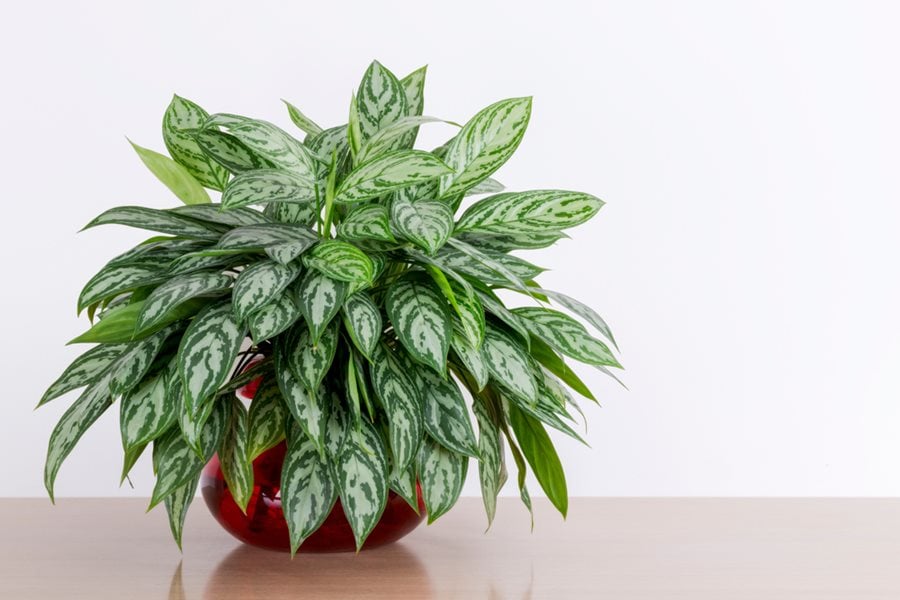
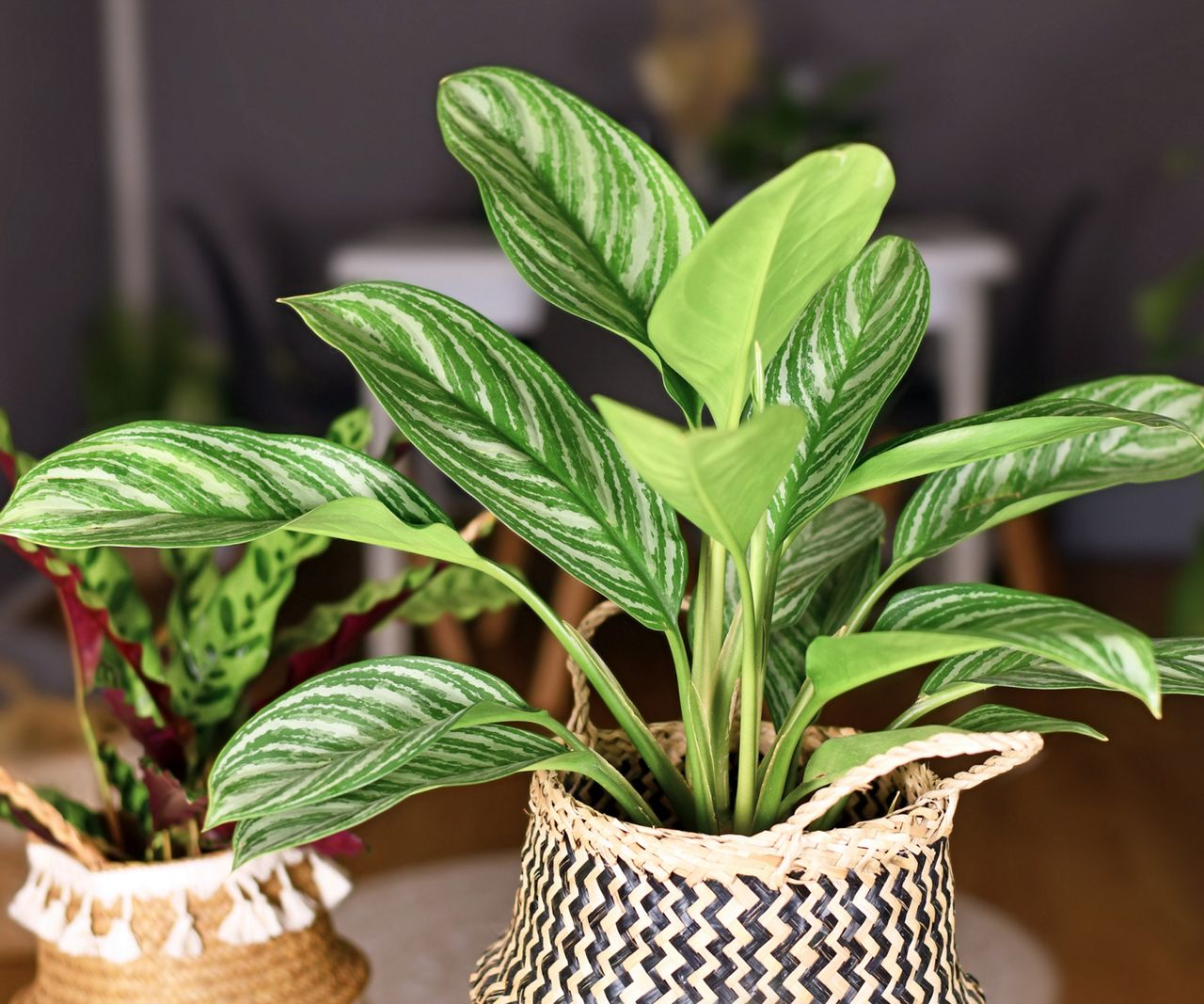
Chinese evergreen, also called Aglaonema, is a popular houseplant in homes and offices across the United States. Its broad leaves come in shades of green, silver, cream, pink, and red. It can brighten a dim room without needing the strong sun that many other tropical plants require. With a few simple habits, even a new plant owner can keep it looking fresh.
Good Chinese evergreen plant care starts with the right balance of light and water. The plant can handle lower light, but it still needs enough light to grow. Its roots also need air, so wet soil should never sit in a pot for long. Indoor heating, air conditioning, and cold winter windows can affect its health, so a steady spot often works better than frequent moves.
Chinese evergreen is the common name for plants in the Aglaonema group. These tropical foliage plants are grown for their attractive leaves rather than for showy flowers. They come from tropical and subtropical parts of Asia and are well suited to indoor growing when kept warm.
Many varieties grow about 1 to 3 feet tall and wide indoors, though size varies by cultivar and growing conditions. Their leaves may be dark green, silver, cream, pink, or red. Some plants have broad silver centers, while others have bright edges or colorful patches.
This plant is often recommended to beginners because it tolerates lower light and average indoor humidity. However, tolerance does not mean that it can live without care. Poor drainage, repeated overwatering, cold exposure, and severe light shortages can still cause trouble.
Source: diys.com
Best for
Homes, apartments, offices, and rooms with indirect light.
Growth habit
Upright stems with broad, patterned leaves. Older plants may develop bare lower stems.
Main care needs
Moderate watering, suitable light, warm temperatures, and a draining potting mix.
How Much Light Does Chinese Evergreen Need?
Chinese evergreen grows well in low to medium indirect light. A spot near a north-facing window may suit a green variety, while an east-facing window can provide gentle morning light. A bright room with filtered light is also a good choice.
Keep the leaves out of strong direct sunlight. Harsh sun through a window can bleach the leaf color or cause dry, brown patches. If your only bright window gets intense afternoon sun, move the plant farther back or use a sheer curtain.
Leaf color helps guide placement. Dark green types usually tolerate lower light better than varieties with pink, red, cream, or silver patterns. More colorful plants often need brighter indirect light to maintain their markings.
A plant can survive in a dim corner but may grow very slowly there. Long gaps between new leaves, stretched stems, and fading patterns can suggest that the plant needs more light. Move it gradually to a brighter spot rather than exposing it to strong sun all at once.
Source: keepyourplantsalive.com
Low light
Suitable for many dark green varieties, though growth may be slow.
Medium indirect light
A useful starting point for most varieties and a good choice for steady growth.
Bright indirect light
Often best for pink, red, and strongly variegated types, provided the leaves remain out of direct sun.
Can Chinese Evergreen Grow Without a Window?
A room without a window may not provide enough usable light for long-term healthy growth. Standard indoor lighting can help, but ordinary ceiling lights may be too weak or may not stay on long enough.
A plant grow light can help if natural light is limited. Follow the light maker’s distance and timing guidance, then watch the leaves for signs of stress. If the plant develops pale or scorched patches, reduce the intensity or move the light farther away.
How Often Should You Water Chinese Evergreen?
Water Chinese evergreen when the top 1 to 2 inches of soil feel dry. Push a finger into the mix to check its moisture before reaching for the watering can. If the soil still feels damp, wait a little longer.
There is no single watering schedule that works for every plant. A small pot in a warm, bright room may dry faster than a large pot in a cool, dim room. Season, soil type, pot material, and indoor airflow also change how quickly moisture leaves the soil.
When watering time comes, pour water evenly over the soil until it runs from the drainage holes. Let the pot drain fully, then empty the saucer or outer planter. Do not leave the roots sitting in collected water.
During spring and summer, the plant may use more water as it grows. In winter, growth often slows and the soil may stay damp longer. Check the soil each time instead of watering automatically every week.
Source: gardendesign.com
Check first
Feel the top 1 to 2 inches of soil before watering.
Water thoroughly
Moisten the root area evenly and allow extra water to drain.
Adjust with the season
Water less often when growth slows or the soil dries more slowly.
Signs of Overwatering
Yellow leaves, persistently wet soil, soft stems, and a sour smell from the pot can point to overwatering or root damage. These signs are not proof on their own, so check the soil and roots before changing your routine.
If the soil stays wet for many days, stop watering until the mix begins to dry. Make sure the drainage holes are open and remove standing water from the saucer. If the roots are dark, mushy, or smell rotten, remove the damaged parts with clean tools and repot in fresh, well-draining mix.
Signs of Underwatering
Drooping leaves and dry, shrinking soil may mean the plant needs water. Check the soil before acting, because root rot can also cause drooping even when the pot is wet.
If the soil is dry, water slowly and evenly until the excess drains out. Very dry potting mix may pull away from the sides of the pot, so apply water in stages to help it absorb moisture. Do not leave the plant standing in water afterward.
Choose the Right Soil and Pot
Chinese evergreen needs a potting mix that holds some moisture but drains well. A standard indoor potting mix can work, especially when it contains materials that keep the soil from becoming dense. A mix made for tropical foliage plants is another practical option.
If your mix stays wet for too long, improve its structure with a suitable aerating material such as perlite. The goal is a loose mix that allows air to reach the roots while still holding enough water for the plant to use. Avoid heavy garden soil in indoor pots because it may compact and drain poorly.
Choose a pot with drainage holes. A decorative outer pot without holes can hold a nursery pot, but remove the inner pot for watering or empty the outer pot after water drains through. A layer of stones at the bottom does not replace drainage holes.
Do not choose an oversized pot just to give the plant room to grow. Excess soil around a small root system can stay wet for too long. When repotting, select a container only one size larger than the current root ball, and use fresh mix around the roots.
Source: gardenerspath.com
Soil
Use a loose indoor potting mix with good drainage and some moisture retention.
Container
Pick a stable pot with open drainage holes.
Repotting
Move up one pot size when roots crowd the container or water runs through unusually fast.
When Should You Repot?
Repot when roots circle the pot, emerge from drainage holes, or form a dense mass that leaves little room for soil. Slow growth alone does not always mean the plant needs a larger pot, especially in low light.
Spring or early summer is often a good time because the plant can resume active growth after repotting. Loosen crowded roots gently, keep the stem base at its former soil level, and water enough to settle the new mix. Allow excess water to drain fully.
Best Temperature and Humidity
Chinese evergreen prefers warm indoor conditions. A temperature range of about 68 to 80 degrees Fahrenheit suits many varieties, and the plant should be protected from sudden cold. Prolonged exposure to temperatures below about 55 degrees Fahrenheit can cause stress or injury.
Keep the plant away from cold winter windows, drafty exterior doors, and direct blasts from heating or air-conditioning vents. A stable place in a comfortable room is usually better than a location with sharp temperature changes.
Average household humidity is often enough for Chinese evergreen. Higher humidity may support healthy leaves, but you do not need to turn your home into a tropical greenhouse. If the leaf edges turn brown, check watering, drafts, root health, and fertilizer use before blaming dry air alone.
Misting the leaves is not a reliable way to maintain higher humidity for long. If your home is very dry, a room humidifier can provide more consistent results. Keep good airflow around the plant and avoid leaving the foliage wet for long periods.
Source: homesandgardens.com
Temperature
Aim for a warm room, ideally around 68 to 80 degrees Fahrenheit.
Humidity
Average indoor humidity is often acceptable; extra humidity can help in very dry rooms.
Avoid
Cold drafts, chilly glass, and direct airflow from heaters or air conditioners.
How to Fertilize Chinese Evergreen
Feed Chinese evergreen lightly during active growth in spring and summer. A balanced liquid houseplant fertilizer can provide the nutrients it needs to produce new leaves. Follow the product label for the correct dilution and frequency rather than adding extra fertilizer to speed up growth.
The plant usually needs less fertilizer in fall and winter when growth slows. If it is growing in very low light, avoid heavy feeding because it may not use the added nutrients well. Healthy roots and suitable light matter more than frequent fertilizer.
Too much fertilizer can cause brown leaf tips, damaged roots, or a crust of mineral salts on the soil surface. If you suspect a buildup, flush the mix with clean water if the pot drains freely, then let it drain completely. Stop feeding until the plant shows healthy growth.
When to feed
Use fertilizer during active spring and summer growth.
How much to use
Follow the label and avoid increasing the dose to force faster growth.
When to pause
Reduce or stop feeding when growth slows, roots are unhealthy, or fertilizer damage is suspected.
Pruning and Cleaning the Leaves
Prune Chinese evergreen to remove dead leaves, improve its shape, and encourage a tidy appearance. Use clean, sharp scissors to cut damaged leaves near the stem without cutting into healthy growth. Removing one or two old leaves at a time is usually enough for routine care.
Dust can collect on the broad leaves and make them look dull. Wipe each leaf gently with a soft, damp cloth, supporting it with your other hand. Avoid harsh cleaning products, leaf-shine sprays, or rough rubbing that may damage the surface.
Older plants can develop bare lower stems as they grow. This is a normal growth pattern for some plants, not always a sign of poor care. If the shape bothers you, you can prune a leggy stem and use a healthy cutting to grow another plant.
Wear gloves if your skin is sensitive, and wash your hands after pruning. Chinese evergreen contains calcium oxalate crystals that can irritate skin and the mouth. Keep cut leaves and stems away from children and pets.
Remove damaged leaves
Cut off fully yellow, brown, or dead foliage with clean tools.
Clean gently
Wipe dust away with a soft damp cloth.
Check as you prune
Look under leaves and along stems for insects, sticky residue, or webbing.
How to Propagate Chinese Evergreen
You can grow new Chinese evergreen plants from stem cuttings or by dividing a mature plant. Division is useful when several rooted stems grow together in one pot. Stem cuttings are helpful when you want to root a healthy section of a taller or leggy plant.
Propagation is often easiest in spring or early summer, when growth is active. Use clean tools, a suitable potting mix, and a warm spot with indirect light. New roots take time to form, so avoid repeatedly pulling the cutting out to check its progress.
Method 1: Divide a Mature Plant
Remove the plant from its pot and gently loosen the root ball. Look for natural sections with their own stems and roots, then separate them carefully. If roots are tightly tangled, use a clean knife to make a careful cut rather than tearing them apart.
Plant each division in a suitable container with drainage holes. Keep the stems at the same depth they were growing before, then water lightly enough to settle the mix and allow the pot to drain. Place the new plants in indirect light while they adjust.
Method 2: Root a Stem Cutting
Choose a healthy stem section with at least one node, which is the point where leaves or roots can emerge. Cut with clean scissors or a knife, then place the lower node in water or a suitable moist rooting medium. Keep leaves above the water or soil surface.
Place the cutting in warm, indirect light and change the water regularly if you are using water propagation. If using a rooting medium, keep it lightly moist rather than soaked. Once the cutting has developed a useful root system, transfer it to potting mix if it was started in water.
Common Chinese Evergreen Problems and How to Fix Them
When Chinese evergreen looks unhealthy, check soil moisture, light, temperature, and pests before changing several things at once. A single symptom can have more than one cause, so the condition of the roots and the growing mix often provides the best clue.
Start with the simplest checks. Feel the soil, look for standing water, inspect the leaves on both sides, and consider whether the plant has recently been moved. Correct the likely cause first, then give the plant time to respond.
Yellow Leaves
Yellow leaves often result from excess water, poor drainage, or root stress. If the soil is wet, allow it to dry appropriately and check that water can escape from the pot. If several leaves yellow while the soil remains damp, inspect the roots for rot.
An occasional older leaf turning yellow may be part of normal aging. If only one old lower leaf changes color and the rest of the plant looks healthy, remove it and keep watching for new symptoms.
Brown Leaf Tips or Edges
Brown tips can develop from irregular watering, fertilizer salt buildup, very dry air, or exposure to drafts. Check the soil and review your recent care before adding humidity or fertilizer. If the plant has a white crust on the soil, excess mineral salts may be part of the problem.
Trim the dry portion with clean scissors if you want a neater appearance. Leave a narrow brown edge rather than cutting into healthy green tissue, and remember that trimming does not fix the cause by itself.
Drooping or Curling Leaves
Drooping leaves may indicate dry soil, waterlogged roots, cold stress, or a sudden change in conditions. Check soil moisture first. Water if the mix is dry, but avoid adding more water if it is already wet.
Curling can also follow exposure to cold air or intense sunlight. Move the plant to a stable, indirect-light location and avoid repeated moves while it recovers.
Pests on the Leaves
Spider mites, mealybugs, scale insects, and aphids can affect Chinese evergreen. Look for fine webbing, cotton-like clusters, sticky residue, small bumps, or insects gathered along stems and leaf undersides.
Separate an affected plant from other houseplants. Remove visible pests with a damp cloth or a gentle rinse if the plant and growing conditions allow it. For a persistent problem, use a product labeled for the specific pest and indoor ornamental plants, following every label direction. Test any spray on a small area first.
Slow Growth or Faded Leaf Color
Slow growth is common when Chinese evergreen receives low light or when temperatures are cool. If the plant remains healthy but produces few new leaves, try a slightly brighter spot with indirect light. Colorful varieties may need more light than solid green ones.
Do not respond to slow growth by automatically increasing fertilizer or water. First confirm that the plant has enough light, warm conditions, and healthy roots. These basic needs often matter more than extra feeding.
Is Chinese Evergreen Safe for Cats, Dogs, and Children?
Chinese evergreen is toxic to cats and dogs if chewed or swallowed. It contains insoluble calcium oxalate crystals, which can cause pain and irritation in the mouth and throat. Possible signs include drooling, pawing at the mouth, vomiting, and difficulty swallowing.
Place the plant where pets and young children cannot reach it, and collect fallen leaves after pruning. A high shelf is not a reliable safeguard for a climbing cat. Choose a different plant if you cannot keep Chinese evergreen away from animals that chew foliage.
If a pet eats part of the plant, contact a veterinarian or an animal poison-control service for advice. Seek urgent veterinary care if the pet has trouble breathing or swallowing. If a child chews the plant, remove any remaining plant material from the mouth and contact a poison-control service or medical professional for guidance.
Wear gloves when pruning if needed, avoid touching your eyes while handling the plant, and wash your hands afterward. These simple steps help reduce exposure to irritating plant sap and tissue.
Pet safety
Keep all parts of the plant out of reach of cats and dogs.
Handling
Use clean tools, wash your hands, and avoid rubbing your eyes while pruning.
Possible ingestion
Contact a veterinarian or poison-control service for specific advice.
A Simple Seasonal Care Routine
Chinese evergreen does not need a complicated care calendar. A short weekly check is often enough to spot dry soil, standing water, dust, or pests before these problems grow. Let the plant’s actual condition guide each task.
Spring
Check whether the roots need more room, resume light feeding as growth starts, and remove damaged leaves.
Summer
Check soil moisture more often if the room is warm, keep the plant out of harsh sun, and watch for pests.
Fall
Reduce feeding as growth slows and check that cool window glass or drafts do not chill the foliage.
Winter
Water less often when the soil dries slowly, protect the plant from cold, and keep it away from heating vents.
A Quick Weekly Check
Look at the leaves for yellowing, brown edges, dust, or pests. Feel the soil to see whether it needs water, and empty any standing water from the saucer. Check that the plant remains in indirect light and away from cold drafts.
If everything looks healthy, leave the plant alone. Chinese evergreen often does best with steady care rather than constant changes.
Frequently Asked Questions
Q
Is Chinese evergreen easy to care for?
Yes. Chinese evergreen is a good choice for beginners because it tolerates low to medium indirect light and average indoor humidity. The main tasks are checking the soil before watering, providing good drainage, and keeping the plant warm. Overwatering is one of the most common avoidable problems.
Q
How often should I water Chinese evergreen?
Water when the top 1 to 2 inches of soil feel dry. This may happen more often in warm, bright conditions and less often in winter or in a dim room. Water thoroughly, let the excess drain, and never leave the pot sitting in water.
Q
Can Chinese evergreen grow in low light?
Yes. Many dark green varieties tolerate low light well, although growth may be slower. Plants with pink, red, cream, or silver patterns often need brighter indirect light to maintain their color. Avoid direct sunlight, which can damage the leaves.
Q
Why are my Chinese evergreen leaves turning yellow?
Yellow leaves can result from overwatering, poor drainage, root damage, or normal aging of older leaves. Check soil moisture first. If the mix stays wet and several leaves turn yellow, inspect the roots and correct any drainage problems before watering again.
Q
Should I mist my Chinese evergreen?
Misting is not necessary in most homes and does not keep humidity high for long. Average household humidity is often adequate. If the air is very dry, a room humidifier may help, but also check for watering problems, cold drafts, and fertilizer buildup if the leaf edges turn brown.
Q
Can Chinese evergreen grow in water?
Some Aglaonema stems can root in water, and established plants may sometimes be grown using suitable water-based growing methods. However, a cutting rooted in water still needs enough healthy roots and suitable conditions to thrive. For ordinary houseplant care, a loose potting mix in a pot with drainage holes is a straightforward option.
Q
Is Chinese evergreen toxic to pets?
Yes. Chinese evergreen contains insoluble calcium oxalate crystals that can irritate the mouth and throat when chewed. Keep it away from cats and dogs, and contact a veterinarian if a pet eats any part of the plant. Breathing or swallowing difficulties require urgent veterinary attention.
✦ Wrapping Up
Conclusion
Chinese evergreen plant care is simple when you focus on a few basic needs. Give the plant indirect light, water only after the top layer of soil dries, use a pot with drainage holes, and keep it in a warm room. These habits support healthy roots and attractive leaves without adding extra work to your day.
Watch the plant as it grows. Yellow leaves, drooping foliage, brown tips, and slow growth can all provide clues about its care. Check the soil and growing conditions before making changes, and remember that colorful varieties may need more light than dark green ones. Keep the plant away from pets because its tissues can cause irritation if chewed.
💡 Key Takeaway
Start today by checking the top 1 to 2 inches of soil, confirming that the pot drains freely, and moving the plant away from harsh sun or cold drafts. Then use a simple weekly check to guide watering and routine care.
I enjoy sharing simple gardening ideas, lawn care tips, and honest product reviews that help make outdoor work easier. From home gardening guides to helpful tools and lawn care advice, I write easy-to-follow content to help readers create a healthier and better-looking outdoor space without wasting time or money.