As an Amazon Associate, I earn from qualifying purchases.
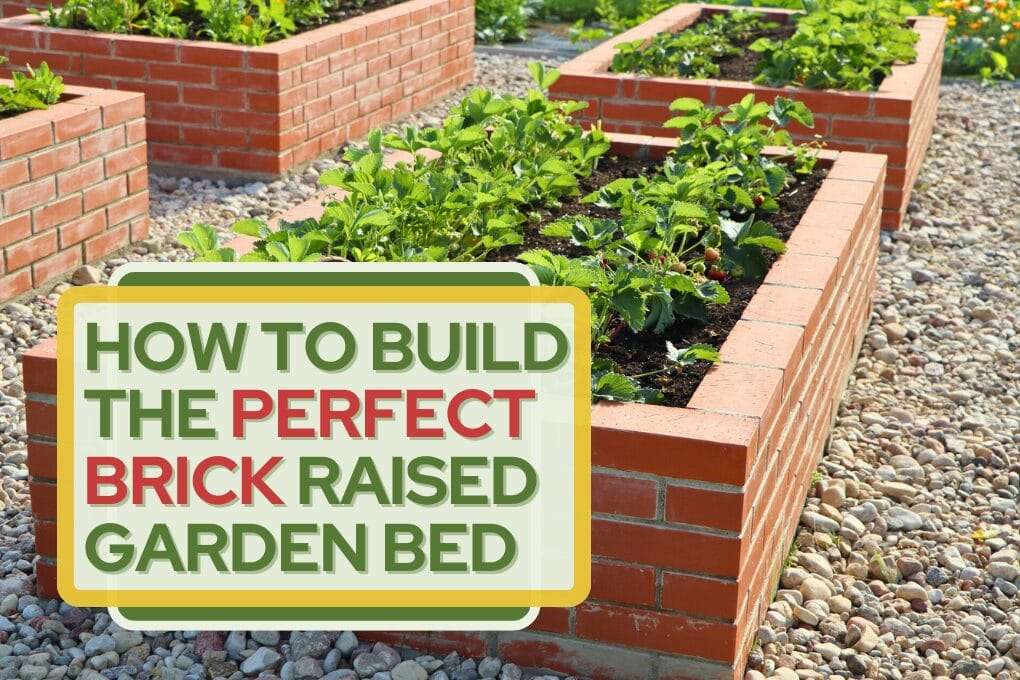
To build a brick raised garden, choose a level site, mark the bed, prepare a firm and well-drained base, lay the bricks in even courses, and fill the finished bed with suitable garden soil. Use a dry-stacked design for a low wall or mortar for a more permanent structure. The best method depends on the wall height, soil conditions, climate, and the weight the wall must hold.
Across the United States, a raised garden can make it easier to grow tomatoes, peppers, lettuce, herbs, and other crops in a backyard, side yard, or sunny patio. Brick is a useful choice because it creates a neat border, holds its shape when built well, and can blend with many home styles. A brick bed also separates garden soil from nearby grass, paths, and other planting areas.
The main task is not just stacking bricks. The base must stay firm, water must drain away, and the wall must handle the pressure of the soil inside. A short, dry-stacked bed can suit a simple do-it-yourself project, while a taller or mortared wall may need a more careful foundation and advice from a qualified builder. This guide explains how to plan the bed, choose materials, build it, and avoid common problems.
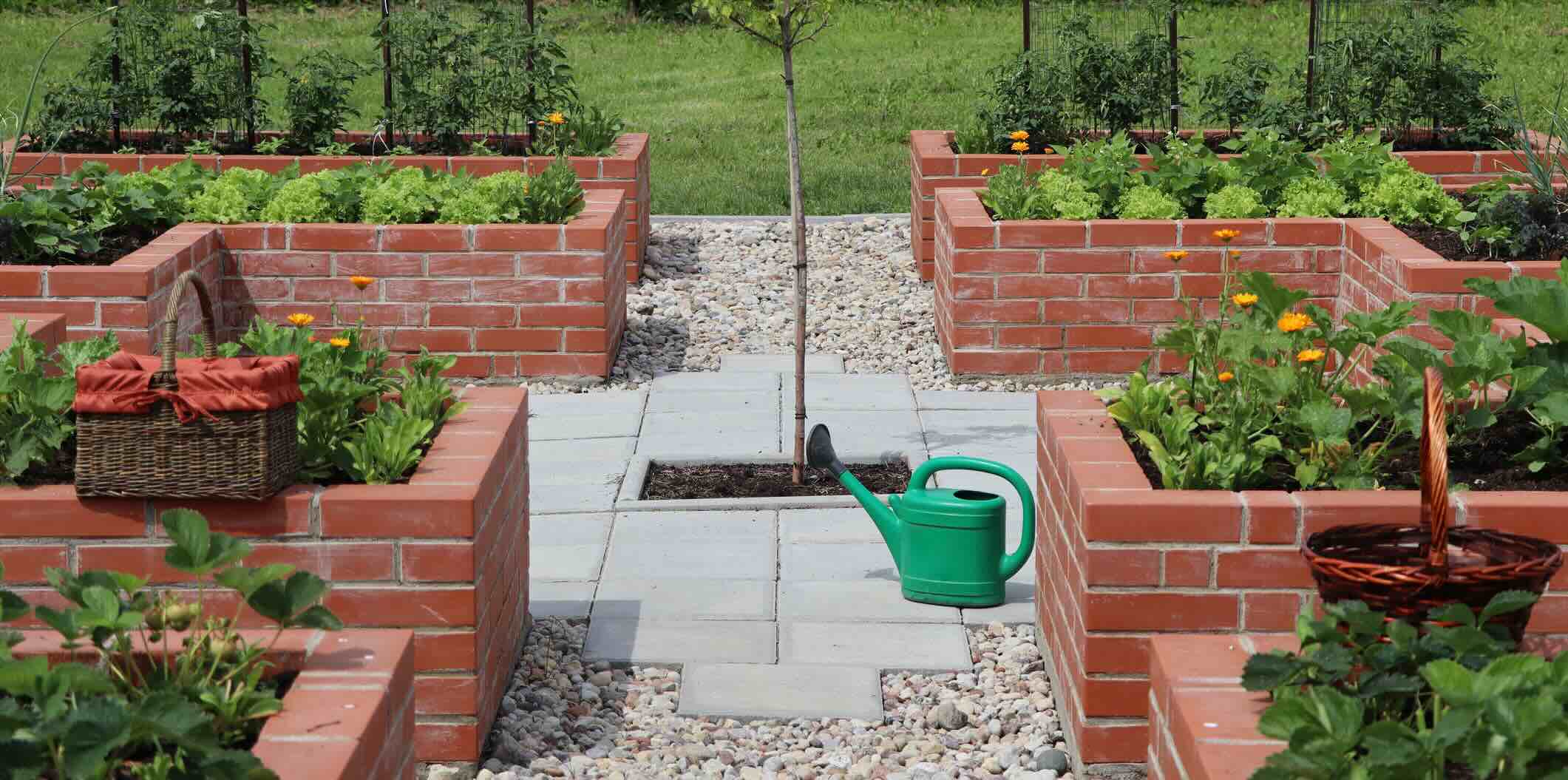
A brick raised garden bed is a planting area enclosed by a low wall made from bricks. The wall holds the growing medium above the surrounding ground, creating a defined space for vegetables, flowers, or herbs. Unlike a garden border that only marks an edge, a raised bed must also contain the weight and pressure of its soil.
Brick beds can be built in several ways. A dry-stacked bed uses bricks placed together without mortar, while a mortared bed bonds the bricks with masonry mortar. Some gardens use a mix of these methods, but the wall height, brick type, foundation, and site conditions should guide the design.
The term raised garden can describe anything from a shallow bed a few inches above grade to a deep masonry planter. These designs do not have the same structural needs. A small border may be a manageable home project, but a tall wall or a bed on a slope can need more than basic stacking skills.
Source: i.pinimg.com
Dry-stacked brick bed
Bricks sit on a prepared base without mortar. This method is easier to adjust or take apart, but the wall has limited resistance to movement and soil pressure.
Mortared brick bed
Mortar bonds the bricks together. The wall can be more rigid, but it needs suitable materials, correct masonry work, and a stable foundation.
Brick-faced raised bed
Brick forms the visible outer surface of a separate supporting structure. The support system must still be designed to carry the soil load.
Is Brick a Good Choice for a Vegetable Garden?
Brick can work well for a vegetable garden when the bed drains freely and the materials are suitable for outdoor use. It offers a firm edge and does not need the same routine replacement that untreated wood may need. Its appearance can also match a brick house, paved path, or traditional garden.
The trade-offs are cost, labor, and weight. Moving and laying bricks takes time, and mortar makes later changes harder. Brick can also absorb water, so freeze-thaw conditions may damage unsuitable bricks or poorly built masonry. In colder parts of the United States, use materials rated for the expected exposure and build the base to suit local soil and frost conditions.
Best fit
A permanent garden layout, a compact backyard, or a bed beside a path where a firm, finished border is useful.
Less suitable
A rental garden that must be easy to move, a site with severe drainage problems, or a tall wall project without suitable structural support.
Plan the Size, Location, and Height
Start by deciding what you want to grow and how you will reach the plants. Most vegetables need several hours of direct sunlight, though the exact amount varies by crop. Fruiting plants such as tomatoes generally need more sun than many leafy greens, so check the needs of your chosen plants before picking the site.
Choose ground that is reasonably level and does not collect water after rain. Avoid placing the bed where roof runoff pours onto it or where tree roots will compete heavily with crops. Keep enough room around the outside to walk, weed, and move a wheelbarrow.
Bed width matters because you should be able to reach the center without stepping into the soil. A bed accessible from both long sides is often about 3 to 4 feet wide, while a bed against a wall or fence should be narrower if you can reach only from one side. Length can vary to fit the yard, the available bricks, and your budget.
Height affects both comfort and construction. A shallow bed needs less fill and puts less pressure on its walls. A taller bed can reduce bending and provide more root space, but its walls must resist greater soil pressure. Do not assume that adding more rows of bricks automatically makes a wall safe.
Source: vegegardens.com
Sunlight
Check the site at different times of day and account for shadows from buildings, fences, and trees.
Access
Leave enough space to reach every part of the bed without walking on the planting soil.
Drainage
Choose a site where water can move away rather than remain trapped around the base.
Utilities
Contact the appropriate local utility-location service before digging. In the United States, homeowners can generally start through 811, with local rules and timing varying by state.
Calculate the Number of Bricks
Measure the outside length and width of the planned bed, then calculate the perimeter. For a rectangular bed, use this formula: perimeter equals two times the length plus two times the width. Multiply the perimeter by the number of brick courses to estimate the total number of bricks per course arrangement, using the actual brick length and the planned joint spacing.
For a simple estimate, divide the wall length by the length of one brick plus its joint allowance to find the approximate number of bricks in a row. Multiply the number of bricks around the bed by the number of rows. Corners, overlaps, cuts, and the bonding pattern change the final count, so lay out a sample course before buying all the materials.
Hypothetical example
For a bed measuring 6 feet by 3 feet, the perimeter is 18 feet. If a brick and its joint cover about 8.5 inches along the wall, one course needs roughly 26 bricks before allowing for corner layout and cuts.
Add a reserve
Buy a modest extra quantity for breakage, cuts, and future repairs. The exact reserve depends on the brick type and how complex the layout is.
Gather the Materials and Tools
Collect the bricks, base material, measuring tools, and soil before construction begins. The exact list depends on whether you are building a dry-stacked bed or a mortared wall. Using the right tools from the start makes it easier to keep the rows level and the corners square.
Choose solid, sound bricks that are suitable for outdoor exposure. Reclaimed bricks can be useful if their history is known and they are in good condition. Avoid bricks or rubble that may have been exposed to industrial chemicals, lead-based paint, oils, or other harmful substances, especially when growing food.
For a simple low bed, crushed stone or compactable gravel may help create a firm, draining base. A thin leveling layer of coarse sand or fine bedding material may be suitable for some layouts, but it should not replace a stable foundation. A mortared wall may need a properly designed concrete footing, depending on its size, soil, frost exposure, and local requirements.
Source: s-media-cache-ak0.pinimg.com
Main materials
Outdoor-suitable bricks, compactable base aggregate, appropriate bedding material, and garden soil or a suitable raised-bed growing mix.
For mortared walls
Masonry mortar and any footing materials specified for the planned wall. Follow the product instructions and applicable local building requirements.
Useful tools
Tape measure, stakes, string, shovel, rake, level, rubber mallet, hand tamper, square, gloves, and eye protection.
Extra tools for cutting
A suitable masonry cutting tool may be needed for some patterns. Cutting masonry can create hazardous dust, so use the correct dust controls and protective equipment or have the bricks cut by a qualified supplier.
Can You Use Old or Reclaimed Bricks?
Yes, if the bricks are sound, clean, and suitable for their intended exposure. Inspect them for crumbling faces, deep cracks, and signs of damage from freezing or moisture. Bricks that break apart easily may not support even a low garden wall for long.
Ask about the bricks’ previous use if you are buying reclaimed materials. Bricks from a known garden wall are easier to assess than bricks from an unknown industrial site. If contamination is possible, do not use them around edible crops until the risk has been properly assessed.
Keep
Sound bricks with intact faces and no known hazardous exposure.
Reject
Bricks with severe crumbling, unknown chemical contamination, or damage that makes them unsuitable for outdoor masonry.
Prepare the Ground and Build a Stable Base
A firm base is one of the most important parts of a brick raised garden. If the ground beneath one corner sinks, the wall can tilt, open at the joints, or crack. Correcting the foundation before the first course is laid is far easier than rebuilding a finished bed.
Mark the bed with stakes and string. Measure both diagonals of the rectangle; if the two measurements match, the corners are square. Check the dimensions again before digging because small errors become more visible as the wall grows.
Remove grass, roots, loose organic matter, and soft soil from beneath the planned wall. Dig only as deep as needed for the intended base, and check local conditions before excavating. The base depth and construction method depend on the wall design, the soil, frost exposure, and whether mortar is used.
Source: vegegardens.com
Step 1: Mark the outline
Use stakes, string, and a tape measure to set the exact footprint. Check the corners and diagonals.
Step 2: Clear the site
Remove turf, roots, and loose soil from the wall footprint. Keep the surrounding ground intact where it helps prevent erosion.
Step 3: Add the base material
Place suitable compactable aggregate in layers. The thickness should match the wall design and ground conditions rather than a single rule for every site.
Step 4: Compact and level
Use a hand tamper or suitable compaction tool. Check the surface with a level in several directions before laying bricks.
How Should a Brick Bed Drain?
Water needs a path out of the bed. If the soil stays saturated, plant roots can lose access to oxygen, and the wet ground can add pressure to the wall. Choose a site with natural drainage and avoid creating a closed container that traps water against the masonry.
A low dry-stacked wall with open joints may allow some water to escape, but the gaps do not replace a sound site and base. A mortared wall may need a deliberate drainage detail, such as a designed drainage layer or outlet, based on its construction. Do not drill holes or remove mortar from a finished wall without understanding how the change could affect its stability.
Good sign
Water drains away after rain and does not remain pooled at the outside edge or trapped within the planting area.
Warning sign
The base stays wet, water backs up against the wall, or the surrounding soil erodes after heavy rain.
Lay the Bricks for a Dry-Stacked Garden Bed
For a low bed with modest soil depth, dry stacking can be a straightforward option if the bricks and base suit the design. The method avoids mortar mixing and allows later adjustment, but it does not provide the same bond as a properly built mortared wall. Keep the wall low and do not use this method for a retaining wall that must resist substantial pressure.
Start with the first course on the prepared base. Place each brick firmly, keep the face aligned with the string line, and check the top with a level. Make small adjustments before moving on; a crooked first course is difficult to correct with later rows.
At the corners, arrange the bricks so the rows overlap or interlock where the brick shape allows. Avoid stacking every joint directly above the joint below. Staggered joints help distribute the load and reduce weak vertical seams.
Continue one course at a time. Check the wall for level, alignment, and movement as you work. If the bricks rock, the base is uneven, or the wall begins to lean, stop and correct the problem instead of hiding it with the next course.
Source: vegegardens.com
Keep the courses aligned
Use a string line and level to check each row. A straight, even wall is easier to fill and maintain.
Stagger the joints
Overlap joints between rows where the brick layout permits. Avoid long, continuous vertical seams.
Avoid forced stacking
Do not add extra courses simply to reach a desired height if the base and wall design are not suited to the added load.
Check the corners
Corners are common places for gaps and misalignment. Recheck them after every course.
When Is a Dry-Stacked Wall Too Tall?
There is no single safe height for every dry-stacked brick bed. Brick dimensions, bonding, wall thickness, soil pressure, ground conditions, water, and nearby loads all affect stability. A wall that seems solid when empty may shift after the bed is filled and watered.
If the bed needs a tall wall, sits on a slope, is close to a building or public path, or must hold a large volume of wet soil, get a suitable structural design before building. A wider base alone does not guarantee safety, and a simple DIY guide cannot set a universal safe wall height.
Proceed with care
Use dry stacking only where the wall is low, stable, and suitable for the site and the expected soil load.
Get professional advice
Seek help for tall walls, major changes in ground level, leaning walls, or any design that could endanger people or nearby property if it fails.
Build a Mortared Brick Raised Garden Bed
Mortar can make a brick bed more rigid, but the process requires more care than dry stacking. Mortared masonry needs a suitable foundation, a correct bonding pattern, proper mortar joints, and enough time to cure under the conditions stated by the product maker. Mortar does not correct a weak base or make an unsuitable wall design safe.
For a permanent bed, decide on the wall layout before mixing mortar. Check the planned height, thickness, brick type, drainage, and local requirements. If the bed is tall or retains a large mass of soil, consult a qualified masonry professional or structural engineer before work begins.
Prepare the footing or base according to the wall design. If a concrete footing is required, its dimensions, reinforcement, and depth should follow the relevant design and local conditions. Frost depth, soil type, and the weight of the wall can change what is needed, so do not copy a footing size from an unrelated project.
Lay the first course carefully, using mortar and a level to keep each brick in position. Apply mortar to the bed joint and vertical joint as required by the chosen masonry method. Maintain even joints and stagger them between courses, removing excess mortar while it can still be cleaned safely.
Build gradually and check the wall for plumb, which means vertical alignment, and level, which means horizontal alignment. Follow the mortar manufacturer’s instructions for temperature, moisture, curing, and protection from rain or frost. Do not fill or load the wall before the masonry is ready for the intended use.
Source: vegegardens.com
Prepare the design first
Set the bed dimensions, wall height, brick pattern, drainage method, and foundation details before mixing mortar.
Use the right mortar
Choose a masonry mortar suitable for the brick and exposure. Follow the product label rather than guessing the mix ratio.
Keep joints consistent
Even joints and staggered seams help create orderly masonry. Remove excess mortar without damaging the brick faces.
Allow proper curing
Protect the work and wait as directed by the mortar manufacturer before placing soil against the wall.
Should You Line a Mortared Brick Bed?
A liner is not automatically needed for every brick bed. Whether one helps depends on the wall construction, moisture movement, the growing medium, and the intended drainage route. An impermeable liner can trap water if it blocks the only path out.
If a liner is used, choose a material suitable for garden use and install it without blocking planned drainage. Avoid treating a liner as a repair for cracked mortar, unstable masonry, or a poor foundation. Fix those problems at their source.
Consider a liner
Use one only when it suits the wall design and can be installed without trapping water or damaging the masonry.
Keep drainage in mind
Provide a clear route for excess water and check that the bed does not stay saturated after rain.
Fill the Brick Bed With Suitable Garden Soil
Once the wall is stable and ready for loading, fill the bed with a growing mix that suits the plants you plan to grow. The soil should hold enough water for roots while still allowing air and excess moisture to move through it. Dense, compacted native soil alone may be difficult to manage in a raised bed.
For a vegetable bed, a blend of screened topsoil and mature compost can be a useful starting point. A commercial raised-bed mix is another option, but check the ingredients and choose one that matches your crops and local conditions. Compost improves organic matter, but too much can create nutrient imbalances or an overly rich mix for some plants.
Do not assume that a raised bed must be filled with a deep layer of rocks or gravel. A distinct coarse layer under fine soil can interrupt the movement of water rather than improve it. Focus instead on a suitable soil mix, an open drainage route, and a base that does not collect water.
Estimate the amount of soil before ordering it. For a rectangular bed, multiply the inside length by the inside width and by the intended soil depth. Convert all measurements to the same unit, then convert the final cubic measurement into the units used by your soil supplier.
Source: storables.com
Topsoil
Provides mineral soil and helps give the bed a stable growing medium. Use clean topsoil from a source that can explain its quality.
Mature compost
Adds organic matter and supports soil structure. Use finished compost rather than fresh, hot, or poorly decomposed material.
Soil testing
A soil test can help identify pH or nutrient concerns when the source material is uncertain or crops show persistent problems.
Avoid contamination
Do not use unknown fill, treated demolition debris, or soil from a site that may contain harmful contaminants without suitable testing.
How Much Soil Does a Brick Raised Bed Need?
Calculate the inside dimensions after accounting for the brick wall thickness. For example, a hypothetical bed with an inside length of 6 feet, inside width of 3 feet, and soil depth of 1 foot needs 18 cubic feet of growing mix before settling. This is the result of multiplying 6 by 3 by 1.
Soil suppliers may sell material by the cubic foot, cubic yard, or bag. One cubic yard contains 27 cubic feet, so 18 cubic feet is two-thirds of a cubic yard. The amount to order may need a small adjustment for settling, the shape of the bed, and the supplier’s delivery units.
Formula
Soil volume in cubic feet equals inside length in feet multiplied by inside width in feet and soil depth in feet.
Practical check
Measure the usable interior rather than the outside wall dimensions to avoid ordering too much soil.
Plant the Bed and Maintain the Brickwork
After filling the bed, water the soil to settle it gently and check how the water drains. Add more growing mix if the level drops, but leave enough room near the top to prevent soil from washing over the wall. Avoid packing the soil down hard because roots need air as well as water.
Choose crops according to the season and your local climate. In much of the United States, spring and fall are useful seasons for cool-weather crops such as lettuce and radishes, while tomatoes and peppers need warmer conditions. Local frost dates, heat, rainfall, and the variety you grow will affect planting time.
Keep soil and mulch from covering the top of the brick wall. Clear leaves and debris from drainage areas, and avoid watering the wall more than needed. Water at the soil level when practical, since this can reduce water waste and limit wet foliage on susceptible plants.
Inspect the wall after strong rain, freeze-thaw cycles, or a major change in soil moisture. Look for loose bricks, open mortar joints, leaning sections, soil erosion, and water that remains trapped around the base. A small sign of movement deserves attention before it grows into a larger failure.
Source: i.pinimg.com
Water carefully
Water according to crop needs and soil moisture. Avoid repeated saturation near the brickwork.
Refresh the soil
Top up the bed as the mix settles and add mature compost when appropriate for the crops and soil condition.
Check the wall
Look for leaning, movement, cracked mortar, and signs of erosion. Stop using a visibly unstable bed until it has been assessed.
Protect the planting area
Use clean mulch where helpful, keep drainage paths open, and remove weeds before their roots become established.
What If the Wall Starts Leaning?
A leaning wall may point to a weak or uneven base, excessive soil pressure, poor drainage, or a wall design that cannot hold the load. Do not simply push the bricks back into place while the bed is full. The pressure may cause more movement or a sudden collapse.
Keep people away from the unstable section and avoid adding water or more soil. If the wall is significantly displaced, tall, or close to a walkway or building, arrange an assessment by a qualified masonry or structural professional. The repair may require unloading the bed safely, rebuilding the base, changing the drainage, or redesigning the wall.
Check the pattern
Note whether the movement appears at a corner, along the full wall, or near a wet area. This helps explain the problem to a professional.
Do not hide the damage
Adding soil, mortar, or extra bricks without fixing the cause can leave the wall unstable.
Common Mistakes to Avoid
Most problems with brick raised beds begin before planting. A rushed layout, weak base, unsuitable bricks, or poor drainage can affect the wall long after the garden looks finished. Taking time to check the design and materials is usually easier than repairing the bed later.
The most useful rule is to match the construction method to the load. A short border around a small planting area is not the same as a tall retaining wall. As the wall height, soil depth, slope, or nearby risk increases, the need for a suitable design and qualified help also increases.
Source: vegegardens.com
Building on loose soil
Soft ground can settle unevenly. Remove loose material and prepare a firm base suited to the wall.
Skipping the level check
An uneven first course makes later courses harder to align. Check each row as you build.
Using weak or damaged bricks
Crumbly or unsuitable bricks can deteriorate outdoors. Inspect each brick and choose materials suited to the local climate.
Ignoring drainage
Trapped water can harm roots and increase pressure on the wall. Plan where excess water will go before filling the bed.
Making the wall too tall
Extra height increases soil pressure. Use a suitable engineered design for walls that exceed a simple low garden border.
Filling before the wall is ready
Soil adds weight and can push against unfinished masonry. Follow the design and mortar instructions before loading the wall.
Using unknown reclaimed materials
Materials from uncertain sites may carry contaminants. Choose known, clean materials for beds used to grow food.
Basic Safety During Construction
Bricks are heavy, and lifting many of them can strain the back, hands, and shoulders. Move manageable loads, use a wheelbarrow where practical, and ask for help with heavy materials. Wear sturdy footwear, gloves, and eye protection when handling or cutting masonry.
Dry cutting or grinding masonry can release respirable crystalline silica, which can cause serious lung disease. Avoid uncontrolled dry cutting, use appropriate wet methods or on-tool dust extraction where suitable, and follow applicable workplace and product safety guidance. If you do not have the right equipment or training, have a supplier or qualified tradesperson make the cuts.
Protect your hands and eyes
Wear suitable gloves and safety glasses when handling rough bricks, mortar, or tools.
Follow product directions
Masonry mortar is alkaline and can irritate or burn skin and eyes. Use the protective equipment specified on the label.
Know when to stop
Do not continue if the wall moves, the base gives way, or cutting work cannot be done with suitable dust controls.
Choose the Right Construction Method for Your Garden
The right design depends on your budget, the height you need, the condition of the ground, and how permanent the garden should be. Dry stacking is easier to change, while mortared masonry can form a more rigid wall when properly designed and built. Neither method removes the need for good drainage and a stable foundation.
The table below compares common choices for a home garden. It is a planning aid rather than a structural specification; actual requirements depend on the site and wall design.
Source: vegegardens.com
For a simple, low bed
Consider dry stacking if the ground is suitable, the wall is stable, and the expected soil pressure is modest.
For a permanent masonry bed
Consider mortared brickwork with an appropriate foundation and drainage plan.
For a tall or sloped site
Get professional advice on the wall, foundation, and drainage before excavation or construction.
Planning Comparison
Use this comparison to decide which path fits the project. Material cost and work time vary by region, brick source, bed size, and whether you already own the required tools, so no single method is always cheaper.
Dry-stacked brick
Less preparation than mortared masonry and easier to adjust, but best limited to suitable low walls with modest soil pressure.
Mortared brick
More involved and less easy to alter, but may suit a permanent wall when designed for the load and built on a proper base.
Wooden raised bed
Often simpler to assemble and modify, but wood type and ground contact affect its service life.
Metal raised bed
Can be quick to assemble and relatively light, but material quality, heat exposure, and the intended use should guide selection.
Next-Question Gap Map
The following map lists practical questions that arise before, during, and after building a brick raised garden. These are inferred next needs based on the work involved, not verified search-volume findings. No live competitor-page review or search-demand audit is claimed here, so competitor coverage is marked not checked.
Source: omahagardener.com
Question: How many bricks will I need?
Reader stage: planning. Basis: inferred next need from measuring the bed. Competitor coverage: not checked. Benefit: helps estimate material quantity and waste. Answer evidence: measured dimensions, brick size, joint spacing, and course layout. Priority: high. Placement: brick quantity calculation.
Question: Can I build a brick bed without mortar?
Reader stage: choosing a method. Basis: inferred next need from the two common construction methods. Competitor coverage: not checked. Benefit: clarifies the trade-off between easy adjustment and wall rigidity. Answer evidence: wall height, soil pressure, bonding, and base conditions. Priority: high. Placement: dry-stacked construction.
Question: How do I stop water from collecting in the bed?
Reader stage: construction and maintenance. Basis: inferred next need from soil and wall drainage. Competitor coverage: not checked. Benefit: reduces the risk of root stress and wall damage. Answer evidence: site drainage, soil behavior, and wall design. Priority: high. Placement: foundation and drainage.
Question: How much soil should I buy?
Reader stage: preparing to plant. Basis: inferred next need from filling the completed bed. Competitor coverage: not checked. Benefit: reduces excess orders and shortfalls. Answer evidence: interior dimensions and desired soil depth. Priority: high. Placement: soil volume calculation.
Question: What should I do if the wall leans?
Reader stage: troubleshooting. Basis: inferred next need from the risk of movement under soil pressure. Competitor coverage: not checked. Benefit: discourages unsafe patch repairs and identifies when professional help is needed. Answer evidence: visible movement, foundation condition, drainage, and wall design. Priority: high. Placement: troubleshooting.
Question: Do I need a building permit?
Reader stage: before construction. Basis: inferred next need because local rules can apply to some walls and excavation. Competitor coverage: not checked. Benefit: helps readers confirm local obligations before work. Answer evidence: local building department rules, wall height, location, and site conditions. Priority: medium. Placement: planning note.
Frequently Asked Questions
Q
Can I build a brick raised garden bed without mortar?
Yes. A low bed can be dry-stacked if the bricks, base, and wall design suit the soil load. Use a firm, level base, overlap joints where possible, and check the wall as you work. Do not use a simple dry-stacked design for a tall wall or a site where failure could hurt someone or damage property.
Q
How deep should a brick raised garden bed be?
The right depth depends on the crops, existing soil, and whether roots can grow into the ground below. Many vegetables can grow in a moderately deep bed when the soil beneath is usable, while root crops and plants with deeper roots may need more depth. A deeper bed also requires more soil and puts greater pressure on its walls, so plan the structure before increasing the height.
Q
Do brick raised beds need drainage holes?
Not every brick bed needs drilled drainage holes. Dry-stacked joints may allow some water to pass, while mortared walls may need a planned drainage system based on the design. The key is to prevent water from remaining trapped in the bed or against the wall. Do not alter a finished wall without checking how the change affects its stability.
Q
What is the best soil for a brick raised garden?
A suitable raised-bed mix often combines clean topsoil with mature compost and other ingredients chosen for texture and drainage. The best blend depends on the plants and the quality of the materials available. Avoid unknown fill and do not add large quantities of fresh manure or unfinished compost directly to a bed intended for immediate planting.
Q
Can I use reclaimed bricks to grow vegetables?
You can use reclaimed bricks if they are sound, clean, and their previous use does not raise concerns about contamination. Bricks from an unknown industrial site or a location exposed to chemicals should not be assumed safe for a food garden. Choose known materials or seek an appropriate assessment when the history is uncertain.
Q
Do I need a permit to build a brick raised garden bed?
A small, low garden border may not need a building permit, but rules differ by city, county, and state. Taller retaining walls, work near property lines, drainage changes, and excavation may trigger additional requirements. Contact the local building department before starting if the wall is tall, supports a slope, or sits near a structure or public area.
Q
How do I repair a cracked or leaning brick garden wall?
First, stop adding soil and keep people away from any unstable section. Cracks and leaning can result from foundation movement, excess soil pressure, poor drainage, or unsuitable masonry. A minor mortar defect may be repairable after its cause is understood, but significant movement or a tall retaining wall needs assessment by a qualified professional before repairs begin.
✦ Wrapping Up
Conclusion
Building a brick raised garden starts with a clear plan, a suitable site, and a stable base. Measure the bed, select sound outdoor bricks, decide whether dry stacking or mortared masonry suits the design, and make sure excess water has a safe path out. Once the wall is stable, fill it with a growing mix that matches your plants and local conditions.
Keep the design within the limits of the construction method. A low garden bed can be a manageable DIY project, but a tall wall, a sloping site, or a structure holding a large volume of wet soil calls for professional guidance. Careful planning now can reduce repairs later and give your garden a useful, lasting border.
💡 Key Takeaway
Before buying bricks, sketch the bed, measure its length and width, decide on a suitable height, check local utility locations, and assess drainage. Then calculate the brick and soil quantities, prepare the base, and build only a wall that the chosen design and site can safely support.
I enjoy sharing simple gardening ideas, lawn care tips, and honest product reviews that help make outdoor work easier. From home gardening guides to helpful tools and lawn care advice, I write easy-to-follow content to help readers create a healthier and better-looking outdoor space without wasting time or money.