As an Amazon Associate, I earn from qualifying purchases.
The best backyard garden ideas with native plants use flowers, grasses, shrubs, and trees that naturally grow in your local region. Arrange them in layers, match them to sunlight and soil, and add water and shelter to create a colorful garden that supports local wildlife.
Across the United States, backyard gardens face very different conditions. A homeowner in Arizona may deal with dry soil and intense sun, while someone in Florida may need plants that handle heat, rain, and humidity. Gardeners in the Midwest and Northeast often work with cold winters, changing seasons, and clay soil. Native plants offer a way to design around these local conditions instead of fighting them.
A native plant garden can look neat, colorful, and inviting. It does not need to resemble an untidy field or a patch of wild growth. You can use curved flower beds, neat borders, small trees, stone paths, and lawn edges to give the space a clear design. The key is to choose plants native to your part of the country, not simply plants labeled as native somewhere in North America.
These plants can provide nectar, pollen, seeds, shelter, and host leaves for local wildlife. Once established in a suitable spot, many need less extra water than plants poorly suited to the region. However, native does not mean maintenance-free. New plants still need proper watering, weed control, and care while their roots grow.
A layered flower garden is one of the easiest ways to bring native plants into a backyard. Instead of planting one kind of flower in a long row, combine low-growing flowers, medium-height blooms, ornamental grasses, and taller plants. This creates depth and makes a small garden bed feel full without looking crowded.
Begin with the tallest plants at the back of a border or near a fence. Place medium-sized flowers in the center and shorter plants near the front. If the bed can be viewed from all sides, put taller plants in the middle and step down toward the edges.
For example, a garden in the eastern United States might combine purple coneflower, black-eyed Susan, wild bergamot, and little bluestem. These are examples, not a universal planting list. Check each species against your local native plant records before buying it.
Source: storage.googleapis.com
Tall plants
Use suitable native grasses, tall asters, or other upright flowers to add height and give the garden a strong back layer.
Middle plants
Add flowering perennials that provide seasonal color and help connect the tall and low layers.
Low plants
Choose native ground covers and short flowers to soften the edge and cover bare soil.
Repeat Plants for a More Organized Look
Repeat the same plant in small groups rather than using a different species in every space. Three or five plants of one kind can create a clear visual pattern. Repeat those groups along the bed to make the design feel connected.
Leave enough room for mature growth. A young perennial may look small in a garden center pot, but its roots and leaves may spread over time. Check mature width and height on the plant label or a trusted regional plant database.
Use odd-numbered groups
Groups of three or five can create a natural-looking arrangement, provided the plants have enough room.
Keep a simple color plan
Choose two or three main flower colors, then use foliage and grass textures to add contrast.
2. Create a Native Pollinator Garden
A pollinator garden uses flowering plants to provide food for bees, butterflies, moths, and other helpful insects. Native flowers can be especially useful because local insects have relationships with plants that have grown in the region over long periods. A mix of flower shapes and bloom times makes the garden more useful than a bed that blooms for only a few weeks.
Choose plants that flower in spring, summer, and fall. Early blooms can help insects emerging after winter, summer flowers can support active pollinators, and late-season flowers can offer food before colder weather arrives. Your exact choices will depend on your climate and local growing season.
Do not focus only on bright flowers. Some native bees use bare soil for nesting, while other insects need hollow stems, leaf litter, or undisturbed plant material. A garden with flowers and suitable nesting spaces can support more life than a garden that is kept completely bare.
Source: alcoholconcern.org.uk
Spring flowers
Consider locally suitable native violets, wild columbines, or early-blooming woodland plants in areas where they naturally grow.
Summer flowers
Regional choices may include coneflowers, milkweeds, mountain mint, or native bee balm.
Fall flowers
Native asters and goldenrods can offer late-season blooms in many parts of the country.
Add Host Plants for Butterflies
Adult butterflies visit flowers for nectar, but caterpillars need particular host plants. Milkweed species support monarch caterpillars, while other butterfly species depend on different native plants. Planting nectar flowers alone may attract adult butterflies without providing the leaves their young need.
Choose host plants suited to the butterfly species in your area. Avoid treating every caterpillar as a pest, because some leaf damage is part of a healthy wildlife garden. If you grow milkweed, choose species appropriate for your region rather than assuming all milkweeds suit every climate.
Provide food for young insects
Research the host plants used by local butterfly species before selecting plants.
Avoid routine pesticide use
Broad-spectrum insecticides can harm pollinators and other insects. Use prevention and targeted methods when a real pest problem occurs.
3. Design a Native Garden Along the Backyard Fence
A fence line is a useful place for a layered native planting bed. It can soften a plain wooden or metal fence, add privacy, and make use of an area that might otherwise stay empty. The design works in both small and large yards.
Place taller shrubs or grasses near the fence, then add flowering perennials and low plants in front. Check the mature spread of each shrub so branches do not block gates, paths, or neighboring spaces. Leave access for fence repairs and routine yard care.
Regional examples include native serviceberry and suitable viburnums in parts of the eastern United States, or locally appropriate evergreen shrubs in other regions. In dry western areas, native shrubs such as manzanita may suit some sites. These choices are not interchangeable; soil, rainfall, winter temperatures, and local plant ranges matter.
Source: quietminimal.com
Create privacy
Use shrubs with suitable mature height and density to form a living screen without crowding the fence.
Soften hard edges
Plant low flowers and grasses along the front to create a gentle transition from the fence to the lawn.
Protect access
Keep gates, utility boxes, and maintenance areas clear when planning the planting layout.
Use a Narrow Planting Strip
A narrow strip can still support a useful mix of native plants. Select compact species with known mature sizes instead of trying to fit large shrubs into a tight space. Small groups of repeated flowers can create a tidy look without taking up much lawn.
If the fence receives shade for much of the day, choose woodland or shade-tolerant native plants for that region. Do not use full-sun prairie flowers in a dark strip simply because their flowers look attractive.
Measure before planting
Record the width of the bed and check how much space plants need at maturity.
Match light conditions
Observe the site during the day and select species that suit its actual sun and shade pattern.
4. Build a Small Native Meadow in the Backyard
A small native meadow brings the look of a natural grassland into part of a residential yard. It can replace a section of lawn with native grasses and flowering plants. You do not need acres of land to try this idea; a sunny corner or a broad strip along the back of the property can work.
Choose species that belong to your local grassland or meadow community. A Midwestern garden may use suitable native prairie grasses and wildflowers, while a Pacific Northwest garden needs a different plant mix. Regional plant communities are shaped by rainfall, soil, temperature, and local ecology.
A meadow is not simply a patch of grass left uncut. It needs a planned plant mix, weed control during establishment, and a suitable maintenance schedule. Some meadow gardens need seasonal cutting or mowing to prevent woody plants and aggressive weeds from taking over.
Source: quietminimal.com
Choose a sunny area
Many meadow species need full sun, although the exact light requirement depends on the plants selected.
Prepare the planting area
Remove or suppress existing turf and invasive weeds before sowing or planting native species.
Allow plants to mature
A meadow can take more than one growing season to develop a strong mix of flowers and grasses.
Keep the Meadow Edge Neat
A defined border helps a meadow look intentional. Mow a narrow strip around it, install a simple path, or use a low stone edge where suitable. This gives the eye a clear boundary between the lawn and taller plants.
Remove unwanted invasive plants before they spread. Learn to identify problem species in your area, since some can be mistaken for native seedlings during early growth.
Use a mown border
A short grass edge gives the planting a clean outline and makes routine mowing easier.
Keep records
Photograph the area through the seasons so you can track which plants return and where gaps appear.
5. Add Native Trees for Shade and Structure
A native tree can become the main feature of a backyard garden. It adds height, shade, seasonal interest, and habitat for birds and insects. Smaller trees can work in compact yards, while larger properties may have room for canopy trees.
Select a tree based on its mature size, root space, soil, moisture, and distance from buildings. A tree that fits a small front garden may not fit beneath overhead wires or beside a narrow patio. Check local planting guidance before choosing a species.
Native trees vary greatly across the United States. Eastern redbud, flowering dogwood, serviceberry, and several native oaks are examples for certain eastern and central locations. Western gardeners may consider regionally suitable species such as western redbud or native oaks. Confirm the natural range and site needs before planting.
Source: alcoholconcern.org.uk
For small yards
Consider a locally native small tree with a mature size that fits the available space.
For shade
Choose a suitable canopy tree when there is enough room for its mature crown and root system.
For wildlife
Research native trees that provide seeds, fruits, flowers, or host leaves for local wildlife.
Plant a Native Tree With a Garden Bed Beneath It
A tree can anchor a small garden room. Add shade-tolerant native ground covers, ferns, sedges, or woodland flowers beneath it if the conditions suit those plants. Keep the root flare visible and avoid piling soil or mulch against the trunk.
Young trees need water while their roots become established. Follow local tree-care advice for watering and mulch depth, and keep lawn equipment away from the trunk to prevent bark damage.
Protect the trunk
Keep mulch away from direct contact with the bark and avoid cutting or scraping the trunk with yard tools.
Respect tree roots
Avoid deep digging near established trees and select plants that can grow with limited soil disturbance.
6. Make a Native Garden Around a Patio or Seating Area
Native plants can make a patio feel like a quiet garden room. Use flowering perennials around the edges, low grasses beside paths, and shrubs to create a sense of privacy. This design brings nature closer to outdoor dining and everyday relaxation.
Keep plants that attract many bees away from narrow doorways and busy seating routes. You do not need to avoid pollinator plants altogether; simply give them a dedicated bed with enough space for people to move safely. Select plants with a mature size that will not crowd chairs or cover paving.
A patio garden also benefits from seasonal variety. Evergreen or persistent native foliage can provide structure, while flowers and grasses change through the year. In colder regions, dried seed heads can remain attractive during winter if they do not obstruct walkways.
Source: storage.googleapis.com
Frame the seating area
Use repeated native shrubs or medium-height perennials to define the patio without closing it in.
Soften paving
Plant low native species beside suitable paving edges, leaving room for drainage and access.
Add seasonal interest
Combine flowering plants, grasses, and evergreen species suited to the region.
Use Containers for a Flexible Native Garden
Containers are useful when a yard has limited soil space or when you want to test a plant before adding it to a larger bed. Choose compact native flowers or grasses that can grow in the container’s depth and width. A container should have drainage holes and a growing medium suitable for the plant.
Pots dry out faster than garden soil, so even drought-adapted native plants may need regular watering in containers. Check moisture during hot weather and protect pots from conditions that can damage roots during winter.
Choose suitable pots
Use containers large enough for mature roots and with open drainage holes.
Group by water needs
Place plants with similar moisture needs together to make watering simpler.
7. Design a Native Rain Garden for Better Drainage
A rain garden is a shallow planted area that collects runoff from roofs, patios, or other hard surfaces and allows it to soak into the ground. Native plants that tolerate periods of wet soil can help the area function as a planted drainage feature. This is a useful option for some yards that receive runoff after heavy rain.
The right plants depend on where water collects and how quickly the soil drains. The lowest part may stay wet for a while, while the edges may dry much sooner. Choose plants for these different moisture zones instead of treating the whole bed as one uniform site.
A rain garden must be placed carefully. Avoid locating one where water could move toward a foundation, septic system, or neighboring property. If runoff, slope, underground utilities, or soil conditions are complex, seek local drainage guidance before digging.
Source: storage.googleapis.com
Wet center
Use suitable native sedges, rushes, or moisture-tolerant flowering plants for the lowest area.
Middle zone
Select plants that can handle occasional wet soil followed by periods of normal moisture.
Dry edge
Use native plants that tolerate the drier conditions found around the outer border.
Keep Runoff Away From Structures
Do not assume every wet spot is suitable for a rain garden. First observe where water flows during rain and whether it naturally drains away. A rain garden should not create a new problem for a basement, foundation, walkway, or neighboring yard.
Before digging, contact the appropriate utility-locating service in your area. Underground cables, pipes, and other services can make an otherwise suitable location unsafe to excavate.
Check the site
Observe water movement and soil drainage before choosing the final location.
Check utilities
Have underground utilities marked before excavation.
8. Create a Native Garden for Birds and Other Wildlife
A wildlife-friendly backyard needs more than flowers. Birds, insects, and small animals use plants for food, cover, nesting, and shelter. A mix of native trees, shrubs, grasses, and flowers can provide these resources at different heights.
Choose shrubs that produce fruits or berries eaten by local birds, but check that they are suitable for your region. Native oaks and other host trees can support many insects, which in turn provide food for birds. Seed-producing grasses and flowers can also offer food after their blooms fade.
Keep part of the garden a little less tidy. Leave some fallen leaves beneath trees and allow selected stems to remain through winter where practical. These materials can shelter insects and other small organisms. Clear paths and frequently used areas, but avoid removing every natural feature.
Source: florgeous.com
Provide shelter
Use native shrubs and dense plant groups to create cover for birds and small wildlife.
Leave some seeds
Allow suitable flowers and grasses to form seed heads instead of cutting everything down at once.
Add clean water
A shallow birdbath with fresh water can provide a drinking and bathing spot. Clean it often to prevent buildup.
Reduce Hazards for Backyard Wildlife
Avoid pesticides whenever possible, especially on flowering plants that pollinators visit. If you must manage a pest, identify it first and use the least harmful effective method. Spraying flowering plants can expose visiting insects to chemicals.
Keep cats indoors or provide secure outdoor enclosures, and use bird-friendly window treatments where collisions are a risk. These steps address common wildlife hazards that a native planting scheme alone cannot solve.
Limit chemical use
Use targeted pest management and follow all product label directions when treatment is necessary.
Reduce window strikes
Use visible external patterns or other bird-safe window measures on glass that reflects plants and sky.
9. Choose Native Plants That Match Your Region
Plant selection is the most important part of a successful native garden. A plant can be native to the United States but still be unsuitable for your state, county, soil, or climate. Start with your local ecological region and look for species that naturally occur in similar habitats.
Use regional native plant societies, university extension services, botanical gardens, and government plant databases to check your choices. The USDA PLANTS Database can help identify plant ranges, while local native plant organizations can offer more detailed guidance on suitable garden species.
The table below gives examples of plants associated with broad U.S. regions. It is a starting point for research, not a complete planting plan. Some plants have ranges that cross regional boundaries, and local conditions can change which species will thrive.
Source: storage.googleapis.com
Check the natural range
Confirm that the species naturally occurs in your state or local ecological area.
Check the growing conditions
Match sunlight, moisture, drainage, soil type, and mature size before purchasing.
Check plant origin
Buy from reputable native plant nurseries that identify plants by their botanical names and growing locations.
Regional Native Plant Examples
The following examples show how native plant choices can change across the country. Always verify the species’ local range and growing needs before planting. A plant listed for one broad region may not be appropriate for every state within it.
Northeast and Mid-Atlantic
Consider regionally appropriate eastern redbud, wild bergamot, New England aster, and eastern bluestar where site conditions match.
Southeast
Research native coneflowers, native coreopsis, beautyberry, and suitable native milkweed species for local conditions.
Midwest and Great Plains
Look into locally native prairie grasses, purple coneflower, black-eyed Susan, and prairie blazing star.
Southwest
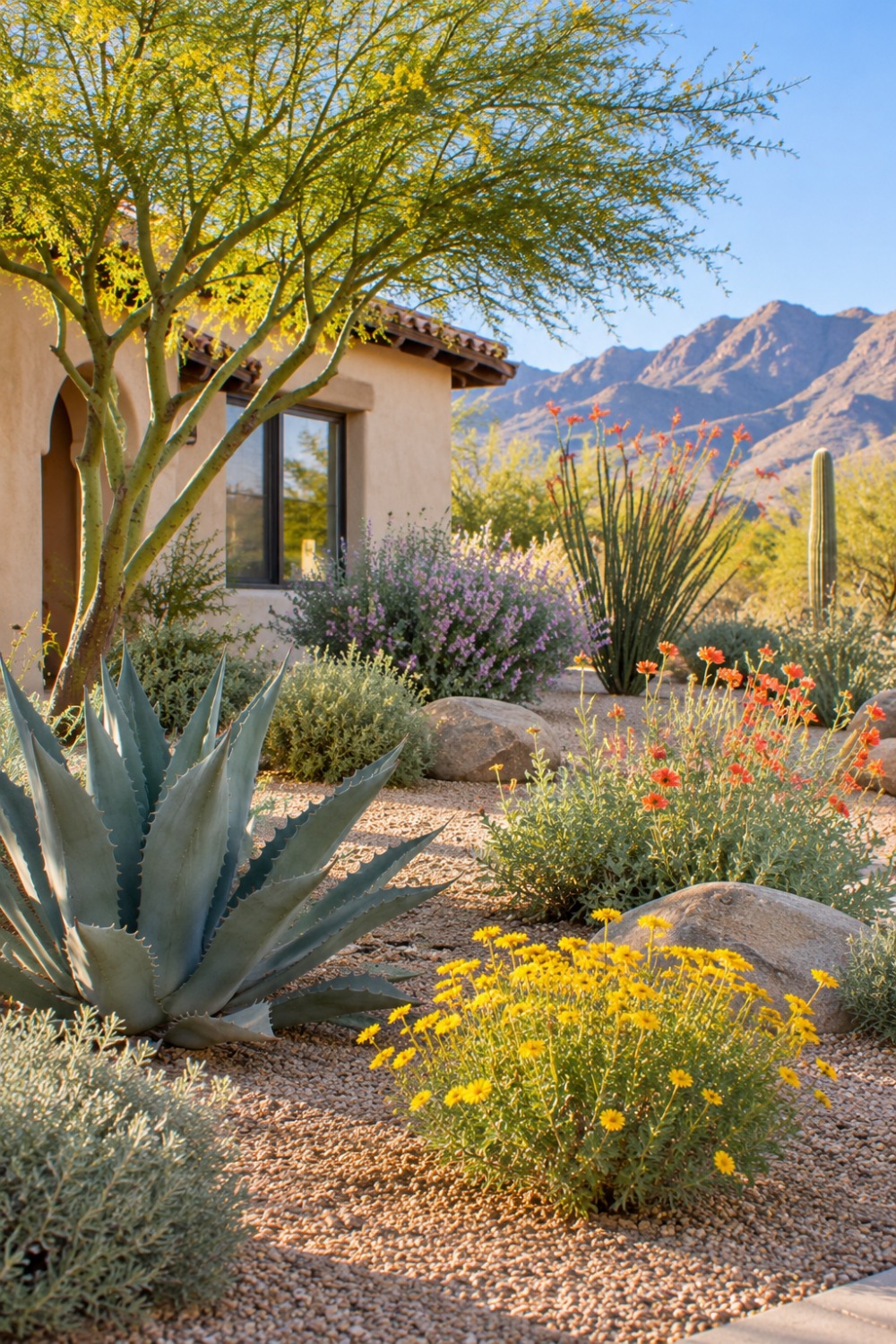
Depending on elevation and rainfall, options may include desert marigold, penstemon species, and native agaves.
Pacific Northwest
Explore suitable native Oregon grape, red flowering currant, western columbine, and local sedges.
California
Research California poppy, California fuchsia, manzanita, and regionally suitable native sages.
10. Plan Your Native Garden Before Buying Plants
A simple site plan can prevent wasted money and overcrowding. Start by measuring the backyard and marking fences, paths, patios, trees, drainage areas, and existing beds. Then observe how sunlight moves across the yard.
Write down the conditions in each planting area. One corner may receive full afternoon sun, while another stays damp or shaded. These differences help you divide the garden into planting zones and select species that can grow well in each one.
Make a plant list with botanical names, mature sizes, bloom periods, and water needs. This is more useful than choosing plants based only on the color of their flowers. It also helps you estimate how many plants to buy and how much space each one needs.
Measure the yard
Record the length and width of planting beds, paths, patios, and open lawn areas.
Observe sunlight
Note which areas receive full sun, partial sun, or shade during the growing season.
Check the soil
Assess drainage and soil texture, and use a soil test when pH or nutrient levels are uncertain.
Plan mature spacing
Use mature plant dimensions rather than nursery pot sizes to estimate spacing.
A Simple Example for a Small Backyard
Imagine a small rectangular backyard with a sunny fence line, a shaded corner, and a patio near the house. A practical layout could use a layered flower bed along the fence, a small native shade garden under an existing tree, and a few suitable containers beside the patio.
Keep the center open for walking and daily activities. Repeat a few flower species along the fence and use one or two shrubs as focal points. This creates a clear layout without filling every inch of the yard with plants.
Sunny fence line
Use a mix of native flowering perennials and grasses that suit the local climate.
Shaded corner
Choose suitable native ferns, sedges, or woodland flowers for the soil and light conditions.
Patio edge
Use compact native plants in containers or narrow beds that do not block movement.
11. How to Establish and Maintain a Native Plant Garden
Native plants still need care while they establish. The first growing season is often the time when watering, weed control, and careful observation matter most. Once roots develop, plants suited to the site may need less extra care, but actual needs vary by species and weather.
Plant during a season recommended for your region and species. Many gardeners find fall or spring useful, but local conditions and plant type matter. Avoid planting into frozen, waterlogged, or extremely hot and dry soil.
Water new plants deeply enough to moisten the root zone, then check the soil before watering again. Do not keep every plant constantly wet. Some native species need well-drained soil and can suffer if their roots remain saturated.
Water during establishment
Follow nursery or regional extension guidance for the species, soil, and weather conditions.
Control weeds early
Remove invasive and aggressive weeds before they compete with young native plants.
Use suitable mulch
Apply a suitable mulch where appropriate, but keep it away from plant crowns and tree trunks.
Prune with a purpose
Remove damaged or unwanted growth when needed, while leaving useful stems and seed heads where practical.
What to Do if Native Plants Are Not Growing Well
If a plant looks weak, check its growing conditions before adding fertilizer. Too much shade, poor drainage, unsuitable soil, and excess watering can all cause problems. Compare the plant’s needs with the actual conditions in your yard.
Yellow leaves may result from several causes, so do not assume the plant needs more nutrients. Check soil moisture and drainage first. If the plant continues to decline, consult a local extension office or native plant group with photographs and details about the site.
Poor growth
Check sunlight, mature spacing, soil conditions, and competition from nearby plants.
Wilting
Check root-zone moisture and drainage before deciding whether the plant needs more water.
Few flowers
Review the species’ light needs, age, pruning history, and normal flowering season.
Spreading beyond the bed
Identify whether the plant spreads by seed, runners, or roots, then use suitable containment or maintenance.
12. Common Native Gardening Mistakes to Avoid
A native garden can struggle when plants are selected by appearance alone. A beautiful flower may need more sun, less moisture, or a different soil type than your backyard provides. Matching the plant to the site is usually more useful than trying to change the whole site for one plant.
Another common mistake is treating native plants as a single category. A species native to Florida may not be native to Oregon, and a plant suited to a wet coastal habitat may struggle in a dry inland yard. Regional suitability matters for both plant health and ecological value.
Overcleaning is another issue. Cutting every stem, removing all fallen leaves, and spraying insects can reduce food and shelter for wildlife. A balanced approach keeps the garden safe and usable while retaining some natural habitat.
Choosing plants only because they are labeled native
Check the natural range and local ecological suitability of each species.
Planting too closely
Use mature width and height to avoid crowded beds and poor airflow.
Expecting instant results
Allow time for root growth and natural plant development, especially in meadow-style beds.
Adding unnecessary fertilizer
Test the soil or seek local advice before adding nutrients that may not be needed.
Removing every natural feature
Retain suitable seed heads, stems, and leaf litter while keeping paths and work areas clear.
Buying plants of uncertain origin
Choose reputable growers and avoid plants collected illegally from the wild.
Be Careful With Cultivars and Non-Native Lookalikes
A cultivar is a selected form of a plant that is grown for particular traits, such as flower color or compact growth. Some native plant cultivars can still provide useful garden value, but changes in flower shape, pollen, nectar, or other traits may affect wildlife use.
If supporting local insects is a main goal, compare the cultivar with the straight native species and look for reliable information about its traits. Also check that a plant sold under a familiar common name is not actually a non-native lookalike.
Read botanical labels
Check the scientific name and cultivar name instead of relying on a common name alone.
Ask about wildlife value
Ask a knowledgeable local nursery whether the selected form supports the wildlife species you want to help.
Frequently Asked Questions
Q
What are the best native plants for a backyard garden?
The best choices depend on your state, local habitat, soil, and sunlight. Native coneflowers, asters, milkweeds, sedges, grasses, and regional shrubs are useful examples in some parts of the United States. Check local plant ranges before choosing a final list.
Q
Are native plant gardens low maintenance?
They can become easier to maintain after establishment, especially when plants are matched to local soil and rainfall. However, native gardens still need watering during establishment, weed control, occasional pruning, and seasonal care. A meadow or densely planted bed may also need planned maintenance to prevent unwanted species from spreading.
Q
Can I grow native plants in a small backyard?
Yes. A small backyard can support native plants in narrow borders, containers, patio beds, and compact shrub groupings. Choose species with suitable mature sizes and use repeated plant groups to create a planned look without overcrowding the space.
Q
How do I know which plants are native to my area?
Start with the USDA PLANTS Database, your state native plant society, and a nearby university extension service. Check the species’ natural range and compare its preferred growing conditions with your site. A local native plant nursery can also help confirm suitable choices.
Q
Do native plants need fertilizer?
Many native plants grow well without regular fertilizer when they are planted in suitable soil. Adding too much fertilizer can encourage excess leafy growth or change soil conditions in ways that some native species do not prefer. Use a soil test and local guidance before adding nutrients.
Q
When is the best time to plant native flowers?
Spring and fall are common planting periods in many U.S. regions, but the best timing depends on local climate and species. Avoid extreme heat, frozen soil, and periods of poor drainage. Follow regional nursery or extension advice for the plants you select.
Q
Can native plants attract more birds and butterflies?
They can provide food and habitat for local wildlife. Flowers offer nectar and pollen, host plants feed caterpillars, and shrubs and trees can provide fruits, seeds, and shelter. Results depend on the species planted, local wildlife, and other habitat conditions.
✦ Wrapping Up
Conclusion
The best backyard garden ideas with native plants begin with a simple plan and the right plants for your region. You can create a colorful flower border, a small meadow, a shaded tree garden, a pollinator bed, or a natural rain garden without giving up the useful spaces in your yard. Paths, repeated plant groups, and clear borders help the whole design look neat and welcoming.
Start small rather than replacing the entire lawn at once. Pick one sunny or shaded area, learn its soil and moisture conditions, and choose a few suitable native species. As the plants grow, add more layers and seasonal flowers. A thoughtful native garden can become a beautiful outdoor space while providing food and shelter for local wildlife.
💡 Key Takeaway
Measure one backyard planting area today, record its sunlight and soil moisture, and use a local native plant database or extension service to choose three suitable plants before buying anything.
I enjoy sharing simple gardening ideas, lawn care tips, and honest product reviews that help make outdoor work easier. From home gardening guides to helpful tools and lawn care advice, I write easy-to-follow content to help readers create a healthier and better-looking outdoor space without wasting time or money.