
As an Amazon Associate, I earn from qualifying purchases.
Best flowers to plant in vegetable garden: marigold, nasturtium, calendula, alyssum, borage.
You can boost yield, cut pests, and make your beds sing with color. In this guide, I share the best flowers to plant in vegetable garden, why they work, and how to place them for real gains. I blend hands-on wins, field-tested advice, and clear steps you can follow today.

Why Flowers Belong in a Vegetable Garden
Flowers are not just pretty. They are tools. They pull in bees and butterflies. They feed helpful insects that hunt pests. They can mask crop scents. Some even trap pests or cut soil diseases.
In my own beds, flowers raised fruit set on tomatoes and squash. Lady beetles and hoverflies moved in. Aphids dropped fast. The best flowers to plant in vegetable garden bring this balance to life.

How Companion Flowers Work
Companion flowers help in four simple ways. They draw pollinators, so you get more fruit. They feed predator insects that eat aphids, mites, and small caterpillars. They can lure pests off your crops. They also shade soil and slow weeds.
Field trials back this up. Diverse blooms raise pollinator visits and lower pest numbers. This stack of gains is why the best flowers to plant in vegetable garden feel like a cheat code.
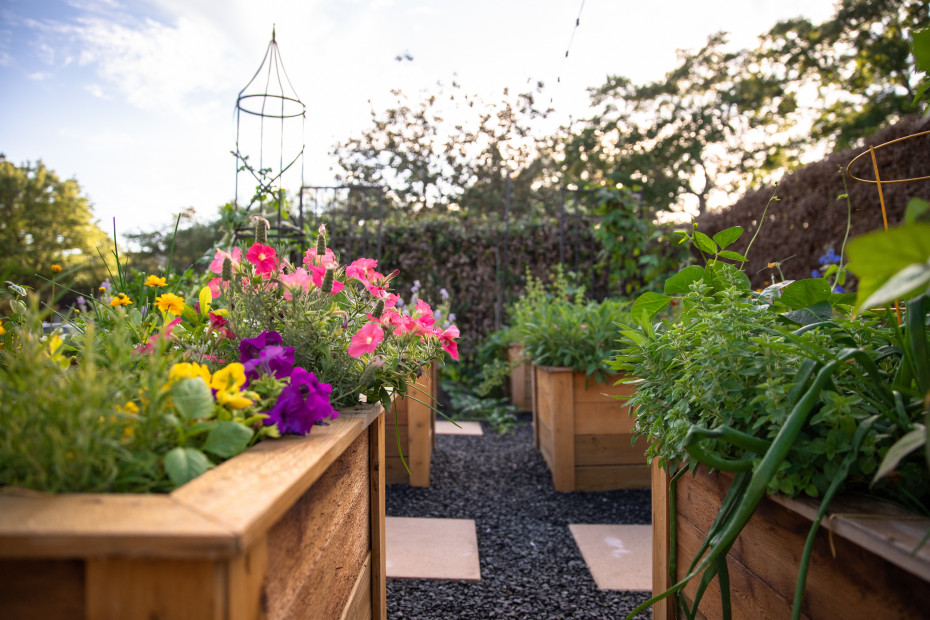
:max_bytes(150000):strip_icc()/flowers-for-the-vegetable-garden-1403383-36-5daa339689e6453692363592b982ae4d.jpg)
The Best Flowers to Plant in Vegetable Garden by Goal
Here is a quick map you can use.
For more pollinators:
- Borage, phacelia, bee balm, cosmos, zinnia, sunflowers
For pest control and beneficial insects: - Sweet alyssum, yarrow, dill, fennel, chamomile, calendula
For trap crops:
- Nasturtium for aphids and flea beetles
- Marigold for certain nematodes
For living mulch and soil health:
- White clover, calendula, low-growing alyssum
For windbreaks and structure:
- Sunflowers and amaranth on the north edge
I reach for this mix each season. It keeps my beds buzzing and clean. These picks are the best flowers to plant in vegetable garden when you need clear results.

Top 15 Best Flowers to Plant in Vegetable Garden
These are my most reliable, tested in small yards and on shared plots.
Marigold (Tagetes patula, T. erecta)
- Helps with root-knot nematodes when planted as a dense off-season cover.
- Pairs with tomatoes and peppers on bed edges.
- Choose French types for compact growth.
Nasturtium
- Acts as a trap for aphids and cabbage pests.
- Trails under squash and cucumbers as a living mulch.
- Edible blooms with a pepper kick.
Sweet Alyssum
- Tiny flowers feed hoverflies that eat aphids.
- Tucks into corners and path edges.
- Keeps blooming if you trim it back.
Calendula (Pot Marigold)
- Draws bees in cool shoulder seasons.
- Petals help heal cuts in old folk use.
- Reseeds lightly, so deadhead if you want control.
Borage
- Starry blue blooms bring bees fast.
- Great by strawberries and tomatoes.
- Self-seeds; remove extras to avoid crowding.
Phacelia (Lacy Phacelia)
- One of the best bee plants on earth.
- Quick growth fills gaps in spring.
- Soft fronds also shade soil.
Cosmos
- Tall bloom wands call in bees and small wasps.
- Light shade can help lettuce in heat.
- Trim to keep tidy and blooming.
Zinnia
- Bright, wide blooms feed many pollinators.
- Plant mid-bed to avoid powdery mildew splash.
- Space well for airflow.
Sunflowers
- Provide a living trellis for pole beans.
- Seed heads feed birds that also snack on pests.
- Place on the north side to avoid shade on crops.
Yarrow
- Umbel flowers feed lacewings and tiny wasps.
- Tough, drought-hardy, and long-lived.
- Avoid aggressive spreading types in small beds.
Dill
- Flowers lure parasitic wasps that target tomato hornworms.
- Let a few plants bolt for constant blooms.
- Keep fresh plants coming with repeat sowing.
Fennel
- Umbels draw many beneficials, like dill.
- Plant at bed edges; some crops dislike it close by.
- Bronze fennel adds color and height.
Bee Balm (Monarda)
- Hummingbirds and bees love it.
- Can spread; give it a set corner.
- Needs airflow to avoid mildew.
Chamomile
- Small daisies attract tiny parasitoids.
- Makes a calm tea and a soft border.
- Harvest often to extend bloom.
Lavender
- Strong scent confuses some pests.
- Drought-tolerant once set.
- Best on dry, sunny edges.
These are, hands down, the best flowers to plant in vegetable garden for most growers. Mix a few from each role for a steady bloom wave and strong pest control.
:max_bytes(150000):strip_icc()/flowers-for-the-vegetable-garden-1403383-36-5daa339689e6453692363592b982ae4d.jpg)
Design and Placement Tips That Work
Think of flowers as tools in your layout.
- Edge every bed with a low bloom strip, like alyssum or calendula.
- Add a mid-height row of zinnias or cosmos every 8 to 10 feet.
- Place a tall anchor, such as sunflowers, on the north edge.
- Drop a clump of dill or yarrow near tomato and pepper stakes.
- Leave small open patches to resow quick bloomers.
Keep colors and shapes mixed. Many insects key in on diverse signals. This mix makes the best flowers to plant in vegetable garden do even more.

Seasonal And Climate-Wise Picks
Cool spring
- Phacelia, calendula, sweet alyssum, chamomile
Peak summer
- Zinnia, cosmos, sunflowers, borage, bee balm
Fall and mild winters
- Calendula, alyssum, yarrow, hardy marigold in warm zones
Dry climates
- Lavender, yarrow, cosmos
Humid climates
- Zinnia and bee balm with airflow, marigold, dill
The right match avoids stress and disease. It also keeps blooms coming. This is key when you plan the best flowers to plant in vegetable garden across zones.
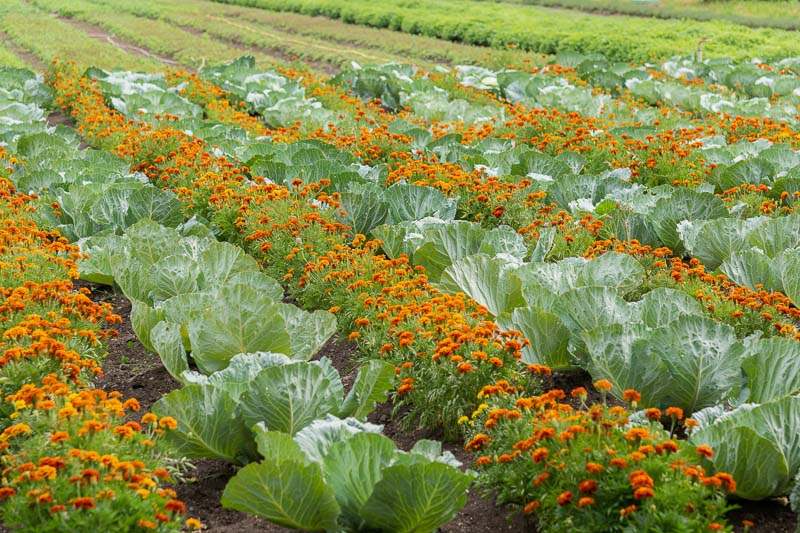
Organic Pest Control With Flowers
You can stack flowers with simple steps.
- Use nasturtium as a trap. When you see aphids load up, clip and bag the vines.
- Seed alyssum under brassicas to feed hoverflies and slow aphids.
- Let 1 in 5 dill plants bolt. Those umbels host tiny wasps that hunt pests.
- Ring tomatoes with marigolds as a scent screen. Follow with mulch to cut splash.
Tests show that floral strips raise natural enemy counts. That means fewer sprays. This is why the best flowers to plant in vegetable garden save time and money.

Planting And Care Calendar
Early spring
- Direct-sow phacelia, calendula, alyssum as soil warms.
- Start marigold, zinnia, and cosmos indoors in cool zones.
Late spring
- Transplant warm-season flowers after frost.
- Sow borage and sunflowers in place.
Summer
- Deadhead to keep blooms rolling.
- Resow quick bloomers every 3 to 4 weeks.
Fall
- Let a few plants drop seed where you want them.
- Cut and compost the rest to break pest cycles.
A steady sow rhythm keeps nectar on tap. The best flowers to plant in vegetable garden work when blooms never stop.

Common Mistakes And How To Avoid Them
Too few flowers
- Aim for at least 5 to 10 percent of bed space in blooms.
Wrong species or placement
- Tall flowers on the north side. Low edging at paths.
Letting self-seeders run wild
- Thin or deadhead borage and calendula to keep order.
Ignoring airflow
- Space zinnias and bee balm. Wet leaves bring mildew.
Forgetting soil needs
- Add compost each season. Flowers work best in living soil.
These checks make the best flowers to plant in vegetable garden deliver real gains, not clutter.
Quick Companion Blueprints
Three simple plans you can copy.
Small 4×8 bed
- Edge with alyssum. Add two borage at the ends. Tuck a dill in the center.
10×10 mixed bed
- North edge sunflowers. Mid-bed band of zinnias. Nasturtium spill at the front. Two yarrow clumps by tomatoes.
Long row system
- Every 8 feet, plant a flower pocket: calendula, dill, alyssum. Add cosmos at row ends.
These layouts keep blooms near crops at all times. They also make paths easy to move through. They show the best flowers to plant in vegetable garden working as a system.
Frequently Asked Questions
Do flowers compete with vegetables for nutrients?
Yes, if crowded. Give each plant space and feed the soil with compost. Shallow-root flowers like alyssum are low risk.
Which flowers repel pests naturally?
Marigold can reduce certain nematodes. Strong scents like lavender and bee balm can mask crop smells and confuse pests.
How close should I plant flowers to my vegetables?
Aim for within 3 to 6 feet of target crops. Closer is better for small beneficial insects with short flight ranges.
Can I plant flowers from seed with my veggies?
Yes. Direct-sow fast bloomers like phacelia, borage, and calendula. Start zinnia and marigold indoors if you have a short season.
Are marigolds really effective against nematodes?
They help against some species, mainly with dense plantings of Tagetes patula. Use them as part of a broader plan with rotation and compost.
What flowers are safe for pets in veggie beds?
Calendula, zinnia, and sunflowers are widely regarded as safe. Always check for your pet type and monitor chewing.
Conclusion
Flowers make vegetables thrive. They bring bees, feed helpful insects, and protect your crops without fuss. Start small, plant a few edges, and note what works. Then scale up.
Walk your beds each week and adjust the mix. Let data guide you. Ready to try the best flowers to plant in vegetable garden this season? Share your layout or questions in the comments and subscribe for fresh, field-tested tips.

I enjoy sharing simple gardening ideas, lawn care tips, and honest product reviews that help make outdoor work easier. From home gardening guides to helpful tools and lawn care advice, I write easy-to-follow content to help readers create a healthier and better-looking outdoor space without wasting time or money.