

As an Amazon Associate, I earn from qualifying purchases.
Tall fescue is a strong choice for sandy soil because its deep roots help it handle dry spells and low moisture.
A lawn can look great after a spring rain, then turn dry and brown when summer arrives. This is common in many American yards with sandy soil. Water drains fast, and the grass may struggle to get enough moisture between watering days. Busy homeowners in Texas, Florida, Georgia, and other parts of the United States often face this problem. I would start by looking at drought-tolerant tall fescue and heat-resistant grass blends. The right seed can help build a stronger lawn, but soil care and proper watering still matter. In this guide, I compare five options to help you find the best grass for sandy soil with poor water retention.
Page Contents
Toggle🏆 Top 3 Products

Jonathan Green Black Beauty Heat & Drought Resistant Grass Seed – 3 lb | Heavy Traffic Tolerant Seed Blend for Hot Climates
Its heat and drought focus makes this blend a strong option for sunny yards that dry out quickly.
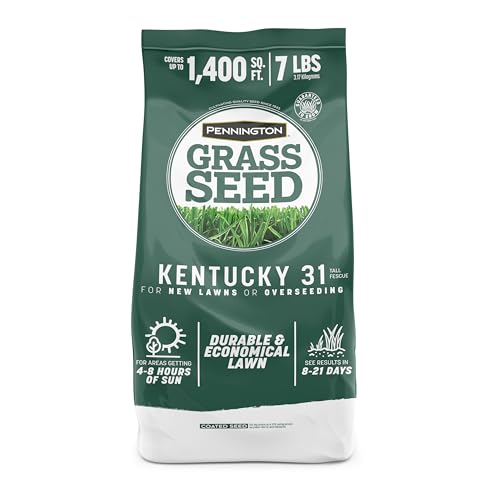
Pennington Kentucky 31 Tall Fescue Grass Seed, Drought-Resistant, 7 LB
Kentucky 31 tall fescue offers a practical drought-resistant option for larger residential lawns.

Scotts Grass Seed Drought Tolerant Mix, 10 lbs. | Kentucky Bluegrass and Tall Fescue Grass Seed Mix
The larger bag offers broad coverage and combines tall fescue with Kentucky bluegrass for a mixed lawn.
Scotts Drought Tolerant Grass Seed Mix 10 lb
The Scotts Grass Seed Drought Tolerant Mix is a blend of Kentucky bluegrass and tall fescue. It comes in a 10-pound bag and lists coverage of up to 5,000 square feet. This larger size can help homeowners who need to overseed a broad lawn or repair several dry patches. The mix gives you two cool-season grass types rather than relying on one variety.
I like the idea of combining tall fescue with Kentucky bluegrass for a lawn with different needs. Tall fescue can develop deep roots, which helps it reach moisture below the surface. Kentucky bluegrass can spread through underground stems and help fill thin spots. However, sandy soil drains fast, so this mix still needs careful watering and good soil preparation. It is not a grass blend that can thrive without water.
✅ Pros
- ✔ Contains tall fescue, a useful choice for lawns that face dry spells.
- ✔ Kentucky bluegrass can spread and help fill open spaces.
- ✔ The 10-pound bag covers up to 5,000 square feet according to the product listing.
- ✔ Useful for overseeding larger residential lawns.
- ✔ Offers two grass types in one seed mix.
- ✔ Can suit lawns that receive full sun or partial shade when local conditions match the grass types.
- ✔ A convenient option for homeowners who want one bag for several repair areas.
- ✔ Can help improve thin areas when used with proper seedbed preparation.
⚠️ Cons
- ✖ Kentucky bluegrass may need more water than some other drought-tolerant grass types.
- ✖ The mix may not suit very hot regions where warm-season grass grows better.
- ✖ Sandy soil may need compost or other organic matter to hold moisture.
- ✖ The listed coverage can vary with the amount of seed used and the job.
- ✖ New seedlings need steady moisture during germination.
My Recommendation
I would consider this Scotts mix for a homeowner with a large cool-season lawn who wants both tall fescue and Kentucky bluegrass. Its 10-pound size makes it useful for overseeding broad areas. Tall fescue gives the blend a helpful drought-tolerant element, while Kentucky bluegrass can spread into small gaps. Still, I would not make it my first choice for a yard that stays very dry throughout summer. Kentucky bluegrass needs suitable moisture and climate conditions. Before buying, check whether both grass types suit your local growing zone. For the best grass for sandy soil with poor water retention, this mix makes more sense when you can improve the soil and water during dry periods.
| Best For | Why |
|---|---|
| Large Cool-Season Lawns | The 10-pound bag lists coverage of up to 5,000 square feet. |
| Mixed Grass Lawns | It combines Kentucky bluegrass and tall fescue. |
| Overseeding Projects | The larger bag can cover several thin or damaged areas. |
Scotts Drought Tolerant Grass Seed Mix 4 lb

This 4-pound Scotts Drought Tolerant Mix contains Kentucky bluegrass and tall fescue. The product listing states that it covers up to 2,000 square feet. It offers the same basic grass combination as the larger Scotts bag, but in a smaller package. That makes it a useful size for a modest lawn, a small backyard, or a few bare patches.
I would look at this option when I wanted to test a grass mix before treating a larger area. Tall fescue can help a lawn handle periods with less water because it can grow deep roots in suitable soil. Kentucky bluegrass adds spreading growth, but it may struggle when the ground stays very dry. Sandy soil needs special care because rain and irrigation can move through it quickly. A good watering plan can help young grass establish before the heat sets in.
✅ Pros
- ✔ Combines Kentucky bluegrass and tall fescue.
- ✔ The 4-pound bag lists coverage of up to 2,000 square feet.
- ✔ A handy size for smaller residential lawns.
- ✔ Useful for filling thin areas and bare spots.
- ✔ Offers a mix of spreading and bunch-forming grass growth.
- ✔ Can be easier to handle and store than a larger bag.
- ✔ Provides an option for homeowners who do not need a large quantity of seed.
- ✔ Can suit cool-season lawns when local climate and sunlight match the blend.
⚠️ Cons
- ✖ The smaller bag may not cover a large lawn.
- ✖ Kentucky bluegrass can need more moisture than some drought-tolerant alternatives.
- ✖ The mix may not be ideal for hot southern areas with warm-season lawns.
- ✖ Sandy soil still needs regular moisture during seed establishment.
- ✖ The product listing does not make it a special sandy-soil formula.
My Recommendation
This Scotts bag is a sensible option for small cool-season lawns and limited repair jobs. I like the smaller size for homeowners who do not need 10 pounds of seed. It also gives you the same basic combination of Kentucky bluegrass and tall fescue found in the larger bag. However, the smaller size does not change the grass mix itself. If your yard has very sandy soil and poor water retention, focus on soil improvement before planting. Mix in suitable organic matter where practical, avoid burying the seed too deeply, and keep the seedbed moist. This product can work as part of a lawn repair plan, but it is not a complete solution for dry soil.
| Best For | Why |
|---|---|
| Small Home Lawns | The listed coverage of up to 2,000 square feet suits modest areas. |
| Small Lawn Repairs | The bag size can be practical for a few bare or thin patches. |
| First-Time Overseeding | A smaller quantity lets homeowners work on a limited area. |
Jonathan Green Black Beauty Heat Resistant Seed
Jonathan Green Black Beauty Heat and Drought Resistant Grass Seed is designed for lawns that face warm weather and dry conditions. The 3-pound bag is marketed as a heavy-traffic-tolerant blend for hot climates. This focus makes it worth considering for yards that receive strong summer sun and regular foot traffic. It may be a useful choice when ordinary lawn seed struggles during hot, dry weather.
For sandy soil, I would pay close attention to the heat and drought focus of this product. Sandy ground often loses moisture faster than loam or clay, so grass needs to cope with periods between rain or watering. A suitable drought-tolerant blend can help, but the exact grass species and regional fit still matter. I would check the seed label for the blend composition before buying. That detail helps confirm whether the grass suits your climate, sunlight, and lawn use.
✅ Pros
- ✔ Designed with heat and drought resistance in mind.
- ✔ Marketed for hot-climate lawn conditions.
- ✔ The product listing highlights tolerance for heavy foot traffic.
- ✔ A useful option to consider for sunny residential yards.
- ✔ The 3-pound bag is convenient for smaller lawn projects.
- ✔ Its stated purpose matches the needs of many dry, summer-prone lawns.
- ✔ Can be considered for overseeding when its grass types match the existing lawn.
- ✔ Offers an alternative to seed mixes aimed mainly at mild cool-season conditions.
⚠️ Cons
- ✖ The 3-pound size may not cover a large lawn.
- ✖ The product name alone does not confirm the exact grass species or their proportions.
- ✖ Heat and drought resistance do not mean the grass needs no irrigation.
- ✖ It may not suit every region or every existing lawn type.
- ✖ New seed needs consistent moisture while it germinates.
My Recommendation
This is my leading option among the five listed products for a homeowner focused on heat and drought stress. Its marketing directly addresses two problems that often affect lawns on sandy soil. I also like that the listing mentions heavy traffic, which may matter for active family yards. Still, I would check the grass species on the package before making a final choice. The best grass for sandy soil with poor water retention depends on both the soil and the local climate. A cool-season blend may not be the right choice for a hot southern lawn, even if it carries a drought-resistant label. If the seed types match your region, this product deserves a close look.
| Best For | Why |
|---|---|
| Hot, Sunny Yards | The blend is marketed for heat and drought resistance. |
| Active Family Lawns | The product listing highlights heavy-traffic tolerance. |
| Small Dry Lawn Areas | The 3-pound bag may suit a limited overseeding or repair project. |
Pennington Kentucky 31 Tall Fescue Seed 7 lb
Pennington Kentucky 31 Tall Fescue is a drought-resistant grass seed for residential lawns. This 7-pound bag lists coverage of up to 1,400 square feet. The product is intended for areas with full sun to moderate shade, which gives homeowners some flexibility when planning a lawn. Tall fescue is known for its deeper root system compared with many shallow-rooted lawn grasses.
I see this as one of the more practical choices for a homeowner who wants a simple tall fescue lawn. Its drought-resistant focus is useful when sandy soil dries out between rain events. Tall fescue can reach moisture deeper in the soil when roots have room to grow. Kentucky 31 also has a coarse texture, so it may not give you the fine look of some premium lawn blends. However, it can suit a practical home lawn where toughness matters more than a very soft, fine finish.
✅ Pros
- ✔ Contains tall fescue, which can develop deep roots.
- ✔ Marketed as a drought-resistant grass seed.
- ✔ The 7-pound bag lists coverage of up to 1,400 square feet.
- ✔ Suitable for full sun to moderate shade according to the product listing.
- ✔ Can suit practical residential lawns.
- ✔ A single grass type makes lawn planning simpler than a mixed seed blend.
- ✔ Tall fescue can handle moderate wear when properly established.
- ✔ Useful for homeowners who want a straightforward grass variety.
- ✔ Can be a reasonable option for lawns that face occasional dry periods.
⚠️ Cons
- ✖ Kentucky 31 has a coarser texture than many premium turf varieties.
- ✖ It grows in bunches and does not spread as quickly as Kentucky bluegrass.
- ✖ The 7-pound bag may not cover a large property.
- ✖ It still needs regular watering during germination.
- ✖ It may not be the best match for very hot areas where warm-season grass is preferred.
My Recommendation
I would put Pennington Kentucky 31 near the top of my list for homeowners who want a practical tall fescue lawn. It has a clear advantage over the mixed Scotts products if your main goal is to use tall fescue rather than combine it with Kentucky bluegrass. Its drought-resistant focus also fits the needs of many sandy yards. The main trade-off is appearance. Kentucky 31 tends to look coarser than finer turf types, so it may not suit someone who wants a smooth, golf-course-style lawn. For a functional lawn that needs to cope with dry spells, it is a strong option. Check your regional climate and the recommended seeding rate before planting.
| Best For | Why |
|---|---|
| Practical Residential Lawns | Tall fescue can offer a useful balance of drought tolerance and everyday lawn use. |
| Sunny or Partly Shaded Areas | The product is listed for full sun to moderate shade. |
| Homeowners Seeking Tall Fescue | The product focuses on Kentucky 31 rather than a mixed grass blend. |
Pennington Kentucky 31 Tall Fescue Seed 3 lb

This smaller Pennington Kentucky 31 package offers the same general grass type as the 7-pound option. It contains drought-resistant tall fescue seed and lists coverage of up to 600 square feet. The product is intended for full sun to moderate shade. Its smaller size can make it easier to use for spot repairs, small yards, and limited lawn improvement work.
Tall fescue is worth considering when you need grass for sandy soil with poor water retention. Its roots can grow deeper than those of many common lawn grasses, which may help the plant find water below the surface. However, the seed still needs a moist seedbed to germinate and establish. I would use this smaller bag for a defined area rather than a whole large yard. It can be a good way to repair a thin patch without buying more seed than you need.
✅ Pros
- ✔ Contains drought-resistant Kentucky 31 tall fescue.
- ✔ The 3-pound bag lists coverage of up to 600 square feet.
- ✔ A practical size for small lawn repair projects.
- ✔ Suitable for full sun to moderate shade according to the listing.
- ✔ Offers the same general grass type as the larger Pennington package.
- ✔ Tall fescue can develop roots that reach deeper soil moisture.
- ✔ Easy to store when compared with a larger bag.
- ✔ Can help repair thin areas in an established tall fescue lawn.
⚠️ Cons
- ✖ The 600-square-foot coverage may be too low for larger lawns.
- ✖ Kentucky 31 has a coarse leaf texture.
- ✖ It does not spread through underground stems like Kentucky bluegrass.
- ✖ It needs steady moisture during the establishment period.
- ✖ It may not match lawns planted with a different grass species.
My Recommendation
This smaller Pennington package is a good fit for homeowners who need tall fescue for a small yard or a few damaged spots. I would choose it over the larger bag when the listed coverage matches the job. The seed type is useful to consider for dry sandy soil, but it cannot fix poor soil structure by itself. Add organic matter where appropriate, reduce unnecessary foot traffic, and water deeply once the grass has established. If you have a large lawn, compare the larger package before buying. This smaller bag is most useful when you want a manageable amount of Kentucky 31 seed.
| Best For | Why |
|---|---|
| Small Residential Lawns | The listed coverage of up to 600 square feet suits limited spaces. |
| Patch Repairs | A smaller package can cover a few thin or damaged areas. |
| Tall Fescue Lawns | It provides Kentucky 31 seed for matching existing grass. |
Final Verdict: Which Should You Buy?
My top choice is Jonathan Green Black Beauty because its heat and drought focus suits many dry, sunny lawns. Pennington Kentucky 31 is another strong choice if you prefer a straightforward tall fescue lawn. Scotts offers useful mixed-grass options for suitable cool-season regions.
The best grass for sandy soil with poor water retention still needs good soil preparation and smart watering. Match the seed to your climate, improve the soil, and give new grass time to establish.
FAQs Of best grass for sandy soil with poor water retention
Q What is the best grass for sandy soil with poor water retention?
Q Can grass grow well in sandy soil?
Q How often should I water grass planted in sandy soil?
Q Is tall fescue better than Kentucky bluegrass for sandy soil?
Q Should I add compost before planting grass seed in sandy soil?
Last Updated on November 21, 2026 by Saad Abdullah

I enjoy sharing simple gardening ideas, lawn care tips, and honest product reviews that help make outdoor work easier. From home gardening guides to helpful tools and lawn care advice, I write easy-to-follow content to help readers create a healthier and better-looking outdoor space without wasting time or money.