
As an Amazon Associate, I earn from qualifying purchases.
Grow basil, parsley, mint, thyme, rosemary, chives, cilantro, oregano, sage, and dill.
If you want fresh flavor fast, this guide is for you. I’ve grown kitchen herbs on windowsills, balconies, and tiny patios for years. Below, I break down the best herbs to grow for cooking with clear steps, pro tips, and fixes. You’ll learn what to plant, how to care for it, and how to use every leaf in your meals.
Why grow culinary herbs at home
Fresh herbs turn simple food into great food. They add aroma, color, and bite. A small pot can change a whole dish. The best herbs to grow for cooking also save money and waste. You pick what you need, when you need it.
Homegrown herbs are rich in volatile oils. That is where the flavor lives. Research shows fresh cut herbs have more of these oils than store packs. You also control how they grow. No sprays. No sad wilt in the fridge.
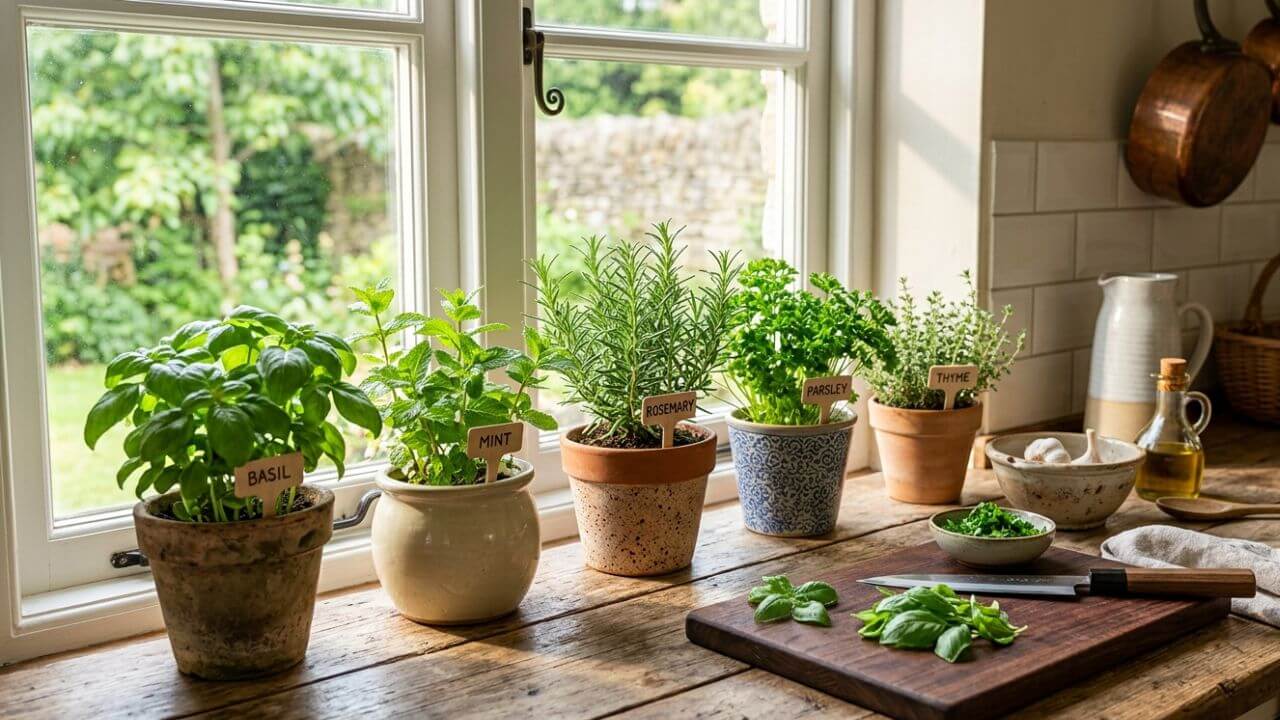
When readers ask about the best herbs to grow for cooking, I start with basil, parsley, mint, and thyme. They are easy, fast, and useful every day. Add chives, rosemary, cilantro, oregano, sage, and dill to round out your set.
Source: visual-paradigm.com
Getting started: light, soil, water, and pots
Good setup beats luck. Start simple and scale up.
- Light needs: Most culinary herbs want 6 to 8 hours of sun. A south window or a bright patio works well.
- Soil mix: Use a high‑quality potting mix. It should drain fast but hold some moisture.
- Water plan: Water when the top inch feels dry. Most herbs hate wet feet.
- Pots: Pick containers with drain holes. Unglazed clay breathes and helps prevent rot.
- Feeding: Use a balanced liquid feed at half strength every 2 to 4 weeks in season.
Mistakes I learned from: I once crowded five herbs in one small pot. They fought for light and air and all did poorly. Give each plant its own space unless they like the same needs.
Can you grow herbs indoors year‑round?
Yes, if you give enough light and avoid cold drafts. A small LED grow light helps in winter and on dim sills.
Do herbs need full sun?
Most do, but mint, parsley, and chives can take part shade. Basil, rosemary, and thyme want as much sun as you can give.
What soil is best for herbs?
A well‑draining mix is key. Add perlite for extra air. Avoid heavy garden soil in pots.
The best herbs to grow for cooking thrive with this simple plan. Keep light strong, soil airy, and roots never soggy.

Source: enchartedcook.com
The best herbs to grow for cooking: top picks and how to use them
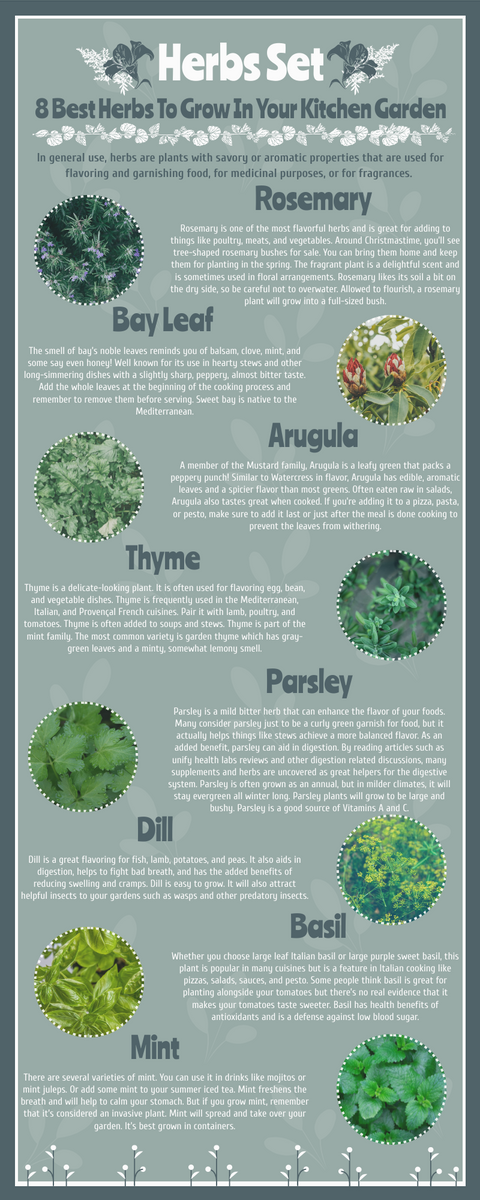
Below are the best herbs to grow for cooking, with quick care notes and kitchen uses. I list flavor, light, water, harvest, and a pro tip for each.
Basil
- Flavor: Sweet, peppery, classic for pesto and salads.
- Light and water: Full sun, steady moisture, no cold.
- Harvest: Pinch above a leaf pair to keep it bushy. Remove flower buds.
- Kitchen uses: Pesto, caprese, pizza, Thai curries.
- Pro tip: Grow two or three plants. One for harvest, one to rest. This is one of the best herbs to grow for cooking in summer.
Parsley (flat‑leaf)
- Flavor: Fresh, grassy, bright.
- Light and water: Sun to part shade, even moisture.
- Harvest: Cut outer stems at the base. Leave the crown.
- Kitchen uses: Gremolata, chimichurri, soups, grain bowls.
- Pro tip: Soak seeds overnight for faster sprout.
Mint
- Flavor: Cool and bold; many types like spearmint or peppermint.
- Light and water: Part sun, moist soil, very hardy.
- Harvest: Cut stems often to prevent bloom and spread.
- Kitchen uses: Tea, tabbouleh, yogurt sauce, mojitos.
- Pro tip: Grow mint in its own pot. It runs wild. It remains one of the best herbs to grow for cooking and drinks.
Thyme
- Flavor: Earthy, lemony notes; stands up to heat.
- Light and water: Full sun, dryish soil, good drainage.
- Harvest: Snip tips. Strip leaves by running fingers down the stem.
- Kitchen uses: Roasts, stews, mushrooms, marinades.
- Pro tip: Avoid overwatering; roots need air.
Rosemary
- Flavor: Piney, resinous, strong.
- Light and water: Full sun, drought tolerant once set.
- Harvest: Cut soft new growth. Avoid woody old stems.
- Kitchen uses: Potatoes, focaccia, lamb, infused oil.
- Pro tip: Bring pots indoors before frost. Keep near a bright window.
Chives
- Flavor: Mild onion, gentle and sweet.
- Light and water: Sun to part shade, even moisture.
- Harvest: Cut leaves to 1 inch above soil. They regrow fast.
- Kitchen uses: Eggs, sour cream, salads, butter.
- Pro tip: Let some flowers form. They are edible and pretty.
Cilantro (coriander)
- Flavor: Bright citrus leaf; seeds taste warm and nutty.
- Light and water: Sun to part shade, cool temps.
- Harvest: Cut leaves often. For seeds, let plants bolt and set heads.
- Kitchen uses: Salsa, curries, chutney, taco toppings.
- Pro tip: Succession sow every 2 to 3 weeks. It bolts in heat. Despite that, it stays among the best herbs to grow for cooking if you plant in waves.
Oregano
- Flavor: Bold, warm, classic in Italian and Greek food.
- Light and water: Full sun, light soil.
- Harvest: Cut stems before bloom for peak oils.
- Kitchen uses: Pizza, tomato sauces, grilled veg.
- Pro tip: True oregano is strong. Start light in recipes.
Sage
- Flavor: Savory, camphor, cozy and deep.
- Light and water: Full sun, well‑drained soil.
- Harvest: Pick young leaves. Older leaves are tough.
- Kitchen uses: Brown butter, stuffing, sausage, beans.
- Pro tip: Do not overfeed. Too much nitrogen dulls flavor.
Dill
- Flavor: Fresh, anise‑leaning, delicate.
- Light and water: Full sun, even moisture.
- Harvest: Snip leaves young. For pickles, let heads form.
- Kitchen uses: Pickles, fish, potato salad, tzatziki.
- Pro tip: Tall types need support. Sow monthly in warm months.
Tarragon (French)
- Flavor: Sweet anise, clean and bright.
- Light and water: Sun to part shade, moderate water.
- Harvest: Cut tips to branch the plant.
- Kitchen uses: Béarnaise, chicken salad, vinaigrettes.
- Pro tip: Choose French tarragon, not Russian, for best flavor. It ranks high among the best herbs to grow for cooking in sauces.
Bay laurel
- Flavor: Warm, woodsy, slow release.
- Light and water: Bright light, allow soil to dry a bit.
- Harvest: Use mature leaves. Fresh leaves are strong.
- Kitchen uses: Stocks, stews, braises, rice.
- Pro tip: Grow as a small tree in a pot. Prune to shape.
Lemongrass
- Flavor: Lemon‑ginger, bright and citrusy.
- Light and water: Full sun, warm temps, steady water.
- Harvest: Pull the stalk at soil level. Trim outer leaves.
- Kitchen uses: Thai soups, curry pastes, teas.
- Pro tip: Do not let it chill. Bring indoors when nights drop below 50°F.
These are the best herbs to grow for cooking because they cover most cuisines and methods. You get tender leaves for fresh dishes and tough herbs for slow heat. Mix a few that love sun with a few that like part shade. That way, you always have something that thrives.

Source: mommalew.com
Plant care calendar and seasonal tips
Timing helps you get steady harvests.
- Spring: Start basil, dill, and cilantro after frost. Divide chives. Repot mint.
- Summer: Pinch basil weekly. Water in the morning. Provide airflow to avoid mildew.
- Fall: Take rosemary and bay inside before frost. Start a new pot of parsley.
- Winter: Use a grow light on a 12 to 14 hour timer. Water less. Harvest with care.
The best herbs to grow for cooking shift with the seasons. Cool months favor parsley, chives, and cilantro. Warm months favor basil, thyme, oregano, and dill. Plan small sowings every few weeks for herbs that bolt, like cilantro and dill.

Source: wholefoodsmarket.com
Harvest, preserve, and store for peak flavor
Harvest in the morning after dew dries. Oils are high then. Use clean shears to prevent damage.
- Quick use: Rinse, pat dry, and tear. Do not bruise.
- Drying: Hang small bundles of thyme, oregano, and sage in a dark, airy spot.
- Freezing: Chop and freeze in olive oil in trays. Great for basil, dill, and chives.
- Infusions: Make herb butter, oil, or vinegar for easy flavor bombs.
The best herbs to grow for cooking should be used fast, but smart storage cuts waste. Dry the woody herbs. Freeze the soft ones. Label and date each batch.
:max_bytes(150000):strip_icc()/ew-herb-chart-infographic960px-2000-750596384021405b8ea378b054c33a27.jpg)
Source: eatingwell.com
Common problems and organic fixes
Herbs are tough, but problems pop up. Here is what to watch for.
- Bolting cilantro: Heat triggers bloom. Sow often and give afternoon shade.
- Root rot: Overwatering causes droop and smell. Improve drainage and let soil dry.
- Aphids: Spray with a strong water jet. Follow with neem or insecticidal soap.
- Powdery mildew: Needs airflow. Thin stems and avoid wet leaves at night.
- Leggy basil indoors: Not enough light. Move to a brighter spot or add a light.
The best herbs to grow for cooking stay happy with airflow, sun, and smart watering. Fix the cause, not just the symptom. Prune often to guide energy into leaves.

Source: sproutedgarden.com
Smart layouts: windowsill to patio
You do not need a big yard. Use the space you have.
- Sunny windowsill: Basil, thyme, oregano in 6 to 8 inch pots.
- Part‑shade porch: Parsley, chives, mint in wider pots.
- Patio box: Mix upright rosemary with trailing thyme and a pop of dill.
- Kitchen triad: Keep basil by the stove, chives by the sink, mint near your tea mug.
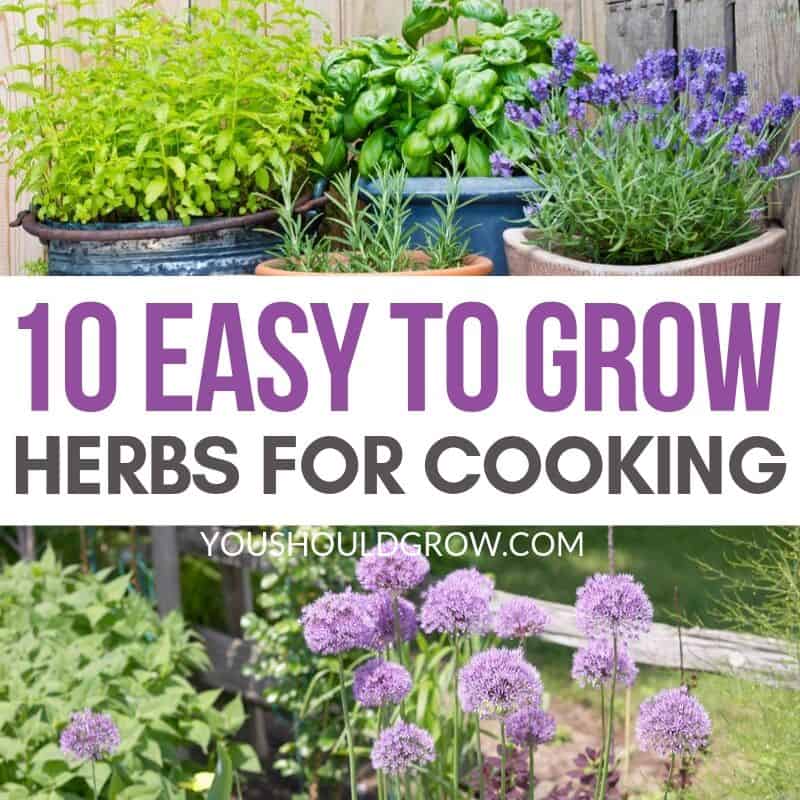
My best small space trick: a two‑tier rack with wheels. Top shelf gets sun lovers. Bottom shelf holds mint and parsley. It is an easy way to stage the best herbs to grow for cooking without clutter.
Source: youshouldgrow.com
Frequently Asked Questions of Best herbs to grow for cooking
How many herbs should a beginner start with?
Start with three to five. Pick the herbs you cook with most, like basil, parsley, and thyme.
Can I plant different herbs in one pot?
Yes, if they like the same needs. Pair dry lovers like rosemary and thyme together, and keep mint alone.
How often should I water potted herbs?
Water when the top inch of soil is dry. In summer heat, that may be every other day.
Which herbs grow best from cuttings?
Mint, rosemary, basil, and oregano root well. Use a soft tip cutting and keep it moist until roots form.
What are the easiest herbs for low light?
Parsley, chives, and mint handle part shade. Give them bright indirect light for steady growth.
Do I need fertilizer for herbs?
Light feeding helps, but less is more. Use a half‑strength liquid feed every few weeks in the growing season.
What are the best herbs to grow for cooking in winter?
Indoors, try parsley, chives, mint, thyme, and bay under a light. Basil can work if you keep it warm and bright.
Conclusion
Fresh herbs are the fastest way to lift your cooking. Start with a few pots, give them light and room, and harvest often. The best herbs to grow for cooking fit your taste and your space, so choose the ones you use most and build from there.
Set a simple goal today. Plant two herbs you will use this week. Share your wins and questions in the comments, and subscribe for more seasonal herb guides and recipes.

I enjoy sharing simple gardening ideas, lawn care tips, and honest product reviews that help make outdoor work easier. From home gardening guides to helpful tools and lawn care advice, I write easy-to-follow content to help readers create a healthier and better-looking outdoor space without wasting time or money.