
As an Amazon Associate, I earn from qualifying purchases.
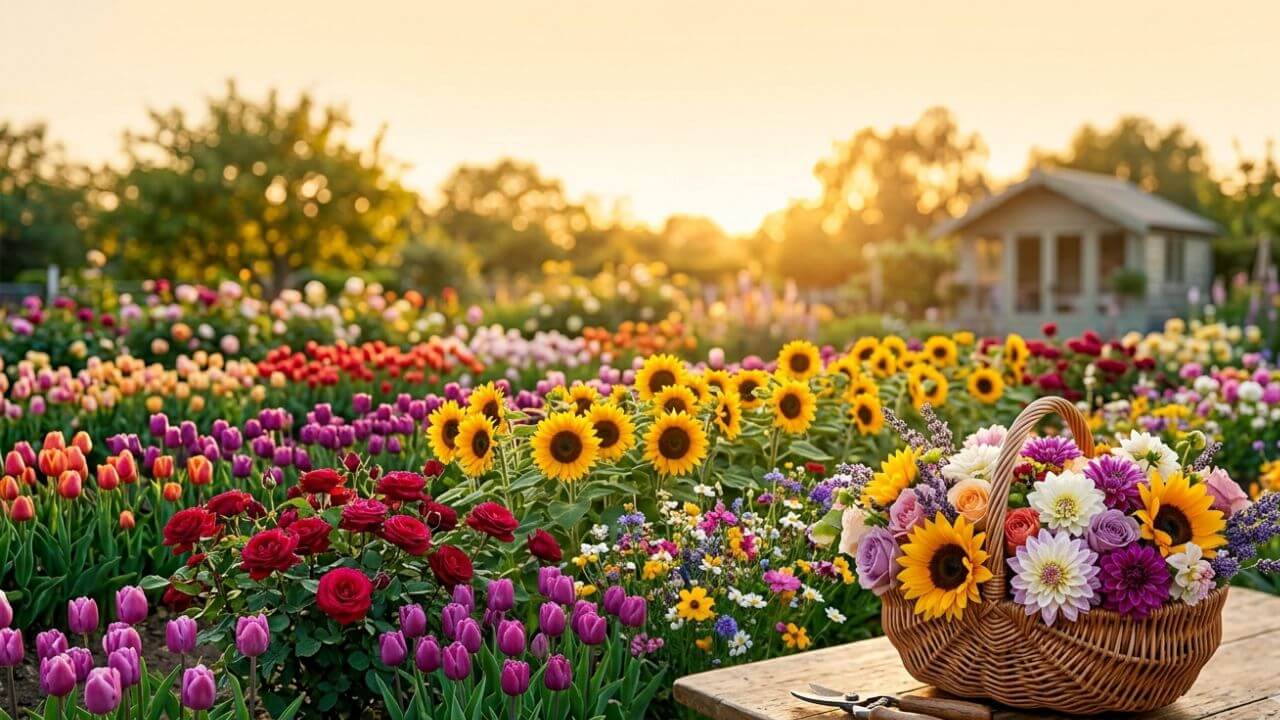
A cut flower garden thrives on smart planning, staggered blooms, and simple care.
If you want armfuls of fresh bouquets from spring to frost, you are in the right place. I’ve grown and coached gardeners on Cut Flower Garden Ideas for years, from tiny balconies to quarter-acre plots. This guide shares clear plans, plant lists, and harvest tips so you can grow steady, beautiful stems without fuss.
What Is a Cut Flower Garden?
A cut flower garden is a space planned for bouquets. You grow flowers for long stems, strong blooms, and repeat cuts. It blends design with harvest, so color, height, and timing work together.
You can mix annuals, perennials, bulbs, and shrubs. The best beds focus on bloom waves and easy care. Good Cut Flower Garden Ideas build in succession, so you always have something to pick.
Planning Your Cut Flower Garden Ideas
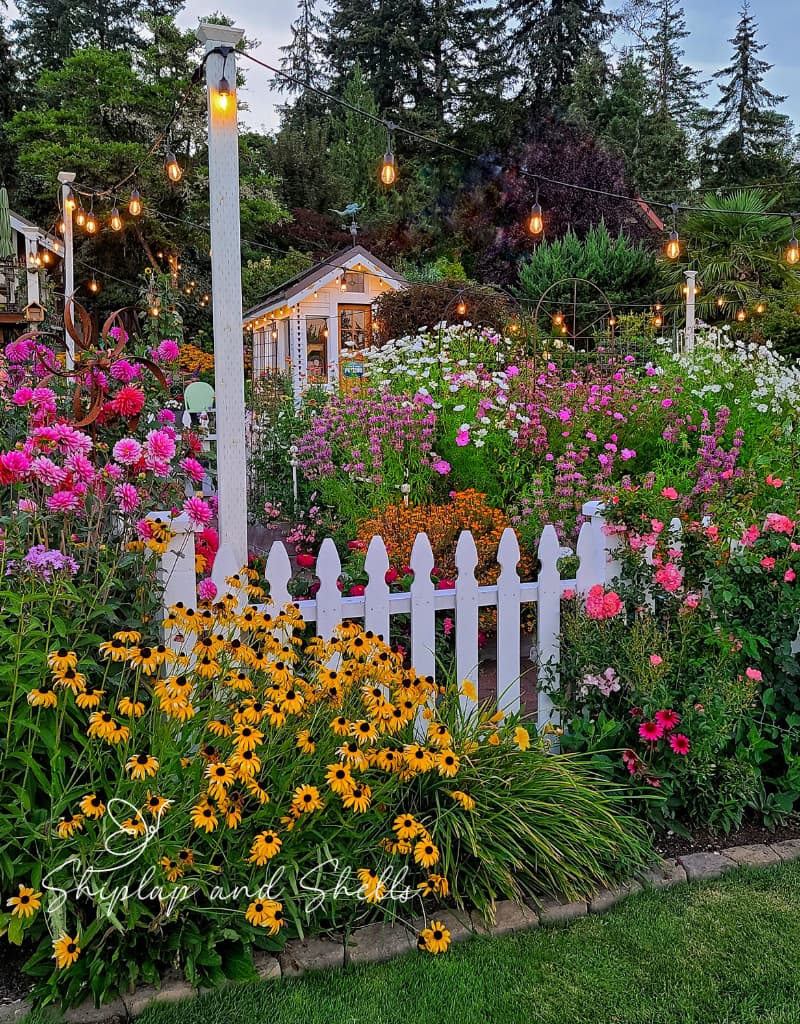
Start with a small, simple plan. A 4-by-8-foot bed can fill vases all season. Map the sun, wind, and water first.
Set goals and budget:
- Pick a theme: cottage, modern monochrome, or bold jewel tones.
- Decide how many bouquets per week you want.
- Note your USDA zone, frost dates, and rain pattern.
Make a basic layout:
- Tall back, medium middle, short front.
- Leave 12–18 inches for paths.
- Plan for drip lines and a timer to save time.
Pro tip: Choose 70% workhorse blooms, 20% fillers, 10% wow flowers. This mix gives balance and value.

Design Ideas and Layouts
Think in layers and textures. Bouquets look best with focus flowers, fillers, and foliage.
Core layout styles:
- Classic rows: easy to plant, stake, and harvest.
- Blocks by color: great for themed bouquets and quick picking.
- Triads: plant focal, filler, and foliage in repeating groups.
Color palettes that sell and please:
- Soft pastels: blush, cream, peach, sage.
- Bold brights: magenta, tangerine, lime, azure.
- Moody tones: burgundy, copper, midnight blue, smoke.
Support and spacing:
- Use a low net for tall plants like snaps and cosmos.
- Space tightly for longer stems. For example, zinnias 9 inches, snaps 6–9 inches.
- Plant paths wide enough for a harvest bucket.
Best Flowers by Season for Continuous Bouquets
Spring stars:
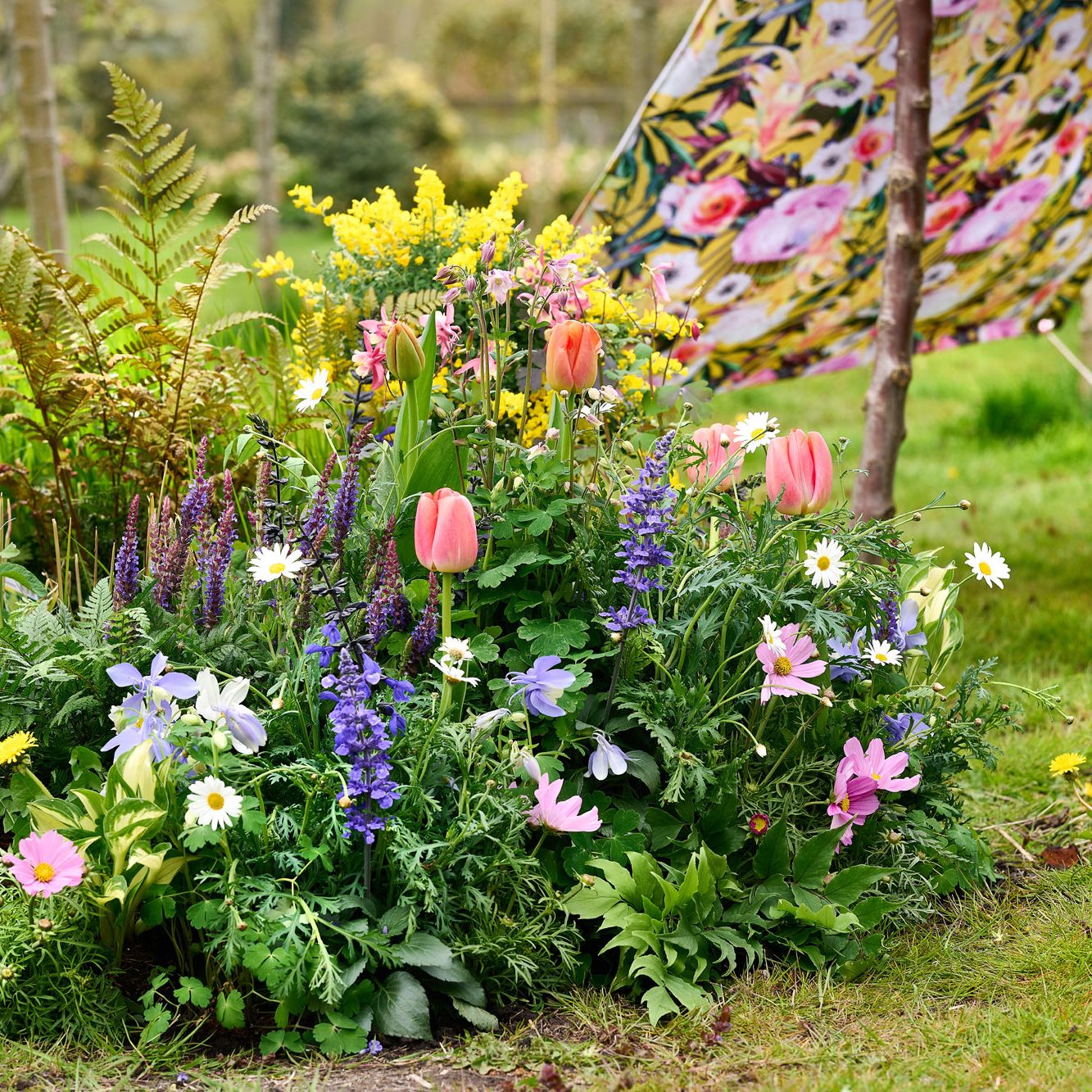
- Ranunculus, anemone, tulips, narcissus.
- Foliage: viburnum, spirea, ninebark.
- Fillers: feverfew, bupleurum.
Summer workhorses:
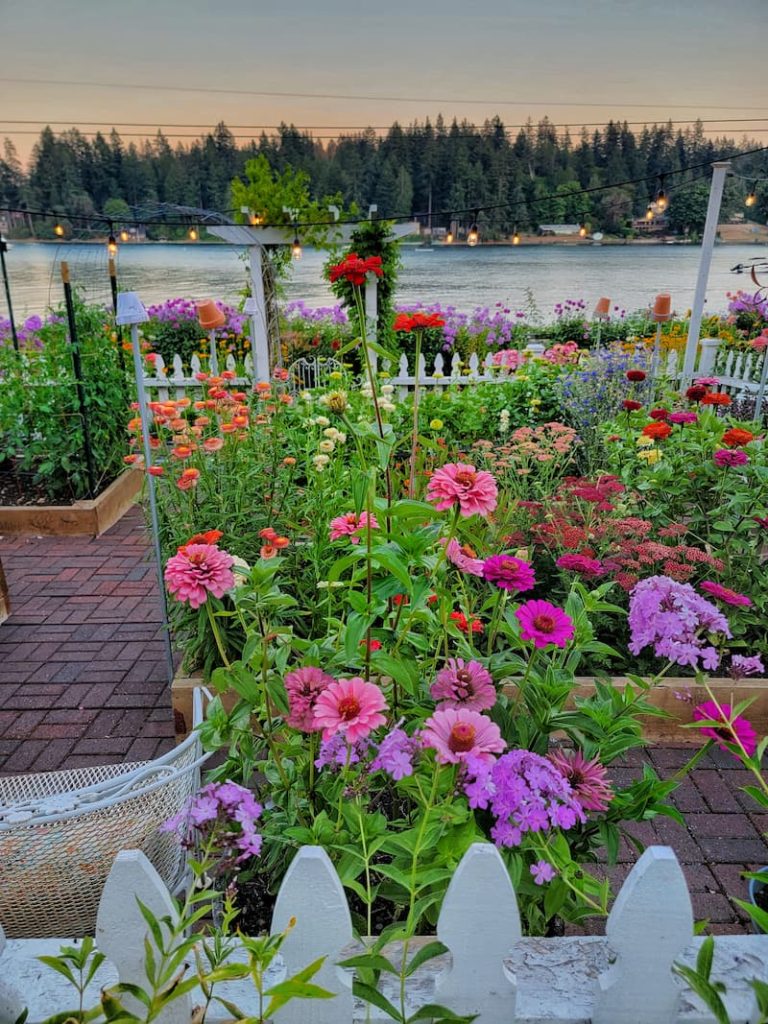
- Zinnias, cosmos, sunflowers, snapdragons.
- Fillers: ammi, statice, celosia, basil.
- Foliage: eucalyptus, scented geranium, dusty miller.
Late summer to fall:
- Dahlias, asters, rudbeckia, amaranth.
- Grasses: panicum, setaria.
- Berry and branch: rose hips, crabapple, smokebush.
Winter cuts (mild zones or forced):
- Camellia, hellebore, winter jasmine.
- Evergreens: cedar, cypress, magnolia tips.
- Dried stems: hydrangea, lunaria, strawflower.
Aim for mix: 5 focal, 6 fillers, 4 foliage choices. This keeps bouquets fresh and varied.
Succession Planting and Simple Calendar
Succession means you plant in waves. You harvest steady, not all at once. It is the heart of smart Cut Flower Garden Ideas.
Easy plan by zone (adjust to frost dates):
- 6–8 weeks before last frost: start snaps, strawflower, statice, feverfew.
- 2–4 weeks before last frost: transplant cool flowers and direct sow larkspur.
- Last frost: plant zinnias, cosmos, basil, sunflowers.
- Every 2–3 weeks after: sow more sunflowers and zinnias until midsummer.
- 100–120 days before first frost: plant fall fillers and grasses.
Tip: Stagger 3–4 sowings for zinnias and sunflowers. You get tall, fresh stems all season.

Soil Prep, Watering, and Fertility
Great bouquets start with great soil. Aim for soil pH 6.2–6.8 for most cuts. Add 2 inches of compost each season.
Simple steps:
- Loosen soil 8–12 inches deep.
- Mix in compost and a slow-release organic feed.
- Install drip lines. Water 1 inch per week, more in heat.
Feed on schedule:
- At transplant: gentle starter feed.
- Midseason: side-dress with compost or fish-based feed.
- Stop heavy feed once buds set on many annuals.
Most flowers hate wet feet. Good drainage stops root rot and boosts stem strength.
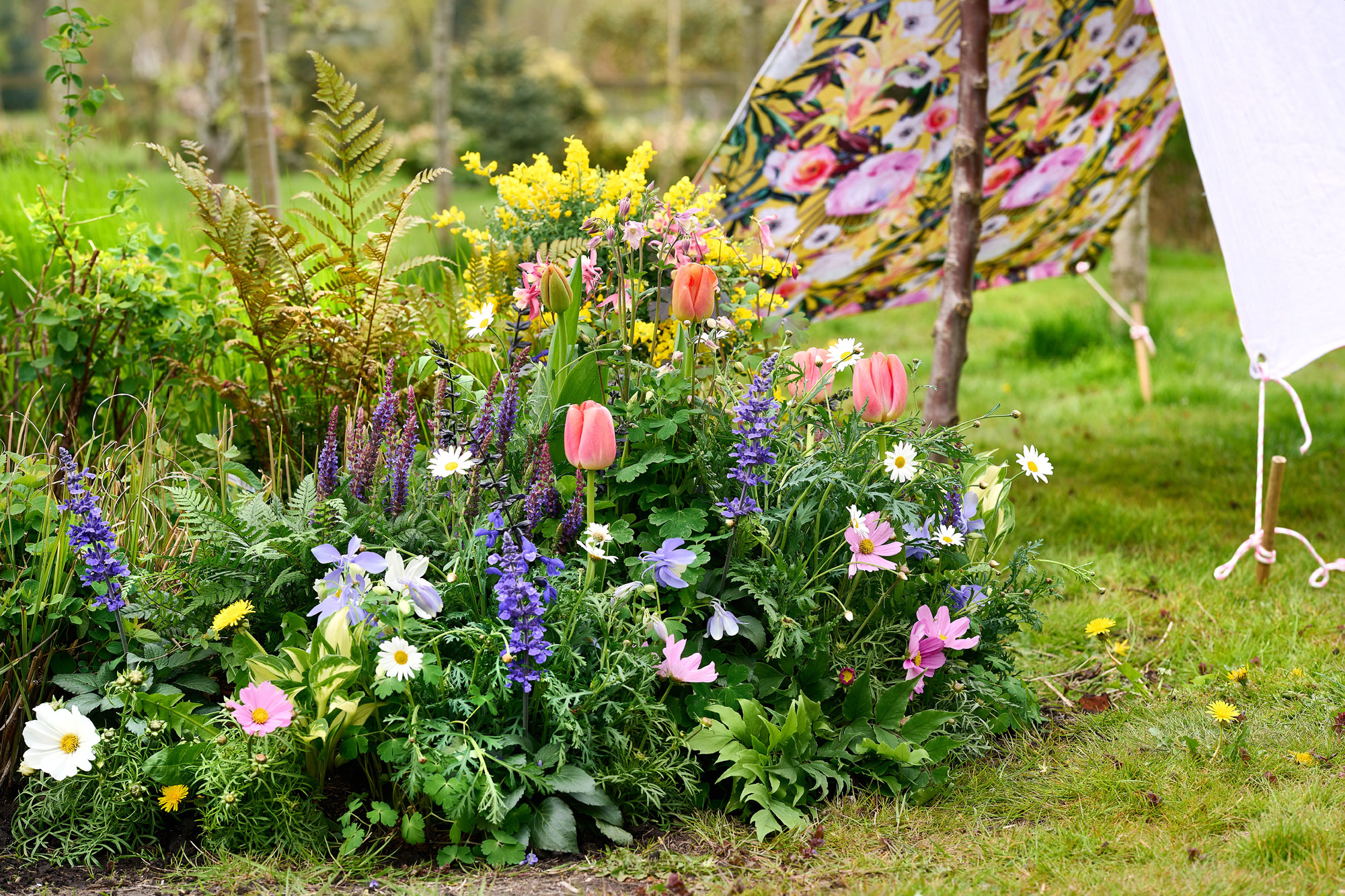
Small-Space and Container Cut Flower Garden Ideas
No yard? You can still grow armfuls. Use deep pots and window boxes.
Great plants for pots:
- Zinnias, dwarf sunflowers, cosmos, marigolds.
- Basil, mint (in a pot only), scented geranium.
- Filler vines on a trellis: sweet pea, black-eyed Susan vine.
Container tips:
- Use a high-quality potting mix.
- Pots need daily water in heat.
- Pinch early for more stems.
A balcony can yield a weekly bouquet with 4–6 large pots. It is one of the best Cut Flower Garden Ideas for renters.

Harvesting, Conditioning, and Vase Life Tips
Harvest cool and early. Use clean, sharp snips. Drop stems into cool water at once.
Cut stage guide:
- Zinnias: wiggle test; if the stem is firm, cut.
- Sunflowers: first petals just lifting.
- Snapdragons: one-third blooms open.
- Dahlias: fully open but fresh.
Conditioning basics:
- Strip leaves below water line.
- Recut stems after 30 minutes in shade.
- Use a floral preservative or a sugar-acid blend.
- Chill blooms at 34–40°F if you can.
Average vase life with good care:
- Zinnias 7–10 days, snaps 5–7, sunflowers 6–8, dahlias 4–6.
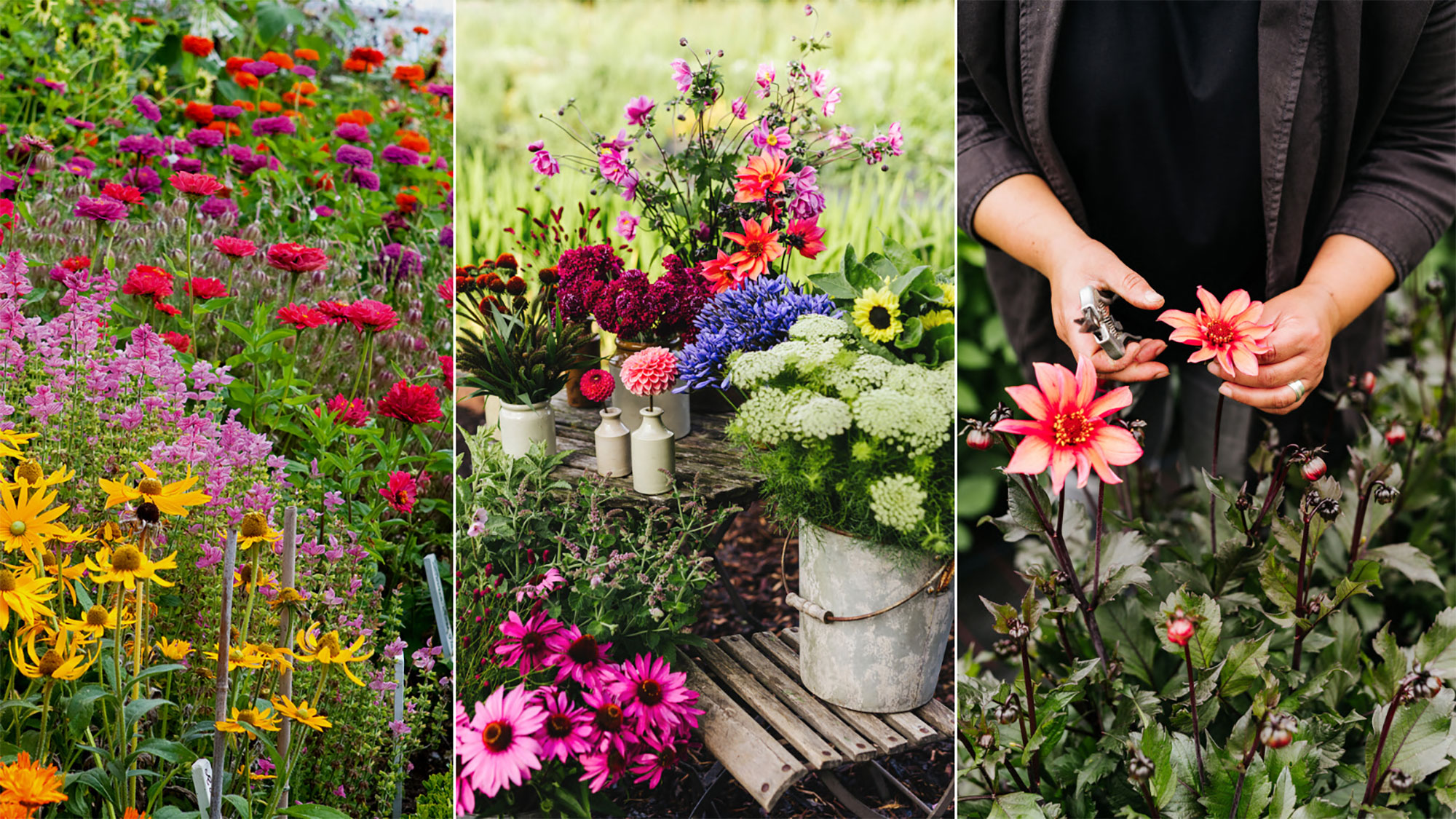
Pest, Disease, and Weather Resilience
Healthy plants resist trouble. Start clean, space well, and water at the base.
Common issues and fixes:
- Aphids: blast with water, add lady beetles, use insecticidal soap if needed.
- Powdery mildew on zinnias: pick resistant types and keep air moving.
- Japanese beetles: hand-pick early, use traps away from beds.
- Heat stress: add light shade cloth in extreme heat.
Use an IPM approach. Scout weekly. Treat light problems fast before they spread.
Sustainability and Pollinator-Friendly Practices
Great Cut Flower Garden Ideas help nature too. Avoid harsh sprays. Pick eco options.
Simple wins:
- Plant nectar-rich blooms and stagger flowers for bees.
- Mulch with leaves or straw to save water.
- Compost plant waste. Skip floral foam in arrangements.
- Choose peat-free mixes when you can.
Grow some native plants. They feed local insects and birds and add strong stems to your mix.
Budget, Tools, and Time: Start Smart
You do not need fancy gear. A small setup can pay back fast in bouquets.
Starter kit:
- Bypass snips, harvest bucket, gloves.
- Drip line, hose timer, row cover, stakes.
- Soil test kit and a hand fork.
Cost ballpark for a 4-by-8 bed:
- Soil and compost: low to medium.
- Seeds and starts: low.
- Netting and drip: low to medium.
Time plan:
- Spring setup: one weekend.
- Weekly care: 1–2 hours.
- Harvest days: 20–30 minutes.
Real-World Lessons and Mistakes to Avoid
From my beds, three big lessons stand out. First, I once planted all tall zinnias together. The wind bent them. Now I use netting and plant in blocks. Stems stay straight.
Second, I skipped pinching cosmos my first year. I got tall plants and few cuts. Now I pinch at 8–10 inches. I get more stems and longer bloom.
Third, I overwatered dahlias during rain. Tubers rotted. Now I mulch, add drainage, and water only when the top inch is dry. Small changes made a huge difference.
Sample Planting Plans and Weekly Bouquet Recipe
Plan A: 4-by-8 beginner bed
- 2 feet back row: 10 sunflowers in two waves.
- 2 feet middle: 12 snaps, 8 zinnias.
- 2 feet front: 8 basil, 8 statice, 6 dusty miller.
- Sow more sunflowers and zinnias every 3 weeks.
Plan B: Color story bed, blush and bronze
- Focal: dahlias (cafe tones), sunflowers (bronze).
- Filler: ammi, strawflower, apricot snapdragons.
- Foliage: eucalyptus, sage, smoke bush tips.
Weekly bouquet recipe
- 3 focal blooms.
- 5–7 filler stems.
- 2–3 foliage stems.
- 1 fun spike or grass for height.
These simple recipes keep your Cut Flower Garden Ideas on track and stress-free.
Frequently Asked Questions of Cut Flower Garden Ideas
What are the best beginner flowers for cutting?
Zinnias, sunflowers, cosmos, and snapdragons are easy and tough. They give many stems and forgive small mistakes.
How do I get longer stems?
Plant close, pinch early, and use support netting. Harvest at the right stage and cut deep above a leaf node.
How can I extend bloom time?
Use succession planting every 2–3 weeks for fast annuals. Mix in perennials and late-season plants like dahlias and asters.
Do I need special fertilizer for cut flowers?
Most cuts do well with compost and a balanced organic feed. Avoid high nitrogen late in the season to prevent weak stems.
How often should I water?
Aim for about 1 inch per week, more in heat. Drip irrigation with mulch gives steady moisture and cleaner leaves.
Can I grow cut flowers in shade?
Most need full sun, 6–8 hours daily. For bright shade, try hydrangea, hellebore, and foliage like ferns.
What improves vase life the most?
Harvest cool, strip leaves, use clean water with preservative, and keep flowers out of heat. Change water daily if you can.
Conclusion
A thriving cutting garden comes from simple steps done well: plan small, plant in waves, harvest smart, and enjoy the process. Mix focal blooms with fillers and foliage, and you will have fresh bouquets for months.
Pick one bed, one color story, and three easy flowers to start this week. Share your wins, learn from small misses, and scale with confidence. If this guide helped, subscribe for more Cut Flower Garden Ideas, ask a question, or share your first bouquet story.