
As an Amazon Associate, I earn from qualifying purchases.
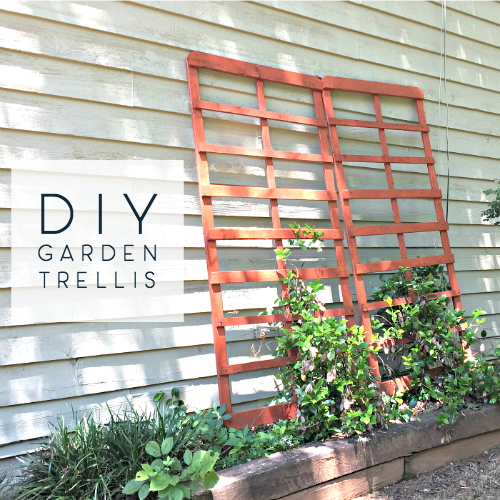
DIY Garden Trellises are simple frames that lift vines, save space, and boost yields.
If you want stronger plants, cleaner harvests, and a garden that looks polished, DIY Garden Trellises are the best upgrade per dollar you can make. I’ve built dozens across small patios and big yards. In this guide, I’ll show you practical plans, tested tips, and pro tricks so you can build sturdy, beautiful trellises that last.

What Is a Garden Trellis and Why It Matters
A garden trellis is a support that guides plants to grow up, not out. It can be a frame, panel, arch, or net. The right trellis adds airflow, cuts disease, and makes picking fruit easy. DIY Garden Trellises also save space and turn a flat bed into a vertical garden.
When plants climb, they get more sun on more leaves. Air moves through vines, which lowers leaf wetness and helps guard against mildew. Fruit stays off the soil, so it rots less and looks better. That is why many growers use trellises for peas, beans, cucumbers, squash, tomatoes, and flowers like clematis and jasmine.
Key benefits you will notice fast:
- Better yields and cleaner fruit
- Less bending and easier pruning
- Fewer pests that live in dense ground cover
- More growing area in tight spaces
DIY Garden Trellises do more than hold vines. They shape your garden and your routine. Once you use them, it is hard to go back.
Planning Your DIY Garden Trellises: Space, Plants, and Style
Start with your plants. Vines climb in different ways. Peas and passionflower use tendrils. Beans and morning glory twine. Cucumbers and tomatoes need ties as they sprawl. Strong frames help heavy fruit. Light frames fit flowers and peas.
Key planning steps:
- Match the trellis to the plant. Heavy crops like cucumbers need sturdy frames. Peas and flowers can use string nets.
- Plan height. Balcony gardens may keep trellises at 4–6 feet. Yard beds can go 6–8 feet for beans and tomatoes.
- Think wind. Tall trellises act like sails. Add anchors and wide bases.
- Plan access. Leave room to walk and harvest from both sides.
Quick load tips from the field:
- Cucumbers and small squash: medium load per vine
- Pole beans and peas: light load, but dense growth
- Indeterminate tomatoes: heavy load, long season
PAA-style questions
Do trellises increase yield?
Yes. Better sun and airflow help set more fruit. Many growers see cleaner produce and less waste.
How tall should a trellis be for cucumbers?
Five to six feet works for most varieties. Give a foot of clearance above if vines keep growing.
Can I use a trellis in a container?
Yes. Use a pot at least 5 gallons, and anchor the trellis to the container or a railing.
DIY Garden Trellises work in any space. On a balcony, think light frames and rail mounts. In a yard, think stable posts, wider feet, and easy harvest paths.
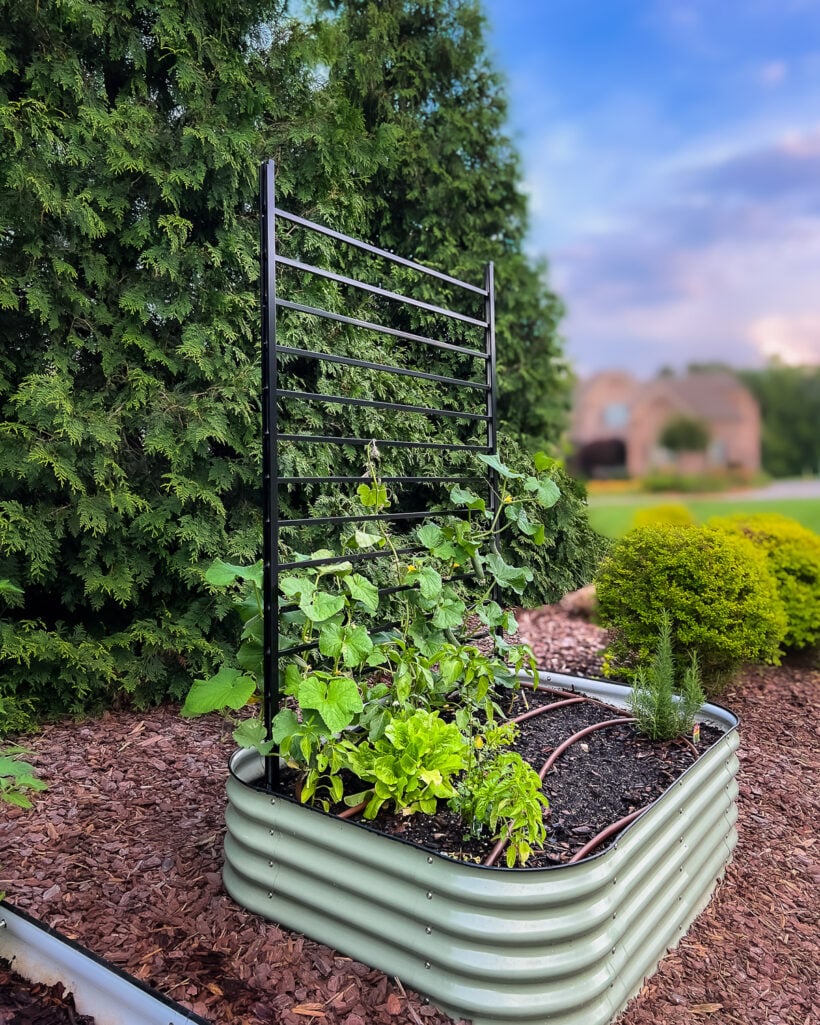
Source: designertrapped.com
Materials and Tools: Pros, Cons, and Costs
You can build DIY Garden Trellises with wood, metal, or plant-based materials. Pick based on load, look, and budget.
Common materials
- Cedar or redwood: Rot resistant, easy to cut, higher cost, warm look.
- Pine or fir: Cheap, needs sealing, can warp.
- Bamboo: Light, strong for size, fast to work with, best for light to medium loads.
- EMT conduit (metal): Very strong, affordable, clean look, great for arches and A-frames.
- Cattle panel or hog panel: Rigid wire mesh, ideal for arches and A-frames, heavy duty.
- Jute twine or nylon net: Low cost, quick to set, great for peas and flowers, replace each season if needed.
Tools you will likely need
- Hand saw or miter saw for wood
- Pipe cutter or hacksaw for conduit
- Drill and bits, driver, screws, zip ties
- Measuring tape, level, mallet
- Exterior wood screws, eye hooks, and garden ties
Budget tips from my builds
- A bamboo teepee can cost under ten dollars.
- A sturdy cattle panel A-frame often lands under fifty dollars.
- A conduit arch with rebar anchors is mid-range, but it lasts many seasons.
DIY Garden Trellises do not need fancy tools. Work with what you have. A square cut, good anchors, and weatherproofing matter more than anything else.
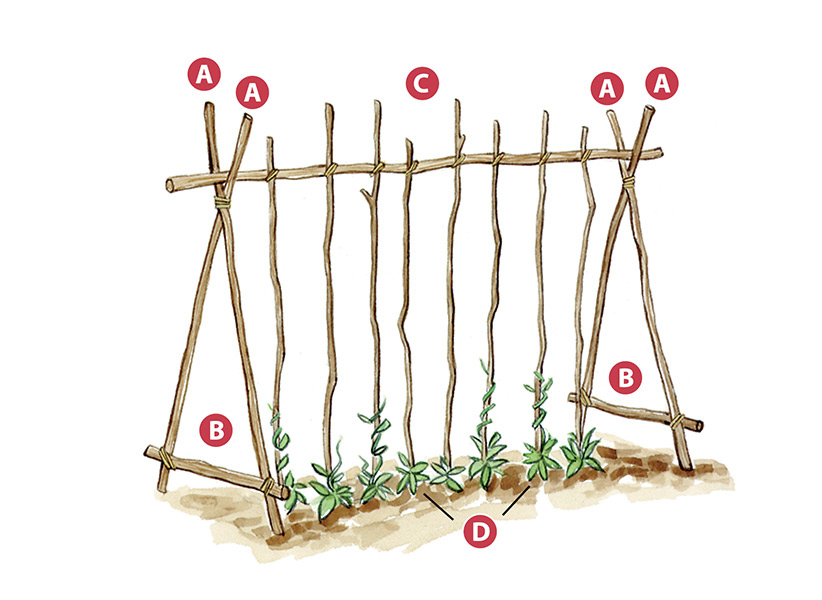
Source: gardengatemagazine.com
Step-by-Step Builds: Five Trellis Designs for Any Garden
Try these tested builds. I use them each season for different crops and spaces.
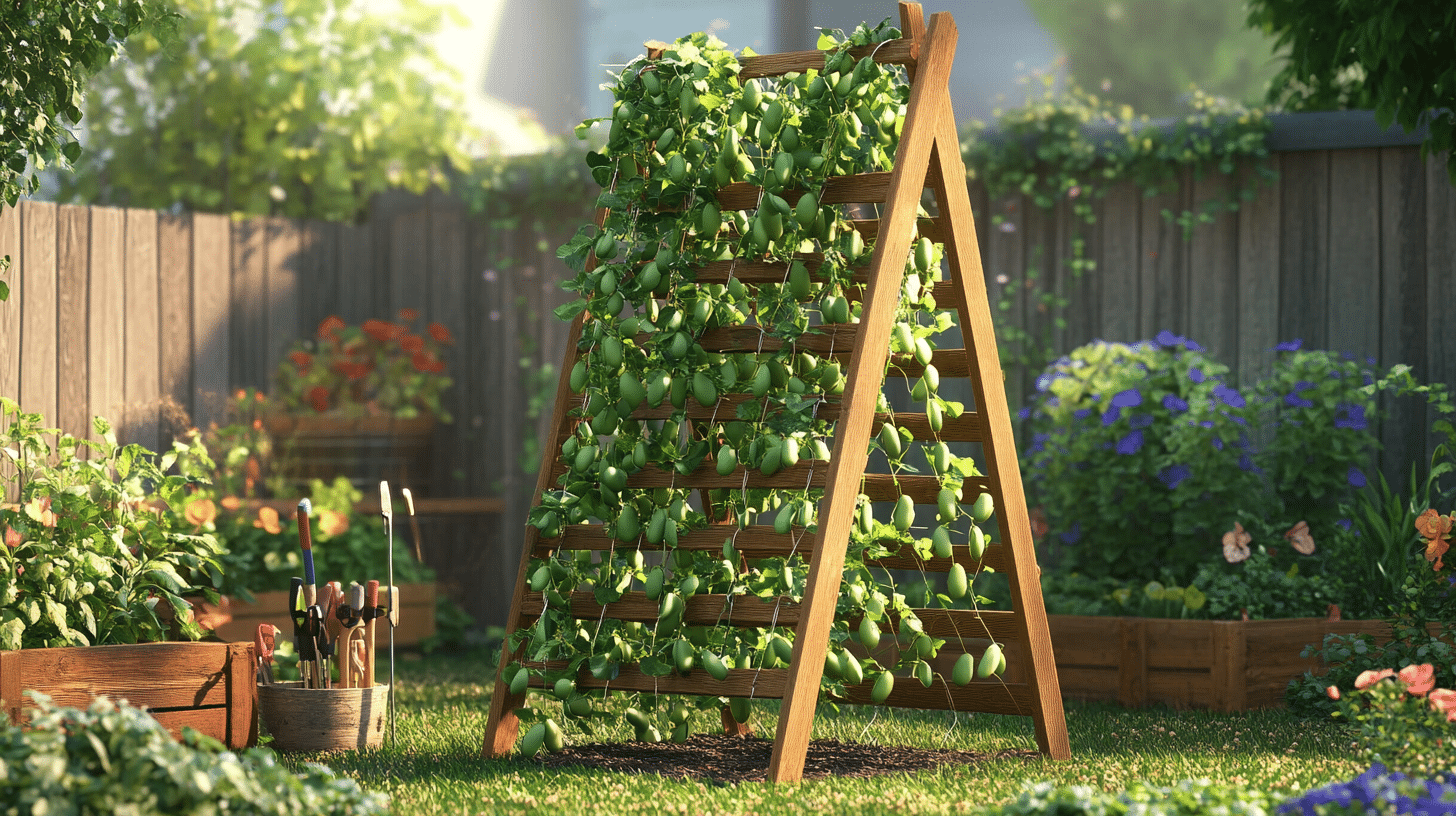
A-frame cattle panel trellis (cucumbers, small squash)
- Cut a 16-foot cattle panel in half to make two equal pieces.
- Stand them as an A-frame and wire them together at the ridge.
- Drive rebar stakes at the base and tie the panel to the rebar.
- Plant on both sides. Harvest from the inside for shade on hot days.
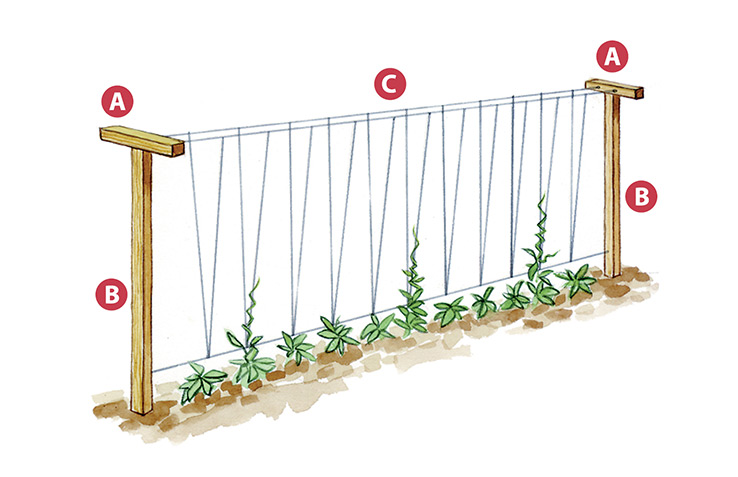
String wall trellis (peas, flowers)
- Screw eye hooks in a grid on a fence or wall.
- Lace jute or nylon twine to form a net.
- Tie first vines to the net. Replace strings each season if using jute.
Bamboo teepee (beans, morning glory)
- Gather five to seven bamboo poles, 6–8 feet long.
- Lash the tops with twine. Spread the legs wide and press them into the soil.
- Wrap twine spirals for extra grip. Plant one or two seeds per leg.
Conduit arch (melons on slings, gourds)
- Bend 10-foot EMT conduit with a simple bender or buy pre-bent pieces.
- Slide each end over rebar stakes pounded 12–18 inches deep.
- Add cross bars with set-screw fittings. Use produce slings for heavy fruit.
Wood obelisk (tomatoes, roses)
- Cut four 1x2s for legs and four for rungs.
- Make a square base and add rungs every foot.
- Top with a cap. Seal with exterior stain or paint.
DIY Garden Trellises like these can be built in under an hour once you plan. Start small. Add strength where loads get high.
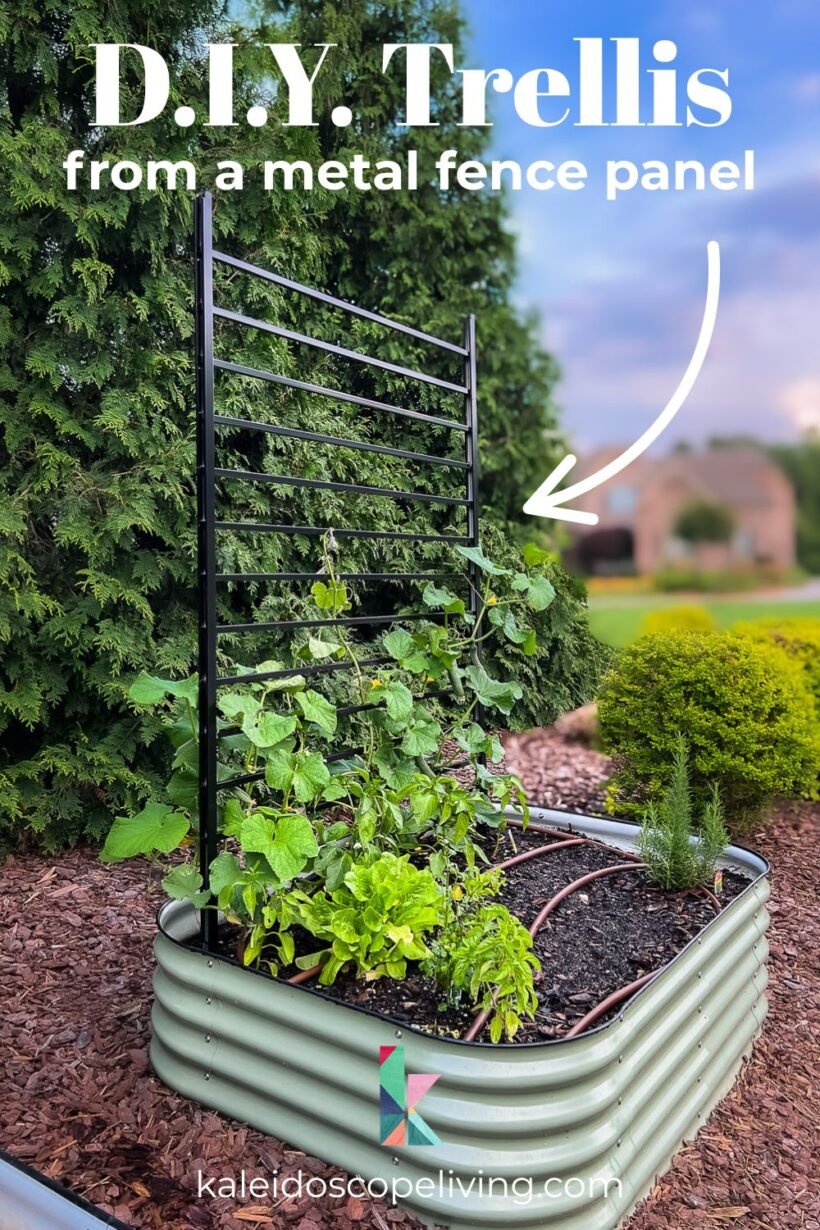
Source: designertrapped.com
Anchoring, Safety, and Weatherproofing
Anchoring is the secret to safe DIY Garden Trellises. Wind and wet soil test your build more than vines do. A stable base also feels safer when you harvest.
Use these anchor methods
- Rebar stakes for panels and conduit: Drive 12–24 inches deep.
- Earth staples for light string nets: Use many points, not just two.
- Buried posts in gravel: Good drainage, less rot than concrete.
- Wide feet or guy lines in windy spots: Spread load and reduce sway.
Weatherproofing that works
- Seal wood with exterior oil, stain, or paint. Penetrating oil is easy to refresh.
- Avoid soil contact with wood when you can. Use pavers under feet.
- Choose galvanized or powder-coated metal for long life.
- Replace jute yearly. It breaks down, which is good for the soil but not long term.
Safety checks I do each spring
- Wiggle each frame. If it moves more than an inch, add anchors.
- Check ties and nets. Replace any that look thin or sun-faded.
- Look for rust at joints and rot at cuts. Seal or swap parts early.
DIY Garden Trellises last longer when you seal wood ends, spread loads, and plan for storms. I learned this after one windy night took down my first tall frame. A few rebar stakes fixed that for good.

Source: uglyducklinghouse.com
Training Plants and Seasonal Care
Training is simple once you get the hang of it. Help vines find the support early. Small guides save big fixes later.
Easy training steps
- Tie vines every 8–12 inches of growth. Use soft ties or old T-shirt strips.
- Remove leaves that trail on the soil. This cuts pests and rot.
- Prune side shoots on tomatoes if you grow a single leader.
- Use clips for heavy stems. They spread load and prevent cuts.
Water and feed tips
- Drip lines at the base keep leaves dry and reduce disease.
- Feed with a balanced fertilizer early, then shift to bloom support.
- Mulch to hold water. Less splash means cleaner fruit.
End-of-season care
- Cut vines at the base. Pull them off when dry.
- Sanitize reusable parts. Wash nets if you plan to reuse them.
- Store wood dry and off the ground.
DIY Garden Trellises reward steady care. Ten minutes a week keeps vines tidy and fruit within reach.
Source: gardengatemagazine.com
Design Ideas and Small-Space Hacks
Good design makes your garden feel calm and useful. Trellises can frame views, hide bins, and guide foot traffic. Form and function go hand in hand.
Ideas to try
- Privacy screen: Grow pole beans on a tall A-frame near a patio edge.
- Doorway arch: Conduit arches with flowers welcome guests with color.
- Balcony rail net: Clip a string net to the rail for peas and nasturtiums.
- Modular panels: Build two-by-four-foot frames that move with the season.
Small-space hacks
- Go vertical over paths. Make an A-frame that straddles a walkway.
- Use light colors. Painted wood stays cooler and looks clean.
- Add wheels to planter boxes with short trellises for easy sun chasing.
DIY Garden Trellises also add style. Repeat shapes, match colors, and echo lines from your home. Your garden will look designed, not random.

Source: makerpipe.com
Budget, Sustainability, and Mistakes to Avoid
You can build DIY Garden Trellises on any budget. Use what you have and upgrade key parts. Aim for strength where it counts, like joints and anchors.
Money and eco tips
- Source bamboo from pruning or storm cleanup.
- Reuse cattle panels year to year. They are strong and versatile.
- Skip pressure-treated wood in veggie beds if you can. Use cedar or seal pine.
- Choose jute where you want compostable ties. Use nylon where you need lasting strength.
Mistakes I learned to avoid
- Too tall without anchors. It will tip in a storm.
- Thin screws in soft wood. They strip fast. Use exterior screws.
- Ties that cut stems. Always go soft and wide.
- Overcrowding plants. They will shade each other and fight for space.
A simple rule: build light where you can, strong where you must. DIY Garden Trellises pay you back in harvests and joy.
Source: thepaintedhinge.com
Frequently Asked Questions of DIY Garden Trellises
What plants need a trellis?
Climbing peas, pole beans, cucumbers, indeterminate tomatoes, and many flowers love to climb. You can also trellis small melons with slings.
How far apart should I plant at a trellis?
Space most vines 8–12 inches apart. Give tomatoes 18–24 inches for air and access.
What ties are best for training vines?
Soft plant ties, Velcro garden tape, or cloth strips work well. They hold firm but do not cut stems.
Will a trellis shade other plants?
Yes, if placed on the south side. Put tall DIY Garden Trellises on the north side of beds to reduce shade.
How long will a DIY trellis last?
Metal and cattle panels can last many years. Sealed wood frames often last three to five seasons or more with care.
Conclusion
DIY Garden Trellises turn flat beds into living walls. They boost yield, improve airflow, and make harvests easy. With a few tools, smart anchors, and steady care, you can build supports that look great and work even better.
Start with one simple trellis this weekend. Pick a crop, pick a plan, and get it in the ground. Share your build, ask questions, or subscribe for more step-by-step garden projects.
Last Updated on May 8, 2026 by Saad Abdullah

I enjoy sharing simple gardening ideas, lawn care tips, and honest product reviews that help make outdoor work easier. From home gardening guides to helpful tools and lawn care advice, I write easy-to-follow content to help readers create a healthier and better-looking outdoor space without wasting time or money.