
As an Amazon Associate, I earn from qualifying purchases.
Fast growing annual flowers bloom in weeks and blanket beds with color.
If you want quick results, fast growing annual flowers deliver reliable blooms, easy care, and a long show. I have trialed hundreds across zones and seasons, and this guide distills what works. You will learn how to pick, plant, and design with fast growing annual flowers for instant impact, no fluff, just field‑tested tips.
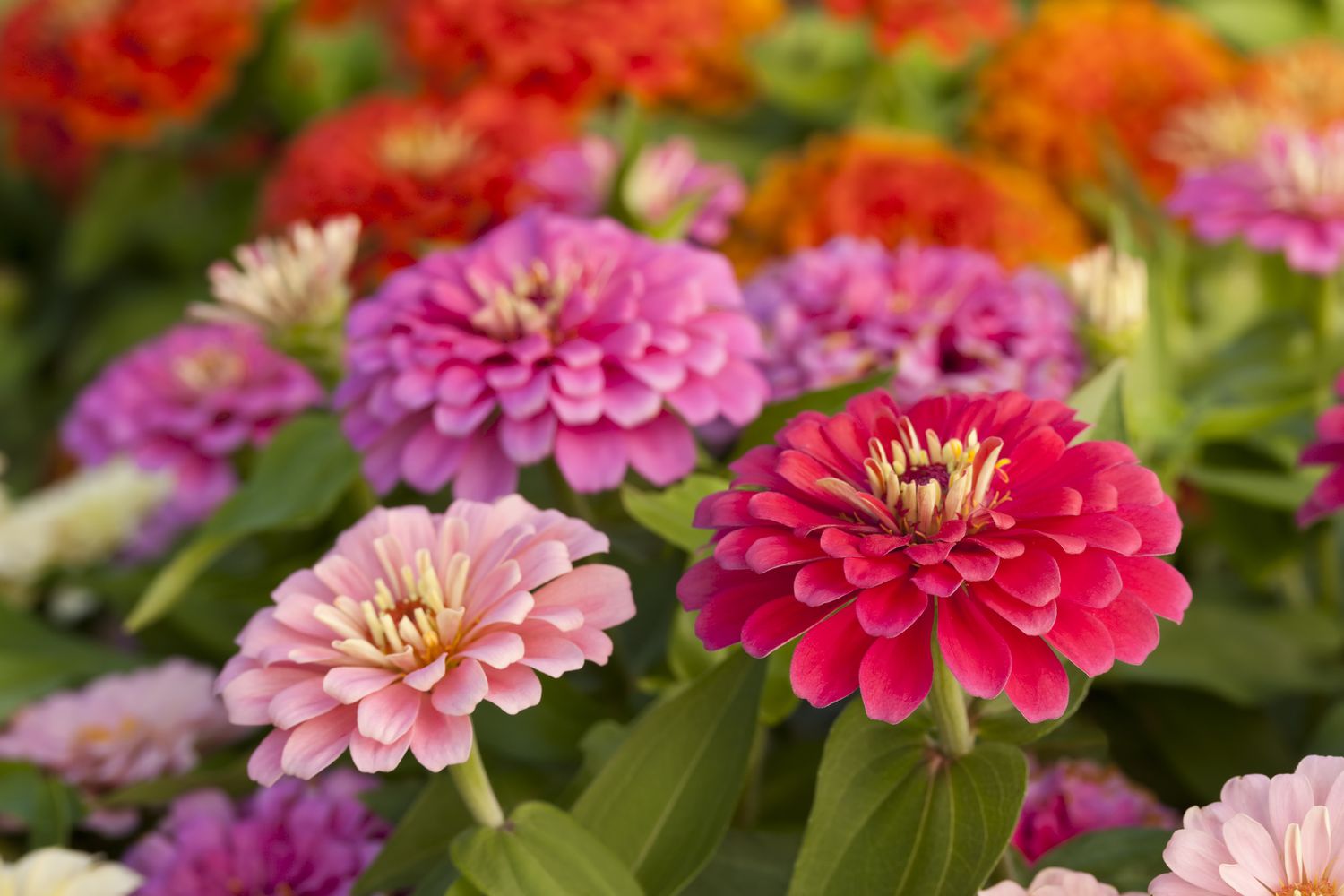
:max_bytes(150000):strip_icc()/fast-growing-annual-flowers-zinnias-GettyImages-155285202-5bde331ff5ab4d6383753048aece928b.jpg)
What makes an annual fast growing?
Annuals complete their life cycle in one season. Fast growing annual flowers push from seed to bloom in about 30 to 70 days under good light, warm soil, and steady water. The key metrics are days to germination and days to first flower.
Seed catalogs and university trials list days to bloom. Use those numbers as a guide, then adjust for your climate. Direct sowing saves time for quick species like zinnia and nasturtium. Transplants help slower types like petunia or snapdragon start strong.
Cool‑season annuals like calendula thrive in spring and fall. Warm‑season annuals like cosmos love heat. Match the plant to your last and first frost dates, and fast growing annual flowers will reward you fast.
Best fast growing annual flowers to plant now
Here are proven winners I use in client gardens and my own beds. All are dependable fast growing annual flowers when planted in season.
Cool‑season speedsters
- Sweet alyssum. Fragrant carpets in 45 to 60 days; great for edges and bees.
- Calendula. Cheery orange and yellow; blooms in cool weather; 50 to 60 days.
- Cornflower. Blue classics; easy direct sow; about 60 days.
- Shirley poppy. Tissue‑thin blooms; 55 to 70 days; best direct sown.
Warm‑season fast bloomers
- Zinnia. 45 to 60 days; cut‑and‑come‑again; many sizes and colors.
- Marigold. 45 to 55 days from transplants; pest‑wise companion for veggies.
- Cosmos. 50 to 70 days; airy filler; thrives on lean soil.
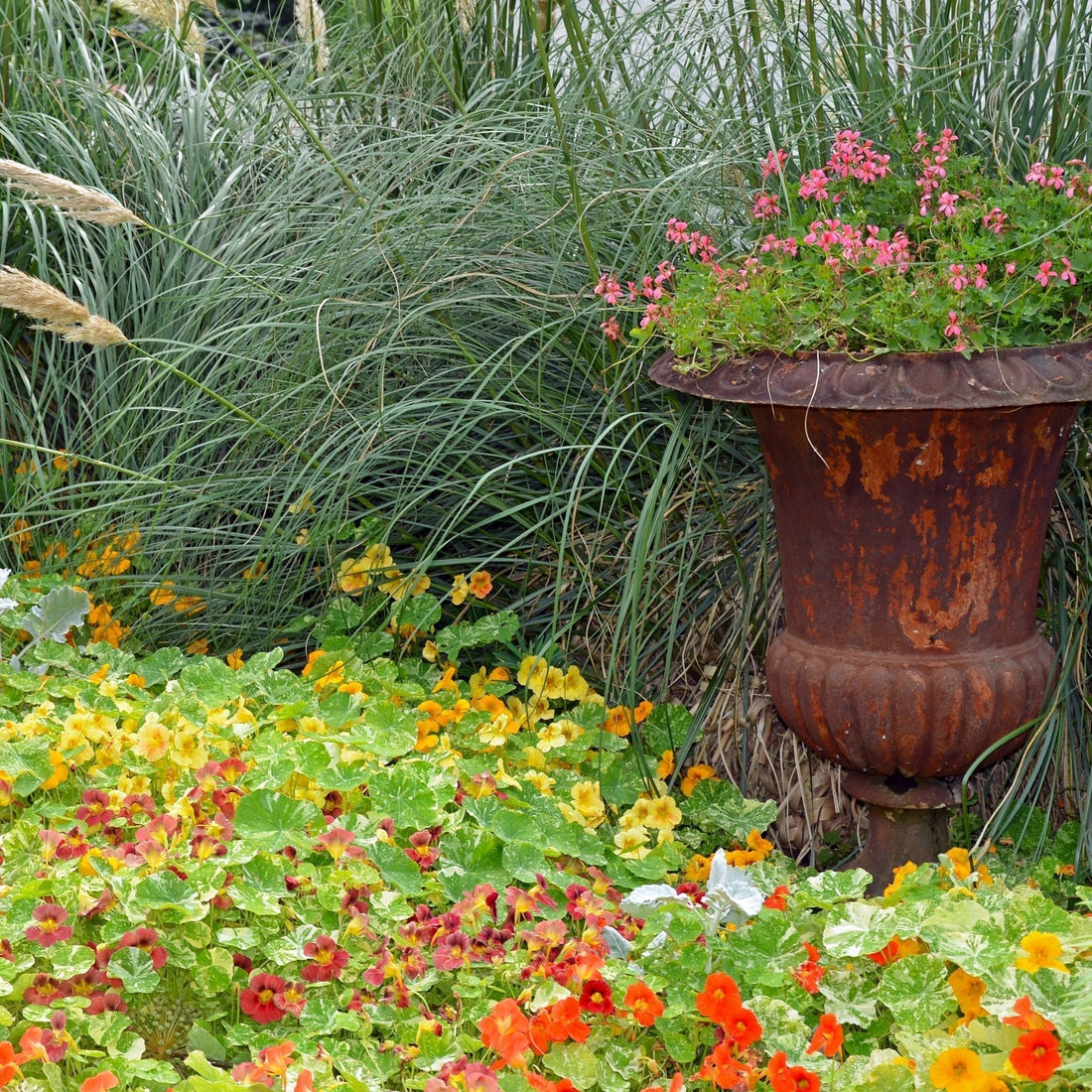
- Nasturtium. 35 to 52 days; edible flowers; great in pots or beds.
- Dwarf sunflower. 50 to 65 days; quick vertical punch; single‑stem or branching.
- Nicotiana. 50 to 60 days; evening scent; good for partial sun.
- Portulaca. 50 to 60 days; loves heat and sand; low water use.
- Celosia. 60 to 70 days; bold plumes; top choice for cuts and dries.
- Phlox drummondii. 45 to 55 days; early color in soft tones.
Shady or part‑shade options
- Impatiens (from transplants). Fast fill under trees with steady water.
- Browallia. Sky blue flowers; gentle growth in dappled light.
- Torenia. Wishbone flowers; blooms well in morning shade.
Cut flower workhorses
- Zinnia, cosmos, celosia, and sunflower lead the pack.
- Add gomphrena and amaranth for texture after 60 to 75 days.
Pro tip: Mix at least three fast growing annual flowers with staggered heights. You get quick cover, mid‑season color, and a late spike, all in one bed.
Planting calendar and how to start fast
Timing makes or breaks speed. Use your last frost date as home base, then count backward or forward.
- Zones 3 to 6. Start cool‑season annuals 4 to 6 weeks before last frost. Direct sow zinnia, cosmos, and sunflower after the last frost and once soil is warm.
- Zones 7 to 9. Fall and late winter are prime for cool‑season sets. Warm‑season fast growing annual flowers go in as soon as nights stay above 55°F.
- Zones 10 to 11. Grow cool‑season types in winter. Switch to heat lovers by spring.
Simple steps for a quick start
1) Prep soil. Loosen 6 to 8 inches. Mix in compost for structure and drainage.
2) Sow right. Follow seed depth on the packet. Shallow seeds need light.
3) Water well. Keep the top inch moist for even sprout.
4) Thin on time. Space plants early so they do not fight for light.
5) Harden off transplants. Give them 7 days of outdoor time before planting.
How fast is fast for blooms?
Most fast growing annual flowers bloom in 6 to 9 weeks once nights are warm and days are long.
Can I grow fast growing annual flowers in shade?
Yes, but choose shade‑tolerant types like impatiens or torenia. Expect fewer blooms than in full sun.
Soil, water, and feeding for maximum speed
Fast growth needs smooth roots and steady fuel. Aim for crumbly, well‑drained soil with organic matter. Keep soil pH near neutral for most annuals.
- Water. Deep, less often beats daily sprinkles. Use a finger test. If the top inch is dry, water.
- Feeding. At planting, mix in a slow‑release fertilizer. In bloom, feed light every 2 to 3 weeks with a balanced liquid. Too much nitrogen causes leaves, not flowers.
- Air space. Good spacing cuts disease and speeds dry‑down after rain.
- Pinch and deadhead. Pinch zinnia and cosmos once at 8 to 10 inches. Remove spent blooms to keep the show going.
Do I need fertilizer for fast growing annual flowers?
Yes, but keep it light and regular. A mild, balanced feed supports steady buds without pushing weak growth.
Design ideas and quick combos
Fast growing annual flowers shine in beds, borders, and containers. Think layers, contrast, and bloom waves.
Easy border recipes
- Hot edge. Marigold, zinnia, and dwarf sunflower. Gold, orange, and red that pop.
- Cottage soft. Cosmos, phlox, and calendula. Airy stems and warm pastels.
- Dry garden. Portulaca, celosia, and amaranth. Bold shapes with low water.
Containers that thrive
- Sunny pot. Nasturtium to spill, zinnia to thrill, alyssum to fill.
- Part‑shade pot. Torenia and nicotiana with a dwarf coleus accent.
Cut‑flower patch plan
- Two rows of zinnias for volume.
- One row of cosmos for filler.
- One row of celosia for form.
- Sow every two weeks for a season‑long vase supply.
Wildlife wins
- Alyssum and calendula draw bees early.
- Sunflower and zinnia feed butterflies and birds late.
- Leave a few seed heads for finches in fall.

Troubleshooting and common mistakes
I have made them all so you do not have to. Here is what to watch.
- Planting too early. Cold soil stalls seeds. Wait until the ground is warm for warm‑season types.
- Crowding. Tight spacing slows growth and invites mildew. Thin early.
- Overfeeding nitrogen. You get lush leaves, few blooms. Use balanced feed at low dose.
- Dry sprout bed. Seeds need steady moisture. Mulch lightly after germination to hold water.
- Pests. Aphids and spider mites cluster on soft tips. Rinse with water, then use insecticidal soap if needed. Slugs chew seedlings; use traps or iron phosphate baits.
- Disease. Powdery mildew loves crowded zinnias in late summer. Improve airflow, water at soil level, and remove worst leaves.
Will fast growing annual flowers reseed?
Some will, like calendula and poppies, if you let seeds drop. Hybrids may not come true, so results can vary.
Budget‑friendly and eco‑smart choices
Fast growing annual flowers are the best bargain in the garden. One packet of seed can fill many feet of border for a few dollars.
Smart ways to save
- Direct sow when possible. You skip cell trays and lights.
- Choose open‑pollinated when you want to save seed. Mark top plants and collect dry heads.
- Use compost and leaf mulch for free soil health.
- Group by water need to cut waste.
Lower input, higher impact picks
- Portulaca, zinnia, and cosmos for heat and drought.
- Alyssum and calendula for cool spells and pollinators.
- Dwarf sunflower for fast height with small space.
Sustainability tips
- Avoid peat when starting seeds. Try coco coir or leaf mold blends.
- Water at dawn. Less loss to wind and sun.
- Plant more nectar‑rich fast growing annual flowers to support bees and butterflies.
Frequently Asked Questions of fast growing annual flowers
What are the fastest to bloom from seed?
Zinnia, nasturtium, sweet alyssum, and dwarf sunflower are quick. Many flower in 45 to 60 days in warm soil.
Can fast growing annual flowers handle heat waves?
Yes, if you choose heat lovers like portulaca, zinnia, and celosia. Water deeply and mulch to protect roots.
How many hours of sun do they need?
Most fast growing annual flowers need 6 to 8 hours of sun. Shade‑tolerant types do well with 3 to 5 hours.
Do I need to deadhead for more blooms?
Yes. Removing spent flowers tells plants to keep producing. Some, like marigolds and zinnias, respond fast.
Are they good for beginners?
They are ideal for beginners. Fast results build confidence and offer room to learn without big risk.
Will they bloom in containers as well as in beds?
They bloom well in pots if you use quality mix and steady water. Choose compact varieties and feed lightly.
Can I mix them with vegetables?
Yes, and it helps. Marigold, nasturtium, and alyssum attract pollinators and deter some pests.
Conclusion
Fast growing annual flowers give you color fast, without fuss or high cost. Pick the right season, prep well, and keep water and feed steady. Then enjoy waves of blooms from spring to frost.
Start with one bed or a few pots this week. Try two or three mixes from this guide. Share your results, ask a question, or subscribe for more hands‑on garden tips and seasonal plant lists.

I enjoy sharing simple gardening ideas, lawn care tips, and honest product reviews that help make outdoor work easier. From home gardening guides to helpful tools and lawn care advice, I write easy-to-follow content to help readers create a healthier and better-looking outdoor space without wasting time or money.