
As an Amazon Associate, I earn from qualifying purchases.
Plant marigold, lavender, catnip, calendula, and chrysanthemums to deter pests.
If you want a calmer, cleaner garden without harsh sprays, you’re in the right place. This guide shows the best flowers to plant in garden to keep bugs away. I’ll explain why they work, how to grow them, and smart ways to place them for real results, based on years of hands-on trials and careful research.

How pest-repelling flowers work
Scented blooms give off natural oils. Many of these confuse or repel pests. Some also attract “good bugs” that hunt the bad ones.
Terpenes in lavender, citronella-like oils in lemon-scented plants, and pyrethrins in some mums all play a role. Plant choice and placement matter. I use flowers to plant in garden to keep bugs away as part of a wider plan, not a magic fix.

Best flowers to plant in garden to keep bugs away
You have many strong options. I group them by what they repel and how they help. Use a mix for steady cover through the seasons. These are the top flowers to plant in garden to keep bugs away in home beds and containers.
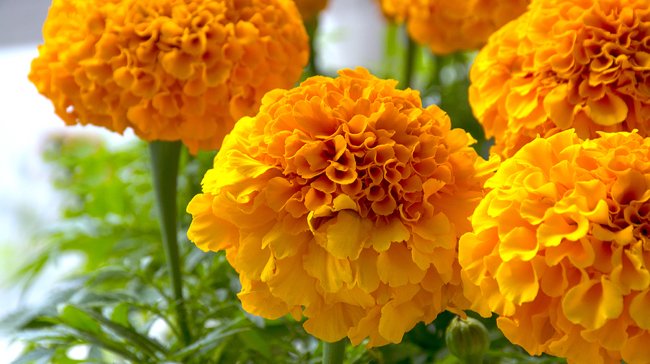
Marigolds (Tagetes spp.)
- Repels: Whiteflies, nematodes, some beetles.
- Attracts: Hoverflies and lacewings that eat aphids.
- How to grow: Full sun. Average soil. Deadhead for more blooms.
- Great with: Tomatoes, peppers, beans.
- Note: French marigolds show the best root effect on nematodes in tests. Marigolds are classic flowers to plant in garden to keep bugs away.
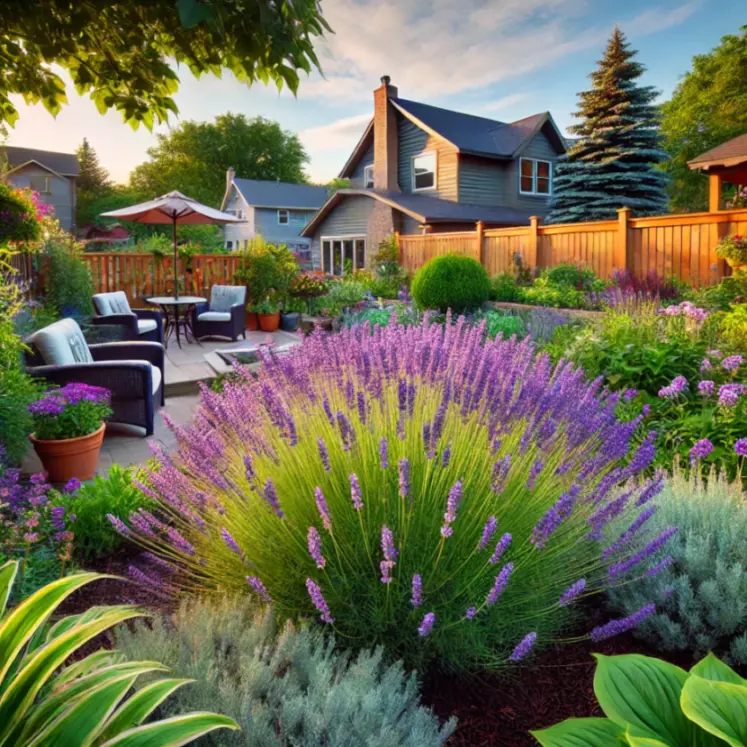
Lavender (Lavandula spp.)
- Repels: Moths, fleas, some mosquitoes near seating.
- Attracts: Bees and small parasitic wasps.
- How to grow: Full sun. Drainage is key. Avoid heavy water.
- Great with: Roses, herbs, dry beds.
- Tip: Shear after bloom for shape. Lavender ranks high among flowers to plant in garden to keep bugs away.
Chrysanthemums, aka mums (Chrysanthemum cinerariifolium)
- Repels: Many insects via natural pyrethrins in certain species.
- Attracts: Pollinators when in bloom.
- How to grow: Sun to part sun. Well-drained soil.
- Safety note: Don’t dust homemade pyrethrum. Keep pets away from chewed plant matter.
Nasturtiums (Tropaeolum majus)
- Role: Trap crop for aphids and flea beetles.
- Attracts: Hoverflies that eat aphids.
- How to grow: Poor soil is fine. Full sun to part shade.
- Great with: Brassicas and cucumbers.
- Tip: Train vines along bed edges. Eat the flowers in salads.
Calendula (Calendula officinalis)
- Repels: Aphids and some beetles by strong scent.
- Attracts: Lady beetles and hoverflies.
- How to grow: Cool seasons. Full sun to part sun.
- Bonus: Petals are edible. Reseeds gently.
Catnip/Catmint (Nepeta cataria and Nepeta × faassenii)
- Repels: Mosquitoes and some ants near paths.
- Attracts: Bees galore.
- How to grow: Full sun. Easy and drought-tough.
- Tip: Catnip can sprawl. Catmint is tidier for borders.
Scented geraniums (Pelargonium graveolens group)
- Repels: Some mosquitoes by citronella-like scent.
- Attracts: Bees and butterflies in bloom.
- How to grow: Full sun. Great in pots by patios.
Petunias (Petunia × hybrida)
- Repels: Some aphids, leafhoppers, and squash bugs.
- Attracts: Moths and bees.
- How to grow: Full sun. Feed light. Deadhead to bloom on.
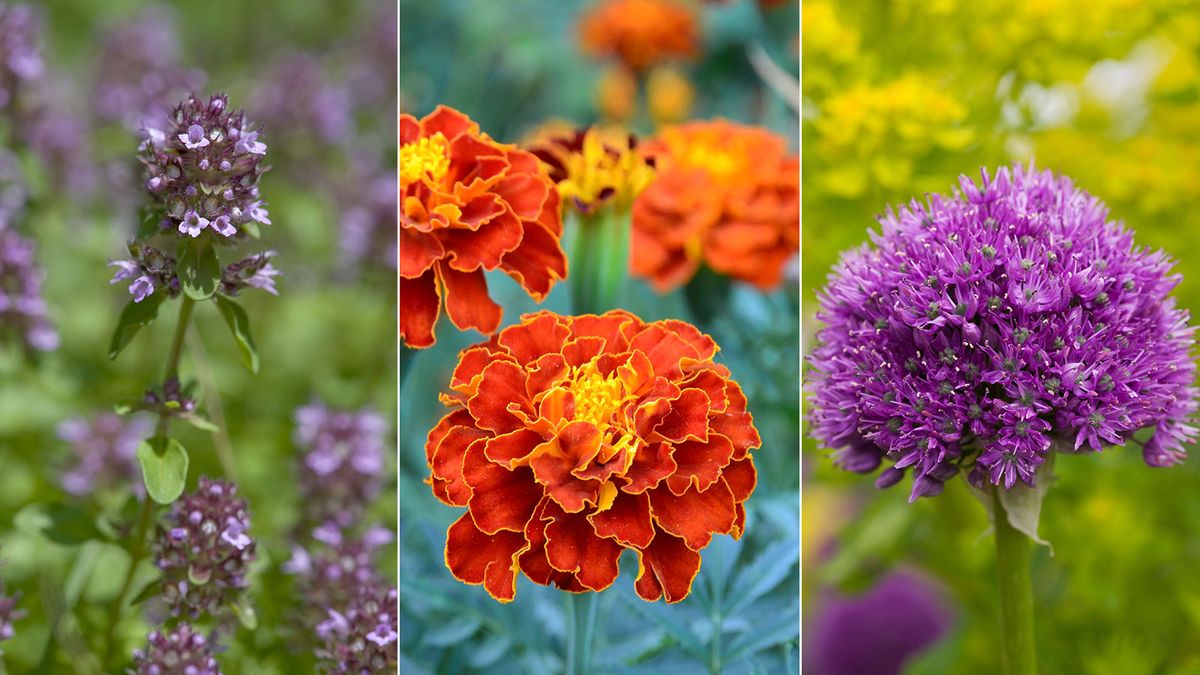
Alliums (Allium spp., including ornamental onions and garlic chives)
- Repels: Aphids, carrot flies, and some borers by onion scent.
- Attracts: Tiny parasitic wasps on globe-like flowers.
- How to grow: Sun. Bulbs or clumps. Great in borders.
Bee balm (Monarda didyma) and other mint-family bloomers
- Repels: Some pests by mint oils; mainly supports predators.
- Attracts: Hummingbirds, bees, and wasps that hunt pests.
- How to grow: Sun to part sun. Watch for mildew. Space for air.
Tansy (Tanacetum vulgare) and wormwood (Artemisia absinthium)
- Repels: Some flies and moths by strong aroma.
- Caution: Can be invasive or toxic if eaten. Use with care at bed edges.
Grow a mix of these flowers to plant in garden to keep bugs away. Stagger bloom times so something helpful is always active.
Design and placement strategies that boost results
Good layout makes a big difference. Think like a bug and like a predator.
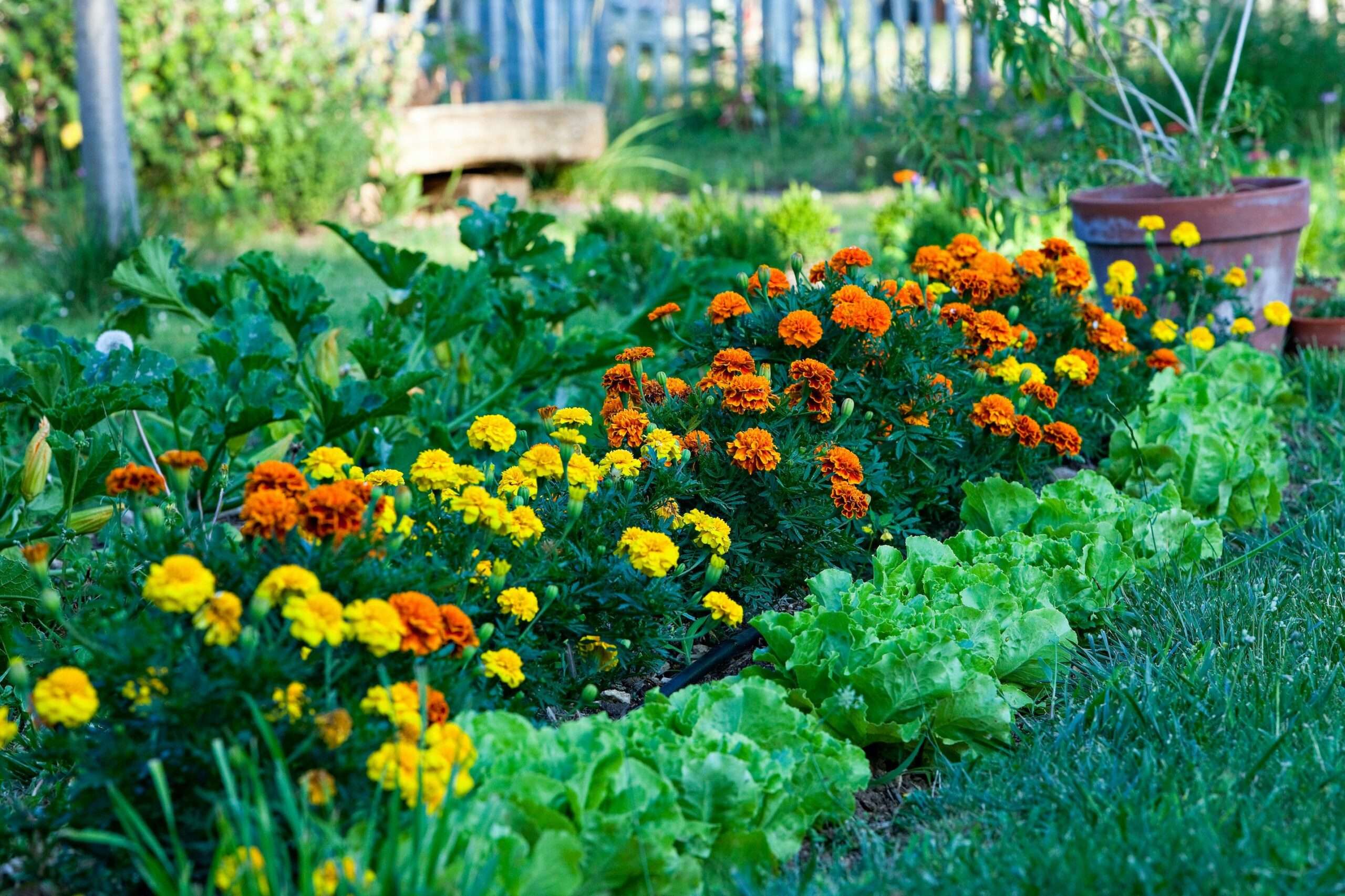
- Border your beds with flowers to plant in garden to keep bugs away. Strong scent lines protect entry points.
- Interplant every 2 to 3 feet. Break up pest “highways.”
- Use trap crops. Put nasturtiums near brassicas to pull aphids away.
- Ring patios with lavender and scented geraniums. Target the space you use most.
- Keep nectar flowing. Mix early, mid, and late bloomers to feed allies all season.
I also plant in layers. Tall at the back, mid in the middle, low at the edge. This keeps light and air moving.

Seasonal and regional planting tips
Match plants to your climate. Healthy plants defend better.
- Cool, wet springs: Calendula and nasturtiums shine.
- Hot, dry summers: Lavender, catmint, and marigolds excel.
- Short seasons: Start transplants indoors for a head start.
- Humid areas: Space plants for airflow. Pick mildew-resistant bee balm.
Containers work almost anywhere. Put pots of flowers to plant in garden to keep bugs away near doors, grills, and seating. Refresh potting mix each year for vigor and scent.
Integrated pest management with flowers
Use flowers as one tool in a bigger kit. This is how I run it.
- Monitor weekly. Flip leaves. Note pest hot spots.
- Set thresholds. A few aphids are fine if lady beetles are present.
- Choose controls in steps. Start with hand-pick, water sprays, and pruning.
- Add flowers to plant in garden to keep bugs away for long-term balance.
Studies show mixed plantings cut outbreaks and boost predator diversity. It takes time. Stay patient and consistent.
:max_bytes(150000):strip_icc()/french-marigolds-getty-0722-2000-3f2351d935c44e49918a01e7d80d5c74.jpg)
Real-world results and lessons learned
In my zone 7 garden, marigolds with tomatoes cut whiteflies to rare sights. Lavender by the deck made summer meals less buggy. Catmint strips brought waves of tiny wasps that cleared aphids in days.
Big lesson: Mix tactics. I rely on flowers to plant in garden to keep bugs away, but I still scout and prune. Small, steady steps beat one big spray.
Common myths and mistakes to avoid
It’s easy to slip into garden myths. Here is what to watch.
- Expecting zero bugs. Aim for balance, not silence.
- Planting only one species. Diversity is your shield.
- Overfeeding with nitrogen. This invites soft, juicy growth that pests love.
- Overwatering. Damp leaves breed disease and sap scent power.
- Forgetting bloom succession. No nectar means no helpers.
- Skipping records. Track which flowers to plant in garden to keep bugs away worked best.
Fix these, and results jump fast.

Quick PAA-style answers
Do marigolds really repel pests?
They help with whiteflies above ground and some nematodes below. Use French marigolds and interplant for best effect.
Which flowers deter aphids fast?
Nasturtiums trap them. Calendula, marigolds, and alliums support predators that finish the job.
Can I rely on flowers alone to keep bugs away?
No. Use them with scouting, pruning, and water sprays. This combined plan is stronger and safer.
Simple planting plans and combos
Try these easy blueprints. Adjust to your space and light.
4×8 vegetable bed
- Edge: Marigolds every 12 inches.
- Corners: Lavender or catmint clumps.
- Between rows: Alternating calendula and nasturtiums.
- Mid-bed anchors: One bee balm for summer nectar.
This layout uses flowers to plant in garden to keep bugs away while feeding allies all season.
Patio container trio
- Pot 1: Scented geranium with trailing nasturtiums.
- Pot 2: Lavender with petunias.
- Pot 3: Catmint with chives.
Place these near doors and chairs. These are compact flowers to plant in garden to keep bugs away that work well in small spots.
Frequently Asked Questions of Flowers to plant in garden to keep bugs away
What are the most reliable flowers for bug control?
Marigolds, lavender, calendula, catmint, and nasturtiums are reliable. They repel pests and attract helpful insects.
Will these flowers attract bees near my seating area?
Yes, many will. Place high-traffic bee plants a few feet from seats and keep low-scent geraniums closer.
Are these plants safe for pets and kids?
Most are safe to touch, but avoid chewing mums, tansy, and wormwood. Keep curious pets away and supervise small children.
How long does it take to see results?
You can see shifts in a few weeks as blooms open. Full balance builds over a season as predators move in.
Do I still need pesticides?
Often no, or far less. Use spot treatments only if a threshold is passed and choose the least toxic option.
Can I grow them in shade?
Partial shade works for calendula and nasturtiums. Lavender, marigolds, and catmint need more sun.
Conclusion
You can grow a vibrant garden and cut pest pressure with smart plant choices. Start small, mix a few proven blooms, and place them with purpose. Track what works, then repeat and expand next season.
Choose two or three flowers from this list and plant them this week. Share your wins and questions in the comments, and subscribe for more practical, research-backed garden guides.

I enjoy sharing simple gardening ideas, lawn care tips, and honest product reviews that help make outdoor work easier. From home gardening guides to helpful tools and lawn care advice, I write easy-to-follow content to help readers create a healthier and better-looking outdoor space without wasting time or money.