
As an Amazon Associate, I earn from qualifying purchases.


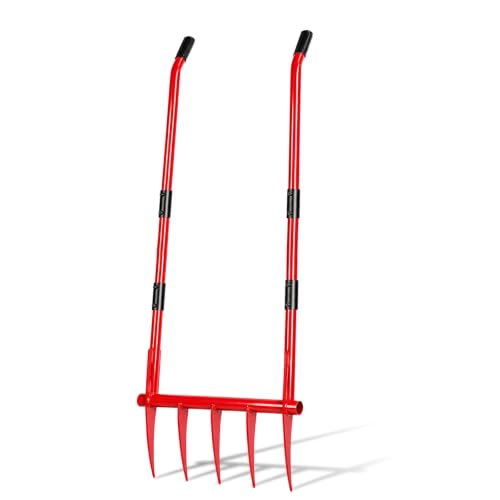
Is a Garden Fork Good?
Yes. A garden fork is a great choice for gardeners who need to loosen soil, mix in compost, or lift root crops. Its sturdy tines slide into the ground and break up clumps. Unlike a flat blade, the fork leaves more room for soil to fall between its tines. This makes it useful when you want to open up the ground without turning every clump into a solid block.
Picture a backyard vegetable bed after a long, dry summer. The soil feels hard, and a spade may cut a neat slice without breaking up the rest. A fork can work between those clumps and help loosen them. It is also handy when you harvest potatoes or dig around established plants. The tines can pass around roots more gently than a broad blade, though care still matters.
For the garden fork vs digging spade choice, I would pick the fork for soil care and root crops. It is not the best tool for every job. A fork may struggle to cut a neat edge through grass or remove a thick strip of sod. Sharp stones can also block the tines. Still, for many vegetable beds and mixed garden soil, it is a useful tool to keep close.
What Makes It Stand Out
- Four sturdy tinesMost digging forks have four strong tines that enter the soil and help break up clumps.
- Soil looseningThe tines open compact soil and create gaps for air and water to move through.
- Root crop liftingA fork can lift potatoes and similar crops while reducing the chance of slicing them with a solid blade.
- Compost mixingThe open tine design helps mix compost or other suitable soil amendments into a garden bed.
- Good for stony groundA fork can move through some stony soils with less resistance than a wide, flat blade, though large stones can still jam it.
- Long handleMany models have a long shaft that lets you work while standing and use body weight to push the tines into the soil.
- Strong head and socketA well-made head and secure handle joint help the tool withstand repeated digging and lifting.
My Recommendation
Choose a garden fork if you grow vegetables, work compost into beds, or need to loosen soil around roots. Pick a model with strong tines and a handle that feels comfortable for your height.
| Best For | Why |
|---|---|
| Vegetable gardens | Loosens soil and helps prepare beds for planting. |
| Root crop harvests | Lifts crops with less risk of cutting them. |
| Compost mixing | Moves and blends loose material through the bed. |
Is a Digging Spade Good?
Yes. A digging spade is a strong pick for jobs that need a clean cut or a neat hole. Its flat blade cuts through soil and turf. You can use it to edge a bed, dig a planting hole, or lift a slice of sod. The firm blade also gives you a broad surface for moving soil from one spot to another.
Think of planting a shrub near a front walk. You need a hole with clear sides and enough depth for the root ball. A spade makes this task easier because its blade cuts a straight line into the ground. It also helps when you need to remove grass to extend a flower bed. The blade can slice through small roots, but large roots may need a saw or loppers.
In the garden fork vs digging spade debate, I would choose the spade for shaping the garden and digging defined holes. It is less suited to gently lifting root crops, and its wide blade may meet more resistance in rocky soil. If you use it in wet clay, soil can cling to the blade. Even so, a sharp, well-made spade is a reliable tool for planting and moving earth.
What Makes It Stand Out
- Flat bladeThe broad blade cuts into the ground and removes soil in clear slices.
- Sharp cutting edgeA sharp edge helps cut through turf and small roots with less effort.
- Defined planting holesThe blade helps create holes with straighter sides for shrubs, flowers, and small trees.
- Bed edgingA spade can cut a clear line between a lawn and a flower or vegetable bed.
- Soil movingThe blade lifts and shifts soil, making it useful for moving earth into or out of a hole.
- Foot treadMany digging spades have a flat shoulder or tread where you can press with your foot to drive the blade into the ground.
- Rigid constructionA strong blade and secure handle help the tool cope with repeated cutting and digging.
My Recommendation
Choose a digging spade if you need to cut turf, make planting holes, move soil, or shape garden beds. Look for a strong blade, a secure handle, and a length that suits your height.
| Best For | Why |
|---|---|
| Planting shrubs | Cuts a defined hole and helps move soil. |
| New garden beds | Slices turf and creates clear edges. |
| Moving earth | The broad blade lifts and shifts soil. |
garden fork vs digging spade: Side-by-Side Test
The garden fork vs digging spade choice comes down to the work in front of you. One tool opens up the soil. The other cuts into it. Both can dig, but their shapes give them different strengths.
The ratings below are practical editorial scores based on typical tool designs and common garden tasks. They are not the results of controlled hands-on testing. The best tool for you also depends on soil type, tool quality, and your strength.
1. Soil Loosening: Which Works Best?
A fork has open tines that break up soil. A spade cuts and lifts it in larger pieces.
| Feature | Garden Fork | Digging Spade |
|---|---|---|
| Breaking up clumps | Very good | Good |
| Opening compact beds | Very good | Good |
| Turning soil | Good | Very good |
| Leaving a loose finish | Very good | Fair |
⭐ Garden Fork – 9/10 | Digging Spade – 7/10
The garden fork wins for loosening soil with less broad cutting.
2. Digging Holes: Which Is Better?
Both tools can dig holes, but a spade makes it easier to shape a clear edge.
| Feature | Garden Fork | Digging Spade |
|---|---|---|
| Planting shrubs | Good for loose soil | Very good |
| Straight hole edges | Poor | Very good |
| Moving soil out | Fair | Very good |
| Working in tight spots | Good with care | Good with a narrow blade |
⭐ Garden Fork – 6/10 | Digging Spade – 9/10
The digging spade has the edge for holes with clear sides and a defined shape.
3. Rocky Soil: Which Handles It Best?
Stones can block both tools, but a fork can often work around smaller rocks.
| Feature | Garden Fork | Digging Spade |
|---|---|---|
| Moving through small stones | Often good | Fair to good |
| Working around roots | Good with care | Fair |
| Cutting compact ground | Fair | Good if the edge is sharp |
| Prying large rocks | Not recommended | Not recommended |
⭐ Garden Fork – 8/10 | Digging Spade – 6/10
The fork often moves more freely in stony soil, but neither tool should be used to pry heavy rocks.
4. Root Crops: Which Is Safer?
Potatoes, carrots, and similar crops can be easy to damage with a sharp blade.
| Feature | Garden Fork | Digging Spade |
|---|---|---|
| Lifting potatoes | Very good | Fair |
| Risk of slicing crops | Lower with careful use | Higher near the blade |
| Loosening soil around roots | Very good | Good |
| Cutting unwanted roots | Fair | Good for small roots |
⭐ Garden Fork – 9/10 | Digging Spade – 6/10
The garden fork is the better pick for lifting root crops with less risk of cutting them.
5. Turf and Garden Edges
A new flower bed often starts with a clean cut through grass and its roots.
| Feature | Garden Fork | Digging Spade |
|---|---|---|
| Cutting turf | Poor | Very good |
| Making a straight edge | Poor | Very good |
| Lifting loosened sod | Good after cutting | Very good |
| Removing thick grass roots | Fair | Good |
⭐ Garden Fork – 4/10 | Digging Spade – 10/10
The digging spade wins for clean cuts, neat edges, and removing turf.
6. Effort and Comfort
The right tool can reduce strain, but soil, handle length, and your technique all matter.
| Feature | Garden Fork | Digging Spade |
|---|---|---|
| Loosening soil with body weight | Very good | Good |
| Lifting loose soil | Good | Very good |
| Working in compact clay | Can take effort | Can take effort |
| Comfort over long sessions | Depends on fit and grip | Depends on fit and grip |
⭐ Garden Fork – 8/10 | Digging Spade – 8/10
Neither tool wins for comfort in every yard. Choose the right handle length and avoid forcing the tool.
7. Compost and Soil Amendments
Compost can improve garden soil when you mix it in at the right depth.
| Feature | Garden Fork | Digging Spade |
|---|---|---|
| Mixing compost | Very good | Good |
| Moving loose compost | Good | Very good |
| Opening the soil | Very good | Good |
| Preparing a bed | Very good | Very good |
⭐ Garden Fork – 9/10 | Digging Spade – 8/10
The fork is best for blending compost into a bed, while the spade is handy for moving it.
8. Value and Everyday Use
A tool offers better value when it suits the jobs you do most often.
| Feature | Garden Fork | Digging Spade |
|---|---|---|
| Vegetable bed care | Very good | Good |
| Planting and edging | Fair | Very good |
| Moving soil | Good | Very good |
| Use across many garden tasks | Very good | Very good |
⭐ Garden Fork – 9/10 | Digging Spade – 9/10
Both offer strong value when matched to the right jobs, so your garden plans should guide the choice.
Final Verdict: Which Should You Buy?
In the garden fork vs digging spade comparison, the garden fork is my top pick for loosening soil, mixing compost, and lifting root crops. Its tines open the ground without cutting a broad slice through it. The digging spade is better for cutting turf, shaping beds, and making neat planting holes.
If you grow vegetables or often work in compact soil, start with a garden fork. If you plant shrubs, create new beds, or move soil, choose a digging spade. If your budget allows, buy both. They work as a team: the spade cuts and shapes, while the fork loosens and lifts. That pairing can make yard work feel less like a battle with the ground.
FAQs Of garden fork vs digging spade

I enjoy sharing simple gardening ideas, lawn care tips, and honest product reviews that help make outdoor work easier. From home gardening guides to helpful tools and lawn care advice, I write easy-to-follow content to help readers create a healthier and better-looking outdoor space without wasting time or money.