
As an Amazon Associate, I earn from qualifying purchases.
You can grow berries in containers with sun, acidic soil, and steady watering.
I’ve helped many home gardeners grow berries in containers on balconies, patios, and rooftops. In this guide, I’ll show you how to grow berries in containers with simple steps, smart variety choices, and pro tips that boost yield and flavor. You’ll learn what works, what fails, and the small tweaks that make big harvests happen.
:strip_icc()/berry-bush-3c6a38f7-4996a4e2a43540f4818eda5c69886cca.jpg)
Why Grow Berries in Containers?
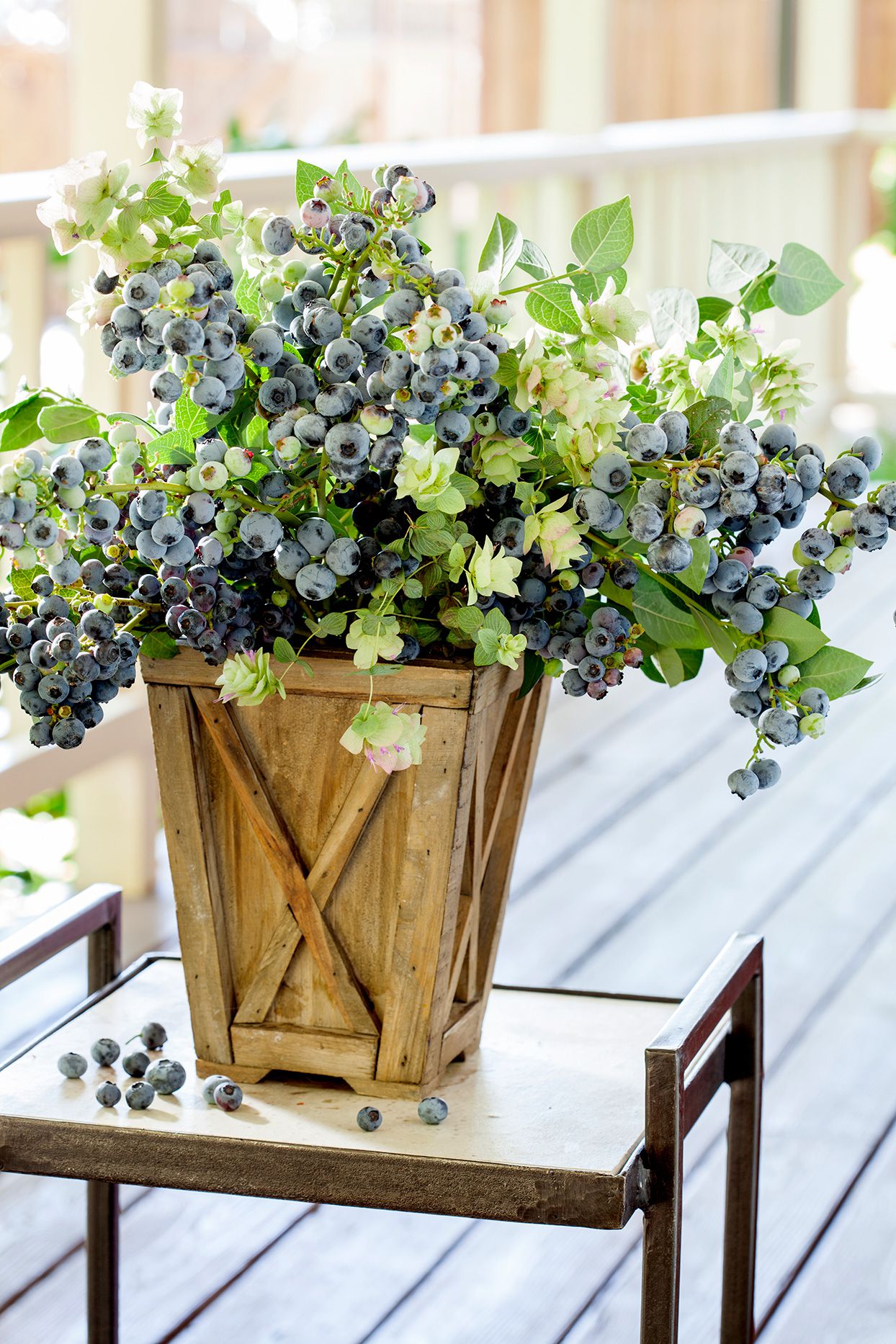
Growing berries in containers fits small spaces and busy days. Pots control soil, pH, and water, which berries love. You can move plants for light, protect them from frost, and keep roots from spreading.
Pros:
- Clean fruit and fewer weeds. Less bending and easy harvests.
- Better control of pH for blueberries and drainage for all berries.
- Fewer soil diseases and easier pest control with nets or covers.
Limits:
- Pots dry fast in summer heat. Watering is key.
- Yields are a bit lower than in-ground plants.
- You must feed often. Fertility leaches with frequent watering.
If you want to grow berries in containers for fresh fruit and simple care, this path works well for most climates.
:max_bytes(150000):strip_icc()/growing-blueberries-in-containers-1d653164dac94a62b066d51d4690379d.jpg)
Best Berry Varieties for Pots
Strawberries
- Best types: Day-neutral or everbearing (Albion, Seascape, Mara des Bois).
- Pot size: 12–14 inches wide, 3 plants per pot. Hanging baskets work.
- Tip: Trim runners for bigger berries, or root runners to expand.
Blueberries
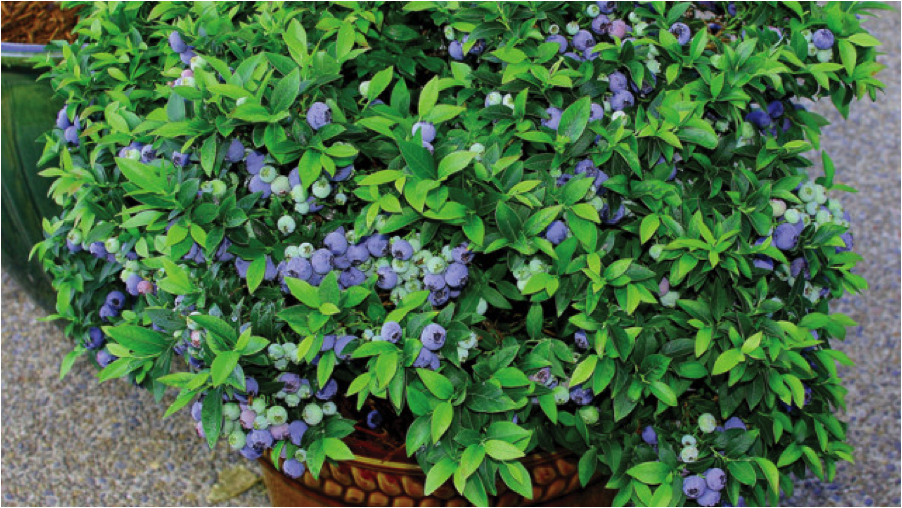
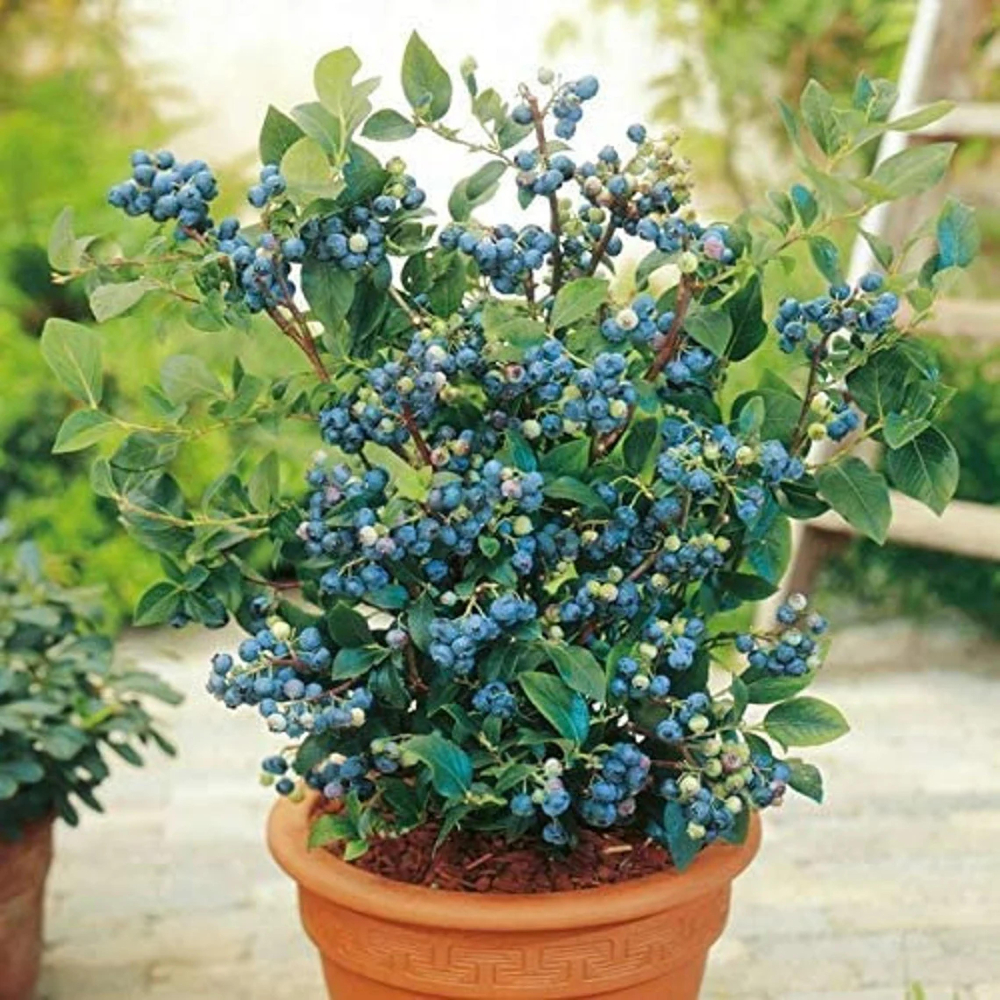
- Best dwarf types: Top Hat, Jelly Bean, Peach Sorbet, Northblue.
- Pot size: 15–25 gallons per plant. They need acidic mix (pH 4.5–5.5).
- Tip: Plant two compatible varieties for better yields.
Raspberries
- Best compact types: Raspberry Shortcake, Heritage (primocane), Polka.
- Pot size: 10–15 gallons per plant.
- Tip: Primocane types fruit on first-year canes. Easy pruning.
Blackberries
- Best compact or thornless: Baby Cakes, Apache, Prime-Ark Freedom.
- Pot size: 15–25 gallons with a simple trellis or stakes.
- Tip: Keep 3–5 canes per pot for size and airflow.
Currants and Gooseberries
- Compact shrubs with sweet-tart fruit. Good in cool climates.
- Pot size: 10–15 gallons.
- Tip: Partial shade is fine in hot zones.
To grow berries in containers well, match the variety to your climate and pot size. Dwarf or compact forms are the most forgiving for new growers.
:strip_icc()/how-to-grow-berries-in-containers-b4f911e7-764e0eea264445d388a3efe373c5200b.jpg)
Containers, Drainage, and Potting Mix
Container choices
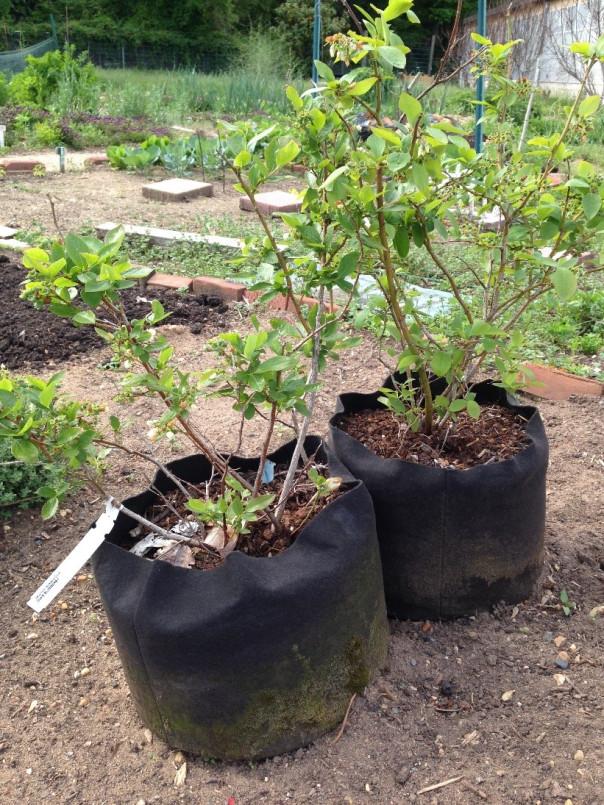
- Fabric pots breathe and prevent root circling. Great for heat.
- Glazed ceramic holds moisture longer. Avoid dark colors in hot sun.
- Plastic is light and cheap. Drill extra holes if drainage is slow.
Essential drainage
- At least 4–8 holes under the pot. Elevate on pot feet.
- No gravel layer. Use a uniform, well-draining mix from top to bottom.
Potting mix (peat-free option)
- 40% fine bark, 40% coco coir, 20% perlite.
- Add compost at 10–20% for strawberries and cane berries. Keep low for blueberries.
- For blueberries, adjust pH to 4.5–5.5 with elemental sulfur and use acid-forming fertilizer.
If you grow berries in containers, the mix matters more than the pot. A fluffy, airy blend prevents root rot and salt buildup.
How to Plant: Step-by-Step
- Pre-soak the potting mix until evenly moist.
- Set crowns of strawberries at soil level. Do not bury crowns.
- Plant blueberries a touch deeper than the nursery line to anchor.
- Space cane berries in the center. Add a stake at planting for training.
- Firm the mix, water to drain from the bottom, and mulch the top 1–2 inches.
Here’s how to grow berries in containers like a pro: plant at the right depth, water to settle roots, and finish with mulch for even moisture.
Light, Water, and Feeding
Light
- Aim for 6–8 hours of direct sun. In hot zones, give light afternoon shade.
- Rotate pots every two weeks for even growth.
Water
- Keep soil moist, not soggy. Check daily in summer.
- Water until a bit drains out. In heat waves, water morning and evening.
Feeding
- Strawberries: Use a balanced slow-release at planting. Feed lightly every 3–4 weeks in season.
- Blueberries: Use acid fertilizer with ammonium forms. Feed in early spring and late spring.
- Raspberries and blackberries: Feed monthly at half-strength during active growth.
To grow berries in containers in hot weather, a drip line on a timer is gold. A moisture meter or finger test keeps you honest.
Pruning and Training by Berry Type
Strawberries
- Remove most runners to focus energy on fruit.
- Replace pots every 2–3 years for best yields.
Raspberries
- Primocane types: Cut all canes to the soil in late winter.
- Floricane types: Remove fruited canes right after harvest; keep new green canes.
Blackberries
- Tie canes to a small trellis. Tip at 3–4 feet to branch.
- Remove spent canes after fruiting.
Blueberries
- In years 1–2, remove weak shoots and extra flowers to build structure.
- From year 3, thin oldest canes to keep the plant young.
Pruning is simple when you grow berries in containers. Fewer canes and clean cuts mean bigger fruit and less disease.

Pollination, Fruit Set, and Yields
Pollination
- Blueberries set more fruit with two varieties that bloom together.
- Strawberries, raspberries, and blackberries are self-fertile but love bee visits.
Expected yields in good care
- Strawberries: 0.5–1 pound per plant per season.
- Blueberries: 1–3 pounds per mature container shrub.
- Raspberries/blackberries: 1–2 pounds per pot, often more by year 2–3.
When you grow berries in containers, yields rise with sun, steady water, and pruning. Harvest often to keep plants producing.

Pests, Diseases, and Protection
Common pests
- Aphids and spider mites: Blast with water. Use insecticidal soap if needed.
- Spotted wing drosophila: Harvest daily. Chill or freeze fast. Use fine mesh if pressure is high.
- Birds and squirrels: Drape bird net or tulle over a simple frame.
Diseases
- Powdery mildew: Improve airflow, prune dense growth, and avoid overhead water.
- Root rot: Fix drainage and avoid waterlogged mix.
- Blueberry chlorosis: Lower pH and feed with chelated iron if leaves yellow.
I’ve learned that weekly walks prevent trouble. If you grow berries in containers and scout often, you stop problems before they spread.
Seasonal Care and Overwintering
Cold protection
- Roots in pots feel 1–2 zones colder than in-ground.
- Move pots to an unheated garage or against a wall. Wrap with burlap or bubble wrap.
- Water once a month in winter so roots do not dry out.
Spring setup
- Refresh top 2–3 inches of mix. Add slow-release food as needed.
- Check pH for blueberries, then feed.
Heat strategy
- Mulch 1–2 inches. Use light-colored pots or shade cloth in extreme heat.
To keep momentum and grow berries in containers each year, protect roots in winter and reset nutrition in spring.
Troubleshooting Common Issues
- Yellow blueberry leaves, green veins: pH too high. Add sulfur and use acid fertilizer.
- Small, dry strawberries: Inconsistent water or too many runners. Trim and water deep.
- Leaf scorch in heat: Move pots to afternoon shade and mulch.
- White crust on soil: Salt buildup. Flush with lots of water until runoff runs clear.
These are the top mistakes I see when people try to grow berries in containers. Most fixes are simple and fast.
Harvest, Storage, and Flavor Tips
Harvest cues
- Strawberries: Pick fully red, including tips. Morning is best.
- Blueberries: Wait 3–5 days after turning blue for peak sweetness.
- Raspberries/blackberries: Ripe fruit slips off with a gentle tug.
Storage
- Do not wash until use. Chill dry berries with airflow.
- Freeze in a single layer, then bag for later.
Flavor boosts
- More sun equals sweeter fruit. Consistent water swells berries without washing flavor.
- A light potassium feed near bloom can help balance sugars.
These tips help you grow berries in containers for taste that beats store fruit by a mile.
First-Year Plan: How to Grow Berries in Containers
Month 1
- Choose dwarf or compact varieties. Buy quality potting mix.
- Set up pots, drainage, and mulch. Plant and water deep.
Months 2–3
- Keep soil evenly moist. Start light feeding.
- Remove most strawberry flowers for two weeks to build roots.
Months 4–6
- Train canes. Add a small trellis if needed.
- Net plants before birds find them. Harvest often.
Months 7–12
- Prune per type after fruiting. Keep a steady water routine.
- Prepare for winter with wraps or a sheltered spot.
Follow this track, and you will grow berries in containers with steady success from the first season onward.
Frequently Asked Questions of grow berries in containers
How many hours of sun do container berries need?
Most need 6–8 hours of direct sun. In very hot areas, give light shade in late afternoon to prevent stress.
What size pot works best for blueberries?
Use 15–25 gallons per plant. The extra volume keeps pH steady and moisture even.
Can I use garden soil in pots?
Skip garden soil. It compacts in containers and holds too much water, which can cause root rot.
Do I need two blueberry plants for fruit?
Many are self-fertile, but two compatible varieties boost yield and size. Check bloom times to match.
How often should I fertilize?
Feed lightly but often during active growth. Use an acid feed for blueberries and a balanced feed for strawberries and cane berries.
Will strawberries survive winter in pots?
Yes, with root protection. Move pots to a sheltered spot, wrap them, and water once a month.
Can I grow berries in containers indoors?
It is tough due to light and pollination needs. A bright greenhouse or grow lights can help, but outdoor sun is best.
Conclusion
You can turn a balcony or patio into a mini fruit patch with the right mix, pot size, and routine. Choose compact varieties, water on schedule, and prune with purpose. Bit by bit, you will build skill and harvests that taste like summer in every bite.
Start today: pick one berry, one pot, and follow the steps above. If this guide helped, subscribe for more small-space growing tips or leave a comment with your questions and wins.