
As an Amazon Associate, I earn from qualifying purchases.
Bindweed breaks when you starve roots, block light, and repeat with patience.
If you’re asking how do I permanently get rid of bindweed, you’re in the right place. I’ve fought it in lawns, beds, and farm plots, and I’ll show you what works, what fails, and how to win for good. This guide blends hands-on experience with proven methods so you can stop bindweed from strangling your garden and your weekends.
Understand bindweed before you fight it
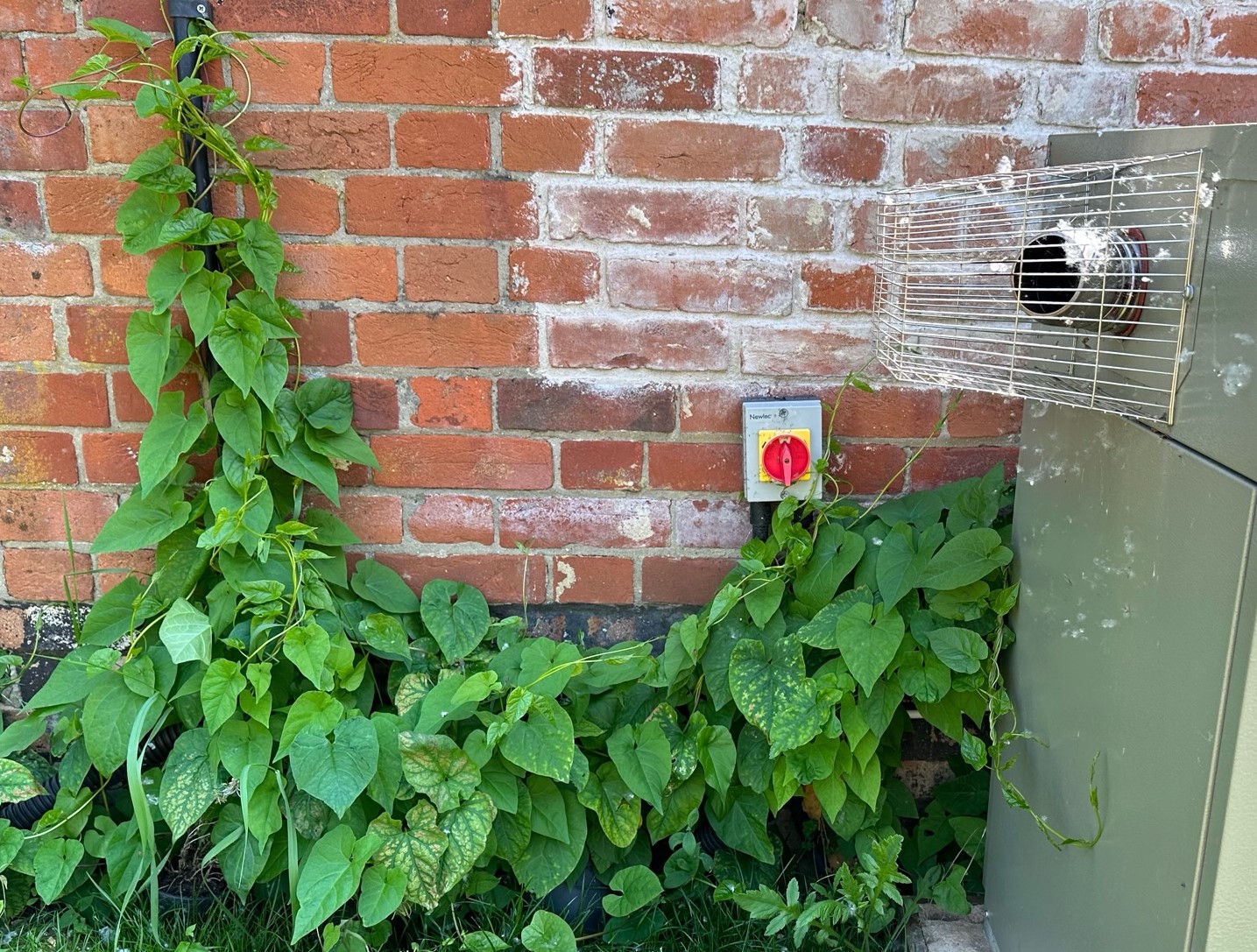
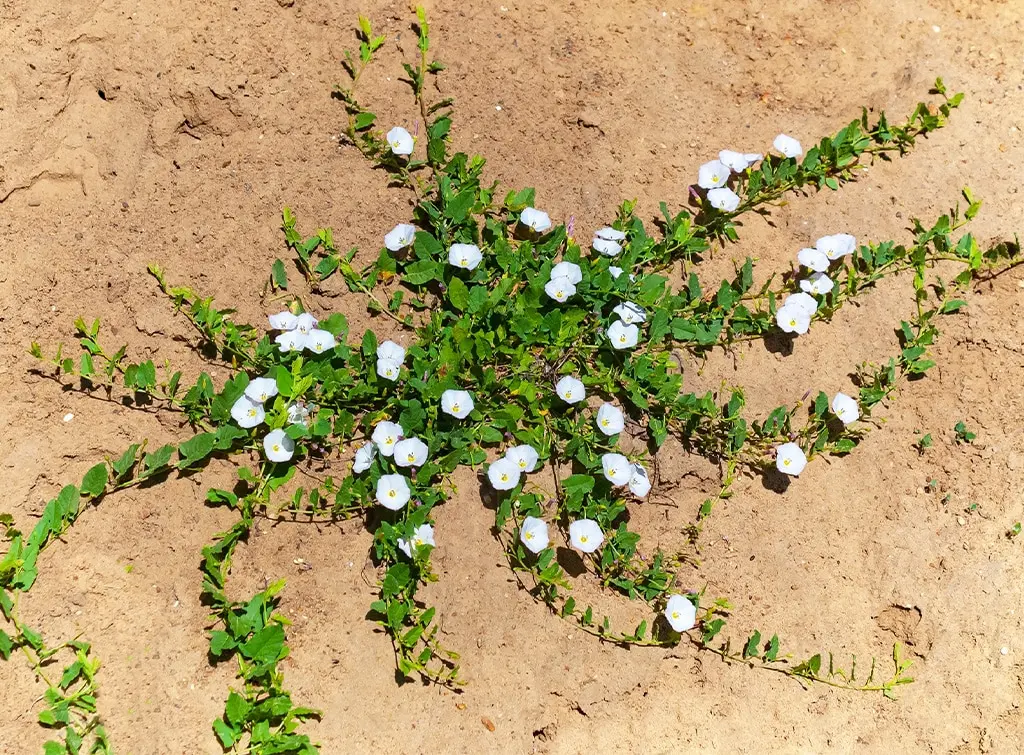
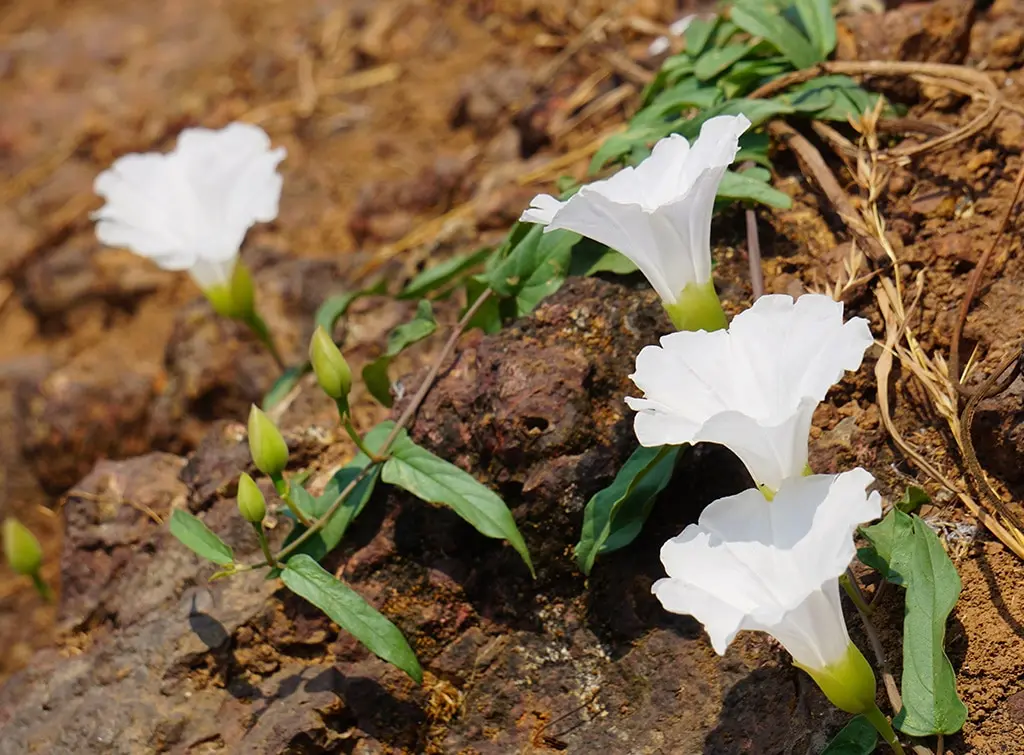
Bindweed is a deep-rooted, twining perennial vine. Two common types are field bindweed and hedge bindweed. It spreads by seeds and a tough web of roots and rhizomes. Tiny root pieces can regrow. Seeds can last for decades in soil.
Here is why it is so hard to kill:
- Roots can reach several feet deep and spread wide.
- New plants can sprout from root bits as small as an inch.
- It bounces back fast after cutting if you do not repeat.
- Seeds hide in the soil and sprout over many years.
The short truth: how do I permanently get rid of bindweed is a process, not a one-time fix. You must wear down the roots and block light over time.

The only real path to “permanent”
You cannot nuke bindweed in one pass. You must break its life cycle. The plan is simple but strict: starve, smother, and stop spread.
Core strategy to solve how do I permanently get rid of bindweed:
- Starve roots by removing new growth often.
- Smother patches to block light long-term.
- Stop seeds and root spread with tight hygiene.
- Use a selective or non-selective herbicide only when it helps, not as a crutch.
When you starve roots and seal light, the plant gives up. It may take a season or two. But it works and lasts.

Step-by-step plan by season
This is the routine I use when clients ask how do I permanently get rid of bindweed. It is clear, repeatable, and tough on roots.
Spring (build control)
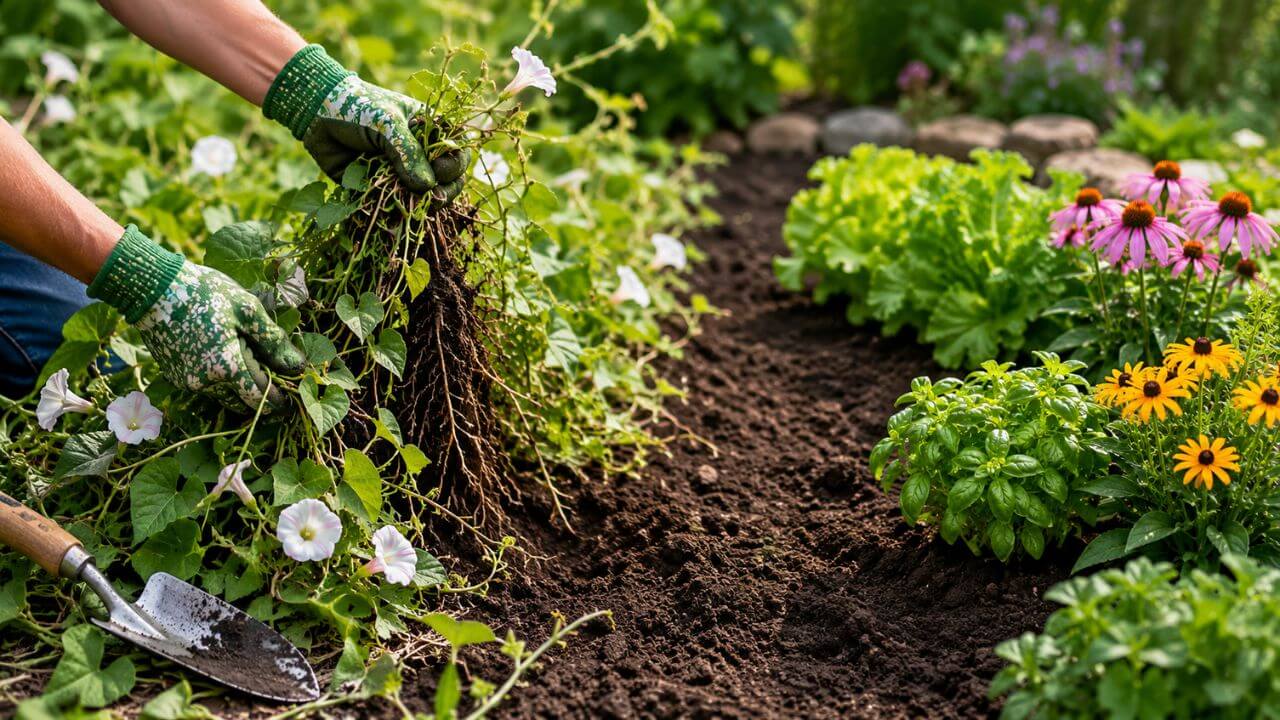
- Patrol weekly. Pull vines when 4–6 inches long. Do not let leaves mature.
- Dig where you can. Loosen moist soil and trace roots carefully.
- Mulch beds 4–6 inches deep over cardboard. Seal edges so light cannot sneak in.
Summer (push hard)
- Repeat pulls every 7–10 days. This drains root reserves.
- For large patches, solarize in peak heat. Use clear plastic tight to the soil for 4–6 weeks.
- In lawns, raise mowing height and feed turf so grass shades seedlings.
Late summer to early fall (finish moves)
- Let a small patch grow to 8–12 inches. Then treat leaves with a systemic herbicide or smother with an opaque cover. Timing here drives energy back down to roots.
- Do not let it flower. Clip buds and bag them.
Fall to winter (lock in wins)
- Keep beds mulched. Add a cover crop like buckwheat in warm zones or winter rye later.
- Mark hot spots on a map. Set up next year’s plan.
Stick to the routine for at least one full growing season. Two seasons is ideal for tough sites. That is how do I permanently get rid of bindweed without it bouncing back.
Organic methods that work (and limits)
If you prefer no herbicides, you can still win. I have cleared food beds this way. It takes discipline.
What works well
- Smothering: Cardboard plus 4–6 inches of wood chips. Overlap seams by 6 inches. Keep edges tight.
- Solarization: Clear plastic in high heat for 4–6 weeks. Best on moist, fine soil.
- Repeated pulling: Every week, no exceptions. Small, early pulls cost roots the most.
- Dense planting: Use groundcovers or tight spacing. Shade slows bindweed.
Limits to note
- Smothering may need a full season for deep patches.
- Solarization may not reach very deep roots in cool climates.
- Hand digging is great for small areas. It is slow for big patches.
- Compost is risky. Do not compost rhizomes or seed heads unless you run a hot pile.
With these methods, how do I permanently get rid of bindweed is a yes. It just needs steady timing and patience.
Smart, safe herbicide use (if you choose)
Some sites need chemistry plus culture. Use it like a scalpel, not a hammer.
Key points I follow
- Choose systemic products that move to roots. Spot-apply to leaves on warm, active growth days.
- Time matters. Late summer into early fall is best. The plant moves sugars to roots then.
- Protect nearby plants. Use a foam brush or wiper to paint leaves. Shield with cardboard.
- Expect repeats. Plan 2–4 spot treatments, 2–3 weeks apart.
Important notes
- Read and follow the label. Mind wind, rain, and distances to water.
- Do not spray bare soil without reason. Focus contact on leaves.
- Combine with mulching and pulling. Herbicide alone will not keep seeds from sprouting.
Used this way, herbicides help you solve how do I permanently get rid of bindweed faster and with fewer passes.

Long-term prevention and monitoring
How do I permanently get rid of bindweed also means keeping it gone. Prevention is cheaper than cure.
Smart habits
- Patrol weekly in spring. Pull tiny vines at first sight.
- Never let it bloom. Bag all buds, flowers, and seed pods.
- Quarantine new plants. Keep them in a “clean zone” for two weeks.
- Clean tools and mower decks after work in weedy areas.
- Edge beds with deep mulch and tight borders. Watch fences and sunny edges.
Soil and plant health
- Keep soil covered year-round with crops, mulch, or covers.
- Feed and water wisely. Strong turf and dense beds cast shade and win space.
Track progress
- Map hot spots and date each sighting.
- Celebrate clear zones and keep watching them for one more season.
These steps are the backbone of how do I permanently get rid of bindweed in real yards.

Mistakes to avoid and lessons learned
These are the traps I see again and again.
Common mistakes
- Waiting too long between pulls. Two or three weeks is enough for rebound.
- Letting it flower “just this once.” Those seeds last for years.
- Thin mulch. Less than 4 inches lets shoots push through.
- Tilling deep patches. You make many new plants by chopping roots.
Lessons from the field
- Small, early, and often beats big, late, and rare.
- Edge control wins. Most new patches creep in from fences and neighbors.
- Make it boring. Put checks on your calendar and stick to them.
Follow these and the question how do I permanently get rid of bindweed becomes a solved problem, not a yearly headache.
Tools, materials, and a sample schedule
What to have on hand
- Fork, narrow spade, and a root rake for careful digging
- Cardboard sheets and 4–6 inches of wood chips
- Clear plastic for solarization and opaque tarps for smothering
- Foam paint brush or weed wiper for spot herbicide (optional)
- Heavy-duty bags for disposal
Sample month-by-month plan (year one)
- March–April: Dig edges, lay cardboard and mulch, start weekly pulls.
- May–June: Keep pulling. Solarize sunny patches. Fill gaps with fast cover crops.
- July–August: Repeat pulls. Spot-treat or smother larger regrowth.
- September–October: Final spot-treat. Top up mulch. Seed fall covers.
- November–February: Plan, map, and rest. Keep beds covered.
Repeat light patrols the next year. You will do far less work and see far fewer shoots. This is the practical path for how do I permanently get rid of bindweed at home.

Frequently Asked Questions of How do I permanently get rid of bindweed
How long does it take to get rid of bindweed?
Plan for one to two growing seasons. Deep, old patches can take longer, but each pass will reduce it.
Can I compost bindweed?
Avoid composting roots or seed heads in a cool pile. Only hot compost that holds high heat for days can make it safe.
Will landscape fabric stop bindweed?
It helps, but bindweed can find seams and edges. Add cardboard under mulch, seal overlaps, and patrol.
What herbicide works best on bindweed?
Use a systemic herbicide applied to healthy leaves in late summer or early fall. Spot-apply and expect several repeats.
Is pulling bindweed effective?
Yes, if you pull early and often. Weekly removal drains root energy and speeds decline.
Conclusion
You can beat bindweed with a steady plan: starve roots, block light, and stop spread. Work in short, regular bursts, and use each season to your advantage. Mix cultural tools with careful spot treatments if needed, and you will see real, lasting wins.
Ready to put this to work? Pick one bed, set a weekly reminder, and start today. If this helped, subscribe for more step-by-step yard fixes or drop your bindweed story and questions in the comments.

I enjoy sharing simple gardening ideas, lawn care tips, and honest product reviews that help make outdoor work easier. From home gardening guides to helpful tools and lawn care advice, I write easy-to-follow content to help readers create a healthier and better-looking outdoor space without wasting time or money.