
As an Amazon Associate, I earn from qualifying purchases.
Are you eager to see your lawn come to life but wonder how long it takes for grass seed to grow? You’re not alone.
Knowing the timeline can help you plan better and avoid frustration. You’ll discover the key factors that affect grass seed growth and exactly what to expect day by day. By the end, you’ll have a clear picture of when your lawn will start looking lush and green.
Keep reading to get the answers you need and watch your yard transform with confidence.
Grass Seed Germination Time
Grass seed germination time means how long grass seeds take to start growing. After planting, seeds absorb water and begin to sprout. This process depends on many things. Understanding germination time helps in planning lawn care. It also sets the right expectations for seeing new grass.
Factors Affecting Germination
Soil temperature plays a big role in seed growth. Warm soil helps seeds sprout faster. Cold soil can delay germination or stop it. Water is also important. Seeds need enough moisture to grow. Too little water stops growth. Too much water can cause seeds to rot. Light affects some grass seeds. Some need sunlight to start growing. Others grow better in shade. Seed quality matters too. Old or damaged seeds take longer or fail to grow. Proper soil preparation helps seeds get the nutrients they need.
Typical Germination Periods By Grass Type
Different grass types have different germination times. Ryegrass usually sprouts in 5 to 10 days. Kentucky bluegrass takes about 14 to 30 days. Bermuda grass starts in 7 to 14 days. Fescue grass may need 10 to 21 days. Warm-season grasses often germinate faster than cool-season types. Knowing your grass type helps predict when green shoots will appear.
Early Growth Stages
Understanding the early growth stages of grass seed helps you track its progress. This phase is crucial for healthy lawn development. The seed changes from a small sprout into a strong seedling ready to grow further. Proper care during this time sets the foundation for thick, green grass.
From Sprout To Seedling
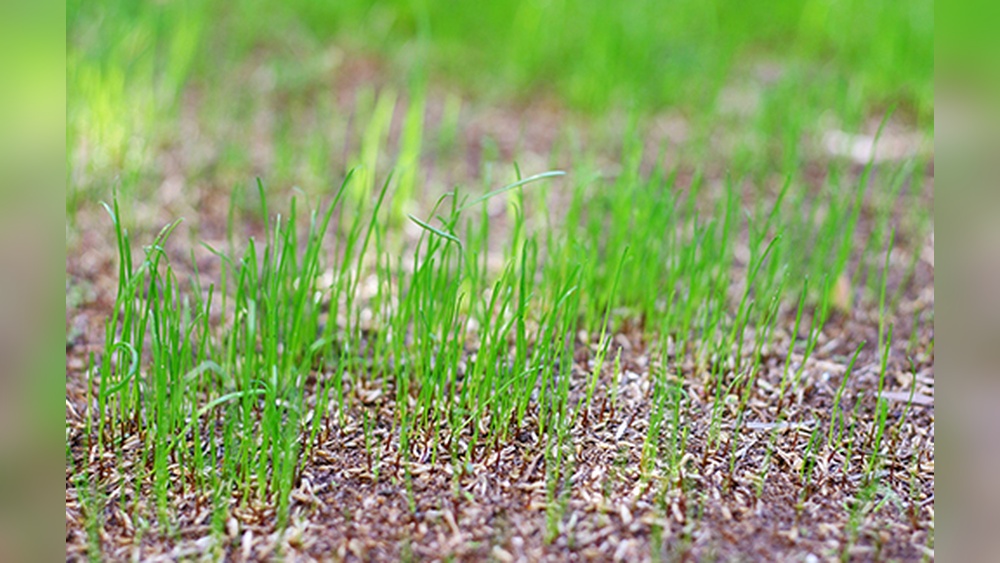
The first sign of growth is a tiny sprout breaking through the soil. This usually happens within 7 to 14 days after planting. The sprout looks like a thin green blade and is very delicate. Soon, it develops into a seedling with small leaves. At this stage, the grass starts to build roots below the surface. Strong roots help the grass absorb water and nutrients well.
Watering And Care Tips
Water is essential for grass seed growth. Keep the soil moist but not soaked. Water lightly two to three times a day during early growth. Too much water can wash away seeds or cause disease. Avoid walking on the new grass to prevent damage. Use a light rake to loosen soil if it becomes hard. Healthy grass needs sunlight, water, and good soil to grow fast.
Establishment Phase
The establishment phase is a critical step in growing grass from seed. During this time, the grass begins to take root and grow strong. This phase usually starts a few weeks after planting. Proper care helps the grass develop a healthy base for future growth.
Root Development
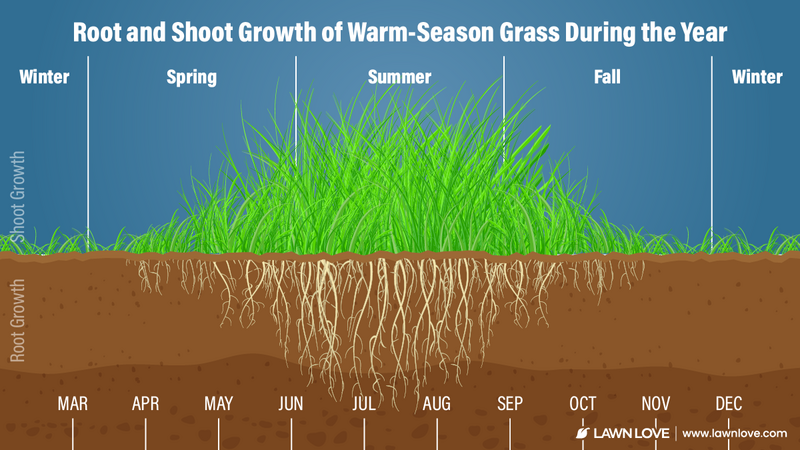
Roots start growing deep into the soil to gather water and nutrients. Strong roots help the grass stay green and healthy. The roots grow slower at first but speed up as the grass grows. This stage needs enough moisture to keep the soil soft and wet.
Signs Of Healthy Growth
New grass blades appear bright green and stand upright. The grass spreads evenly without bare patches. Healthy grass feels soft and thick underfoot. Early growth shows a steady increase in blade height. Watch for these signs to know your grass is doing well.
Full Lawn Coverage
Achieving full lawn coverage is the goal after planting grass seed. It means your lawn looks thick and green without bare spots. Full coverage makes your yard healthy and attractive. The process takes some time and care. Patience is key to seeing your lawn fill in completely.
Expected Timeframes
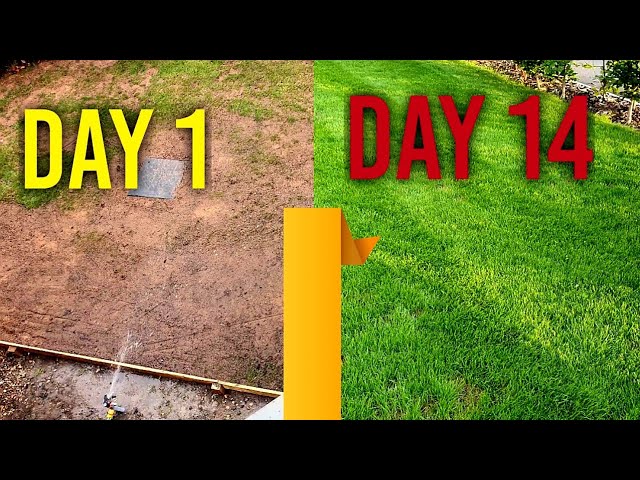
Grass seed usually starts to sprout in 7 to 21 days. The exact time depends on the grass type and weather. Some grasses grow faster, while others take longer. Full lawn coverage can take 6 to 12 weeks. Cooler weather slows growth, while warm weather speeds it up. Regular watering helps seeds grow evenly and quickly.
Maintenance For Thick Grass
Keep the soil moist but not soaked. Water your lawn early in the morning or late afternoon. Avoid heavy foot traffic on new grass. Mow the grass only after it reaches about 3 inches tall. Use a sharp mower blade to avoid damaging young grass. Fertilize lightly to support strong growth. Regular care helps your lawn stay thick and healthy.
Common Growth Challenges
Growing grass from seed can be tricky. Many gardeners face common problems that slow down or stop growth. Understanding these challenges helps to care for the lawn better. Knowing the issues can save time and effort in the long run.
Below are some common problems that affect grass seed growth. Learning about them will help you grow a healthy lawn faster.
Dealing With Poor Germination
Poor germination means seeds do not sprout well. This can happen because of old seeds or bad soil. Seeds need moisture, warmth, and good soil contact to start growing. If the soil is too dry or too cold, seeds may fail to sprout.
Planting seeds too deep or in shaded areas can also cause poor germination. To fix this, water the soil lightly and keep it moist. Use fresh seeds and prepare the soil by removing rocks and debris.
Pests And Diseases Impact
Insects and animals can eat seeds or young grass shoots. Birds, ants, and grubs are common pests that damage new grass. Some diseases cause spots or mold on grass blades, stopping growth.
Keeping the lawn clean and removing dead grass helps reduce disease. Use natural pest control methods or safe pesticides if needed. Healthy soil and proper watering make grass stronger against pests and diseases.
Optimizing Growth Conditions
Optimizing growth conditions is essential for quick and healthy grass seed growth. Proper care helps seeds sprout faster and develop strong roots. Focus on the right soil, temperature, and sunlight to create a perfect environment for your lawn.
Soil Preparation Tips
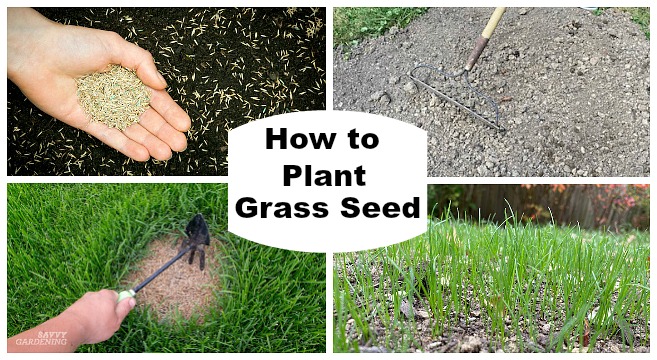
Start with loose, well-drained soil. Remove rocks, weeds, and debris before planting. Add compost or organic matter to improve soil fertility. Rake the soil to create a smooth, even surface. Firm the soil lightly to keep seeds in place. Proper soil preparation helps seeds absorb water and nutrients better.
Ideal Temperature And Sunlight
Grass seeds grow best in temperatures between 50°F and 85°F. Cooler or hotter temperatures slow down growth. Choose a spot that gets at least 6 hours of sunlight daily. Sunlight helps grass make food through photosynthesis. Avoid shady areas where grass may struggle to grow.
Frequently Asked Questions
How Long Does Grass Seed Take To Sprout?
Grass seed usually sprouts in 5 to 14 days, depending on the type and weather.
What Affects Grass Seed Growth Speed?
Soil quality, temperature, water, and sunlight all influence how fast grass seed grows.
When Can I Mow New Grass After Seeding?
Wait until grass reaches 3 inches tall before mowing to avoid damaging young blades.
Conclusion
Grass seed usually takes about 7 to 21 days to sprout. Soil quality, temperature, and watering affect growth speed. Patience is key when growing a lush lawn. Keep the soil moist and avoid heavy foot traffic. Watch for tiny green shoots to appear.
Regular care helps grass grow strong and healthy. Soon, you will enjoy a fresh, green yard. Growing grass from seed is simple with the right steps. Stay consistent, and your lawn will thrive over time.