
As an Amazon Associate, I earn from qualifying purchases.
Use ground anchors, stakes, or concrete footings, then strap or bolt legs.
You want How To Anchor A Gazebo On Grass done right, the first time. I have installed dozens of gazebos for backyards and events, and I have tested every method in wind, rain, and soft soil. In this guide, I will show you How To Anchor A Gazebo On Grass with clear steps, pro tips, and safe choices you can trus
Understand the forces at play
Anchoring on grass is about grip, load path, and the wind. The ground must hold the anchor. The anchor must hold the frame. The frame must shed wind with guy lines and weight.
Soil type matters a lot. Clay can be strong yet slick when wet. Sand drains fast but can lose grip. Loam is balanced. Wet soil lowers holding power for all anchors.
Wind does not act gentle. Gusts hit the roof, then pull on the legs. A small 10×10 roof can catch a lot of air. This is why How To Anchor A Gazebo On Grass needs anchors plus guy lines. One without the other can fail.
In my work, spiral ground anchors with straps are the best mix of speed and strength. For long term builds, concrete footings win. For quick pop-ups, weight and stakes can work, but only with smart setup and close checks.
Will simple stakes hold a gazebo in wind?
They can, but only in firm soil and with proper angle and depth. Add guy lines at 45 degrees for better pull and less slip.
How much weight per leg do I need?
For light wind, start near 30 to 50 pounds per leg. For strong gusts, aim higher, near 75 to 100 pounds, and add guy lines.
Do I need all four legs anchored?
Yes. Anchor every leg and add at least two guy lines per wind face. One weak point can cause the whole frame to move.
If you search for How To Anchor A Gazebo On Grass, you also want safe steps, not just tools. The next sections give you both.

Source: sunjoyshop.com
Tools and materials checklist
Gather what you need before you start How To Anchor A Gazebo On Grass. This saves time and keeps your work safe.
- Tape measure and marker: mark leg spots and lines.
- Rubber mallet: drive stakes without bending them.
- Socket set or wrench: tighten bolts and eye screws.
- Heavy-duty straps or ratchet tie-downs: connect anchors to the frame.
- Ground anchors: auger or spiral types sized for your soil.
- Galvanized stakes or rebar: for plate holes and guy lines.
- Guy line rope or paracord: UV resistant, low stretch.
- Concrete, gravel, and anchor bolts: for permanent footings.
- Sandbags or weight plates: for quick setups or backup weight.
- Work gloves and eye protection: stay safe at every step.
Before you start How To Anchor A Gazebo On Grass, check your manual and local rules. Some areas need specific footings. Always call before you dig to avoid buried lines.

Source: sunjoyshop.com
Method 1: Auger or spiral ground anchors with straps
This is my go-to for How To Anchor A Gazebo On Grass. It works for most soils, sets fast, and holds well in gusts.
Steps:
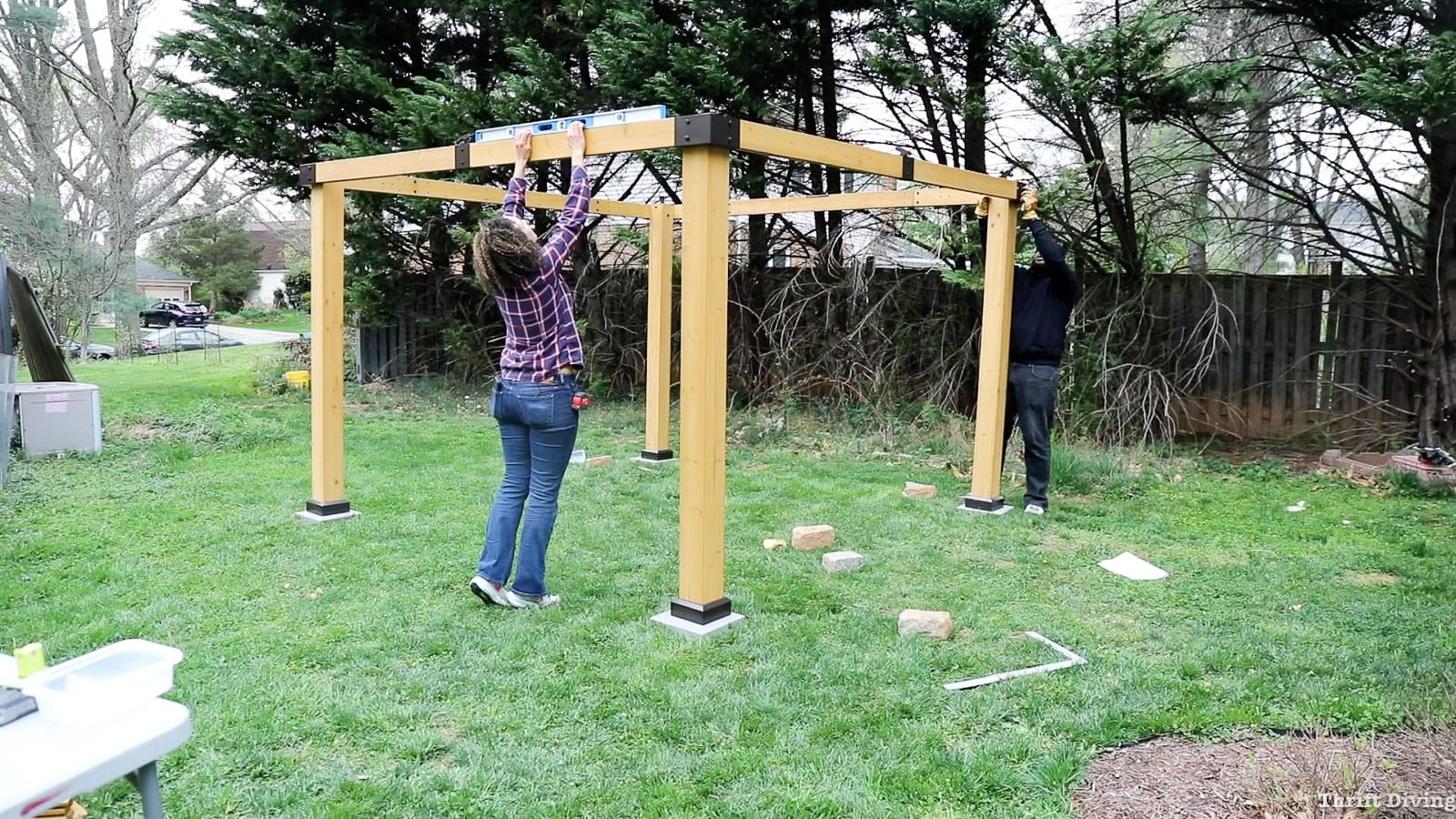
- Set the gazebo in place and square the frame.
- Mark one anchor spot 1 to 2 feet out from each leg.
- Twist each auger into the ground until the eye sits at or just above grass level.
- Clip a strap from each eye to the top of the leg or a strong roof joint.
- Tension straps until snug. Do not overtighten and bend the frame.
- Add a second set if high wind is common, crossing lines for balance.
Pro tips:
- Angle the anchors away from the leg at 30 to 45 degrees for better hold.
- In soft soil, use longer augers or double them up.
- Check strap tension after the first gusty day.
I have had auger anchors hold through fast 40 mph gusts when lines were set right. Results depend on soil and setup. Always test pull each line by hand.

Source: sunjoyshop.com
Method 2: Stakes through base plates and guy lines
This method is fast and low cost. It is common for pop-up gazebos. It works best in firm ground and light to moderate wind.
Steps:
- Place each leg on level ground. Use base plates if supplied.
- Drive two to four stakes through each plate hole at a slight angle.
- Tie guy lines from roof corners to stakes set 2 to 3 feet out.
- Tension lines evenly so the frame does not twist.
- Add weight bags at each leg to boost holding power.
Notes:
- Use thick, galvanized stakes at least 10 to 12 inches long.
- In soft grass, longer stakes or screw-in pegs hold better.
- Replace bent stakes. A bent stake is a weak link.
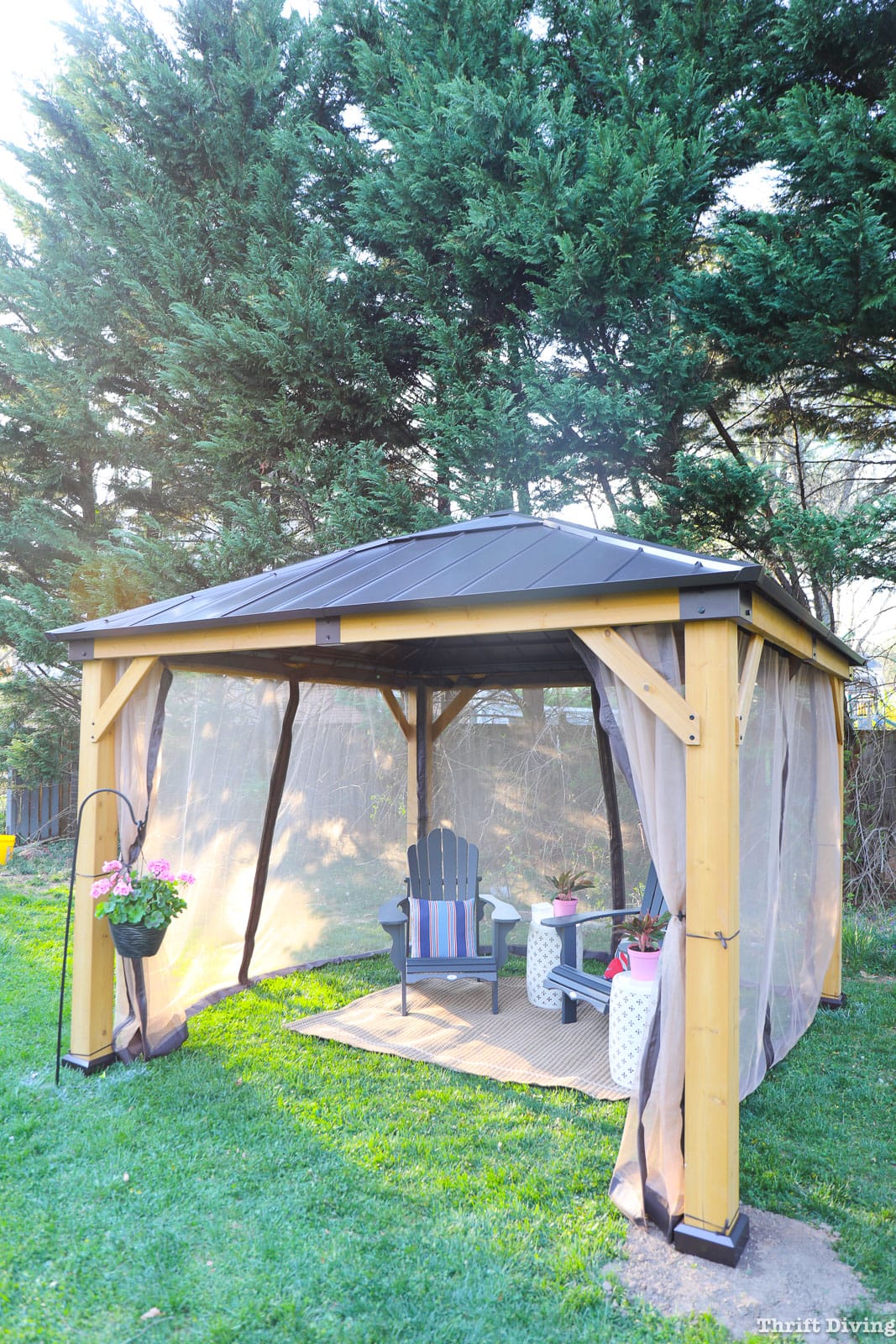
This can be a solid start for How To Anchor A Gazebo On Grass when time is short. Add more lines if wind picks up.
Source: thriftdiving.com
Method 3: Concrete footings with anchor bolts
Choose this for permanent or semi-permanent builds. It is the strongest way to do How To Anchor A Gazebo On Grass and meets many code needs.
Steps:
- Mark leg spots and call to locate utilities.
- Dig holes 8 to 12 inches wide and below frost line if needed.
- Add a few inches of gravel for drainage.
- Set anchors or post bases per the gazebo manual.
- Mix and pour concrete. Plumb and align the anchors.
- Let cure per bag specs. Many mixes need at least 24 to 48 hours before light load, and 7 days for most strength.
- Bolt legs to the anchors. Add trim to cover the footings if you like.
Tips from the field:
- Use a template board to keep bolt spacing exact.
- Do not set bolts too low. You need room for washers and a socket.
- In windy zones, add hidden guy anchors in the lawn as a backup.
When I build a wood or metal gazebo for long term use, this is my standard. It looks clean, feels solid, and handles storms well when sized right.

Source: purpleleafshop.com
Method 4: Weight-based anchoring for temporary setups
Weights are quick and good for sites where you cannot dig. Use this with care. It lowers tip risk but does not bite the soil.
Options:
- Sandbags that wrap each leg.
- Water weights with straps.
- Concrete planters with eye bolts and straps.
Steps:
- Place weights at each leg, centered and tight to the post.
- Strap the leg to the weight so it cannot slide.
- Add guy lines to ground anchors if wind is forecast.
- Check and top up water weights often. Leaks lower hold.
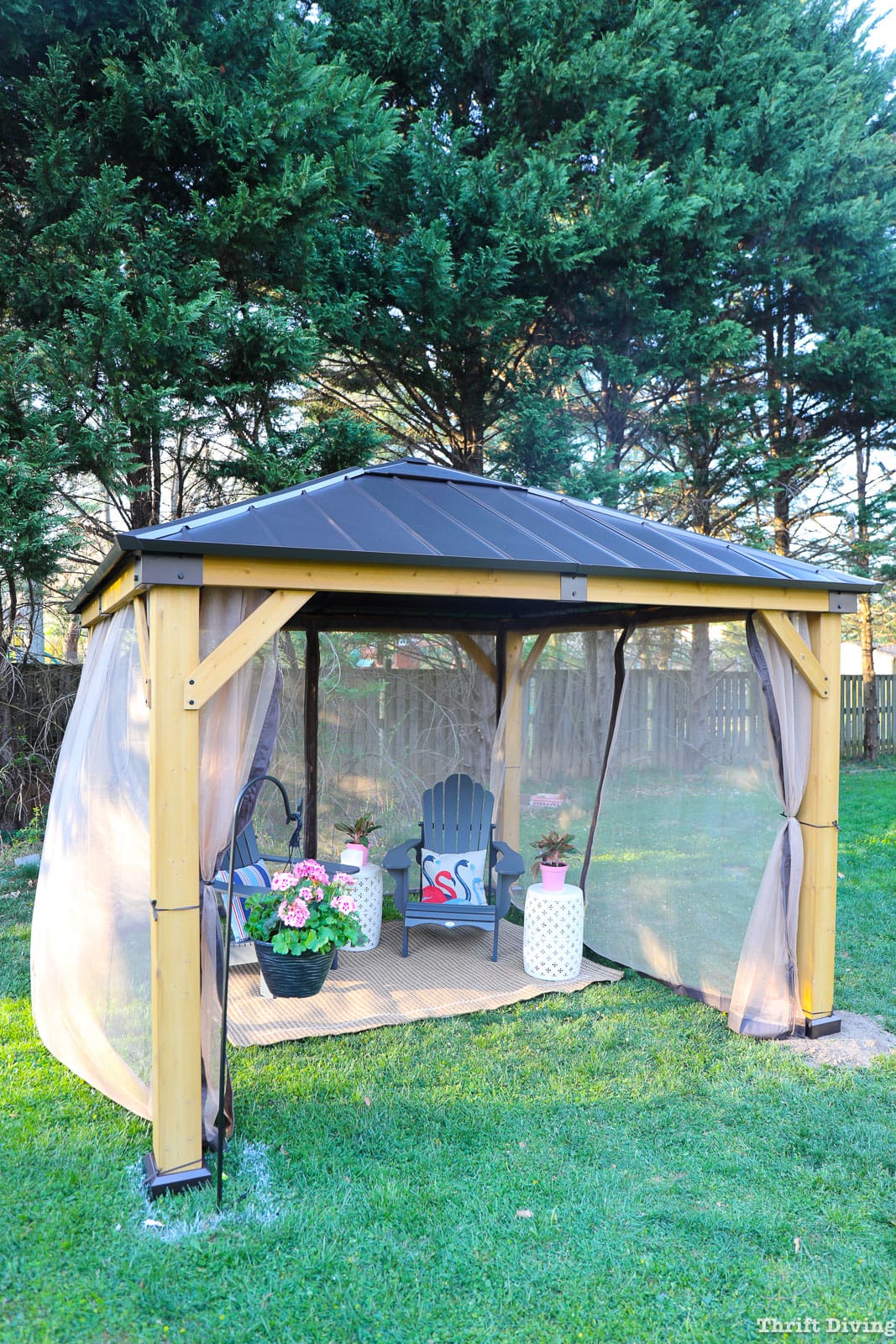
As a rule, I pair weights with at least two ground anchors. For How To Anchor A Gazebo On Grass on event days, this mix is fast, neat, and safer than weights alone.
Source: thriftdiving.com
Site prep, layout, and safety checks
Good prep makes any method better. This is the base of How To Anchor A Gazebo On Grass.
- Pick a flat spot with good drainage: avoid dips that hold water.
- Mow and clear debris: roots and rocks can block anchors.
- Square and level the frame: measure diagonals until equal.
- Plan wind path: face a corner into the prevailing wind when you can.
- Protect the lawn: use pads under feet to spread load and prevent sink.
Safety first:
- Wear gloves and eye protection.
- Keep kids and pets clear while you anchor.
- Test each anchor with a firm pull before you finish.

Source: sunjoyshop.com
Weatherproofing, inspection, and care
Anchors are not set-and-forget. A few small checks keep your gazebo safe.
- Check straps and lines weekly: retighten if they slacken.
- Look for rust: replace corroded stakes, bolts, or buckles.
- After heavy rain: test pull anchors. Soft soil may need added depth.
- Before a storm: add extra lines, reinforce corners, or take the roof down.
- Store straps dry: UV and moisture can weaken fibers over time.
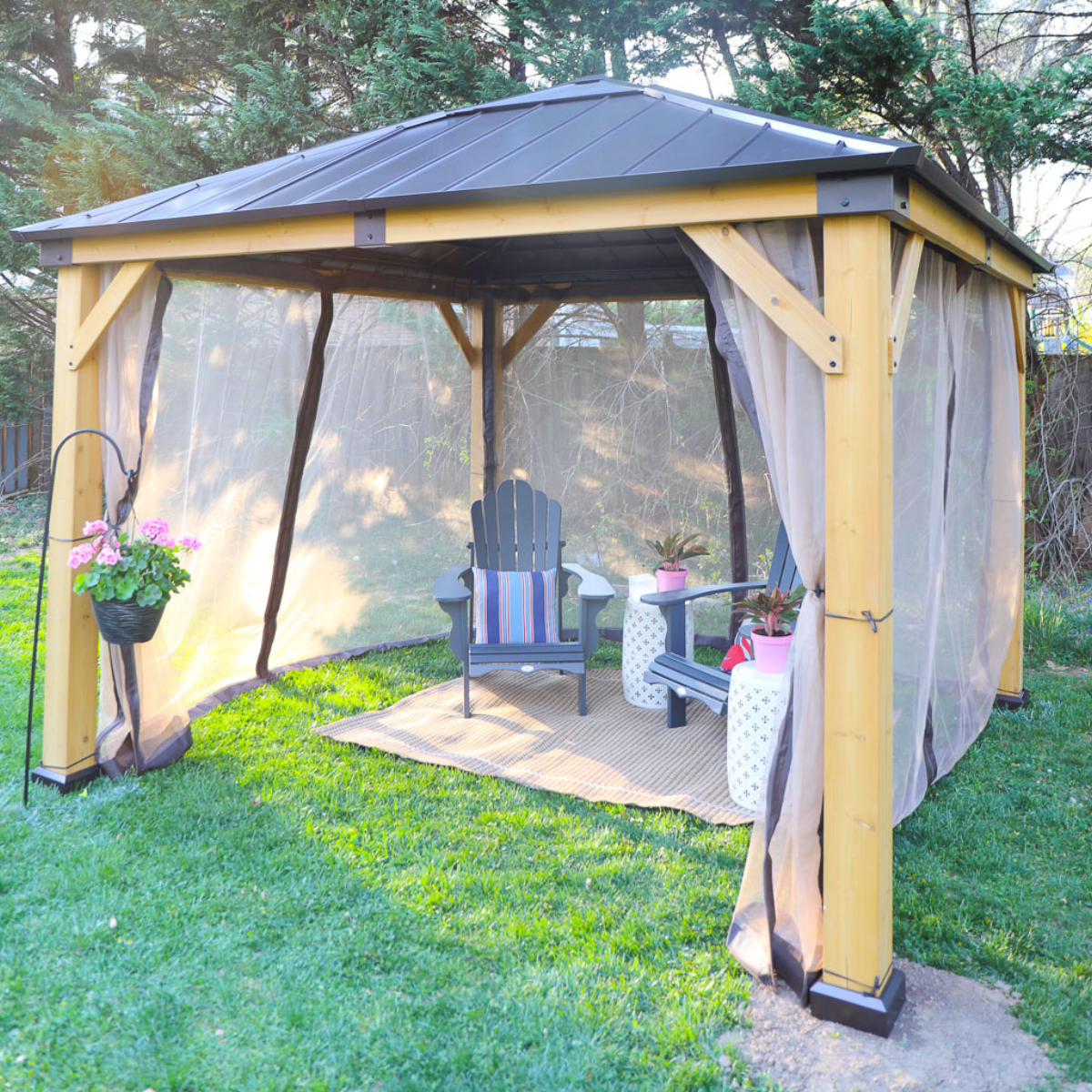
This habit is at the heart of How To Anchor A Gazebo On Grass that lasts. A five-minute check can save a frame and a weekend.
Source: thriftdiving.com
Real-world examples and lessons learned
From my installs, three patterns stand out.
- Soft soil wins against short anchors: long augers or deeper footings fix this fast.
- Guy line angle matters more than brute force: 45 degrees spreads load and reduces pullout.
- Mixed methods beat single methods: a stake plus a strap plus a weight is far better than one of them alone.
A mistake I made early was to trust only leg weights on a windy beach lawn. A small squall moved the frame a foot. Since then, I never skip ground bites. This is why I stress layers when I teach How To Anchor A Gazebo On Grass to new crews.
Frequently Asked Questions of How To Anchor A Gazebo On Grass
What is the best way How To Anchor A Gazebo On Grass?
Use spiral ground anchors with ratchet straps to roof joints. Add guy lines at 45 degrees and weight at each leg for extra safety.
How deep should anchors go for grass installs?
Get the helix or stake below the root layer, usually 10 to 18 inches. In soft soil, go deeper or use longer anchors.
Can I anchor without drilling or digging?
Yes, with weights and stakes, but strength is lower. Combine weights with screw-in anchors for better hold.
How many anchors do I need?
At least one per leg plus two guy lines per wind face. In high wind areas, double the anchors on the windward sides.
Will concrete footings damage my lawn?
They will change small spots, but you can blend them with turf rings or planters. Footings are best for long term safety and code needs.
How much wind can a well-anchored gazebo handle on grass?
It depends on the frame and anchors. Many setups ride out 30 to 40 mph gusts, but always follow the maker’s limits.
Should I remove the canopy before storms?
Yes, if strong wind is forecast. Taking down the roof cuts lift and can prevent frame damage.
Conclusion
You now know How To Anchor A Gazebo On Grass with solid, simple steps. Choose the right method for your soil, wind, and use. Mix anchors, lines, and weight, then inspect often.
Set aside an hour this week to anchor and test your setup. A few tools and careful work will keep your gazebo steady and your plans stress free. Want more outdoor build tips? Subscribe, share your results, or drop a question in the comments.

I enjoy sharing simple gardening ideas, lawn care tips, and honest product reviews that help make outdoor work easier. From home gardening guides to helpful tools and lawn care advice, I write easy-to-follow content to help readers create a healthier and better-looking outdoor space without wasting time or money.