
As an Amazon Associate, I earn from qualifying purchases.
How to care for an aloe vera plant outside is one of the most common questions among beginner gardeners. The good news is that aloe vera is one of the easiest outdoor plants to grow when you provide the right amount of sunlight, water, and protection from cold weather.
Outdoor aloe vera plants can thrive for many years in gardens, patios, and containers. With proper care, they produce thick, healthy leaves and require very little maintenance.
What Is Outdoor Aloe Vera Plant Care?
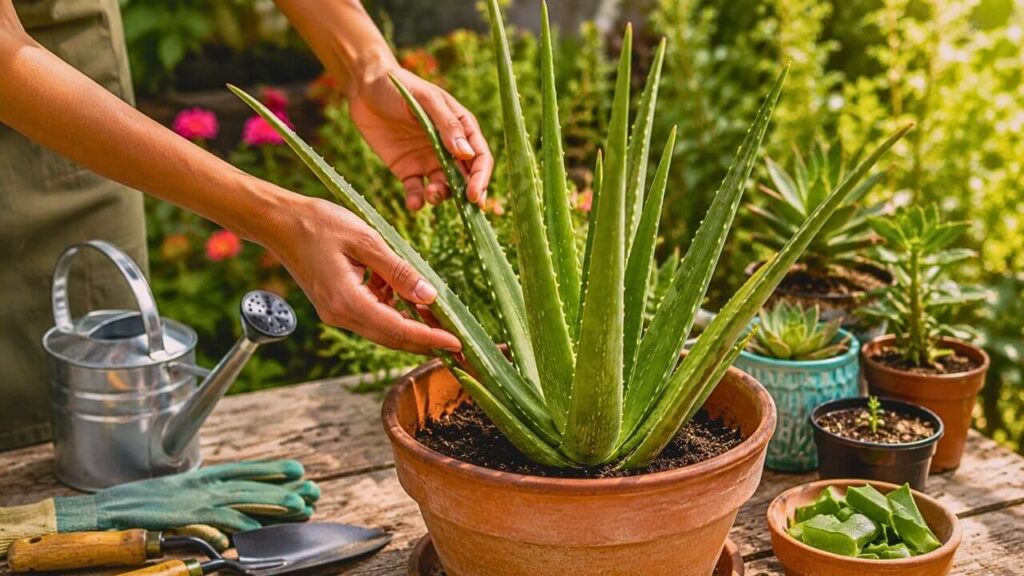
Outdoor aloe vera plant care involves providing the correct growing conditions for aloe vera outside rather than indoors.
This includes:
- Proper sunlight exposure
- Well-draining soil
- Careful watering
- Frost protection
- Occasional feeding
When these needs are met, aloe vera grows vigorously and stays healthy for many years.
Can Aloe Vera Grow Outside?
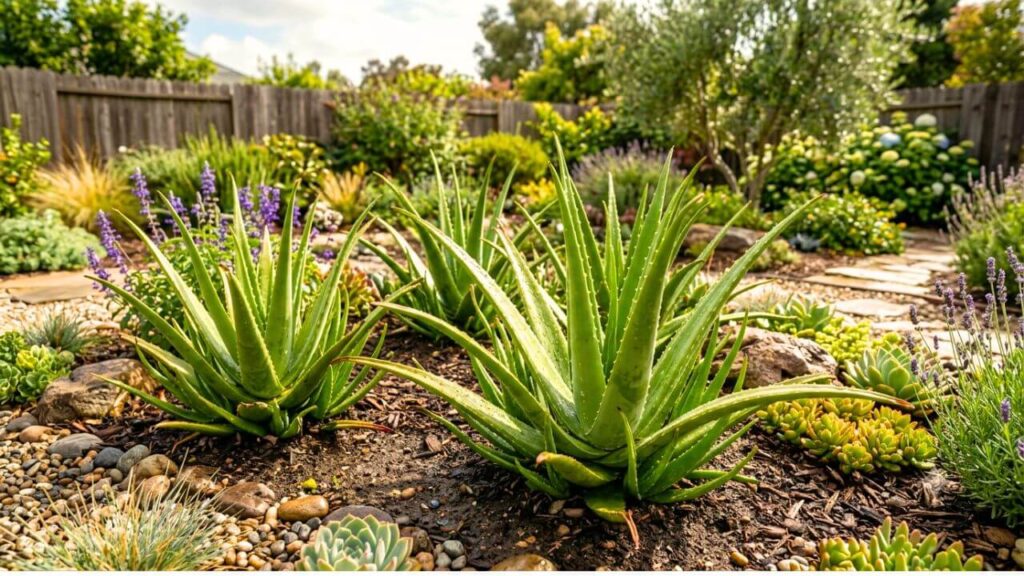
Yes, aloe vera grows very well outdoors in many parts of the United States.
It performs best in USDA Hardiness Zones 9 through 11 where winters are mild and temperatures rarely drop below freezing.
Gardeners in colder regions can still grow aloe vera outside during warm months and move containers indoors during winter.
Benefits of Growing Aloe Vera Outdoors
Growing aloe vera outside offers several advantages.
- Faster growth compared to indoor plants
- Larger leaves
- Better air circulation
- Less risk of root rot
- Natural rainfall support
- Attractive landscaping value
Outdoor plants often become much larger than indoor specimens.
Best Climate for Outdoor Aloe Vera
Aloe vera prefers:
- Warm temperatures
- Low humidity
- Dry conditions
- Plenty of sunshine
Ideal temperatures range between 55°F and 85°F.
Extended periods below 32°F can damage or kill the plant.
Sunlight Requirements for Aloe Vera Outdoors
Sunlight is one of the most important factors for success.
Outdoor aloe vera grows best with:
- 6 to 8 hours of sunlight daily
- Morning sun exposure
- Partial afternoon shade in extremely hot climates
Too little sunlight causes weak, stretched growth.
Too much intense afternoon sun in desert climates may cause leaf discoloration or sunburn.
Choosing the Best Location
Select a location that provides:
- Good drainage
- Full to partial sun
- Protection from standing water
- Good airflow
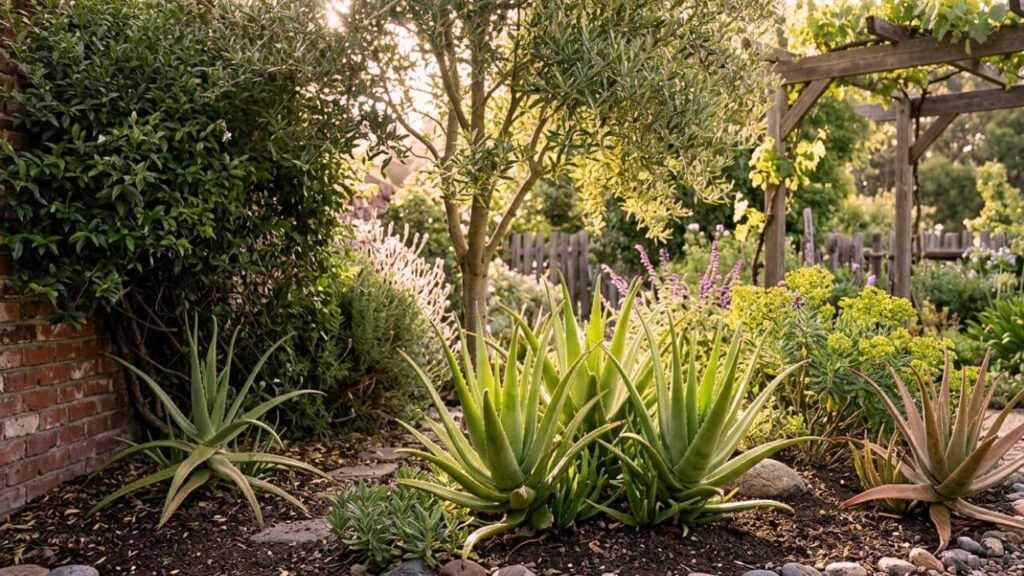
South-facing locations often work very well.
Avoid low areas where water collects after rain.
Best Soil for Outdoor Aloe Vera Plants
Aloe vera dislikes wet soil.
The best soil should be:
- Loose
- Sandy
- Fast-draining
- Slightly acidic to neutral
A good soil mix may contain:
- Potting soil
- Coarse sand
- Perlite
- Small gravel
Heavy clay soil often causes root rot problems.
Tools and Materials Needed
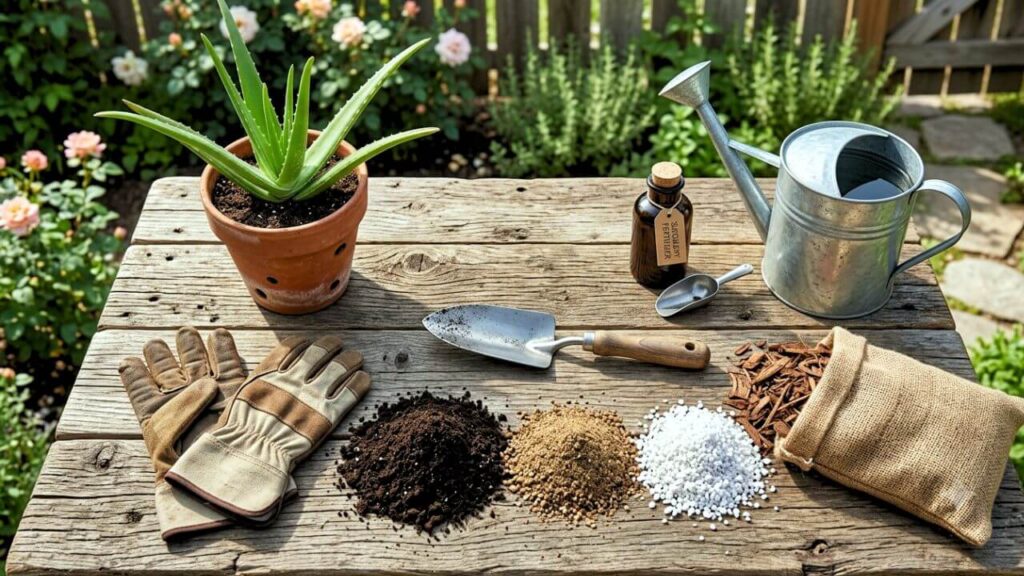
Before planting, gather:
- Gardening gloves
- Hand trowel
- Compost
- Sand or perlite
- Mulch
- Watering can
- Slow-release succulent fertilizer
Having proper materials makes planting easier.
Step-by-Step Guide to Growing Aloe Vera Outdoors
Step 1: Select a Healthy Plant
Choose a healthy aloe vera with:
- Thick leaves
- Firm stems
- No signs of pests
- Bright green color
Avoid plants with soft or yellow leaves.
Step 2: Prepare the Soil
Improve drainage if necessary by mixing:
- Sand
- Gravel
- Perlite
Proper drainage is essential for long-term success.
Step 3: Dig the Planting Hole
Dig a hole slightly wider than the root ball.
Avoid planting too deeply.
The crown should sit just above the surrounding soil.
Step 4: Plant Carefully
Place the plant in the hole and gently fill around the roots.
Press the soil lightly without compacting it.
Step 5: Water Lightly
Water immediately after planting to settle the soil.
After establishment, reduce watering frequency.
How Often to Water Outdoor Aloe Vera
Overwatering is the most common mistake.
In most climates:
- Water every 2 to 3 weeks during summer.
- Water less often during spring and fall.
- Water very little during winter.
Always allow the soil to dry completely between watering sessions.
Signs of Overwatering
Watch for:
- Yellow leaves
- Soft leaves
- Mushy stems
- Root rot
- Drooping foliage
Reducing water quickly often solves the problem.
Signs of Underwatering
Possible symptoms include:
- Thin leaves
- Curled leaf edges
- Slow growth
- Dry leaf tips
Underwatering is usually easier to correct than overwatering.
Fertilizing Outdoor Aloe Vera
Aloe vera requires very little fertilizer.
Feed only:
- Once in early spring
- Once in late summer if needed
Use:
- Succulent fertilizer
- Balanced slow-release fertilizer
- Compost
Avoid heavy feeding because excessive nutrients can damage the plant.
Aloe Vera Winter Care Outdoors
Winter protection becomes important outside warm regions.
Mild Winter Areas
In Zones 9 to 11:
- Reduce watering.
- Remove fallen leaves.
- Protect during rare freezes.
Cold Winter Areas
In colder regions:
- Cover plants during frosts.
- Move containers indoors temporarily.
- Use frost cloth when temperatures fall below freezing.
Container plants are easier to protect during winter.
Protecting Aloe Vera from Frost
Frost damage appears as:
- Brown leaves
- Soft tissue
- Water-soaked spots
To reduce risk:
- Cover plants overnight.
- Move pots under shelter.
- Use mulch around the base.
Prevention is easier than recovery.
Common Problems with Outdoor Aloe Vera
Root Rot
Usually caused by overwatering and poor drainage.
Sunburn
Leaves may become:
- Brown
- Red
- Bleached
Gradually increase sun exposure for newly planted aloe.
Pests
Occasional pests include:
- Mealybugs
- Scale insects
- Aphids
Most infestations can be treated with insecticidal soap.
Common Mistakes to Avoid
Avoid these beginner mistakes:
- Watering too frequently
- Planting in heavy soil
- Growing in deep shade
- Using containers without drainage holes
- Ignoring frost warnings
- Applying excessive fertilizer
These problems account for most aloe failures.
Expert Tips for Healthy Outdoor Aloe Vera
Experienced gardeners recommend:
- Using raised beds in wet climates.
- Watering deeply but infrequently.
- Rotating containers for even growth.
- Removing damaged leaves promptly.
- Inspecting for pests monthly.
Small improvements often lead to healthier plants.
Outdoor Aloe Vera Maintenance
Routine maintenance is simple.
Tasks include:
- Removing dead leaves
- Monitoring pests
- Refreshing mulch
- Checking drainage
- Adjusting watering schedules
Most plants require only a few minutes of care each month.
Growing Aloe Vera in Containers vs Garden Beds
| Feature | Containers | Garden Beds |
| Mobility | Excellent | Poor |
| Frost Protection | Easy | Difficult |
| Drainage Control | Excellent | Moderate |
| Size Potential | Moderate | Large |
| Maintenance | Easy | Easy |
Both methods work well depending on your climate and available space.
Frequently Asked Questions
Can aloe vera stay outside year-round?
Yes, in USDA Zones 9 through 11 aloe vera can remain outdoors all year.
How much sun does outdoor aloe vera need?
Most plants perform best with six to eight hours of sunlight daily.
Can aloe vera survive winter outdoors?
Only in mild climates. Freezing temperatures can damage the plant.
How often should I water outdoor aloe vera?
Usually every two to three weeks depending on temperature and rainfall.
What is the best soil for aloe vera outdoors?
Well-draining sandy soil is ideal.
Can aloe vera grow in full sun?
Yes, although some afternoon shade may help in extremely hot regions.
Conclusion
Learning how to care for aloe vera plant outside is simple once you understand its basic needs. Provide plenty of sunlight, use fast-draining soil, avoid overwatering, and protect plants from freezing temperatures.
With minimal maintenance, outdoor aloe vera can remain healthy, attractive, and productive for many years. Whether grown in containers or directly in the garden, this hardy succulent rewards gardeners with beautiful foliage and reliable performance.

I enjoy sharing simple gardening ideas, lawn care tips, and honest product reviews that help make outdoor work easier. From home gardening guides to helpful tools and lawn care advice, I write easy-to-follow content to help readers create a healthier and better-looking outdoor space without wasting time or money.