
As an Amazon Associate, I earn from qualifying purchases.
Use soft water, mild soap, and a microfiber cloth. Avoid abrasives and pressure washers.
You want your garden lights bright, reliable, and low-fuss. I’ve cleaned hundreds in yards and public spaces, and the rules are simple. This guide shows how to clean solar panels on garden lights the right way, with pro tips, real mistakes I’ve made, and easy steps you can trust.

Why Clean Solar Panels On Garden Lights Matters
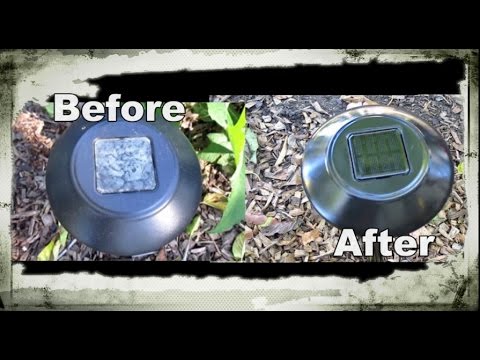
Dirt blocks light. Less light means less charge. Then your path lights fade early or never switch on. A thin film of dust can cut output by 5–30%. Pollen, bird droppings, salt, and hard water spots are common culprits.
Clean panels store more energy. Your lights shine longer, all night in many cases. You also catch cracks, loose seals, or bad batteries before they fail. If you want the full benefit, you need to know how to clean solar panels on garden lights in a safe, simple way.
Look for these signs:
- Lights run for less than two hours.
- One fixture is dim while others are bright.
- The lens looks hazy or spotted.
- The sensor seems erratic at dusk.

What You Need Before You Start
Gather a small, gentle kit. Most homes already have it.
- Soft brush or a clean makeup brush. Good for loose dust.
- Microfiber cloths. They lift grime without scratching.
- Spray bottle with lukewarm water. Distilled water is best for spots.
- A drop of mild dish soap in a bowl. No strong cleaners.
- Cotton swabs and toothpicks. For tight edges and seams.
- Isopropyl alcohol (70%), optional. For sticky sap. Test first on plastic.
- Small screwdriver. To remove housings if needed.
- Nitrile gloves. Keep oils off the panel.
- Silicone-safe grease, optional. For O-rings and seals.
Safety first:
- Turn the switch off, if present. Some lights have an on/off under the cap.
- Work in shade. Cool panels are easier to clean and safer.
- Do not soak electronics. Avoid water inside housings.
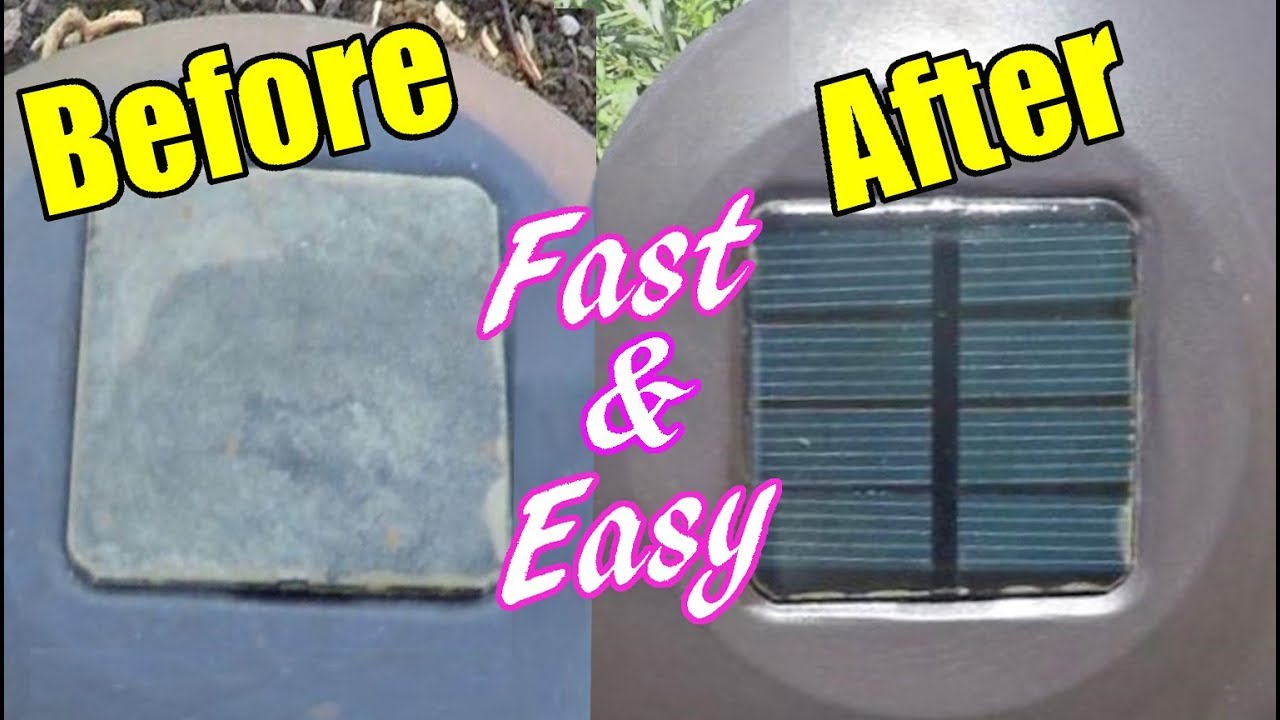
Step-by-Step: How To Clean Solar Panels On Garden Lights
Follow this easy process. It is quick and safe.
- Power off and remove the top. If the panel lifts off, bring it to a table.
- Dust first. Use a soft brush or a blower to remove grit. Dry dusting reduces scratches.
- Pre-rinse with gentle water. A light spray lifts loose soil. Do not use a pressure washer.
- Make a mild soap mix. One drop of dish soap in a quart of water is enough.
- Wipe with a damp microfiber. Use short, light strokes. Do not press hard.
- Rinse with clean water. Distilled water helps avoid mineral spots.
- Tackle stuck spots. Use a dab of alcohol on a cloth for sap or tar. Do not use ammonia, bleach, or acetone.
- Dry with a fresh microfiber. Pat dry to avoid streaks.
- Clean edges and sensor. Use cotton swabs around seams and the photo sensor.
- Inspect and reassemble. Check for cracked seals, yellowed lenses, or corrosion on battery contacts.
Pro tip from the field: If a panel is very grimy, clean twice with two clean cloths. The first pass lifts soil. The second adds clarity. This simple habit avoids micro-scratches.
If you still wonder how to clean solar panels on garden lights without risk, remember this rule: if you would not use it on eyeglasses, do not use it here.

Material-Specific Tips: Glass vs Plastic Panels
Not all tops are glass. Many budget garden lights use plastic or resin covers.
Glass panels:
- Glass is more scratch-resistant. A soft cloth is still best.
- For hard water spots, use distilled water and a second wipe.
- Skip razor blades unless you are 100% sure it is tempered glass and you have practice.
Plastic or polycarbonate panels:
- Avoid ammonia cleaners. They can haze plastic.
- Use lukewarm water, mild soap, and very soft cloths.
- If the cover is yellowed, a plastic polish can help. Keep polish off the solar cell area and test first.
Coated or textured surfaces:
- Some panels have an anti-reflective coating. Treat them like camera lenses. Only mild soap and water.
These small choices matter when you plan how to clean solar panels on garden lights without damage.
Seasonal And Climate Advice
Your cleaning plan should match your weather.
Spring:
- Pollen sticks. Rinse weekly in heavy pollen season.
- A final rinse with distilled water reduces spots.
Summer:
- Dust builds fast. Rinse, then wipe with soap once a month.
- Sunscreen smudges are common. Alcohol on a cloth can remove them.
Fall:
- Sap and leaf stains need prompt care. Do not let them bake on.
- Clean after windy days that drop debris.
Winter:
- Brush off snow with a soft brush. Do not chip ice.
- Avoid hot water on a frozen panel. Thermal shock can crack covers.
Coastal:
- Salt film dulls panels. Rinse with fresh water every one to two weeks.
Desert:
- Blow off sand first. Then wipe. Sand scratches if rubbed dry.
Hard water areas:
- Finish with a distilled water rinse. It prevents white spots.
A simple plan like this supports how to clean solar panels on garden lights year-round.

Ongoing Maintenance: Schedule, Placement, And Battery Health
A little routine goes a long way.
Maintenance schedule:
- Light dusting every two weeks in dusty zones.
- A full clean every four to six weeks for most yards.
- After storms, do a quick check.
Placement and setup:
- Trim plants that cast shade. Even a small shadow cuts charge.
- Point panels south in the Northern Hemisphere. Aim for the most sun.
- Keep tilt near the local latitude if adjustable.
Battery health:
- Most garden lights use NiMH cells. Replace them every 12–24 months.
- Check for green or white corrosion on contacts. Clean gently if needed.
- Use the right capacity (mAh) the unit supports.
- Store lights indoors if you pause use. Keep batteries cool and dry.
Seals and housings:
- Inspect O-rings and gaskets. A tiny crack lets water in.
- Re-seat caps snug, not tight. Over-tightening can warp plastic.
These habits pair well with how to clean solar panels on garden lights for best output and long life.
Troubleshooting Dim Solar Garden Lights After Cleaning
If a light is still weak, try this quick path.
- Charge reset. Let the panel get full sun for 8–12 hours.
- Sensor test. Cover the panel with your hand. The light should switch on.
- Battery swap. Try a known-good rechargeable cell of the same type.
- Switch and wiring. Confirm the on/off is not stuck. Check for loose leads.
- LED and driver. If others are bright and one stays dim, the LED or driver may be failing.
If none of these help, the panel or controller may be worn. At today’s prices, a full top replacement can be smarter. This is common for older units with UV-aged plastic. It is not a failure of how to clean solar panels on garden lights. It is normal wear.
Mistakes To Avoid When Cleaning
Avoid these common errors. I learned some the hard way.
- Do not use pressure washers. They force water into seals.
- Do not use harsh chemicals. No ammonia, bleach, acetone, or solvent sprays.
- Do not scrub with paper towels or scouring pads. They scratch.
- Do not clean in harsh sun or on hot panels. Streaks and cracks can result.
- Do not submerge the top. Most lights are splash-proof, not waterproof.
- Do not yank wires or over-tighten screws. These cause intermittent faults.
Each point protects both the panel and the electronics while you apply how to clean solar panels on garden lights in a safe way.
Eco-Friendly Cleaning And Protection
You can keep panels clear and be kind to the planet.
- Use a drop of biodegradable dish soap. A little is enough.
- Collect rainwater for rinsing. It dries spot-free.
- Skip wax or oily coatings on the panel. They can cut light intake.
- For plastic housings only, a UV-safe plastic restorer can slow yellowing. Keep it off the cell window.
These tips support both clean light and clean habits as you learn how to clean solar panels on garden lights without harm.
Frequently Asked Questions of How To Clean Solar Panels On Garden Lights
How often should I clean solar panels on garden lights?
Monthly is good for most homes. In dusty or coastal areas, plan every two weeks.
Can I use vinegar to clean the panels?
A tiny splash of white vinegar in water can help with spots on glass. Avoid it on plastic covers, as it may dull them over time.
What is the best time of day to clean?
Clean in the morning or late afternoon, in shade, when panels are cool. This prevents streaks and lowers crack risk.
Is rubbing alcohol safe for stuck grime?
Yes, for sap or tar, use a little 70% alcohol on a cloth. Test first on plastic and avoid soaking edges.
Do I need distilled water?
It is not required but helps prevent mineral spots, especially with hard tap water. Use it for the final rinse.
Why are my lights still dim after cleaning?
Batteries may be worn or contacts corroded. Try a known-good rechargeable and inspect the sensor and switch.
Can I use a glass cleaner spray?
Avoid ammonia-based sprays, as they can damage coatings or plastic. Mild soap and water work best.
Conclusion
Clean panels mean bright paths and fewer hassles. Set a simple routine, use gentle tools, and treat each top like a camera lens. You now know how to clean solar panels on garden lights with confidence, and how to keep them working season after season.
Try one full clean today, then set a reminder for next month. If this guide helped, share it with a neighbor, subscribe for more quick home energy tips, or leave a comment with your own before-and-after results.

I enjoy sharing simple gardening ideas, lawn care tips, and honest product reviews that help make outdoor work easier. From home gardening guides to helpful tools and lawn care advice, I write easy-to-follow content to help readers create a healthier and better-looking outdoor space without wasting time or money.