
As an Amazon Associate, I earn from qualifying purchases.
Most patchy lawns bounce back with seed, soil prep, water, and patience.
If you want to know How To Fix A Patchy Lawn the right way, you are in the best spot. I have repaired hundreds of thin and spotty yards, from sunburned Bermuda to soggy fescue. This guide blends field-tested steps with simple science. You will learn what causes bare spots, how to fix them fast, and how to keep your grass thick all year.
Diagnose the real cause of patches
Healthy grass needs sun, air, water, and food. When one is off, patches form. A quick check now saves months of work later.
Common causes of patchy lawns:
- Compacted soil that blocks roots and water
- Thatch build up that traps moisture at the surface
- Shade or tree roots that steal light and food
- Drought or wrong watering that stresses plants
- Pet urine that burns small yellow circles
- Pests like grubs that eat roots
- Fungal disease that makes spots in warm, wet spells
- Poor soil pH or low nutrients that slow growth
- Heavy foot traffic that crushes crowns
Simple tests you can do today:
- Screwdriver test. Push a screwdriver into soil. If it stops, soil is tight.
- Tug test. Gently pull at grass near a patch. If it lifts like a rug, think grubs.
- Sun map. Note hours of direct sun. Less than four needs shade-tolerant seed.
- Soil test. Send a sample. Aim for pH 6.0–7.0 for most turf.
Pro tip from the field: The cause is often a stack of small issues. Fix two or three, and your lawn wakes up fast. This is core to How To Fix A Patchy Lawn well.

Pick the right time to repair
Timing can turn effort into results. Seed loves mild temps and steady moisture.
Best time by grass type:
- Cool-season lawns like fescue, ryegrass, and Kentucky bluegrass. Early fall is best. Early spring also works.
- Warm-season lawns like Bermuda, Zoysia, and St. Augustine. Late spring through early summer is best.
Why timing matters:
- Soil is warm enough for fast germination.
- Weeds are less aggressive in fall for cool-season yards.
- Roots grow deep before heat or cold hit.
If you must seed off-season, adjust care. Seed may sprout slow. Light cover and gentle water help a lot in How To Fix A Patchy Lawn when timing is not ideal.

Tools and materials you’ll need
You can fix patches with basic gear. A few extras speed things up.
Essentials:
- Leaf rake or thatch rake
- Hand spreader or broadcast spreader
- Garden hose with fine spray nozzle or sprinkler
- Topsoil or compost for topdressing
- Quality grass seed matched to your climate
- Starter fertilizer with low nitrogen and higher phosphorus where allowed
- Straw mat or peat moss for light cover
Nice-to-haves:
- Core aerator for compacted soil
- Lawn roller for seed-to-soil contact
- Soil test kit
- Leveling rake for bumps
From my jobs, the top three wins are great seed, compost, and steady water. Those three solve most of How To Fix A Patchy Lawn.
Step-by-step: How To Fix A Patchy Lawn
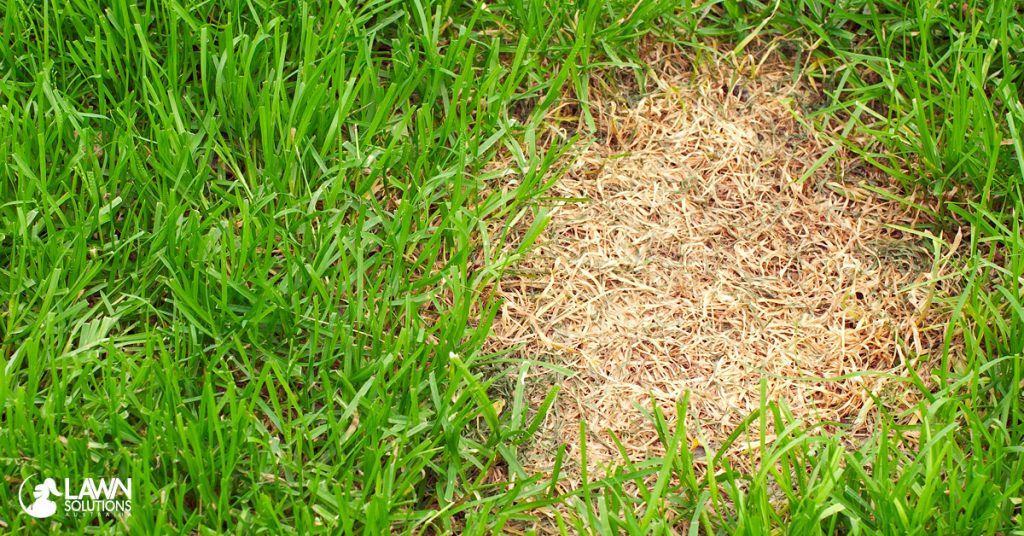
Follow these simple steps. They work on single spots and thin areas.
- Prep the area
- Mow the lawn short, but do not scalp it.
- Rake hard to loosen the top half inch. Remove debris and thatch.
- If soil is tight, aerate the area. Even a manual core tool helps.
- Test and amend soil
- Run a soil test if you can. Adjust pH if needed.
- Spread a thin layer of compost or screened topsoil. A quarter inch is enough.
- Lightly rake to blend. Aim for a flat, even surface.
- Choose the right seed
- Match seed to sun, soil, and region.
- For quick cover, add some perennial ryegrass to blends.
- Check the label for weed content. Buy certified seed when possible.
- Spread seed
- For small spots, hand-cast seed. For thin lawns, use a spreader.
- Follow label rates. More is not better. Thick layers can rot.
- Aim for even coverage. You should still see soil between seeds.
- Press and cover
- Gently rake to tuck seed into the top quarter inch of soil.
- Roll or press with feet to ensure seed-to-soil contact.
- Top with a light cover of straw or peat moss. You should still see some soil.
- Water with care
- Mist two to three times a day at first. Keep the top layer damp, not soggy.
- After sprout, reduce to once a day but for longer soak.
- At three to four weeks, water two to three times per week, deeper.
- Feed and mow
- Apply a starter fertilizer as directed where allowed.
- First mow when grass is three inches tall. Use a sharp blade.
- Do not remove more than one third of the blade at once.
- Keep off the area
- Limit foot and pet traffic for three to four weeks.
- Place flags or a small fence as a reminder.
This is the core of How To Fix A Patchy Lawn. It is simple, but each step matters. In my work, seed-to-soil contact is the top driver of success. When that is right, you see green in days.

Watering, feeding, and mowing after repair
A patch becomes a lawn when roots grow deep. That needs the right care.
Watering schedule:
- Weeks 0–2. Light and frequent. Keep the surface damp.
- Weeks 3–4. Once daily, longer soak.
- After week 4. Two to three times per week, one inch total. Use a rain gauge.
Feeding plan:
- Starter fertilizer at seeding where allowed.
- Light nitrogen four to six weeks later for cool-season grass.
- For warm-season grass, feed as it enters peak growth.
Mowing tips:
- Keep blades sharp. Dull blades tear seedlings.
- Mow high. Three inches for cool-season. One to two inches for Bermuda.
- Alternate directions to reduce track lines.
Consistency is key in How To Fix A Patchy Lawn. Small, steady care beats big, rare bursts.
:max_bytes(150000):strip_icc()/repair-bare-patch-on-lawn-2153035-hero-01-a629a49f75964418b9ee88a50a601391.jpg)
Fixing special patch problems
Some patches need targeted fixes. Match the fix to the cause.
Pet urine spots:
- Flush with water as soon as you see it.
- Rake, add a thin layer of soil, and reseed.
- Train pets to use a set area with mulch.
Grub damage:
- Tug test first. If sod lifts, think grubs.
- Treat with a labeled product at the right time.
- Reseed after activity drops. Add compost to help roots.
Fungal diseases:
- Brown patch and dollar spot like damp nights.
- Improve airflow and do not water at dusk.
- Use a fungicide only when needed and labeled.
Shade and tree roots:
- Thin lower branches to let in light.
- Choose shade-tolerant seed blends.
- In deep shade, use mulch or a path instead of grass.
Drainage and low spots:
- Topdress and level small dips.
- For soggy areas, add organic matter and consider a drain line.
- Choose grass that handles wet feet if water lingers.
These targeted steps are a big part of How To Fix A Patchy Lawn when one issue drives the damage.

Prevent new patches: simple seasonal plan
A light plan keeps grass dense and ready. Think small steps, often.
Spring:
- Rake, spot seed, and repair winter damage.
- Aerate if soil is compacted.
- Feed lightly as growth starts.
Summer:
- Water deep and less often.
- Mow high. Sharpen blades often.
- Watch for pests and disease. Act early.
Fall:
- Core aerate and overseed cool-season lawns.
- Topdress with compost to boost soil.
- Feed to build roots before winter.
Winter:
- Keep heavy traffic off frozen turf.
- Service mowers and plan seed blends.
- Order materials early.
Preventive habits make How To Fix A Patchy Lawn easier next year.

Common mistakes to avoid
Avoid these errors that I see on jobs all the time.
- Over-seeding rates. Too much seed leads to weak, thin blades.
- Drying out seedlings. Missed water in week one kills sprouts fast.
- Poor seed choice. Wrong species fails in shade or heat.
- Skipping soil contact. Seeds on thatch will not root.
- Mowing too soon. Wait until seedlings reach the right height.
When you skip these traps, How To Fix A Patchy Lawn becomes smooth and repeatable.
:max_bytes(150000):strip_icc()/repair-bare-patch-on-lawn-2153035-hero-01-a629a49f75964418b9ee88a50a601391.jpg)
Frequently Asked Questions of How To Fix A Patchy Lawn
How long does it take to see results?
Most cool-season seeds sprout in 5–14 days. Warm-season grass can take 10–21 days, sometimes longer if soil is cool.
Can I lay sod over patches instead of seeding?
Yes, you can. Cut out dead turf, level soil, press sod firmly, and water daily for two weeks.
Do I need to remove old grass before seeding?
No, not always. Mow low, rake hard, and seed into loosened soil. Remove only dead or thatchy turf.
Is topsoil or compost better for patch repair?
Use compost for nutrients and life. Use screened topsoil to level. A blend of both works best.
Will fertilizer alone fix a patchy lawn?
No. Fertilizer feeds plants, but it will not fill bare soil. You still need seed and soil contact.
What is the best grass seed for shade?
Look for fine fescue blends in cool zones. For warm zones, consider shade-tolerant Zoysia types and manage expectations.
Can I use a pre-emergent and still seed?
Not at the same time. Most pre-emergents stop grass seed too. Check label timing before use.
Conclusion
A thick, even lawn is not magic. It is a set of small, simple steps done well. Diagnose the cause, prepare the soil, match the seed, water with care, and protect new growth. That is How To Fix A Patchy Lawn in any season and any yard.
Start with one area this week. Gather seed, compost, and a rake, then follow the steps. Share your progress, subscribe for more pro tips, and ask your questions so we can solve How To Fix A Patchy Lawn together.

I enjoy sharing simple gardening ideas, lawn care tips, and honest product reviews that help make outdoor work easier. From home gardening guides to helpful tools and lawn care advice, I write easy-to-follow content to help readers create a healthier and better-looking outdoor space without wasting time or money.