As an Amazon Associate, I earn from qualifying purchases.
The most effective way to get rid of fire ants in your yard is to apply a fire ant bait labeled for residential lawns, allow worker ants to carry it back to their colony, and follow up by treating persistent mounds when necessary. For a few isolated mounds, a labeled mound treatment may be sufficient. Combine treatment with regular monitoring to reduce reinfestation.
Across the southern United States, including Texas, Florida, Georgia, Alabama, Louisiana, and other warm-weather states, fire ants are a common lawn and landscape problem. Red imported fire ants build underground colonies that can produce conspicuous soil mounds in lawns, gardens, playgrounds, and areas around patios. Their painful stings make these colonies more than an inconvenience, particularly where children, pets, and people with sting allergies spend time outdoors.
Successful fire ant control requires more than knocking down a mound or spraying the ants visible on the surface. A colony can contain a queen, developing brood, and thousands of workers below ground. The most practical treatment depends on the number of colonies, the size of the property, the presence of pets or edible plants, and how quickly the area needs to become safer. Research-based extension guidance supports using targeted mound treatments for limited infestations and bait-based programs for broader yard control.
This guide explains how to identify fire ant activity, choose an appropriate treatment, apply it safely, and check whether it worked. It also covers natural methods, common treatment mistakes, and ways to limit new colonies without unnecessarily eliminating every ant species in the yard.
Confirm that the insects are fire ants before choosing a treatment. Imported fire ants are especially common in much of the southeastern United States and parts of the southern Plains, although their distribution varies by state and locality. Other ants can build soil nests, so mound appearance alone is not a definitive identification.
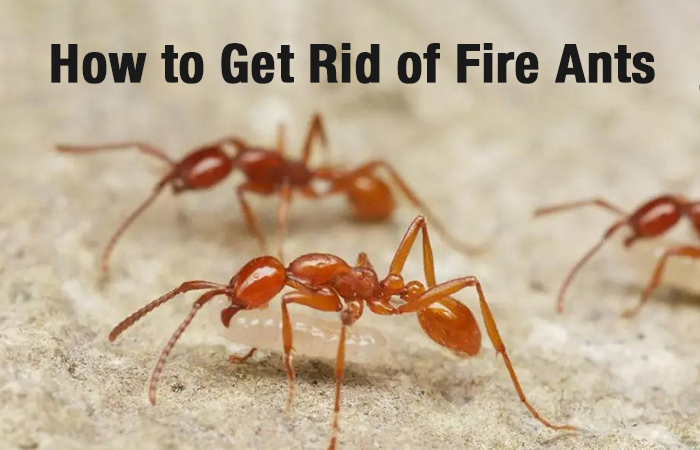
Red imported fire ants are generally reddish-brown workers with darker abdomens. Workers within a colony vary in size. Their mounds are often loose, irregular piles of soil without a clearly visible entrance hole in the center. Mounds may appear in sunny lawns, along fence lines, beside sidewalks, near irrigation equipment, and around landscape borders.
Fire ants defend their nests aggressively when disturbed. Workers may swarm onto shoes or legs and sting repeatedly. Their venom can cause burning pain, small blisters, and white pustules. A mound may be hidden under vegetation or another object, so avoid reaching into suspected nesting sites.
After heavy rain, fire ants may relocate their nests or move closer to the soil surface. This can make existing colonies more noticeable and create the impression that new colonies have appeared overnight.
Source: yardandgardenguru.com
Mound appearance
Look for loose soil piled above the surrounding lawn, sometimes with no obvious opening at the top. Do not dig into the mound to confirm the species.
Ant behavior
Fire ants can move quickly and swarm when their nest is disturbed. Workers may climb vegetation or nearby objects when responding to a disturbance.
Location
Check sunny lawn areas, garden edges, fence lines, and other places where soil remains relatively undisturbed.
Species uncertainty
If the ants do not match typical fire ant characteristics, contact your county Cooperative Extension office for identification before applying insecticides.
Why Fire Ant Mounds Need More Than Surface Treatment
A visible mound is only part of a fire ant colony. The queen and much of the developing brood remain underground, while worker ants travel between the nest and food sources. Killing a few workers on the surface does not necessarily kill the queen or eliminate the colony.
Fire ant baits take advantage of this behavior. Workers collect the bait and carry it back to the nest, where it can reach other colony members. This is why an appropriately selected bait can provide better colony-level control than spraying only the ants you see.
Colony-level control
Choose a treatment designed to reach the colony rather than relying on contact with visible workers alone.
Avoid disturbance
Do not stomp, kick, or aggressively dig into a mound before treatment. Disturbance can trigger defensive swarming and may interfere with certain treatment methods.
2. Choose the Best Fire Ant Treatment for Your Yard
The right treatment depends on how many mounds you have, where they occur, and how quickly you need to reduce activity. For a large lawn with many scattered colonies, broadcast bait is often the most practical starting point. For a small number of troublesome mounds, a labeled individual mound treatment can be more targeted.
A common extension-recommended approach is the two-step method. First, apply a fire ant bait across the appropriate lawn area or use a product according to its labeled spot-treatment directions. Then, after the interval specified by the label and the bait has had time to work, treat any remaining nuisance mounds with a suitable mound treatment.
A broad, persistent contact-insecticide program can provide more intensive suppression, but it may affect more non-target insects and requires careful adherence to application instructions. Most homeowners should begin with the least extensive method that meets their actual control needs.
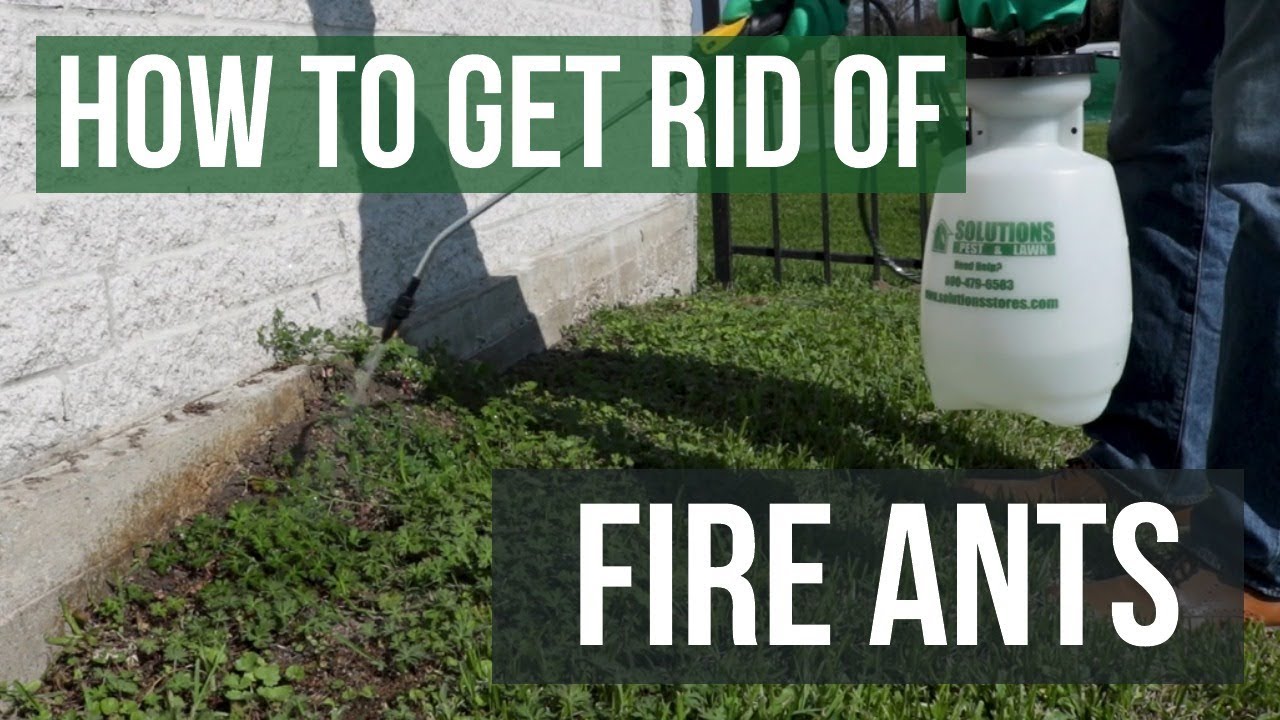
Source: i.ytimg.com
Best for many mounds
A labeled broadcast bait can target colonies throughout a lawn, including colonies that do not yet have prominent mounds.
Best for isolated mounds
A labeled granular, liquid-drench, dust, or other individual mound treatment may be suitable when only a few colonies need control.
Best for sensitive areas
Use a targeted method near play areas, entrances, and heavily used paths, while keeping people and animals away according to the product label.
Best for persistent infestations
Consider an integrated program or licensed pest management professional when colonies repeatedly return or widespread activity persists despite correct treatment.
Fire Ant Bait Versus Mound Treatment
Fire ant bait and contact mound treatments work differently. Bait contains an attractant combined with an insecticide or insect growth regulator. Workers collect it and transport it into the colony. Contact treatments are intended to kill ants through direct exposure or through the product’s labeled action within the mound.
Baits are generally better suited to broad preventive or suppressive treatment. Some act relatively quickly, while insect growth regulator baits may take several weeks or months to reach their maximum effect. Individual mound treatments can provide faster results with certain formulations, but performance depends on correct application and the product used.
Do not combine products automatically. Some contact sprays can repel or kill foraging ants before they collect bait. Follow label directions for application order and timing.
Bait
Useful for widespread colonies and preventive management. It requires active foraging and enough time for workers to distribute the bait.
Liquid mound drench
May provide relatively rapid control when applied to a specific mound according to the label. Incorrect dilution or pouring technique can reduce effectiveness.
Granular mound treatment
May be applied around or over an individual mound, depending on the product directions. Some formulations must be watered in.
Contact sprays and dusts
Can be useful for specified treatment sites but should not be substituted for bait or applied in ways that interfere with other treatments.
How to Decide Which Method to Use
Count the visible mounds and consider the whole property, not just the most noticeable nest. A yard with one mound beside a patio may need targeted treatment, while a large lawn with scattered colonies may benefit from broadcast bait. These are practical decision guides, not universal treatment thresholds; local conditions and product instructions still determine the appropriate method.
One or two mounds
Start with a labeled individual mound treatment and monitor the surrounding lawn for additional activity.
Numerous scattered mounds
Consider a labeled broadcast bait program, followed by targeted treatment of persistent colonies if needed.
No obvious mound
Observe where ants are foraging and use a labeled bait suitable for the site. Avoid pouring a mound drench into soil when you cannot locate the colony.
Repeated failures
Check identification, product suitability, bait freshness, weather, application rate, and the time allowed for results before changing methods.
3. How to Get Rid of Fire Ants With Bait
Fire ant bait is a practical option for treating multiple colonies because worker ants can transport it back to their nests. The key is to use the correct product, apply it under suitable conditions, and give it time to work. Applying extra bait does not necessarily improve control and may violate the label.
Before starting, choose a product explicitly labeled for fire ants and for the location you intend to treat. A product labeled for ornamental turf may not be approved for a vegetable garden, pasture, or other site. Check the active ingredient, application rate, required protective equipment, watering directions, and restrictions for children, pets, wildlife, and edible plants.
Many baits perform best when the soil surface is dry, rain is not expected during the label’s specified period, and worker ants are actively foraging. Warm, dry conditions often support bait collection, but excessive heat can change activity patterns. Follow the particular product’s temperature and weather requirements rather than relying on a fixed schedule.
Source: i.pinimg.com
Step 1: Prepare the area
Keep children and pets away during application. Identify the treatment boundary, check the forecast, and make sure the product is appropriate for the lawn or landscape.
Step 2: Check ant activity
Look for worker ants moving outside the mound. If the label permits, a small preliminary bait test can help establish whether ants are actively collecting food.
Step 3: Measure the application
Use the amount and coverage rate printed on the label. A calibrated hand spreader may help distribute bait evenly across a larger lawn.
Step 4: Apply the bait
Distribute the bait in the labeled manner, which may involve broadcast application or a permitted spot treatment. Do not mix it with other pesticides or fertilizers unless the directions expressly allow it.
Step 5: Allow the colony to take the bait
Do not disturb treated mounds or apply a conflicting contact insecticide too soon. Observe the label’s timing instructions and allow sufficient time for the product to work.
Step 6: Recheck the yard
Inspect previously active areas after the expected control period. Treat remaining colonies only as directed and avoid unnecessary repeat applications.
When Should You Apply Fire Ant Bait?
Apply fire ant bait when ants are actively collecting food and the weather meets the product requirements. Late afternoon can be useful in hot climates because temperatures may be lower than during midday, but the best time depends on local conditions and the bait label.
Avoid applying bait to wet grass or immediately before irrigation or rain when the product directions warn against those conditions. Moisture can damage some bait formulations or reduce their attractiveness. If ants are not collecting food, postpone the application until suitable conditions return.
Dry surface
Check that the lawn and bait application area meet the label’s moisture requirements.
Active foraging
Apply when workers are moving and collecting food rather than when they are largely inactive.
Suitable weather
Avoid unfavorable temperature conditions and rain or irrigation periods prohibited by the product directions.
How Long Does Fire Ant Bait Take to Work?
The time required depends on the active ingredient, formulation, colony behavior, and environmental conditions. Some bait products provide substantial control within days, while others may need two to four weeks or longer. Insect growth regulator products often work more slowly because they interfere with colony development and reproduction.
Do not judge a slow-acting bait after only a day or two unless the label specifies that this is an appropriate assessment period. The disappearance of a mound also does not prove that every colony in the yard has been eliminated. Continue monitoring for activity and follow the label’s instructions for retreatment.
Early assessment
Check whether ants are still actively collecting bait and whether the treated area is showing reduced activity.
Follow-up assessment
Recheck the area after the control interval indicated by the label or trusted extension guidance.
Remaining activity
Confirm that the ants are fire ants and investigate weather, bait condition, application accuracy, and reinvasion before repeating treatment.
4. How to Treat Individual Fire Ant Mounds
Individual mound treatment is useful when a few fire ant colonies are concentrated near a doorway, mailbox, walkway, garden border, or play area. Select a treatment labeled for the location and follow the specified application method. Do not assume that every granular, liquid, or powdered insecticide can be used interchangeably.
Some mound treatments work through direct contact, while others rely on bait collection. If the label says not to disturb the mound, do not rake, dig, or stomp it before application. For products that require water, apply the specified amount gently enough to avoid displacing the treatment or provoking ants.
A mound may remain visible after the colony has died, and a treated area may develop a new mound when another colony moves in. Evaluate success by checking for continued ant activity, not by appearance alone.
Source: aosion.com
Locate the active mound
Observe the colony from a safe distance. Avoid probing the soil or putting your hands near openings and ant trails.
Read the directions
Confirm the permitted application site, measured amount, required protective equipment, and whether watering or mound disturbance is allowed.
Apply without unnecessary disturbance
Use the product exactly as directed, keeping people, pets, and wildlife away as required.
Monitor the result
Allow the recommended time for control, then inspect from a safe distance for continued activity or new mounds.
Can Boiling Water Kill Fire Ants?
Boiling water can kill some fire ants in a mound, but it is an unreliable way to eliminate an entire colony. Water may not reach the queen or all the underground chambers, so ants can survive and rebuild. The amount of water required can also damage nearby turf, shrubs, flowers, and plant roots.
Boiling water presents a serious burn risk to the person carrying and pouring it. Slopes, uneven lawns, and slippery ground increase the chance of spills. For these reasons, it is generally not the best choice near children, pets, valuable plants, or frequently used paths.
Very hot water is sometimes discussed in extension guidance as a nonchemical mound treatment, but results vary. If you choose a hot-water method, assess the burn and landscape risks carefully and never carry or pour boiling water where a spill could injure someone. A labeled mound treatment is usually more controllable.
Potential benefit
Hot water may kill ants reached by the heat and can avoid the use of a synthetic insecticide.
Important limitation
It may fail to reach the entire colony, and repeated attempts can damage the lawn or surrounding plants.
Safer alternative
For a mound in a high-use area, consider a labeled mound treatment and keep the area closed off until it is safe to use.
Why You Should Never Use Gasoline or Bleach
Never pour gasoline, diesel fuel, bleach, drain cleaner, or other household chemicals onto a fire ant mound. Gasoline and diesel can contaminate soil and groundwater and create serious fire and vapor hazards. Bleach and other corrosive products can injure people, harm plants, and damage soil organisms without reliably eliminating the colony.
Do not mix insecticides with household cleaners or other pesticides. Chemical mixtures can produce hazardous exposures or unexpected reactions. Use a product specifically labeled for fire ants and the intended outdoor site.
Avoid flammable liquids
Gasoline and similar fuels are not acceptable fire ant treatments.
Avoid corrosive cleaners
Bleach, acids, and drain cleaners can cause chemical burns and environmental damage.
Avoid improvised mixtures
Do not mix soaps, oils, cleaning products, or pesticides unless the label specifically authorizes the combination.
5. Natural Ways to Reduce Fire Ants in Your Yard
Natural fire ant control methods can reduce risk in particular situations, but no home remedy reliably eliminates every colony or prevents reinfestation. The best option depends on whether you want to avoid synthetic insecticides, protect edible plants, reduce immediate sting hazards, or manage a small number of mounds.
Start with prevention and targeted monitoring. Remove food waste, keep outdoor trash containers closed, manage landscape debris, and inspect areas where people and pets spend time. These measures help make the yard easier to monitor, although they will not eliminate established underground colonies by themselves.
If you want a treatment with a reduced environmental footprint, consider a targeted product labeled for the specific location and pest. Some products contain naturally derived active ingredients, but natural origin does not automatically mean harmless to people, pets, beneficial insects, or aquatic organisms.
Source: outthereinteriors.com
Remove food sources
Clean up outdoor food scraps, pet food, grease, and sugary spills. Keep garbage lids secure and avoid leaving food waste on patios.
Manage nesting areas
Keep regularly used areas visible and inspect around lawn edges, irrigation equipment, and landscape structures. Avoid indiscriminately disturbing soil where native ants are beneficial.
Use targeted treatments
Choose a labeled product appropriate for the location and treat only where necessary rather than automatically applying chemicals across the entire property.
Protect beneficial insects
Avoid unnecessary broad-spectrum applications, especially around flowering plants, pollinator habitat, ponds, and drainage areas.
Does Diatomaceous Earth Kill Fire Ants?
Diatomaceous earth can affect insects by damaging their protective outer surface, but performance depends on the formulation, exposure, and environmental conditions. Outdoor moisture can reduce its usefulness, and spreading it over a mound does not guarantee that the queen or the entire colony will be affected.
Only use a product labeled for the intended pest and outdoor site. Avoid breathing dust during application and follow the product’s protective-equipment instructions. Do not assume that food-grade diatomaceous earth is automatically effective or safe for every pest-control use.
Effectiveness
It may affect individual ants that contact the material but should not be relied on as a guaranteed whole-colony treatment.
Weather limitation
Wet conditions can interfere with the performance of dry powders.
Application safety
Avoid creating airborne dust and follow all applicable product instructions.
Do Vinegar, Dish Soap, or Essential Oils Work?
Vinegar, dish soap, citrus oils, and other household remedies are frequently suggested for ant control. Some mixtures can kill ants they directly contact, but that does not establish that they will eliminate a large underground fire ant colony. Concentrated mixtures can also damage grass, ornamental plants, or soil organisms.
Essential oils can be irritating or toxic to pets and other organisms at sufficient exposures. Dish soap products are formulated for cleaning rather than pest control, and their ingredients and concentrations vary. Avoid applying improvised mixtures to a lawn or garden as if they were proven fire ant colony treatments.
If a natural approach is important to you, prioritize sanitation, careful monitoring, and appropriately labeled products. In areas where stings create an immediate hazard, use a control method supported by reliable guidance rather than depending on an unverified home remedy.
Vinegar
May affect ants through direct contact but does not reliably penetrate an underground colony and can affect nearby plants.
Dish soap
Can harm insects it directly contacts, but an improvised soapy-water treatment may not reach the queen or eliminate the colony.
Essential oils
May repel or kill some insects in certain circumstances, but outdoor fire ant control is not guaranteed and non-target risks remain.
Orange oil
Some formulations are marketed for insect control, but the product must be suitable for the site and may affect beneficial organisms or plant tissue.
Are Organic Fire Ant Treatments Effective?
Some products containing naturally derived ingredients are registered or otherwise labeled for specific fire ant uses. Their effectiveness depends on the active ingredient, formulation, colony conditions, and correct application. An organic label or natural ingredient does not guarantee faster control, complete colony elimination, or low toxicity to every non-target organism.
When considering an organic or reduced-risk option, read the complete label and confirm that the product is permitted for residential lawns, vegetable gardens, or the precise area you need to treat. If you grow edible crops, check restrictions on crop types, harvest intervals, and application sites.
Check the label
Confirm that the product specifically covers fire ants and your intended treatment site.
Compare the control objective
Determine whether the product is intended for direct mound treatment, baiting, or another method before applying it.
Consider non-target effects
Protect beneficial insects, pets, wildlife, and water sources according to the directions.
6. Keep Fire Ants Away After Treatment
Preventing reinfestation is part of effective fire ant management. A treatment may eliminate or suppress the colonies present at the time of application, but it does not permanently protect a property from queens establishing new nests or workers moving in from neighboring land.
Inspect the lawn regularly, particularly after rain, landscape work, and periods of warm weather when fire ants are active. Pay attention to the perimeter, areas beside walkways, sunny patches, and places where new soil appears. Treat newly established colonies while they are manageable rather than waiting until the yard contains numerous mounds.
For larger properties, repeated bait-based suppression may be appropriate when allowed by the label and recommended by local extension guidance. A maintenance schedule should reflect actual activity, local conditions, and the product’s permitted frequency, not an arbitrary promise that one treatment will keep the yard ant-free indefinitely.
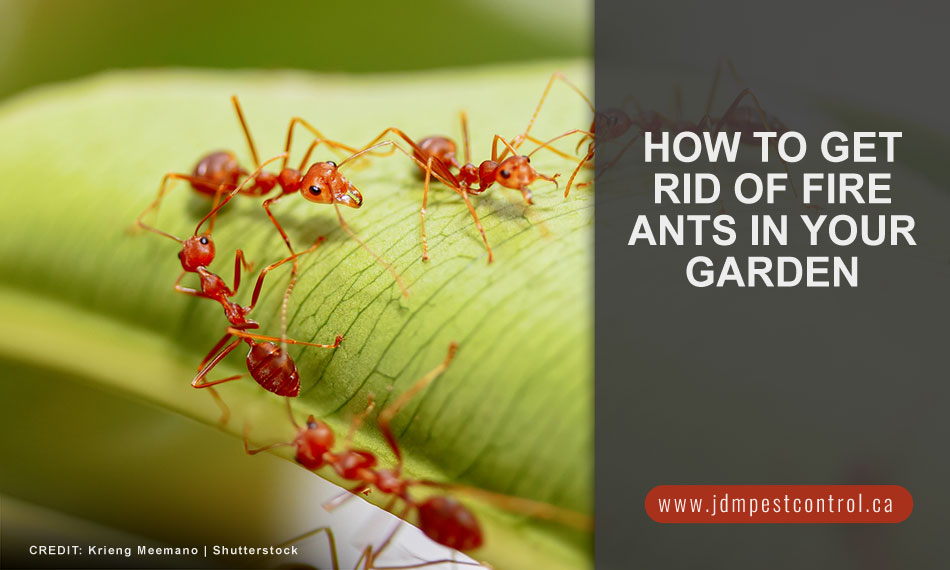
Source: jdmpestcontrol.ca
Inspect consistently
Walk the yard periodically and check known problem areas for fresh soil mounds and active worker trails.
Keep outdoor areas clean
Secure trash, remove food debris, and avoid leaving pet food outside for extended periods.
Maintain the landscape
Keep paths and frequently used areas visible, and check around edging, irrigation fixtures, and other structures.
Coordinate where practical
When neighboring properties have extensive fire ant activity, coordinated control may help reduce reinvasion from nearby untreated areas.
Retreat only when appropriate
Follow the product’s reapplication interval and avoid repeated applications that exceed label directions.
How to Tell Whether the Treatment Worked
Successful control is indicated by reduced or absent activity at previously infested mounds after the product’s expected control period. Some mounds may remain visible even after ants have died, so mound shape alone is not a reliable indicator of failure.
If a mound remains active, wait until the treatment’s assessment period has passed, then evaluate the application. Check whether the product was labeled for fire ants, whether ants were actively foraging when bait was applied, and whether rain, irrigation, or another insecticide interfered with the treatment.
If new mounds appear elsewhere, they may represent surviving colonies, colonies that moved, or newly established nests. Treat the current problem rather than assuming that every new mound proves the original treatment failed.
Signs of success
Less worker activity, no continuing defensive response at treated locations, and fewer active colonies during follow-up inspections.
Possible treatment failure
Persistent active colonies after the expected control period, especially when the treatment conditions and application rate were correct.
Possible reinvasion
New active mounds appear after the original colonies have been suppressed, particularly near property boundaries.
When to Hire a Pest Control Professional
Professional assistance may be worthwhile when fire ants occupy a large property, repeatedly return after correct treatment, or nest in difficult-to-reach locations. A licensed pest management professional can identify the treatment area, select methods suited to the site, and help develop a monitoring program.
Get professional advice when mounds occur near electrical equipment, utility enclosures, sensitive water infrastructure, or locations where pesticide application could create unusual hazards. Do not pour liquid insecticides into electrical housings or apply products to sites not covered by the label.
If someone in the household has a history of severe reactions to insect stings, prioritize preventing exposure and consider professional management. A yard-wide program may be more appropriate than waiting for each new mound to appear.
Extensive infestation
Consider professional help if there are too many colonies to manage reliably with individual mound treatments.
Sensitive locations
Use a qualified professional for difficult sites involving electrical equipment, utility structures, or other special hazards.
Repeated failure
Seek an assessment if colonies persist despite correct identification, suitable products, and label-compliant applications.
7. Fire Ant Safety for Children, Pets, and Gardens
Fire ant control should reduce sting exposure without creating a different hazard from pesticide misuse. Read the complete product label before every application and follow its directions for protective clothing, reentry, watering, disposal, and storage. Keep children and pets out of treated areas for the period specified on the label.
Do not assume a product is pet-safe simply because it is sold for lawns or contains a naturally derived ingredient. Pets can ingest bait granules, lick contaminated paws, or encounter treated soil. Store products in their original containers, away from food, animal feed, and places children can reach.
Protect edible plants by using only products labeled for the particular garden or crop. Some products permitted on turf are not approved for vegetable gardens. Follow all harvest restrictions and precautions for pollinators, surface water, storm drains, and wells.
Source: tipsbulletin.com
Protect people
Keep children away from active mounds and prevent them from touching bait or treated soil until the label permits access.
Protect pets
Keep animals away during application and for the specified interval afterward. Prevent them from eating bait or drinking treatment mixtures.
Protect edible plants
Use only products approved for the crop or garden site and follow harvest and application restrictions.
Protect water and wildlife
Avoid contamination of drains, ponds, streams, wells, and other water sources. Follow any restrictions around flowering plants and pollinators.
Store products properly
Retain the original label, secure the container, and follow the directions for disposal and cleanup.
What to Do After a Fire Ant Sting
Move away from the colony and brush off ants immediately. Wash the affected skin with soap and water, then use a cool compress to reduce discomfort. Avoid scratching or breaking blisters, because damaged skin can become infected.
Fire ant stings can cause painful localized reactions. A small blister or pustule may develop over the next several hours. Seek medical advice if the reaction is severe, worsening, or shows signs of infection.
Call 911 immediately if a person develops signs of a severe allergic reaction, including difficulty breathing, throat or tongue swelling, faintness, or widespread symptoms that suggest anaphylaxis. If the person has prescribed epinephrine for allergic emergencies, use it according to their emergency plan and seek immediate medical care.
Move to safety
Leave the mound area and remove any remaining ants from the skin.
Clean the skin
Wash gently and use a cool compress. Do not cut, squeeze, or deliberately open sting blisters.
Recognize an emergency
Breathing difficulty, throat swelling, collapse, or other signs of anaphylaxis require immediate emergency response.
Frequently Asked Questions
Q
What is the fastest way to get rid of fire ants in your yard?
For a small number of troublesome mounds, a labeled individual mound treatment may provide faster control than a slow-acting broadcast bait. For numerous colonies, fire ant bait can help suppress the wider infestation, although the time required depends on the active ingredient and environmental conditions. Follow the product label and keep people and pets away as directed.
Q
Does killing a fire ant mound eliminate the entire colony?
Not necessarily. Surface spraying or removing the visible mound may leave the queen and workers underground. Use a product specifically intended for fire ant colony control, apply it according to its label, and monitor the site for continued activity. A mound may remain visible after the colony has died.
Q
Can I get rid of fire ants without chemicals?
You can reduce some fire ant problems through monitoring, sanitation, and careful management of the landscape. Very hot water may kill ants in a mound, but it can cause serious burns, damage plants, and fail to eliminate the colony. Vinegar, dish soap, and essential oils are not reliable whole-colony solutions. If stings pose a serious hazard, choose a control method supported by reliable extension guidance.
Q
Will rain wash away fire ant bait?
Rain or irrigation can affect bait performance, depending on the formulation and timing. Some products must be applied to a dry surface and protected from moisture for a specified period. Check the label before application and do not automatically reapply after rain unless the directions allow it.
Q
How often should I treat my yard for fire ants?
There is no single schedule that fits every yard. Some bait-based programs use periodic applications, while individual mound treatments are used when new or persistent colonies appear. Follow the product’s permitted application frequency and monitor the property. Reinfestation risk, weather, and the surrounding landscape influence how often control is needed.
Q
Are fire ant baits safe around dogs and cats?
Safety depends on the active ingredient, formulation, application site, and whether an animal can reach or ingest the bait. Choose a product labeled for the intended outdoor use and follow its pet-related precautions. Keep animals away during application and for the specified interval, and store unused bait securely.
Q
Why do fire ants keep coming back after treatment?
New colonies can move in from neighboring properties, and new queens can establish nests after an earlier treatment. Some colonies may also survive an application that was poorly timed or incorrectly applied. Confirm the species, allow the treatment its full expected control period, and investigate application conditions before retreating. Repeated or widespread problems may justify a coordinated neighborhood program or professional assessment.
Q
Can I use fire ant killer in my vegetable garden?
Only use a product whose label permits application in the specific vegetable garden or crop area. A pesticide approved for ornamental turf may not be appropriate for edible plants. Follow all crop restrictions, application instructions, and harvest intervals. When no suitable product is available, ask your county Cooperative Extension office for guidance on permitted options.
✦ Wrapping Up
Conclusion
Getting rid of fire ants in your yard starts with identifying the colonies and choosing a treatment that fits the size and location of the infestation. For scattered mounds, targeted treatment may be sufficient. For widespread activity, a properly applied fire ant bait program can help control colonies across the lawn. Natural methods may have a role in limited situations, but home remedies should not be treated as guaranteed ways to eliminate underground nests.
Give treatments enough time to work, check for continued activity, and follow all product directions for children, pets, plants, and water sources. If new mounds appear, treat the current problem rather than assuming a previous application offers permanent protection. Regular inspections and timely action can help keep fire ant activity manageable throughout the year.
💡 Key Takeaway
Start by identifying and counting the active mounds in your yard. Choose a fire ant product labeled for your specific treatment area, apply it under suitable conditions, and record the application date so you can assess results at the correct time. Keep children and pets away as directed, avoid hazardous home remedies, and contact your local Cooperative Extension office or a licensed pest professional if the infestation persists.
I enjoy sharing simple gardening ideas, lawn care tips, and honest product reviews that help make outdoor work easier. From home gardening guides to helpful tools and lawn care advice, I write easy-to-follow content to help readers create a healthier and better-looking outdoor space without wasting time or money.