As an Amazon Associate, I earn from qualifying purchases.
Red ants can become a serious problem for homeowners and gardeners. Their painful bites make gardening unpleasant, and large colonies can quickly spread through lawns, flower beds, and vegetable gardens.
The good news is that you can control red ants safely and effectively. By using the right treatment methods and taking preventive steps, most infestations can be eliminated before they become severe.
What Are Red Ants In The Garden?
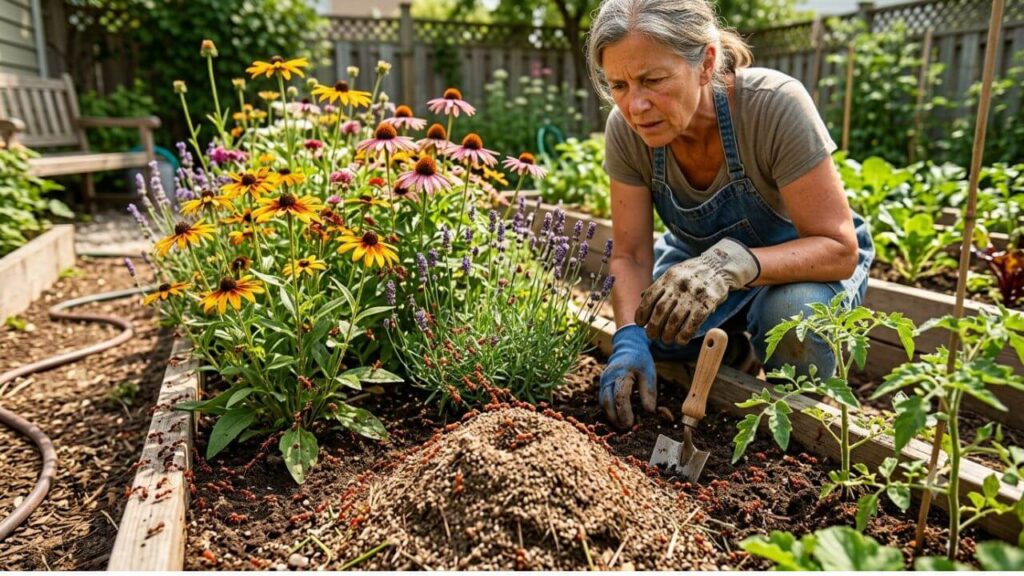
Red ants are aggressive ants commonly found in lawns, garden beds, and landscaped areas. Some species build visible mounds, while others hide beneath rocks, mulch, wood, or paving stones.
Many red ants help break down organic material and improve soil health. However, large colonies often become a problem when they begin to:
- Sting people and pets
- Protect sap-sucking insects such as aphids
- Damage young seedlings
- Create large ant hills throughout the yard
- Spread rapidly during warm weather
Why Are Red Ants Attracted To Gardens?
Gardens provide everything ants need to survive.
Common reasons include:
- Moist soil
- Food scraps
- Aphids producing honeydew
- Mulch and organic matter
- Fallen fruits
- Warm temperatures
- Protected nesting locations
During spring and summer, red ant activity often increases across many parts of the United States.
Signs Of A Red Ant Infestation In The Garden
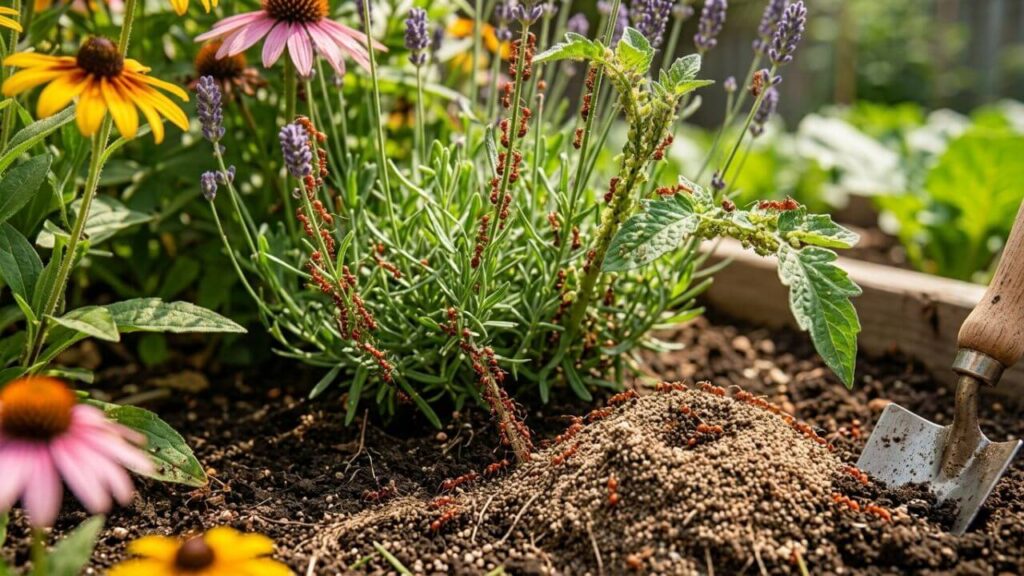
You may have a red ant infestation if you notice:
- Small or large soil mounds
- Long ant trails on walkways
- Ants climbing plants
- Increased aphid populations
- Ants around irrigation systems
- Painful stings while gardening
Finding the problem early makes treatment much easier.
Are Red Ants Harmful To Plants?
Red ants usually do not eat healthy plants directly. However, they can still indirectly harm your garden.
Problems include:
- Protecting aphids from predators.
- Encouraging larger aphid populations.
- Disturbing roots around seedlings.
- Making garden work difficult due to stings.
Vegetable gardens and flower beds are often most affected.
Tools And Materials You May Need
Before treatment, gather the following:
- Gardening gloves
- Protective footwear
- Garden shovel
- Watering can
- Boiling water
- Vinegar solution
- Dish soap
- Food-grade diatomaceous earth
- Ant bait products if needed
Always read product labels carefully before applying any treatment.
Step-By-Step Guide To Get Rid Of Red Ants In The Garden
Step 1: Locate The Nest
Follow ant trails to identify where the colony is located.
Look around:
- Mulch beds
- Flower borders
- Lawn edges
- Under rocks
- Around tree roots
- Near patios and sidewalks
Treating the nest directly gives the best results.
Step 2: Destroy Small Mounds With Boiling Water
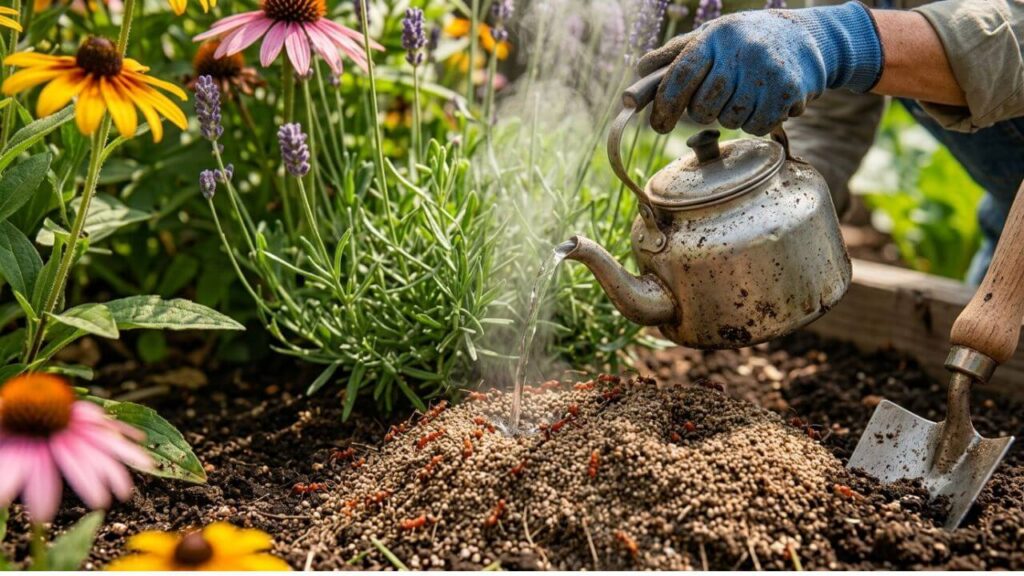
For small infestations, carefully pour boiling water directly into the mound.
Benefits include:
- Fast results
- No chemical residue
- Low cost
However, boiling water may damage nearby grass or plants, so use caution.
Step 3: Apply Food-Grade Diatomaceous Earth
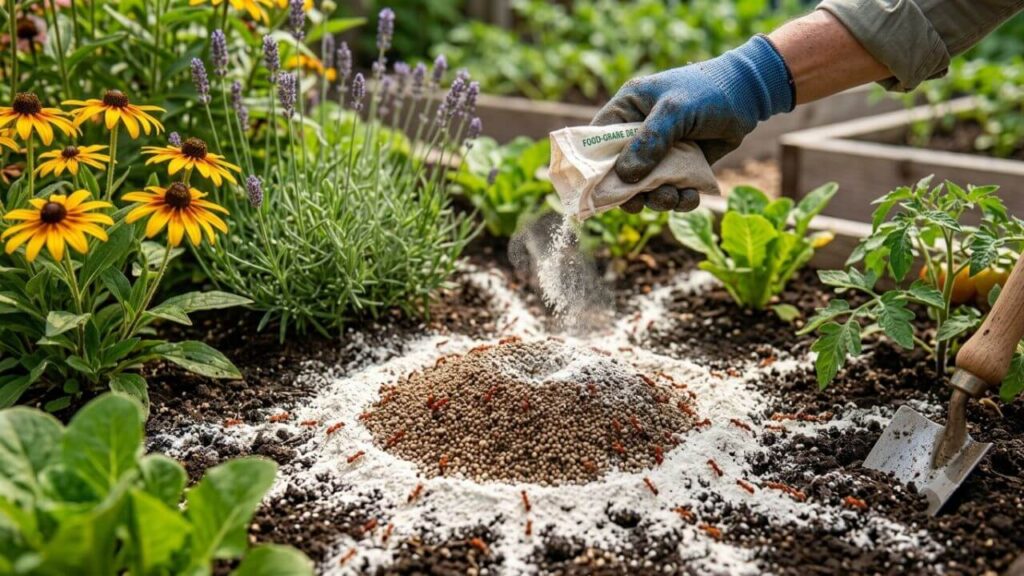
Food-grade diatomaceous earth is one of the safest ant control options for gardens.
Sprinkle it:
- Around nests
- Along ant trails
- Near entry points
The powder damages the ants’ protective coating, causing them to dehydrate.
Reapply after rain.
Step 4: Use A Vinegar Spray
Mix:
- Equal parts white vinegar
- Equal parts water
Spray directly on:
- Ant trails
- Nest entrances
- Problem areas
This removes scent trails and discourages ants from returning.
Avoid spraying directly on sensitive plants.
Step 5: Use Dish Soap Solution
Mix:
- 1 tablespoon dish soap
- 1 quart of water
Pour directly into active nests.
The solution can help suffocate ants and disrupt colony activity.
Step 6: Remove Aphids From Plants
Many red ants protect aphids because aphids produce sweet honeydew.
Control aphids by:
- Spraying plants with water
- Encouraging beneficial insects
- Pruning heavily infested areas
Removing aphids often reduces ant activity significantly.
Step 7: Use Ant Baits For Large Colonies
Large infestations may require bait treatments.
Worker ants carry bait back to the colony where it reaches the queen.
This method is often more effective than surface sprays for large nests.
Follow all label instructions carefully and keep products away from children and pets.
Natural Remedies For Red Ants
Popular natural remedies include:
- Boiling water
- Vinegar solution
- Diatomaceous earth
- Cinnamon barriers
- Citrus peels
- Coffee grounds
Natural methods often work best for small infestations.
Best Way To Get Rid Of Red Ants In The Garden
The most effective approach combines several methods:
| Method | Best For | Safety |
| Boiling Water | Small nests | Moderate |
| Diatomaceous Earth | Organic gardens | High |
| Vinegar Spray | Ant trails | High |
| Soap Solution | Small colonies | High |
| Ant Bait | Large infestations | Moderate |
Integrated control usually produces the fastest results.
Common Mistakes To Avoid
Many gardeners accidentally make the infestation worse.
Avoid these mistakes:
- Treating only visible ants
- Ignoring the queen and nest
- Overusing pesticides
- Leaving food debris outside
- Allowing aphids to remain on plants
- Skipping follow-up inspections
Expert Tips For Better Results
Experienced gardeners often recommend:
- Treat nests early in the morning.
- Apply treatments during dry weather.
- Monitor treated areas for two weeks.
- Remove excess mulch near problem areas.
- Improve drainage in wet sections of the garden.
Consistency is often more important than using stronger chemicals.
How To Prevent Red Ants From Returning
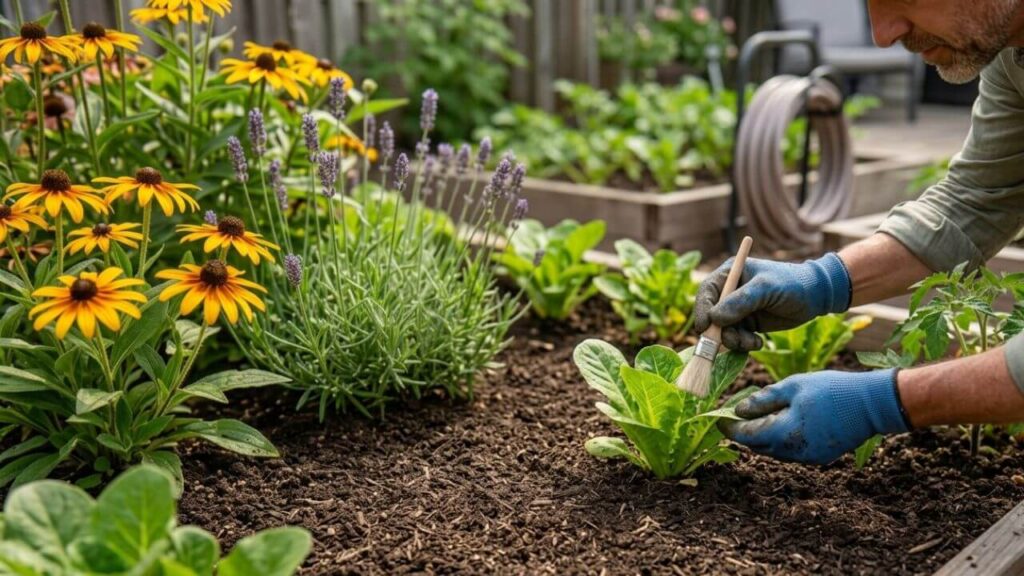
Prevention is easier than treatment.
Keep The Garden Clean
Remove:
- Fallen fruit
- Pet food
- Food waste
- Organic debris
Control Moisture
Avoid overwatering.
Repair leaking irrigation systems and improve drainage.
Reduce Aphid Populations
Managing aphids removes one of the ants’ favorite food sources.
Inspect Regularly
Check your lawn and garden every few weeks during warm months.
Early detection prevents large infestations.
Refresh Mulch Carefully
Avoid excessively thick mulch layers that create ideal nesting conditions.
Climate Considerations In The United States
Red ants are especially active in:
- Southern states
- Warm coastal regions
- Areas with mild winters
Homeowners in warmer climates may need year-round monitoring, while northern regions often experience seasonal activity.
Frequently Asked Questions
Do red ants damage plants?
Usually not directly. However, they protect aphids that can damage plants.
What kills red ants instantly?
Boiling water can quickly kill many ants in small mounds, although it may not eliminate the entire colony.
Is vinegar effective against red ants?
Yes. Vinegar removes scent trails and discourages ants from returning to treated areas.
What is the safest ant control for plants?
Food-grade diatomaceous earth is one of the safest options for most gardens.
How do I remove ant hills from my garden?
Locate the nest and treat it directly using boiling water, diatomaceous earth, or bait products.
Can red ants come back after treatment?
Yes. New colonies can move into the area if preventive measures are not taken.
Conclusion
Learning how to get rid of red ants in the garden starts with identifying nests early and choosing the right treatment method. Natural solutions such as boiling water, vinegar, and diatomaceous earth work well for smaller infestations, while larger colonies may require bait treatments.
Regular inspections, proper watering practices, and controlling aphids can greatly reduce the chances of future infestations. With consistent monitoring and the right approach, most homeowners can keep their gardens comfortable, productive, and free from red ants.

I enjoy sharing simple gardening ideas, lawn care tips, and honest product reviews that help make outdoor work easier. From home gardening guides to helpful tools and lawn care advice, I write easy-to-follow content to help readers create a healthier and better-looking outdoor space without wasting time or money.