
As an Amazon Associate, I earn from qualifying purchases.
Give it bright, indirect light, a chunky soil mix, and water when dry.
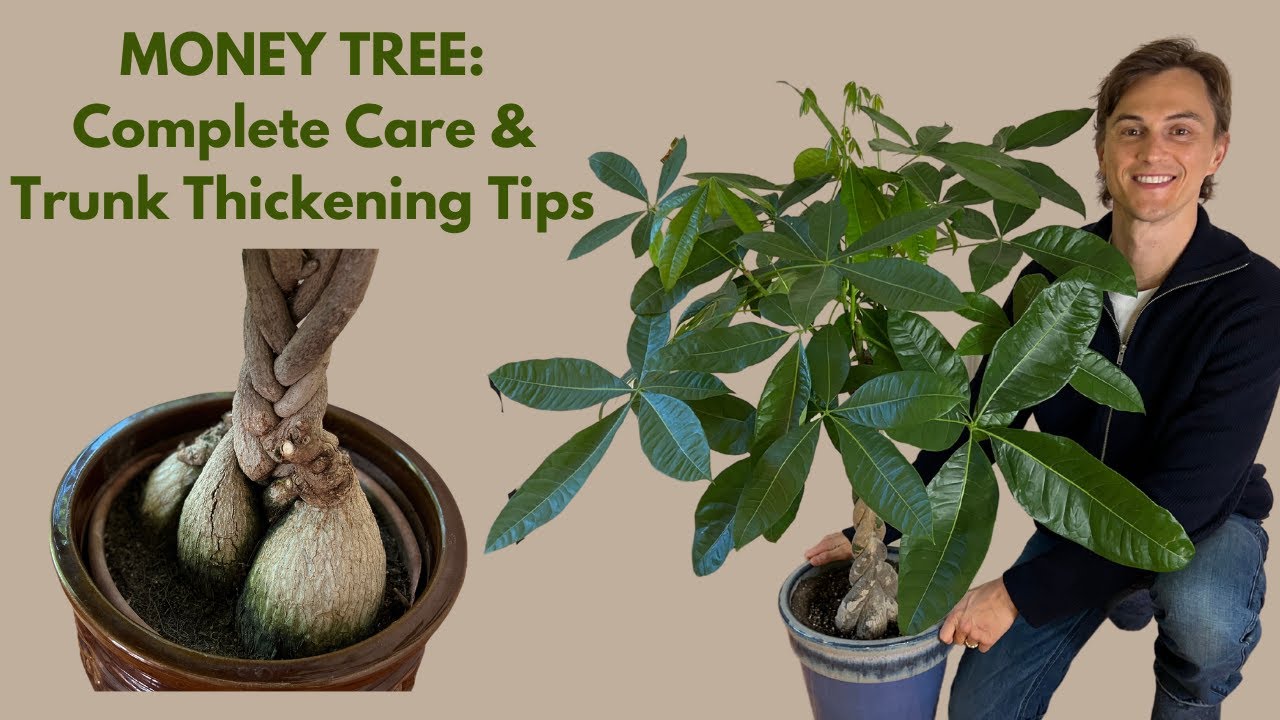
If you want a lush, braided Pachira aquatica, you are in the right place. I have grown dozens at home and for clients, from droopy rescues to showy trees. This step-by-step guide on How to Grow a Money Tree covers light, soil, water, pruning, and fixes for common issues. Stay with me, and you will have a strong, glossy plant that feels at home in any room.
Understanding the Money Tree (Pachira aquatica)
A money tree is a tropical plant from Central and South America. It is sold with braided trunks and shiny leaves. It grows fast when it has the right light, water, and soil. It is non-toxic to cats and dogs, though chewing can still upset a pet’s stomach.
If you ask How to Grow a Money Tree, start with its native needs. It likes warm air, steady light, and soil that drains well. In the wild, it can reach 30 feet. Indoors, you can keep it under 6 feet with pruning.
I learned this plant does best when I keep care simple and steady. My clients who check soil before they water have the happiest trees.
Light and Placement
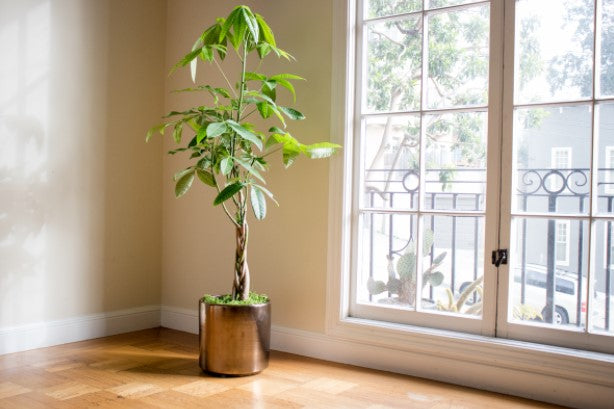
Light is the first rule for How to Grow a Money Tree. Aim for bright, indirect light for 6 to 8 hours a day. An east window is perfect. A south or west window can work if you filter harsh midday sun with a sheer curtain.
If your room is dim, use a full-spectrum grow light. Keep it 12 to 14 inches above the leaves for 12 hours a day. Rotate the pot every week so growth stays even.
Practical tips I use:
- Place it where you can read a book without turning on a lamp at noon.
- Keep leaves out of hot glass. That can scorch them fast.
- If stems stretch and lean, the plant needs more light.
Soil, Pot, and Drainage
Soil choice makes or breaks How to Grow a Money Tree. You want a chunky, airy mix that dries fast but still holds some moisture. I use a simple blend.
Try this mix:
- Two parts all-purpose potting soil
- One part perlite
- One part orchid bark
- A handful of coarse sand or pumice
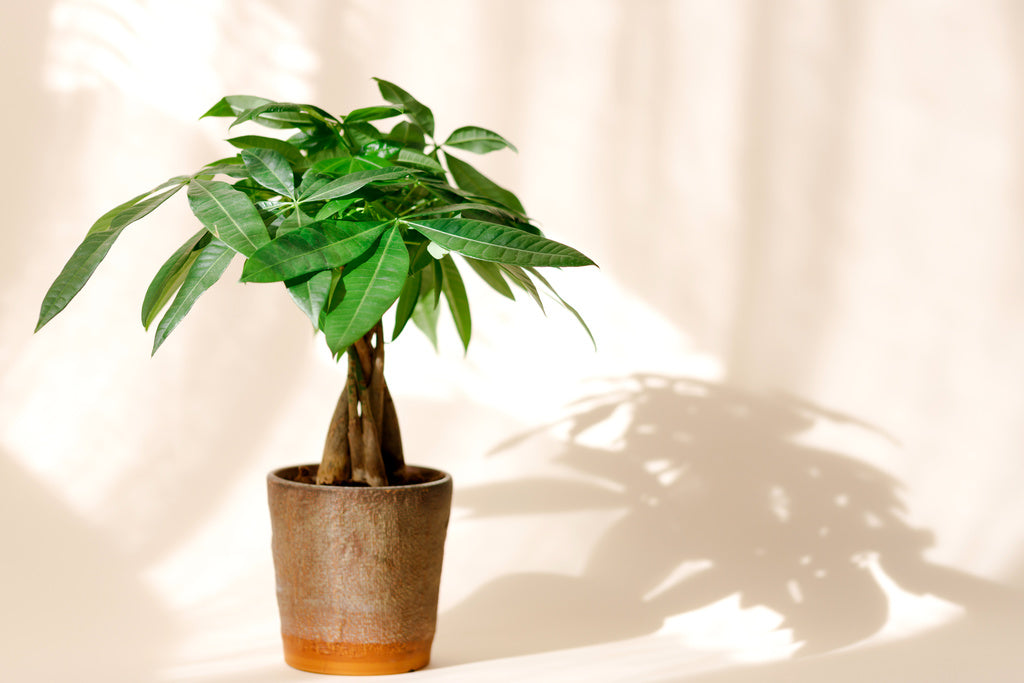
Pick a pot with drainage holes. Choose a size 1 to 2 inches wider than the root ball. Terracotta breathes and helps avoid soggy soil. Plastic holds moisture longer. Both can work if you adjust watering.

Watering and Humidity
Watering is where most people go wrong with How to Grow a Money Tree. Let the top 2 inches of soil dry before you water again. Then water until it flows from the drain holes. Empty the saucer.
Use these easy checks I rely on:
- Finger test. If the top soil feels dry up to your second knuckle, water.
- Weight test. Lift the pot after a soak. Learn the light feel before the next drink.
- Chopstick test. Insert a wooden stick. Dark and damp means wait.
Aim for room humidity around 40 to 60 percent. A pebble tray or a small humidifier works better than misting. In winter, water less and keep the plant away from heat vents.
:max_bytes(150000):strip_icc()/SPR_how-to-propagate-money-tree_hero-a224e2fe250841599634cb55ec1b9340.jpg)
Fertilizer and Feeding Routine
Feeding keeps leaves glossy and growth steady. A balanced liquid fertilizer, like a 3-1-2 or 2-1-2 ratio, works well. Feed once a month in spring and summer at half strength. Do not feed in winter.
If you want to master How to Grow a Money Tree, flush the soil every two to three months. Run water through the pot for a minute. This helps wash away salt build-up that can burn tips.

Pruning, Shaping, and Braiding
Pruning is part of How to Grow a Money Tree if you want a tidy shape. Cut just above a leaf node to prompt new growth. Use clean, sharp shears. Remove yellow leaves and weak stems first.
For braiding, start when stems are young and green. Braid them loosely and tie with soft plant tape. Check the tie every few weeks so it does not cut into the bark. I learned to do small moves often. That gives a smooth, even trunk over time.

Repotting and Growth Rate
Repot every 2 to 3 years, or when roots circle the pot. Spring is best. Gently loosen roots, trim dead ones, and move up one pot size. Water well after repotting, then wait to feed for four weeks.
Growth depends on light and water. In strong indirect light, expect several inches per season. If you keep asking How to Grow a Money Tree that stays compact, prune tips and give a bit less fertilizer.

Propagation Methods
You can grow new plants from stem cuttings. This is one of my favorite parts of How to Grow a Money Tree.
Here is a simple method:
- Take a 6 to 8 inch cutting with 2 to 3 leaf nodes.
- Remove the bottom leaves.
- Dip in rooting hormone for a better strike rate.
- Place in water or a perlite and peat-free mix.
- Keep warm and bright, out of direct sun.
Roots form in 4 to 6 weeks. Pot up when roots are a few inches long. Keep the new plant slightly more humid while it settles.

Common Problems and Fixes
Knowing the quick fixes is a big part of How to Grow a Money Tree. Use these clues from my own plant rescues.
- Yellow leaves. Often from overwatering. Let soil dry more between drinks and check drainage.
- Brown tips. Low humidity or salt build-up. Raise humidity and flush the soil.
- Droopy leaves. Underwatering or root rot. Check the root ball. If mushy, trim rot and repot in fresh mix.
- Curling leaves. Not enough water or too much sun. Adjust watering and pull back from hot light.
- Sticky leaves or webbing. Pests like mealybugs or spider mites. Wipe leaves with insecticidal soap. Repeat weekly until clear.
- Fungus gnats. Soil too wet. Let it dry more. Use yellow sticky cards and a hydrogen peroxide soil drench.
Seasonal and Outdoor Care
Seasons shape How to Grow a Money Tree more than most think. In summer, it can live outside in bright shade if nights stay above 55°F. Acclimate it over a week. Start in deep shade, then move to brighter shade.
In winter, give it as much light as you can. Water less and keep it away from drafts. If the air is dry, use a small humidifier. Wash dust off leaves so they can catch more light.
Safety, Pets, and Feng Shui Notes
Money trees are non-toxic to cats and dogs. Still, pets can get an upset stomach if they chew leaves. Keep the plant out of reach if your pet likes to nibble.
People often ask if the plant brings luck. Feng Shui treats it as a symbol of wealth. That is a belief, not a guarantee. The real key is care. If you follow How to Grow a Money Tree the right way, you will grow beauty you can see and touch.
Frequently Asked Questions of How to Grow a Money Tree
How often should I water a money tree?
Water when the top 2 inches of soil are dry. This is usually every 7 to 14 days, but it depends on light, pot, and season.
Can a money tree live in low light?
It can survive in medium to low light, but it will grow slower and may drop leaves. Use a grow light if you want steady growth.
Why are my money tree leaves turning yellow?
Yellow leaves often mean overwatering or poor drainage. Let the soil dry more and make sure the pot has drain holes.
How do I braid a money tree without hurting it?
Braid only soft, green stems. Make a loose braid and secure with soft tape, checking often so it does not cut the bark.
Is a money tree safe for pets?
Yes, it is non-toxic to cats and dogs. Still, chewing can cause mild stomach upset.
How big will a money tree get indoors?
Indoors, most reach 3 to 6 feet with pruning. In strong light and a larger pot, it can grow taller.
Should I mist my money tree?
Misting is brief and does little for humidity. A pebble tray or small humidifier works better.
Conclusion
You now know How to Grow a Money Tree with confidence. Give it bright, indirect light. Use a chunky mix. Water when the top soil dries. Feed in the growing season. Prune for shape, and fix problems fast.
Start today. Pick the right spot, mix your soil, and set a simple check-and-water routine. If you found this guide useful, share it, subscribe for more plant care tips, or drop your money tree questions in the comments.