As an Amazon Associate, I earn from qualifying purchases.
Grow organic vegetables by nurturing living soil, smart watering, and natural pest control.
If you want to learn how to grow organic vegetables that taste amazing and boost your health, you are in the right place. I’ve helped new growers turn small yards and balconies into food-rich spaces using simple, proven steps. Below is a complete, friendly guide that shows how to grow organic vegetables with confidence, from planning and soil to harvest and storage.
What Organic Gardening Means and Why It Matters
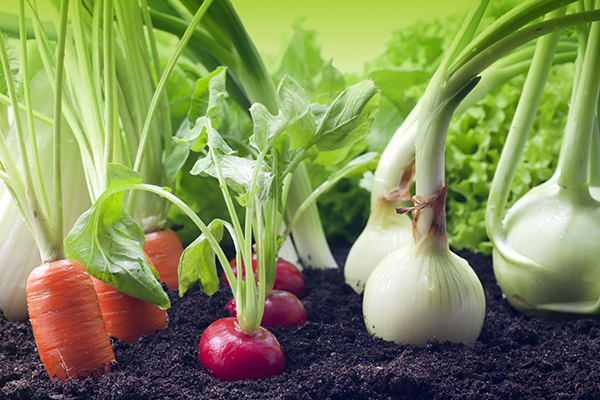
Organic gardening means you grow food without synthetic fertilizers or pesticides. You focus on soil life, compost, crop rotation, mulch, and natural pest control. The goal is a living system that feeds itself and stays in balance.
Why this matters for flavor, health, and the planet:
- Better taste and texture because plants grow slower and stronger.
- Fewer residues on food you feed your family.
- Healthier soil that holds water, cuts erosion, and supports bees and birds.
If you ask how to grow organic vegetables, start by thinking like a soil steward. Healthy soil grows healthy plants, and healthy plants fight pests and stress better.
Planning Your Organic Vegetable Garden
Success begins before you plant. Good planning saves time, money, and stress later.
Site and sunlight
- Pick a spot with at least 6 to 8 hours of direct sun.
- Make sure water is close. You will water often in summer.
- Check wind and shade from trees, fences, and buildings.
Space and layout
- Use raised beds or ground beds you can reach from both sides.
- Keep paths wide enough to avoid stepping on soil.
- Start small. A 4×8 raised bed or a few big pots is plenty.
Crop choices for beginners
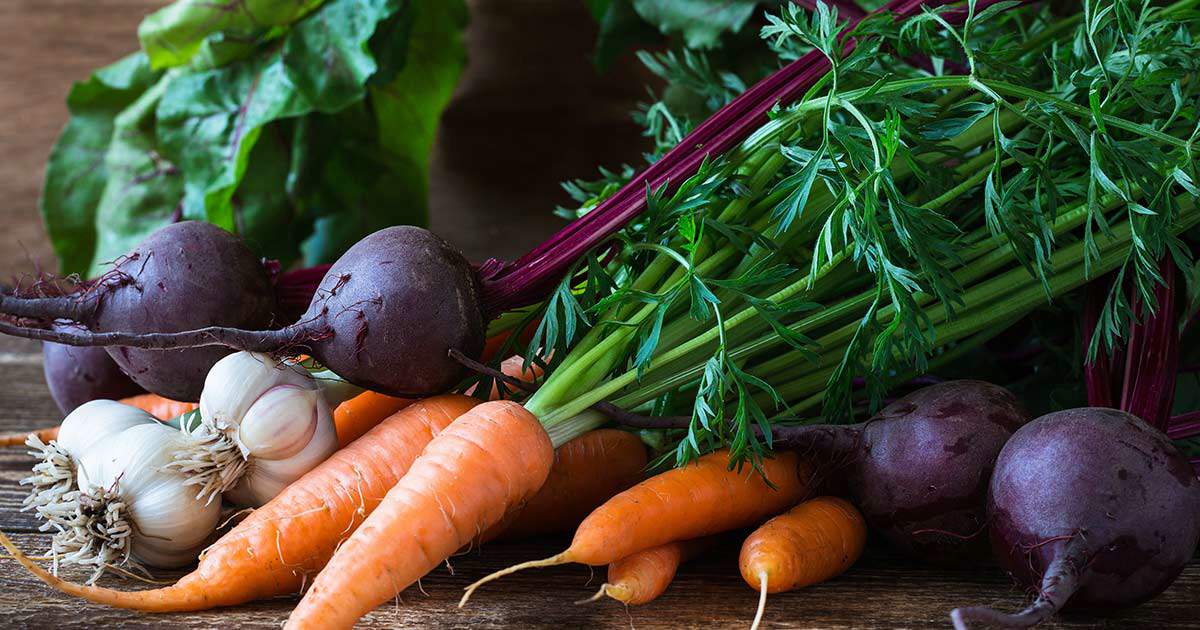
- Salad greens, kale, chard, bush beans, cherry tomatoes, peppers, cucumbers, zucchini, radishes, carrots, and common herbs.
- Choose disease-resistant and heat or cold-tolerant varieties for your zone.
- Mix fast crops like radishes with slow crops like tomatoes.
Timing and seasonal flow
- Look up your last spring frost and first fall frost dates.
- Use a simple calendar: sow cool crops early, warm crops after frost.
- Plan succession plantings every 2 to 3 weeks for steady harvests.
A quick personal note: my first season ran late because I tried too many crops. The fix was a short plan with 10 key plants and a clear calendar. That one change doubled my harvest. When you plan how to grow organic vegetables, less guesswork means more food.
Building Living Soil
Soil is the engine. Feed it and it will feed you.
Test and amend
- Do a soil test in early spring. Aim for pH 6.0 to 7.0 for most vegetables.
- Add finished compost to reach at least 5 percent organic matter over time.
Compost and mulch
- Spread 1 to 2 inches of compost on beds each season.
- Add 2 to 3 inches of organic mulch like straw or shredded leaves after the soil warms.
- Mulch keeps roots cool, saves water, and blocks weeds.
Low till, more life
- Avoid deep tilling. It breaks soil structure and harms microbes.
- Use a garden fork to loosen without flipping layers.
Soil boosters that work
- Worm castings for gentle, steady nutrients.
- Mycorrhizal inoculant at transplant time for stronger roots.
- Leaf mold or aged wood chips on paths to build fungal life.
To master how to grow organic vegetables, build soil first. One year I mulched my tomato bed with straw and leaf mold. The soil stayed cool during a heat wave. Cracks vanished, and yields jumped without extra fertilizer.

Seeds and Seedlings the Organic Way
Great crops start with great genetics and strong starts.
Choosing seeds
- Buy certified organic or untreated seeds. They fit organic rules and values.
- Heirlooms offer flavor and seed-saving. Hybrids bring vigor and disease resistance.
Starting seeds
- Use a clean seed-starting mix. Keep it moist, not soggy.
- Give seedlings strong light for 14 to 16 hours a day if indoors.
- Brush the tops with your hand or run a fan for sturdy stems.
Transplanting tips
- Harden off seedlings for 7 to 10 days outdoors before planting.
- Plant on a calm, cloudy day if you can. Water well at the base.
- Bury tomato stems deeper to root along the stem. Keep peppers at the same depth.
Direct sow vs. transplants
- Direct sow carrots, radishes, beans, peas, and corn.
- Transplant tomatoes, peppers, eggplant, and many greens.
If you want to know how to grow organic vegetables from seed, match each crop to the right method and timing. Strong starts mean fewer pests and faster harvests.

Watering, Mulching, and Smart Irrigation
Water deep and steady. Roots grow where water goes.
Water rules that work
- Most veggies need about 1 inch of water per week, more in heat.
- Water early in the morning to cut disease and loss to sun.
- Aim for the soil, not the leaves.
Irrigation options
- Use drip lines or soaker hoses for even, slow watering.
- Add a simple timer to avoid missed days.
- Store rainwater if your area allows it.
Mulch matters
- Use straw, shredded leaves, or grass clippings without herbicides.
- Keep mulch a little away from stems to prevent rot.
- Refresh as it breaks down to feed soil life.
If you garden in a dry area and wonder how to grow organic vegetables, drip plus mulch is the winning combo. In my hot summers, this pair cut my watering time in half and kept greens tender.

Natural Pest and Disease Management (IPM)
Think prevention first. Then act early and with care.
Strong basics
- Right plant, right place. Sun, water, and spacing stop many problems.
- Rotate crops by family each season to break pest and disease cycles.
- Clean tools and remove sick leaves. Do not compost diseased plants.
Scouting and allies
- Check plants a few times each week. Look under leaves.
- Welcome lady beetles, lacewings, and birds with flowers and water.
- Use row covers for brassicas and cucurbits to block egg-laying.
Targeted tools
- Hand-pick pests like caterpillars and squash bugs in the cool hours.
- Use insecticidal soap for soft-bodied pests like aphids.
- Use neem oil, Bt, or spinosad only when needed and choose OMRI-listed products.
Disease tips
- Water the soil, not foliage. Space plants for airflow.
- Mulch to avoid soil splash on leaves.
- Choose resistant varieties for blight, mildew, and wilt.
If you ask how to grow organic vegetables without harsh chemicals, the answer is simple steps, done often. One spring, aphids hit my kale. I rinsed them off, released beneficials, and fed the soil. A week later, the balance returned with no sprays.
Fertility the Organic Way
Feed the soil, not just the plant. Slow and steady wins.
Know your N-P-K
- Nitrogen grows leaves, phosphorus supports roots and blooms, potassium aids toughness and flavor.
- Most vegetables thrive with steady nitrogen early, then balanced feed.
Trusted amendments
- Compost and aged manure for broad nutrition.
- Alfalfa meal and feather meal for nitrogen.
- Bone meal or rock phosphate for phosphorus.
- Kelp meal and greensand for trace minerals.
Application tips
- Mix light doses into the top few inches before planting.
- Side-dress heavy feeders like corn and tomatoes mid-season.
- Do not overfeed. Too much nitrogen brings lush leaves but weak fruit.
If you wonder how to grow organic vegetables with rich taste, keep nutrients moderate and even. My best tomatoes came from compost, a little kelp, and good mulch, not big doses of quick feeds.

Seasonal Care, Succession, and Rotation
Keep your garden moving so beds never sit idle.
Succession planting
- Replant quick crops like lettuce and radishes every 2 to 3 weeks.
- After peas, follow with beans. After garlic, seed fall carrots or beets.
Rotation made simple
- Group by family: nightshades, brassicas, cucurbits, legumes, alliums, roots, and greens.
- Rotate each family to a new bed for 3 to 4 years if you can.
Season extension
- Use row covers, low tunnels, or cold frames to push your dates.
- Try heat-tolerant greens in summer and frost-tolerant greens in fall.
If you hope to learn how to grow organic vegetables year-round, plan the handoff from one crop to the next. A small plan on paper keeps beds full and soil fresh.
Harvesting and Post-Harvest Handling
Pick at the right time for peak flavor and shelf life.
Harvest timing
- Pick leafy greens early in the day when they are crisp.
- Harvest tomatoes with color and a gentle give. Cut cucumbers before seeds get big.
- Pull carrots and beets when roots reach the size you like.
Clean and store
- Rinse gently in cool water. Dry before storage to prevent rot.
- Store greens in sealed bags with a paper towel.
- Cure onions, garlic, and winter squash in a dry, airy place.
Part of how to grow organic vegetables is to handle them with care at harvest. A clean cut and quick cool-down can add days to storage.
Common Mistakes to Avoid and Pro Tips
I have made them all. Here is how to skip the pain.
Mistakes to avoid
- Starting too big and burning out by midsummer.
- Crowding plants, which invites pests and mildew.
- Overwatering and starving roots of air.
- Skipping a soil test and guessing at pH and nutrients.
- Ignoring sun and wind when you choose a spot.
Pro tips that pay off
- Do a five-minute daily walk. Small fixes stop big problems.
- Interplant flowers like calendula, nasturtium, and dill to draw pollinators and allies.
- Keep a garden journal for dates, wins, and flops.
- Save seeds from easy crops like bush beans and basil.
These lessons shaped how to grow organic vegetables in my yard. Small, steady habits beat big weekend pushes.
Budget and Tools for an Organic Starter Garden
You do not need fancy gear to grow great food.
Starter tools
- A hand trowel, a hoe, and a digging fork.
- Bypass pruners, sturdy gloves, and a watering can or hose with a wand.
- A rake and a wheelbarrow if you have space.
Money savers
- Make compost from kitchen scraps and leaves.
- Swap seeds with friends and reuse clean containers.
- Build beds from untreated lumber or use fabric grow bags.
- Set up a simple drip system with a timer for less than a few takeout meals.
If you are learning how to grow organic vegetables on a budget, spend on soil first. Compost and mulch give the best return by far.
Frequently Asked Questions of how to grow organic vegetables
What is the easiest way to start if I am new?
Start small with one or two beds or a few large pots. Pick five to ten reliable crops, add compost, and focus on steady watering.
Can I learn how to grow organic vegetables in containers?
Yes. Use 5 to 20 gallon pots with drainage, fill with quality mix and compost, and water often. Choose compact varieties like bush tomatoes, peppers, greens, and herbs.
How do I fertilize organically without overdoing it?
Feed with compost and a light organic blend at planting, then side-dress mid-season. Watch your plants; dark, lush leaves with no fruit mean you should slow the nitrogen.
What can I use for pests that is still organic?
Start with hand-picking, row covers, and strong airflow. If needed, use OMRI-listed products like insecticidal soap, neem oil, or Bt, and apply at dusk to protect pollinators.
How often should I water my vegetable garden?
Most gardens need about 1 inch per week, more in heat or wind. Use drip or soaker hoses and mulch to keep moisture even.
What soil pH is best for vegetables?
Most vegetables like a pH between 6.0 and 7.0. Test every year or two and adjust with lime to raise pH or sulfur to lower it.
Can I plant the same crop in the same spot each year?
It is better to rotate by family every year. Rotation cuts pest and disease pressure and balances nutrients.
Conclusion
You now have a clear path for how to grow organic vegetables with simple steps that work. Plan a small space, build living soil, water with care, prevent pests, and harvest with respect. That is the whole game.
Pick one bed, one weekend, and one set of seeds. Plant, observe, and adjust. Your future self will thank you for each fresh salad and sun-warm tomato. Ready for the next step? Subscribe for weekly tips, ask a question in the comments, or share your first harvest photo.

I enjoy sharing simple gardening ideas, lawn care tips, and honest product reviews that help make outdoor work easier. From home gardening guides to helpful tools and lawn care advice, I write easy-to-follow content to help readers create a healthier and better-looking outdoor space without wasting time or money.