
As an Amazon Associate, I earn from qualifying purchases.
Sow quality seeds in light mix, give bright light, steady warmth, and patience.
If you want a lush, productive garden, learning how to grow vegetables from seeds is the smartest move you can make. I’ve started thousands of seedlings at home and in community plots, and this guide distills what works. You’ll learn how to grow vegetables from seeds with simple steps, proven tips, and clear fixes that save time, money, and stress. Stick with me, and you’ll raise strong plants from day one.
:strip_icc()/101671047-edefe0bf4dda429b9d0836a0185940fb.jpg)
Why start from seed? Benefits and limits
Growing from seed gives you choice, savings, and control. You can pick rare flavors, bright colors, and the exact harvest time you want. You also start with clean soil and set your own care routine.
There are limits. Seedlings need light, warmth, and daily checks. Some crops take longer or prefer direct sowing. Still, if you want to master how to grow vegetables from seeds, the payoff is huge.
Key benefits:
- Big variety and better taste
- Lower cost per plant
- Strong roots and easy hardening off
- Perfect timing for your zone
Common limits:
- Needs space and steady light
- Takes daily water checks
- Transplant shock if rushed

Plan your garden and pick the right seeds
Start with your frost dates and hardiness zone. Mark your last spring frost and first fall frost. These dates guide when to start seeds indoors or sow outside.
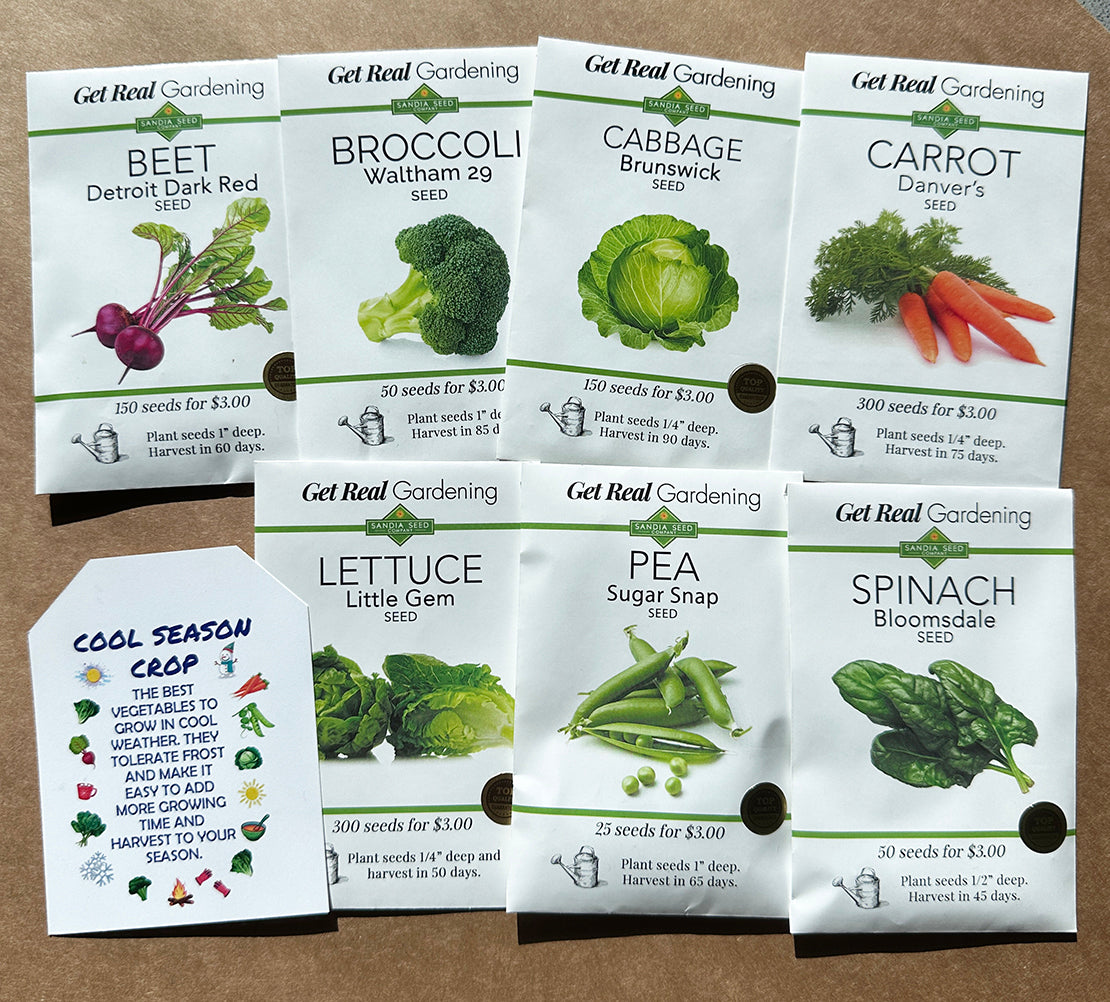
Choose seeds that match your season. Cool season crops like lettuce, kale, peas, and radish like cooler soil. Warm season crops like tomato, pepper, cucumber, and squash need heat. Read the packet. It tells sowing depth, spacing, and days to maturity.
Smart planning steps:
- List what you eat most.
- Check days to maturity vs your season length.
- Pick disease resistance when possible.
- Buy fresh seed from trusted brands.
This planning phase is where how to grow vegetables from seeds turns from guesswork into a smooth system.

Start seeds indoors step by step
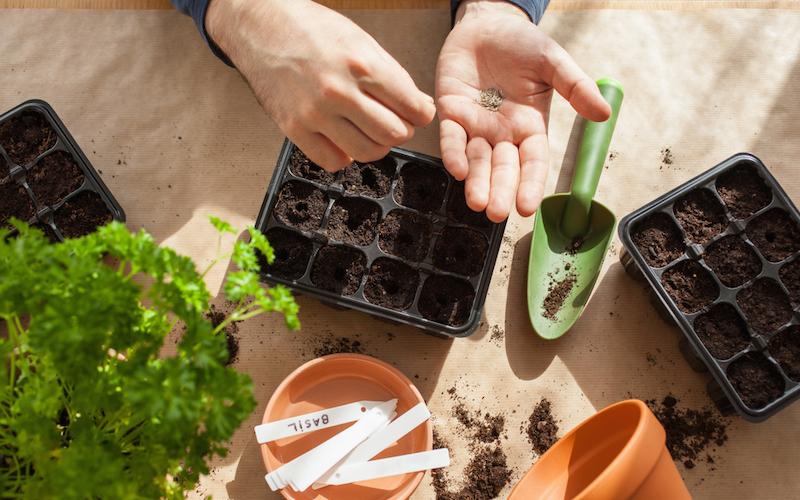
If your season is short or you want a head start, begin indoors. The goal is simple. Give seeds air, light, warmth, and gentle moisture in a clean medium.
Supplies
- Seed starting trays or small pots with drainage
- Clear dome or plastic wrap for humidity
- Seed starting mix, not garden soil
- Labels and a marker
- LED grow light or a bright south window
- Heat mat for warm crops
Sowing and depth
- Moisten the mix so it feels like a wrung-out sponge.
- Fill trays, tap to settle, and level the top.
- Sow at the depth on the packet. A rule that works is two to three times the seed width.
- Cover with a thin layer of mix or vermiculite. Label each cell.
Light and temperature
- Most seeds sprout best at 70 to 85°F. Peppers and eggplants like the high end.
- Give 14 to 16 hours of bright light each day after sprout.
- Keep the light close, about 2 to 4 inches above leaves, and raise as plants grow.
Water and air
- Use a fine spray or bottom water so seeds do not wash away.
- Keep moist, not soaked. A dome helps until you see sprouts.
- Add a small fan on low to reduce disease and build strong stems.
Label and track
- Note the sow date and variety on every tray.
- Track germination days and first true leaves. This record will sharpen how to grow vegetables from seeds every season.
Germination and early growth troubleshooting
Seedlings talk. You just need to read the signs. Slow sprout can mean cool soil or old seed. A weak, tall stem means not enough light. A fuzzy white stem that falls over is damping-off, a common disease in wet, still air.
Quick fixes:
- No sprout in two weeks: warm the tray and check seed age with a germination test.
- Tall and pale: lower the light and add more hours.
- Damping-off: improve airflow, remove the dome after sprout, and water less often.
- Purple leaves: often cool temps or low phosphorus. Warm the room and feed lightly.
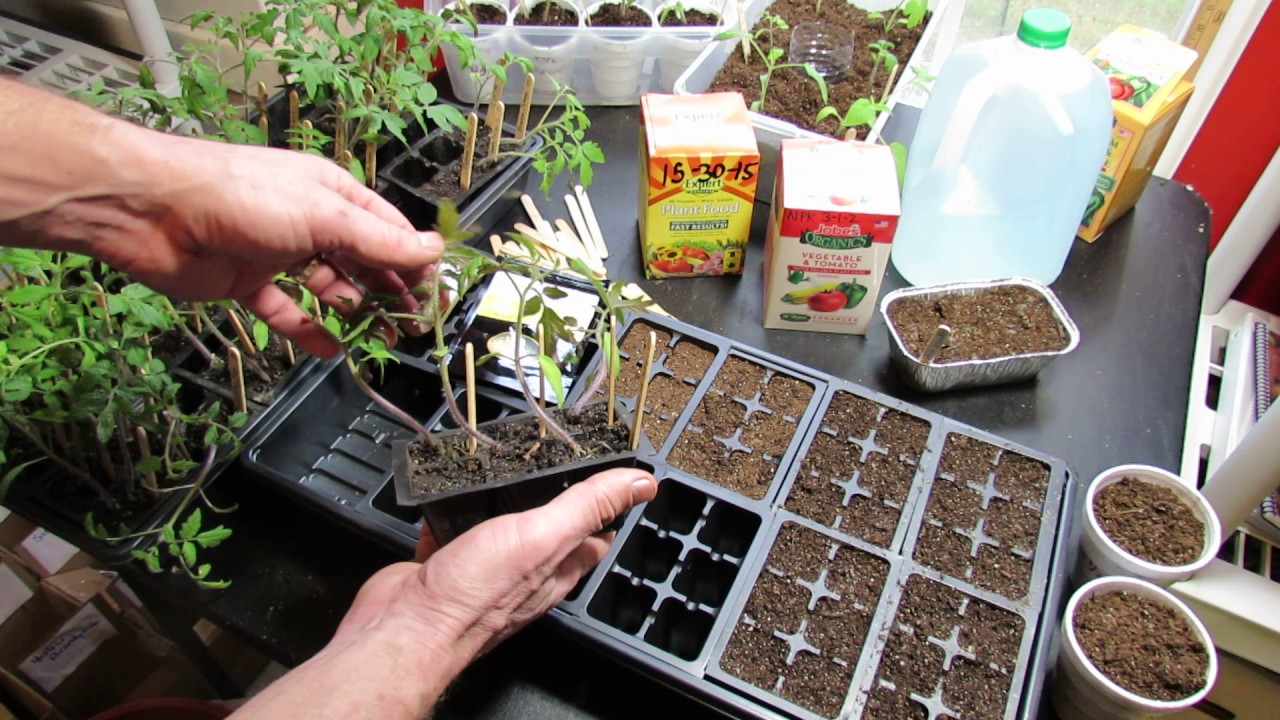
Use a balanced liquid feed at quarter strength once the first true leaves appear. This small step can double your success with how to grow vegetables from seeds.

Hardening off and transplanting outdoors
Hardening off is how seedlings learn wind, sun, and swings in temp. It takes 7 to 10 days. This step cuts transplant shock.
Simple schedule:
- Day 1 to 2: Shade outdoors for 2 hours, no wind.
- Day 3 to 4: Bright shade or morning sun for 3 to 4 hours.
- Day 5 to 6: Add afternoon sun, watch leaves.
- Day 7 to 8: Leave out most of the day.
- Day 9 to 10: Overnight if temps are safe.
Transplant on a mild, cloudy day. Water the hole first. Set plants at the same depth, except tomatoes, which can be planted deeper to form roots on the buried stem. Water well, then mulch. This is the moment where how to grow vegetables from seeds becomes real food in your soil.
Direct sowing in the garden
Some veggies hate transplanting. Root crops and fast greens do best when sown in place. Think carrots, beets, radishes, peas, beans, spinach, and arugula.
Direct sow steps:
- Rake a fine seed bed. Remove clumps and stones.
- Water the row before sowing in dry weather.
- Sow at the packet rate. Cover to the right depth.
- Keep the top inch of soil moist until sprout. Use light mulch or a board to hold moisture, then remove at sprout.
Cool season sowing: Soil temps of 40 to 60°F work for peas, spinach, and lettuce.
Warm season sowing: Wait for 65 to 70°F soil for beans, corn, and squash. If you ask how to grow vegetables from seeds with less fuss, direct sowing these crops is the answer.
Care after planting
Good care is steady and simple. Aim for even moisture, gentle feeding, and clean beds.
Core tasks:
- Water: Deep and rare beats shallow and often. Use drip or a soaker hose.
- Mulch: Add 2 to 3 inches of straw, leaves, or chips to hold water and stop weeds.
- Feed: Mix compost into beds before planting. Then feed with a mild organic liquid every 2 to 4 weeks for heavy feeders.
- Support: Stake tomatoes, trellis cucumbers and peas, and cage peppers to keep fruit clean.
- Thin: Remove extras to the packet spacing. Crowded plants stay small.
These habits are the backbone of how to grow vegetables from seeds that turn into big, healthy harvests.
Pests, diseases, and safe control
Prevention beats cure. Healthy soil and airflow stop many problems. Scout often so you act fast.
Simple rules that work:
- Rotate families each year to cut disease.
- Water soil, not leaves, to avoid leaf spots.
- Space and prune for airflow.
- Hand-pick pests in the cool morning.
- Use row covers to block beetles and moths.
- Try soap spray or neem for soft-bodied pests if needed.
If blight or mildew shows up, remove sick leaves and clean tools. Many extension trials show that steady spacing and dry leaves reduce disease more than sprays. That is practical science you can trust.

Timing and simple seed-start calendar
Use your last spring frost as the anchor. Count backward from transplant dates on the packet.
Typical indoor start times:
- Onions, leeks, celery: 10 to 12 weeks before last frost
- Peppers, eggplants: 8 to 10 weeks before last frost
- Tomatoes: 6 to 8 weeks before last frost
- Brassicas like cabbage, broccoli: 4 to 6 weeks before last frost
- Herbs like basil: 4 to 6 weeks before last frost
Typical direct sow times:
- Peas, spinach, radish: 4 to 6 weeks before last frost
- Carrots, beets: 2 to 4 weeks before last frost
- Beans, corn, squash, cucumbers: after frost when soil is warm
Pin this to your fridge. It keeps how to grow vegetables from seeds on schedule.
Mistakes to avoid and pro tips from experience
I have made them all at least once. Here is what I changed.
Avoid these:
- Overwatering in trays. Seeds need air too.
- Skipping light. A window alone often is not enough.
- Rushing hardening off. It takes a week. It is worth it.
- Planting too deep. Many seeds need light to sprout.
Pro tips that boost success:
- Pre-moisten mix evenly. Dry pockets stop roots.
- Warm the soil with a heat mat for peppers and tomatoes.
- Brush the tops of seedlings with your hand daily. It mimics wind and makes strong stems.
- Bottom water, then drain. Roots grow down to chase water.
- Keep a simple log. This is how to grow vegetables from seeds better every year.
Once, I doubled my pepper germination by raising the mat from 75°F to 85°F. Small tweaks can change your whole season.
Harvest, save seeds, and plan ahead
Harvest in the cool morning. Use clean shears. Keep greens crisp by chilling fast. Pick often to keep plants producing.
Seed saving is simple for open-pollinated types like many tomatoes and beans. Let pods or fruits mature fully. Dry seeds well, label, and store cool and dry. Note that hybrids do not grow true next season.
Close your season with notes. What worked, what did not, and what to try next. This is the loop that makes how to grow vegetables from seeds a skill you own for life.
Frequently Asked Questions of how to grow vegetables from seeds
How deep should I plant seeds?
Most seeds go two to three times their width deep. Tiny seeds like lettuce need only a dusting of mix and light to sprout.
Do I need a grow light?
If your window is weak, yes. A simple LED shop light 2 to 4 inches above plants prevents tall, weak stems.
When do I feed seedlings?
Start once true leaves appear. Use a balanced liquid at quarter strength every one to two weeks.
How do I prevent damping-off disease?
Use clean trays, fresh mix, and airflow. Remove humidity domes after sprouts appear and avoid soggy soil.
What is hardening off and why does it matter?
It is the gradual move from indoors to outdoors. It prevents shock and helps seedlings handle sun, wind, and cool nights.
Conclusion
Starting from seed lets you grow more varieties, save money, and harvest better flavor. With a clear plan, steady light, warm soil, and careful hardening off, you can master how to grow vegetables from seeds and enjoy strong, productive plants. Small, daily habits make the biggest difference.
Set one goal today. Pick two crops, gather supplies, and mark your frost dates. Then start. If this guide helped, subscribe for more tips, share it with a garden friend, or drop your seed-start wins and woes in the comments.

I enjoy sharing simple gardening ideas, lawn care tips, and honest product reviews that help make outdoor work easier. From home gardening guides to helpful tools and lawn care advice, I write easy-to-follow content to help readers create a healthier and better-looking outdoor space without wasting time or money.