
As an Amazon Associate, I earn from qualifying purchases.
Are you struggling to grow grass on hard, stubborn dirt? You’re not alone.
Tough soil can make planting grass seed feel almost impossible. But what if you could turn that dry, cracked ground into a lush, green lawn? This guide will show you simple, proven steps to prepare your hard dirt and help your grass seeds take root and thrive.
Keep reading, and you’ll discover easy tricks that make a big difference—so your lawn can finally look the way you want.

Preparing Hard Dirt For Seeding
Preparing hard dirt for seeding is the first step to growing a healthy lawn. Hard soil stops grass seeds from growing well. It blocks water, air, and roots from spreading. Preparing the soil helps grass seeds get the right start. Follow these simple steps to ready your hard dirt.
Clearing Debris And Weeds
Start by removing rocks, sticks, and trash from the area. Clear away old grass and weeds that may block new seeds. Pull weeds by hand or use a garden hoe. A clean surface helps seeds touch the soil directly. This step improves seed contact and growth.
Loosening The Soil
Hard dirt needs to be soft for seeds to grow. Use a garden fork or tiller to break up the soil. Dig at least 3 inches deep to loosen the earth. This allows roots to spread easily. Loose soil also helps rain and air reach the seeds.
Improving Soil Quality
Hard dirt often lacks nutrients needed for grass. Add compost or organic matter to feed the soil. Mix it well into the loosened earth. This improves soil texture and water retention. Healthy soil gives your grass seeds the best chance to grow strong.
:max_bytes(150000):strip_icc()/how-to-plant-grass-seed-on-hard-dirt-7094099_tools-0af29692a744461aa5ac473ca7c163cd.jpg)
Choosing The Right Grass Seed
Choosing the right grass seed is key to growing a healthy lawn on hard dirt. Different seeds grow better in certain conditions. Picking the right one saves time and effort. It helps the grass take root and thrive in tough soil.
Selecting Seed For Your Climate
Grass grows best in climates that suit its type. Cool-season grasses do well in cold places. Warm-season grasses thrive in hot areas. Know your local weather before buying seed. This choice helps the grass survive heat, cold, and rain.
Picking Seed For Soil Type
Hard dirt can be dry or clay-like. Some grass seeds handle tough soil better than others. Seeds like fescue grow well in clay soil. Bermuda grass works in sandy or dry soil. Match seed type to your soil for strong growth.
Considering Seed Mixes
Seed mixes have different types of grass seeds. These mixes improve lawn strength and color. They also help grass resist pests and disease. Choose a mix designed for hard soil. It gives your lawn a better chance to grow thick and green.
Planting Grass Seed
Planting grass seed on hard dirt needs care and patience. The soil must be ready to hold seeds well. This step helps grass grow strong and green. Follow these simple steps to plant your grass seed correctly.
Spreading Seed Evenly
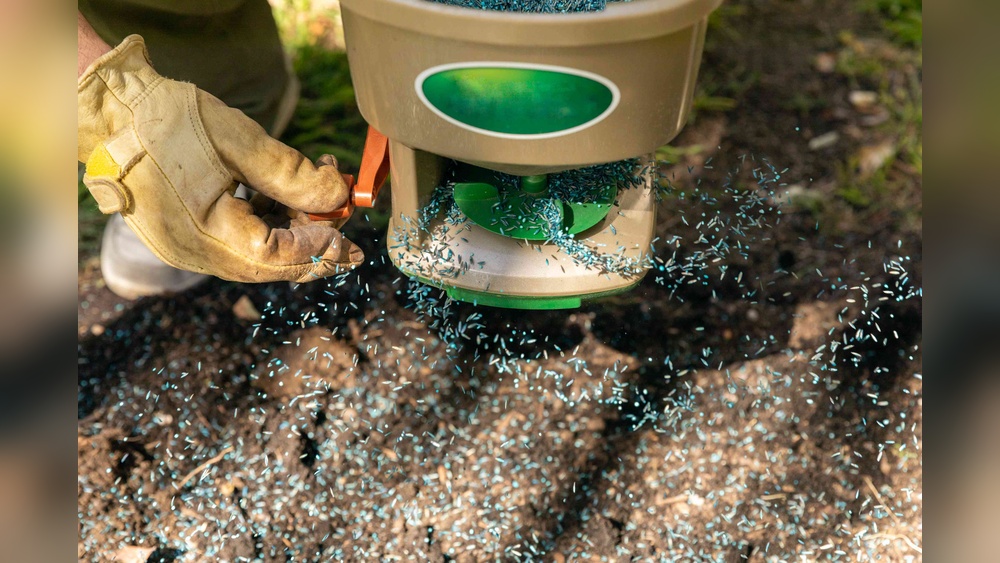
Spread seeds evenly over the hard dirt. Use your hand or a seed spreader for this. Avoid piling seeds in one spot. Even spreading helps grass grow uniformly. Take your time to cover the whole area.
Raking Seeds Into Soil
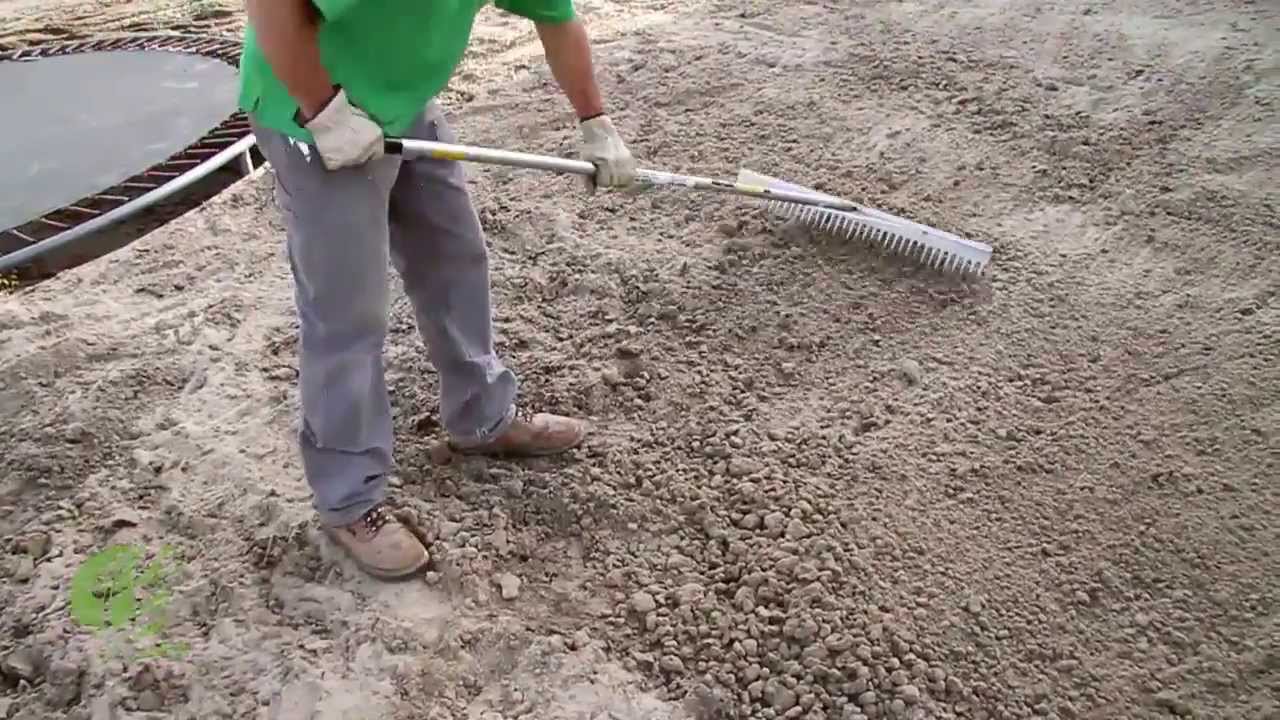
Gently rake the seeds into the soil surface. This helps seeds touch the dirt for better growth. Use a garden rake or a leaf rake with soft teeth. Do not dig too deep. Just enough to cover seeds slightly.
Adding A Thin Soil Layer
Cover the raked seeds with a thin soil layer. About a quarter inch works well. This protects seeds from wind and birds. Use fine soil or compost for this layer. It keeps moisture around seeds to help them sprout.
Watering And Caring For New Seed
Watering and caring for new grass seed is essential for healthy growth. Seeds need the right moisture to sprout and develop strong roots. Too much water can wash seeds away, while too little stops growth. Proper care helps your lawn grow thick and green.
Creating A Watering Schedule
Water the seeded area lightly but often. Aim for two to three times a day in small amounts. Early morning and late afternoon are best times. Keep soil moist but not soaked. As grass grows, reduce watering frequency and increase amount.
Protecting Seeds From Birds And Wind
Birds love fresh seeds and can eat them fast. Cover the area with light netting or straw. Wind can blow seeds away or dry soil quickly. Use mulch or a thin layer of soil to keep seeds in place. These steps protect seeds during early growth.
Monitoring Soil Moisture
Check soil daily by touching the surface. It should feel damp but not muddy. Use a small tool to see moisture deeper in soil. Dry soil means it’s time to water again. Consistent moisture helps seeds sprout evenly and strong.
Maintaining A Healthy Lawn
Maintaining a healthy lawn on hard dirt takes consistent care. Grass needs the right balance of nutrients, water, and trimming to grow strong. Small efforts make a big difference in the lawn’s appearance and health. Follow these tips to keep your grass lush and green over time.
Fertilizing Tips
Use a balanced fertilizer with nitrogen, phosphorus, and potassium. Apply it in early spring and late fall for best results. Avoid over-fertilizing, which can harm the grass and soil. Spread fertilizer evenly to help roots grow deep and strong. Water the lawn lightly after applying fertilizer to help absorption.
Mowing Guidelines
Keep grass at about 2.5 to 3 inches tall. Cutting too short stresses the grass and weakens roots. Mow regularly, but never remove more than one-third of the grass blade at once. Use sharp mower blades to avoid tearing the grass. Leave grass clippings on the lawn to add natural nutrients.
Dealing With Bare Spots
Identify bare spots early to prevent weeds from taking over. Loosen the soil gently before reseeding the area. Use the same grass seed type as your lawn for a uniform look. Water the spot daily until new grass grows. Cover seeds lightly with soil or mulch to protect them from birds and wind.
Frequently Asked Questions
How Do I Prepare Hard Dirt For Planting Grass Seed?
Loosen the soil with a rake or tiller. Remove rocks and debris. Add compost for better growth.
What Type Of Grass Seed Works Best On Hard Dirt?
Choose drought-tolerant or hardy grass seeds. Kentucky bluegrass or fescue handle tough soil well.
How Often Should I Water Grass Seed On Hard Dirt?
Water lightly twice daily. Keep soil moist but not soaked until grass sprouts.
Conclusion
Planting grass seed on hard dirt takes patience and care. Start by loosening the soil well. Add some topsoil or compost to help seeds grow. Water the area gently but often to keep soil moist. Avoid walking on the seeded ground to protect new sprouts.
Over time, you will see green grass begin to appear. Keep caring for your lawn, and it will fill in nicely. A healthy, green lawn is worth the effort and time. Keep these simple steps in mind for best results.