As an Amazon Associate, I earn from qualifying purchases.
To start a garden with no experience, choose a small sunny spot, grow a few easy plants, use suitable soil, water as needed, and check your plants often. Start small, learn from each mistake, and add more plants as your skills grow.
Across the United States, a garden can begin in a suburban backyard, a city apartment, a rented home, or a small patch beside a porch. You do not need a large yard, costly tools, or years of practice to get started. A few pots, a bag of suitable potting mix, and the right plants can give you a useful first step. The key is to match your garden to your space, local climate, and daily routine.
If you have never grown a plant before, gardening may seem like a long list of rules. In practice, most beginners need to learn just a few basics: how much sunlight a plant needs, how to keep its roots healthy, when to water, and when to harvest or prune. These skills grow through small, regular tasks. Think of your first garden as a learning space rather than a test you must pass.
This guide explains how to start a garden when you have no experience, from choosing a location to solving common problems. It also covers growing in pots, selecting beginner-friendly vegetables and herbs, and adapting your plan to the different climates found across the United States. You can begin with a modest budget and expand only when you feel ready.
The easiest garden to maintain is one that fits your space and goals. Before buying seeds or plants, decide whether you want fresh vegetables, cooking herbs, flowers, or a mix. A clear goal helps you avoid buying more plants than you can care for. It also makes it easier to choose the right location and supplies.
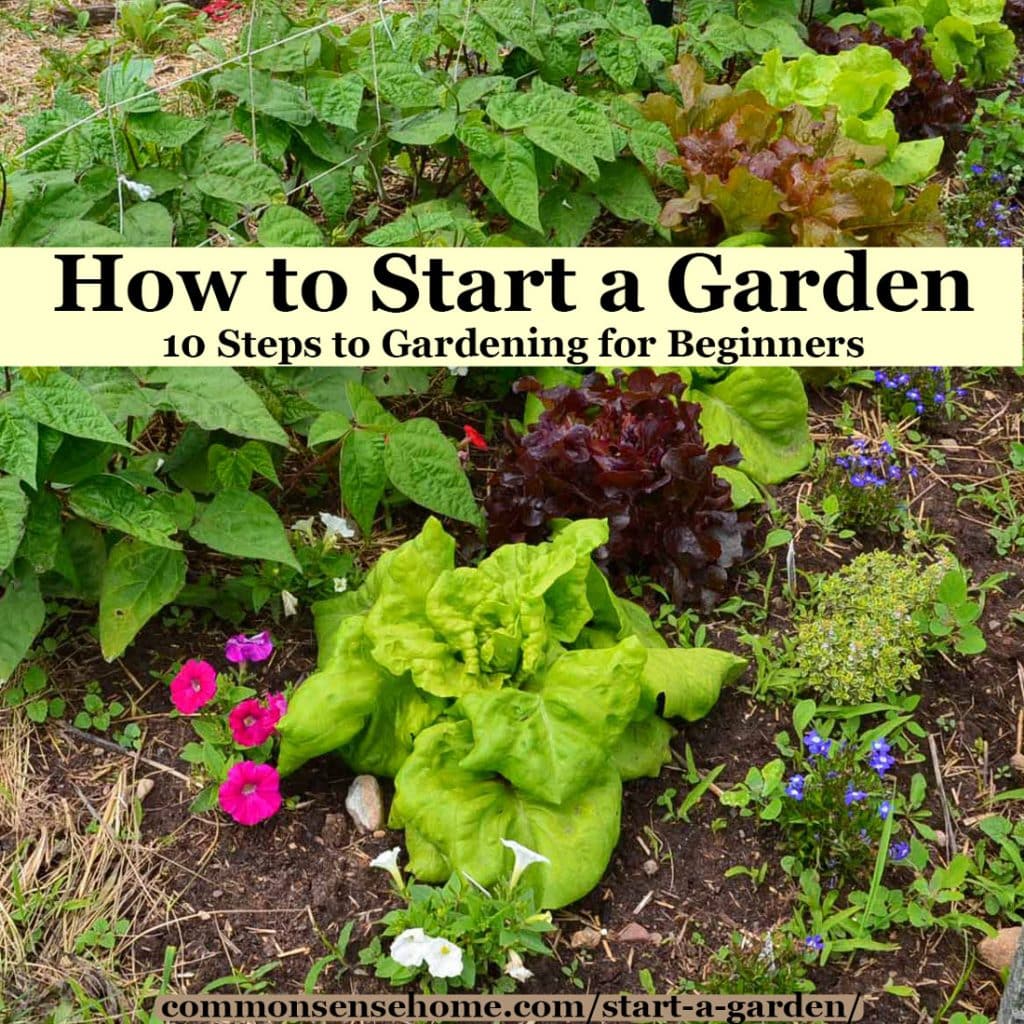
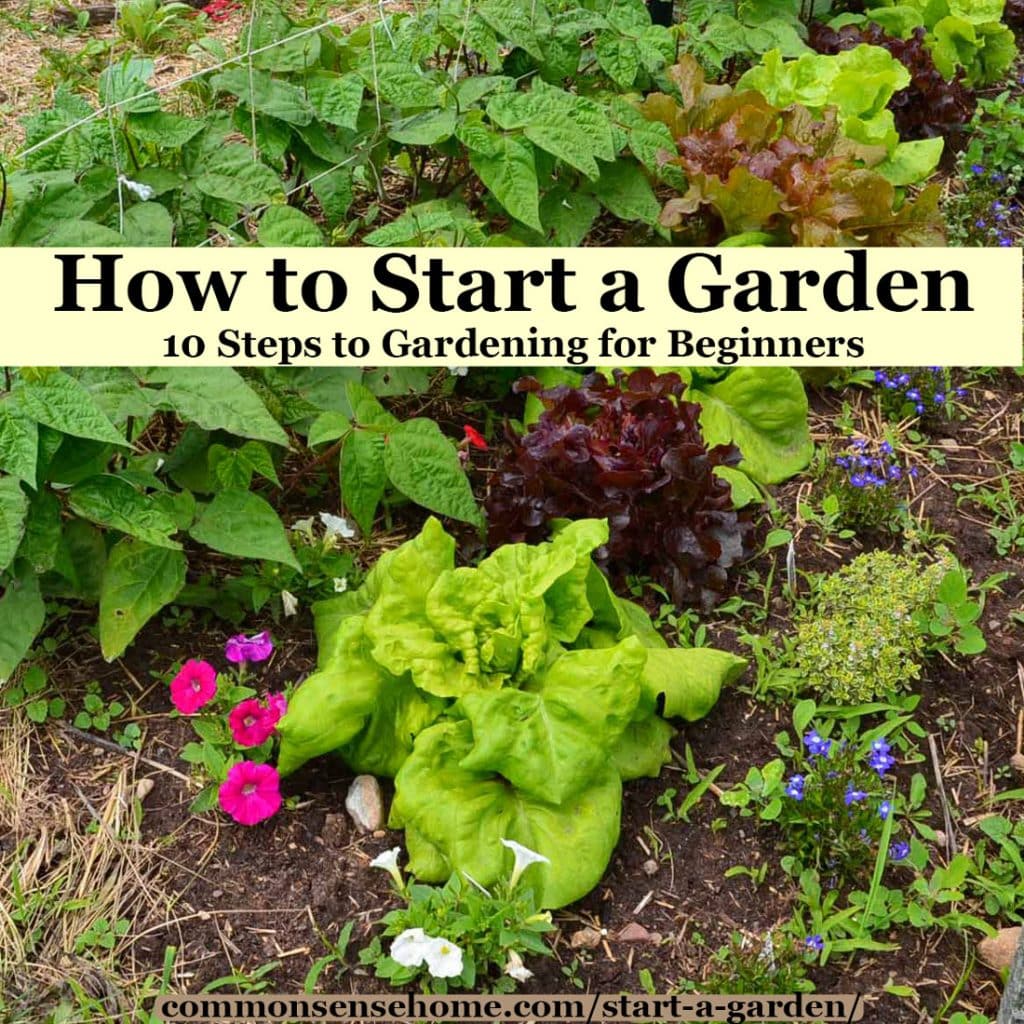
A vegetable garden can provide tomatoes, lettuce, radishes, or other crops for meals. An herb garden can start with basil, parsley, chives, or mint in separate containers. A flower garden may use easy annuals such as marigolds and zinnias, provided they suit your local climate and planting season.
Source: homegrown-garden.com
Vegetable garden
Choose this option if you want fresh food. Leaf lettuce, radishes, bush beans, and suitable compact tomato varieties can be good starting points when their sunlight and temperature needs are met.
Herb garden
Try basil, parsley, chives, or thyme. Check the light and moisture needs of each herb, and grow spreading herbs such as mint in their own pots.
Flower garden
Grow a few easy annual flowers for color. Select varieties that match your local season and the amount of sunlight your site receives.
Container garden
Use pots or planters when you have a balcony, patio, doorstep, or limited outdoor space. Containers must have drainage holes and enough room for mature roots.
How Small Should Your First Garden Be?
A small garden is usually the best place to begin. You might use two to four containers or one compact bed that is easy to reach from all sides. A modest garden lets you learn about watering, plant spacing, and pests without turning daily care into a large chore.
For example, you could grow one compact tomato plant, a pot of basil, and a container of leaf lettuce. This mix gives you different growing habits to observe. If the plants thrive and the routine feels easy, add another crop next season.
Set a simple goal
Choose three or four plants you would enjoy growing or eating rather than trying every crop at once.
Plan for your schedule
Pick plants you can check regularly. Containers may need more frequent watering than plants growing in the ground.
2. Find The Best Place For Your Garden
Choose a location based on sunlight, water access, drainage, and ease of care. Many popular vegetables need at least six to eight hours of direct sunlight each day, although leafy greens and some herbs can tolerate less. Spend a day observing your proposed site before planting anything.
Sunlight changes as the sun moves across the sky and as trees grow leaves. A spot that looks bright in the morning may sit in deep shade by afternoon. Check the area at different times, and count the hours when direct sunlight reaches the ground or containers.
Source: www.pinterest.com
Check Sunlight Before You Buy Plants
Most fruiting crops, including tomatoes, peppers, and cucumbers, perform best in full sun. Leaf lettuce and some other leafy crops can grow with less direct sun, particularly where summer afternoons are hot. Read the seed packet or plant label instead of assuming every vegetable needs the same light.
If you have only a shaded balcony, do not give up. You can try shade-tolerant foliage plants, some herbs, or leafy crops that suit the conditions. Your options will be narrower, but the right match can still make a useful garden.
Full sun
Often means at least six hours of direct sunlight daily. It suits many fruiting vegetables and sun-loving flowers.
Partial sun or partial shade
The exact definition varies by plant label. Look for varieties that tolerate the light available at your site.
Deep shade
Limits the vegetables and flowers that will grow well. Consider suitable foliage plants or choose a brighter location if possible.
Keep Water And Drainage In Mind
Place the garden where you can water it without dragging a heavy hose through your home or across a busy walkway. A convenient location makes it easier to notice wilting, pests, and weeds. It also reduces the chance that you will forget routine care.
Avoid spots where water remains pooled long after rain unless you are growing plants that tolerate wet soil. Many common garden plants need oxygen around their roots. Poor drainage can cause root damage even when the leaves look thirsty.
Choose easy access
Keep the garden close enough to reach with a watering can or hose.
Check drainage
Observe the site after rain. If water stays in place, consider a raised bed, a better-drained location, or an appropriate container.
Check local restrictions
If you rent or live in a community with shared outdoor areas, confirm the rules for planters, digging, and water use before building a garden.
3. Choose Plants That Are Easy For Beginners
Choose plants that grow well in your climate and fit the space you have. The best beginner plant is not always the most popular one. It is the plant whose needs you can meet with the light, temperature, soil, and time available to you.
Seeds often cost less and offer more variety, while nursery seedlings can make the first growing season easier. A seedling is a young plant that has already started growing. It can save time for crops that take longer to establish, although it still needs proper watering and light after planting.
Source: thegritandpolish.com
Beginner-Friendly Vegetables
Leaf lettuce, radishes, bush beans, and green onions can be useful first crops. Lettuce grows quickly in suitable cool weather, while radishes can mature in a relatively short period depending on the variety. Bush beans are compact and productive in warm conditions, and green onions can work well in containers.
Tomatoes are popular, but they need adequate sunlight, consistent moisture, and enough root space. If you want to grow tomatoes, consider a compact variety in a suitably large container or a prepared garden bed. Use a stake or cage if the variety needs support.
Leaf lettuce
Suitable for many cool-season gardens and containers. Protect it from excessive heat, which can make plants bolt and leaves taste bitter.
Radishes
Often ready in a few weeks under favorable conditions. Sow them at the depth and spacing listed on the packet.
Bush beans
Useful for sunny outdoor gardens in warm weather. Wait until frost danger has passed and the soil is warm enough for the selected variety.
Compact tomatoes
A good option for a sunny garden when you can provide a large enough container, drainage, and steady moisture.
Easy Herbs And Flowers
Herbs are useful because a small amount can add flavor to many meals. Basil grows well in warm, sunny conditions, while parsley and chives can suit a range of garden setups. Thyme generally prefers well-drained soil, so avoid keeping it constantly wet.
Marigolds and zinnias can add bright color to a sunny garden. Select varieties suited to your local growing season and follow the planting instructions on the seed packet. Flowers can also help you learn how to deadhead spent blooms, monitor pests, and notice changes in plant growth.
Basil
Prefers warm weather and ample light. Harvest a few leaves at a time and avoid stripping the plant bare.
Chives
Can grow in garden beds or containers. Trim leaves as needed and provide suitable light and drainage.
Marigolds
Often easy to grow in sunny sites. They still need suitable soil, water, and protection from conditions outside their tolerance.
Should You Start With Seeds Or Seedlings?
Use seeds when the crop is easy to sow directly or when you want a low-cost way to grow several plants. Lettuce, radishes, and beans are common examples, although the best method depends on your climate and the variety. Read the packet for planting depth, spacing, and temperature requirements.
Choose seedlings when you want a head start or when a crop benefits from being started indoors. Tomatoes and peppers are often sold as young plants. Before buying, look for sturdy stems, healthy leaves, and no obvious signs of insects or disease.
Seeds
Usually cost less per plant and provide variety. They require attention to planting depth, moisture, germination temperature, and spacing.
Seedlings
Can reduce the early waiting period. They need gradual adjustment to outdoor conditions when they have been grown indoors or in a protected greenhouse.
4. Understand Your Local Growing Season
Your local climate determines when to plant, which crops to choose, and how often to water. Gardening dates vary widely across the United States. A gardener in Minnesota may need to plan around a short frost-free season, while a gardener in Florida may grow some crops through much of the winter but struggle with intense summer heat.
The USDA Plant Hardiness Zone Map can help you understand the average annual extreme minimum winter temperature for your area. It is useful when selecting perennial plants, but it does not tell you everything about vegetable planting dates, summer heat, rainfall, or the risk of a late spring frost. Use local extension guidance and seed-packet information to make seasonal decisions.
Source: homesteadhow-to.com
Use Your ZIP Code And Local Gardening Guidance
Look up your location on the USDA Plant Hardiness Zone Map when choosing perennial flowers, shrubs, or fruit plants. Then check your state’s land-grant university extension service for local planting calendars and crop advice. These services often explain when to sow cool-season vegetables, when warm-season crops can go outdoors, and which pests commonly affect local gardens.
A planting calendar is a guide, not a guarantee. Actual conditions may shift from year to year, so check current weather forecasts before setting out frost-sensitive plants. Cold soil can delay germination, while extreme heat can damage young seedlings.
Cool-season crops
Lettuce, peas, and radishes generally prefer cooler conditions. Their planting windows depend on local temperatures and variety.
Warm-season crops
Tomatoes, peppers, cucumbers, and beans generally need warmer conditions. Follow local frost guidance and soil-temperature needs.
Perennial plants
Use hardiness information as a starting point, then check soil, moisture, sunlight, and heat tolerance.
Adjust Your Garden To Regional Conditions
In the Northeast and Midwest, many gardeners use spring and summer for vegetables, with cool-season crops planted again as fall approaches. In hot parts of the South and Southwest, the best planting windows may fall in spring, fall, or winter, depending on the crop and local heat. Coastal areas and higher elevations can have different conditions from nearby inland areas.
Do not assume that a planting date found online for another state will work in your yard. Use your local climate and actual weather as the guide. If you are unsure, begin with a small number of plants and keep notes about when they germinate, flower, and produce food.
Cold climates
Check frost dates and choose varieties that can mature within the available growing season.
Hot climates
Consider heat-tolerant varieties, suitable shade during harsh afternoon conditions, and planting windows that avoid extreme temperatures.
Dry climates
Use mulch where suitable, group plants with similar water needs, and check local water restrictions.
5. Prepare The Soil Before Planting
Healthy soil supports roots, holds water, and supplies nutrients. Before planting in the ground, remove weeds and debris, inspect drainage, and learn what kind of soil you have. Do not assume that dark soil is always healthy or that adding fertilizer will solve every growing problem.
Many common garden plants do well in soil that drains adequately and contains organic matter. A soil test can help identify pH and nutrient issues before you spend money on amendments. In the United States, your local cooperative extension service may offer soil testing or explain how to use an appropriate laboratory.
Source: simplymodernhomestead.com
Improve An Outdoor Garden Bed
Start by clearing grass and weeds from the area you plan to plant. Avoid digging when the soil is very wet because this can damage its structure. If the soil is compacted, work it only when conditions are suitable and avoid excessive tilling that can disrupt soil life and structure.
Compost can improve many soils by adding organic matter. Use finished compost from a reliable source, and avoid adding large amounts of fertilizer or lime without a reason. A soil test provides a better basis for deciding whether pH adjustments or particular nutrients are needed.
Remove competing weeds
Clear the planting area so young crops do not have to compete for light, water, and nutrients.
Add suitable organic matter
Use finished compost when appropriate for the soil and crop. Mix or apply it according to local gardening guidance.
Test when practical
A soil test can guide nutrient and pH decisions, especially before creating a larger bed or repeatedly adding amendments.
Use Potting Mix For Containers
Containers need a growing medium that drains well while holding enough moisture for plant roots. A commercial potting mix is usually a better starting point than ordinary garden soil because dense outdoor soil can compact in a pot and restrict drainage. Choose a mix suited to the type of plants you plan to grow.
Make sure each container has drainage holes. Put a saucer underneath if needed to protect the surface, but empty standing water when appropriate so the roots are not left in a pool. Use a pot large enough for the mature plant rather than choosing a tiny container simply because it fits the space.
Choose the right pot size
Check the plant label for mature size and container recommendations. Larger plants generally need more root space and water storage.
Confirm drainage
Water should be able to leave the bottom of the container. Blocked drainage can lead to waterlogged roots.
Do not reuse contaminated mix blindly
If an old container had serious root disease, pests, or salt buildup, clean the pot and replace the growing medium as appropriate.
6. Gather A Few Basic Gardening Tools
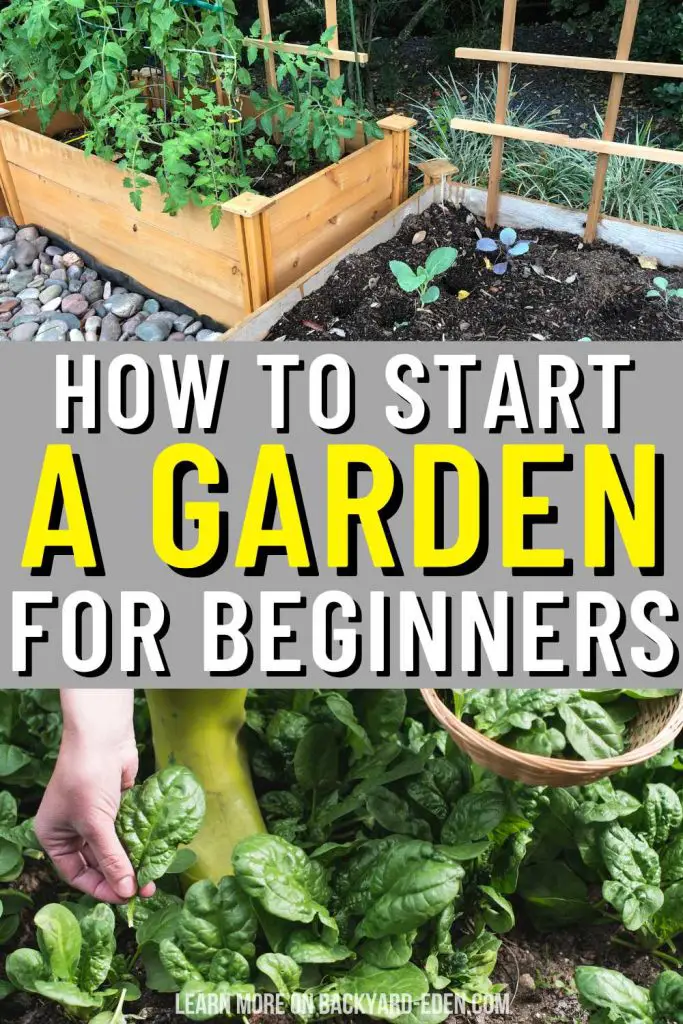
You can begin gardening without buying a large set of tools. The basic items are a way to water plants, a small hand trowel for planting, gloves if you prefer them, and containers or a suitable garden bed. Add more tools only when a clear need arises.
For a small container garden, a watering can and a hand trowel may be enough. For an outdoor bed, a sturdy digging tool can help with soil preparation, while a garden hose with a suitable nozzle can make watering easier. Choose tools that feel comfortable and are easy to clean and store.
Source: backyard-eden.com
Watering can or hose
Use a gentle flow that does not wash away seeds or expose young roots. A nozzle with adjustable flow can help.
Hand trowel
Useful for planting seedlings, making small holes, and moving potting mix.
Gloves
Optional for many tasks, but useful when handling rough plant material or working with soil that may irritate your skin.
Pruning snips
Helpful for harvesting herbs and trimming suitable stems. Keep blades clean and cut only where needed.
Labels and a notebook
Write down plant names and sowing dates. Notes help you learn which methods worked in your particular garden.
Keep Your First Garden Affordable
Reuse clean containers when they are suitable for growing plants and have drainage holes. Make sure any container used for edible crops is safe for that purpose and has not held hazardous chemicals. Avoid containers that may leach harmful substances into the growing medium.
Buy only enough seeds and soil for your first planting. A large bag of supplies may look economical, but unused material can be wasted if it is stored poorly or you change your plan. Start with the tools that directly support your chosen plants.
Reuse with care
Clean suitable pots and trays before planting. Check that materials are safe and drainage is adequate.
Buy in stages
Start with a few plants and add supplies as you learn what your garden needs.
7. Plant Seeds And Seedlings The Right Way
Follow the planting instructions for each crop because seeds differ in depth, spacing, and temperature needs. Planting too deeply can prevent some seeds from reaching the surface, while sowing too shallowly can leave them dry. Use the packet as your main guide rather than guessing.
For seedlings, prepare the soil or container before removing the plant from its nursery pot. Handle the root ball gently, place the plant at the depth recommended for that species, and firm the growing medium lightly around it. Water after planting to help settle the soil around the roots.
Source: multigardening.com
How To Sow Seeds
Moisten the growing medium before sowing if it is very dry. Make a shallow hole or row at the depth listed on the packet, place the seeds, and cover them lightly. Keep the medium evenly moist during germination without leaving it soaked.
Once seedlings emerge, give them the light they need and thin crowded plants according to the packet. Thinning means removing extra seedlings so the remaining plants have enough room to grow. It can feel wasteful at first, but overcrowded plants often compete for light, water, and nutrients.
Read the seed packet
Check sowing depth, spacing, germination temperature, expected time to sprout, and whether the crop should be started indoors or outdoors.
Keep moisture steady
Water gently so the seeds remain moist without being washed out or submerged.
Thin when needed
Follow the crop’s spacing guidance once seedlings are established.
How To Transplant Young Plants
If a seedling was grown indoors or in a greenhouse, it may need hardening off before moving outside. Hardening off means gradually exposing a young plant to outdoor sunlight, wind, and temperature changes over several days to about one or two weeks, depending on conditions and plant response.
Choose a mild time of day for transplanting when possible. Avoid exposing a tender plant to severe heat, strong wind, or frost immediately after planting. Keep the root zone moist while the plant settles in, but do not leave it waterlogged.
Prepare first
Have the hole, pot, or bed ready before taking the seedling out of its container.
Protect the roots
Hold the root ball rather than pulling hard on the stem.
Allow time to settle
Some temporary drooping may occur after transplanting. Watch for recovery and check moisture before adding more water.
8. Learn When And How To Water
Watering is one of the most important skills for a new gardener. Too little water can dry out roots and slow growth, while too much water can reduce oxygen around the roots and encourage root problems. The right amount depends on the plant, soil, weather, container size, and stage of growth.
Instead of following a fixed daily schedule, check the soil. Push a finger into the soil near the plant or check moisture a little below the surface. If the root zone is dry and the plant needs water, water slowly enough to moisten the root area without creating standing water.
Source: commonsensehome.com
How Often Should A Beginner Water A Garden?
There is no single watering schedule that works for every garden. Small containers may dry quickly on hot, windy days, while plants growing in deeper outdoor soil may hold moisture for longer. Newly planted seedlings often need closer checks until their roots establish.
Water in the morning when practical. This gives plants time to take up water before the hottest part of the day and can help keep foliage from remaining wet overnight. If a plant wilts during midday heat, check the soil before watering because temporary heat stress does not always mean the roots are dry.
Check the root zone
Do not judge moisture only by the surface. Soil may be dry on top while remaining damp lower down.
Water deeply when needed
Apply water slowly enough to reach the roots. The right depth depends on the plant and growing setup.
Adjust for weather
Check more often during heat, wind, and dry spells, and less often after useful rainfall.
Watch container drainage
Allow excess water to escape through drainage holes and avoid leaving roots in standing water.
Signs You May Be Watering Too Much Or Too Little
Dry soil, limp leaves, and poor growth can indicate a lack of water, but they can also result from damaged roots or excessive heat. Yellow leaves and persistently wet soil may suggest overwatering, though nutrient issues and other causes can produce similar signs. Check the soil and growing conditions before deciding what to change.
If you suspect a watering problem, make one careful adjustment and observe the plant. Adding more water to a plant whose roots are already waterlogged can make the problem worse. If the soil smells sour or roots are soft and dark, inspect drainage and consider whether root damage has occurred.
Dry root zone
Water the plant appropriately and check whether its leaves recover. Increase future checks if the site dries very quickly.
Wet soil for long periods
Pause unnecessary watering, clear blocked drainage, and check whether the container or bed is suitable for the plant.
Repeated midday wilting
Check soil moisture, heat exposure, and root health before changing the watering routine.
9. Feed Plants Without Overdoing It
Plants need nutrients to grow, but adding more fertilizer does not always produce better results. Too much fertilizer can damage roots, harm growth, or cause excess nutrients to enter nearby waterways. Begin by choosing an appropriate growing medium and learning what your plants require.
If you grow in containers, nutrients may become depleted more quickly because repeated watering can carry some of them out through drainage holes. Use a fertilizer labeled for the crop and growing setup, and follow its instructions. Do not combine products or increase the dose because a plant looks weak without first checking water, light, temperature, and root health.
Source: thehomesteadgarden.com
When Should You Add Compost Or Fertilizer?
Finished compost can improve soil structure and add organic matter. It is not a precise replacement for a soil test when you need to know the level of a specific nutrient or whether soil pH needs adjustment. For outdoor beds, testing can help prevent unnecessary additions.
Container plants may need a regular feeding plan, depending on the potting mix, plant, and fertilizer used. Some mixes contain an initial supply of nutrients, while others do not. Read the mix label and fertilizer directions so you know when feeding should begin.
Start with the growing medium
Use a suitable mix or prepared bed before adding extra products.
Follow the label
Use the stated rate and timing for the plant and growing method.
Check other causes first
Poor growth may result from insufficient light, temperature stress, pests, compacted soil, or incorrect watering rather than a lack of fertilizer.
10. Keep Weeds And Pests Under Control
Check your garden regularly so you can spot problems while they are small. Look at both sides of leaves, the soil surface, and the stems near the ground. A few minutes of observation can help you find weeds, holes in leaves, sticky residue, or signs of disease before the damage spreads.
Not every insect is harmful. Some insects visit flowers, eat pests, or help with pollination. Identify the problem before using a pesticide, and choose the least disruptive effective response. Follow all label instructions, including protective equipment, application limits, and restrictions around edible crops, children, and pets.
Source: thegritandpolish.com
Simple Ways To Reduce Weeds
Remove small weeds while their roots are easy to pull, taking care not to disturb nearby crop roots. A suitable layer of organic mulch can help suppress new weeds and reduce moisture loss. Keep mulch away from direct contact with plant stems where that could trap excess moisture or encourage rot.
Avoid letting weeds produce large amounts of seed. Remove them before they spread when practical, and do not place diseased or seed-filled weeds in a home compost pile unless the composting method reliably destroys the problem.
Inspect weekly
Check beds and pots for young weeds and remove them before they become established.
Use mulch where suitable
Apply an appropriate mulch around established plants while leaving room near stems.
Avoid unwanted herbicides
Do not use lawn weed killers or other herbicides near garden crops unless the label explicitly permits that use.
What To Do When You Find Garden Pests
First, identify the pest or likely cause of the damage. Small holes may come from caterpillars, beetles, slugs, or other organisms, and yellowing leaves can have several causes unrelated to insects. Take a clear photo and consult your local extension service if identification is difficult.
For a small infestation, hand removal, a stream of water, or removal of badly affected plant parts may be enough, depending on the pest. If a pesticide is needed, select one labeled for the plant and target pest. Never assume that a homemade mixture or an organic product is automatically safe for people, pets, beneficial insects, or edible crops.
Identify before treating
Look for the pest itself, its eggs, feeding patterns, or other clear signs.
Inspect nearby plants
Check whether the issue is isolated or spreading through the garden.
Follow pesticide directions
Use only products labeled for the intended crop and pest, and follow all harvest intervals and safety restrictions.
11. Track Growth And Know When To Harvest
A simple garden notebook can help you understand what works in your space. Record the plant name, planting date, hours of sunlight, watering changes, and any problems you notice. You do not need detailed scientific notes; a few useful observations are enough to guide your next decision.
Harvest time varies by crop and variety. Some leafy greens can be harvested a little at a time, while radishes and beans are generally picked when they reach the size or stage described for the variety. Tomatoes usually need to develop their expected mature color and texture, although the exact harvest stage depends on the type.
Source: homegrown-garden.com
How To Tell Whether Your Garden Is Doing Well
Look for steady new growth, healthy-looking leaves, and roots that have room to develop. A young plant may take time to settle after transplanting, so judge its progress over several days rather than reacting to every small change. Flowering and fruiting crops may also need time before they produce a harvest.
Success does not mean that every plant must thrive. If one crop fails, the others can still teach you about light, moisture, and planting conditions. Keep notes about what happened so you can change the timing, variety, or location next time.
Healthy new leaves
New growth is often a useful sign that the plant is settling in, provided it also receives suitable light and moisture.
Roots filling the space appropriately
A plant that becomes root-bound may need a larger container, while a plant in waterlogged soil may have damaged roots.
Harvest at the right stage
Use the seed packet or plant label to learn the expected harvest size, color, and timing.
Make A Simple Weekly Care Plan
Choose a regular time to inspect your plants, such as a morning before work or a weekend afternoon when the weather is mild. Check moisture, look for pests, remove small weeds, and see whether plants need support. Water only when conditions and plant needs call for it.
A weekly review is a useful starting point, not a reason to ignore plants between visits. During hot weather or the early stages of growth, you may need to check containers more often. Adjust your routine as you learn how quickly the soil dries and how each plant responds.
Check moisture
Look below the soil surface and adjust watering to the plant’s needs.
Inspect leaves and stems
Look for pests, new growth, discoloration, and signs of damage.
Record one useful lesson
Write down what worked or what you will change next week.
12. Common Beginner Gardening Mistakes To Avoid
Most first-time gardening problems come from a mismatch between the plant and its growing conditions. Beginners may choose plants that need more sunlight than the site provides, plant too closely, or water on a fixed schedule without checking the soil. These problems are common and often easier to correct when noticed early.
Try not to change several things at once when a plant struggles. Check the simplest causes first: sunlight, soil moisture, drainage, temperature, and spacing. If those conditions look suitable, investigate nutrient problems, pests, or disease.
Source: homesteadhow-to.com
Planting too much at once
A large garden can demand more time than expected. Start with a few crops and expand after you understand their care needs.
Ignoring plant labels
Seed packets and nursery labels provide useful details about spacing, light, water, planting depth, and expected maturity.
Overwatering
Wet soil can deprive roots of oxygen. Check moisture before watering and ensure that containers drain properly.
Crowding plants
Follow recommended spacing to reduce competition and improve airflow around leaves.
Adding fertilizer without a clear reason
Excess nutrients can damage plants or create environmental problems. Diagnose growing conditions first.
Expecting every plant to survive
Weather, pests, and other factors can cause losses. Use the experience to choose better varieties or improve the setup.
Growing unsuitable plants
A crop that needs full sun may struggle in a dark corner. Match the plant to your space instead of trying to force the conditions.
How To Troubleshoot A Struggling Plant
Start by checking soil moisture and drainage. If the soil is dry around the roots, water as needed; if it is persistently wet, pause unnecessary watering and improve drainage. Next, check whether the plant receives enough light and whether recent heat, cold, or wind could explain the symptoms.
Look closely for insects, eggs, leaf spots, or other signs of damage. Avoid applying several treatments at once because doing so can make the cause harder to identify. If a valuable plant continues to decline or the problem spreads, ask a local cooperative extension service for help identifying the cause.
Yellow leaves
Check moisture, light, root condition, and nutrient needs. Yellowing alone does not prove that a plant needs fertilizer.
No seed germination
Check planting depth, soil temperature, seed age, and moisture. Some seeds take longer than others to sprout.
Flowers without fruit
Check the crop’s temperature range, pollination needs, light, and watering. Heat stress can interfere with fruit set in some crops.
Slow growth
Check sunlight, spacing, root space, temperature, moisture, and soil conditions before adding fertilizer.
13. A Simple Four-Week Plan For Your First Garden
A four-week plan can turn a vague goal into a set of manageable tasks. The schedule below is a practical starting framework, not a guarantee that every plant will be ready to harvest within a month. Actual timing depends on your climate, crop, and whether you begin with seeds or seedlings.
If your local season is unsuitable for outdoor planting, use the first weeks to prepare containers, test your light, select suitable seeds, and start plants indoors when appropriate. Move plants outdoors only when their temperature needs and local weather allow it.
Source: backyard-eden.com
Week One: Plan And Prepare
Choose your garden type, observe sunlight, and identify the crops you want to grow. Check your local planting calendar and gather only the supplies you need. Prepare a container or small bed before buying more plants than the space can support.
Pick a site
Check sunlight, drainage, and access to water.
Choose a few crops
Select plants that suit your space and growing season.
Prepare the growing medium
Use a suitable potting mix or prepare the outdoor soil as needed.
Week Two: Plant And Water
Sow seeds or transplant seedlings according to the plant instructions. Water the root zone and check moisture regularly. Label your plants so you can keep track of their needs and progress.
Follow planting directions
Use the right depth, spacing, and temperature conditions.
Check plants daily at first
Look for dry soil, drooping leaves, or signs of transplant stress.
Week Three: Observe And Adjust
Look for new growth, check the soil, and remove small weeds. If seedlings emerge, thin them when the crop instructions call for it. If plants look weak, check the growing conditions before adding products.
Check light and moisture
Make sure plants receive suitable sunlight and are not staying too wet or becoming too dry.
Look for pests
Inspect leaves and stems and identify any damage before choosing a response.
Week Four: Review And Build A Routine
Review what has grown, what has struggled, and how much time care has taken. Some fast-growing crops may be approaching harvest, while others may still be developing. Keep tending the plants and use the results to improve your next planting.
Record what worked
Note successful crops, planting dates, sunlight, and watering needs.
Make one improvement
Adjust a container size, move a pot to a better-lit spot, or change your planting date next time.
14. Keep Your Garden Safe And Sustainable
A safe garden begins with clean tools, suitable growing materials, and careful handling of soil and plant treatments. Wear gloves when a task may irritate your skin, wash your hands after gardening, and keep tools out of the reach of children. Clean cutting tools between plants when disease may spread through contaminated blades.
If you are growing food, use containers and materials suitable for edible crops. Avoid planting directly in soil that may contain lead or other contaminants, especially near older painted structures, former industrial sites, or areas with an unknown land-use history. Consider testing the soil or using clean raised-bed soil and a suitable barrier when contamination is a concern.
You can also reduce waste by watering thoughtfully, choosing plants that suit your local climate, and using compost where appropriate. Follow local guidance for composting food scraps and garden waste, and do not compost diseased material or invasive weeds unless your method can safely manage them.
Source: simplymodernhomestead.com
Protect Children, Pets, And Pollinators
Keep fertilizers, pesticides, and sharp tools stored securely. Follow product labels and do not apply pesticides where children or pets may contact treated surfaces before the label permits it. Avoid spraying flowering plants when pollinators are active, and select lower-impact options when they can solve the identified problem.
Before choosing plants for a home with pets, check whether those species are toxic to animals that may chew the leaves or flowers. Plant safety depends on the species and the animal, so seek veterinary advice promptly if a pet may have eaten a harmful plant.
Store supplies securely
Keep chemicals, fertilizers, and sharp tools in their original or appropriate storage and away from children and pets.
Use products as labeled
Never exceed the dose or use a product on a crop or pest not listed on its label.
Check edible-garden soil
Investigate possible contamination before growing food directly in uncertain ground.
Frequently Asked Questions
Q
Can I Start A Garden If I Have No Experience?
Yes. Start with a small bed or a few containers, choose plants that suit your climate and sunlight, and learn basic watering and planting skills. You do not need special training to begin. A small garden lets you practice without taking on more work than you can manage.
Q
What Is The Easiest Plant To Grow For A Beginner?
Radishes, leaf lettuce, bush beans, and some herbs can be good beginner choices when the season and growing conditions suit them. Radishes often grow quickly, lettuce can provide leaves over time, and bush beans can produce well in warm, sunny weather. The easiest choice depends on your local climate, available sunlight, and the care you can provide.
Q
How Much Money Do I Need To Start A Garden?
You can begin with a modest budget if you start small and use suitable containers you already own. Your main costs may include seeds or seedlings, growing medium, a watering can, and a small hand tool. Prices vary by location and season, so plan around the plants and supplies you truly need rather than buying a complete tool set.
Q
Can I Start A Garden Without A Backyard?
Yes. A balcony, patio, sunny windowsill, or doorstep may support a small garden. Choose compact plants that match the available light and use containers with drainage holes. Before placing heavy pots on a balcony, check its load limits and any building rules.
Q
How Often Should I Water My First Garden?
Water when the root zone needs moisture rather than following a rigid daily schedule. Containers often dry faster than outdoor beds, especially during hot or windy weather. Check the soil below the surface and water thoroughly when needed, while allowing excess water to drain.
Q
Is It Better To Start A Garden With Seeds Or Plants?
Both options work. Seeds are often cheaper and suit crops such as radishes, lettuce, and beans, while seedlings can save time for crops such as tomatoes and peppers. Choose based on the crop, season, budget, and time you have available.
Q
What Should I Do If My Plants Start Turning Yellow?
Check soil moisture, drainage, sunlight, temperature, and root condition before adding fertilizer. Yellow leaves can result from overwatering, underwatering, nutrient problems, pests, or normal aging. Change one factor at a time and seek local extension guidance if the problem continues or spreads.
Q
When Is The Best Time To Start A Garden In The United States?
The best time depends on your state, local climate, crop, and whether you are planting indoors or outdoors. Cool-season crops often grow best in cooler weather, while tomatoes, peppers, and other warm-season crops need warmer conditions. Check local frost information, seed-packet directions, and your state’s cooperative extension planting calendar before planting.
✦ Wrapping Up
Conclusion
Learning how to start a garden when you have no experience begins with a few simple choices. Pick a manageable space, choose plants that fit your local conditions, prepare the soil or potting mix, and learn how to check moisture. You do not need to know every gardening rule before planting your first seed.
As your plants grow, pay attention to what they tell you. Healthy new leaves, steady growth, and a suitable level of soil moisture can help you judge whether your routine is working. When something goes wrong, check the basic growing conditions before spending money on treatments or replacing every plant.
Gardening across the United States involves many different seasons and climates, so use local guidance rather than copying planting dates from another region. Keep a short record of what you plant and what happens. Even a small garden can teach you useful skills and provide fresh herbs, vegetables, or flowers as you gain confidence.
💡 Key Takeaway
Today, choose one sunny or suitably lit location, select two or three beginner-friendly plants that match your local growing season, and prepare a container or small bed. Read each plant label, water according to soil moisture, and spend a few minutes observing your garden regularly. Learn one step at a time, and let your first garden be the start of a skill you can build for years.
I enjoy sharing simple gardening ideas, lawn care tips, and honest product reviews that help make outdoor work easier. From home gardening guides to helpful tools and lawn care advice, I write easy-to-follow content to help readers create a healthier and better-looking outdoor space without wasting time or money.