As an Amazon Associate, I earn from qualifying purchases.
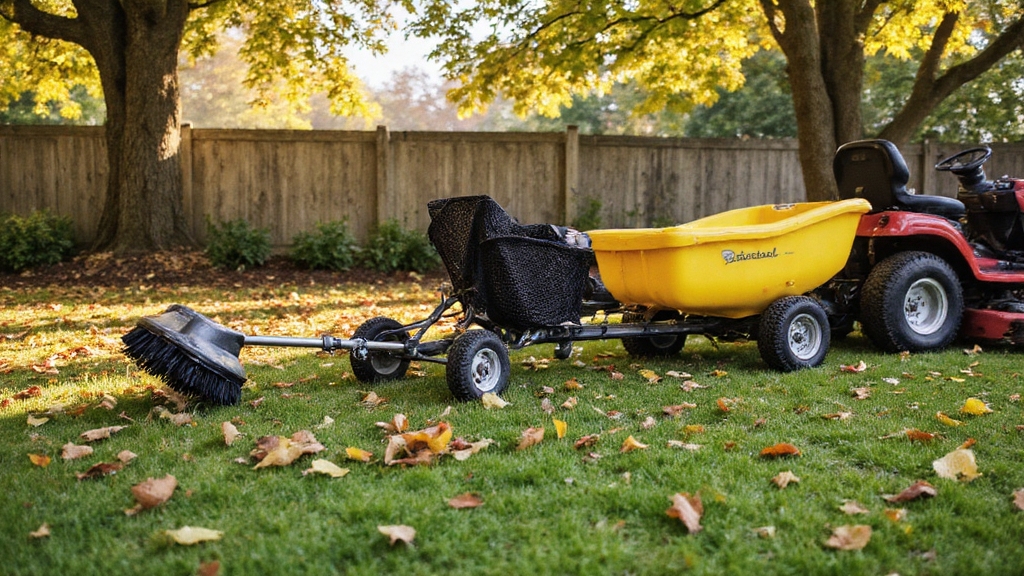
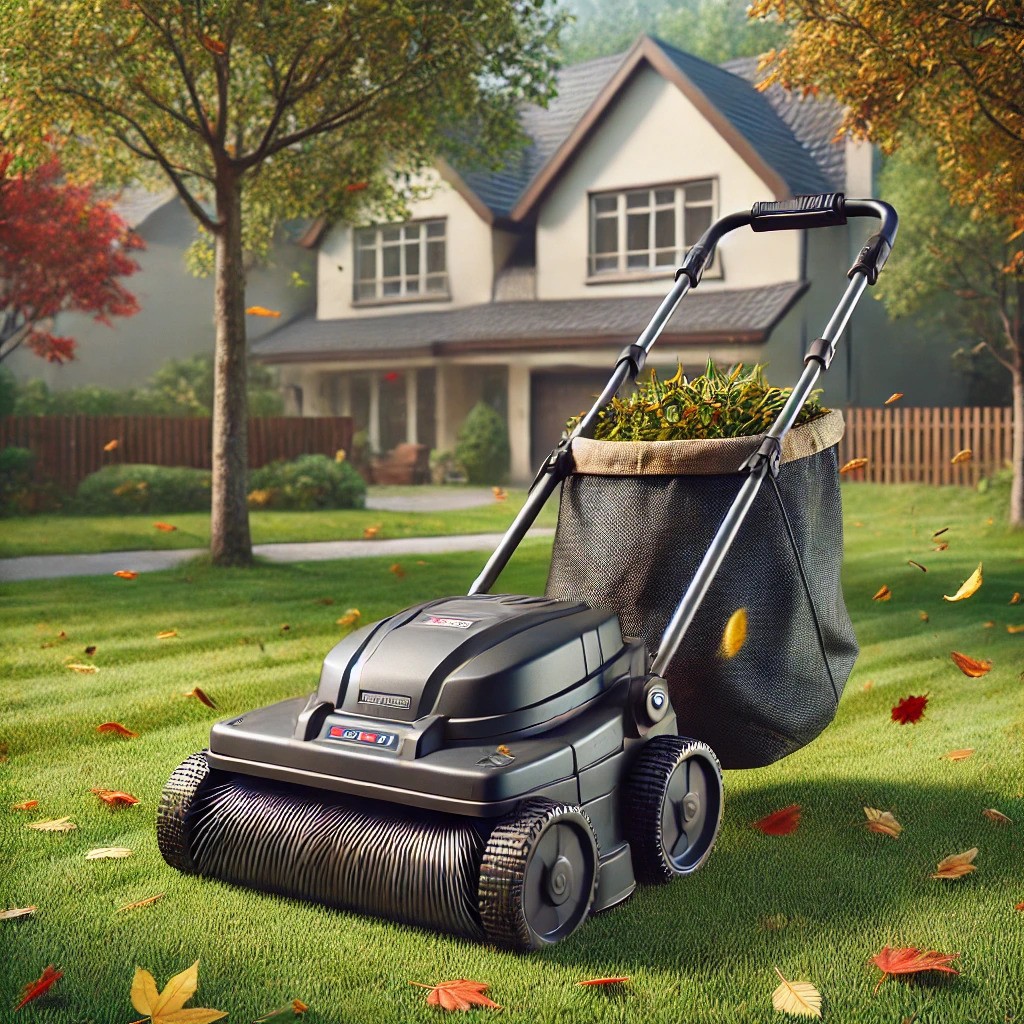
A lawn sweeper collects loose leaves, dry grass clippings, pine needles, small twigs, seed pods, and other light debris from lawns and some outdoor surfaces. It uses rotating brushes to lift material into a collection bag or hopper, helping you clean your yard without raking every area by hand.
Across the United States, yard cleanup changes with the seasons. Homeowners in New England may face piles of maple leaves in October, while people in the Southeast may deal with pine needles, oak leaves, and acorns. In the Midwest, summer mowing can leave grass clippings scattered across a lawn. A lawn sweeper can help with these common jobs when the debris is dry and the ground is suitable for sweeping.
The tool works best as a cleanup aid, not as a replacement for every lawn care tool. A push sweeper suits smaller yards and narrow spaces, while a tow-behind model can cover larger lawns when attached to a compatible riding mower or lawn tractor. The right choice depends on the debris, the size of your yard, and how often you need to collect waste.
Understanding lawn sweeper uses also helps you avoid common mistakes. Wet leaves, deep piles of sticks, stones, and heavy mud can clog brushes or damage parts. Knowing what a sweeper can collect, what it cannot handle, and how to use it safely makes yard cleanup easier and more effective.
A lawn sweeper is a yard-cleanup tool that gathers loose material from the ground with rotating brushes. As the wheels move, they turn the brush assembly, which lifts debris and directs it into a bag or hopper. You then empty the collected material into a yard-waste container, compost pile, or other suitable disposal area.
Unlike a lawn mower, a sweeper does not cut grass. Unlike a leaf blower, it does not push debris into a pile. Its main job is to pick up loose material and hold it in one place for easier disposal.
Most lawn sweepers fall into two groups: push models and tow-behind models. Some have adjustable brush heights, folding handles, or large collection hoppers. These features affect convenience, but the basic purpose remains the same: collect suitable debris without gathering large amounts by hand.
Source: vacuumcleanertips.com
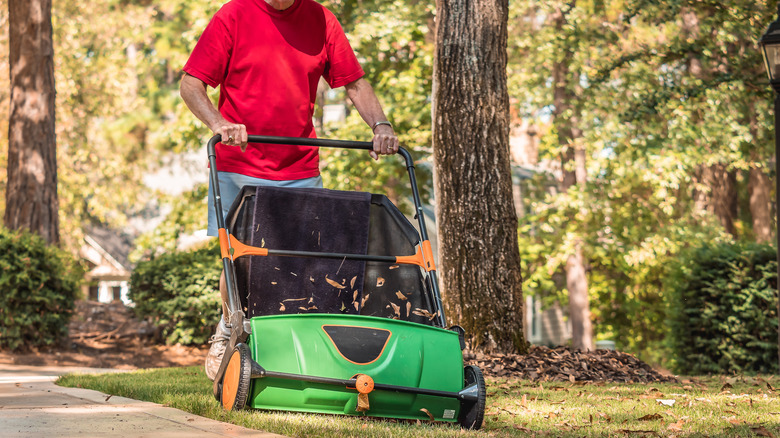
Push lawn sweeper
You walk behind the sweeper and guide it over the lawn. It is useful for small or medium yards, narrow routes, and areas where a riding mower would be awkward.
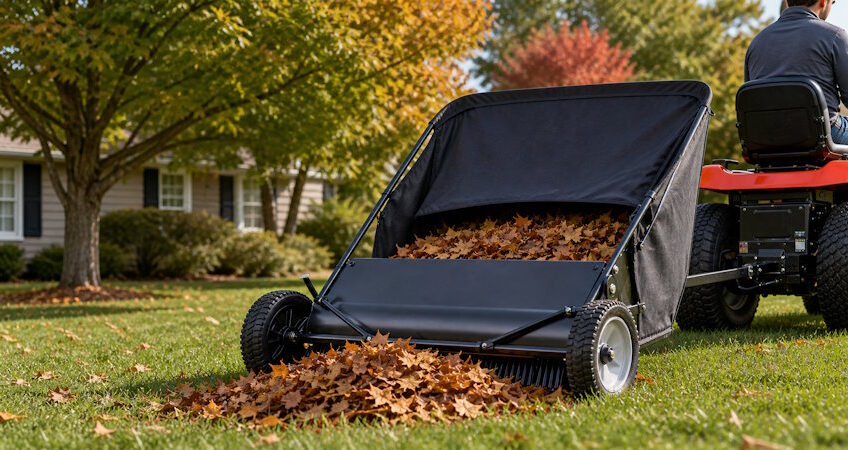
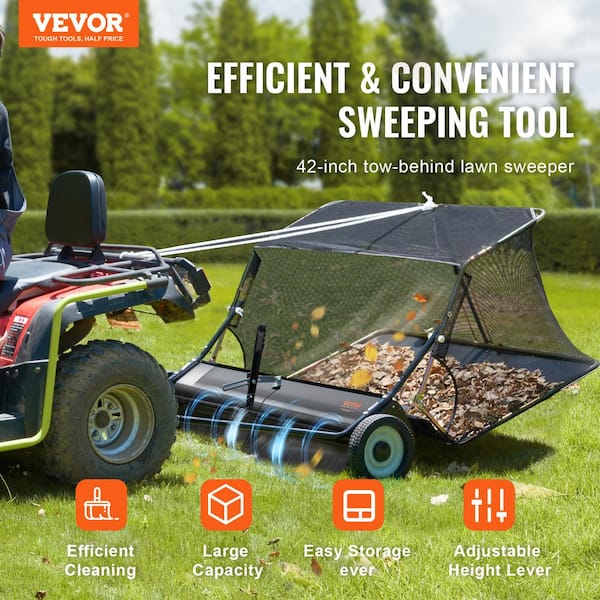
Tow-behind lawn sweeper
You attach the sweeper to a compatible riding mower or lawn tractor. It can cover large, open lawns with less walking, although turns, slopes, and tight spaces require care.
Collection hopper
The hopper stores leaves, clippings, and other collected material. Its capacity affects how often you must stop to empty it.
Why the Brush Design Matters
The brush assembly determines how well a sweeper lifts debris. Brush height, rotation speed, bristle condition, and contact with the ground all affect collection. If the brushes sit too high, they may leave debris behind. If they sit too low, they may drag through soil, wear quickly, or make the sweeper harder to move.
A sweeper also needs room to direct material into its hopper. Very long grass, thick layers of wet leaves, and tangled twigs can block this path. Adjust the brush height according to the manual, make a short test pass, and change the setting if the sweeper leaves a trail of debris.
Use a test pass
Sweep a small area before cleaning the entire yard. Check whether the brushes collect material without scraping the soil or turf.
Check the bristles
Worn, bent, or clogged bristles can reduce pickup. Remove tangled material only after stopping the equipment and following the manufacturer’s instructions.
1. Collecting Fallen Leaves From the Lawn
Collecting fallen leaves is one of the most common lawn sweeper uses. Trees across the United States shed leaves at different times, so a sweeper can be useful for routine cleanup in spring, summer, and fall. It is especially handy when scattered leaves cover a large, open lawn.
Dry leaves usually pass through the brushes more easily than damp ones. A light layer may need only one pass, while a thicker layer may require several passes or a preliminary rake. If leaves are packed into wet mats, wait for them to dry or loosen the material before sweeping.
Regular leaf removal helps keep the lawn from being covered by a thick, light-blocking layer. A few leaves scattered across healthy grass may not be a problem, but heavy layers can reduce light and trap moisture. A sweeper makes it easier to collect those leaves before they build up.
Source: thespruce.com
Best conditions
Dry leaves, a firm lawn, and a relatively even surface give the sweeper a better chance of collecting debris cleanly.
When to use several passes
Use overlapping passes when leaves form a thick layer. Empty the hopper before packed leaves make it difficult to push or tow the unit.
Where to use another tool
Use a rake or blower to pull leaves from deep beds, tight corners, and spaces under shrubs before sweeping the open lawn.
Can a Lawn Sweeper Handle Wet Leaves?
Wet leaves are heavier and more likely to stick together. They may cling to the brushes, block the hopper opening, or stay pressed against the grass instead of lifting cleanly. A lawn sweeper may collect some damp leaves, but heavy, wet material often reduces performance.
When possible, wait for the lawn and leaves to dry. If rain is frequent, remove large piles with a rake first and use the sweeper for the loose material left behind. Avoid repeated passes over soggy ground because the wheels may leave marks or compact soft soil.
Wait for drier weather
A dry surface usually improves pickup and lowers the risk of wheel ruts or turf damage.
Clear thick mats first
Break up packed leaves with a rake before using the sweeper on the remaining loose debris.
2. Picking Up Grass Clippings After Mowing
A lawn sweeper can collect loose grass clippings left after mowing, especially when the grass is dry and the clippings are short. This can help tidy a lawn before guests arrive, remove excess clippings after a fast-growing period, or clear a path that has become covered in cut grass.
However, collecting every clipping is not always necessary. Short clippings from routine mowing can break down on the lawn and return nutrients to the soil. If the mower spreads them evenly and they do not form thick clumps, leaving them in place is often a practical choice.
Sweeping becomes more useful when clippings pile up in rows, gather around turns, or cover patches of grass in thick layers. Those piles can block light and may leave uneven-looking areas. Let the clippings dry if possible, then make a pass over the affected sections.
Source: storage.googleapis.com
After a routine mow
Leave short, evenly spread clippings unless you have a specific reason to collect them.
After fast spring growth
Use a sweeper to collect heavy clumps when mowing has left too much material on the surface.
Before outdoor events
Sweep loose clippings from suitable lawn areas to give the yard a cleaner appearance.
Why Clipping Size and Moisture Matter
Short, dry clippings are generally easier to collect than long, wet strands. Long clippings may wrap around rotating parts or bridge the hopper opening. If the grass is tall, mow it in suitable stages instead of trying to collect large amounts of long material with a sweeper.
Do not mow or sweep when the ground is very soft if the equipment leaves tracks. Wait until conditions improve, and inspect the mower and sweeper manuals for any limits on operation. A tidy surface is not worth damaging the turf.
Avoid oversized clumps
Break up long rows of cut grass before sweeping, or use a suitable mower collection system during mowing.
Keep useful clippings
Healthy, untreated grass clippings can be composted or used in suitable garden systems rather than discarded automatically.
3. Removing Pine Needles and Small Tree Debris
Pine needles, small seed pods, and fine plant litter are common cleanup challenges in yards with mature trees. A lawn sweeper may collect these materials when they are loose, dry, and compatible with the brush design. This can be helpful in parts of the United States where pine trees shed needles throughout the year.
Pine needles are thin and can slip between brush rows or remain caught in grass. Results vary with needle length, lawn density, brush spacing, and the depth of the layer. You may need to make overlapping passes or use a rake to loosen needles that have settled deeply into the turf.
Small leaves, dry flower parts, and loose seed pods may also be collected. Large branches, tangled vines, and bulky plant waste are not suitable for ordinary lawn sweepers. Remove those items by hand with appropriate tools before starting.
Source: vacuumcleanertips.com
Pine needles
Sweep loose needles from open turf, then rake any that remain trapped between grass blades.
Small seed pods
Collect dry, loose pods that fit through the sweeper’s pickup path without jamming the brushes.
Small twigs
Remove only light, loose twigs within the limits stated in the manual. Pick up thick, sharp, or tangled branches first.
How to Sweep Pine Needles More Effectively
Start with a small test area and move at a steady pace. If the sweeper misses most needles, adjust the brush height as directed by the manufacturer. A slow, controlled pass can improve contact, but forcing the brushes into the soil may damage both the turf and the machine.
For a deep layer of needles, remove the bulk with a leaf rake before sweeping the loose remainder. This reduces the amount of material entering the hopper at once and can prevent repeated clogging. Fine needles may also be better handled with a suitable lawn vacuum or another tool designed for that type of debris.
Test before covering the whole yard
Check pickup on both short and dense grass because the same brush setting may not work equally well everywhere.
Clear the brush assembly safely
Stop the unit, disengage the towing vehicle if applicable, and follow the manual before removing tangled needles.
4. Collecting Acorns, Seed Pods, and Small Fallen Fruit
A lawn sweeper may help gather acorns, dry seed pods, and some small fallen fruit from a lawn. This use can be helpful in yards with oak trees, ornamental trees, or fruit trees that drop material across open grass. It can also reduce the number of loose objects that make a lawn look untidy.
Pickup depends on the size and shape of the debris, the space between the brushes, and the design of the hopper entrance. Small, dry acorns may be collected by some models, while large nuts or heavy clusters may remain on the ground. Always check the product manual for debris restrictions before sweeping.
Soft fruit can smear against the brushes or break apart inside the hopper. Rotten fruit may also attract insects or create odors if left in the collection bag. Remove large or mushy fruit by hand, then use the sweeper for the smaller loose material it can handle.
Source: housedigest.com
Oak acorns
Test whether the sweeper can pick up the acorns in your yard without leaving most of them behind or jamming.
Dry seed pods
Sweep loose pods from open grass, but remove woody or sharp pods that could damage brushes.
Small fallen fruit
Use a sweeper only when the fruit is firm enough to collect cleanly and the manufacturer permits this type of debris.
Are Lawn Sweepers Good for Acorns?
They can be useful for some acorns, but performance is not universal. The nuts must enter the pickup opening, pass through the brush area, and fit into the collection system. A model designed mainly for leaves may leave large acorns behind.
Try a short pass over a small group of acorns before committing to the full lawn. If the sweeper misses them, a nut roller, lawn rake, or manual collection tool may work better. Never assume that a lawn sweeper can safely collect stones or other hard objects just because it picks up nuts.
Check the pickup size
Choose a collection tool that matches the size of the objects rather than relying on brush width alone.
Protect the sweeper
Remove rocks, metal, and other hard debris that may damage the brushes or become dangerous projectiles.
5. Cleaning Up After Lawn Aeration and Other Yard Work
A lawn sweeper may collect loose plant debris left after some lawn maintenance tasks, but it is not the right tool for every job. After light pruning, for example, it can gather small, dry leaves and fine debris that remain on open grass. Larger branches and tangled cuttings should be collected separately.
Core aeration creates plugs of soil that are pulled from the lawn. Some homeowners prefer to leave these plugs on the surface so they can break down naturally. A lawn sweeper is generally not the first choice for removing wet or heavy soil plugs because they can overload the hopper, clog the pickup path, and put extra strain on the equipment.
A sweeper can also help remove loose debris after edging or trimming, provided the material is dry and suitable for the machine. Keep it away from exposed roots, loose gravel, mulch beds, and uneven ground where brushes may pick up unwanted material or scrape the surface.
Source: tiendamia.com
After pruning
Remove long stems and branches by hand, then sweep suitable loose leaves and small plant fragments from the lawn.
After edging
Collect loose grass and dry debris from open turf once the cutting work is complete and the area is safe to enter.
After core aeration
Follow the lawn care plan for the soil plugs. Avoid sweeping heavy, wet plugs unless the equipment is specifically suited to that material.
Can a Lawn Sweeper Pick Up Soil or Sand?
A standard lawn sweeper is intended mainly for loose surface debris, not bulk soil, sand, gravel, or mud. Fine material may pass through the collection system, create dust, or wear moving parts. Wet soil can also stick to the brushes and add weight to the hopper.
Use a broom for hard surfaces, a shovel for piles of soil, and a suitable rake for scattered soil on turf. If you need to collect a specialized material, check the manufacturer’s approved uses rather than experimenting with the machine.
Avoid heavy soil
Do not use a standard sweeper to haul wet dirt or thick mud from the lawn.
Use the right cleanup tool
Match the tool to the material so you avoid unnecessary wear and damage to the lawn.
6. Maintaining a Tidy Lawn Around Trees and Garden Edges
A lawn sweeper can keep open grass around trees, garden edges, and landscape features looking neat. It is particularly useful when leaves and clippings collect in broad strips along a walkway or beneath the outer branches of a tree. A few regular passes may prevent loose debris from building into a thick layer.
However, the brushes can disturb loose mulch, small stones, and delicate plants if the sweeper crosses the wrong area. Keep the machine on suitable turf and leave a safe margin around tree trunks, garden beds, irrigation heads, and exposed roots. Use a hand rake or broom where accuracy matters more than speed.
A push sweeper usually gives you more control in narrow spaces. A tow-behind model is more efficient across open lawns, but its turning radius and width can make it difficult to work around closely spaced trees. Plan the route before starting, especially when the lawn contains obstacles.
Source: tiendamia.com.uy
Around mature trees
Sweep loose debris from open turf, but avoid scraping the trunk or disturbing exposed roots.
Near garden beds
Leave a buffer between the sweeper and loose mulch, decorative stone, flowers, or shrubs.
Along walkways
A lawn sweeper may collect debris on some firm surfaces, but a broom is often better for paved edges and narrow corners.
Can You Use a Lawn Sweeper on Gravel or Mulch?
Use caution on gravel and mulch. The brushes may pick up small stones, spread loose mulch, or pull decorative material into the hopper. Many standard lawn sweepers are designed for lawns and should not be treated as general-purpose surface cleaners.
For gravel paths, use a rake or broom suited to the surface. For mulch beds, collect fallen leaves with a hand rake or a carefully controlled blower. If a manufacturer approves use on a particular surface, follow its setup and operating directions.
Protect decorative surfaces
Keep the sweeper off loose gravel and mulch unless the manual specifically allows the intended use.
Use a narrower tool near edges
Choose a rake or broom where a wide sweeper cannot follow the edge without disturbing plants or landscape materials.
7. Gathering Yard Waste for Composting or Disposal
A lawn sweeper can make yard-waste collection easier by gathering suitable leaves, dry grass clippings, and small plant debris into one hopper. Instead of raking every loose piece into a pile, you can move the collected material to a compost area, yard-waste bin, or approved disposal location.
Healthy leaves and grass clippings can be useful compost ingredients. Leaves provide carbon-rich material, while fresh grass clippings tend to be richer in nitrogen and moisture. Mixing suitable materials and maintaining airflow helps reduce the risk of a dense, smelly pile.
Not every item collected from the lawn belongs in compost. Diseased plant material, weed seed heads, chemically contaminated debris, and material containing plastic or metal may need different handling. Follow local yard-waste rules and any product-label directions that apply to treated lawns.
Source: storage.googleapis.com
Collect clean leaves
Use dry leaves for leaf mold or compost when they are free of unsuitable trash and contamination.
Reuse suitable grass clippings
Add clippings in moderate amounts and mix them with dry, carbon-rich material to help prevent compaction and odor.
Sort unsuitable waste
Keep plastic, metal, stones, and other contaminants out of compost and follow local rules for disposing of questionable plant material.
How to Empty a Lawn Sweeper Efficiently
Choose a level, accessible spot near the compost area or yard-waste container before you begin. Emptying the hopper at planned intervals is easier than moving a fully loaded sweeper across the property. Large loads can make a push model harder to control and may increase strain on a tow vehicle.
Follow the model’s instructions for raising, tipping, or removing the hopper. Keep hands clear of moving parts and do not reach into a brush assembly while it can rotate. If debris is jammed, stop the equipment and secure it before clearing the blockage.
Plan the route
Sweep toward an accessible unloading point so you do not need to travel far with a full hopper.
Avoid overfilling
Empty the collection bag before material becomes too heavy or starts spilling out.
What a Lawn Sweeper Cannot Do Well
A lawn sweeper is useful for loose surface debris, but it has clear limits. It is not designed to cut grass, remove deep thatch, dig up weeds, collect heavy mud, or replace a specialized vacuum. Using it outside its intended purpose can lead to poor results, clogging, or equipment damage.
The biggest factors are debris size, moisture, ground condition, and brush design. Material that is too large may block the intake. Material that is too wet may stick to the brushes. Very small particles may pass through the collection system, while debris buried deep in dense turf may remain out of reach.
For the best results, use a sweeper as one part of a practical yard-care routine. A rake, mower, leaf blower, broom, or specialized collector may be better for certain tasks. Choosing the correct tool is usually faster than trying to make one machine handle every type of debris.
Source: gardengrowthguru.com
Deep thatch
Use an appropriate dethatching tool when a thick layer of dead grass stems and roots needs removal. A lawn sweeper may collect loose debris afterward.
Large branches
Pick up bulky or sharp branches by hand with suitable gloves and tools before sweeping.
Wet mud and heavy soil
Use a shovel or other suitable tool rather than loading heavy, sticky material into a standard lawn sweeper.
Paved surfaces
Use a broom, outdoor vacuum, or suitable surface-cleaning tool when a lawn sweeper cannot collect debris without dragging or scattering it.
Deeply embedded debris
Use a rake or another appropriate tool to loosen material that the rotating brushes cannot reach.
Lawn Sweeper vs. Rake, Blower, and Lawn Vacuum
A rake gives you precise control and works well around trees, fences, and garden beds. A blower moves leaves into piles but does not collect them by itself. A lawn vacuum draws suitable debris into a collection system, while a lawn sweeper relies on rotating brushes and ground contact.
The best choice depends on your yard. For a small lawn with many obstacles, a rake or push sweeper may be more practical than a wide tow-behind unit. For a large open lawn with regular leaf fall, a tow-behind sweeper can reduce walking and gathering time.
Choose a rake
Use it for detailed work, tight corners, wet leaf mats, and debris that needs loosening.
Choose a blower
Use it to move loose leaves from broad areas into piles, especially when you have a separate plan for collecting them.
Choose a lawn sweeper
Use it when you want to collect loose, compatible debris directly into a hopper.
Choose a lawn vacuum
Consider one when your cleanup needs involve suitable debris that a sweeper cannot reliably lift, and verify the model’s limits.
How to Use a Lawn Sweeper for the Best Results
Good results start before the first pass. Inspect the lawn, remove objects that could damage the machine, and confirm that the sweeper is assembled and adjusted according to its manual. Check the collection bag, hitch, wheels, and brush assembly for damage or loose parts.
Choose a dry period when the grass and debris are not wet. For a push model, walk at a steady pace and overlap passes slightly where needed. For a tow-behind model, use the towing vehicle’s recommended operating speed and avoid sharp turns, steep slopes, and obstacles that exceed the equipment’s limits.
Watch the collection hopper as you work. If the sweeper leaves debris behind, stop and check the brush height, brush condition, and ground surface. If the brushes clog or the machine becomes difficult to move, stop before investigating rather than forcing it through the debris.
Source: bestreviews.com
Step 1: Inspect the area
Remove stones, wire, large sticks, toys, and other objects that may damage the sweeper or create a hazard.
Step 2: Check the equipment
Inspect the brushes, wheels, hopper, hitch, and fasteners. Confirm that all parts are secure and suitable for use.
Step 3: Set the brush height
Follow the manual and test a small section. Adjust the brushes so they collect debris without scraping the soil or turf.
Step 4: Sweep in steady passes
Use a consistent pace, avoid abrupt turns, and overlap passes where the sweeper leaves small strips of debris.
Step 5: Empty the hopper
Unload the collected material at a suitable location before the hopper becomes too heavy or full.
Step 6: Clean and store the unit
Remove loose debris according to the manual, inspect for wear, and store the sweeper in a dry location.
How to Tell Whether the Sweeper Is Working Properly
A well-adjusted sweeper should collect a useful amount of the intended debris without repeatedly digging into the grass or leaving obvious strips behind. The hopper should fill without frequent blockages, and the unit should move without unusual resistance or noise.
If pickup is poor, check the simplest causes first. Wet material, an incorrect brush height, worn bristles, an overfilled hopper, or an unsuitable surface can all reduce performance. Make one adjustment at a time and test again so you can identify the cause.
Debris remains on the lawn
Check moisture, brush height, bristle wear, and whether the material is too large or deeply embedded.
The brushes stop turning
Stop the unit and inspect for tangled material or a mechanical issue according to the manufacturer’s instructions.
The sweeper leaves tracks
Stop using it on soft ground and wait for firmer conditions. Check the load and tire condition before resuming.
The hopper fills unevenly
Check the route, brush alignment, collection opening, and operating speed within the manual’s limits.
Choosing a Lawn Sweeper for Your Yard
The most useful lawn sweeper is one that matches the size and layout of your yard and the material you need to collect. A wide model may cover open grass quickly, but it can be awkward between trees and narrow gates. A compact push model is easier to steer around obstacles but requires more walking on large properties.
Collection capacity matters too. A larger hopper means fewer unloading stops, but it also holds more weight when full. Consider where you will empty the material and whether the machine can move comfortably through your yard when loaded.
Before choosing a model, check the supported debris types, brush-height adjustment, hopper capacity, storage dimensions, maintenance needs, and towing requirements. Do not assume that two sweepers with similar widths will collect the same materials equally well.
Source: vacuumcleanertips.com
Small urban yard
A compact push sweeper may be enough for routine leaves and clippings, particularly when the lawn contains trees, paths, and narrow corners.
Medium suburban yard
Choose a push sweeper or a compact tow-behind model based on the lawn’s layout, the available towing equipment, and the amount of debris.
Large rural property
A tow-behind sweeper may reduce walking time across large, open lawn areas if the towing vehicle and terrain are suitable.
Yard with many pine trees
Prioritize a model whose manual supports the type of needle cleanup you need, and expect to rake deep layers first if necessary.
Push or Tow-Behind: Which Is Better?
Neither design is best for every yard. A push sweeper gives you direct control and does not require a riding mower, tractor, or compatible hitch. It is often a sensible choice for small lawns and areas with many tight turns.
A tow-behind sweeper can cover more ground with less walking, but you need compatible towing equipment and enough space to turn safely. The combined width and turning radius can be a problem around landscaping, and steep or uneven ground may make operation unsuitable.
Estimate how much open lawn you need to clean, how often debris falls, and how much storage space you have. These practical factors matter more than choosing the widest or largest model available.
Push model advantage
Better direct control in compact yards and no towing vehicle required.
Tow-behind model advantage
Less walking when cleaning broad, open areas with compatible equipment.
Main trade-off
A wider sweeper may save passes but can be harder to maneuver and store.
Common Lawn Sweeper Mistakes to Avoid
Many lawn sweeper problems come from using the machine on unsuitable debris or ground. A few checks before each session can help prevent clogging, poor pickup, and avoidable wear. The goal is to collect loose material without stressing the lawn or equipment.
Do not assume that a stronger push or faster towing speed will improve collection. Excessive speed may cause debris to bounce, spread, or miss the brushes. Follow the manual’s operating limits and make small adjustments when the results are poor.
Regular care also matters. A full hopper, tangled brush assembly, loose fasteners, or worn parts can reduce performance. Inspect the machine after use and address damage before the next cleanup session.
Source: storage.googleapis.com
Sweeping wet debris
Wet leaves and clippings can clump, stick, and block the pickup path. Wait for drier conditions when practical.
Setting brushes too low
Brushes that scrape the ground can wear faster and disturb the lawn. Use the specified adjustment procedure.
Overloading the hopper
Too much material increases weight and may cause debris to spill. Empty the hopper at suitable intervals.
Ignoring hidden hazards
Remove wire, stones, branches, and other objects before sweeping to reduce damage and injury risks.
Using the wrong tool
Do not force a sweeper to collect heavy soil, deep thatch, large branches, or material the manufacturer excludes.
Skipping maintenance
Check the brushes, wheels, hitch, bag, and fasteners at the intervals specified in the manual.
Lawn Sweeper Safety Basics
Read the manual before operating a new sweeper. Keep hands, feet, loose clothing, and cords away from rotating brushes and moving wheels. Stop the unit and secure the towing vehicle before inspecting a blockage or making an adjustment.
Wear sturdy closed-toe footwear and eye protection when flying debris is possible. Keep children and pets away from the work area, and never allow passengers on equipment that is not designed for them. When towing, observe the vehicle manufacturer’s guidance and avoid slopes or surfaces that exceed the equipment’s limits.
Do not work around moving parts or attempt repairs while the equipment is in motion. If a component is cracked, loose, or damaged, stop using the sweeper until the issue has been addressed according to the manufacturer’s service instructions.
Secure the machine before clearing jams
Stop the sweeper, disengage the towing vehicle as directed, and prevent unintended movement before reaching near the brushes.
Keep bystanders clear
Maintain a safe distance between the operating equipment and children, pets, and other people.
Respect terrain limits
Avoid steep slopes, wet ground, and uneven areas when the machine or towing vehicle cannot operate safely.
Seasonal Lawn Sweeper Uses Across the United States
The best time to use a lawn sweeper depends on your climate, trees, grass type, and seasonal yard work. In northern states, fall leaf drop often creates the largest cleanup demand. In warmer regions, evergreen needles, seed pods, and scattered leaves may require attention throughout the year.
Spring cleanup may involve dry leaves left from winter, small twigs, and debris exposed after snow melts. Wait until the lawn is firm enough to support the equipment without leaving ruts. In summer, a sweeper can collect loose clippings after periods of rapid growth, provided the clippings are suitable for collection.
Fall is often the busiest season for leaf removal. Frequent light cleanups may be easier than waiting for a thick, wet layer to accumulate. In winter, use a sweeper only when the ground and debris are suitable, and follow the manufacturer’s temperature, storage, and operating guidance.
Source: housedigest.com
Spring
Collect loose leaves, dry twigs, and plant debris after the lawn has dried and firmed up.
Summer
Remove excess dry clippings and light debris after mowing or pruning.
Fall
Sweep fallen leaves regularly to prevent thick layers from covering the grass.
Winter
Use the sweeper only when conditions and the equipment manual allow safe operation, and avoid frozen, slippery, or saturated ground.
How Often Should You Use a Lawn Sweeper?
There is no fixed schedule that suits every property. A yard beneath several large trees may need sweeping several times during heavy leaf fall, while a lawn with few trees may need only occasional cleanup. The amount of debris and its effect on the grass should guide your routine.
Inspect the lawn after mowing, strong winds, and periods of heavy leaf drop. Sweep when loose material begins to build up, but leave short, evenly distributed grass clippings when they can break down naturally. This approach avoids unnecessary work while keeping the lawn in good condition.
Heavy leaf fall
Check the lawn regularly and remove thick accumulations before they become wet and compacted.
Routine mowing
Sweep only when clippings are excessive or scattered in thick piles.
Low-debris lawns
Use the sweeper when needed rather than following an arbitrary weekly schedule.
Quick Decision Guide: Is a Lawn Sweeper Right for the Job?
Use the type of debris and the condition of the ground to decide whether a lawn sweeper is suitable. The following guide summarizes common yard-cleanup situations and suggests a practical starting point. Actual results vary by model, brush design, and debris size.
Source: gardengrowthguru.com
Dry fallen leaves
Usually a good match for a lawn sweeper, especially on open grass.
Short, dry grass clippings
Often suitable when collection is needed, although evenly spread clippings can usually remain on the lawn.
Pine needles
May work on loose, dry needles; deep layers may need a rake first.
Small acorns
Model-dependent. Test pickup and verify that the equipment permits this debris.
Large branches
Not suitable for a standard sweeper. Remove them separately.
Wet leaves
Often difficult to collect cleanly. Wait for drying or loosen thick mats with a rake.
Mud and heavy soil
Not suitable for a standard lawn sweeper. Use a tool designed for the material.
Deep thatch
Use a dethatching tool first; a sweeper may collect loose material afterward.
Loose gravel
Avoid unless the manufacturer explicitly approves the use, because stones can damage equipment.
Dry plant fragments
Often suitable if the pieces are small, loose, and within the machine’s stated limits.
A Simple Example for a Suburban Lawn
Imagine a homeowner in Ohio with a lawn beneath two maple trees. After a windy autumn day, the grass is covered with dry leaves, small twigs, and a few acorns. The homeowner first removes the larger twigs and checks for stones or toys, then tests a push sweeper on a short strip of grass.
If the sweeper collects the leaves without scraping the turf, the homeowner continues with overlapping passes and empties the hopper as needed. Any acorns left behind are collected with a suitable hand tool. This approach uses the sweeper for the material it handles well instead of forcing it to pick up everything in the yard.
Start with the main debris
Remove large or unsuitable objects, then sweep the loose leaves across open turf.
Finish with detail work
Use a rake or hand tool for the few objects the sweeper cannot collect reliably.
Frequently Asked Questions
Q
What is a lawn sweeper mainly used for?
A lawn sweeper is mainly used to collect loose leaves, dry grass clippings, pine needles, small twigs, and other light debris from suitable lawn surfaces. Rotating brushes lift the material into a collection bag or hopper. The tool is most effective when the debris is dry and the ground is firm.
Q
Can a lawn sweeper pick up pine needles?
Many lawn sweepers can collect some loose pine needles, but results depend on the brush design, needle length, grass density, and amount of debris. Deep layers may need to be loosened or removed with a rake first. Test a small area before sweeping the entire lawn.
Q
Will a lawn sweeper pick up acorns?
Some models can collect small acorns, but not every sweeper is designed for nuts or hard, round objects. The acorns must fit through the pickup opening and into the collection system. Check the manual and test a small area before relying on the sweeper for a full cleanup.
Q
Should I collect grass clippings with a lawn sweeper?
Collect grass clippings when they form thick clumps, create unwanted piles, or need to be removed for a particular lawn-care task. Short, evenly spread clippings from routine mowing can usually remain on the lawn and break down naturally. Dry clippings are generally easier to sweep than wet or long strands.
Q
Can I use a lawn sweeper on wet grass?
A lawn sweeper may collect some damp debris, but wet grass and leaves often clump and stick to the brushes. Soft ground can also develop wheel marks or ruts. For cleaner pickup and less risk of turf damage, wait until the lawn and debris have dried when possible.
Q
Can a lawn sweeper replace a leaf blower or rake?
No, because each tool serves a different purpose. A blower moves loose debris, a rake gives you precise control and can loosen packed material, and a lawn sweeper collects suitable debris directly into a hopper. Many yards benefit from using a sweeper for open areas and a rake or blower for corners and obstacles.
Q
Can a lawn sweeper pick up stones and dirt?
A standard lawn sweeper should not be treated as a stone or soil collector. Stones may damage the brushes or other parts, while wet dirt and mud can clog the pickup path and overload the hopper. Remove stones and use a tool designed for soil or gravel instead.
Q
Is a push lawn sweeper or tow-behind sweeper better?
A push sweeper is often more practical for smaller yards, narrow spaces, and lawns with many obstacles. A tow-behind model can cover large, open areas with less walking when used with compatible towing equipment. The better choice depends on your yard’s size, layout, terrain, storage space, and debris type.
Q
Can the debris collected by a lawn sweeper be composted?
Clean leaves and suitable grass clippings can be useful compost ingredients. Mix fresh grass clippings with dry, carbon-rich materials to help prevent dense, wet layers. Keep plastic, metal, stones, and unsuitable or contaminated plant material out of the compost, and follow local yard-waste guidance.
Q
How do I improve lawn sweeper pickup?
Start by checking whether the debris and ground are dry enough for sweeping. Then inspect the brushes, remove clogs safely, adjust the brush height according to the manual, and empty an overfilled hopper. If pickup remains poor, the debris may be too large, too wet, or unsuitable for that model.
✦ Wrapping Up
Conclusion
The main lawn sweeper uses include collecting fallen leaves, loose grass clippings, pine needles, small twigs, seed pods, and some small fallen fruit or acorns. The tool gathers suitable debris into a hopper, making routine cleanup easier on open lawns. It can also help collect clean yard waste for composting or disposal.
A lawn sweeper works best when the debris is loose and dry and the ground is firm. It is less effective with wet leaf mats, long tangled grass, heavy soil, large branches, and objects that may damage the brushes. A rake, blower, broom, or specialized tool remains useful for jobs outside the sweeper’s limits.
Choose a push model for direct control in smaller yards or a compatible tow-behind model for large, open lawns. Before every session, inspect the area, check the equipment, adjust the brushes as directed, and empty the hopper before it becomes too heavy. These simple habits help you get useful results while protecting both your lawn and your equipment.
💡 Key Takeaway
Start by testing your lawn sweeper on a small patch of dry grass covered with loose leaves or clippings. Check the pickup, adjust the brush height according to the manual, and clear unsuitable debris before moving across the rest of the yard.
I enjoy sharing simple gardening ideas, lawn care tips, and honest product reviews that help make outdoor work easier. From home gardening guides to helpful tools and lawn care advice, I write easy-to-follow content to help readers create a healthier and better-looking outdoor space without wasting time or money.