As an Amazon Associate, I earn from qualifying purchases.
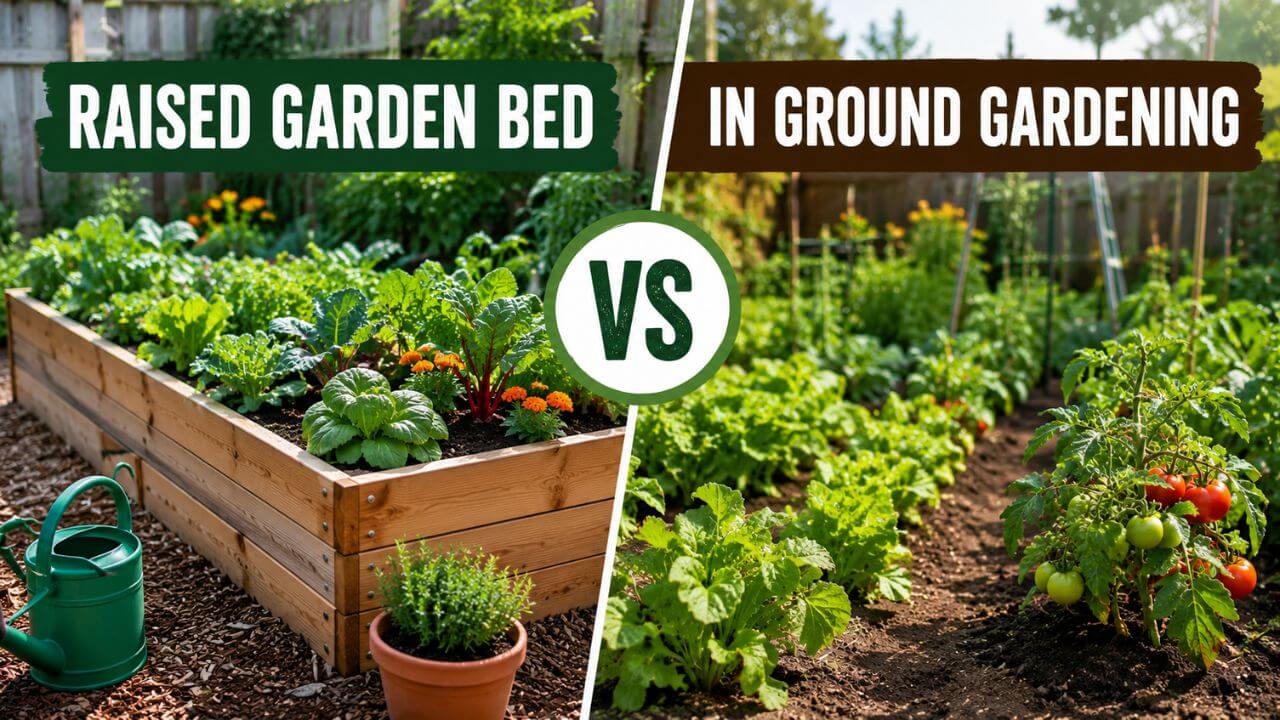
Choosing between a raised garden bed and an in-ground garden is one of the first decisions many gardeners make. Both methods can produce healthy vegetables, herbs, and flowers, but they offer different advantages and challenges.
Some gardeners prefer raised beds because they provide better soil control and easier maintenance. Others choose in-ground gardening because it costs less and allows for larger planting areas.
Understanding the differences between raised garden beds vs in ground gardening can help you make the right decision for your yard and gardening goals.
What Is a Raised Garden Bed?
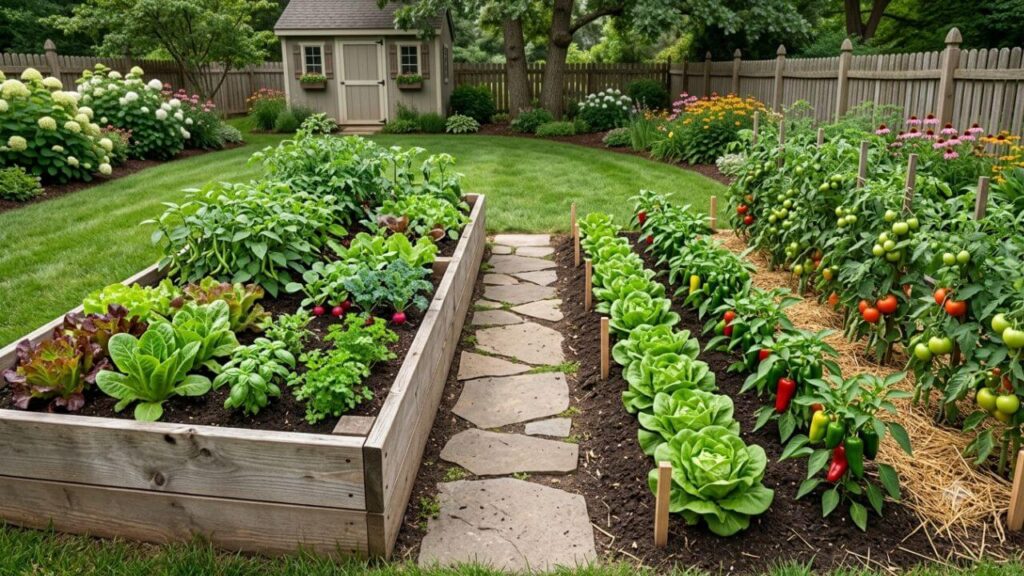
A raised garden bed is a planting area built above ground level and enclosed by materials such as wood, metal, stone, or composite boards.
The bed is filled with soil and compost chosen by the gardener rather than relying on existing ground soil.
Key Characteristics of Raised Garden Beds
- Soil sits above ground level.
- The growing area is enclosed by borders.
- Soil quality can be controlled from the start.
- Beds are usually 6 to 24 inches deep.
- Walking inside the growing area is avoided to prevent soil compaction.
Examples of Raised Beds
- Wooden cedar beds
- Metal raised beds
- Stone or brick beds
- Composite garden beds
Benefits of Raised Beds
- Excellent drainage
- Better soil control
- Fewer weeds
- Easier harvesting
- Reduced soil compaction
- Improved accessibility
What Is In-Ground Gardening?
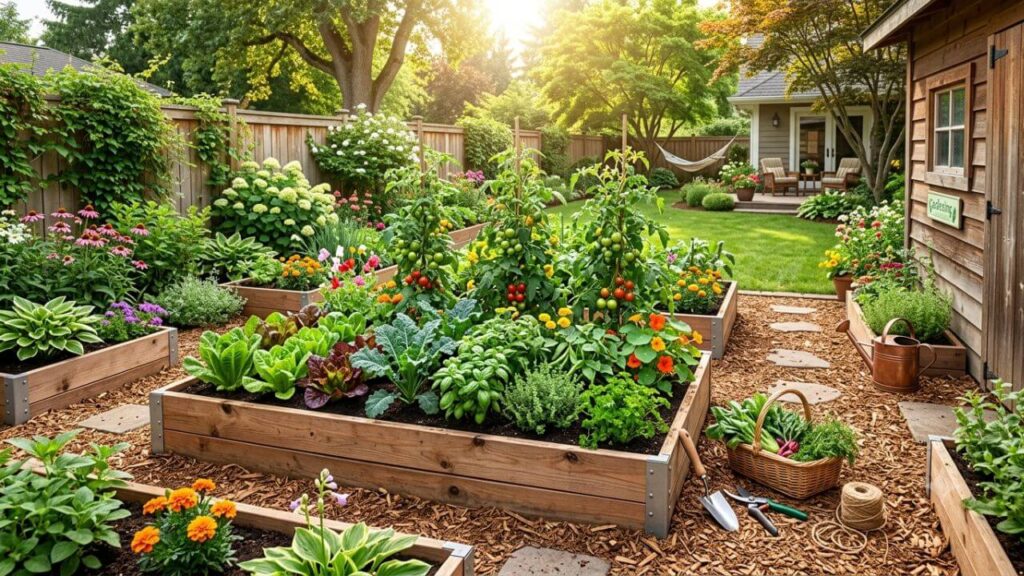
In-ground gardening involves planting directly into the existing soil in your yard or garden.
This traditional gardening method has been used for thousands of years and remains popular for large vegetable gardens and farms.
Key Characteristics of In-Ground Gardens
- Plants grow directly in native soil.
- No borders or frames are required.
- Large planting areas are possible.
- Soil improvement happens gradually over time.
Examples of In-Ground Gardening
- Backyard vegetable gardens
- Flower borders
- Farm fields
- Community gardens
Benefits of In-Ground Gardening
- Lower startup costs
- Suitable for large spaces
- Better moisture retention in some climates
- Easier for large crops such as corn and pumpkins
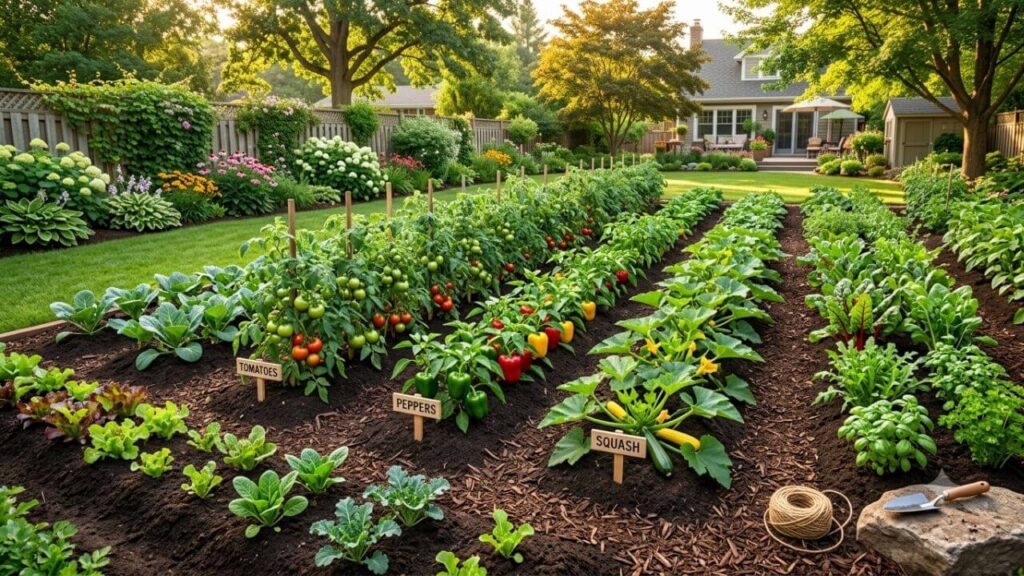
Raised Garden Bed vs In Ground: Comparison Table
| Feature | Raised Garden Bed | In-Ground Garden |
|---|---|---|
| Definition | Enclosed soil above ground level | Plants grow directly in native soil |
| Purpose | Improve soil and drainage | Use existing soil for growing |
| Initial Cost | Higher | Lower |
| Difficulty | Easier setup for beginners | May require soil improvement |
| Soil Quality | Fully controlled | Depends on existing soil |
| Drainage | Excellent | Varies by location |
| Weed Pressure | Lower | Higher |
| Maintenance | Lower | Moderate to high |
| Lifespan | 10-20 years depending on materials | Unlimited |
| Yield Potential | High in small spaces | High in large spaces |
| Accessibility | Easier on knees and back | Requires more bending |
| Environmental Impact | Uses additional materials | Uses fewer materials |
| Safety | Cleaner growing area | Greater exposure to soil contamination |
| Best Use Cases | Small yards and beginners | Large gardens and farms |
| Best For | Vegetables, herbs, flowers | Large crops and field planting |
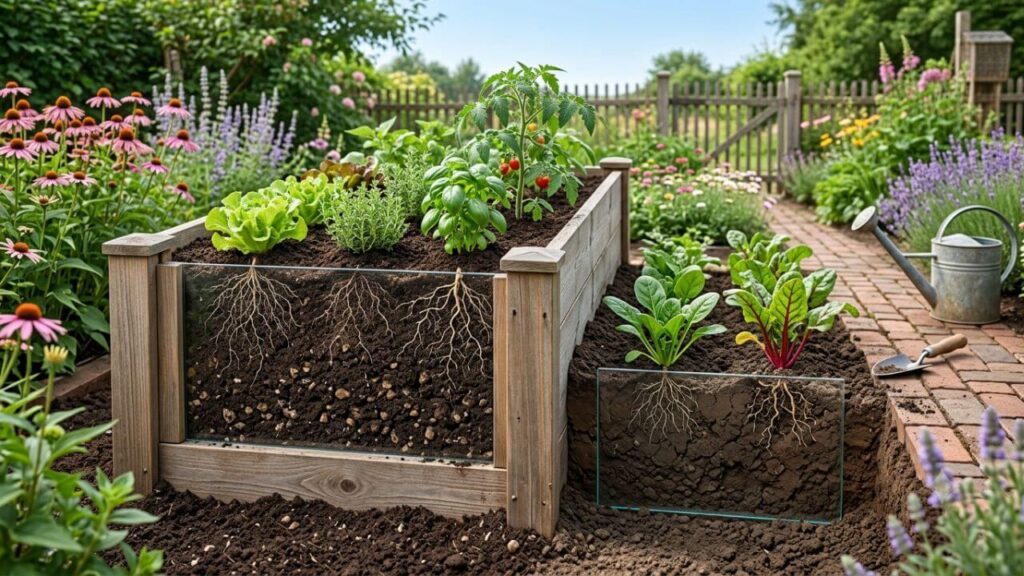
Key Differences Explained
Soil Quality
Raised beds allow complete control over soil composition. You can create the ideal mix of compost, topsoil, and organic matter.
In-ground gardens rely on existing soil conditions. If your soil contains clay, rocks, or poor nutrients, improvements may take several years.
Drainage
Raised beds drain excess water quickly. This helps prevent root rot and fungal diseases.
In-ground gardens may struggle with drainage problems, especially in heavy clay soils.
Cost
Raised beds require materials, soil, and construction.
In-ground gardening often requires little more than basic soil preparation and seeds.
Growing Season
Raised beds warm up faster during spring because the soil sits above ground level.
This often allows gardeners to plant earlier in the season.
Weed Control
Raised beds usually contain fewer weeds because fresh soil is added during setup.
In-ground gardens often contain weed seeds already present in native soil.
Accessibility
Raised beds reduce bending and kneeling.
For older gardeners or those with mobility issues, this can be a major advantage.
Similarities Between Raised Beds and In-Ground Gardens
Despite their differences, both gardening methods share several similarities.
- Both can grow vegetables, herbs, fruits, and flowers.
- Both require sunlight and water.
- Both benefit from compost and organic matter.
- Both can use mulch for moisture retention.
- Both support organic gardening practices.
Good gardening habits matter more than the type of garden you choose.
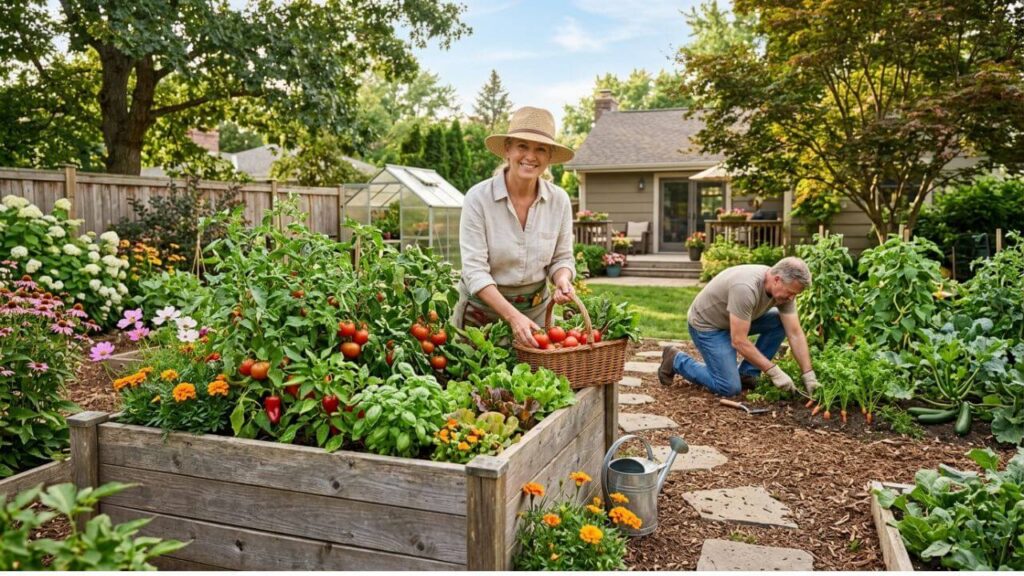
Pros and Cons of Raised Garden Beds
Pros of Raised Garden Beds
- Better drainage
- Faster soil warming in spring
- Fewer weeds
- Easier harvesting
- Improved accessibility
- Better soil control
- Reduced soil compaction
Cons of Raised Garden Beds
- Higher startup costs
- Requires additional soil purchase
- Beds may dry out faster in summer
- Construction takes time and effort
Pros and Cons of In-Ground Gardening
Pros of In-Ground Gardening
- Lower costs
- Suitable for large gardens
- Better moisture retention
- No construction required
- Ideal for large crops
Cons of In-Ground Gardening
- More weeds
- Soil quality may be poor
- Drainage problems can occur
- Greater soil compaction
- Harder on the back and knees
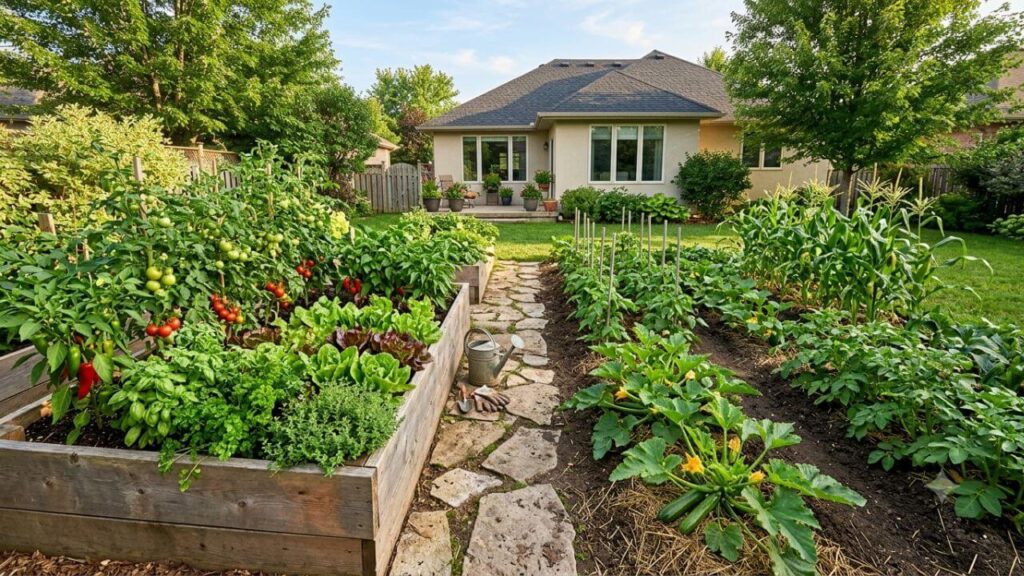
Which One Should You Choose?
Best for Beginners
Raised garden beds are often easier for beginners because soil quality and weed management are easier to control.
Best for Professionals
Experienced gardeners can succeed with either method depending on their goals.
Best for Budget Users
In-ground gardening is the clear winner for gardeners with limited budgets.
Best for Long-Term Use
In-ground gardens can last indefinitely with proper soil care.
Best for Small Spaces
Raised beds maximize productivity in smaller yards.
Best for Large Gardens
In-ground gardening works better for large vegetable plots and field crops.
Best Overall
For most homeowners growing vegetables in a backyard, raised garden beds offer the best balance of productivity, convenience, and ease of maintenance.
Common Mistakes to Avoid
Choosing Raised Beds Without Planning Irrigation
Raised beds can dry out faster than ground soil.
Consider drip irrigation or regular watering schedules.
Ignoring Native Soil Conditions
Even raised beds benefit from understanding the soil beneath them.
Poor drainage below the bed can still cause problems.
Building Beds Too Wide
Beds wider than four feet make harvesting difficult.
Most gardeners find 3 to 4 feet ideal.
Planting Large Crops in Small Raised Beds
Corn, pumpkins, and watermelon often perform better in larger in-ground spaces.
Forgetting to Add Organic Matter
Both methods benefit greatly from annual compost additions.
Frequently Asked Questions
Are raised garden beds more productive?
They often produce higher yields per square foot because soil conditions are optimized.
Do raised beds require more watering?
Yes. Raised beds usually dry out faster and may need more frequent watering during hot weather.
Is in-ground gardening cheaper?
Yes. In-ground gardens have lower startup costs because no construction materials are needed.
Can I use raised beds on poor soil?
Yes. This is one of the biggest advantages of raised beds.
Which method is better for vegetables?
Most vegetables grow well in both systems, but raised beds often provide better results for tomatoes, peppers, lettuce, and herbs.
Are raised beds better for older gardeners?
Yes. Raised beds reduce bending and kneeling, making gardening more comfortable.
Which option is better for clay soil?
Raised beds usually perform better because they improve drainage and root growth.
Can I switch from in-ground gardening to raised beds later?
Yes. Many gardeners begin with in-ground gardens and later add raised beds as their experience grows.
Conclusion
The choice between raised garden bed vs in ground gardening depends on your space, budget, soil conditions, and gardening goals.
Raised beds provide better drainage, easier maintenance, and greater control over soil quality. They are often the best option for beginners and small backyard gardens.
In-ground gardening remains an excellent choice for larger spaces and gardeners looking to minimize costs.
Neither method is universally better. The right option is the one that fits your property, climate, and lifestyle. Many experienced gardeners eventually use both systems together to enjoy the advantages of each.

I enjoy sharing simple gardening ideas, lawn care tips, and honest product reviews that help make outdoor work easier. From home gardening guides to helpful tools and lawn care advice, I write easy-to-follow content to help readers create a healthier and better-looking outdoor space without wasting time or money.