As an Amazon Associate, I earn from qualifying purchases.
Small gardens look inviting throughout the year when you use compact evergreen shrubs, dwarf trees, low-growing junipers, and leafy plants in well-planned layers. Combine different heights, colors, and textures to create a green space without using too much room.
In American neighborhoods, outdoor space can be limited. A small backyard in Chicago, a narrow side yard in New York, or a compact front garden in California may have just enough room for a few carefully chosen plants. Evergreen plants make these spaces feel welcoming in every season. They keep much of their foliage through winter, so your garden does not look bare when many other plants lose their leaves.
The best way to use evergreens in a small garden is to think about their mature size before planting. A dwarf conifer, a compact boxwood, or a low-growing juniper can add shape without taking over a path or patio. You can also use pots, raised beds, and narrow planting borders to make better use of limited ground space.
Climate matters just as much as appearance. A plant that thrives in a cool northern garden may struggle in a hot Southern yard. Check your USDA hardiness zone, local summer heat, soil drainage, and available sunlight before choosing a variety. With the right plants and a simple layout, even a tiny outdoor space can have lasting color, privacy, and natural charm.
1. Create a Layered Garden With Compact Evergreen Shrubs
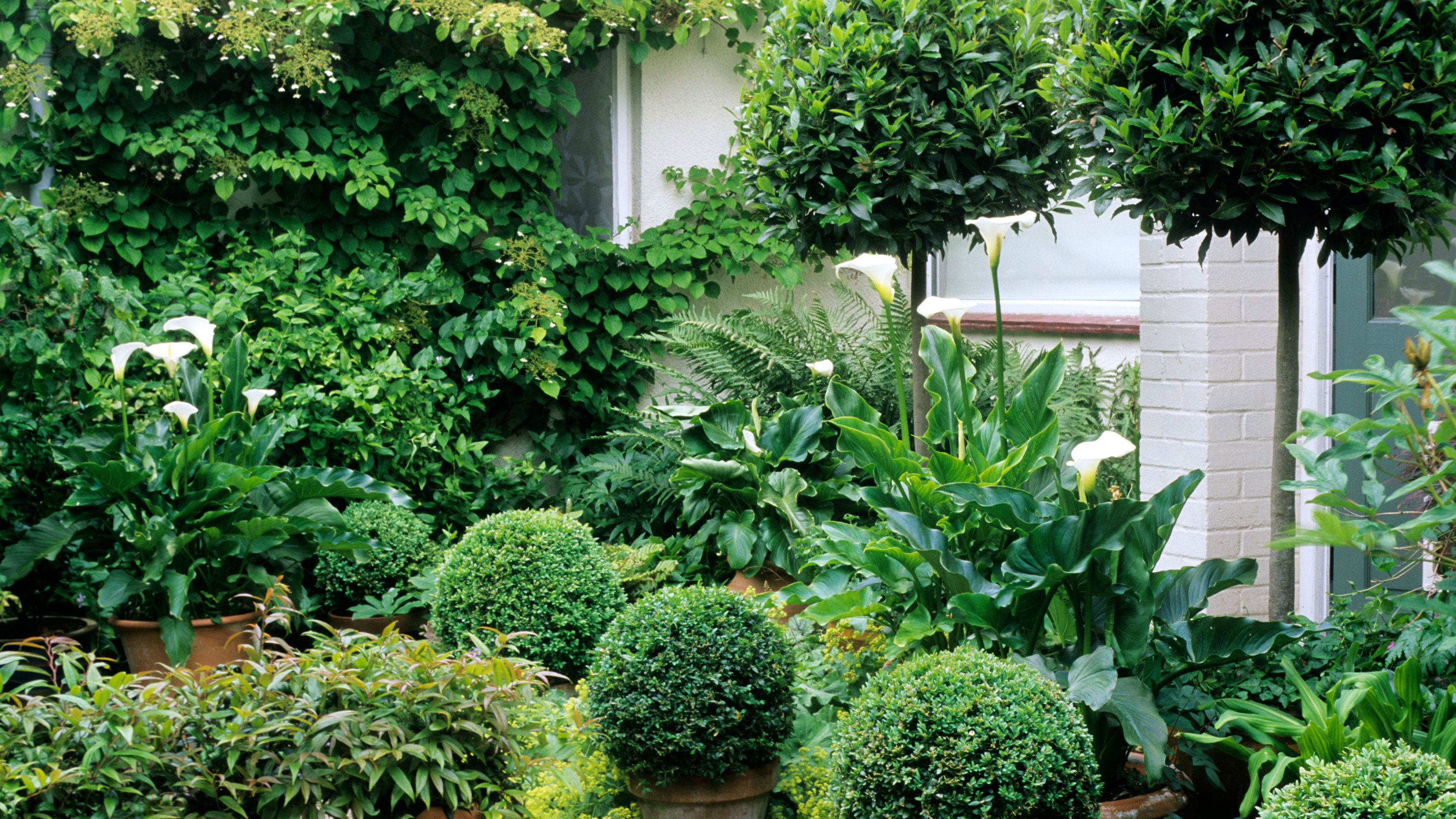
Layering is one of the easiest ways to make a small garden look full without filling every inch with plants. Place taller evergreen shrubs at the back, medium plants in the middle, and low-growing varieties near the front. This arrangement gives the garden a natural sense of depth.
Start with one or two compact shrubs as the main features. Add smaller plants around them to soften the edges. This works well in a narrow backyard, a small front yard, or a planting bed beside a patio.
Look for plants with different leaf shapes. A rounded shrub can look lovely beside a plant with narrow leaves or soft, needle-like foliage. These small changes help a simple green border feel more interesting.
Source: alcoholconcern.org.uk
Back layer
Use a compact upright evergreen or a small, naturally narrow shrub to add height.
Middle layer
Add rounded shrubs such as suitable dwarf boxwood varieties to create a soft, full shape.
Front layer
Plant low junipers or other suitable evergreen ground covers along the border edge.
Keep the Planting Proportional
Leave enough room between plants for their mature width. A common mistake is placing young shrubs too close because they look small in their nursery pots. As they grow, their branches may overlap and block paths or nearby plants.
A layered garden should have room for air and light. Leave some open soil or mulch between groups instead of creating a solid wall of foliage.
Use fewer plants
Three well-placed evergreen shrubs can create a stronger design than a crowded row of many small plants.
Repeat plant shapes
Repeating one or two varieties helps a small garden look calm and connected.
2. Add a Dwarf Evergreen Tree as a Garden Focal Point
A dwarf evergreen tree can give a small garden a clear center. Its upright or rounded form draws the eye and adds height without requiring the space of a full-sized tree. It can also make a plain lawn or patio feel more complete.
Choose a variety with a known compact growth habit. Dwarf Alberta spruce, selected dwarf pines, and compact arborvitae can suit different small-garden designs, depending on local climate and growing conditions.
Place the tree where it can be seen from a window, patio, or garden entrance. Give it enough room to reach its expected mature width. A tree should look like a planned feature, not an obstacle that has been squeezed into an empty corner.
Source: leap.jacobs-studie.de
Dwarf Alberta spruce
A naturally narrow, pyramidal evergreen that can provide a formal focal point in suitable cool-climate gardens. Check the expected mature size of the selected cultivar.
Dwarf mountain pine
A compact pine with a rounded or spreading form. It can add a strong evergreen shape to a sunny garden.
Compact arborvitae
Selected varieties have rounded or upright forms that work well in small borders and foundation plantings.
Use One Tree Instead of Several Large Shrubs
One small evergreen tree can provide enough height for a compact garden. Surround its base with low plants, decorative stones, or a simple mulch ring. This keeps the main feature visible and avoids unnecessary crowding.
For a narrow garden, look for an upright form rather than a wide, spreading tree. Always check the cultivar’s mature dimensions because the word dwarf does not mean that a plant will stay tiny.
Best placement
Choose a back corner or an open section of the garden where the tree will not block a doorway or walking route.
Simple surroundings
Use a low evergreen ground cover and a small patch of seasonal flowers around the base.
3. Design a Small Evergreen Garden With Different Shades of Green
A garden does not need lots of flowers to look colorful. Evergreen plants come in many shades, including deep green, blue-green, silver, yellow-green, and variegated tones. Combining these colors creates a fresh look that lasts beyond the flowering season.
Use dark green shrubs as the main background. Add a golden evergreen near the front or beside a seating area to brighten the design. A blue-green juniper can provide another layer of color without making the garden look busy.
Try to repeat each color at least twice when space allows. This creates a visual link between separate parts of the garden. It also makes a small outdoor area feel more thoughtfully planned.
Source: travel.redvard.ru
Deep green
Compact boxwood and other suitable broadleaf evergreens provide a rich background.
Golden foliage
Selected golden false cypress and arborvitae varieties add brightness to sunny or partly shaded areas, depending on cultivar.
Blue-green foliage
Dwarf junipers and selected conifers provide cool tones that contrast with darker shrubs.
Variegated leaves
Some euonymus varieties have green leaves edged with cream or yellow, adding a lighter touch.
Avoid Too Many Competing Colors
A small planting area can look messy when every plant has a different leaf color. Choose two or three main foliage colors and repeat them throughout the space.
For example, use dark green boxwood, a golden dwarf conifer, and blue-green juniper. The different tones will stand out while still creating a balanced planting scheme.
Simple color plan
Choose one main green, one lighter foliage color, and one contrasting accent.
Natural balance
Use plain green foliage to connect plants with brighter or more unusual leaves.
4. Use Low-Growing Evergreen Plants Along Garden Paths
Low-growing evergreens are useful when you want greenery without blocking a path. They soften the hard edges of paving, stepping stones, and gravel walkways. Their low shape also helps a small garden feel open.
Creeping juniper is a useful option for sunny, well-drained areas. Some dwarf conifers also grow in rounded or spreading forms. Choose a variety that will stay within the available planting width.
Leave enough clearance for walking and maintenance. A plant that spreads across a narrow path can become difficult to manage. Think about its mature width before planting it beside paving.
Source: farmfoodfamily.com
Creeping juniper
A spreading evergreen that can cover sunny, well-drained ground and soften the edge of gravel or stone paths.
Dwarf mugo pine
A compact pine with a rounded form that can work as a low focal plant in a sunny border.
Small evergreen ground covers
Choose locally suitable varieties that stay low and do not spread beyond the area you can maintain.
Create a Green Border Around Stepping Stones
Place a few stepping stones through a small garden and use low evergreen plants along one or both sides. This makes the walkway feel connected to the planting instead of looking like a separate hard surface.
Keep the stone surface clear. Avoid planting prickly or spreading shrubs where they could catch clothing or make walking difficult.
Stone spacing
Set stones at comfortable walking intervals and keep their surfaces level and stable.
Plant spacing
Allow low plants to grow naturally without covering the walking surface.
5. Grow Evergreen Plants in Stylish Containers
Containers are a practical choice for small gardens with limited soil or paved ground. You can place them beside a door, on a patio, near a garden bench, or along a fence. They also make it easier to arrange plants without digging up the whole yard.
Choose compact evergreen shrubs or dwarf conifers that suit container growing. Boxwood, selected junipers, and compact arborvitae can all be considered when their light, climate, and root-space needs match the site.
Use containers with drainage holes. Standing water can damage roots, especially in plants that prefer well-drained soil. Choose a pot large enough to support the plant as it grows rather than using a tiny decorative container that dries out too quickly.
Source: farmfoodfamily.com
Terracotta pots
Their warm color works well with dark green leaves and natural stone surfaces. They may dry out faster than less porous containers.
Large ceramic planters
These provide a decorative base for a single compact evergreen and can help define a patio entrance.
Simple square containers
Their clean shape fits modern patios and narrow spaces beside walls or fences.
Make a Balanced Three-Pot Display
A group of three containers can create an attractive garden feature without taking up much space. Use one taller pot with an upright evergreen, a medium pot with a rounded shrub, and a smaller pot with a low-growing plant.
Keep the colors of the containers similar if you want a calm look. You can also use three matching pots in different sizes to create a simple, modern arrangement.
Tall container
Use an upright compact evergreen to add height.
Medium container
Choose a rounded evergreen shrub for a full, balanced shape.
Small container
Add a low-growing evergreen or a seasonal flowering plant.
Care for Container Evergreens
Container plants need more attention to watering than plants growing in open ground. Check the potting mix regularly, especially during hot weather. Water when the mix begins to dry according to the needs of the plant, and allow excess water to drain.
Roots in pots are also more exposed to temperature changes. In cold climates, select plants that can handle local winter conditions and use suitable containers that can withstand freezing weather. In hot climates, protect plants from excessive afternoon heat when their foliage or roots are vulnerable.
Use fresh potting mix
Choose a suitable mix with good drainage rather than filling the container with heavy garden soil.
Check moisture
Do not assume that evergreen plants need water every day or that winter rain always reaches the roots.
6. Create a Small Evergreen Privacy Screen
A small evergreen privacy screen can make a backyard feel more private without building a tall solid fence. It can soften the view of a neighboring wall, cover an unattractive boundary, or create a more sheltered seating area.
Choose narrow-growing shrubs when you have limited width. Some upright arborvitae cultivars and columnar evergreen shrubs can provide height without taking up as much ground space as wide hedges.
Before planting, consider the height you actually need. A low screen may be enough to block a view from a nearby patio. Taller screening may be needed for a window or boundary, but it requires careful attention to mature size and local planting rules.
Source: storage.googleapis.com
Narrow arborvitae
Selected upright varieties can form a green screen in a relatively narrow planting area.
Columnar juniper
Some upright junipers provide a tall, slender shape for sunny locations with suitable drainage.
Compact evergreen hedge
A suitable compact hedge can soften a boundary while keeping the garden visually organized.
Keep the Screen Light and Open
A solid row of tall shrubs can make a tiny yard feel closed in. Instead, use a few carefully placed plants with open space between them. This provides some screening while allowing light and air to move through the garden.
You can also combine evergreen shrubs with a trellis. A suitable climbing plant can cover part of the structure while compact shrubs provide greenery near the ground.
Use a small group
Plant only as many shrubs as needed to block the unwanted view.
Protect access
Keep shrubs away from gates, utility access points, and narrow walking routes.
7. Make a Small Rock Garden With Dwarf Evergreens
A rock garden can give a small outdoor space a neat, natural look. Dwarf conifers, creeping junipers, gravel, and a few well-placed stones work together to create a garden that has structure throughout the year.
Choose plants with naturally compact or spreading growth habits. Small conifers can provide rounded shapes, while low junipers can soften the edges of rocks. Leave open gravel areas between plants to keep the design from looking crowded.
This idea works especially well in sunny areas with good drainage. Many junipers dislike constantly wet soil, so do not use them in low spots where water collects. If your garden has heavy clay soil, improve drainage or choose plants better suited to the conditions.
Source: youtube.com > HortTube with Jim Putnam
Dwarf conifers
Add compact, sculptural shapes and lasting foliage.
Decorative gravel
Creates a clean surface between plants and highlights their different colors.
Natural stones
Add height and texture without requiring additional plants.
Build the Rock Garden in Simple Steps
First, clear the area and check how water moves through the soil. Arrange a few stones before planting so you can see how the finished layout may look. Place the largest stones first, then position smaller rocks around them.
Add suitable soil and plant the evergreens with enough room for mature growth. Finish with a layer of gravel or another suitable mineral mulch. Keep the plant crowns clear and do not bury the stems.
Start with the largest stone
Use it as the main visual anchor for the small garden.
Add compact plants
Place dwarf evergreens near the stones to create a natural arrangement.
Finish with gravel
Spread gravel around the plants while keeping the soil surface and stems properly positioned.
8. Plant Evergreen Shrubs Around a Small Seating Area
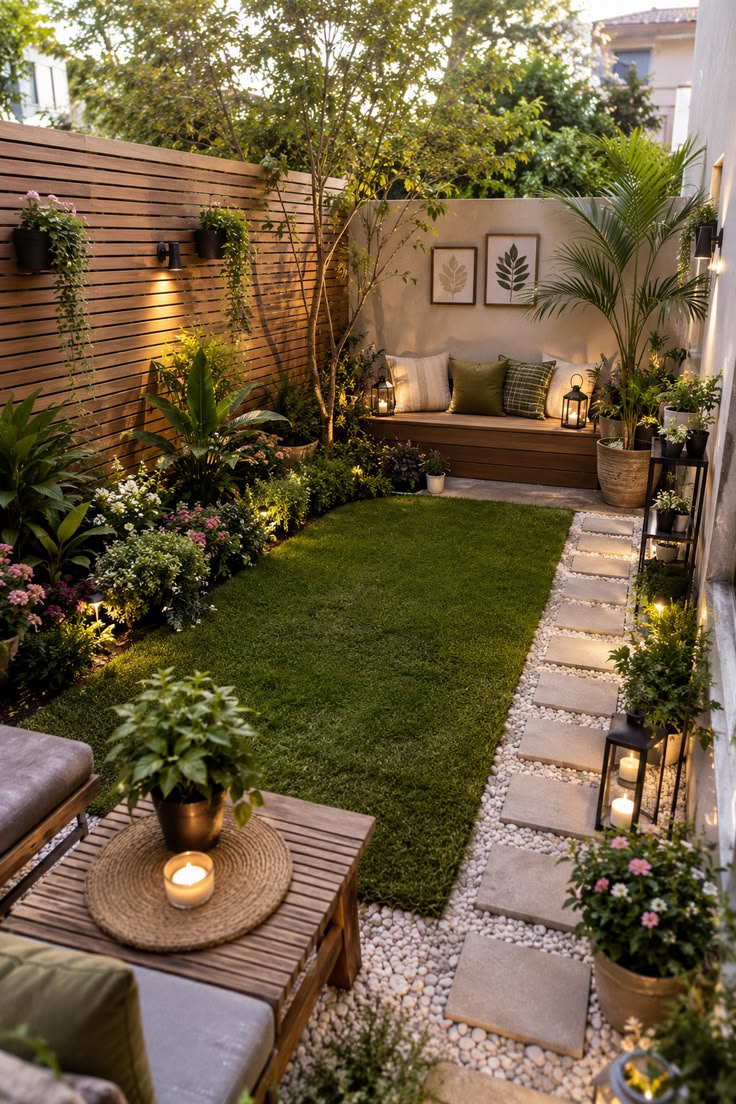
A small seating area feels more inviting when it has greenery around it. Evergreen shrubs can soften the edges of a patio, create a sense of shelter, and make an outdoor bench feel like part of the garden.
Use low shrubs near the front of the seating area and taller plants behind it. Keep the sides open so the space does not feel enclosed. A compact evergreen in a large pot can also provide a natural divider without taking up much ground space.
Choose plants that will not scratch people or block movement. Avoid placing thorny or strongly spreading varieties next to chairs and narrow walkways. The goal is to make the seating area feel calm and easy to use.
Source: treecarezone.com
Compact boxwood
Can create a neat green edge around a seating area when a suitable variety is selected.
Dwarf conifer
Adds a strong natural focal point beside a bench or small patio.
Broadleaf evergreen shrub
Provides larger leaves and a softer appearance in suitable sheltered locations.
Add Seasonal Color Around the Seating Area
Evergreen plants provide the permanent structure, while seasonal flowers add changing color. Plant spring bulbs near the front of the border or use a few compact flowering perennials around the edges.
This combination allows the garden to change throughout the year without losing its basic shape. When the flowers finish, the evergreen shrubs remain to keep the space looking complete.
Spring
Add suitable bulbs for early seasonal color.
Summer
Use compact flowering plants that suit the light and water conditions.
Fall
Add plants with seasonal flowers or attractive foliage while keeping evergreen shapes as the main structure.
9. Use Evergreen Plants to Decorate a Narrow Side Yard
A narrow side yard can become a useful green passage with a simple evergreen planting plan. These spaces are often overlooked because they may receive little sunlight or have limited soil. Yet a few suitable plants can make them feel more pleasant.
Start by checking how much sunlight reaches the area. A passage beside a tall house may receive only a few hours of direct light. Shade-tolerant evergreen shrubs may be more suitable than sun-loving junipers or pines.
Use narrow planting beds along one side of the walkway. If there is not enough ground space, place a few containers near the wall. Keep the center open so people can walk through without brushing against branches.
Source: storage.googleapis.com
Fatsia
A broadleaf evergreen with large, bold leaves that can add a lush appearance to a suitable sheltered, partly shaded garden.
Japanese plum yew
Selected forms can provide evergreen foliage in partly shaded locations where local growing conditions suit the plant.
Compact shade-tolerant shrubs
Choose varieties that fit the available width and tolerate the amount of light the side yard receives.
Make Use of Walls and Vertical Space
If the side yard is very narrow, use vertical space rather than adding more plants to the ground. A simple wall trellis can support a suitable climbing plant, while a small shelf can hold a few lightweight containers.
Keep climbing plants away from vents, utility equipment, and windows that need access. Check that the wall and support can safely carry the weight of the mature plant.
Wall trellis
Adds a green vertical feature while preserving much of the walking area.
Small containers
Bring greenery to paved areas without requiring a full planting bed.
10. Design a Minimalist Evergreen Garden for a Modern Yard
A minimalist garden can make a small outdoor space feel larger and more organized. Instead of filling the yard with many different plants, choose a few evergreen varieties and repeat their shapes. This creates a clear design that is easy to understand at a glance.
Use clean edges, simple paving, and a limited color palette. A single dwarf conifer can become the main focal point, while low evergreen shrubs create a neat border. Decorative gravel or a small stone feature can add texture without adding clutter.
This style works well in compact urban yards, modern front gardens, and small patios. It also makes routine maintenance easier because there are fewer plant types to manage.
Simple planting
Choose two or three evergreen varieties and repeat them in a balanced pattern.
Clean borders
Use straight or gently curved edging to separate plants from paving.
Natural materials
Combine stone, gravel, wood, and evergreen foliage for a calm outdoor design.
Use Repetition Instead of Too Many Plant Varieties
Repetition makes a small garden look connected. For example, plant three compact evergreen shrubs along one border and repeat the same variety in a container near the entrance.
Keep the arrangement simple and leave enough open space to see the shapes of the individual plants. This creates a clean look without making the garden feel empty.
Repeat one main plant
Use the same compact evergreen in several parts of the garden.
Limit decorative items
Choose one or two garden accents rather than filling every open space.
11. Choose the Right Evergreen Plants for Your Garden Conditions
The best evergreen plant for a small garden is one that suits the local climate and available space. A beautiful shrub may fail if it receives too much sun, sits in wet soil, or cannot handle local winter temperatures.
Start by checking the USDA Plant Hardiness Zone for your location. This is a useful guide to average annual extreme minimum winter temperatures, but it does not tell you everything about a plant’s needs. Summer heat, humidity, rainfall, soil type, and exposure also affect plant growth.
Read the plant label and look up the mature height and width of the exact cultivar. A compact form of a plant may be very different from the standard species. Ask a local extension office or trusted nursery about varieties that perform well in your area.
Cold northern regions
Look at cold-hardy dwarf conifers, selected arborvitae, and other evergreens suited to local winter conditions.
Warm southern regions
Consider locally suitable broadleaf evergreens and heat-tolerant shrubs. Check their tolerance for humidity and summer heat.
Dry western regions
Consider suitable junipers and other water-wise evergreens, especially in sunny, well-drained locations.
Mild coastal regions
Choose plants that can handle local wind, salt exposure where relevant, and the area’s rainfall pattern.
Small Evergreen Plant Selection Guide
The following table gives a starting point for comparing common evergreen choices. Sizes and growing conditions vary by cultivar, so confirm the exact plant information before buying.
Compact boxwood
Typical use: low borders, clipped shapes, and containers. Light: sun to partial shade, depending on variety. Main consideration: drainage and local disease pressure.
Dwarf juniper
Typical use: ground cover, rock gardens, and sunny borders. Light: generally full sun. Main consideration: needs suitable drainage and may spread wider than expected.
Dwarf arborvitae
Typical use: rounded accents, small screens, and containers. Light: usually sun to partial shade. Main consideration: select the right mature size and provide suitable moisture.
Dwarf pine
Typical use: focal points and rock gardens. Light: generally sunny locations. Main consideration: check the expected spread and local climate suitability.
Fatsia
Typical use: bold foliage in sheltered, partly shaded gardens. Light: shade to partial shade. Main consideration: needs a climate and site that suit this broadleaf evergreen.
Euonymus
Typical use: compact borders, upright accents, and containers. Light: varies by cultivar. Main consideration: confirm the growth habit and local invasive-plant guidance.
Check Mature Width Before Planting
Mature width is one of the most useful details when planning a small garden. A plant that grows 3 feet wide needs enough space on every side, even if its nursery pot is only a few inches across.
For example, if a narrow bed is 2 feet wide, a shrub that eventually spreads 4 feet may not be a sensible choice. A naturally narrow cultivar or a smaller ground cover may fit better.
Do not rely on constant hard pruning to keep an oversized plant in place. Some evergreens do not regrow well from old, bare wood, and repeated shearing can leave them thin inside.
Measure the planting area
Record the available length, width, and height before visiting a nursery.
Read the cultivar label
Check both mature height and mature spread, along with the expected growth habit.
Leave maintenance room
Allow access for watering, pruning, and cleaning around the plant.
12. Care for Evergreen Plants in a Small Garden
Evergreen plants are not maintenance-free, but the right selection can reduce the amount of work needed. Most need suitable watering, good drainage, occasional pruning, and enough room to grow. Their care needs depend on the plant and local weather.
Newly planted evergreens need close attention while their roots become established. Water the root zone thoroughly when needed instead of giving the leaves a quick spray. Once established, many plants need less frequent watering, although containers and hot, dry locations may require more attention.
Mulch can help reduce moisture loss and weeds. Apply an even layer around the planting area, but keep mulch away from trunks and stems. Too much mulch against the plant base can hold excess moisture and contribute to damage.
Water carefully
Check soil moisture before watering. Adjust the schedule for rainfall, heat, soil type, and container size.
Use suitable mulch
Apply organic mulch or a suitable mineral material according to the plant’s needs.
Prune with care
Remove dead or damaged growth and follow the pruning needs of the exact plant.
Watch for pests
Check leaves and branches for discoloration, unusual spots, webbing, and insect activity.
Common Problems and Practical Solutions
Brown or yellow foliage does not always mean that an evergreen is dying. Seasonal leaf drop, drought, poor drainage, pests, and winter damage can all affect foliage. Check the location and recent weather before deciding what action to take.
If a plant looks unhealthy, inspect the soil around its roots and compare the symptoms with reliable local plant-health guidance. Avoid adding fertilizer or applying pesticides until you have a reasonable idea of the cause.
Brown leaf tips
Possible causes include dry soil, salt buildup, wind exposure, or root stress. Check moisture and site conditions first.
Yellow foliage
Possible causes include excess water, poor drainage, nutrient issues, or natural shedding of older leaves.
Thin or bare branches
Crowding, excessive shade, or repeated hard pruning may be responsible. Improve spacing or light conditions where practical.
Slow growth
Check whether the plant receives enough light and whether the soil suits its needs before adding fertilizer.
Remember That Evergreens Still Lose Leaves
Evergreen does not mean that a plant keeps every leaf forever. Broadleaf evergreens often replace older leaves as new growth develops. Needle-bearing plants also shed older inner needles over time.
Some seasonal shedding is normal. Look for widespread browning, damaged new growth, or changes that affect the whole plant before treating normal leaf loss as a serious problem.
Check new growth
Healthy new shoots can help show whether the plant is continuing to grow.
Watch the pattern
Compare normal inner-leaf shedding with sudden browning across many branches.
Frequently Asked Questions
Q
What are the best evergreen plants for a small garden?
Some useful choices include compact boxwood, dwarf arborvitae, dwarf juniper, selected dwarf pines, and compact euonymus. Fatsia can also work in suitable sheltered and partly shaded gardens. The best choice depends on your climate, soil, sunlight, and available planting space.
Always check the mature height and width of the exact cultivar. A naturally compact variety is often easier to manage than a large shrub that needs regular pruning.
Q
How do I make a small garden look bigger with evergreen plants?
Use a few plants with different heights instead of filling every corner. Place taller plants toward the back, low-growing plants near the front, and leave some open space between planting groups.
Narrow upright evergreens can add height without taking up much ground space. Light-colored gravel, simple paths, and repeated foliage colors can also make the garden feel more open.
Q
Which evergreen plants are best for small gardens in pots?
Compact boxwood, selected dwarf junipers, small arborvitae, and some dwarf conifers can grow in containers when their climate and root-space needs are met. Choose a pot with drainage holes and enough room for future root growth.
Container evergreens need regular moisture checks because pots can dry out faster than garden soil. Protect them from unsuitable winter or summer conditions for the chosen plant.
Q
Can evergreen plants grow in a small garden with shade?
Yes. Some broadleaf evergreens tolerate partial shade or sheltered shade. Fatsia, certain boxwoods, Japanese plum yew, and selected other shade-tolerant shrubs may be worth considering where local conditions suit them.
Check the difference between full shade, partial shade, and dappled light before choosing plants. Even shade-tolerant evergreens may struggle in very dark areas with poor drainage and little air movement.
Q
How many evergreen plants should I put in a small garden?
There is no fixed number because gardens vary in size and plant growth habits. A small garden may need only one focal tree, two or three shrubs, and a few low-growing plants to create a balanced design.
Plan the arrangement using mature plant dimensions. It is usually better to start with fewer plants and add more later than to crowd a small space from the beginning.
Q
Do evergreen plants need pruning every year?
Not all evergreen plants need annual pruning. Naturally compact varieties may only need occasional removal of dead, damaged, or misplaced branches. Formal hedges and topiary usually need more frequent trimming.
Check the pruning needs of each plant before cutting. Avoid cutting many needle-bearing conifers and other evergreens into old, bare wood because some do not produce new growth from those areas.
Q
Are evergreen plants suitable for a low-maintenance small garden?
Yes, provided you choose plants that naturally fit the space and local conditions. Slow-growing, compact evergreens often need less shaping than large shrubs that must be repeatedly cut back.
Low maintenance does not mean no maintenance. Newly planted shrubs still need water, and all plants benefit from occasional checks for pests, drainage problems, and damaged growth.
✦ Wrapping Up
Conclusion
Small garden ideas with evergreen plants can help turn a limited outdoor area into a green and welcoming space throughout the year. Compact shrubs, dwarf trees, low-growing junipers, and container plants all offer ways to add lasting structure without filling every inch of the garden.
The key is to choose plants that suit your local growing conditions and have enough room to reach their mature size. Use different heights, leaf shapes, and shades of green to create depth. Add a simple path, a few stones, or a small seating area to make the space more useful.
You do not need dozens of plants to create a lovely garden. Start with one main evergreen feature, add a few supporting plants, and leave room for them to grow. A thoughtful layout will look more natural and be easier to care for over time.
💡 Key Takeaway
Measure your garden, check its sunlight and soil drainage, and identify your USDA hardiness zone. Then choose one compact evergreen focal plant, two supporting shrubs, and a suitable low-growing plant. Check the mature dimensions before buying, and build your garden around those plants rather than overcrowding the available space.
I enjoy sharing simple gardening ideas, lawn care tips, and honest product reviews that help make outdoor work easier. From home gardening guides to helpful tools and lawn care advice, I write easy-to-follow content to help readers create a healthier and better-looking outdoor space without wasting time or money.