As an Amazon Associate, I earn from qualifying purchases.
Vegetable container gardening is perfect for beginners with limited space. It’s an easy and rewarding way to grow fresh produce.
Starting a vegetable container garden allows you to cultivate fresh vegetables even in small spaces. Choose containers with good drainage and fill them with quality potting mix. Select vegetables suited for container gardening, such as tomatoes, peppers, lettuce, and herbs.
Place your containers in a location that receives at least six hours of sunlight daily. Regularly water your plants, ensuring the soil remains moist but not soggy. Fertilize every few weeks with a balanced, water-soluble fertilizer. Monitor for pests and diseases, taking action promptly if issues arise. With proper care, your container garden will flourish, providing fresh, homegrown vegetables.
Container Gardening
Container gardening is easy and fun. You can grow plants in small spaces. It is perfect for beginners. Containers can be placed anywhere, even on balconies. This makes gardening possible for everyone.
Soil control is another benefit. You can choose the best soil for your plants. This helps plants grow better. Pests are easier to manage in containers. Less space means fewer pests.
Watering is also simpler. You can water only the plants that need it. This saves water. Moving plants is easy too. You can move containers to get the best sunlight. This helps plants grow strong.
Credit: www.attainable-sustainable.net
Choosing The Right Containers
Plastic pots are light and easy to move. Clay pots look nice but can be heavy. Wooden boxes are natural and pretty. Metal containers are strong but can get hot. Fabric pots are light and foldable. Ceramic pots are colorful but can break.
Big containers are good for large plants. Small pots are good for herbs. Containers with holes let water drain out. Too much water can hurt plants. Use a tray to catch extra water. Check the size of your plants before choosing a pot.
Selecting Suitable Vegetables
Tomatoes grow well in containers. Peppers also fit well in small spaces. Lettuce is another great choice. Radishes thrive in pots too. Spinach does well in containers. Herbs like basil grow perfectly in pots. Bush beans fit well in containers.
Tomatoes grow well with basil. Peppers like being near onions. Lettuce enjoys the company of carrots. Radishes grow well with cucumbers. Spinach likes growing near strawberries. Herbs like basil enjoy being near tomatoes. Bush beans like radishes.

Credit: lovelygreens.com
20 Vegetable Container Gardening Ideas
Growing vegetables in containers is a great way to enjoy fresh food in a small space. You do not need a large backyard to start a garden. A balcony, patio, porch, or sunny window can work well. Choose vegetables that match the size of your containers and the amount of sunlight available. Here are 20 easy vegetable container gardening ideas for beginners.
1. Tomato Container Garden
Tomatoes are one of the most popular vegetables to grow in containers. Choose a large pot with good drainage. Compact or patio tomato varieties work especially well. Place the container in a sunny location and provide a tomato cage or stake for support.
2. Pepper Container Garden
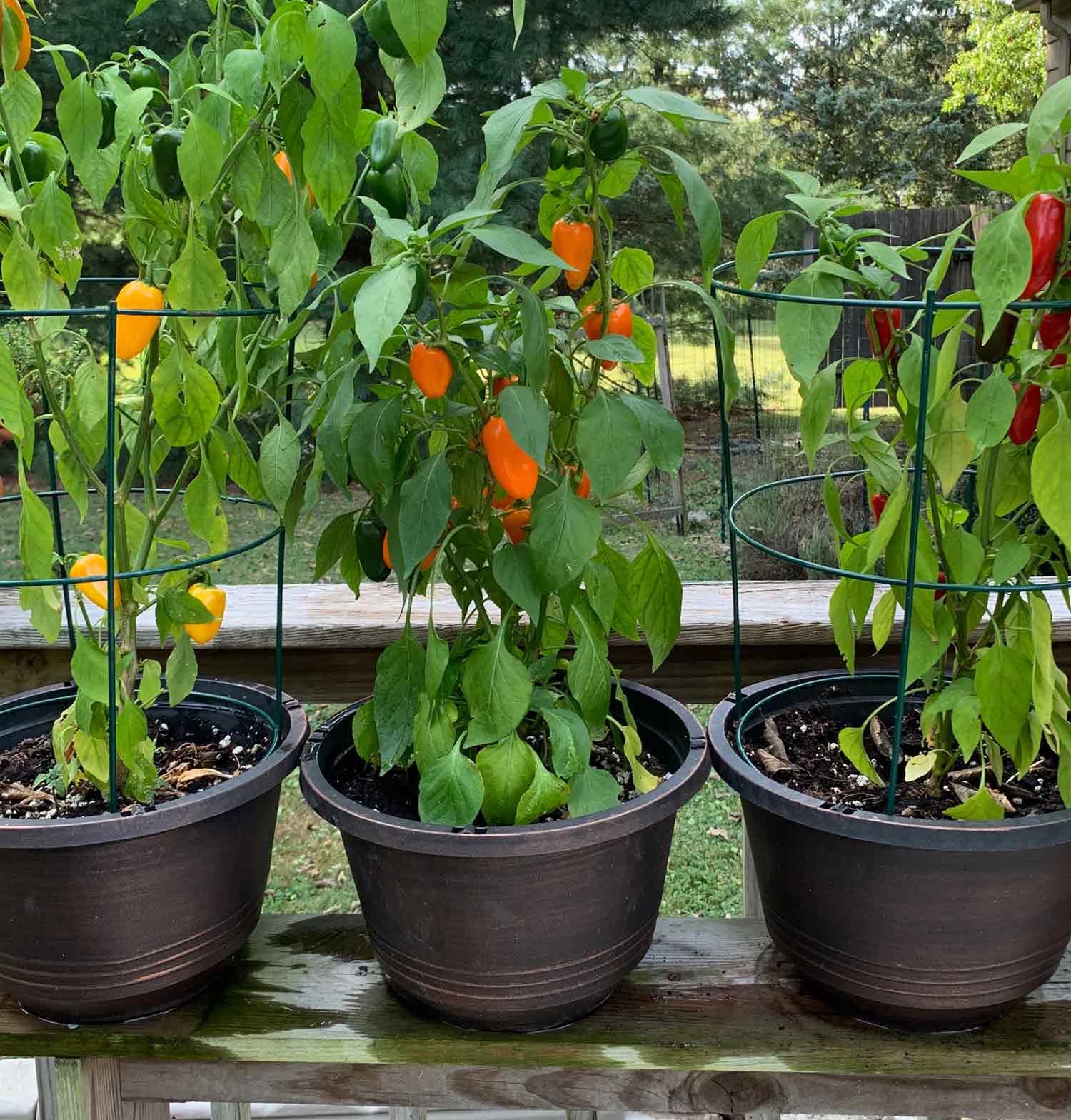
Peppers grow well in pots because they do not need a lot of space. Use a container that is at least 12 inches wide. Sweet peppers and hot peppers can both grow successfully in containers. Keep the soil evenly moist and place the pot in full sun.
3. Lettuce Container Garden
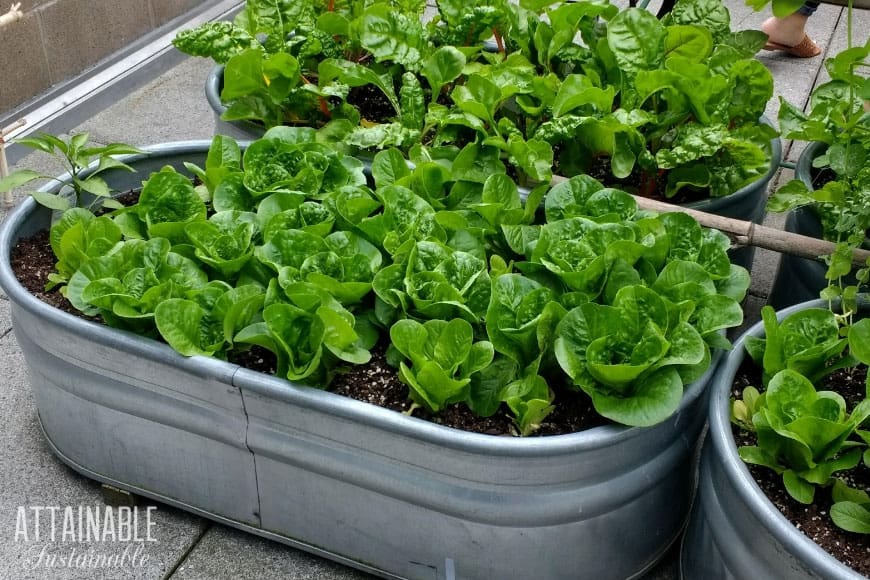
Lettuce is an easy choice for a beginner container garden. It has shallow roots and does not need a deep pot. Grow several plants in a wide container and harvest the outer leaves as needed. Lettuce also grows well in cooler weather.
4. Carrot Container Garden
Carrots can grow successfully in containers when you choose the right variety. Use a deep container that gives the roots enough room to develop. Fill it with loose, well-draining potting mix. Short or round carrot varieties are especially suitable for containers.
5. Radish Container Garden
Radishes are one of the fastest vegetables to grow in containers. They have small roots and can grow in relatively shallow pots. Sow the seeds directly into the container and keep the soil moist. You may be able to harvest fresh radishes within a few weeks.
6. Spinach Container Garden
Spinach is a great vegetable for small containers. It grows well in cool weather and can be harvested a little at a time. Use a container with good drainage and place it where it receives several hours of sunlight. Keep the soil consistently moist for healthy leaves.
7. Cucumber Container Garden
Cucumbers can grow in containers if you provide enough space and support. Choose a large pot and add a trellis or small support for the vines. Compact cucumber varieties are a good choice for small gardens. Regular watering is important, especially during hot weather.
8. Bush Bean Container Garden
Bush beans are easy to grow and do not usually need a trellis. Choose a container that is wide enough for several plants. Plant the seeds directly into the pot and place it in a sunny location. Pick the beans regularly to encourage more production.
9. Green Onion Container Garden
Green onions are perfect for small pots and containers. They have shallow roots and can grow in limited space. Plant them in a small container near a sunny window, balcony, or patio. You can harvest the green tops as they grow.
10. Pea Container Garden
Peas can be grown in containers during cool weather. Use a deep container and provide a small trellis or support for climbing varieties. Keep the soil moist and place the container in a sunny spot. Fresh peas can be harvested when the pods are full and green.
11. Eggplant Container Garden
Eggplants can grow well in large containers. Choose a compact variety that is suitable for pots. Use a container that is at least 5 gallons in size and provide plenty of sunlight. A stake can help support the plant as the fruit develops.
12. Zucchini Container Garden
Zucchini needs more space than many other container vegetables, but compact varieties can work well. Use a large container with good drainage. Give the plant plenty of sunlight and room to spread. Check the plant regularly and harvest zucchini while the fruits are still young.
13. Kale Container Garden
Kale is a hardy vegetable that grows well in containers. It can tolerate cooler temperatures and does not require a very large space. Use a medium or large container with rich potting mix. Harvest the lower leaves first while allowing the center of the plant to continue growing.
14. Swiss Chard Container Garden
Swiss chard adds both color and fresh greens to a container garden. It grows well in pots and can produce leaves for a long time. Choose a container with good drainage and provide several hours of sunlight. Harvest the outer leaves as needed.
15. Beet Container Garden
Beets are suitable for deep containers because they develop edible roots below the soil. Choose a pot that is at least 10 to 12 inches deep. Keep the soil loose and moist while the roots develop. Both the beet roots and young leaves can be enjoyed.
16. Broccoli Container Garden
Broccoli can grow in containers when you use a large enough pot. Choose a compact variety and give the plant plenty of sunlight. Keep the soil evenly moist and provide regular nutrients. Harvest the main head when it is firm and before the flowers open.
17. Cauliflower Container Garden
Cauliflower needs more space than leafy greens, but it can still grow in a large container. Choose a compact variety and use a deep, sturdy pot. Keep the soil moist and provide plenty of sunlight. Regular feeding can help support healthy head development.
18. Garlic Container Garden
Garlic is a simple crop for containers and requires little space. Choose a deep pot with good drainage and plant individual cloves with the pointed end facing up. Place the container in a sunny location. Harvest the bulbs when the leaves begin to turn yellow and dry.
19. Potato Container Garden
Potatoes are a fun vegetable to grow in containers. Use a large, deep container or grow bag with good drainage. Add soil as the plants grow to give the developing potatoes more room. Harvest when the plants mature and the foliage starts to die back.
20. Mixed Vegetable Container Garden
A mixed container garden allows you to grow several vegetables in one space. Combine vegetables with similar sunlight and watering needs. For example, lettuce, radishes, and green onions can work well together. Use a large container and give each plant enough room to grow.
These vegetable container gardening ideas make it easy to grow fresh produce even when space is limited. Start with a few vegetables that are easy to manage, then add more as you gain experience. With the right containers, good potting mix, enough sunlight, and regular watering, beginners can enjoy a productive container garden.
Soil And Fertilizer Essentials
Good soil is key to healthy plants. Use potting mix instead of garden soil. Potting mix is light and drains well. It also holds enough moisture for the plants. Look for a mix with perlite or vermiculite. These help keep the soil loose. Adding compost can improve the soil too. Compost provides nutrients and improves soil structure.
Organic fertilizers come from natural sources. Examples are compost, manure, and bone meal. They release nutrients slowly. This is good for long-term plant health. Organic options also improve soil health over time.
Synthetic fertilizers are man-made. They provide nutrients quickly. This can give plants a fast boost. But they do not improve soil health. Overuse can harm the soil and plants. Choose the type that fits your gardening style. Both have benefits and drawbacks.
Planting And Spacing Guidelines
Start with high-quality seeds for better growth. Use seed starting mix for best results. Plant seeds at the recommended depth. Keep the soil moist but not soggy. Provide adequate light for seedlings to grow strong.
Proper spacing helps plants grow healthy and strong. Tomatoes need at least 18 inches of space. Lettuce requires about 6 inches between plants. Carrots can be spaced 3 inches apart. Peppers need around 12 inches of space. Beans should have 4 inches between each plant.
Watering And Maintenance
Regular watering is crucial for vegetable container gardening. Ensure the soil remains moist but not waterlogged. Consistent maintenance, such as removing dead leaves, helps plants thrive.
Proper Watering Techniques
Water your plants in the morning. This helps the soil stay moist all day. Check the soil by sticking your finger 1 inch deep. If it’s dry, it’s time to water. Use a watering can with a narrow spout. This directs water to the roots. Avoid wetting the leaves to prevent mold. Water until you see it draining from the bottom.
Pest And Disease Management
Inspect plants regularly for pests. Look under leaves and stems. Remove any visible bugs by hand. Use organic insecticidal soap if needed. Encourage beneficial insects like ladybugs. Keep your gardening area clean to prevent diseases. Remove dead leaves and debris. Rotate your plants each season. This helps prevent soil diseases. Use neem oil for fungal issues.
Maximizing Sunlight Exposure
Place your containers in spots where they get the most sunlight. Aim for locations with at least 6 hours of sun daily. South-facing areas are often the best choice. Rotate containers every week to ensure even light distribution. Use light-colored containers to reflect heat and keep the soil cool.
Grow lights help when natural sunlight is insufficient. Choose LED grow lights for energy efficiency. Position the lights 6 to 12 inches above the plants. Ensure lights are on for 12 to 16 hours daily. Use a timer to automate the light schedule.
Harvesting Your Vegetables
Different vegetables need different times to be ready. Tomatoes are ripe when they are red and firm. Cucumbers should be green and crisp. Carrots are ready when they are bright orange. Always check the size and color of your vegetables. Use a gardening guide to know the best time for each vegetable. Picking too early or too late can affect taste.
Fresh vegetables should be stored in a cool place. Use a fridge for leafy greens and herbs. Root vegetables like carrots can be stored in a dark, cool area. Preserving your bounty is also a great option. You can freeze or can your vegetables. This keeps them fresh for months. Always label your stored vegetables with the date. This helps you use the oldest ones first.
Frequently Asked Questions
What Is Vegetable Container Gardening?
Vegetable container gardening involves growing vegetables in pots or containers. It’s perfect for small spaces. This method allows easy control of soil, water, and sunlight.
How Do I Start Container Gardening?
Start by choosing the right containers with good drainage. Use high-quality potting mix. Select vegetables suitable for containers like tomatoes, peppers, and herbs.
What Vegetables Grow Well In Containers?
Many vegetables grow well in containers, such as tomatoes, peppers, lettuce, and herbs. Choose compact varieties for best results.
How Often Should I Water Container Vegetables?
Water container vegetables when the top inch of soil feels dry. Containers dry out faster than garden beds, so check daily.
Conclusion
Starting your vegetable container garden is simple and rewarding. Enjoy fresh produce right from your balcony or patio. Remember to choose the right containers and soil. Regular watering and sunlight are key. Happy gardening, and may your plants thrive and flourish!
Last Updated on August 25, 2026 by Saad Abdullah

I enjoy sharing simple gardening ideas, lawn care tips, and honest product reviews that help make outdoor work easier. From home gardening guides to helpful tools and lawn care advice, I write easy-to-follow content to help readers create a healthier and better-looking outdoor space without wasting time or money.