As an Amazon Associate, I earn from qualifying purchases.
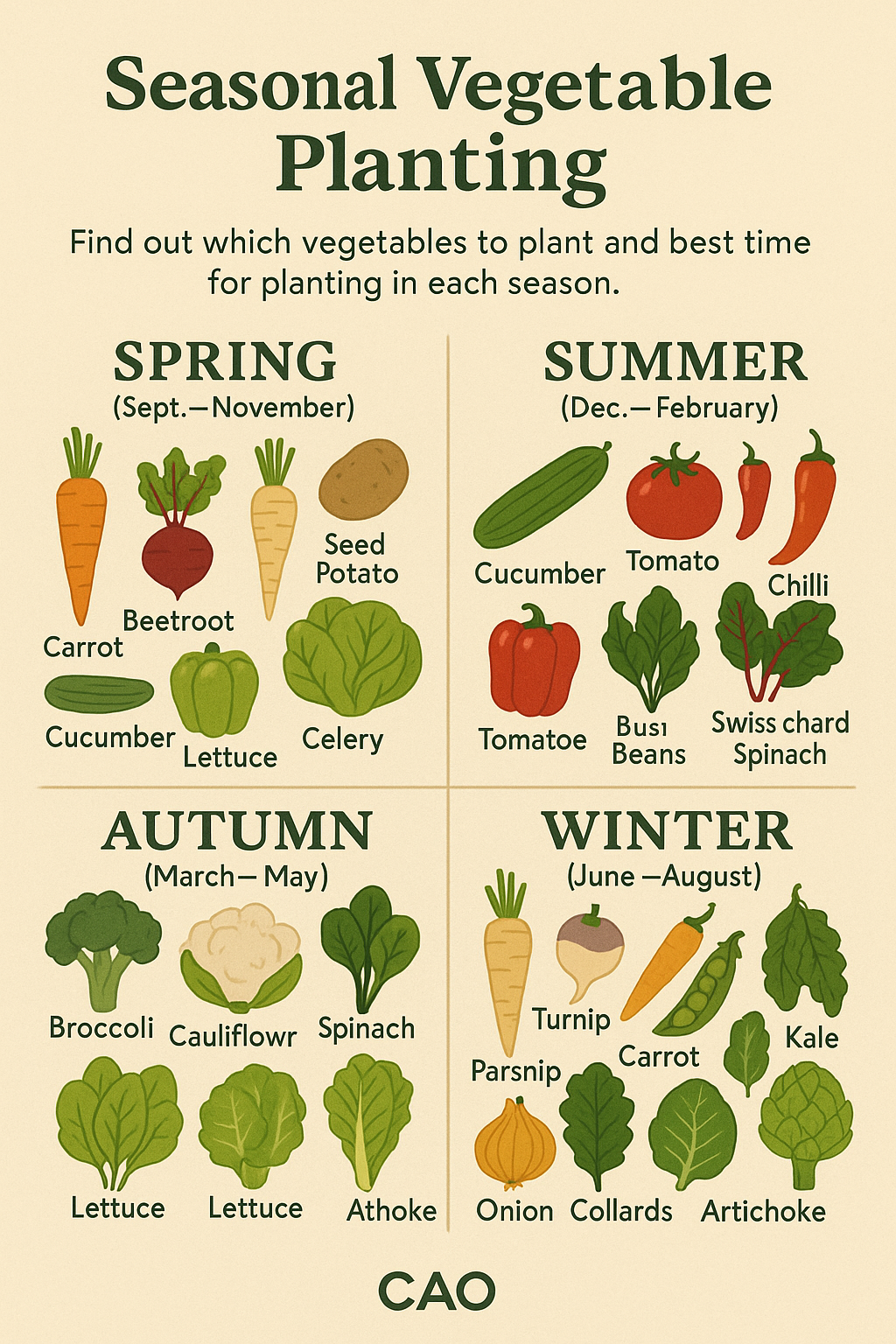
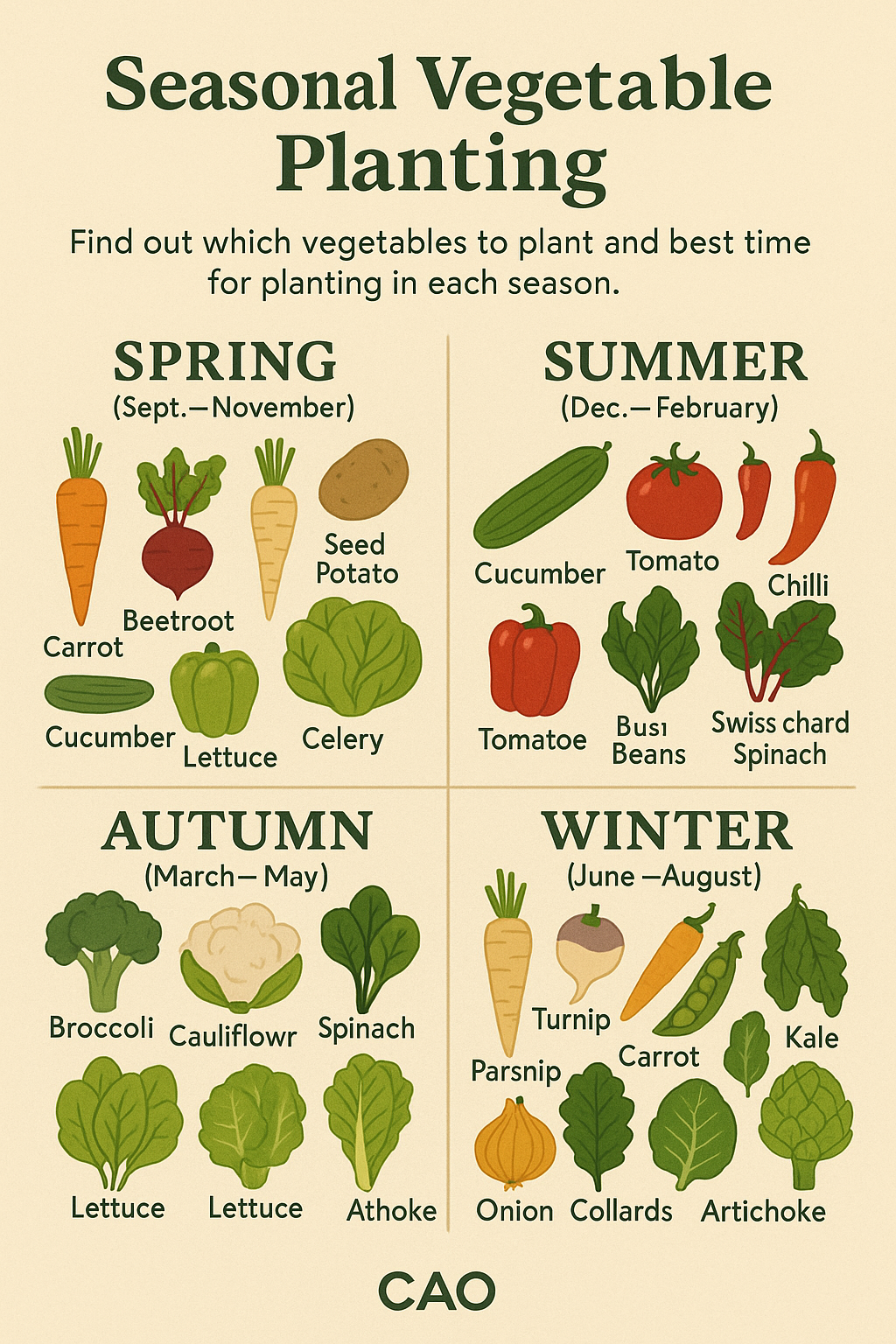
Plant leafy greens and peas in spring; switch to tomatoes, cucumbers, and squash in summer.
If you want a steady harvest from March through August, you need a smart plan. I’ve grown market and backyard plots for years, and this guide breaks down the best vegetables to grow in spring and summer, plus when and how to plant them for bumper yields. You’ll get clear steps, proven tips, and real-life lessons that save time and money. Read on to master vegetables to grow in spring and summer without guesswork.

Cool-season winners: what to plant first in spring
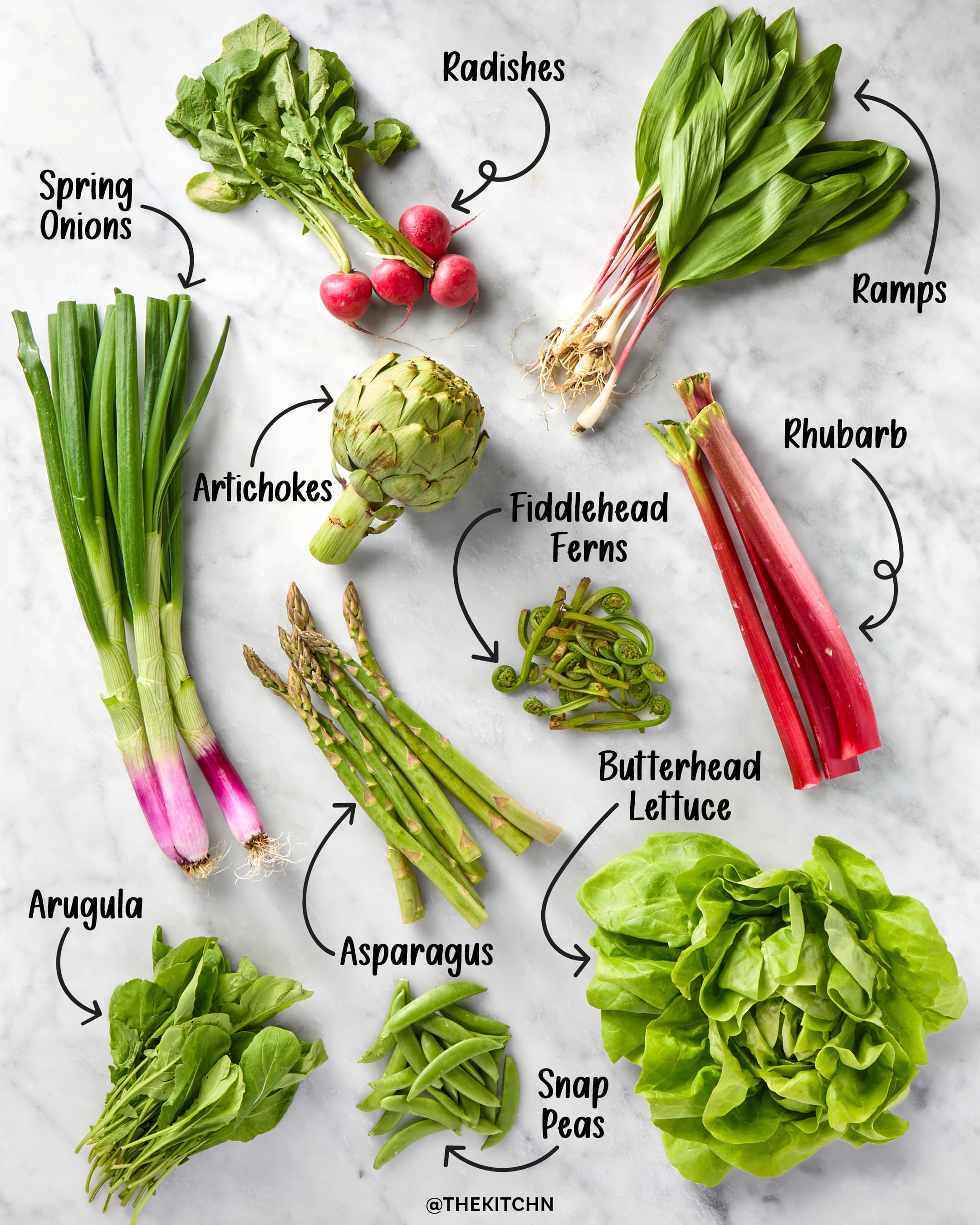
Spring is prime time for cool-season crops that love mild days and crisp nights. These plants sprout in cool soil and handle light frost. Start with fast growers to build early momentum, then follow with longer crops.
Top picks and quick notes:
- Lettuce, spinach, and arugula: Direct sow as soon as soil is workable. Harvest baby leaves in 25–35 days.
- Peas: Plant when soil is 45–60°F. Use a simple trellis and pick often for sweet pods.
- Radishes and turnips: Sow every two weeks. They love cool soil and give quick wins.
- Carrots and beets: Sow shallow and keep the surface moist until seeds sprout.
- Brassicas (broccoli, cabbage, kale): Transplant 4–6 week-old starts. Use row covers to block cabbage worms.
- Onions, scallions, and leeks: Transplant sets or seedlings early. They like steady moisture.
- Potatoes: Plant seed pieces when soil is 45–50°F. Hill as vines grow to boost yields.
Personal tip: In my zone 6 garden, I tuck radishes next to slow broccoli. By the time broccoli crowns swell, radishes are out. This small trick keeps beds full and tidy.
Timing cues:
- Direct sow once the soil stops sticking to your shovel.
- Aim for soil 40–50°F for peas and greens, 50–60°F for carrots and beets.
- Protect tender transplants on cold nights with row covers or cloches.
This early list forms the base of vegetables to grow in spring and summer. It buys you time while warm beds heat up.
Heat lovers: the best vegetables to plant for summer
Once nights stay above 50°F and soil warms, switch to warm-season crops. These need sun, heat, and consistent water for peak flavor.
Warm-season all-stars:
- Tomatoes: Transplant after soil hits 60°F. Stake or cage early and prune to keep airflow high.
- Peppers and eggplant: Warm soil, full sun, and light mulch help roots thrive.
- Bush and pole beans: Sow in soil 60–65°F. Pole beans climb and save space.
- Sweet corn: Plant blocks (not single rows) for good pollination.
- Cucumbers: Trellis to save room and get straight fruit. Bitter-free picks need steady water.
- Zucchini and summer squash: Harvest young for best taste. Watch for squash vine borers.
- Melons: Need heat, mulch, and lean feeding. Prune runners to ripen fruit faster.
- Okra: Loves heat and poor soil. Pick pods young and often.
- Sweet potatoes and basil: Plant slips and starts once nights are warm.
Expert cues:
- Transplants must be hardened off one week outside before planting.
- Use black plastic or dark mulch to heat soil faster.
- Space plants for airflow to prevent disease in humid summers.
If you want reliable vegetables to grow in spring and summer, match crop needs to temperature first, then to your soil and space.

Succession planting: timing that keeps plates full
A good harvest is about rhythm. Stagger sowing and rotate crops so beds never sit empty.
Easy successions:
- Follow peas with bush beans.
- Replace spent lettuce with cucumbers or basil.
- Plant radishes between young tomatoes to use shade and space.
Simple schedule example:
- Early spring: Lettuce, peas, radishes.
- Mid spring: Carrots, beets, brassicas.
- Late spring: Transplant tomatoes and peppers.
- Early summer: Sow beans and cucumbers.
- Mid summer: Tuck in a late wave of zucchini or basil.
Hardened habit: I set a phone reminder to reseed greens every two weeks. It keeps salads coming and reduces waste.
PAA-style quick answers:
How soon after peas can I plant beans?
As soon as the vines yellow and pods stop, pull peas and loosen soil. Add compost and sow beans the same day.
Can I interplant lettuce under tomatoes?
Yes. Lettuce enjoys shade as tomatoes grow. Harvest before tomato canopies close.
What’s the best gap between radish sowings?
Seven to ten days keeps roots tender and steady through spring.
Succession is the quiet engine behind vegetables to grow in spring and summer. It turns short beds into long harvests.

Soil, water, and feeding basics that drive yields
Great soil is your crop insurance. Aim for rich, crumbly soil with steady moisture and simple, steady feeding.
Soil setup:
- Mix in 1–2 inches of compost each season.
- Most crops like pH 6.0–7.0. Brassicas prefer near neutral.
- Raised beds warm faster and drain well in wet springs.
Watering:
- Deep, rare watering beats shallow, often. Aim for 1 inch a week.
- Drip lines with mulch cut disease and save water.
- Morning watering keeps leaves dry by nightfall.
Feeding:
- Leafy greens love nitrogen early. Use light, regular doses.
- Fruiting crops need balanced feeding. Side-dress with compost at bloom.
- Avoid heavy nitrogen on tomatoes and peppers. It makes leaves, not fruit.
I learned to mulch early with straw. It keeps spring soil warm, locks in water in summer, and gives earthworms a home. That small layer lifted yields across all vegetables to grow in spring and summer.
Pests and diseases: a simple, safe playbook
Spring brings caterpillars. Summer brings beetles, borers, and blights. Use prevention first, then target fixes.
Common issues and fixes:
- Aphids and whiteflies: Blast with water and add ladybug-friendly flowers.
- Cabbage worms: Cover brassicas early. Use BT if chewing starts.
- Flea beetles on eggplant and arugula: Use light row covers and sticky traps.
- Squash vine borers: Wrap lower stems with foil or use row covers until bloom.
- Tomato hornworms: Hand-pick at dusk. Encourage parasitic wasps.
- Early blight and powdery mildew: Prune for airflow, mulch, and avoid wet leaves.
Clean habits:
- Rotate families yearly to lower disease pressure.
- Remove and trash diseased leaves fast.
- Sanitize tools between beds in wet seasons.
These steps protect vegetables to grow in spring and summer without harsh sprays. Simple habits beat big problems.
Small spaces and containers: patio-friendly options
No yard? You can still harvest plenty with pots, grow bags, or rails. Choose compact types and focus on light, water, and soil.
Best container choices:
- Determinate tomatoes, dwarf peppers, bush beans, patio cucumbers.
- Cut-and-come-again lettuce, spinach, and herbs.
- Baby carrots and round beets in deep pots.
Container keys:
- Use 5–10 gallon pots for tomatoes and peppers. Ensure many drain holes.
- Fill with high-quality potting mix, not garden soil.
- Feed lightly every 1–2 weeks. Water until it runs out the bottom.
My balcony test each summer proves this works. A single 10-gallon grow bag can give salads for weeks and a steady trickle of cherry tomatoes. It’s one of the easiest ways to try vegetables to grow in spring and summer.

Climate-smart choices and regional timing
Your last frost date sets the pace. Soil temperature is your green light. Adjust choices to your zone and microclimate.
Key cues:
- Plant cool crops when soil is 40–50°F. Plant warm crops at 60–70°F.
- Use shade cloth during heat waves for lettuce and peas.
- In hot zones, choose heat-tolerant greens and bolt-resistant lettuce.
- In cool zones, use low tunnels or black mulch to warm soil.
Microclimate tricks:
- South-facing walls add warmth for early tomatoes.
- Windy sites dry fast. Mulch deeper and use windbreaks.
- Low spots frost first. Plant tender crops higher up.
When you tailor vegetables to grow in spring and summer to your climate, everything gets easier: fewer losses, steadier growth, and better taste.
Companion planting and rotation that actually help
Companions can boost pollination, confuse pests, and save space. Rotation starves soil-borne diseases.
Helpful pairs:
- Basil with tomatoes for flavor and pollinators.
- Marigolds near beans and squash for pest pressure balance.
- Dill and fennel for beneficial insects; keep fennel a bit apart from beans.
Rotation rules:
- Move plant families yearly on a 3–4 year cycle.
- Follow heavy feeders with legumes to rebuild nitrogen.
- Keep nightshades (tomatoes, peppers, eggplant) moving to reduce blight stress.
I track rotations with a simple sketch each winter. That small habit keeps vegetables to grow in spring and summer healthier with less effort.
Harvest and storage: lock in flavor and shelf life
Harvest right and your work pays off. Pick in the cool morning and handle gently.
Quick rules:
- Leafy greens: Cut young. Chill fast to keep crisp.
- Peas and beans: Pick often to keep plants producing.
- Cucumbers and zucchini: Harvest small and tender.
- Tomatoes: Let them color on the vine. Store at room temp.
- Onions and garlic: Cure in a dry, airy place before storing.
- Potatoes: Cure in the dark, brush soil off, and store cool.
A sharp knife and a clean basket save bruising. It’s the final step to perfect vegetables to grow in spring and summer.
Frequently Asked Questions of Vegetables to grow in spring and summer
What are the easiest vegetables to grow in spring and summer for beginners?
Start with lettuce, radishes, peas, bush beans, and zucchini. They germinate fast, forgive small mistakes, and give quick harvests.
When should I plant tomatoes after my last frost?
Wait until nights stay above 50°F and soil is at least 60°F. Harden off seedlings for a week before transplanting.
Can I grow vegetables to grow in spring and summer in shade?
You can grow leafy greens in partial shade, especially in summer heat. Fruiting crops need at least 6–8 hours of sun.
How do I keep lettuce from bolting in summer?
Pick heat-tolerant varieties, add afternoon shade, and water well. Sow small patches often to replace any that bolt.
Is mulch helpful in both spring and summer?
Yes. In spring it warms soil and blocks weeds; in summer it cools roots and saves water. Straw or shredded leaves work well.
Do I need fertilizer if I use compost?
Often yes, but less. Compost feeds slowly; light, regular feeding supports heavy producers like tomatoes and cucumbers.
Conclusion
A great garden blends timing, soil care, and steady planting. Start with cool crops for easy wins, then pivot to heat lovers as the weather warms. Use succession, mulch, and smart watering to stretch the harvest and reduce stress.
Pick one bed, make a simple plan, and plant this week. You will learn faster by doing. Want more guides on vegetables to grow in spring and summer? Subscribe, share your zone in the comments, and I’ll tailor a plan for you.

I enjoy sharing simple gardening ideas, lawn care tips, and honest product reviews that help make outdoor work easier. From home gardening guides to helpful tools and lawn care advice, I write easy-to-follow content to help readers create a healthier and better-looking outdoor space without wasting time or money.