
As an Amazon Associate, I earn from qualifying purchases.
If you want your vegetable garden to thrive and produce a bountiful harvest, choosing the right fertilizer is key. You might be wondering, “What is the best fertilizer for a vegetable garden?” The answer isn’t one-size-fits-all, but by understanding how different fertilizers work and what your plants need at each stage, you can give your garden exactly what it craves.
Whether you’re growing juicy tomatoes, crisp peppers, or leafy greens, the right nutrients make all the difference. Keep reading to discover simple, effective fertilizer choices that will help your garden flourish and reward you with fresh, healthy veggies all season long.
Choosing Fertilizer Types
Choosing the right fertilizer type is important for a healthy vegetable garden. Different fertilizers work better for different plants and soil conditions. Understanding the main types helps you pick the best option for your garden’s needs. This guide covers key fertilizer types to help your vegetables grow strong and yield well.
Organic Vs Synthetic Options
Organic fertilizers come from natural sources like compost, manure, and bone meal. They improve soil health and release nutrients slowly. Synthetic fertilizers are made from chemicals. They provide nutrients quickly and in precise amounts. Organic options build soil over time. Synthetic options give fast nutrient boosts. Both have benefits depending on your garden goals.
Slow-release Vs Quick-release
Slow-release fertilizers feed plants over weeks or months. They reduce the risk of nutrient burn and need fewer applications. Quick-release fertilizers give nutrients immediately. This boosts plant growth fast but may require more frequent feeding. Slow-release is better for steady growth. Quick-release helps when plants show nutrient deficiencies.
Liquid Vs Granular Fertilizers
Liquid fertilizers dissolve in water and apply directly to plants or soil. They act fast and are easy to use. Granular fertilizers come in small pellets and release nutrients slowly. They are spread around plants and watered in. Liquids suit quick feeding and foliar feeding. Granules are good for long-term feeding with less effort.
Nutrient Needs Of Vegetables
Vegetables need the right nutrients to grow strong and healthy. Each nutrient plays a special role in their development. Understanding these needs helps gardeners choose the best fertilizer for a vegetable garden. Proper nutrition supports good yields and vibrant plants.
Essential Macronutrients
Vegetables require three main nutrients in large amounts: nitrogen, phosphorus, and potassium. Nitrogen helps leaves grow green and lush. Phosphorus supports root development and flower formation. Potassium strengthens plants and improves fruit quality. These macronutrients form the base of most fertilizers.
Micronutrient Importance
Besides macronutrients, vegetables need small amounts of micronutrients. Iron, zinc, copper, and manganese are vital for plant functions. These elements help enzymes work and protect plants from stress. Even tiny shortages can slow growth or cause leaf problems.
Nutrient Needs By Growth Stage
Vegetables change their nutrient needs as they grow. Young plants benefit from nitrogen to build leaves and stems. During flowering and fruiting, they need more phosphorus and potassium. Adjusting fertilizer types and amounts supports each growth phase effectively.
Fertilizing Tomatoes And Peppers
Tomatoes and peppers need proper fertilizing for healthy growth and good fruit production. Different stages of their growth require different nutrients. Fertilizers help plants develop strong roots, lush leaves, and plenty of flowers and fruits. Understanding the right fertilizer at each stage can boost your garden’s success.
Early Growth Fertilizer Choices
Use a balanced fertilizer with equal parts nitrogen, phosphorus, and potassium. This helps young plants develop strong roots and healthy leaves. Adding compost or well-rotted manure before planting supplies slow-release nutrients. Mixing bone meal into the soil adds phosphorus for root growth. A small amount of Epsom salt can support early development.
Fertilizers For Flowering Stage
Switch to fertilizers higher in phosphorus and potassium once flowers appear. These nutrients support bloom formation and fruit development. Apply fertilizer every two to three weeks during this stage. A solution of Epsom salt mixed with water helps plants absorb nutrients better. It also encourages bigger, juicier tomatoes and peppers.
Calcium And Magnesium Benefits
Calcium prevents blossom end rot, a common problem in tomatoes and peppers. Add crushed eggshells or lime to the soil to supply calcium naturally. Magnesium improves photosynthesis and overall plant health. Epsom salt is a good source of magnesium and can be applied as a foliar spray or soil amendment. Both minerals keep plants strong and productive.
Fertilizing Other Common Vegetables
Fertilizing other common vegetables in your garden ensures healthy growth and better yields. Different types of vegetables need specific nutrients at various stages. Understanding these needs helps you choose the best fertilizer. Here is a guide to fertilizing leafy greens, root vegetables, and fruit-bearing plants effectively.
Leafy Greens Fertilization
Leafy greens like lettuce, spinach, and kale need plenty of nitrogen. Nitrogen helps leaves grow large and green. Use a fertilizer high in nitrogen for these vegetables. Organic options like compost or blood meal work well. Apply fertilizer every two to three weeks for best results. Avoid over-fertilizing as it can cause leaf burn. Keep soil moist to help nutrients absorb properly.
Root Vegetables Nutrient Tips
Root vegetables such as carrots, beets, and radishes require balanced nutrition. They need phosphorus and potassium for strong roots. Avoid too much nitrogen, which causes leafy tops but weak roots. Bone meal is a good source of phosphorus. Potassium helps improve root size and taste. Work fertilizer into the soil before planting. Side-dress with compost or a low-nitrogen fertilizer mid-season.
Fruit-bearing Vegetables Care
Tomatoes, peppers, and cucumbers need a mix of nutrients. Use a fertilizer rich in phosphorus and potassium to boost fruit production. Apply fertilizer at planting and again when fruits start to form. Epsom salt provides magnesium, aiding in fruit development. Calcium is important to prevent blossom end rot in tomatoes. Add crushed eggshells or gypsum to supply calcium naturally.
Homemade Fertilizer Recipes
Homemade fertilizer recipes offer a natural way to boost your vegetable garden’s growth. These recipes use simple ingredients found around the house or garden. They provide essential nutrients without harsh chemicals. Using homemade fertilizers improves soil health and encourages strong plants.
Making your own fertilizer saves money and reduces waste. It also allows you to control what goes into your soil. Below are three effective homemade fertilizer options that work well for vegetable gardens.
Compost And Manure Mixes
Compost and manure are rich in nutrients and organic matter. Compost breaks down kitchen scraps and garden waste into soil-friendly material. Manure adds nitrogen and other key nutrients to the soil. Mix well-rotted manure with compost for best results. Apply this mix around your plants to improve soil texture and fertility.
Bone Meal And Eggshell Uses
Bone meal is a great source of phosphorus, which helps roots grow strong. You can sprinkle bone meal into planting holes before sowing seeds. Crushed eggshells add calcium, which prevents common plant issues. Dry and crush eggshells, then mix them into the soil. Both bone meal and eggshells slowly release nutrients over time.
Epsom Salt Applications
Epsom salt provides magnesium and sulfur, which plants need for healthy leaves. Dissolve one tablespoon of Epsom salt in a gallon of water. Use this solution to water your vegetable plants every few weeks. It helps improve nutrient absorption and boosts growth. Epsom salt works well for tomatoes, peppers, and leafy greens.

Application Tips And Timing
Proper application and timing of fertilizer are crucial for a thriving vegetable garden. Applying fertilizer correctly helps plants absorb nutrients efficiently. Poor timing or excess fertilizer can harm plants and reduce yields. Use the right amount at the right time to support healthy growth.
How To Avoid Over-fertilizing
Too much fertilizer can burn plant roots and cause leaf damage. Follow package instructions carefully for dosage. Spread fertilizer evenly across the soil surface. Water after applying fertilizer to help nutrients soak in. Avoid fertilizing during very hot or dry weather to prevent stress. Test soil regularly to know nutrient levels before adding fertilizer.
Best Times For Fertilizer Application
Apply fertilizer before planting to prepare the soil. Early spring is ideal for most vegetables. Side-dress plants with fertilizer during growth stages to boost development. Avoid late-season fertilizing to prevent excessive leaf growth over fruits. Use slow-release fertilizers for steady nutrient supply. Always fertilize in the morning or evening to reduce nutrient loss.
Seasonal Fertilizing Strategies
In spring, focus on nitrogen-rich fertilizers to support leaf growth. During flowering and fruiting, use fertilizers high in phosphorus and potassium. Summer may require light feeding to maintain plant health. Reduce fertilizing in fall to prepare plants for dormancy. Organic matter like compost can improve soil year-round. Adjust fertilizer type and amount based on the season and plant needs.
Popular Fertilizer Products
Choosing the right fertilizer is key for a thriving vegetable garden. Popular fertilizer products come in many types. They suit different gardening styles and plant needs. This section explores well-known options to help you find the best fit. From organic to synthetic and budget-friendly choices, discover products that nourish your plants effectively.
Top Organic Brands
Organic fertilizers enrich soil naturally. They improve soil health and promote steady plant growth. Brands like Espoma and Dr. Earth lead the market. Espoma Organic Plant-Tone is made from natural ingredients. It feeds vegetables gently over time. Dr. Earth Home Grown Tomato, Vegetable & Herb Fertilizer contains beneficial microbes. It supports strong roots and healthy leaves. These brands avoid synthetic chemicals, making them ideal for eco-friendly gardens.
Highly Rated Synthetic Options
Synthetic fertilizers offer quick nutrient delivery. They often contain precise nutrient ratios. Miracle-Gro Water Soluble All Purpose Plant Food is popular among gardeners. It dissolves easily in water for fast absorption. Scotts All Purpose Flower & Vegetable Plant Food provides balanced nutrition. These products help boost plant growth rapidly. Use them carefully to avoid overfeeding and potential soil harm.
Budget-friendly Choices
Affordable fertilizers can still yield good results. Walmart’s Expert Gardener Tomato & Vegetable Garden Plant Food is a top pick. It offers essential nutrients at a low price. Home Depot also stocks cost-effective options for beginners. Buying in bulk often reduces cost per use. Budget-friendly fertilizers help maintain garden health without overspending. They suit gardeners who want value and reliable performance.
Common Fertilizing Mistakes
Fertilizing your vegetable garden is key for healthy plants and good yields. Many gardeners make common mistakes that reduce fertilizer benefits. These errors can hurt plants and waste money. Avoid these mistakes to keep your garden thriving.
Overfeeding Risks
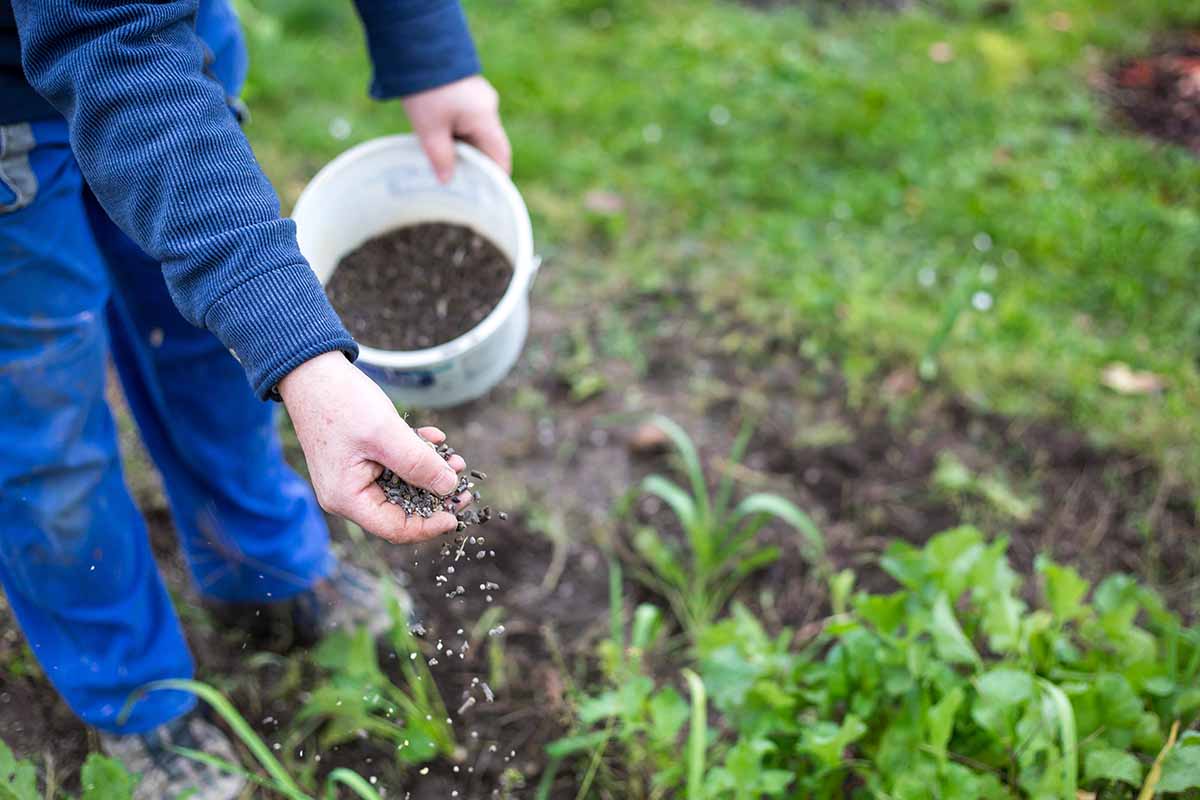
Applying too much fertilizer can harm your vegetables. Excess nutrients cause leaf growth but fewer fruits. Overfeeding can burn plant roots and stunt growth. It also leads to nutrient runoff, harming the environment. Use fertilizer amounts recommended for your vegetable type.
Ignoring Soil Health
Healthy soil is the base for plant nutrition. Fertilizer alone cannot fix poor soil. Ignoring soil tests means missing nutrient imbalances or pH problems. Adding organic matter like compost improves soil structure and nutrient retention. Test soil regularly and amend it before fertilizing.
Misreading Plant Signals
Plants show signs when they lack nutrients or have too much. Yellow leaves may mean nitrogen deficiency, but overfeeding can cause similar symptoms. Wilting or leaf spots might signal other issues, not fertilizer needs. Observe plants carefully and confirm problems before adding fertilizer. Proper diagnosis saves plants and resources.
Frequently Asked Questions
When To Apply 10-10-10 Fertilizer To Vegetable Garden?
Apply 10-10-10 fertilizer at planting and again mid-season to support balanced growth. Avoid late-season use to prevent excess foliage.
What Is The Best Fertilizer For Tomatoes And Peppers?
Use a balanced fertilizer with equal nitrogen, phosphorus, and potassium during early growth. Switch to high phosphorus and potassium fertilizer when flowering. Incorporate organic matter like compost and add calcium to prevent blossom end rot. Apply Epsom salt every few weeks for better nutrient absorption and larger yields.
Should I Fertilize My Vegetable Garden In The Fall?
Fertilize your vegetable garden in fall to enrich soil for spring growth. Use compost or slow-release organic fertilizers to improve soil health. Avoid high-nitrogen fertilizers to prevent excessive leafy growth. Fall fertilizing boosts nutrient levels and supports more vigorous plants next season.
Is 10-10-10 Fertilizer Good For Potatoes?
Yes, 10-10-10 fertilizer works well for potatoes by providing balanced nitrogen, phosphorus, and potassium. Apply it at planting for healthy growth. Avoid over-fertilizing to prevent excessive foliage and ensure better tuber development.
Conclusion
Choosing the best fertilizer helps your vegetable garden grow strong and healthy. Organic options like compost improve soil slowly and safely. Balanced fertilizers support early growth, while high phosphorus helps during flowering. Follow package directions carefully to avoid overfeeding plants.
Remember, different vegetables have different needs at each stage. Healthy soil means better fruits and vegetables for your table. Start with the right fertilizer, and enjoy a fruitful garden all season long.