As an Amazon Associate, I earn from qualifying purchases.
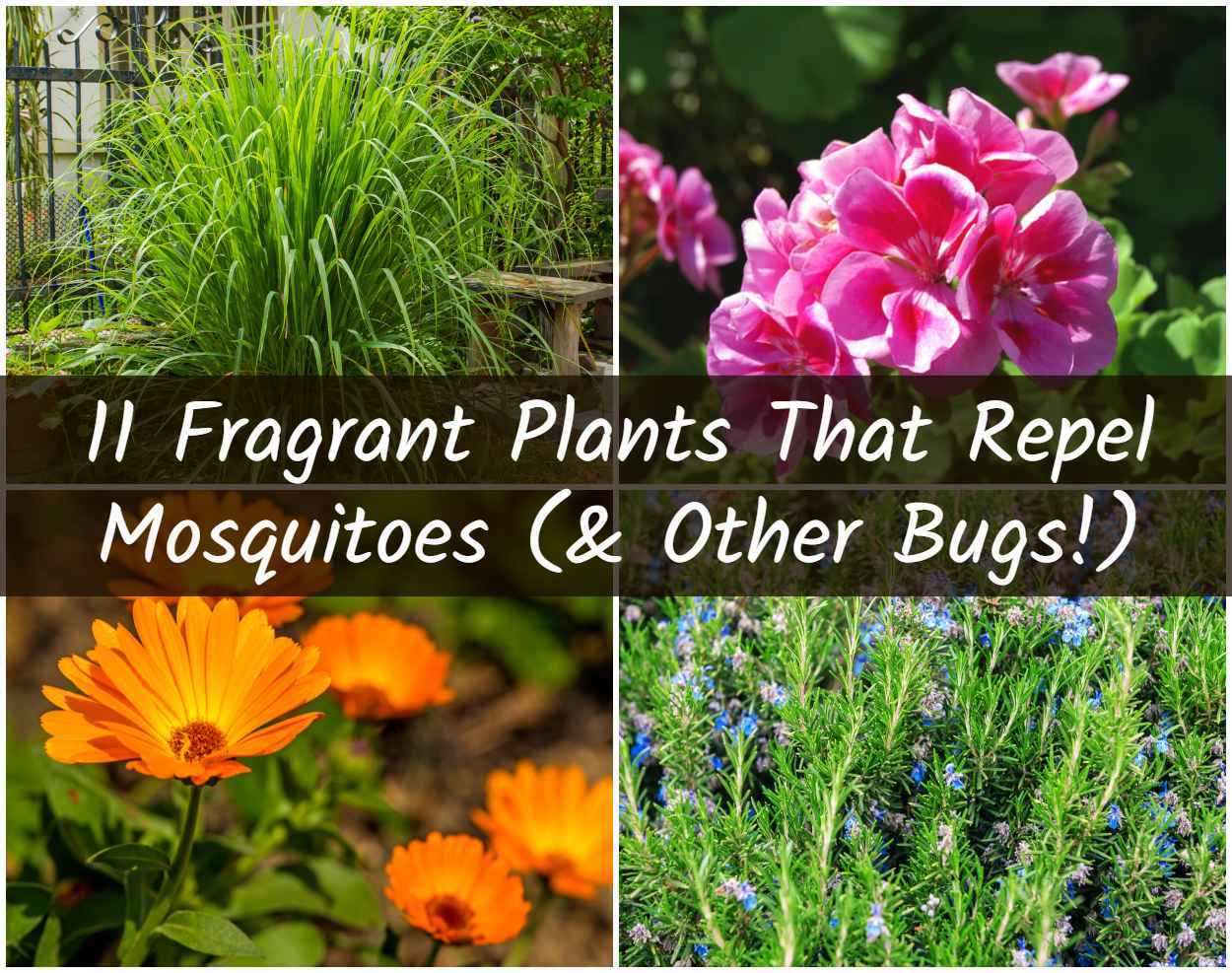
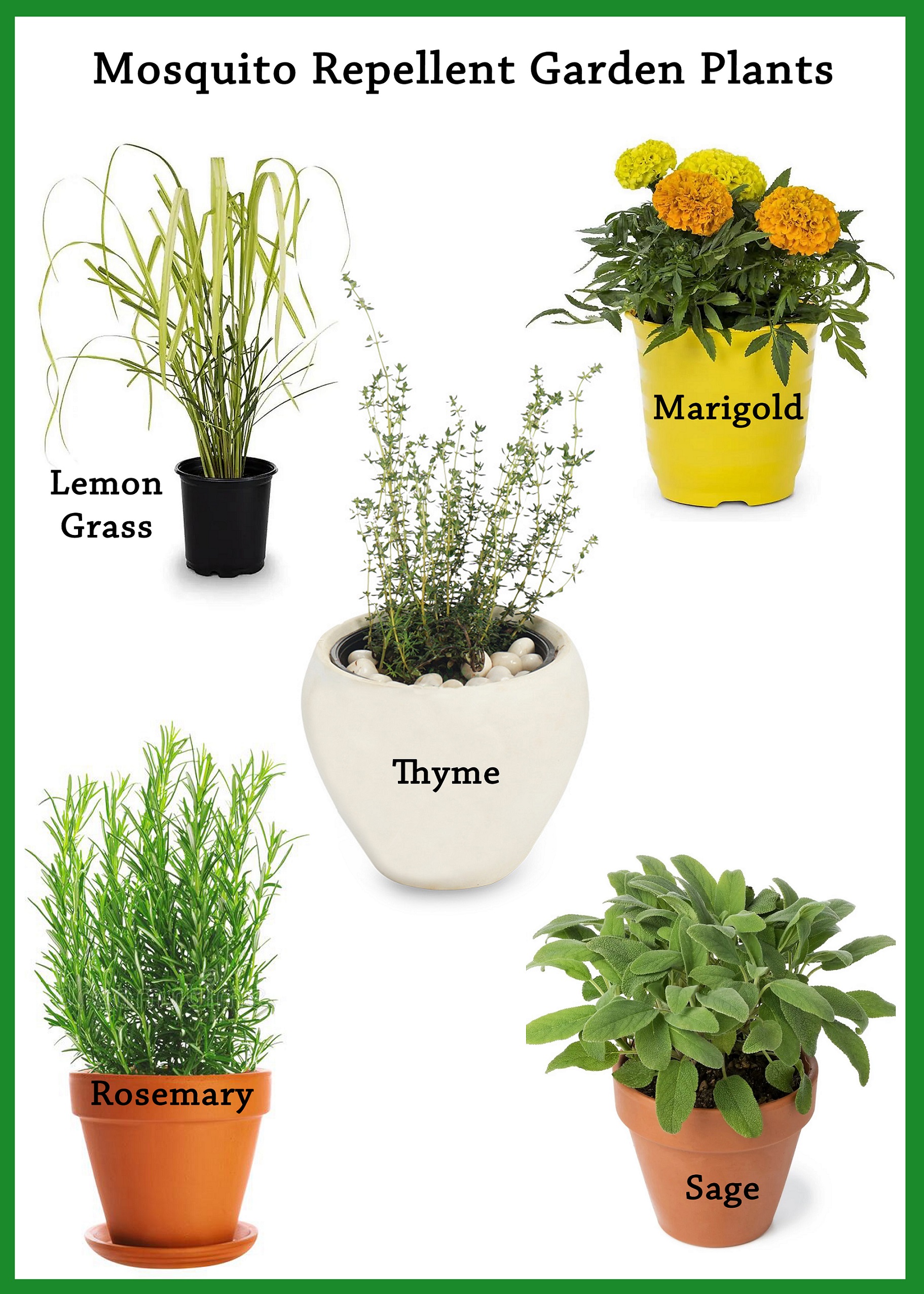
Citronella grass, lavender, lemon balm, basil, rosemary, catnip, peppermint, marigolds, lemon thyme, and scented geraniums are popular plants associated with mosquito-repelling properties. However, growing these plants in a yard does not reliably keep mosquitoes away. Their strongest practical value is as fragrant garden plants, while crushed leaves and extracted oils may have limited repellent effects under specific conditions.
Across the United States, mosquitoes can make summer evenings on patios, decks, and in backyards uncomfortable. They can also transmit diseases, including West Nile virus and dengue in some circumstances. Homeowners often turn to fragrant herbs and flowers as a natural way to make outdoor spaces less inviting to these pests.
The important distinction is between a plant containing compounds that affect mosquitoes and a living plant that protects people from bites. Essential oils from certain plants have demonstrated repellent activity in some studies, but the concentration, formulation, application method, and duration of protection matter. A potted citronella plant or a row of lavender should not be treated as a substitute for a registered insect repellent.
The most useful approach combines plants that suit your local climate with practical mosquito prevention. Choose species that thrive in your USDA hardiness zone, avoid standing water, maintain your landscaping, and use an EPA-registered repellent when you need reliable personal protection.
Several aromatic plants contain compounds that have been investigated for mosquito-repelling effects. The best-known examples include citronella grass, lemon balm, basil, rosemary, lavender, and catnip. Their oils may affect mosquito host-seeking behavior, but results from concentrated extracts do not establish that an intact garden plant will protect people nearby.
The following table compares popular options by their main garden benefits, growing requirements, and practical limitations. Use it to choose plants for your climate and outdoor space rather than assuming any one species will eliminate mosquitoes.
Source: rhythm.hsm-zeitarbeit.de
Best starting point for an herb garden
Basil and rosemary can provide useful culinary herbs while adding fragrant foliage to containers or beds.
Best-known citronella option
True citronella grass is valued for its aromatic oil, but the plant itself should not be relied on for bite prevention.
Best for fragrant ornamental planting
Lavender and scented geraniums add fragrance and visual interest, although their presence does not guarantee fewer mosquito bites.
1. Citronella Grass
Citronella grass (Cymbopogon nardus and related Cymbopogon species) is one of the plants most commonly associated with mosquito repellency. Its aromatic oil contains compounds used in some commercial insect-repellent formulations.
True citronella grass is a tropical, clump-forming grass that generally needs warmth, sunlight, and well-drained soil. In much of the United States, gardeners grow it in containers and bring it indoors before cold weather. Check the plant’s botanical name before buying because scented geraniums are also marketed as citronella plants.
A living citronella plant is not equivalent to citronella oil applied in a tested formulation. Its fragrance usually does not spread at a concentration sufficient to protect a whole patio.
Growing tip
Provide a sunny location, warm conditions, and drainage that prevents waterlogged roots.
Important limitation
Do not count on a pot of citronella grass to prevent mosquito bites.
2. Lavender
Lavender (Lavandula species) is a fragrant perennial valued for its purple flowers and silvery foliage. Its essential oil contains aromatic compounds that have been studied for insect-related effects, but evidence for mosquito protection from living lavender plants is limited.
Lavender generally performs best in full sun and well-drained soil. It is a reasonable choice for dry garden borders, sunny containers, and other locations where its ornamental value is as important as fragrance. Avoid consistently wet soil, which can contribute to root problems.
Best use
Grow lavender for flowers, fragrance, and garden appeal, not as a stand-alone mosquito-control measure.
3. Lemon Balm
Lemon balm (Melissa officinalis) is a member of the mint family with leaves that release a lemon-like aroma when crushed. Its essential oil contains compounds, including citronellal, that have been studied for repellent activity.
This hardy herb grows in many temperate U.S. gardens and tolerates partial shade. It can spread readily by seed and underground growth, so a container or defined planting area can make it easier to manage. The presence of lemon balm does not establish that nearby people are protected from mosquitoes.
Growing tip
Use a pot if you want to control spreading, and harvest leaves for culinary use when appropriate.
4. Basil
Basil (Ocimum basilicum) is a warm-season culinary herb whose leaves contain aromatic oils. Some basil extracts and essential oils have shown mosquito-repellent activity under particular study conditions, but effectiveness varies with the formulation and concentration.
Plant basil in a sunny spot with fertile, well-drained soil and regular watering. It is well suited to containers near a kitchen or outdoor dining area, where convenient harvesting is a clear benefit. Do not assume that basil growing beside a chair will keep mosquitoes from biting.
Best use
Choose basil for fresh cooking ingredients and fragrant foliage, with mosquito control treated as an unproven secondary benefit.
5. Rosemary
Rosemary (Salvia rosmarinus, formerly Rosmarinus officinalis) is an evergreen, aromatic herb that contains compounds such as cineole and camphor. Extracts and essential oils have been investigated for insect-repellent properties, but this does not prove that a rosemary shrub provides meaningful protection against bites.
Rosemary prefers full sun and well-drained soil and can tolerate relatively dry conditions once established. In colder regions, grow it in a container that can be moved indoors. Keep it away from persistently wet planting sites.
Best use
Grow rosemary near a kitchen garden or sunny patio for its culinary value and evergreen appearance.
6. Catnip
Catnip (Nepeta cataria) contains nepetalactone, a compound studied for its potential to repel certain mosquitoes and other insects. Laboratory findings involving isolated compounds or prepared extracts should not be interpreted as proof that a catnip plant protects an outdoor seating area.
Catnip is relatively easy to grow and can spread through self-seeding. It may attract cats, and its growth should be managed if you do not want it to occupy nearby beds. Select a planting location based on your garden conditions and household needs rather than relying on it for personal protection.
Household consideration
Expect that nearby cats may be interested in the plant, and avoid using concentrated oils on pets.
7. Peppermint
Peppermint (Mentha × piperita) produces strongly scented leaves containing menthol and other aromatic compounds. Peppermint oil has been studied for repellent activity, but the strength and duration of any effect depend on how the oil is prepared and used.
Peppermint grows vigorously in moist soil and can spread rapidly through underground stems. A container is usually the simplest way to prevent it from taking over a garden bed. Its fragrance and usefulness in drinks and cooking are more dependable reasons to grow it than mosquito control.
Growing tip
Keep peppermint in a pot with drainage and water it regularly without leaving the roots waterlogged.
Safety note
Do not apply undiluted peppermint essential oil to skin or pets.
8. Lemon Thyme
Lemon thyme (Thymus × citriodorus and related lemon-scented thyme cultivars) is a compact herb with fragrant foliage. Certain thyme essential oils have demonstrated insect-repellent properties in research, but those results cannot establish that lemon thyme growing in a garden prevents bites.
Lemon thyme typically prefers full sun and well-drained soil. It can work well along sunny borders, in rock gardens, and in containers. Select a cultivar suited to your climate, and allow the soil to dry appropriately between waterings.
Best use
Use lemon thyme as an edible, aromatic ground-covering herb where growing conditions are suitable.
9. Marigolds
Marigolds (Tagetes species) are popular annual flowers with a distinctive scent. Their compounds have been studied for several pest-management applications, but claims that planting marigolds around a yard reliably repels mosquitoes are not well established.
Most common garden marigolds grow well in sunny locations and reasonably drained soil. They provide bright flowers for borders and containers and may be useful in a diverse ornamental garden. Their main proven household benefit is decorative value rather than dependable mosquito protection.
Best use
Plant marigolds for seasonal color, while addressing mosquitoes with source reduction and proven repellents.
10. Scented Geraniums
Some scented geraniums, particularly citronella-scented cultivars of Pelargonium, release a lemon-like fragrance when their leaves are touched. They are often sold as mosquito plants, but their fragrance should not be confused with demonstrated bite protection from the intact plant.
Scented geraniums generally prefer bright light, good drainage, and protection from frost. In many parts of the United States, they are grown in containers and moved indoors for winter. Their foliage and fragrance make them attractive patio plants, but they are not a substitute for effective repellent.
Buying tip
Check the botanical label and growing requirements because scented geraniums and true citronella grass are different plants.
How Do Mosquito-Repelling Plants Work?
Aromatic plants produce volatile compounds, which are chemicals that evaporate into the air and create a scent. Some of these compounds can interfere with the cues mosquitoes use to find hosts, or they may discourage mosquitoes from landing under particular experimental conditions.
The key limitation is concentration. A concentrated essential oil can expose a mosquito to far more of an active compound than a living plant naturally releases. Wind, temperature, distance, and the amount of plant material all affect how much fragrance reaches a person. As a result, planting several fragrant herbs around a patio does not create a reliable protective barrier.
Source: www.pinterest.com
Living plants
Release fragrance naturally, often at levels too low and too variable to prevent bites.
Crushed leaves
Release more aromatic compounds temporarily, but the effect is inconsistent and short-lived.
Essential oils
Contain concentrated plant compounds, but may require suitable formulations and repeated application; some can irritate skin or be toxic if misused.
Registered repellents
Are formulated and evaluated for specified uses, with label directions describing how to apply them and when reapplication is needed.
Do Mosquitoes Actually Stay Away From These Plants?
Not consistently. Some plant-derived compounds show repellent effects in laboratory or controlled field studies, but those findings do not demonstrate that a living plant keeps mosquitoes away from a person sitting nearby. The evidence is especially weak for broad claims that a particular arrangement of pots or flower beds can protect an entire yard.
If mosquitoes remain active despite having fragrant plants nearby, that is not necessarily a sign that the plants are unhealthy. Mosquitoes may be attracted by body odors, exhaled carbon dioxide, heat, and other host cues that a plant’s scent does not adequately mask.
Practical conclusion
Choose plants for their gardening benefits and treat any mosquito-repelling effect as uncertain unless the specific product has supporting evidence.
How to Use Mosquito-Repelling Plants Around Your Home
Arrange aromatic plants where you will enjoy their fragrance, cooking value, or flowers, but do not depend on their placement to protect you from bites. A practical planting plan starts with the site’s sun exposure, available space, climate, and watering needs.
For a patio or deck, use containers of basil, rosemary, lavender, or suitable scented geraniums according to their growing requirements. Place plants where they receive the right light and air circulation rather than crowding them around chairs in the hope of creating a mosquito barrier.
Source: storage.googleapis.com
Choose plants for the location
Match each species to available sunlight, drainage, winter temperatures, and container space.
Control aggressive spreaders
Grow peppermint and lemon balm in containers or bounded beds when their spread could become a problem.
Remove standing water
Empty, scrub, turn over, cover, or store water-holding items regularly so mosquitoes have fewer places to lay eggs.
Protect people directly
Use a suitable EPA-registered insect repellent, wear long sleeves and pants when practical, and use screens or properly maintained mosquito barriers.
A Simple Patio Planting Plan
Start with two or three plants that suit your conditions instead of buying every plant marketed as a mosquito deterrent. For a sunny patio, basil and rosemary can provide useful herbs, while lavender may add ornamental color if the soil drains well. In a smaller space, containers make watering and seasonal movement easier.
Inspect the surrounding area for saucers, buckets, clogged gutters, children’s toys, birdbaths, and other items that collect water. Plant containers should not become breeding sites: empty excess water from saucers and avoid letting rainwater accumulate in unused pots or equipment.
For a sunny, warm patio
Consider basil, rosemary, lemon thyme, or true citronella grass if its climate requirements can be met.
For a sunny ornamental border
Consider lavender and marigolds for flowers and fragrance, while maintaining realistic expectations about mosquito control.
For a small container garden
Choose compact plants and keep spreading herbs such as peppermint contained.
Should You Crush Leaves to Release Their Scent?
Crushing a leaf can release aromatic oils, but rubbing plant material on exposed skin is not a dependable mosquito-repellent method. The concentration is unpredictable, protection may last only briefly, and some plant compounds can cause irritation or allergic reactions. Citrus-scented foliage and essential oils can also pose risks depending on the species, formulation, and exposure.
Do not assume that a natural substance is automatically safe. Avoid applying undiluted essential oils to skin, do not ingest them for mosquito control, and keep concentrated oils away from children and pets unless a qualified professional confirms an appropriate use.
Safer alternative
Use a registered personal repellent according to its label instead of relying on crushed leaves or homemade essential-oil mixtures.
What Works Better Than Plants for Mosquito Control?
The most reliable home mosquito-control plan combines source reduction, physical barriers, and personal protection. Fragrant plants may improve a garden, but reducing mosquito breeding sites and using a proven repellent address the problem more directly.
Mosquito species differ in where they breed and when they bite. Some lay eggs in small containers, while others use larger or more persistent water sources. Regular inspections are more useful than assuming that a single treatment or plant will work against every species.
Source: www.pinterest.com
Remove breeding water
At least weekly, empty and scrub outdoor containers that hold water. Cover stored water tightly and clear debris from rain gutters where practical.
Maintain screens and barriers
Repair torn window and door screens, keep doors closed when possible, and use intact mosquito netting where appropriate.
Use a registered repellent
Choose an EPA-registered product with an appropriate active ingredient, such as DEET, picaridin, IR3535, oil of lemon eucalyptus, or para-menthane-diol, and follow the label.
Manage the landscape
Keep grass and vegetation maintained and remove outdoor clutter that makes inspection and maintenance difficult. Trimming vegetation alone will not eliminate mosquitoes.
Which Natural Mosquito Repellent Is Most Reliable?
No living plant can be recommended as a reliable stand-alone method for preventing mosquito bites. Plant-derived ingredients can be effective in specific tested products, but their performance depends on formulation, concentration, and label directions.
Oil of lemon eucalyptus and para-menthane-diol are related but distinct ingredients used in certain registered repellents. They should not be confused with lemon eucalyptus plants or homemade oils. The U.S. Centers for Disease Control and Prevention advises using EPA-registered repellents and checking product labels for appropriate use. Products containing oil of lemon eucalyptus or para-menthane-diol should not be used on children younger than 3 years.
For dependable protection
Select a registered product suitable for the user’s age and circumstances, and follow all application and reapplication instructions.
For plant-based gardening
Grow aromatic herbs and flowers for their practical or ornamental value, not as a replacement for bite prevention.
Common Mistakes to Avoid When Growing Mosquito-Repelling Plants
The most common mistake is expecting a fragrant plant to function like a tested insect repellent. Plants can be worthwhile additions to an outdoor space, but they rarely solve a mosquito problem on their own. Avoid practices that increase standing water or expose people and pets to concentrated oils.
Source: www.pinterest.com
Relying on fragrance alone
A strong smell to people does not necessarily mean that the plant produces enough repellent compounds to deter mosquitoes at a useful distance.
Confusing citronella grass with scented geraniums
These are different plants with different growth habits and oil profiles. Read the botanical label before purchasing.
Overwatering containers
Waterlogged soil can harm many aromatic herbs, and water left in saucers can create a mosquito breeding site.
Applying essential oils directly to skin
Concentrated oils can irritate skin, cause allergic reactions, or create other exposure risks. Do not use homemade mixtures as a substitute for registered repellents.
Ignoring local growing conditions
A plant that thrives in a warm Southern garden may need winter protection or indoor care in a colder part of the United States.
How to Tell Whether Your Mosquito Plan Is Working
Judge success by practical outcomes: fewer standing-water sites, intact screens, fewer mosquito breeding opportunities, and reduced exposure to bites when you spend time outdoors. A change in mosquito activity can also reflect weather, season, local species, or nearby breeding sites, so it cannot automatically be attributed to a particular plant.
If mosquitoes remain a problem after water sources are removed and barriers are repaired, inspect overlooked areas and consider contacting your local mosquito-control program or a qualified pest-management professional. Follow local guidance for any pesticide treatment, especially around pollinators, pets, children, and water sources.
First check
Inspect containers and other water-holding objects around the home.
Next check
Review screens, outdoor seating areas, and the timing and location of mosquito activity.
Escalate when needed
Seek local mosquito-control advice if breeding sites are difficult to identify or activity remains severe.
How to Choose the Right Plants for Your Climate
The best plant for your yard is one that survives your local weather, fits the available space, and suits your maintenance routine. USDA plant hardiness zones help gardeners compare average annual extreme winter temperatures, but they do not account for every factor, such as summer heat, humidity, soil drainage, or indoor overwintering conditions.
Check the plant tag or a reputable local extension guide before planting. In colder regions, tender plants such as true citronella grass and many scented geraniums may need to be grown as seasonal container plants. Lavender and rosemary also vary by species and cultivar in their cold tolerance.
Source: storage.googleapis.com
Warm regions
Consider basil, rosemary, citronella grass, lemon balm, and other herbs that suit the site’s heat, rainfall, and drainage.
Cold-winter regions
Select cold-hardy varieties where available, and plan to move tender plants indoors or grow them as annuals.
Small patios and balconies
Use containers to control spreading herbs and simplify watering and seasonal movement.
Low-maintenance gardens
Prioritize plants that tolerate the site’s natural light and soil conditions instead of choosing species solely for advertised mosquito-repelling effects.
A Practical Decision Guide
If you want edible herbs, start with basil, rosemary, peppermint, lemon balm, or lemon thyme according to your growing conditions. If flowers and fragrance are your priority, consider lavender, marigolds, or scented geraniums. If you want true citronella grass, confirm that you can provide the warmth and seasonal care it requires.
Regardless of the plants you choose, keep mosquito prevention separate from garden design. Continue to remove standing water, maintain screens, and use an appropriate registered repellent when bite protection matters.
For cooking
Choose herbs that you will harvest and use regularly.
For ornamental appeal
Select flowers and foliage that match your sunlight, drainage, and climate.
For bite prevention
Use proven prevention measures rather than relying on plant placement.
Frequently Asked Questions
Q
What plant repels mosquitoes the most?
Citronella grass is one of the best-known plants associated with mosquito repellency because its aromatic oil is used in some repellent products. However, a living citronella plant does not provide dependable personal protection. No plant can be confidently identified as the most effective stand-alone mosquito repellent for an entire yard.
Q
Do mosquito-repelling plants really work?
Some plants contain compounds that repel mosquitoes under particular laboratory or field conditions. That does not mean the intact plant releases enough of those compounds to prevent bites nearby. Results depend on the species, formulation, concentration, environmental conditions, and distance from the person.
Q
Can I plant lavender around my patio to keep mosquitoes away?
You can plant lavender around a patio for fragrance and ornamental value, provided the location offers enough sunlight and well-drained soil. Its presence should not be treated as a reliable mosquito barrier. Combine landscaping with standing-water removal, screens, and an appropriate personal repellent when needed.
Q
Does citronella grass work better than a citronella-scented geranium?
They are different plants, and their fragrances do not establish how much bite protection either one provides when grown in a pot. Citronella grass is associated with citronella oil, while scented geraniums are often marketed for their lemon-like foliage. Neither should replace a tested, registered repellent.
Q
Are mosquito-repelling plants safe for pets and children?
Safety depends on the plant species, the part consumed, and the amount of exposure. Some plants may cause stomach upset or other problems if eaten, and concentrated essential oils can be hazardous to pets and children. Identify plants before growing them where children or animals may chew the leaves, and consult a veterinarian or poison-control service if an exposure causes concern.
Q
Can I rub crushed plant leaves on my skin to prevent mosquito bites?
Rubbing crushed leaves on skin is not a dependable way to prevent bites. The concentration of aromatic compounds is unpredictable, protection may be brief, and some plants can irritate skin or cause allergic reactions. Use a suitable EPA-registered repellent according to its label instead.
Q
What is the best way to reduce mosquitoes in a yard?
Start by removing standing water from buckets, plant saucers, toys, clogged gutters, and other water-holding items. Empty and scrub containers regularly, cover stored water, maintain window and door screens, and use an appropriate repellent when outdoors. If mosquito activity remains severe, contact your local mosquito-control program for guidance.
✦ Wrapping Up
Conclusion
Citronella grass, lavender, lemon balm, basil, rosemary, catnip, peppermint, lemon thyme, marigolds, and scented geraniums are popular additions to mosquito-conscious gardens. Many offer useful culinary, ornamental, or fragrance benefits, and some contain aromatic compounds studied for repellent activity. However, the presence of these plants alone does not provide dependable protection from mosquito bites.
For a more effective plan, match plants to your climate and available space, prevent standing water from accumulating, maintain window and door screens, and use an EPA-registered repellent when needed. Treat garden plants as part of an attractive outdoor landscape, not as a substitute for established mosquito-prevention measures.
💡 Key Takeaway
Choose two or three plants suited to your yard, remove standing water at least weekly, repair damaged screens, and use an appropriate EPA-registered repellent when you need reliable protection from mosquito bites.
I enjoy sharing simple gardening ideas, lawn care tips, and honest product reviews that help make outdoor work easier. From home gardening guides to helpful tools and lawn care advice, I write easy-to-follow content to help readers create a healthier and better-looking outdoor space without wasting time or money.