
As an Amazon Associate, I earn from qualifying purchases.
Plant cool-season vegetables, hardy herbs, and early-blooming flowers for an early harvest.
As a gardener with years of hands‑on experience, I know timing matters. What to plant in February March depends on your zone, frost dates, and soil warmth. This guide shows exactly what to sow, start indoors, and transplant so you get strong seedlings and early yields. I’ll share practical tips, common mistakes I’ve made, and easy timelines you can use in your home garden.
Why February and March matter for gardeners
February and March mark the shift from winter to spring in many regions. These months let you get a head start on the growing season. Knowing what to plant in February March gives you earlier harvests and better use of garden space. You can start cool-season crops, set up beds, and begin seeds indoors safely. With the right choices now, summer crops grow stronger later.

Source: happilyhomegrown.com
Vegetables to plant in February and March
Planting the right vegetables early gives a big payoff. Focus on cool-season crops and those that transplant well.
- Lettuce — direct sow or start indoors for spring greens and salad mixes.
- Spinach — fast-growing and cold-tolerant; sow where soil drains.
- Kale — hardy and forgiving; plant early for continuous harvest.
- Peas — shell or snap peas love cool soil and early planting.
- Onions — set out onion sets or start transplants for a summer bulb crop.
- Radishes — one of the fastest crops; sow every 2 weeks for steady harvests.
- Carrots — start direct in loose soil; early sowing means earlier roots.
- Beets — plant now for greens and roots; thin seedlings for stronger roots.
- Broccoli — start indoors in February, transplant in March when soil warms.
- Cabbage — start indoors and harden off for spring planting.
- Cauliflower — start indoors and transplant carefully to reduce bolting risk.
- Potatoes — plant seed potatoes in late February or March in mild areas.
What to plant in February March will depend on microclimate and frost risk. In zones 8–10, you can direct sow many of these crops earlier. In colder zones, use indoor starts and protect transplants with cloches or row covers.

Source: youtube.com
Herbs and flowers to plant in February and March
Herbs and early flowers set the tone for the season. Plant hardy varieties now for early scent and color.
- Parsley — slow to germinate; start early for steady supply.
- Cilantro — prefers cool weather; sow now for spring greens.
- Chives — plant clumps or seeds for mild onion flavor.
- Pansies — survive cold and give spring color.
- Snapdragons — start indoors and transplant for vertical color.
- Calendula — easy to grow from seed and tolerates cool soil.
- Sweet peas — sow early for fragrant spring blooms.
- Primroses — plant for early beds and containers.
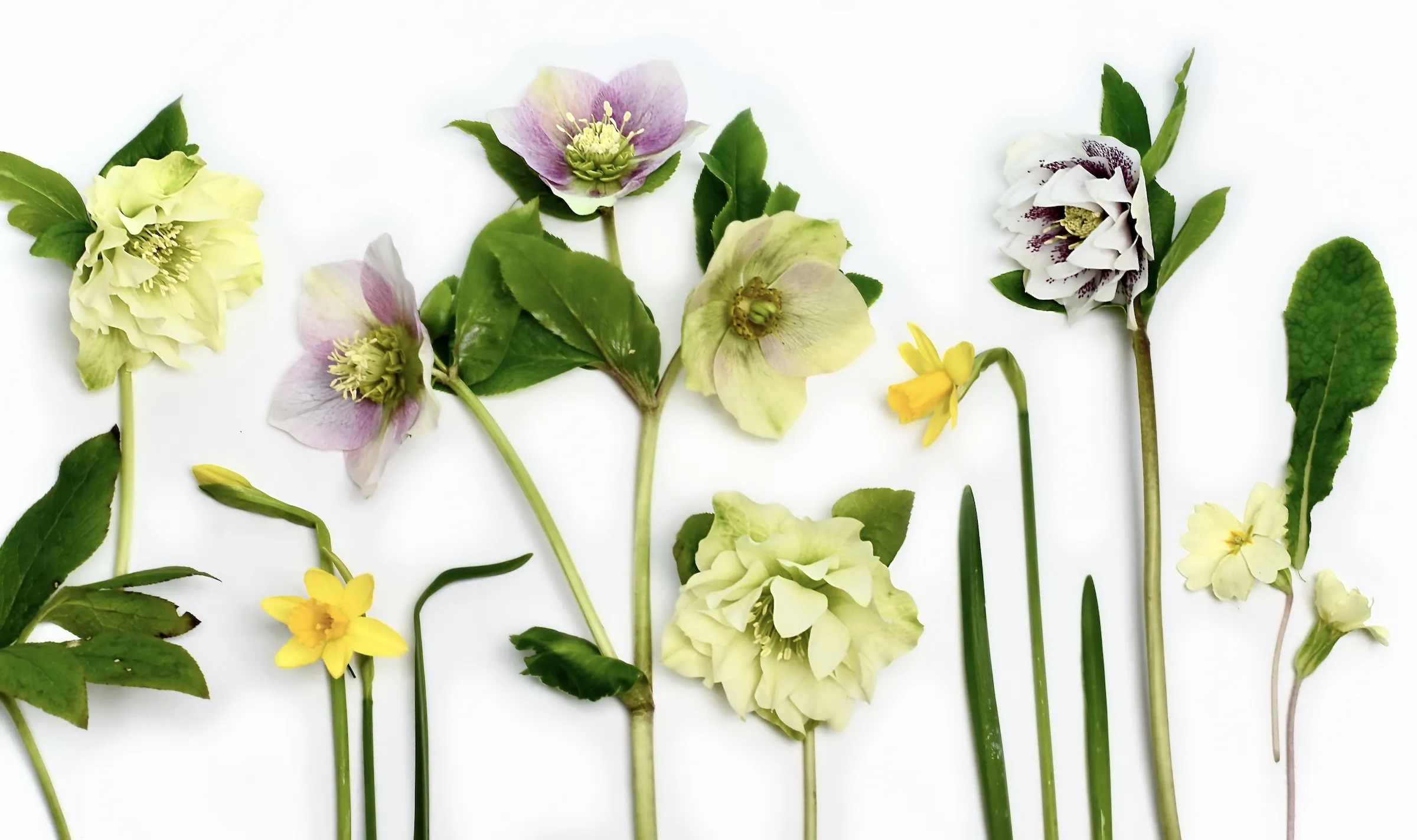
I learned to plant herbs and flowers early to attract pollinators and beneficial insects. What to plant in February March for pollinator support includes herbs like parsley and flowers like calendula.

Source: nurserylive.com
Regional timing and hardiness tips
Timing shifts by USDA zone and local weather. Use frost dates as your guide.
- Zone 3–5 — Start seeds indoors in February. Transplant hardy starts mid to late March after hardening off.
- Zone 6–7 — Start many cool-season crops indoors or sow directly in March. Use row covers for late frosts.
- Zone 8–10 — Direct sow many cool-season vegetables in February. Some warm crops can go in early March.
- Coastal climates — Soil warms earlier; you can plant sooner than inland areas.
- Mountain or high-elevation — Wait until soil is workable and not waterlogged.
What to plant in February March in your zone will differ. Always check local frost dates. I mark my calendar with my average last frost and count back planting weeks for each crop.

Source: youtube.com
Seed starting and transplanting timeline
A simple timeline keeps you on track. Use seed packets for exact days to maturity.
- 8–10 weeks before last frost — Start broccoli, cabbage, cauliflower indoors from seed.
- 6–8 weeks before last frost — Start lettuce and leeks indoors for transplanting.
- 4–6 weeks before last frost — Start tomatoes and peppers indoors if you want an early head start.
- 2–4 weeks before last frost — Direct sow peas, spinach, kale, and radishes outdoors in cool soil.
- On last frost date — Harden off transplants for 7–10 days before planting.
What to plant in February March often begins with starting seeds indoors. I label trays and keep a simple watering schedule. It saves me from lost seedlings.

Source: alamy.com
Soil preparation and common mistakes
Healthy soil makes seedlings thrive. Spend time fixing your beds now.
- Test soil pH — Most vegetables like pH 6.0–7.0. Adjust with lime or sulfur if needed.
- Add compost — Work in a generous layer to improve texture and nutrients.
- Avoid compaction — Don’t work wet soil; wait until it crumbles in your hand.
- Mulch later — Hold off on heavy mulch until soil warms.
Common mistakes to avoid:
- Planting seeds too early in cold, wet soil can rot them.
- Overwatering seedlings causes damping-off disease.
- Skipping soil tests leads to nutrient gaps that slow growth.
What to plant in February March starts with soil care. I once planted into unamended soil and lost many seedlings. After that I always add compost.

Source: youtube.com
Pest and disease pointers for early spring
Early spring is low for pests but watch for a few issues.
- Slugs and snails — Active in cool, damp weather; set traps or barriers.
- Cutworms — Protect seedlings with collars until they get larger.
- Aphids — Monitor young plants; blast with water to control small outbreaks.
- Fungal diseases — Avoid overhead watering and ensure good air flow.
What to plant in February March with pest resistance in mind includes brassicas grown with row covers. I use lightweight covers for the first two weeks to reduce pest damage.
Source: calamus.graphics
Companion planting and crop rotation
Companion planting helps yield and pest control. Rotate crops to protect soil.
- Plant basil near tomatoes — It may improve flavor and deter pests.
- Pair carrots with onions — Onions can mask carrot scent from pests.
- Avoid planting brassicas where brassicas grew last year — Rotate to reduce disease.
- Follow heavy feeders with legumes — Beans fix nitrogen for following crops.
What to plant in February March should fit your rotation plan. I map planting beds each year to keep track of rotations and companions.

Source: gardenersworld.com
Frequently Asked Questions of What to plant in February March
What vegetables can I plant outdoors in February?
In mild climates, sow peas, spinach, lettuce, radishes, and some brassicas directly. Use row covers for extra protection if a late frost threatens.
Should I start tomatoes in February?
Start tomatoes indoors in February only if you have a long indoor growing period before transplanting. For most zones, start tomatoes 6–8 weeks before your last frost.
Can I plant herbs in February and March?
Yes. Parsley, chives, cilantro, and chervil are good cool-season herbs to start now. Plant them in well-drained soil or pots.
When should I plant potatoes in February or March?
Plant seed potatoes in late February or March in mild areas when soil is workable and not waterlogged. Avoid very wet soil to prevent rotting.
How do I protect early seedlings from frost?
Use row covers, cloches, or cold frames to shield young plants during cold snaps. Harden off indoor starts before setting them outside.
Conclusion
Early spring planting sets the tone for the whole season. Choose cool-season vegetables, hardy herbs, and early flowers based on your zone and frost dates. Start seeds indoors when needed, prepare soil first, and protect young plants from late chills. Take action this month: plan beds, start a few trays, and sow quick crops like lettuce and radishes. Share your successes or questions in the comments, subscribe for seasonal updates, and get your garden growing strong this spring.