
As an Amazon Associate, I earn from qualifying purchases.
Plant basil, marigolds, chives, lettuce, nasturtiums, and garlic with tomatoes in containers.
You want strong tomatoes in tight spaces. I’ve grown containers for years on balconies and patios, and I’ve tested countless plant combos. In this guide, I’ll show you exactly what to plant with tomatoes in a container, why it works, and how to set up simple, reliable mixes that boost flavor, repel pests, and save space.
What to plant with tomatoes in a container: key principles
Companion planting is about fit. It balances roots, shade, water use, and pest pressure. The best partners give more than they take. They help tomatoes by deterring pests, cooling soil, or sharing space well.
Here is the short version of what to plant with tomatoes in a container. Pick shallow, quick crops and pest-smart herbs. Avoid heavy feeders and tall bullies. Keep air moving and soil rich.
Use this simple test:
- Do the roots stay shallow. This avoids crowding tomato roots.
- Does the plant grow fast and small. This leaves light and airflow for fruit.
- Does it deter pests or draw helpers. Think scent, flowers, and nectar.
PAA-style quick answers:
- Can herbs boost tomato flavor? Many cooks taste a boost when basil grows nearby, but the real win is more pollinators and less pest stress.
- Do flowers help fruit set? Yes. Blooms pull bees and hoverflies to tomato flowers, which can lift yield.
- Is one big pot enough? Yes, if it is large, fed well, and watered daily in heat.
I will repeat what to plant with tomatoes in a container throughout this guide so you can pick the best mix for your space.
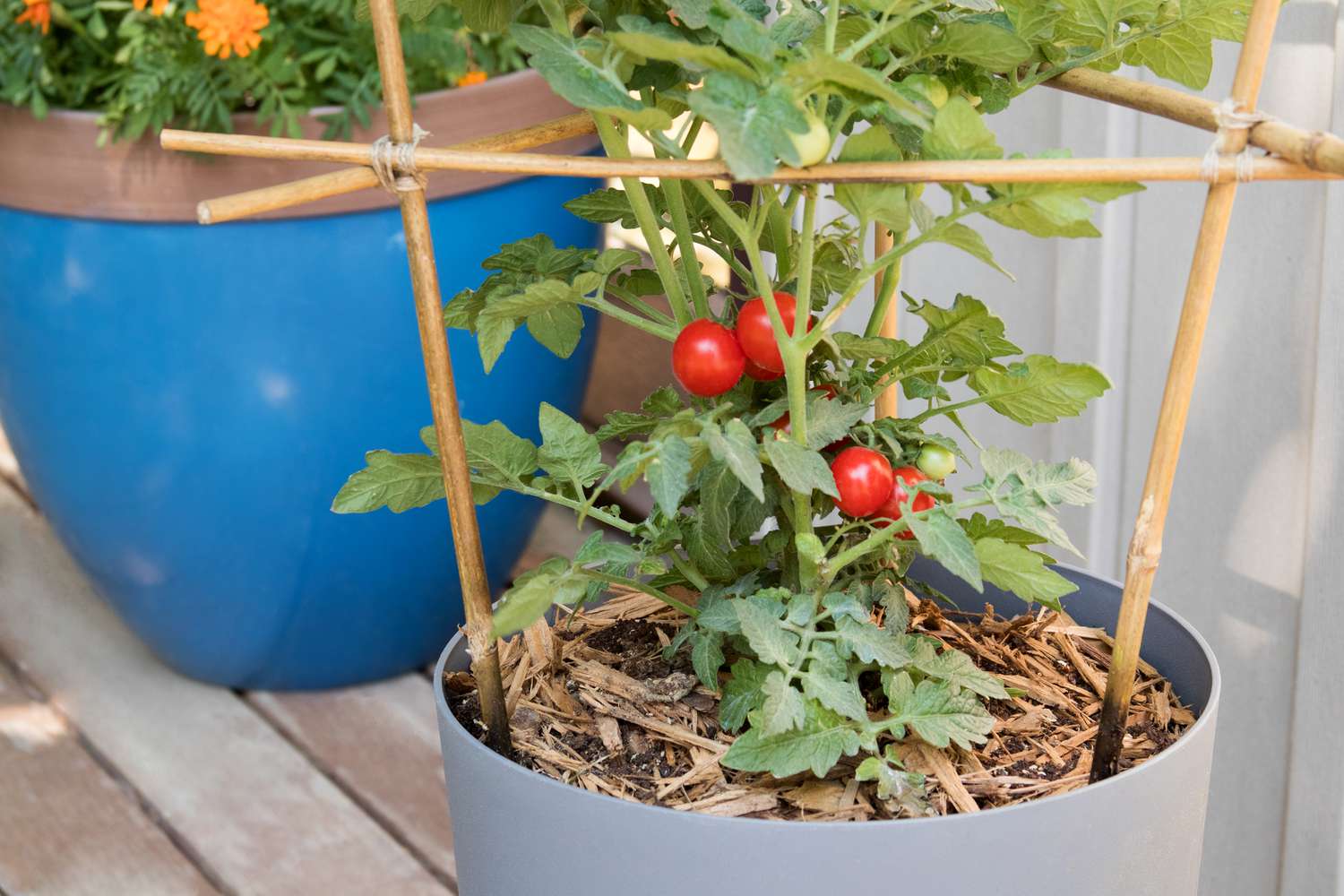
:max_bytes(150000):strip_icc()/tips-for-growing-tomatoes-in-containers-848216-06-41ce3f715bd74adc94a18d6cbae3bf7c.jpg)
Best companions for container tomatoes
These plants fit well in pots with tomatoes. They play nice with roots, add pest control, and use light well.
Herbs that work
- Basil. It draws pollinators and can confuse pests like thrips. Plant two to four small basil plants around the rim.
- Chives and green onions. Their scent can deter aphids and mites. Snip often to keep them short.
- Parsley. A small feeder that hosts hoverfly larvae, which eat aphids.
- Thyme and oregano. Low, drought-tolerant mats that shade soil and curb weeds.
- Dill and cilantro. Great for lacewings and wasps that hunt pests. Let a few bolt for blooms.
Flowers that earn their keep
- Marigolds. Good for above-ground pest confusion and bright color. In pots, they help attract beneficials. Some types can reduce certain nematodes, but that effect is strongest in garden beds.
- Nasturtiums. A classic trap for aphids and flea beetles. Leaves also shade soil and spill over edges.
- Alyssum. Long bloom time that draws tiny wasps. Great edge plant for 10 to 20 gallon pots.
- Calendula. Edible blooms and pest appeal for natural enemies.
Edibles you can tuck in
- Leaf lettuce and spinach. Shallow roots and quick harvests. They love the dappled shade under tomatoes in late spring.
- Radishes. Fast, small, and out before tomatoes need full space.
- Bush beans. Fix a little nitrogen and hang low. Use only in very large pots to avoid crowding.
- Garlic and small spring onions. Pungent roots and scents that can deter some pests.
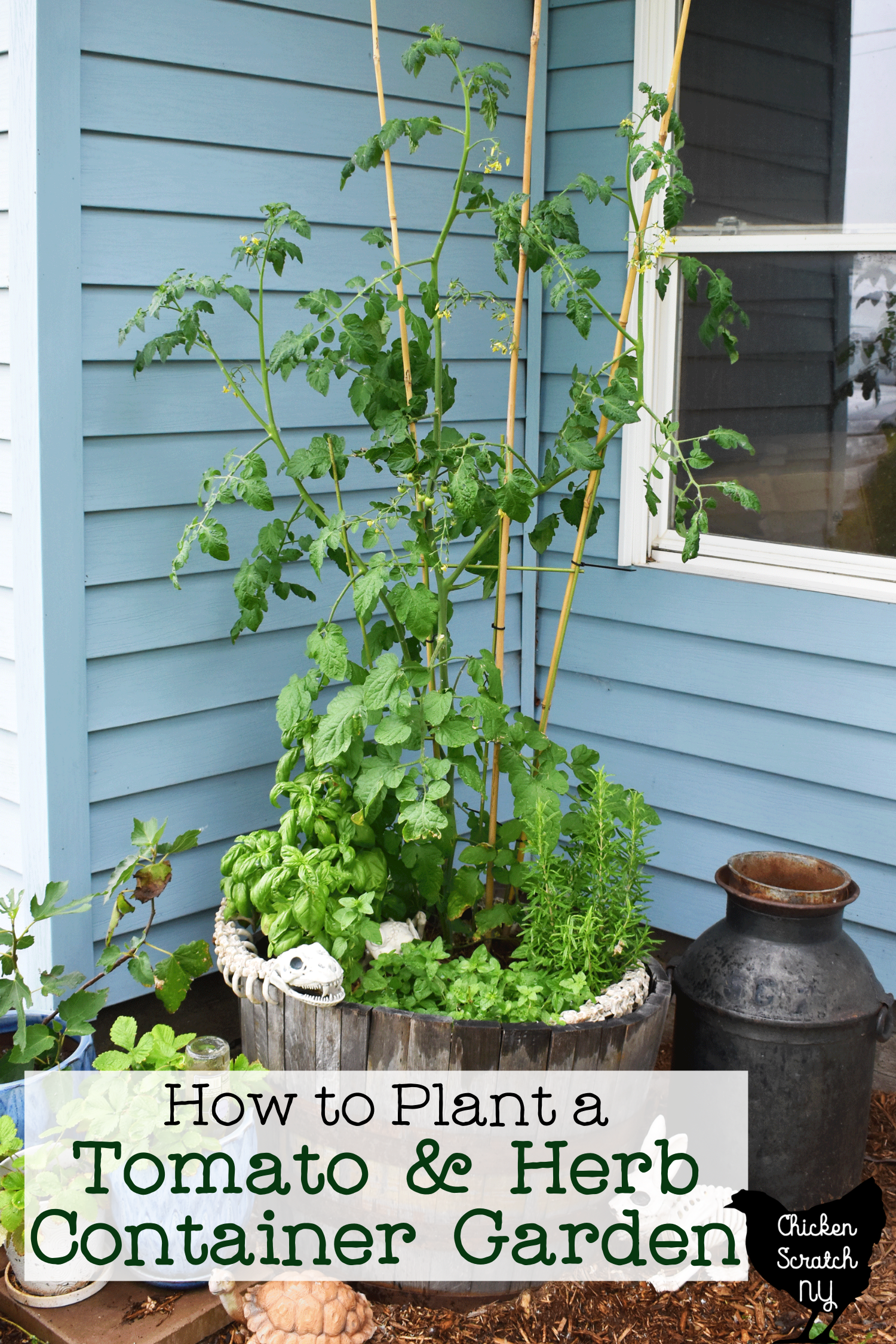
From my trials, basil, nasturtium, and lettuce are the easiest trio. They keep the pot tidy and productive. They also answer what to plant with tomatoes in a container when you want flavor, flowers, and greens at once.

Plants to avoid with container tomatoes
Some plants steal space or invite trouble. Skip these in the same pot.
- Potatoes and eggplant. They share diseases with tomatoes, like blight. Keep them in separate containers.
- Fennel. It can slow nearby plant growth due to allelopathy.
- Corn. Tall, thirsty, and casts heavy shade.
- Large squash or cucumbers. They sprawl and hog water.
- Rosemary and sage. Woody herbs that prefer drier soil than tomatoes.
If you ask what to plant with tomatoes in a container, think small, soft herbs and greens. Avoid heavy vines or close cousins in the nightshade family.

Container setup that makes companions work
Good setup is half the win. It keeps roots happy and air moving.
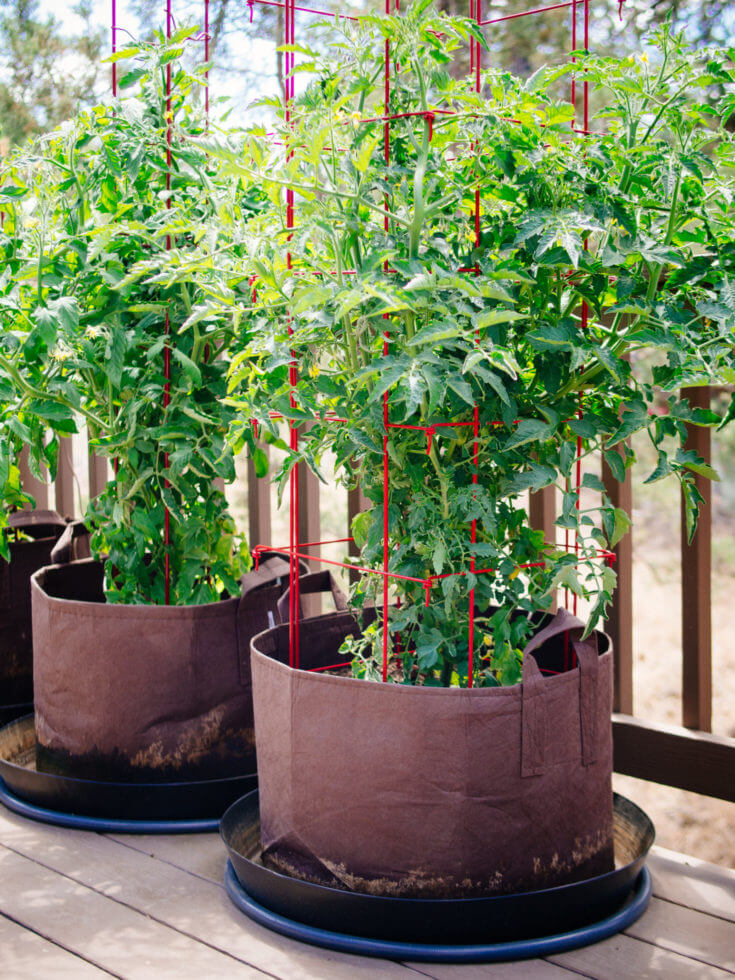
- Choose the right pot. Use at least 10 to 15 gallons for one tomato plus small companions. Go 20 to 25 gallons for more plants or an indeterminate tomato.
- Use high-quality potting mix. Pick a peat or coco base with perlite. Avoid garden soil in pots. It compacts and holds disease.
- Add slow-release fertilizer. Mix a balanced, slow feed at planting. Top up with liquid feed later.
- Install a sturdy support. Add a cage or stakes at transplant time. Do this before companion roots spread.
- Water with care. A drip ring or a simple bottle spike saves time and helps deep watering.
This setup supports what to plant with tomatoes in a container by giving every plant a fair share of space, air, and food.
:max_bytes(150000):strip_icc()/growing-organic-tomatoes-in-a-container-2540015-hero-28eee96a370642a980c06434c0e210e1.jpg)
Simple layout plans for mixed containers
Use these proven recipes. They are easy to plant and keep tidy.
-
10–15 gallon pot
- 1 compact tomato in center
- 2 basil plants on opposite edges
- 2 lettuce starts between basil plants
-
20–25 gallon pot
- 1 indeterminate tomato in center with a tall cage
- 3 marigolds around the rim
- 2 nasturtiums to spill over the sides
- 1 thyme at the sunniest edge
-
25–30 gallon trough or half barrel
- 1 tomato at one end
- 1 parsley and 1 chive near the middle
- 6 to 8 radishes across the front for a quick crop
- 1 alyssum at the far corner
-
Balcony-friendly micro mix
- 1 dwarf tomato
- 1 basil
- 1 nasturtium
- This trio gives fruit, scent, and color in a small footprint.
These mixes show what to plant with tomatoes in a container for steady harvests and low stress.
Seasonal care and timing
Tomatoes and companions have different speeds. Stagger to match growth.
-
Early spring
- Start with cool greens and radishes around your tomato start.
- Use a light cover at night if frost threatens.
-
Early summer
- Add basil and flowers once nights stay warm.
- Begin weekly feeding with a tomato-safe fertilizer.
-
Midsummer
- Keep pruning to open the canopy. Remove lower suckers for airflow.
- Replace spent lettuce with more basil or marigolds.
-
Late season
- Pull tired companions. Leave sunlight for fruit to ripen.
- Reduce nitrogen to avoid leafy growth over fruit.
Following this rhythm helps you plan what to plant with tomatoes in a container across the whole season.
Pest and disease control with companions
Companions support integrated pest management. They attract helpers and confuse pests.
- Scent and confusion
- Basil, chives, and marigolds add strong scents. This can make it harder for pests to locate tomatoes.
- Beneficial insects
- Alyssum, dill, and cilantro flowers feed hoverflies and tiny wasps. These hunt aphids, whiteflies, and caterpillars.
- Trap crops
- Nasturtiums lure aphids and flea beetles away. If infested, remove those vines and replant.
Keep expectations real. Flowers and herbs reduce pressure, but they do not replace basic hygiene. Water the soil, not the leaves. Space plants well. Rotate crops in containers each year if you can. Most extension guides and field tests back these simple steps.
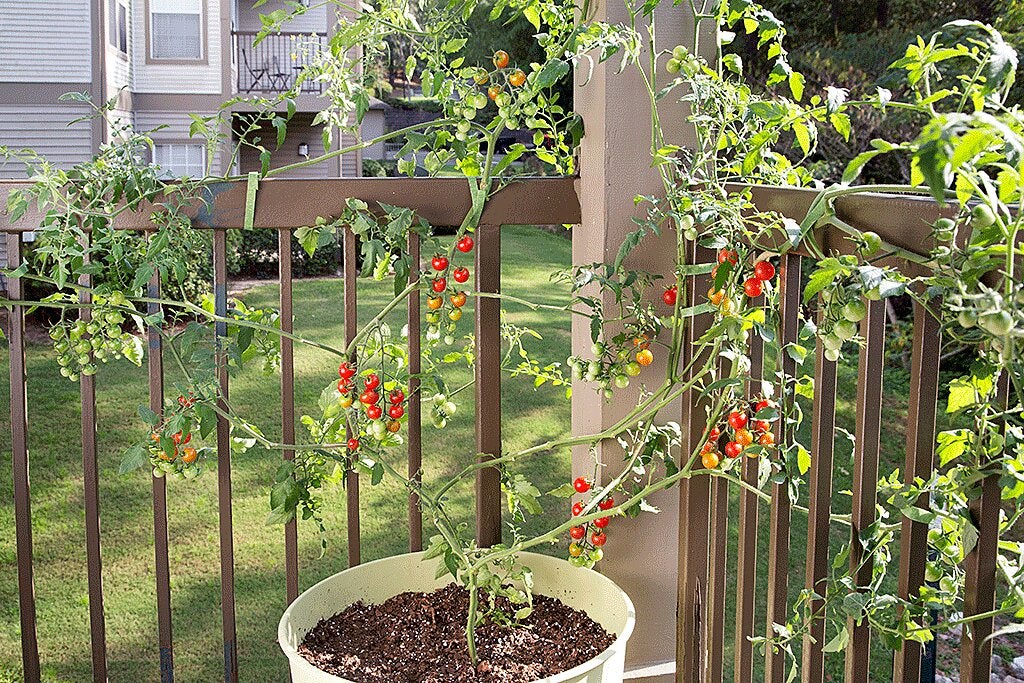
Watering and feeding a mixed container
Roots share one pot. Your job is fair supply without swings.
- Water schedule
- Check daily in heat. Water until it runs from the bottom. Mulch with straw or compost to hold moisture.
- Feeding plan
- Use a slow-release base at planting.
- Add a liquid feed every 7 to 10 days once fruit sets. Choose a lower nitrogen blend to favor fruit.
- pH and salts
- Aim for pH near 6.2 to 6.8. Flush the pot with clear water once a month to prevent salt build-up.
This steady plan supports what to plant with tomatoes in a container by keeping both herbs and tomatoes happy.
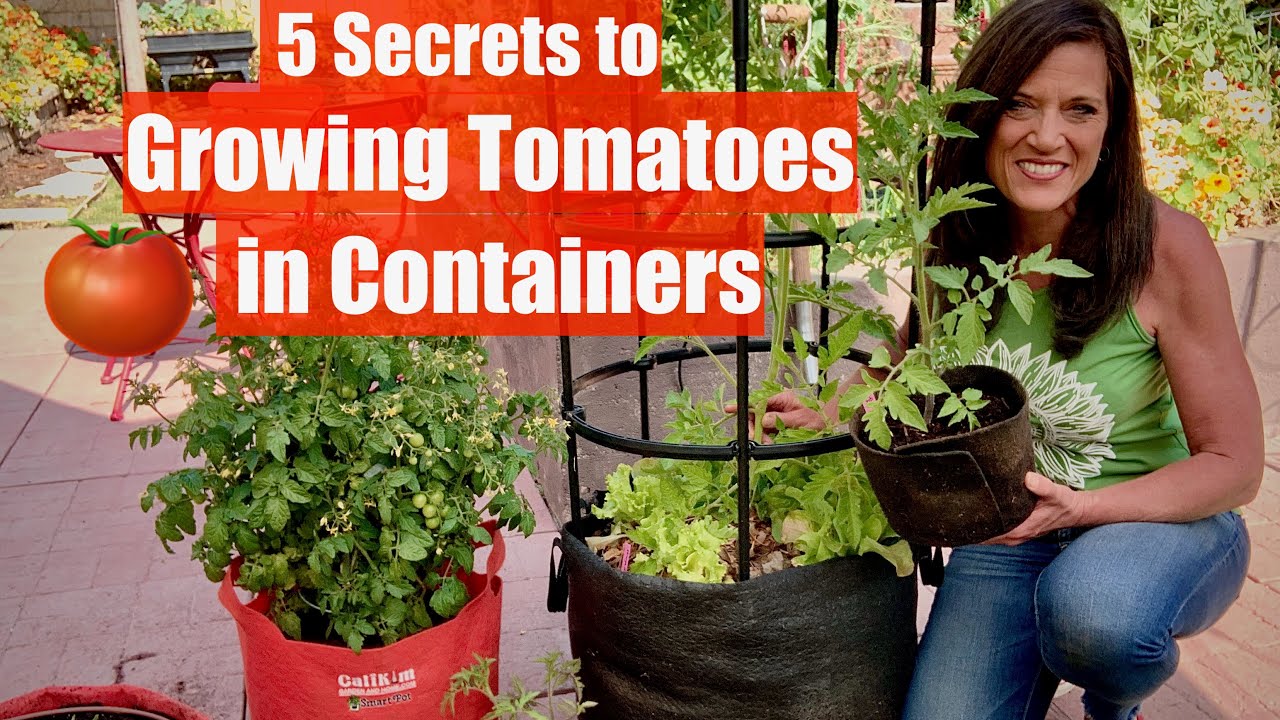
Common mistakes and how to fix them
I have made these mistakes so you do not have to.
- Overcrowding
- Too many plants choke roots and block air. Remove the weakest and prune basil to keep it short.
- Small pots
- A 5-gallon pot dries fast and stunts growth. Upgrade to at least 10 to 15 gallons.
- Feeding only the tomato
- Companions need food too. Even a little balanced liquid feed helps.
- Ignoring airflow
- Dense leaves trap humidity. Strip lower leaves up to the first flower truss to help.
If you are not sure what to plant with tomatoes in a container, start small. One tomato, two basil, and one flower is a safe, strong base.
Frequently Asked Questions of what to plant with tomatoes in a container
How big should the container be for companions?
Use 10 to 15 gallons for one tomato with two to three small companions. Go larger if you want more plants or a tall, vining tomato.
Can I plant peppers with tomatoes in the same pot?
It is not ideal. They are both heavy feeders and can share diseases, so keep them in separate containers.
Do marigolds really stop pests in pots?
They help by attracting beneficial insects and adding scent diversity. They are not a shield, but they can reduce pressure when combined with good care.
Which basil variety works best with tomatoes?
Small-leaf or Genovese types are great. They stay compact with regular harvests and produce lots of flavorful leaves.
What should I plant midseason after lettuce bolts?
Swap in basil, marigolds, or thyme. These handle summer heat and keep the pot productive.
Can I add strawberries with tomatoes?
Skip that mix in one pot. They compete for space and have different water needs.
Is coffee grounds mulch good for tomatoes and herbs?
Use only well-composted grounds in small amounts. Fresh grounds can mat, repel water, and skew nitrogen.
Conclusion
Tomatoes thrive when their neighbors are smart, small, and helpful. Basil, marigolds, nasturtiums, chives, lettuce, and parsley hit that mark. They boost pollinators, cool soil, and keep pests guessing. Start with one of the simple layouts above, and you will know exactly what to plant with tomatoes in a container for flavor and yield.
Pick a pot, choose two to three companions, and plant this week. Share your setup or questions in the comments, and subscribe for more easy, tested container garden plans.

I enjoy sharing simple gardening ideas, lawn care tips, and honest product reviews that help make outdoor work easier. From home gardening guides to helpful tools and lawn care advice, I write easy-to-follow content to help readers create a healthier and better-looking outdoor space without wasting time or money.